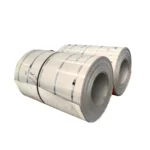
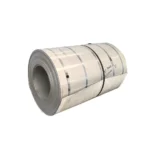
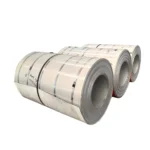
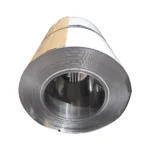
Description
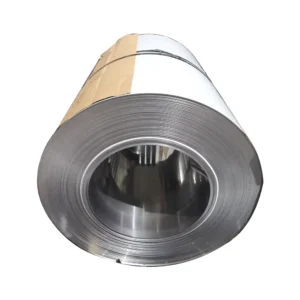
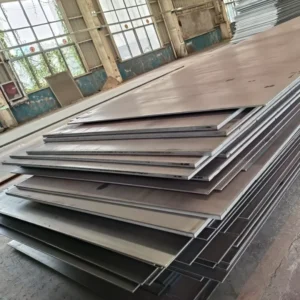
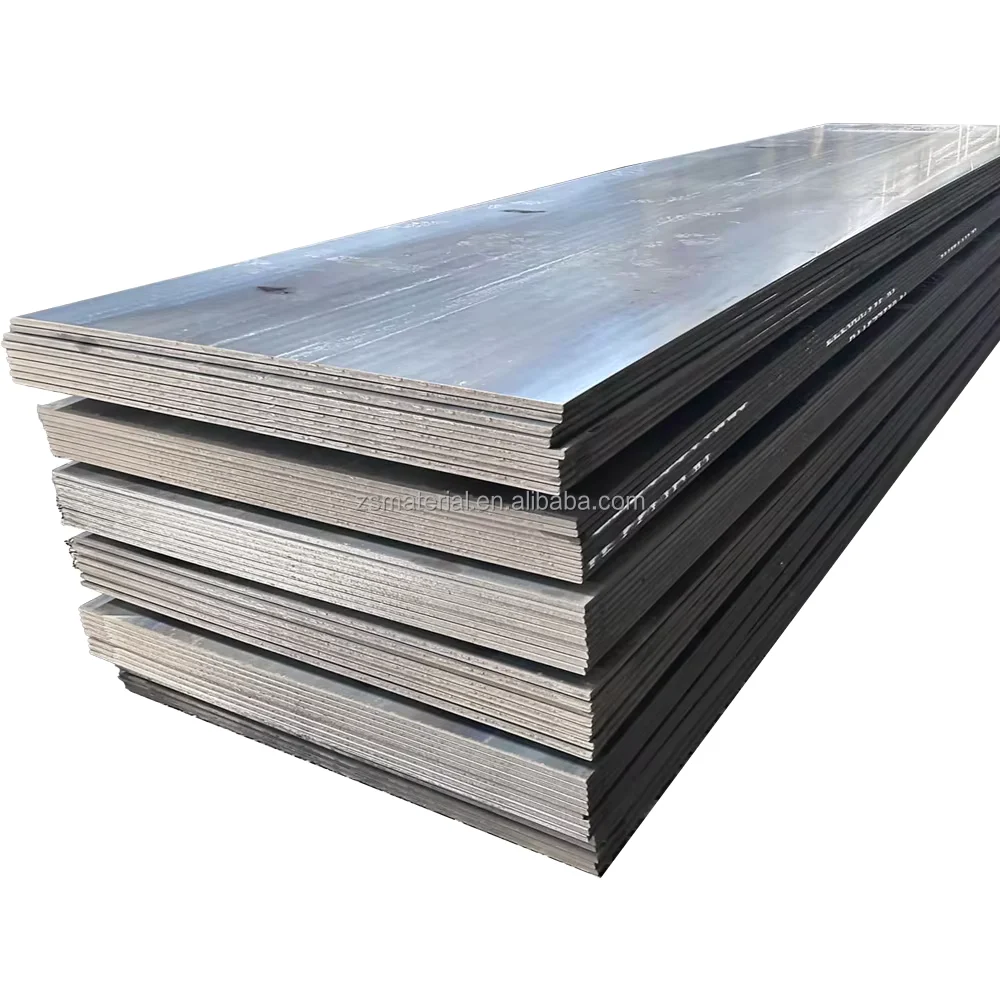
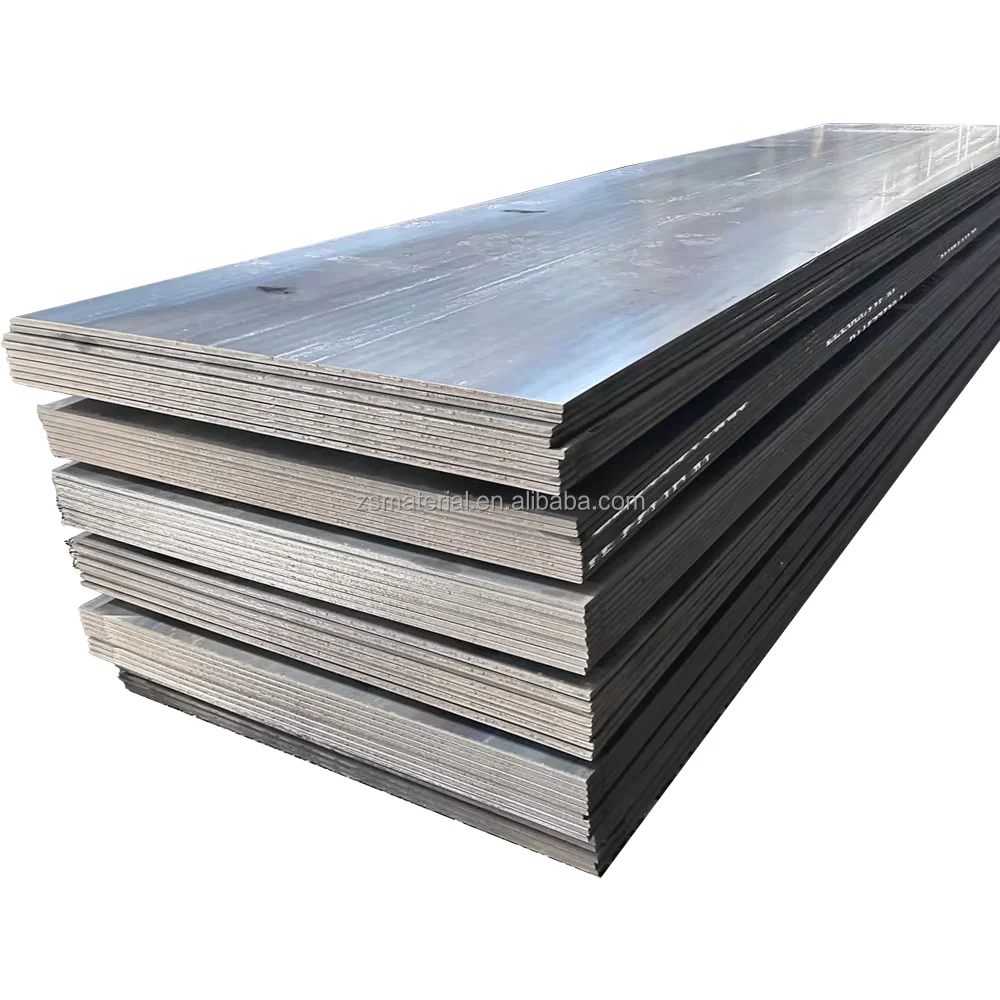
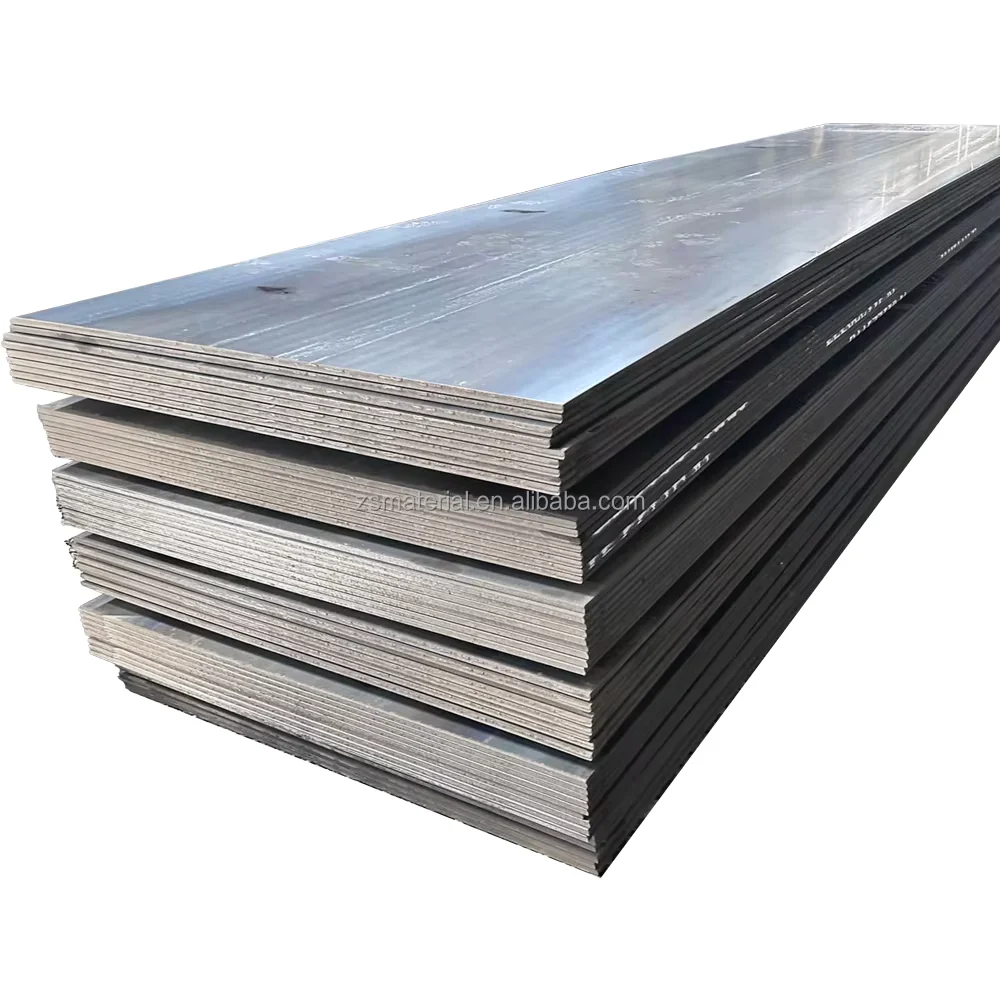
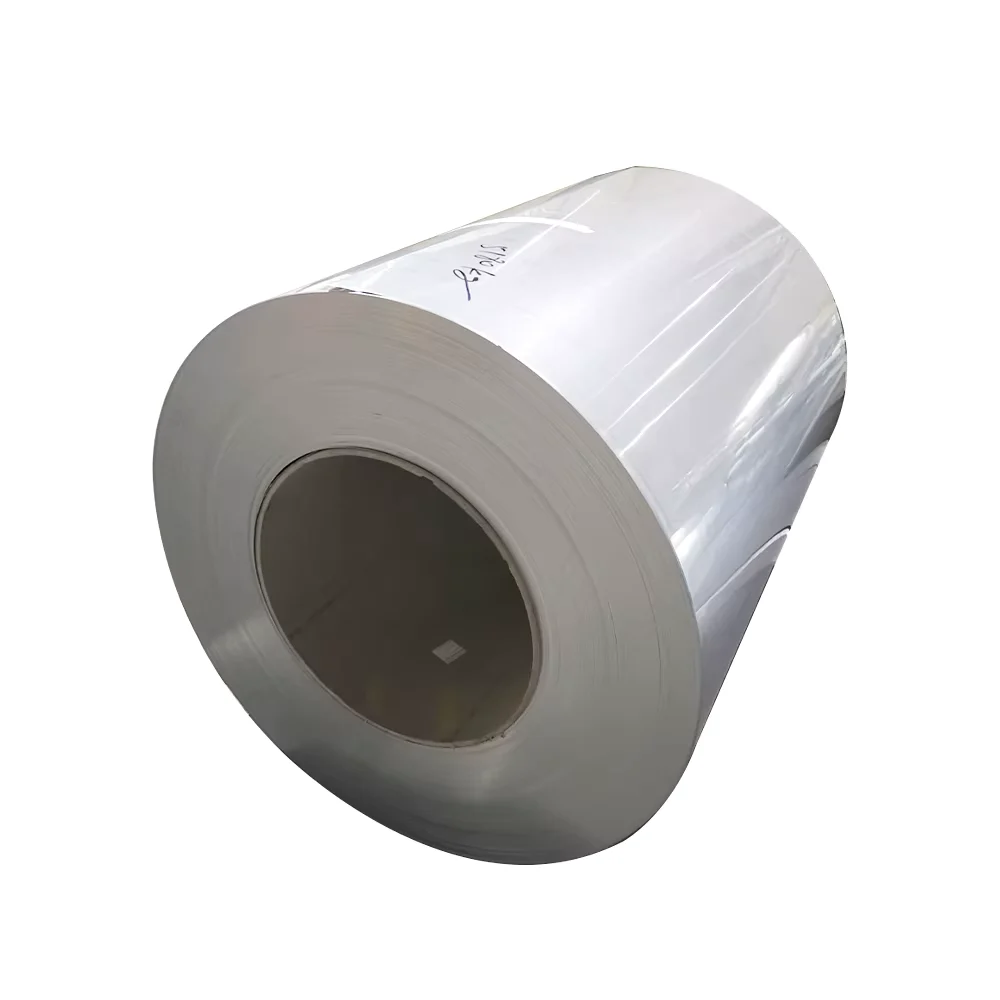
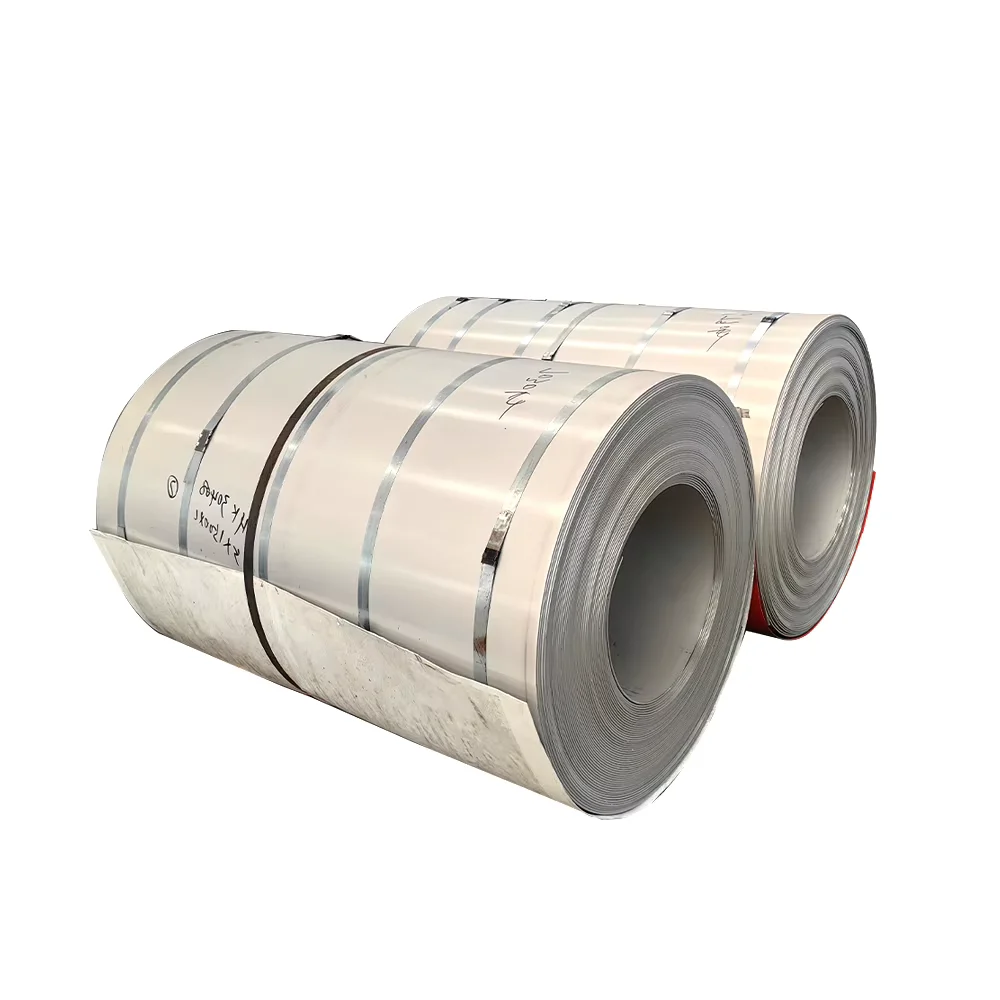
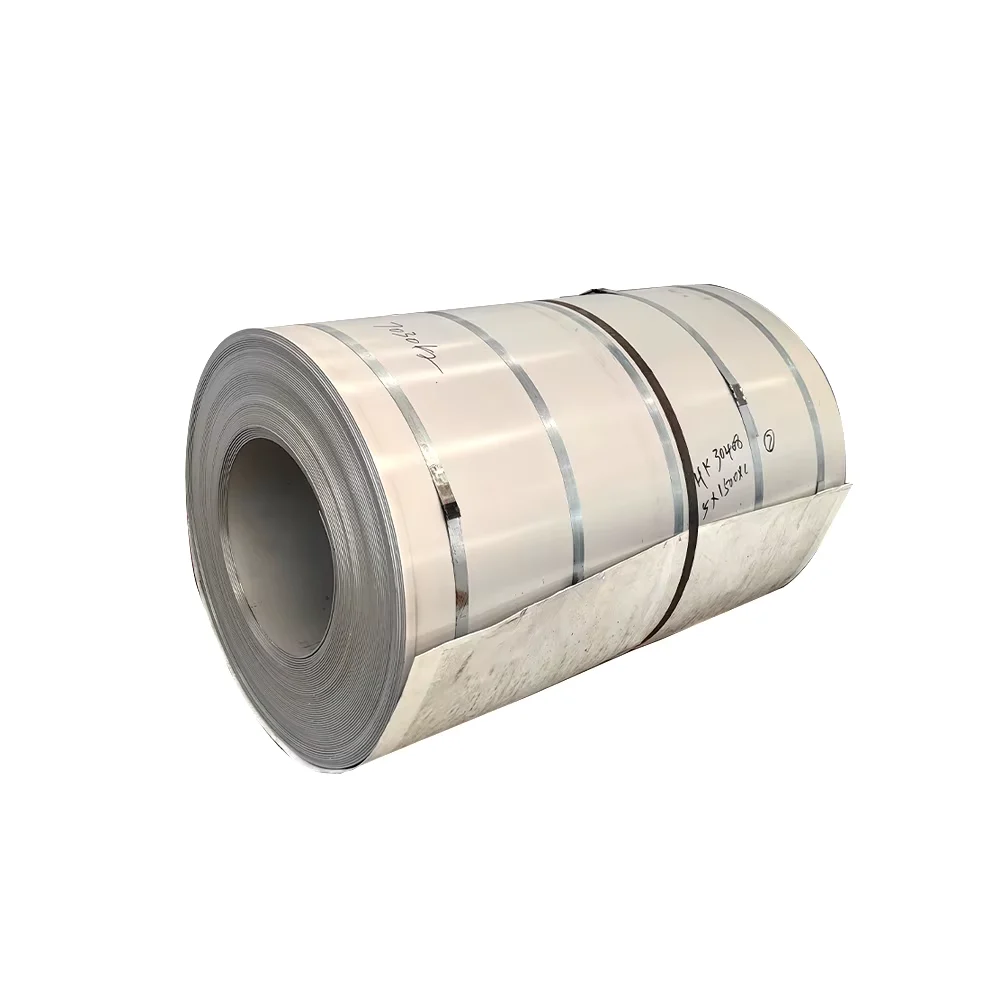
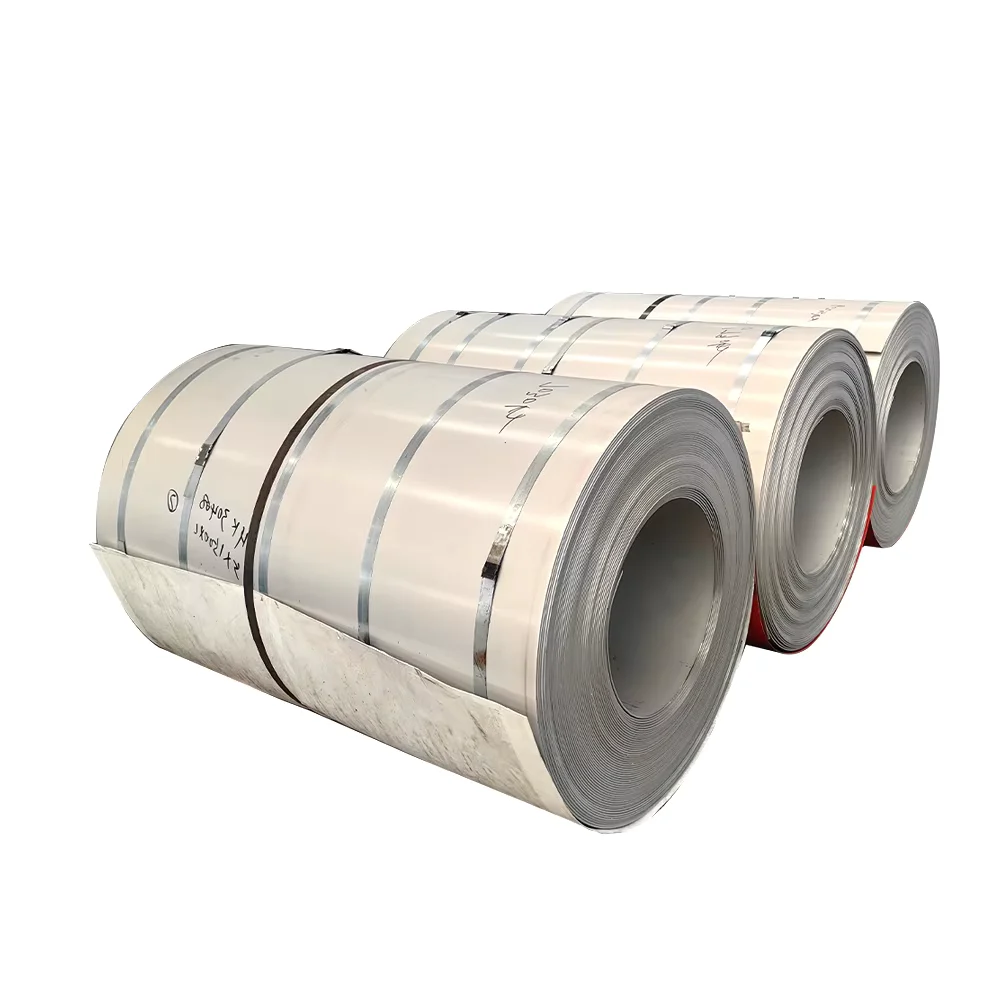
One-Stop Certified Stainless Coil Supply — 201, 304, 321, 309S, 316L, and 430 cold rolled coils in 2B finish, 0.3–8 mm × 1000–1500 mm, shipped with original mill test certificates and ISO 9001 / CE compliance.
Technical Specifications
| Parameter | Value |
|---|---|
| Designation | Cold Rolled Stainless Steel Coil |
| Product Type | Steel Coil |
| Steel Grade | 201, 304, 321, 309S, 316L, 430 |
| Technique | Cold Rolled |
| Surface Finish | 2B |
| Thickness | 0.3–8 mm |
| Width | 1000 mm / 1219 mm / 1500 mm |
| Application | Kitchenware, fabrication, general structural and decorative applications |
Application Suitability
| Industry | Typical Applications |
|---|---|
| Kitchenware & Food Processing | Cookware blanks, sink bowls, food conveyor trays, commercial kitchen panels |
| Architectural & Decorative | Interior wall cladding, elevator panels, column covers, ceiling grids |
| Industrial Equipment | Heat exchanger shells, furnace liners, high-temperature ductwork, pressure vessel wrappers |
Nickel Content Variance: The Real Reason 304 Coils Fail on Site
A 0.9% nickel gap between mill cert and SGS re-test can void an entire 20-ton batch.
I once watched a Vietnamese cookware manufacturer reject a full container of 304 cold rolled stainless steel coil because the nickel content measured 7.2% on re-test — well below the 8.0% minimum for 304 austenitic grade. The original mill certificate had stated 8.1%. That discrepancy cost weeks of production downtime and a return shipment that nobody wanted to pay for. [NEED_CITE: 304 stainless steel nickel content specification range per ASTM A240]
Grade confusion between 201, 304, and 316L is the most common procurement failure I see. Buyers substitute 201 for 304 to save cost, then discover manganese-driven corrosion in humid kitchen environments. Others specify 316L for a project that only needs 304, paying a molybdenum premium for corrosion resistance they will never use. Without verified chemical composition on every coil, these mistakes only surface after fabrication begins.
Matching Cold Rolled Precision to Fabrication Demands
Cold rolled stainless steel coil in 2B finish delivers the surface uniformity and dimensional accuracy that kitchenware stamping and architectural panel forming require. At 0.3–8 mm thickness across 1000 mm, 1219 mm, and 1500 mm widths, these coils feed directly into decoiler lines without secondary leveling for most gauge ranges. The cold rolling process itself produces tighter thickness tolerance than hot rolled equivalents, which matters when deep-drawing sink bowls or press-forming elevator panels where even 0.05 mm variation causes visible rippling. Custom slitting to narrower widths reduces edge waste for fabricators running multiple part nests from a single master coil.
Engineering Compliance and Surface Integrity
For food contact and kitchenware applications, 304 and 316L grades must meet corrosion resistance thresholds defined by regional food safety frameworks — 316L’s molybdenum addition becomes mandatory in chloride-exposed environments such as coastal restaurants or seafood processing lines. [NEED_CITE: stainless steel grade selection for food contact and corrosive environments] The 2B surface finish provides a smooth, uniform base suitable for subsequent polishing to No.4 or mirror finishes, or direct use in concealed structural components where appearance is secondary to formability. For high-temperature applications above 800°C, 309S and 321 grades offer chromium-nickel stability with titanium or elevated chromium content that resists scaling and sensitization during repeated thermal cycling.
Grade Selection: What 201, 304, 316L, 321, and 309S Actually Deliver
The 200-series grades (201) substitute manganese and nitrogen for part of the nickel content, reducing cost but sacrificing long-term corrosion resistance — acceptable for dry indoor decorative panels, unsuitable for wet food zones. The 300-series austenitic grades (304, 316L, 321, 309S) maintain full nickel content for ductility and corrosion performance: 304 serves as the baseline general-purpose grade; 316L adds molybdenum for chloride resistance and lower carbon for weld-zone corrosion protection; 321 incorporates titanium to prevent chromium carbide precipitation during high-temperature welding; 309S carries elevated chromium and nickel for sustained oxidation resistance above 1000°C. The 400-series ferritic grade (430) offers magnetic response and lower cost for non-corrosive decorative applications where formability requirements are moderate. Cold rolling further refines grain structure, improving surface hardness and finish consistency compared to hot rolled stock.
The Hidden Cost of Unverified Coil Chemistry
Accepting a cold rolled stainless steel coil without original mill test certificate traceability means accepting unknown chemistry. A coil labeled 316L that actually contains 304-level molybdenum will pass visual inspection but fail salt-spray testing within months in a marine environment. Thickness tolerance abuse — where nominal 0.5 mm material consistently measures 0.45 mm — inflates theoretical weight calculations while reducing structural margin, a problem that compounds across hundreds of meters in coil form. [NEED_CITE: negative tolerance practices in stainless steel coil trade and quality verification] Customs authorities in the EU and Middle East increasingly require verifiable heat number traceability linked to mill test certificates; shipments without documentation face rejection or costly third-party re-testing at the port.
Procurement Confidence from Mill to Port
Every cold rolled stainless steel coil we supply ships with its original mill test certificate showing heat number, chemical composition, and mechanical properties — the same documentation that resolved the Hai Phong rejection incident and now standard across all our outbound shipments. Our dedicated plate and coil division maintains ready stock in 201, 304, 321, 309S, 316L, and 430 across the full 0.3–8 mm × 1000–1500 mm range, eliminating the minimum-order constraints that force fabricators to buy full coils when they need partial widths. Custom slitting and cut-to-length processing happens in-house, with dimensional reports provided before dispatch. ISO 9001:2015 and CE certification underpin every transaction, and we welcome SGS or BV third-party inspection at our facility before container sealing — a step that costs the buyer nothing but eliminates the chemistry-gap risk entirely.
Documentation & Compliance
- Mill test certificate documenting chemical composition (C, Cr, Ni, Mo, Mn) and mechanical properties per grade standard for each heat number
- ISO 9001:2015 quality management certificate covering cold rolled coil processing and export supply
- CE certification confirming conformity with European pressure equipment and structural material directives where applicable
- SGS or BV third-party inspection report available upon request, covering visual, dimensional, and chemical verification before loading
- Full material traceability linking each coil to its original heat number, rolling schedule, and mill test certificate
- Export documentation package including commercial invoice, packing list, bill of lading, and certificate of origin for customs clearance
Packaging, Loading & Delivery
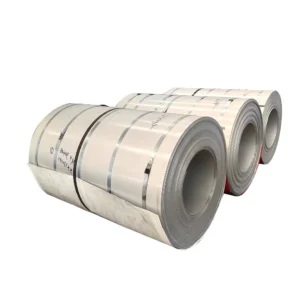
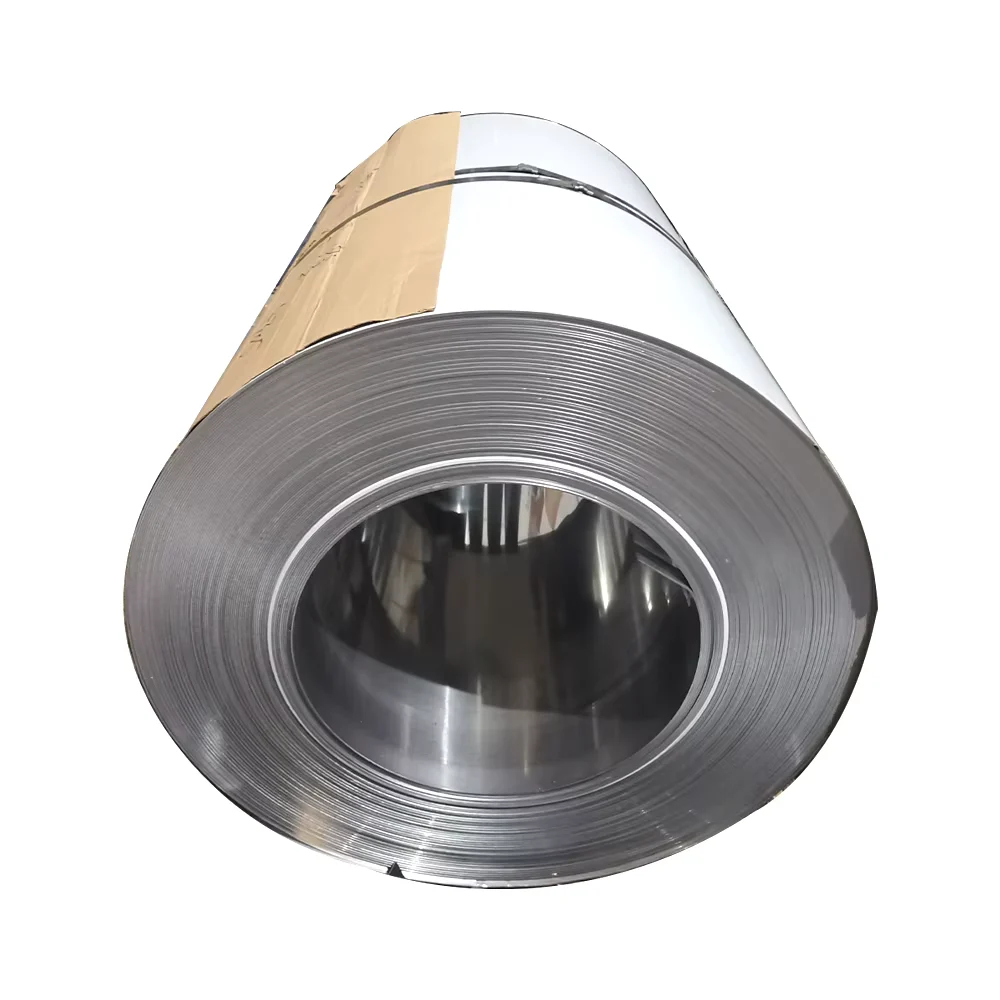
- Cold rolled stainless steel coils packed in seaworthy export packaging with moisture-proof inner wrapping and steel strip banding to protect 2B surface finish during ocean transit
- Edge protectors applied to all coil sides to prevent edge wave damage on 0.3–1.0 mm thin-gauge material during handling and container loading
- Container loading optimized by weight distribution across 20ft and 40ft units, with coil eye-to-sky orientation and wooden cradle support to prevent telescoping
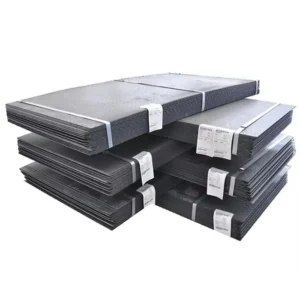
- Custom slitting widths and cut-to-length sheets available, bundled separately with heat number labels for on-site identification and traceability
- Heat number and grade designation clearly marked on each coil ID tag and outer packaging, matching mill test certificate documentation
- Shipping terms available as FOB, CIF, or DDP with professional heavy cargo logistics experience including flatbed and open-top container options
Initiating Your Coil Procurement
Submit your required steel grade, thickness, width, coil weight or quantity, and destination port to receive a detailed quotation including material cost, any slitting or processing fees, and shipping terms within 12 hours. We will provide the original mill test certificate for your review before or alongside shipment, and coordinate third-party inspection scheduling if your project requires independent verification. For non-standard widths or mixed-grade container orders, our processing team will confirm feasibility and lead time against current stock positions.
Frequently Asked Questions
Q: What is the difference between 201, 304, and 316L cold rolled stainless steel coil for kitchenware applications?
A: 201 grade uses manganese and nitrogen to partially replace nickel, offering lower cost but reduced corrosion resistance suitable for dry indoor components. 304 is the standard food-grade austenitic stainless with full nickel content for general kitchenware and food processing equipment. 316L adds molybdenum for superior chloride resistance and lower carbon content for improved weld-zone corrosion protection, making it the required choice for marine-adjacent or high-salinity food environments.
Q: Can you provide custom slitting widths from master coils?
A: Yes, we offer custom slitting from 1000 mm, 1219 mm, and 1500 mm master coils to your required narrower widths, with cut-to-length sheets also available. Processing is performed in-house with dimensional inspection reports provided before dispatch. Minimum order quantities for slit coils depend on the target width and grade — contact us with your specification for confirmation.
Q: How do you verify chemical composition and ensure mill test certificate authenticity?
A: Every coil ships with its original mill test certificate showing the heat number, chemical composition, and mechanical properties. The heat number on the coil tag matches the certificate, allowing full traceability back to the rolling heat. We welcome SGS or BV third-party inspection at our facility before loading, where independent testers can verify chemistry via spectrometer analysis against the documented values.
Q: What surface finish options are available besides 2B?
A: Our standard stock is supplied in 2B finish, which provides a smooth, uniform surface suitable for direct use or further polishing. The 2B finish serves as an ideal base for subsequent processing to No.4 brushed, BA bright annealed, or mirror finishes depending on your application requirements. Contact us with your target finish specification for availability and processing lead time.
Q: How are cold rolled stainless steel coils loaded for international shipping?
A: Coils are packed in seaworthy export packaging with moisture-proof wrapping and steel strip banding, loaded in eye-to-sky orientation with wooden cradle support to prevent telescoping during transit. Edge protectors are applied especially for thin-gauge material below 1.0 mm. Container loading is optimized by weight distribution, and we provide complete export documentation including packing list, bill of lading, and certificate of origin.
Secure Your Certified Cold Rolled Stainless Steel Coil Today
Send your grade, thickness, width, quantity, and destination port to receive a quotation with original mill test certificate preview within 12 hours.
Shandong Xin Jiyuan Special Steel Tube Co., Ltd
Tel: +86 531 8573 6315
Mobile/WhatsApp/WeChat: +86 188 5315 7756
Email: admin@xjyplate.com
Website: www.xjyplate.com