



Description
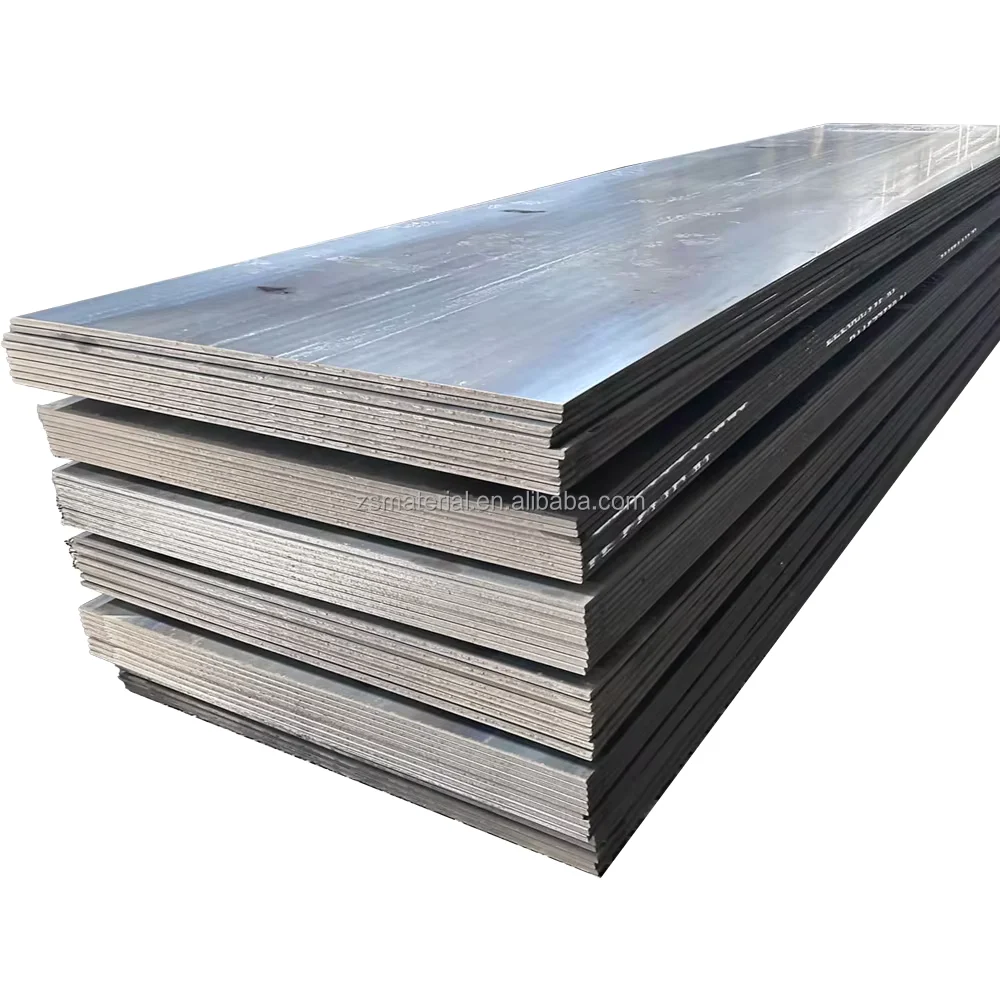
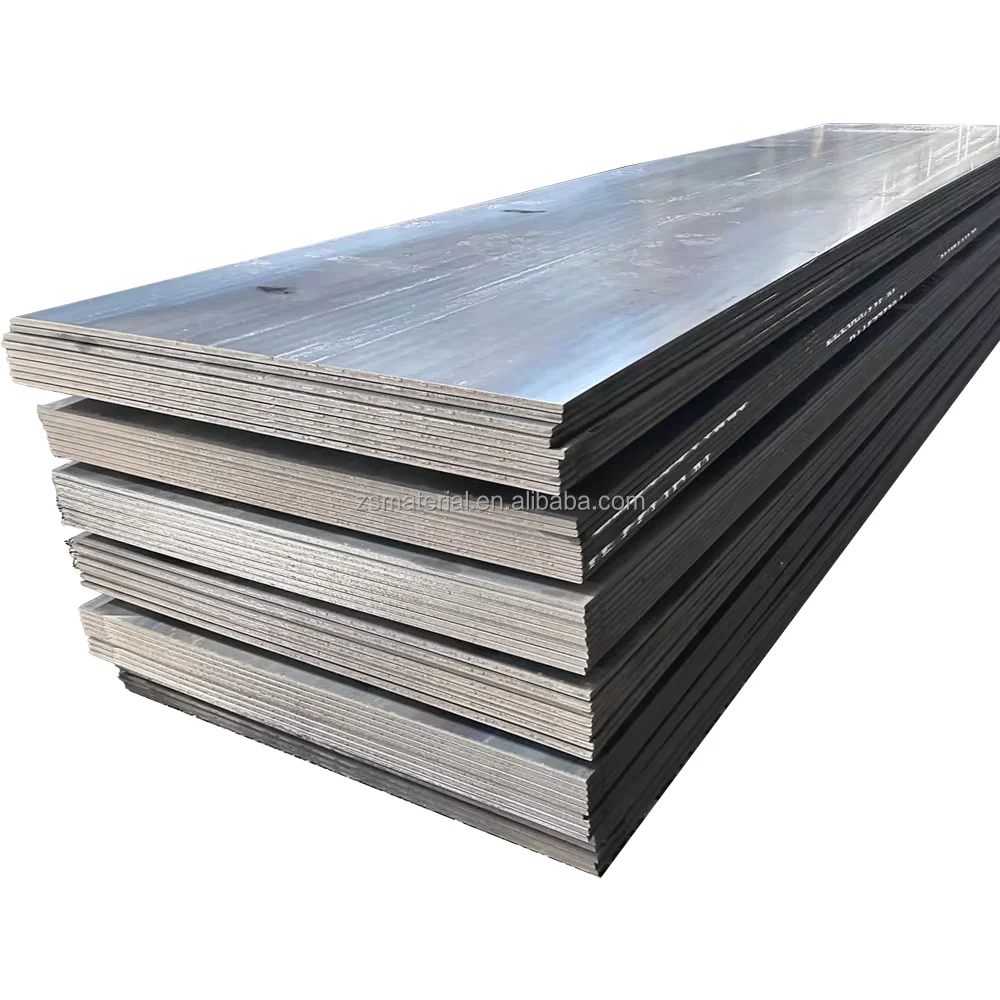
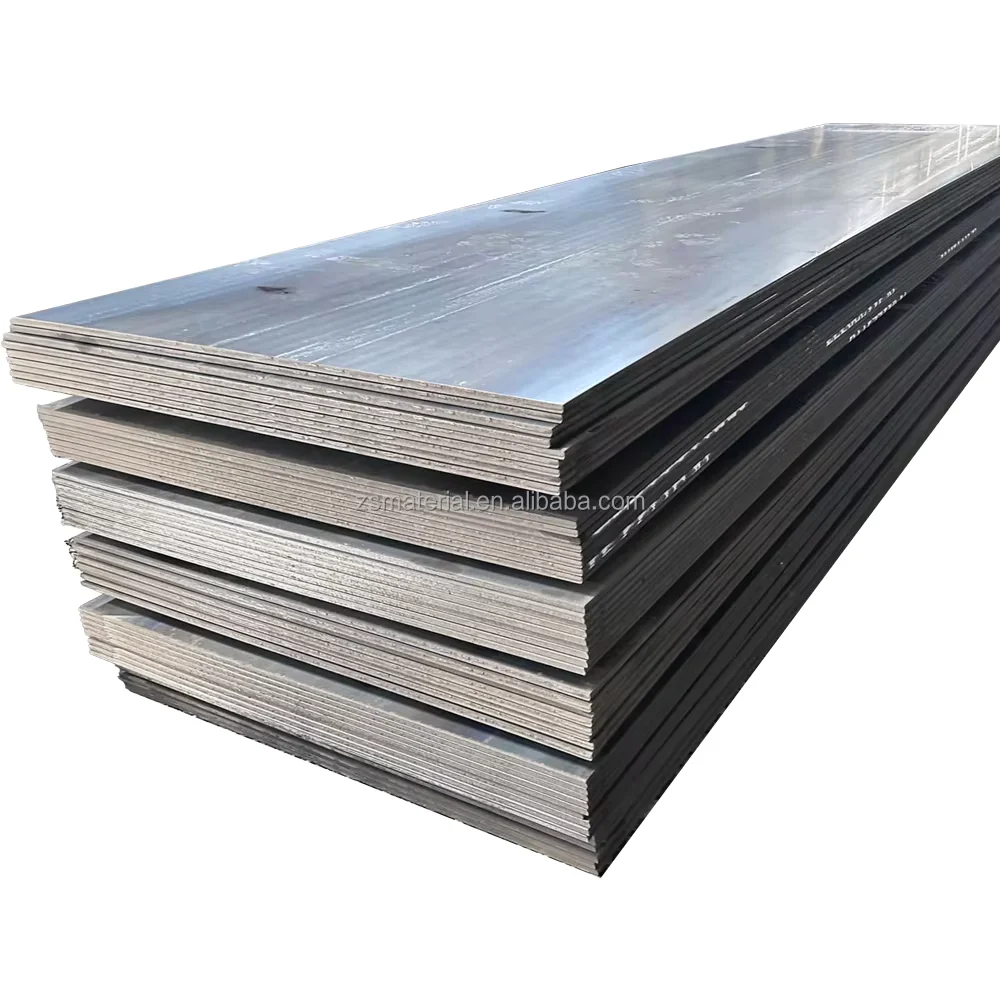
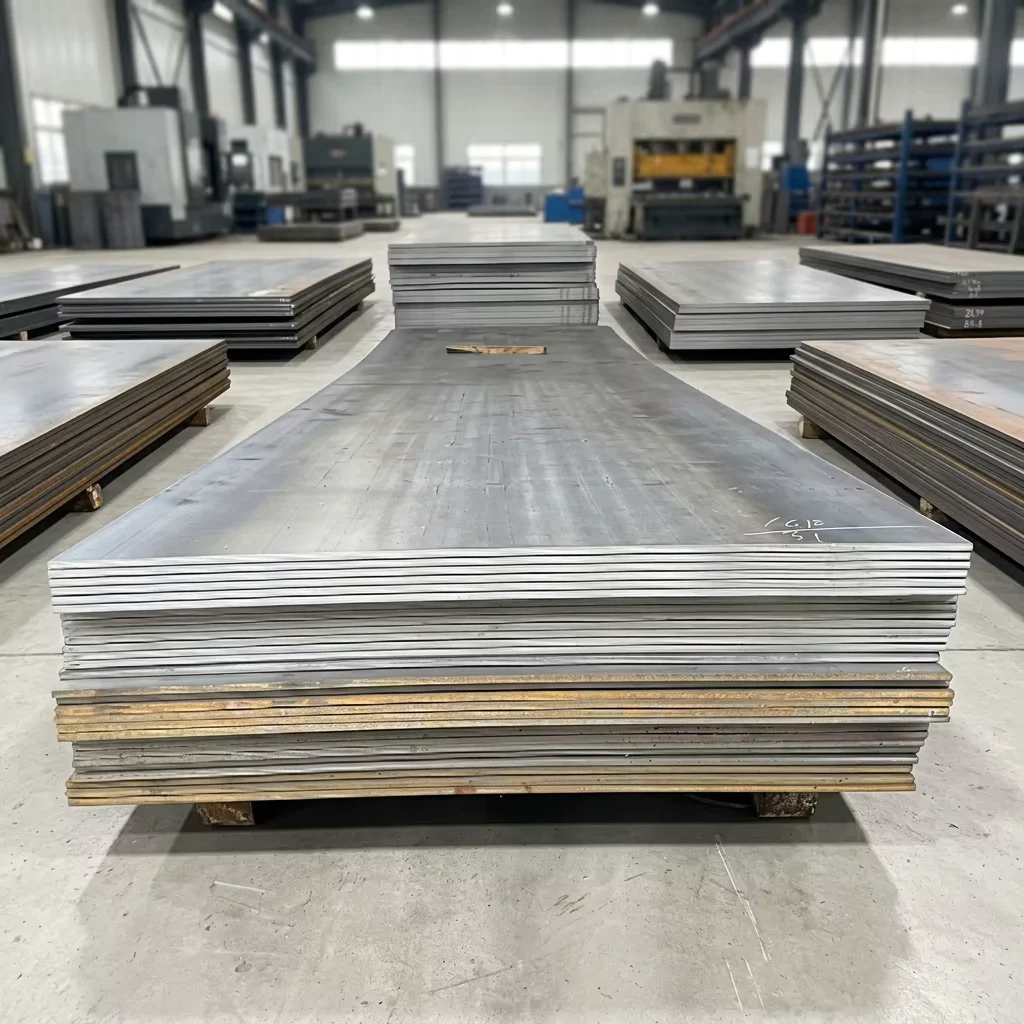
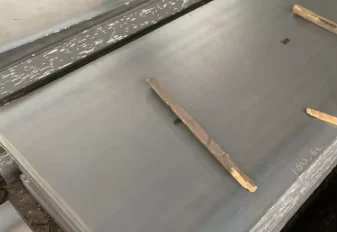
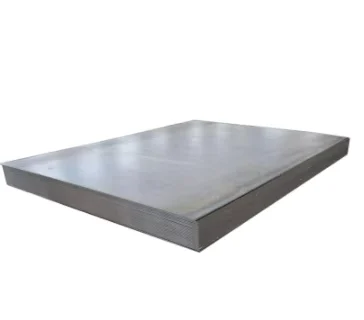
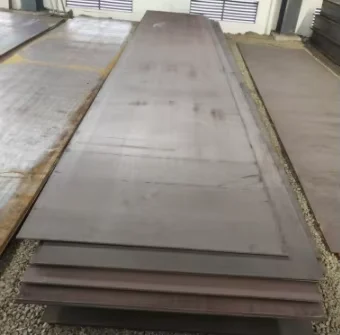
Factory-direct Q235 ASTM hot rolled steel plate supplier — every 6mm plate ships with original mill test certificate, plasma-cut to size, and loaded with reinforced steel strip bundles for ocean freight.
Technical Specifications
| Parameter | Value |
|---|---|
| Designation | Q235 / ASTM MS Ship Plate 6×1500×6000mm Hot Rolled Steel Plate |
| Product Type | Steel Plate |
| Steel Grade | Q235, ASTM A36 |
| Standard | GB/T 709, ASTM A36 |
| Section Shape | Flat plate |
| Thickness | 6mm |
| Width | 1500mm |
| Length | 6000mm |
| Technique | Hot Rolled |
| Surface Treatment | Hot Rolled mill finish |
| Application | Shipbuilding, structural fabrication, construction, general engineering |
| Services | Welding & cutting available |
| Origin | China |
Application Suitability
| Industry | Typical Applications |
|---|---|
| Shipbuilding | Deck plating, bulkhead panels, hatch coaming structures |
| Structural Fabrication | Column base plates, gusset plates, bracket assemblies |
| Construction | Bridge gussets, embedded plates, foundation anchor plates |
| General Engineering | Machine base frames, conveyor support plates, platform flooring |
Why Q235 ASTM Hot Rolled Steel Plate Orders Fail at Customs Inspection
Missing or unverifiable mill test certificates remain the single most common reason flat steel shipments get held at destination ports.
Procurement teams across Southeast Asia and the Middle East routinely report grade confusion when sourcing Q235 ASTM hot rolled steel plate — the equivalence between GB, ASTM, and EN standards is never one-to-one, and a certificate listing only “equivalent grade” without heat number traceability will not pass third-party inspection. [NEED_CITE: steel grade equivalence between EN and ASTM standards] Beyond documentation gaps, buyers frequently receive plates with actual thickness deviations exceeding acceptable mill tolerance, leading to fabrication rework and structural weight miscalculations. When the plate cannot be verified against its stated chemistry and mechanical properties, the entire batch becomes a liability rather than an asset.
Matching 6mm Hot Rolled Plate to Marine and Structural Engineering Demands
A 6mm hot rolled plate in Q235 or ASTM A36 sits at the intersection of formability and structural adequacy — thin enough for bending into curved bulkhead sections, yet thick enough to serve as load-distributing base plates under moderate compression. For shipbuilding applications, this thickness range is widely specified for non-primary structural members where welding accessibility and weight control both matter. Our Q235 ASTM hot rolled steel plate is supplied with welding-ready mill finish surface condition, meaning no additional grinding is required before fillet or groove welding on deck panels and bracket connections.
Engineering Compliance and Certification Requirements for Flat Steel Procurement
Structural steel plates destined for load-bearing applications must comply with recognized engineering frameworks — AISC for North American projects, EN 1993 for European-spec structures, and classification society rules (Lloyd’s, DNV, ABS) for marine-grade procurement. [NEED_CITE: structural steel plate compliance requirements for shipbuilding classification societies] The Q235 grade meets GB/T 709 hot-rolled plate specifications, while ASTM A36 conforms to the American standard for carbon structural steel. Both grades require documented chemical composition and mechanical test results traceable to the original heat number. For projects requiring CE marking or third-party verification, SGS and BV inspection can be arranged prior to shipment, ensuring the Q235 ASTM hot rolled steel plate meets destination-country import and engineering codes.
Understanding Q235 and ASTM A36: Grade Systems, Hot Rolling, and Surface Condition
Q235 belongs to the Chinese GB grade system, where the “Q” prefix denotes yield point and “235” indicates the minimum yield strength class — it is the most widely used carbon structural plate grade in domestic and export markets. ASTM A36 serves a similar role in the American system, specifying a minimum yield strength of 36 ksi (approximately 250 MPa) for carbon steel plates and shapes. While the two grades are not perfectly interchangeable, their chemical composition ranges and mechanical property envelopes overlap significantly for general structural and shipbuilding use. [NEED_CITE: Q235 vs ASTM A36 mechanical property comparison] Hot rolling produces a mill scale surface that provides short-term corrosion resistance during storage and transit; for long-term exposure, buyers typically specify additional surface treatment such as shot blasting and primer coating after delivery. The 6mm thickness in this specification falls within the standard hot-rolled plate range, where dimensional tolerance is governed by GB/T 709 or ASTM A6 depending on the stated standard — and where negative tolerance practices by some suppliers can create hidden weight and strength shortfalls.
The Hidden Cost of Wrong-Grade or Unverified Steel Plate Procurement
Ordering Q235 ASTM hot rolled steel plate without verified mill test certificates creates a cascade of downstream risks: failed third-party inspection at the destination port, rejected material by classification society surveyors, and in worst cases, structural components that cannot pass load testing. [NEED_CITE: consequences of unverified steel grade in structural engineering projects] A plate stamped with the wrong heat number or supplied with forged documentation will trigger customs holds and potential re-export costs. Meanwhile, plates produced with excessive negative tolerance may meet the stated thickness on paper but fall short in actual load-bearing capacity — a discrepancy that only surfaces during fabrication or structural commissioning, when replacement costs include not just the material but the labor, delay penalties, and engineering re-assessment.
Procurement Confidence: What Sets XJY Plate Apart for Flat Steel Buyers
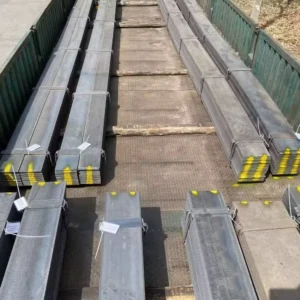
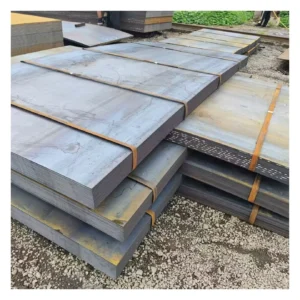
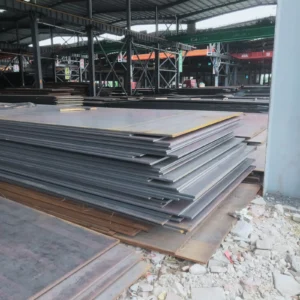
Every Q235 ASTM hot rolled steel plate leaving our facility is backed by an original mill test certificate showing heat number, chemical composition, and mechanical test results — not a reprinted copy, but the document traceable to the producing mill’s rolling schedule. We maintain ready stock across common thickness and width combinations, reducing lead time for urgent project requirements. Custom cutting to size — including plasma and flame cutting, leveling, and edge preparation — is performed in-house, so buyers receive plates ready for direct welding and assembly. Our logistics team specializes in heavy cargo loading: each 6×1500×6000mm plate is secured with reinforced steel strip bundles and edge protectors, loaded onto flatbed or open-top containers with weight distribution calculated to prevent shifting during ocean transit. ISO 9001:2015 and Lloyd’s CE certification provide the compliance framework; SGS and BV third-party inspection adds an independent verification layer for buyers who require it.
Documentation & Compliance
- Mill test certificate documenting Q235 and ASTM A36 chemical composition, yield behavior, and tensile results per GB/T 709 and ASTM A6, traceable to original heat number
- Lloyd’s CE certification covering hot rolled steel plate products for structural and marine applications
- ISO 9001:2015 quality management system certificate covering plate processing, cutting, and inspection workflows
- SGS or BV third-party inspection report available upon request, covering dimensional verification, surface condition, and material marking
- Full material traceability from mill rolling schedule through cutting, bundling, and shipment, linked to heat number on each plate
- Complete customs documentation package including packing list, bill of lading, and certificate of origin for destination-country clearance
Packaging, Loading & Delivery
- Q235 and ASTM A36 hot rolled plates bundled with minimum three steel strip bands and edge protectors to prevent bundle separation during crane handling and ocean transit
- Hot rolled mill finish surface preserved with anti-rust oil coating on request, protecting plate faces from moisture-induced scale deterioration during container shipping
- 6×1500×6000mm plates loaded into open-top or flat-rack containers with timber dunnage and weight distribution plan, avoiding overweight axle limits at destination port
- Custom cut-to-size plates separated by interleaving paper and marked with heat number, steel grade, and dimensional specification on each piece
- Shipment available under FOB, CIF, or DDP terms with full export documentation and container tracking until arrival at destination port
Start Your Q235 ASTM Hot Rolled Steel Plate Inquiry
Submit your required steel grade, thickness, width, length, quantity, and destination port — we respond with a detailed quotation including material cost, any cutting or processing fees, and shipping terms within 12 hours. For project-specific requirements, we provide mill test certificate preview before production, confirm third-party inspection scheduling, and finalize loading plans for heavy plate shipments.
Request Q235 ASTM Hot Rolled Steel Plate Quotation with Mill Test Certificate
Send your specification sheet to admin@xjyplate.com or contact us via WhatsApp at +86 188 5315 7756. Include steel grade, dimensions, quantity, and destination port for a complete quotation with original mill test certificate and shipping plan.
Frequently Asked Questions
Q: What is the grade equivalence between Q235 and ASTM A36?
A: Q235 and ASTM A36 share overlapping chemical composition ranges and similar minimum yield strength classes, making them functionally comparable for general structural and shipbuilding applications. However, they are not identical standards — Q235 follows GB/T 709 while ASTM A36 follows ASTM A6/A36. We supply both grades and provide mill test certificates specifying the exact standard under which each plate was produced.
Q: How can I verify the mill test certificate for Q235 ASTM hot rolled steel plate?
A: Every plate we supply ships with an original mill test certificate showing the heat number, chemical composition (carbon, manganese, silicon, sulfur, phosphorus), and mechanical test results (tensile strength, yield behavior, elongation). The heat number on the certificate matches the marking physically stamped on each plate, allowing independent verification. SGS or BV third-party inspection can also be arranged before shipment.
Q: What is the minimum order quantity for custom cut-to-size plates?
A: We offer custom cutting services including plasma cutting, flame cutting, and leveling for Q235 and ASTM A36 hot rolled plates. Minimum order quantities for cut-to-size plates depend on thickness and dimensions — contact us with your required sizes and quantities for a specific quotation. Standard stock plates in 6×1500×6000mm are available for immediate dispatch.
Q: How are 6mm hot rolled steel plates packaged for ocean freight?
A: Plates are bundled with steel strip bands and edge protectors, loaded onto timber dunnage inside open-top or flat-rack containers. Weight distribution is calculated to prevent shifting and to comply with port axle weight limits. For hot rolled mill finish surfaces, anti-rust oil coating can be applied on request to protect against moisture during transit.
Q: Can you arrange third-party inspection before shipment?
A: Yes. SGS and BV third-party inspection services are available for all Q235 ASTM hot rolled steel plate orders. Inspection covers dimensional verification, surface condition assessment, material marking confirmation, and mill test certificate cross-checking. We coordinate the inspection schedule directly with your nominated inspection agency.