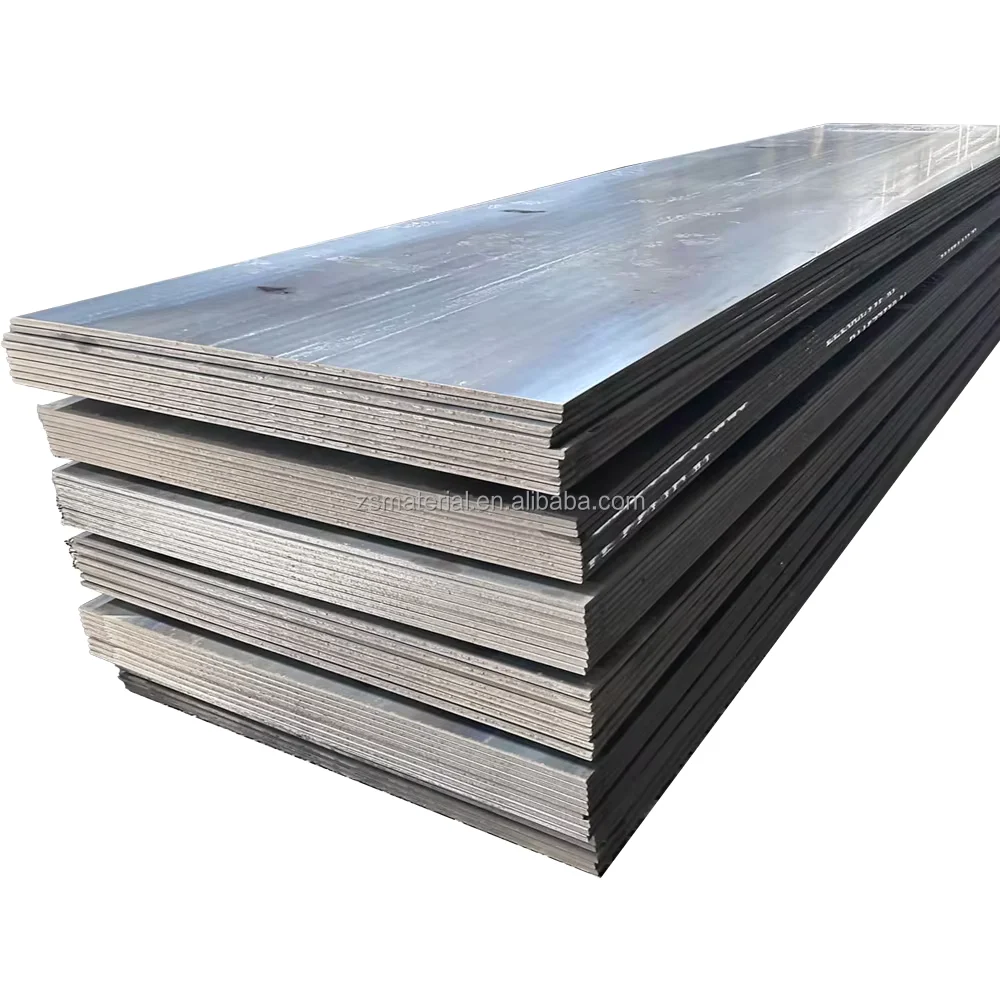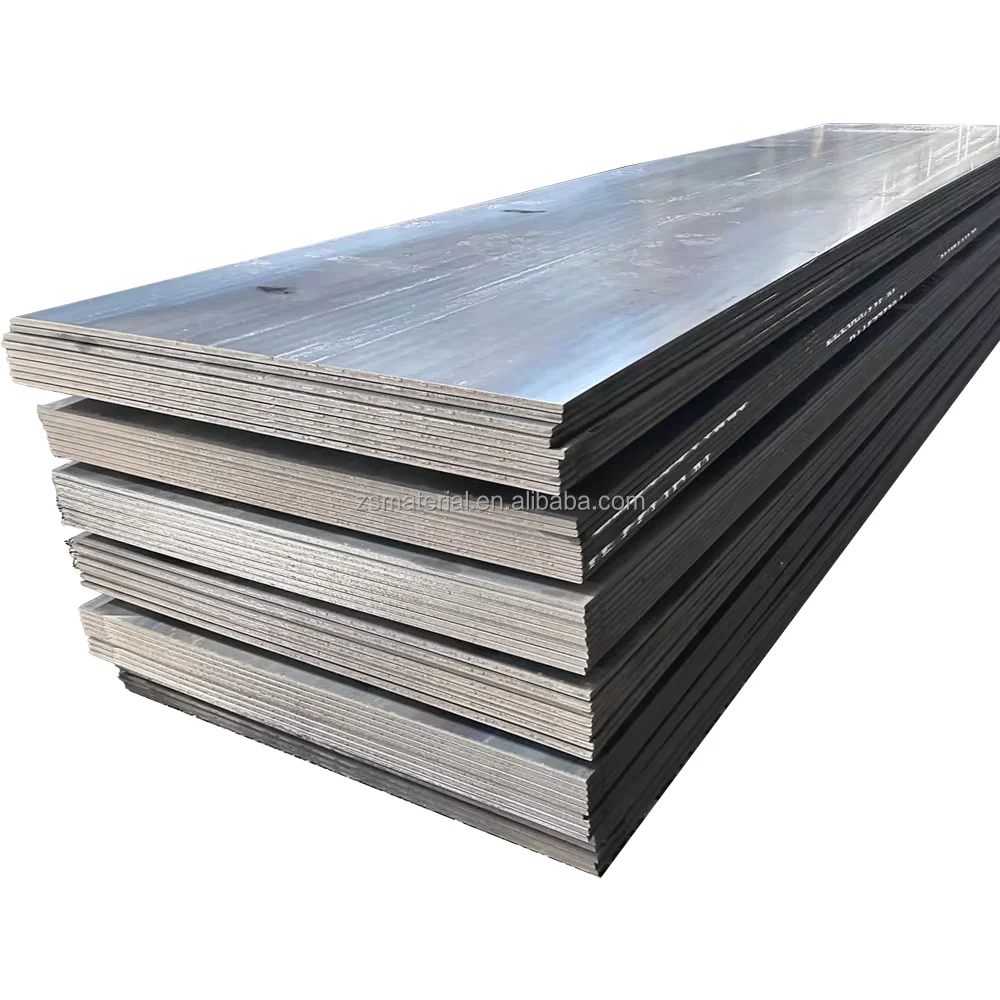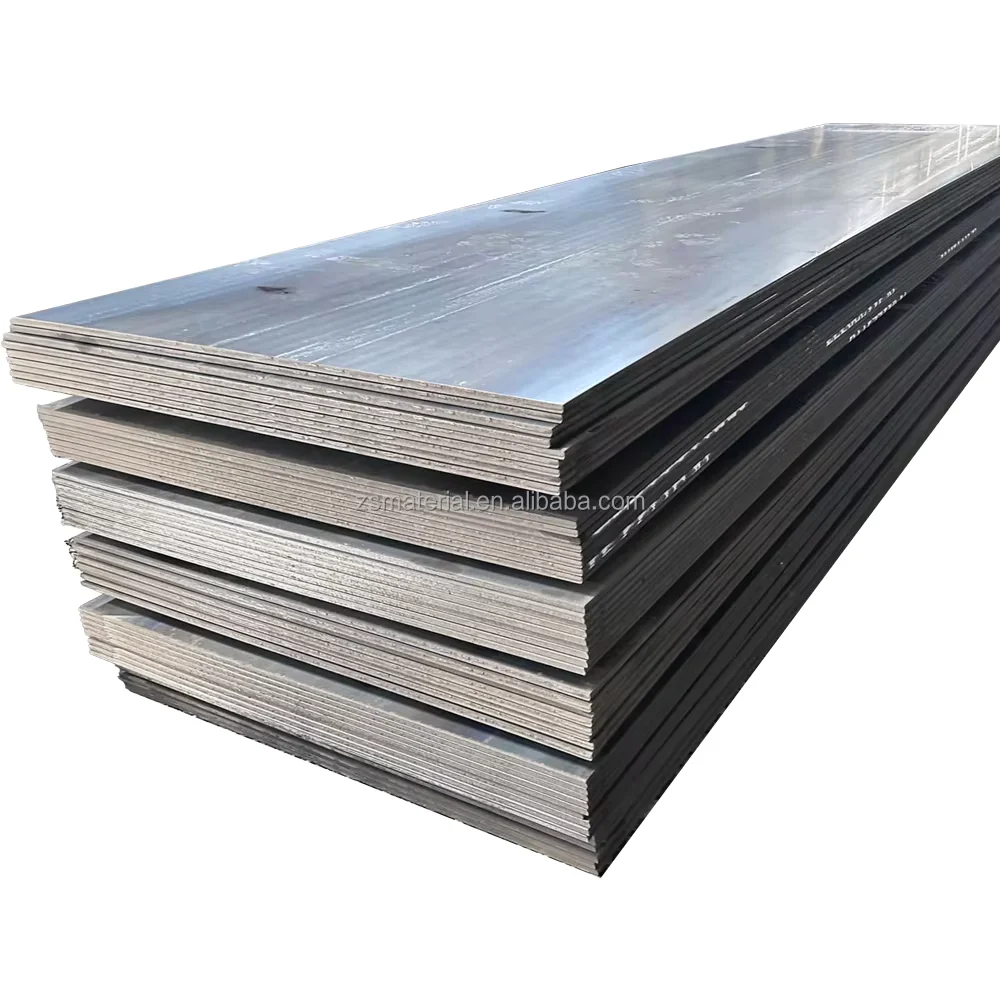
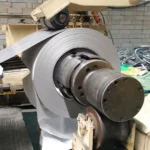
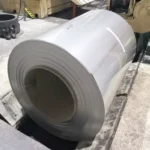
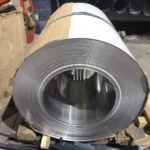

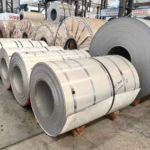

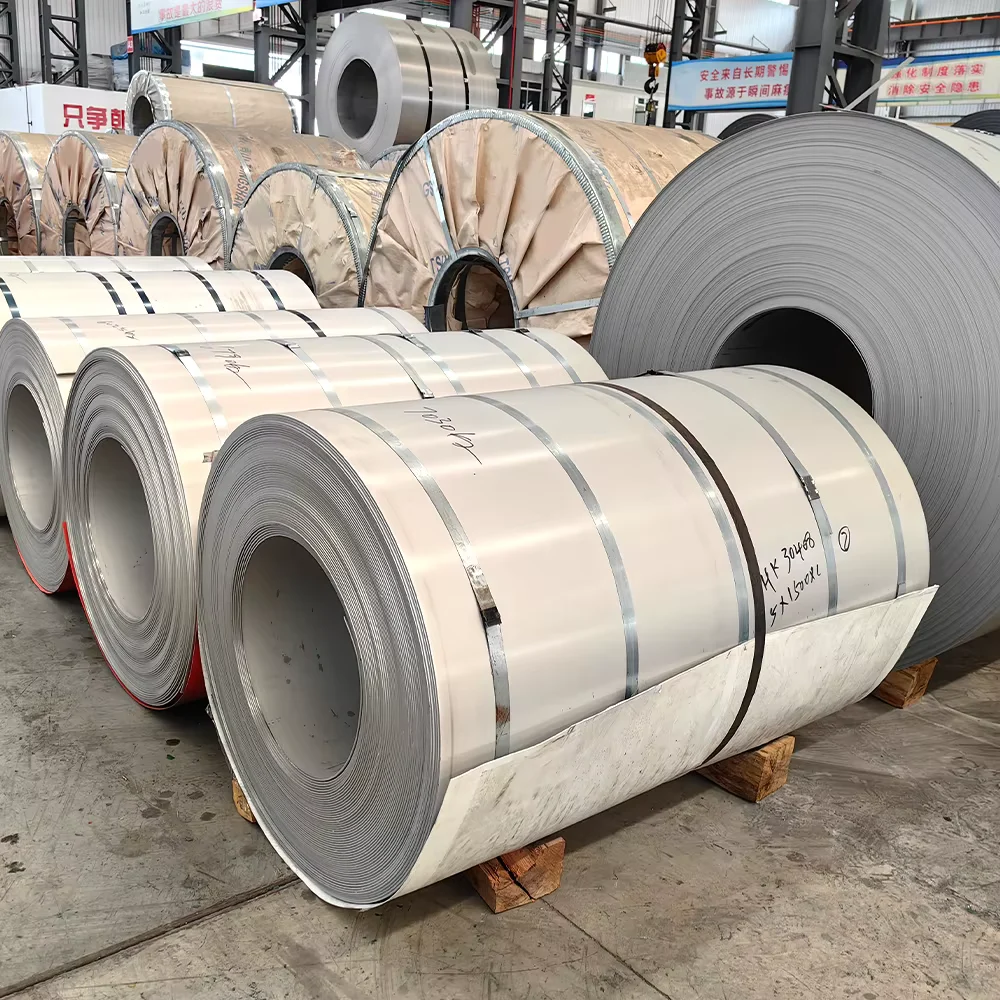
Description
Direct Mill Supply — Every 304L and 316L coil shipped with original heat-number traceability and ISO 9001 certification.
Technical Specifications
| Parameter | Value |
|---|---|
| Designation | 304L 316L Cold Rolled Stainless Steel Coil |
| Product Type | Steel Coil (Stainless Steel) |
| Steel Grade | 201, 301, 304, 304L, 310S, 316, 316L, 321, 405, 409L, 410, 410L, 420, 430, 430A, 309S, 2205, 2507, 2520, 904L |
| Standard | ASTM, JIS, GB, AISI, DIN, BS, EN |
| Thickness (Cold Rolled) | 0.15–3 mm |
| Thickness (Hot Rolled) | 3–120 mm |
| Width | 1000 mm / 1219 mm / 1500 mm (slitting to narrow width available) |
| Length | 2000 mm / 2438 mm / 2440 mm / 3048 mm (or customized) |
| Technique | Cold Rolled / Hot Rolled |
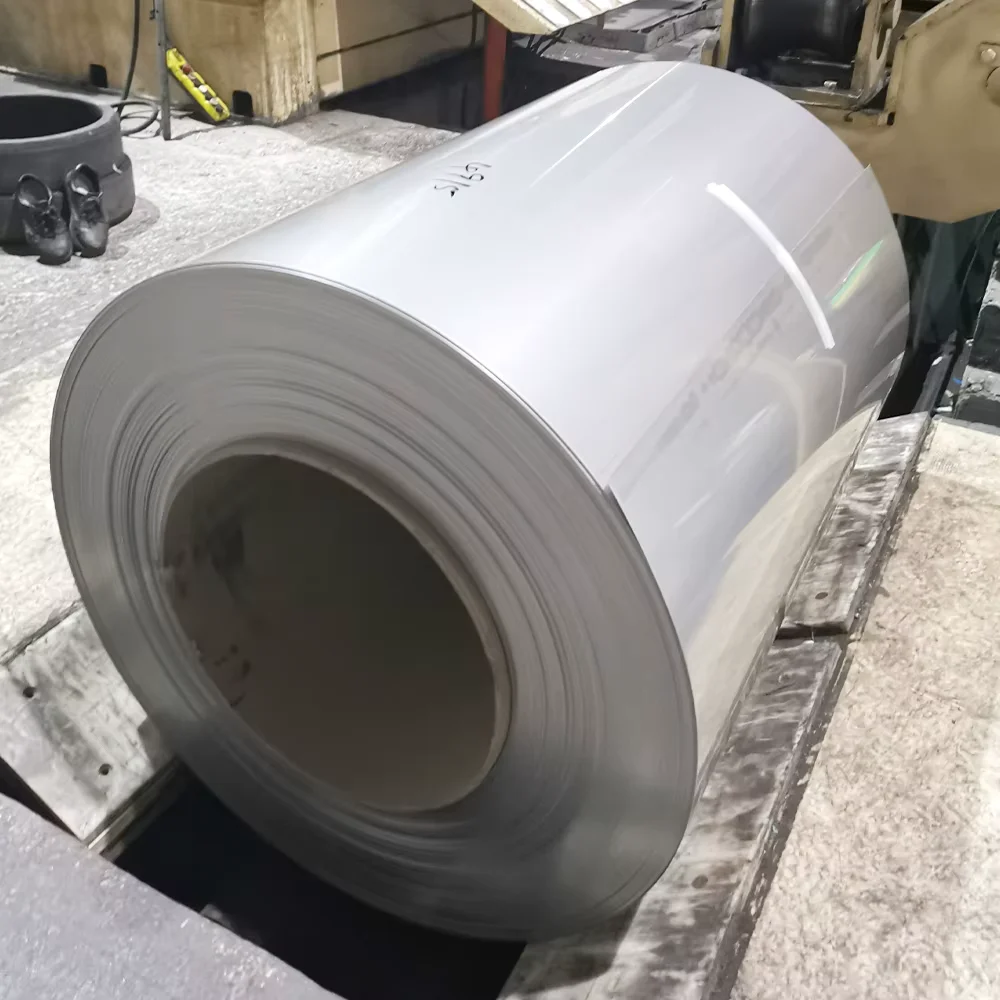
| Surface Treatment | 2B, 2D, BA, 8K, HL, No.4, NO.1, Embossed, Colored |
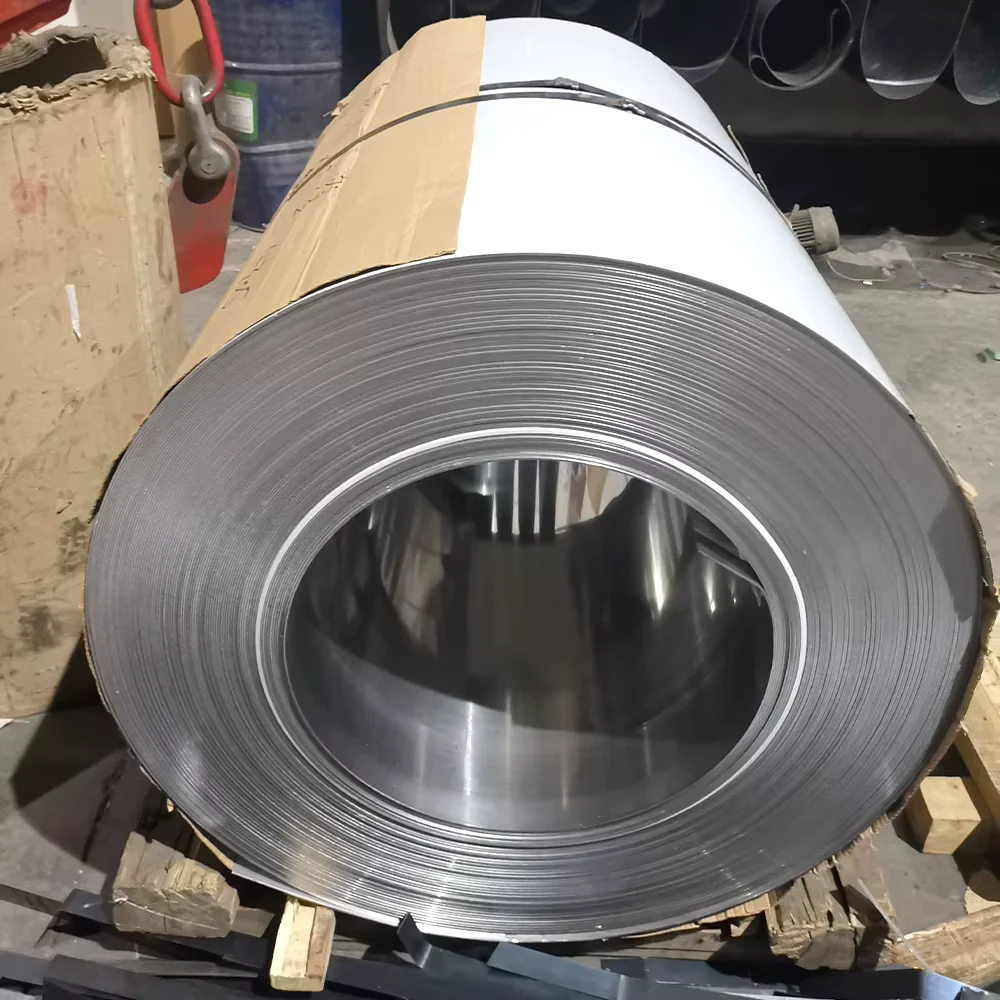
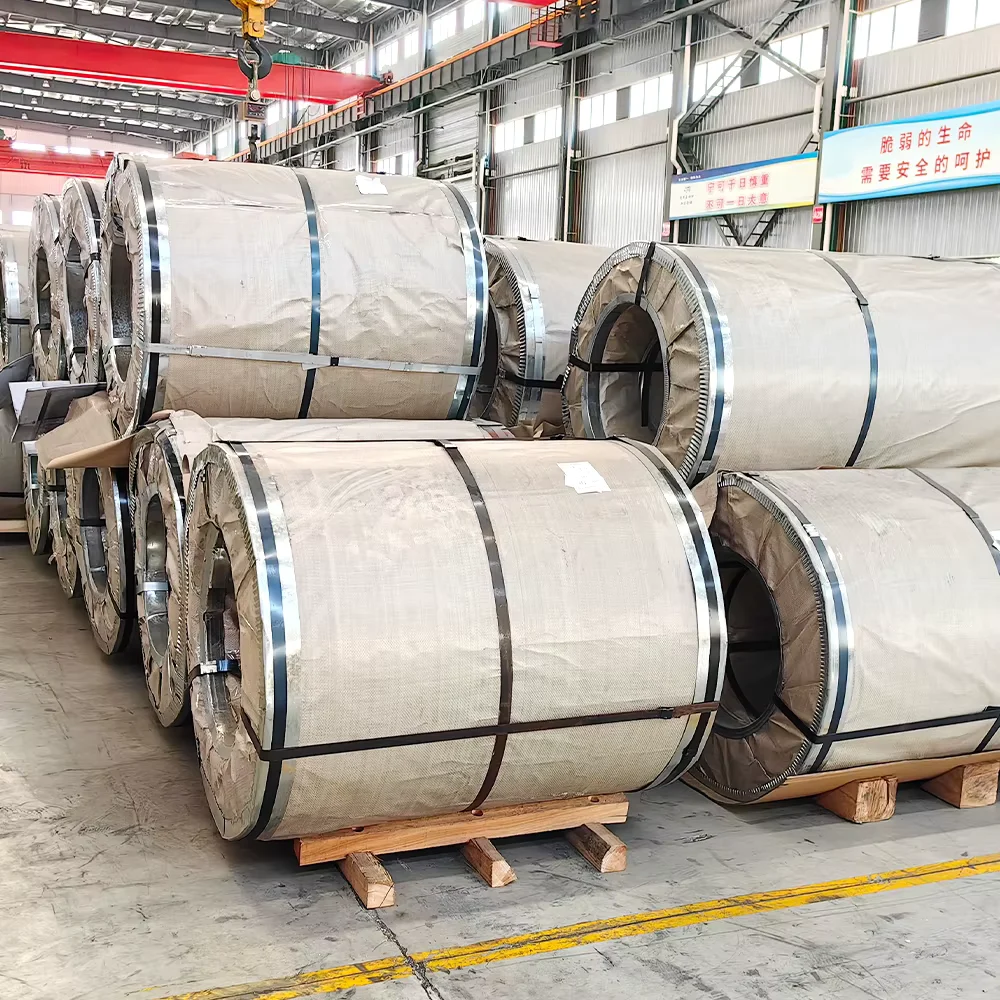
| Packing | Waterproof paper + steel strapping + pallet; BA & 8K with PVC film |
| Application | Construction & architectural decoration, kitchen utensils, medical equipment, food industry, chemical equipment, petroleum industry, storage tanks, elevator interiors |
Application Suitability
| Industry | Typical Applications |
|---|---|
| Construction & Architecture | Elevator interior panels, façade cladding, decorative trim, kitchen supply fabrication |
| Food & Beverage Processing | Sanitary work surfaces, fermentation tanks, conveyor components requiring 2B or BA finish |
| Medical Equipment | Surgical instrument housings, sterile storage cabinets, cleanroom wall panels |
| Chemical & Petroleum | Corrosion-resistant storage tanks, heat exchanger shells, pipeline linings using 316L or 904L |
Why Surface Finish Selection Determines Acceptance on Architectural Stainless Projects
A mirror-finish 8K coil rejected for micro-scratches costs more in rework than the material itself.
Specifiers often approve 304L or 316L by grade alone, then discover on site that the 2B finish lacks the reflectivity required for lobby elevator panels — or that a BA coil delivered without PVC interleave shows roller marks under fluorescent light. The mismatch between specified finish and delivered surface is one of the most common reasons stainless coil shipments get partially rejected at project handover. Beyond aesthetics, finish choice directly affects corrosion behavior: a No.4 brushed surface traps less moisture than 2B in coastal environments, while an embossed pattern adds rigidity to thin-gauge cladding at 0.3 mm. Buyers who confirm finish samples and surface protection method before production avoid these disputes entirely [NEED_CITE: stainless steel surface finish standards and corrosion performance].
Matching Cold Rolled Gauge and Finish to Sanitary and Decorative Engineering
When a food processing plant in Southeast Asia specifies 316L at 0.8 mm with a 2B finish for fermentation tank liners, the cold rolled tolerance must hold within tight limits — any thickness variation shows as weld distortion on long seams. Our Cold Rolled 304L 316L Stainless Steel Coil inventory covers 0.15–3 mm in widths up to 1500 mm, slitted to narrow strips for gasket or trim applications. For elevator manufacturers, we supply 304L in 8K or HL finish with PVC film interleaving, ensuring the mirror surface arrives scratch-free after ocean transit.
Engineering Compliance and Certification Requirements for Stainless Flat Products
Stainless coils used in pressure-containing applications such as chemical storage tanks must conform to ASTM or EN chemical composition limits, verifiable through original mill test certificates showing heat number, carbon content, and chromium-nickel-molybdenum ratios. For projects entering the European market, CE marking and third-party inspection reports from SGS or BV confirm material conformity before customs clearance. Cold rolled 304L and 316L also need documented proof of solution annealing treatment to guarantee intergranular corrosion resistance — a detail often missing from trader-supplied certificates [NEED_CITE: ASTM A240 stainless steel plate and coil specification requirements].
Understanding Austenitic, Duplex, and Ferritic Grade Selection for Corrosion Environments
The 304L grade offers general-purpose corrosion resistance suitable for indoor architectural and food-contact applications, with low carbon content reducing weld decay risk. Moving to 316L adds molybdenum, which resists chloride pitting in coastal or chemical-processing environments — essential for offshore platform handrails or saltwater tank linings. For higher temperature or aggressive acid service, 321 (titanium-stabilized), 904L (high alloy), or duplex grades like 2205 and 2507 provide elevated strength and superior chloride resistance. Ferritic grades such as 430 and 409L serve decorative or mild-corrosion automotive trim where cost matters more than deep-draw formability. Cold rolling achieves the tight thickness tolerance and smooth surface that hot rolling cannot, making it the required process for gauges below 3 mm destined for visible or sanitary applications.
Hidden Costs of Unverified Grade and Missing Mill Documentation
Ordering 316L at a price that seems too attractive often means receiving 304L relabeled — the visual difference is zero, but the molybdenum content gap shows up within months as pitting corrosion in a chloride environment. Without a verifiable heat number on the mill test certificate, the buyer cannot prove material origin to project inspectors, leading to failed audits, shipment holds at port, or costly teardown of installed panels. Negative tolerance abuse on cold rolled thin gauges — say, 0.5 mm specified but 0.45 mm delivered — reduces load capacity and causes rejection during dimensional inspection. These failures trace back to sourcing from traders who cannot provide original mill documentation or third-party verification [NEED_CITE: stainless steel grade misidentification risks in procurement].
Procurement Confidence Backed by Mill-Direct Traceability and Professional Handling
Every Cold Rolled 304L 316L Stainless Steel Coil we supply ships with an original mill test certificate listing heat number, chemical composition, and mechanical properties — verifiable against the mill’s production records. Our facility maintains ISO 9001:2015 certification and CE compliance, with SGS and BV third-party inspection available before shipment. We stock over 20 stainless grades across multiple surface finishes, allowing buyers to consolidate architectural, sanitary, and chemical-resistant requirements into a single order with unified documentation. Custom slitting from master coils down to narrow widths reduces on-site waste and eliminates the need for local shearing. I personally oversee every container loading plan for stainless coils — timber saddles, strap tension, and weight distribution receive the same attention I give to heavy plate shipments, because a deformed coil core after ocean transit means a rejected container.
Documentation & Compliance
- Mill test certificate documenting 304L and 316L chemical composition (C, Cr, Ni, Mo) and mechanical properties per ASTM A240 or EN 10088, with heat number traceability
- CE certificate confirming conformity with European pressure equipment and construction product regulations for stainless flat products
- ISO 9001:2015 quality management certificate covering the full cold rolling, slitting, and surface treatment process
- SGS or BV third-party inspection report available upon request, verifying dimensions, surface quality, and chemical composition before shipment
- Full material traceability from heat number through cold rolling pass to final coil packaging
- Export customs documents including packing list, bill of lading, and certificate of origin
Packaging, Loading & Delivery
- Cold rolled 304L and 316L coils packed with waterproof paper outer wrap, inner steel strapping, and wooden pallet base to prevent edge damage during crane handling
- BA and 8K finish coils additionally wrapped with PVC film interleaving to protect mirror surfaces from micro-scratches during ocean freight
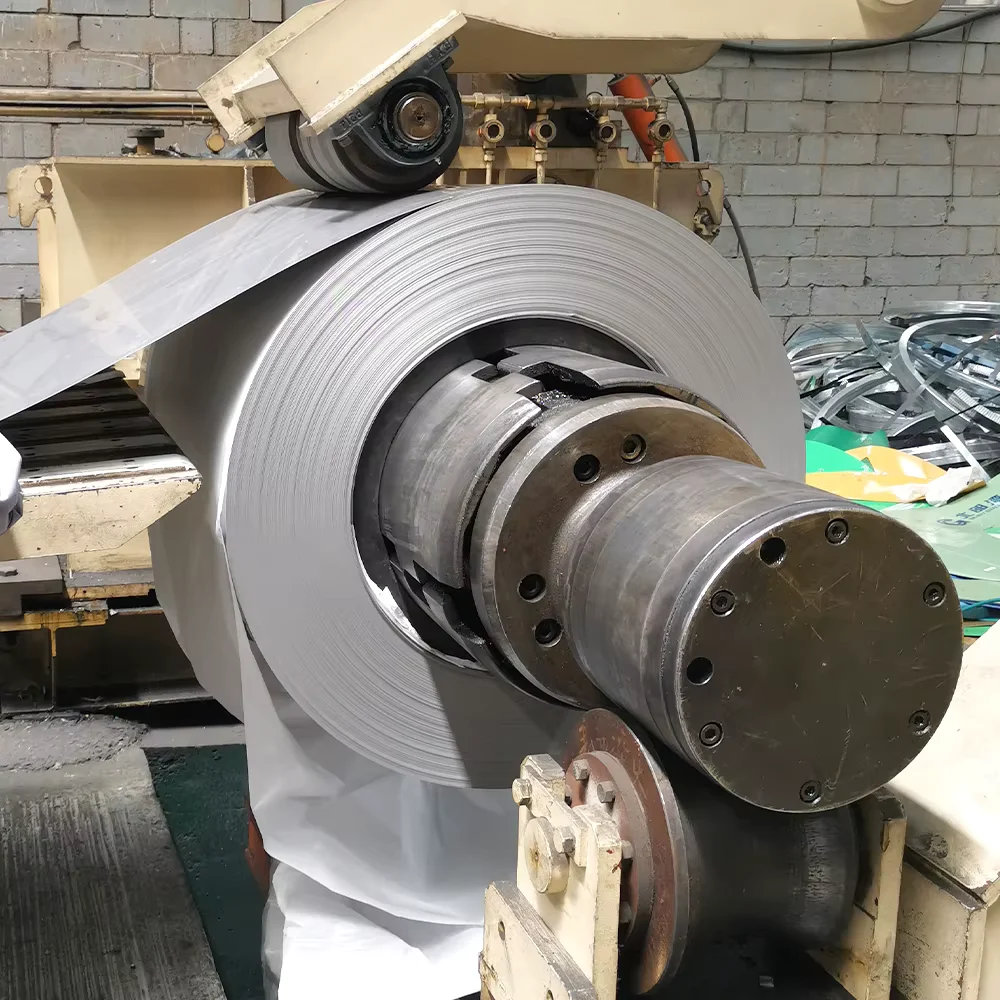
- Master coils at 1000 mm, 1219 mm, and 1500 mm width slitted to customer-specified narrow widths, bundled individually with steel straps and edge protectors
- Container loading optimized for cold rolled thin-gauge coils using timber cradles and anti-roll wedges, ensuring weight distribution stays within port handling limits
- Each coil labeled with heat number, steel grade, thickness, width, and surface finish for site identification and quality verification
- Shipping terms available as FOB, CIF, or DDP with professional flat-cargo logistics experience across Southeast Asia, Middle East, and South America routes
Start Your Inquiry with Grade, Finish, and Dimension Details
Submit your required steel grade (304L, 316L, or other), cold rolled thickness, width, surface finish, and destination port — we respond within hours with a detailed quotation including material cost, slitting fees if applicable, and shipping terms. We provide the original mill test certificate before or alongside shipment so your quality team can verify chemical composition and heat number. For non-standard widths or custom surface finishes, we confirm production feasibility and lead time before you commit.
Request Cold Rolled 304L 316L Stainless Steel Coil Pricing and Mill Test Certificates
Send your specifications by email or WhatsApp to receive a quotation with full material documentation.
Company: Shandong Xin Jiyuan Special Steel Tube Co., Ltd
Website: www.xjyplate.com
Tel: +86 531 8573 6315
Mobile/WhatsApp/WeChat: +86 188 5315 7756
Email: admin@xjyplate.com
Frequently Asked Questions
Q: What is the difference between 304L, 316L, and 321 for corrosion resistance and high-temperature service?
A: 304L provides general corrosion resistance with low carbon to reduce weld decay, suitable for indoor and food-contact environments. 316L adds molybdenum for chloride pitting resistance, making it necessary for coastal, chemical, or marine applications. 321 is titanium-stabilized to prevent intergranular corrosion after high-temperature exposure, used in exhaust systems and heat treatment equipment.
Q: How do 2B, BA, 8K, and HL surface finishes differ in appearance and application?
A: 2B is a smooth matte finish standard for industrial and sanitary use. BA (bright annealed) offers higher reflectivity without additional polishing, used for decorative trim. 8K is a mirror-polished finish for elevator panels and architectural features. HL (hairline) provides a directional brushed appearance, common on façade cladding and appliance surfaces.
Q: How can I verify the mill test certificate and heat number for a stainless steel coil?
A: We provide the original mill test certificate listing heat number, chemical composition, and mechanical properties before or with shipment. You can cross-check the heat number against the physical marking on the coil. Third-party inspection from SGS, BV, or TUV is also available to independently verify material conformity.
Q: Can you slit master coils to narrow widths, and is there a minimum order quantity?
A: Yes, we slit master coils from 1000 mm, 1219 mm, and 1500 mm down to customer-specified narrow widths. Minimum order quantities depend on the gauge and width required — contact us with your dimensions and we confirm feasibility and pricing.
Q: How are BA and 8K finish coils protected against scratches during shipping?
A: BA and 8K coils receive PVC film interleaving between layers, waterproof paper wrapping, and steel strapping on wooden pallets. Container loading uses timber cradles and anti-roll wedges to prevent movement. We personally inspect every loading plan to ensure surface protection holds through ocean transit.