
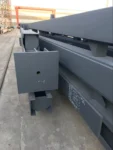
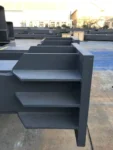
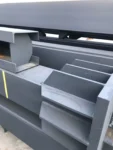
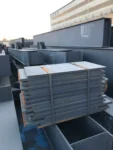
Description
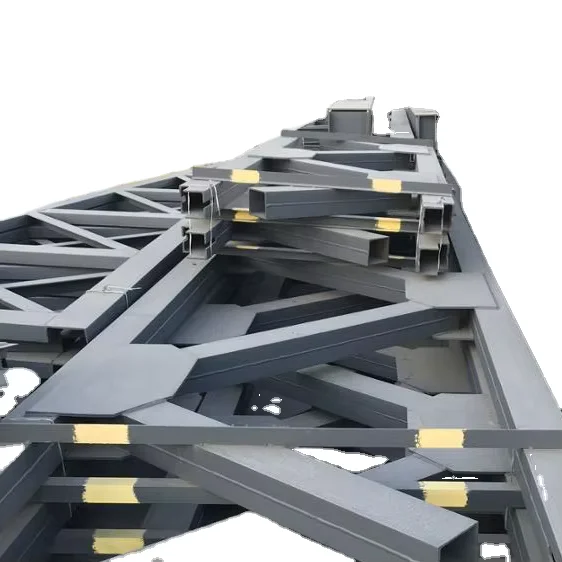
Factory-Direct Structural Fabrication — Every ASTM A36 and ASTM A992 component we ship carries an original mill test certificate with heat-number traceability, verified before loading.
Technical Specifications
| Parameter | Value |
|---|---|
| Designation | ASTM A36/A992 Structural Steel Fabrication |
| Product Type | Fabricated Steel Structure (Light Type) |
| Steel Grade | Q235, Q345, ASTM A36, ASTM A992 |
| Standard | AISI, ASTM, BS, DIN, GB, JIS |
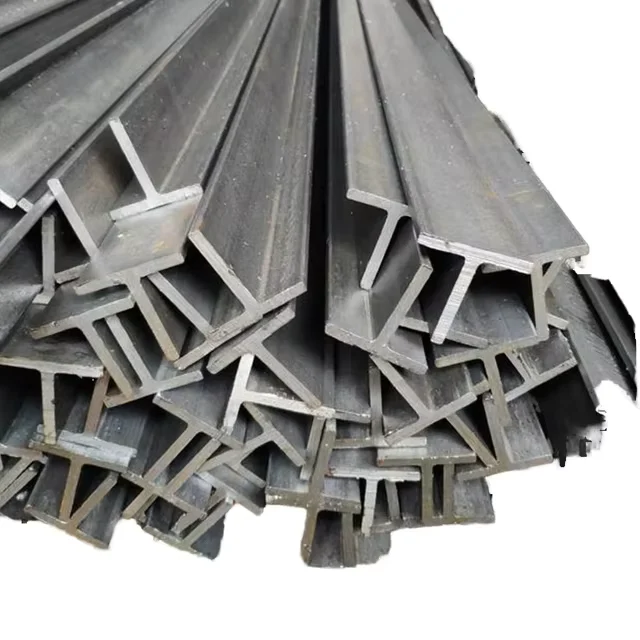
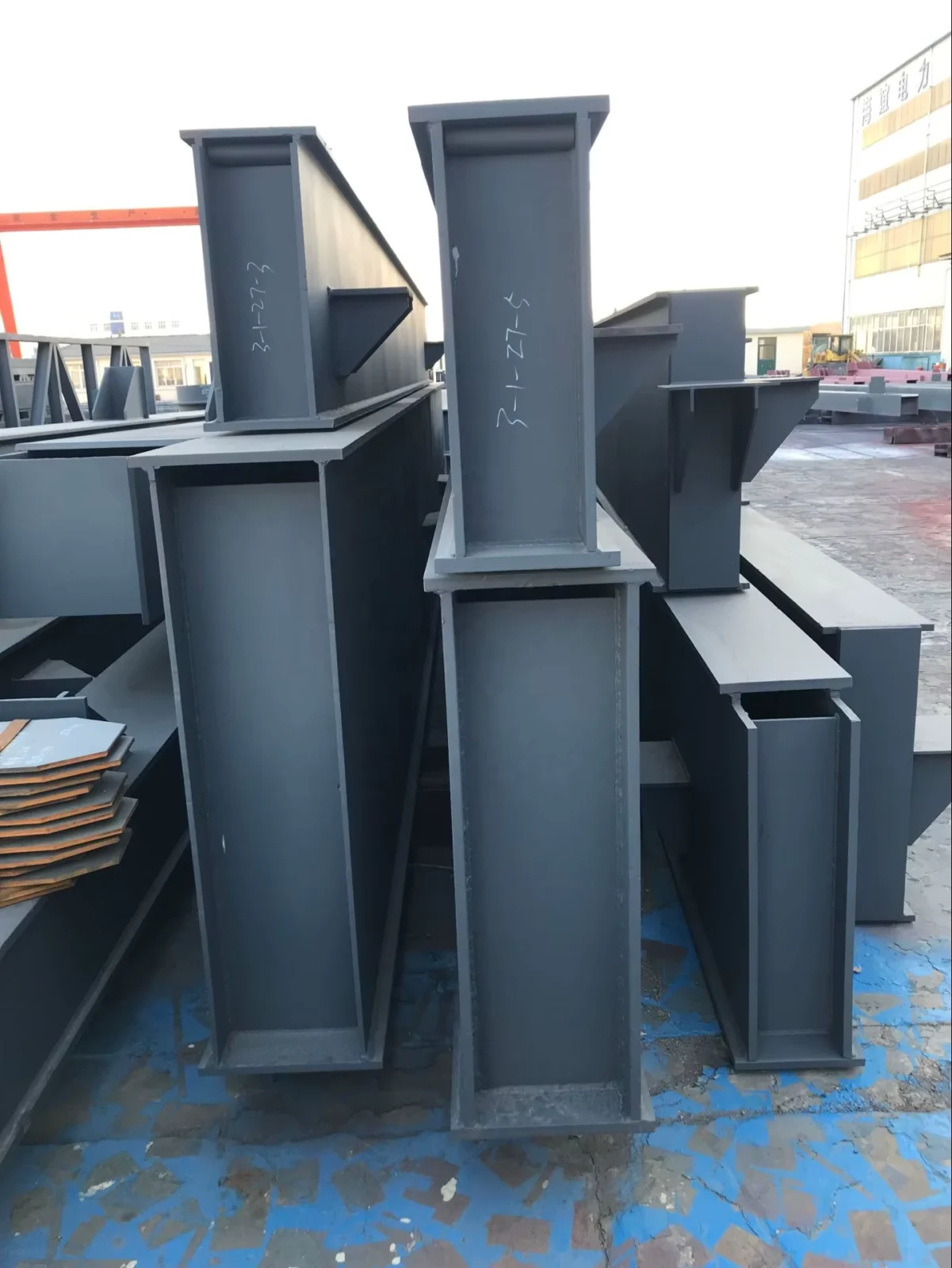
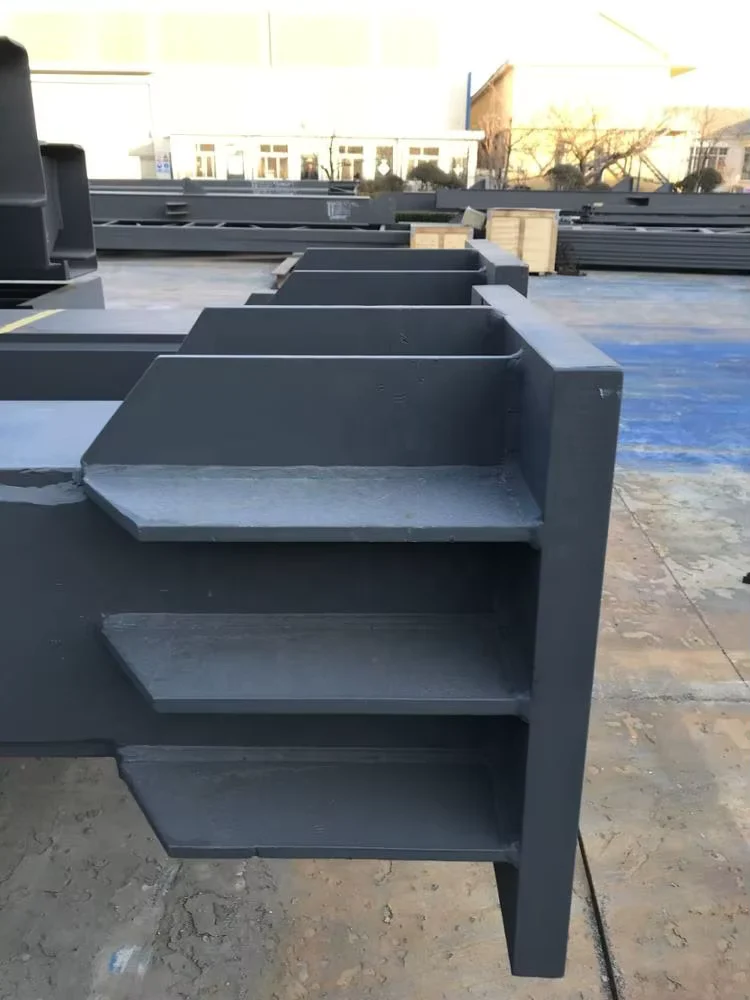
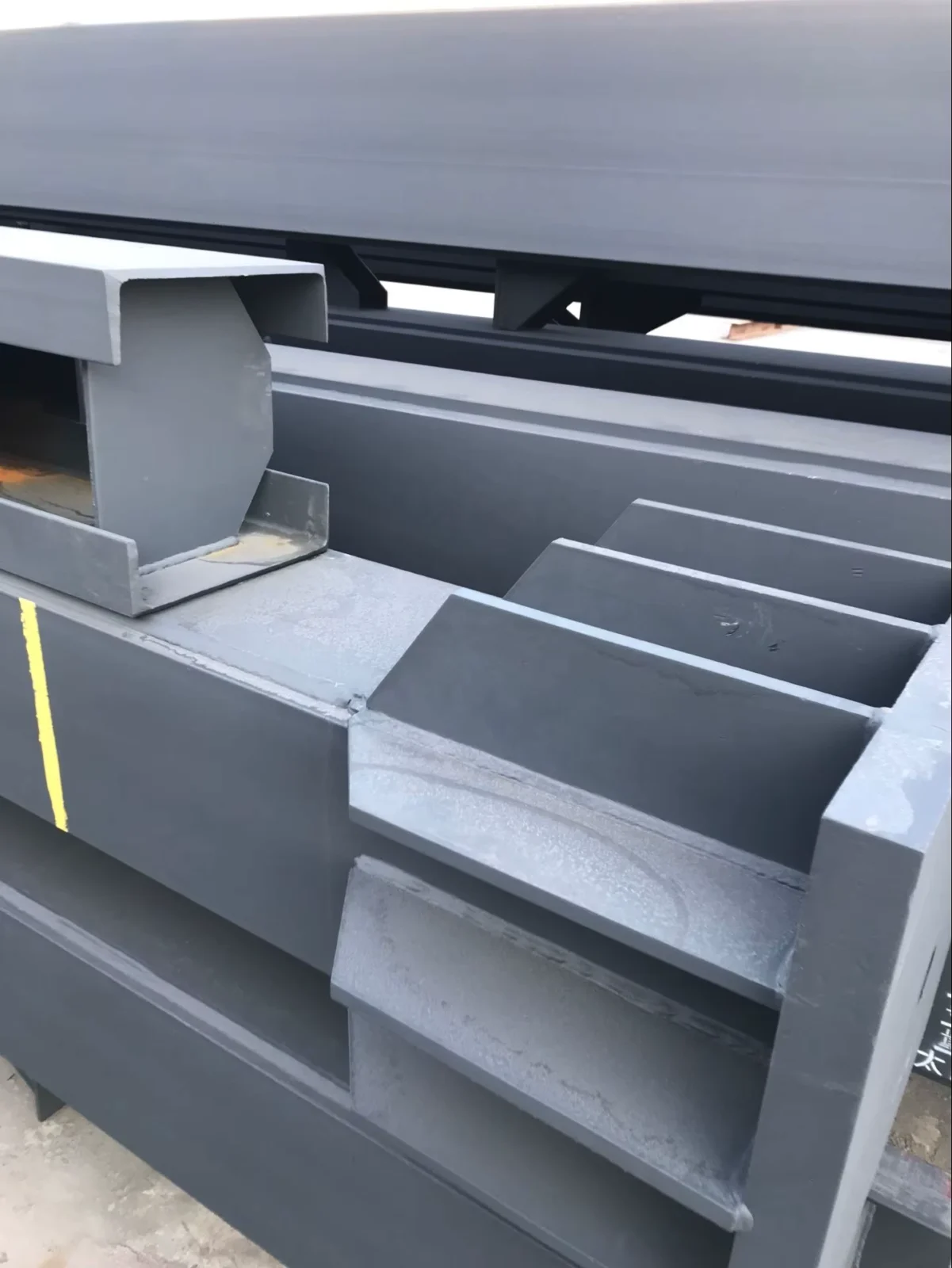
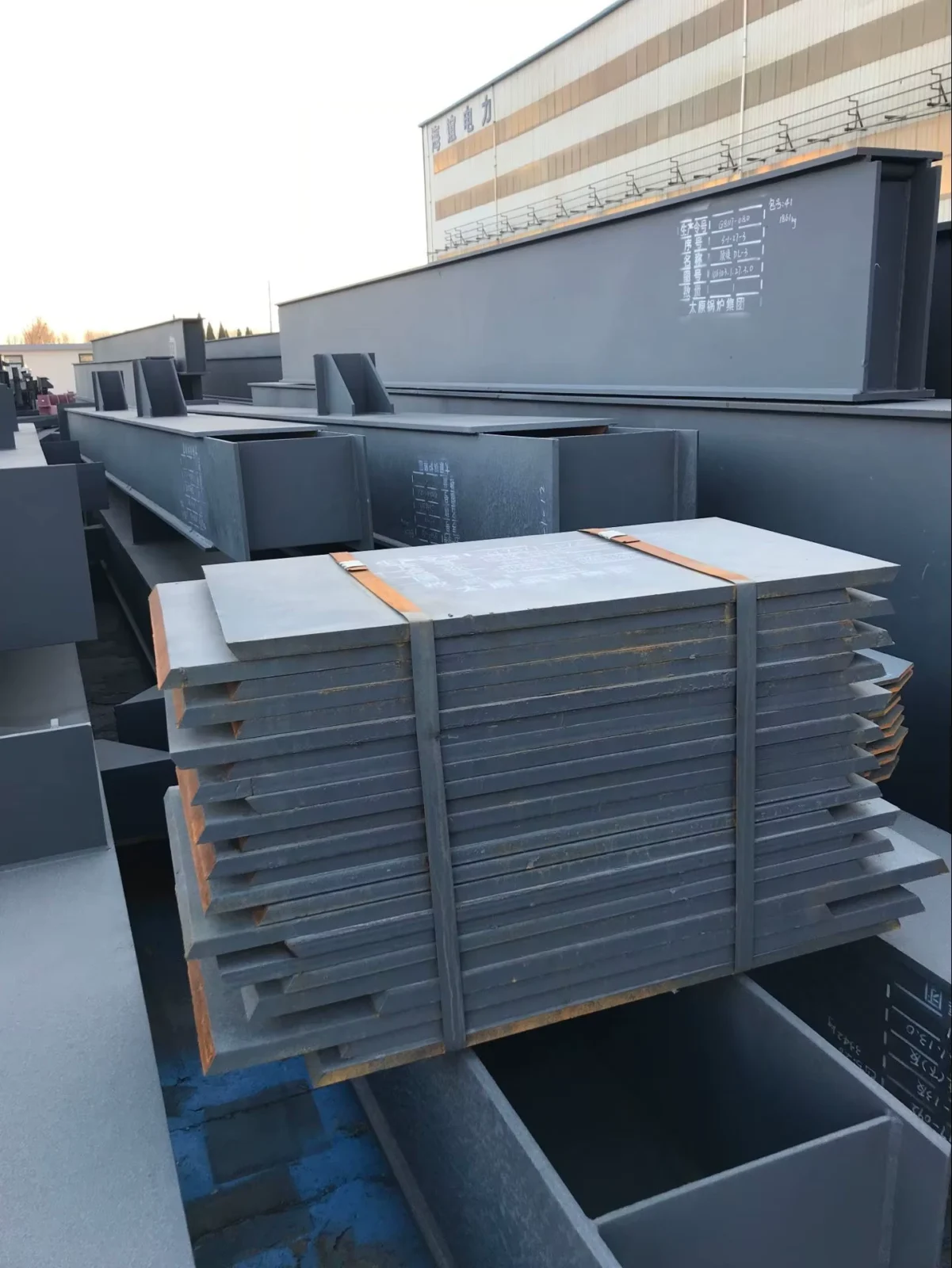
| Section Shape | Hot rolled or welded H section, I section; C-section and Z-section purlins |
| Dimensions | Customized per project drawings |
| Technique | Drilling, Cutting, Painting; Bending, Welding, Decoiling, Punching |
| Welding Type | Ultrasonic tested, X-ray tested |
| Surface Treatment | Galvanized, Ball blasting, Painting |
| Bolt Type | High strength, Ordinary, Anchor |
| Tolerance | ±1% |
| Application | Steel Workshop, Industrial Building, Commercial Building |
Application Suitability
| Industry | Typical Applications |
|---|---|
| Industrial Manufacturing | Steel workshop frames, equipment support platforms, mezzanine structures |
| Commercial Construction | Multi-story building frames, parking structure columns, retail warehouse shells |
| Logistics & Warehousing | Large-span portal frames, crane runway beams, racking support structures |
| Infrastructure | Bridge approach structures, utility building frames, pump station enclosures |
Where Welding Certification Decides Whether Your Structure Passes Inspection
Ultrasonic and X-ray testing on every critical joint — not just a visual check.
When procurement teams order fabricated steel structures overseas, the most common failure point is not the base metal — it is the weld. A mill test certificate on the raw plate means nothing if the welder who joined your H-section beam to the column baseplate was not qualified, or if the joint was never tested beyond visual inspection [NEED_CITE: AWS D1.1 structural welding code inspection requirements]. We have seen containers held at destination ports because the receiving engineer demanded UT reports that the supplier could not produce.
Another recurring issue is material substitution. The drawing calls for ASTM A992 for the main beams, but the fabricator quietly uses Q235 because it is cheaper and “close enough.” Without heat-number traceability on every piece, the buyer only discovers the swap when the third-party inspector pulls coupons at the job site [NEED_CITE: steel grade equivalence between ASTM and GB standards].
How Fabricated H-Sections and Purlins Match Workshop Design Loads
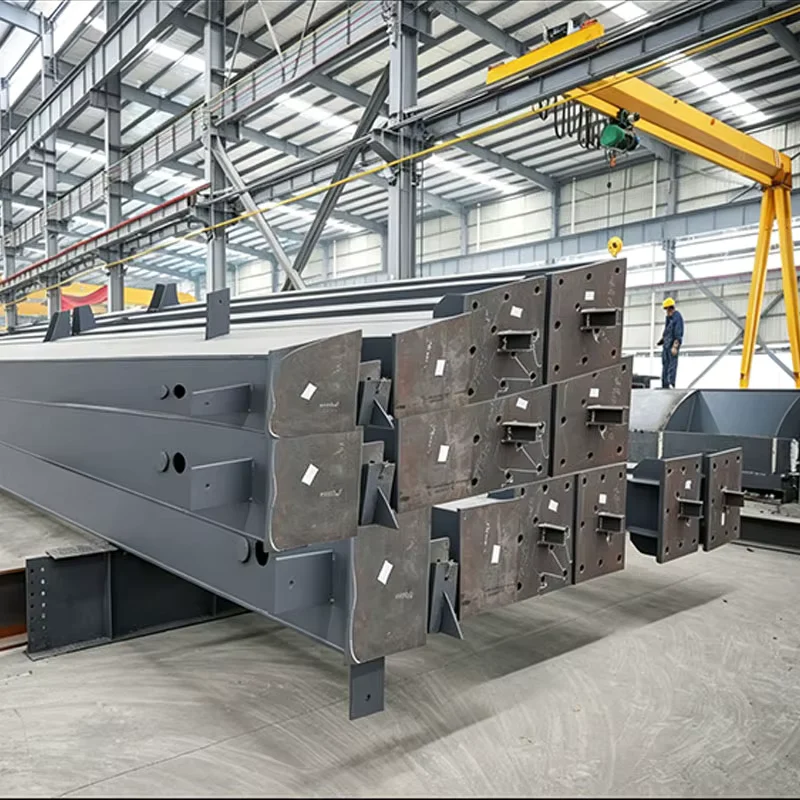
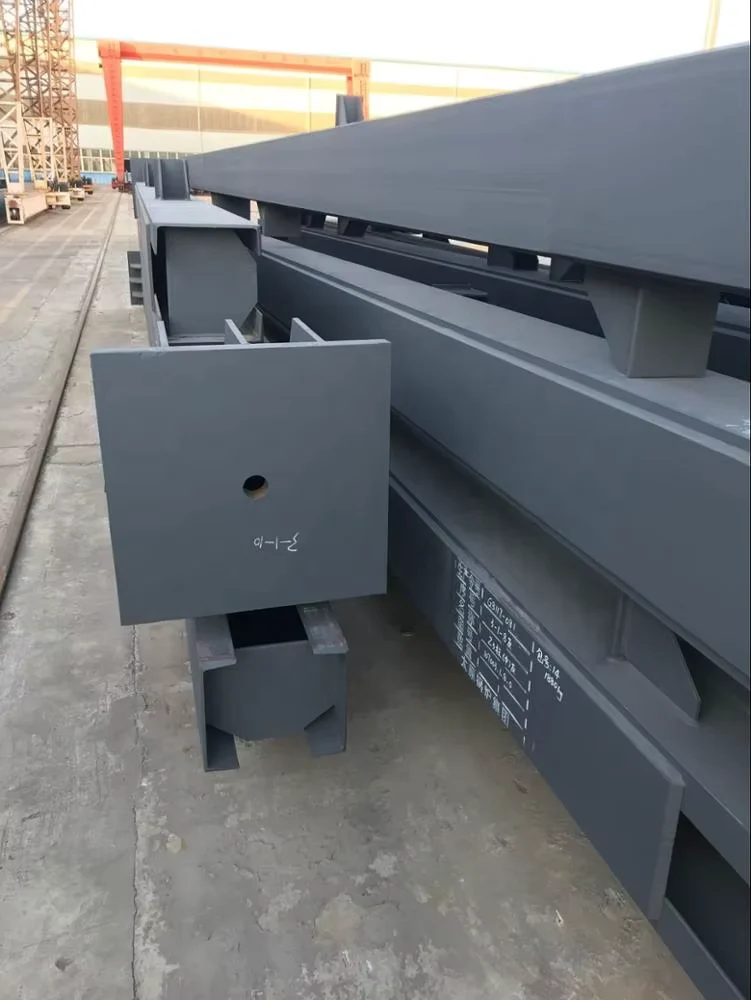
Light-type steel workshops demand a precise balance between load-bearing capacity and weight efficiency. Hot rolled or welded H-section columns and beams carry the primary gravity and lateral loads, while C-section and Z-section purlins distribute roof and wall cladding loads back to the main frame. When you specify ASTM A992 for beams and ASTM A36 for secondary members, you are matching higher yield strength to the highest-stress zones and using cost-effective grades where demands are lower — a standard engineering approach for steel workshop construction. Our fabrication process includes custom cutting, drilling, and punching to match your connection details, so components arrive on-site ready to bolt.
Engineering Compliance and Surface Protection for Long-Term Performance
Steel workshop structures in coastal or industrial environments face accelerated corrosion, making surface treatment selection a structural decision, not just an aesthetic one. Hot-dip galvanized components provide decades of protection without maintenance, while ball blasting followed by painting offers a cost-effective alternative for indoor or sheltered applications [NEED_CITE: corrosion protection standards for structural steel in aggressive environments]. All fabrication conforms to applicable standards including AISI, ASTM, BS, DIN, GB, and JIS. Welding procedures are qualified per project specifications, with ultrasonic and X-ray testing available for full-penetration joints. For projects requiring CE marking or third-party verification, SGS and BV inspections are arranged before shipment.
Understanding Steel Grade Selection for Fabricated Structures
ASTM A36 remains the most widely specified carbon structural steel globally, with a minimum yield point suitable for general construction frames and secondary members. ASTM A992 is the standard grade for wide-flange beams in building construction, offering tighter controls on chemistry and higher minimum yield strength than A36 — which is why engineers specify it for primary beam-and-column frames. In the Chinese standard system, Q235 corresponds roughly to ASTM A36 in yield strength, while Q345 aligns more closely with ASTM A572 Grade 50. When your drawing lists ASTM A992, substituting Q235 or even Q345 without engineering approval changes the structural calculation assumptions.
Welding quality is equally critical. Ultrasonic testing detects internal discontinuities — lack of fusion, slag inclusions, incomplete penetration — that visual inspection cannot find. X-ray testing provides a permanent radiographic record of each critical joint. For a steel workshop frame with dozens of moment connections, skipping NDT to save a few dollars per joint creates liability that far exceeds the testing cost.
The Hidden Cost of Unverified Fabrication
Ordering fabricated steel structures without requiring mill test certificates, welding procedure qualifications, and NDT reports creates a chain of hidden costs. If the material grade does not match the drawing, the structure fails engineering inspection — and the entire frame may need replacement, not just repair. If welds are untested and one fails under load, the investigation traces back to procurement records, and the buyer bears liability. If surface treatment is applied over mill scale without proper ball blasting, the coating adhesion fails within months, forcing costly field rework [NEED_CITE: surface preparation standards for structural steel painting]. The initial savings from skipping documentation and testing are always recovered many times over in delays, rework, and structural risk.
Why Structural Steel Buyers Source Fabrication Through Us
Every component we fabricate starts with verified raw material — original mill test certificates with heat numbers that trace back to the slab, not a photocopy from a trading company. Our workshop handles the full process: cutting, drilling, welding, ball blasting, painting, and galvanizing — so you deal with one source for the complete fabricated package rather than coordinating between a plate supplier, a fabricator, and a coating shop. Welding is performed by qualified welders, and critical joints receive ultrasonic or X-ray inspection per project requirements. We supply high-strength bolts, ordinary bolts, and anchor bolts as part of the same package, eliminating the need to source fasteners separately. For heavy or oversized components, our logistics team plans flatbed and open-top container loading to avoid port overweight penalties and damage during transit.
Documentation & Compliance
- Mill test certificate documenting ASTM A36 or ASTM A992 chemical composition and mechanical properties per heat number
- Welding procedure qualification records and welder performance qualifications for project-specific joints
- Ultrasonic or X-ray testing reports for full-penetration welds per AWS D1.1 or equivalent standard
- ISO 9001:2015 quality management system certificate covering fabrication processes
- SGS or BV third-party inspection report available upon request for material verification and dimensional checks
- Export documentation including packing list, bill of lading, and certificate of origin for customs clearance
Packaging, Loading & Delivery
- Fabricated H-section and I-section components bundled with steel straps and edge protectors to prevent coating damage during handling
- Galvanized components wrapped with waterproof paper and separated by timber dunnage to preserve zinc coating integrity
- Custom-cut and drilled members labeled with heat number, steel grade, and piece mark for on-site identification and assembly sequence
- Open-top container or flatbed loading planned by our logistics team to accommodate oversized columns and beams within weight limits
- Ball blasted and painted surfaces protected with plastic wrapping at contact points to prevent abrasion during ocean transit
- FOB, CIF, and DDP shipping terms available with full export documentation and container tracking
How to Move From Drawing to Fabricated Steel Delivery
Send your structural drawings with specified steel grades (ASTM A36, ASTM A992, Q235, Q345), surface treatment requirements, quantities, and destination port. We respond within 12 hours with a detailed quotation covering material, fabrication, surface treatment, and shipping. Once the contract is signed and deposit received, we reserve material, begin fabrication, and provide mill test certificates and inspection reports before shipment.
Frequently Asked Questions
Q: Can you fabricate structures using ASTM A992 beams with ASTM A36 secondary members in the same project?
A: Yes. We routinely fabricate mixed-grade structures where ASTM A992 is used for primary beams and columns, and ASTM A36 is used for bracing, gussets, and secondary framing. Each grade is tracked separately with its own mill test certificate and heat number.
Q: What welding inspection methods do you provide for structural steel fabrication?
A: We offer ultrasonic testing and X-ray testing for critical welded joints. Visual inspection is performed on all welds. Testing reports are included in the shipment documentation for your records and for third-party inspector review.
Q: How do you handle surface treatment for workshop structures in corrosive environments?
A: For outdoor or coastal environments, we recommend hot-dip galvanizing for long-term corrosion protection. For indoor applications, ball blasting to Sa 2.5 followed by primer and topcoat painting is a cost-effective alternative. Both options are available in-house.
Q: Can you supply high-strength bolts and anchor bolts together with the fabricated steel?
A: Yes. We supply high-strength bolts, ordinary bolts, and anchor bolts as part of the same order. This ensures bolt grade compatibility with the structural steel and simplifies your procurement and site logistics.
Q: What is your process for verifying material traceability?
A: Every piece of steel we fabricate carries a heat number that traces back to the original mill test certificate. We verify chemical composition and mechanical properties before fabrication begins. Third-party inspection by SGS or BV is available if required by your project specifications.
Get Your Fabricated Steel Structure Quoted
Submit your drawings, steel grade requirements, and destination to receive a detailed quotation with mill test certificate documentation and fabrication timeline.
Shandong Xin Jiyuan Special Steel Tube Co., Ltd
Website: www.xjyplate.com
Tel: +86 531 8573 6315
Mobile/WhatsApp/WeChat: +86 188 5315 7756
Email: admin@xjyplate.com