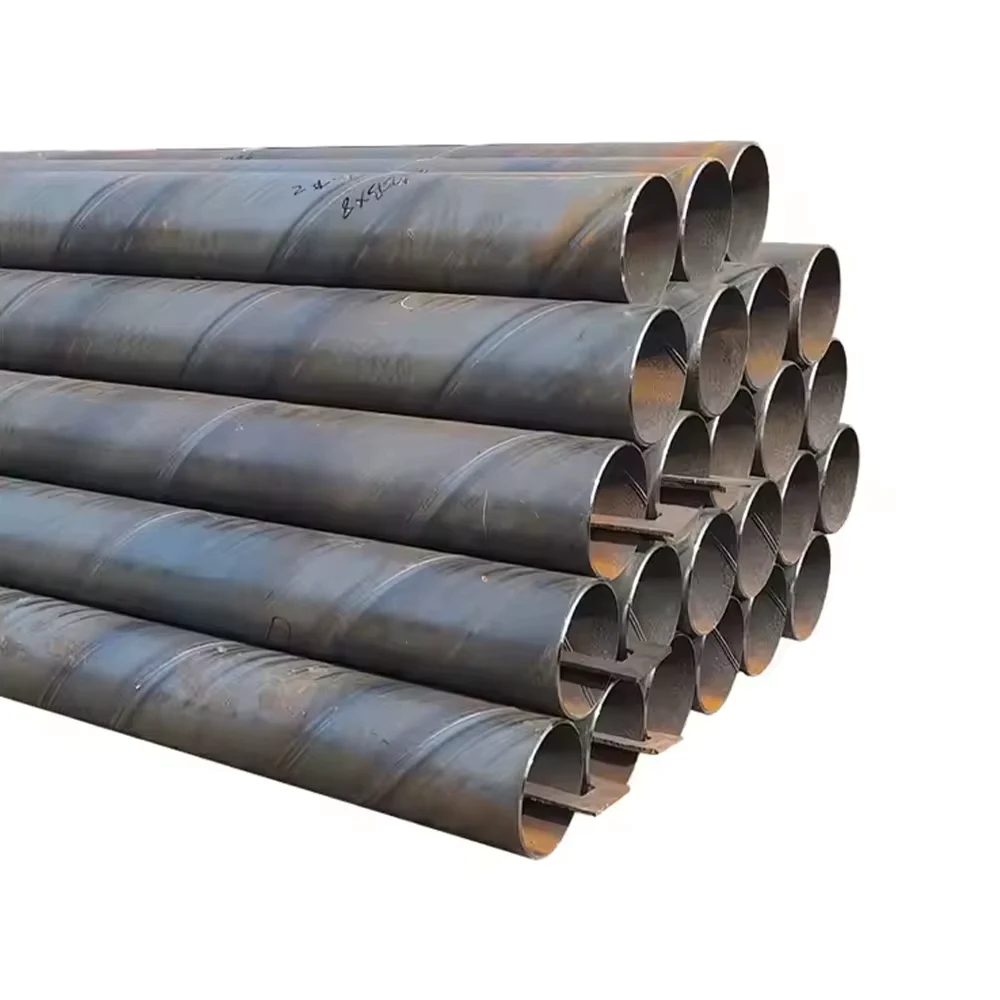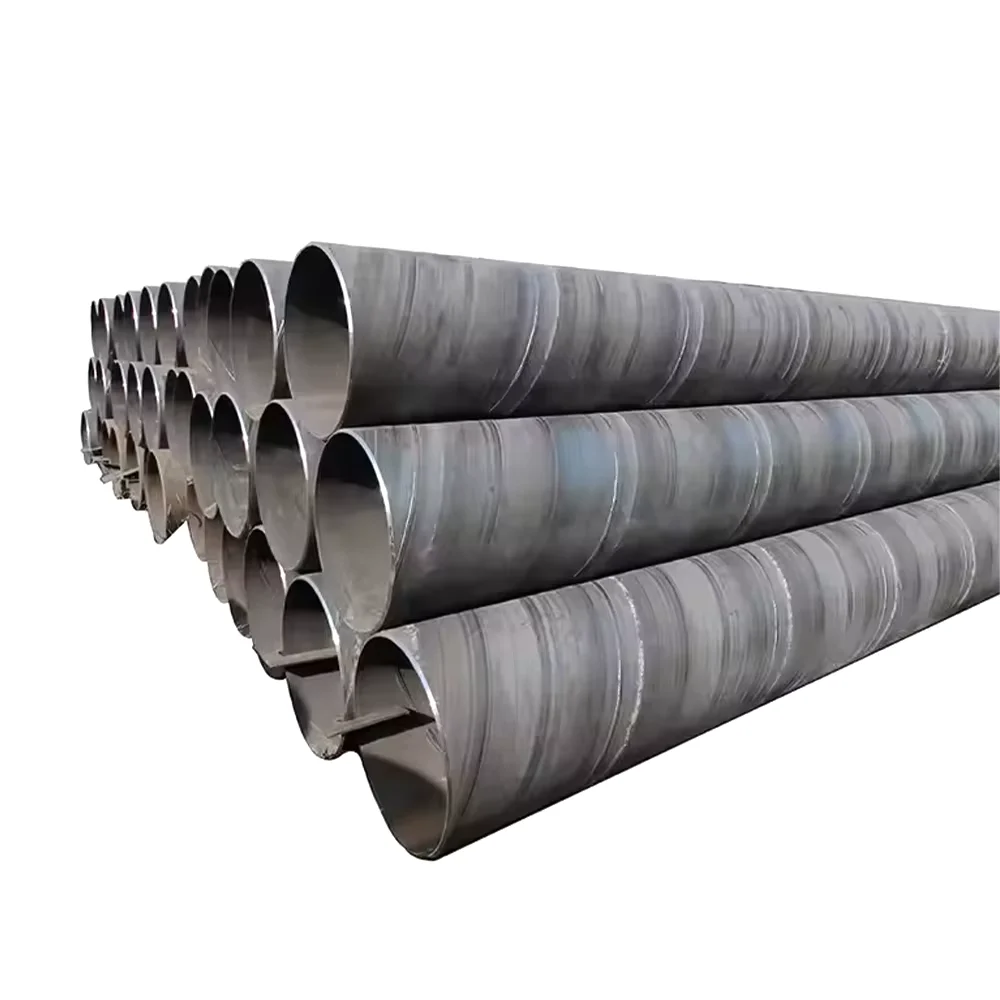

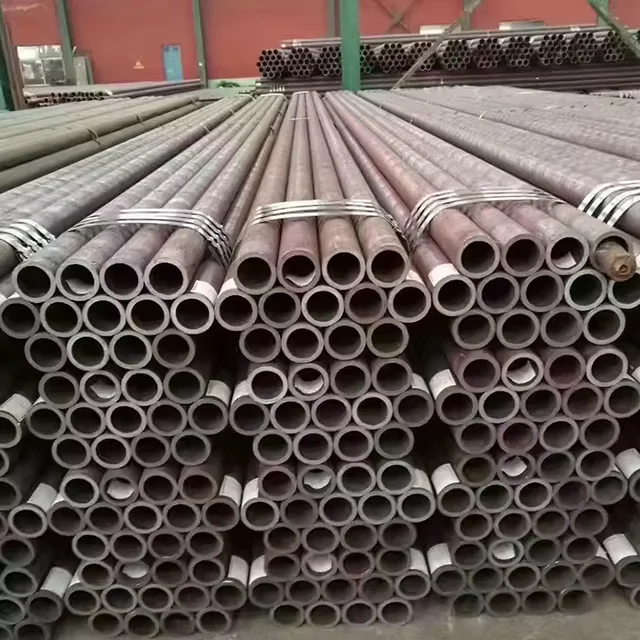
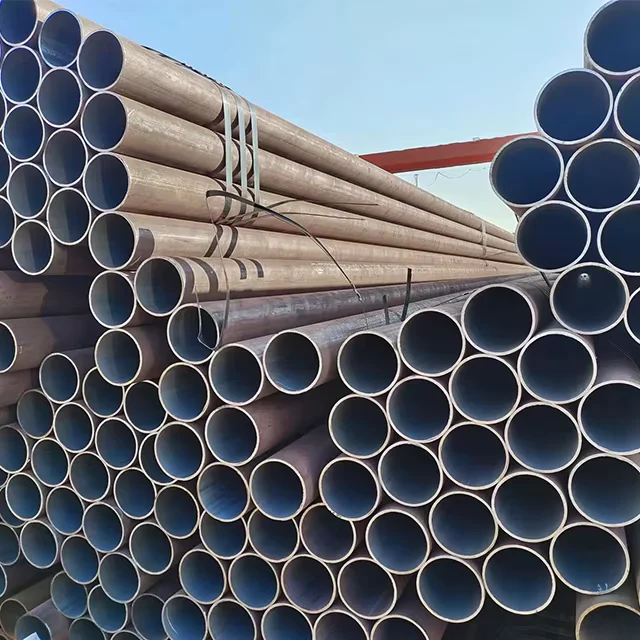
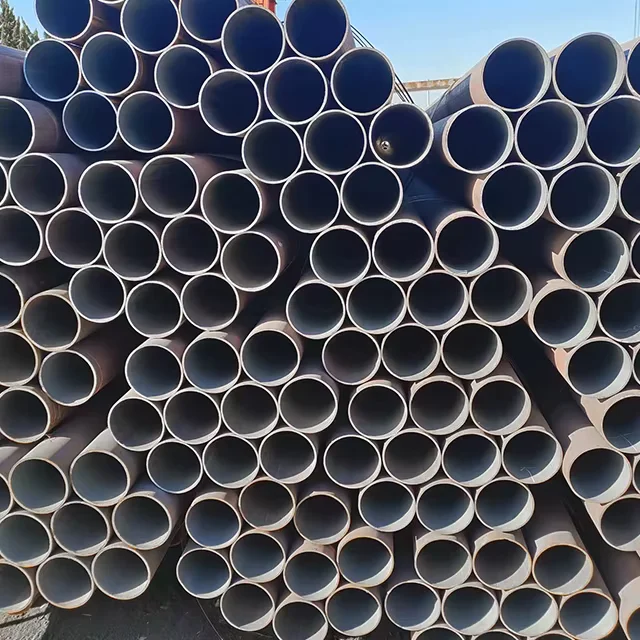
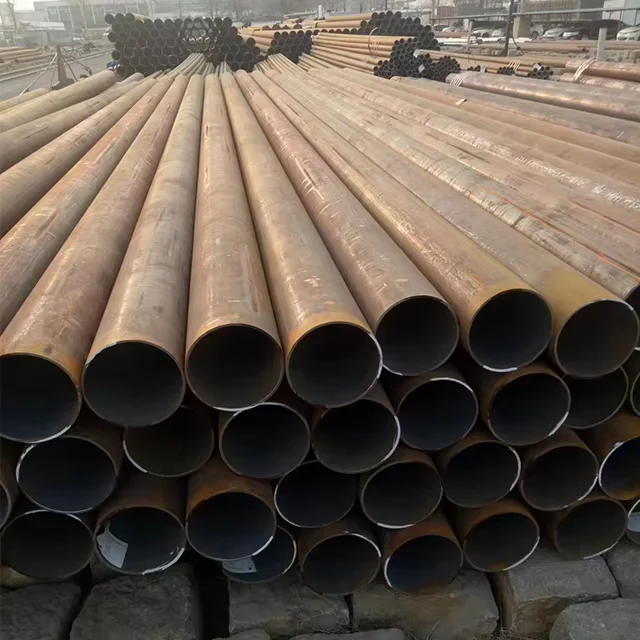
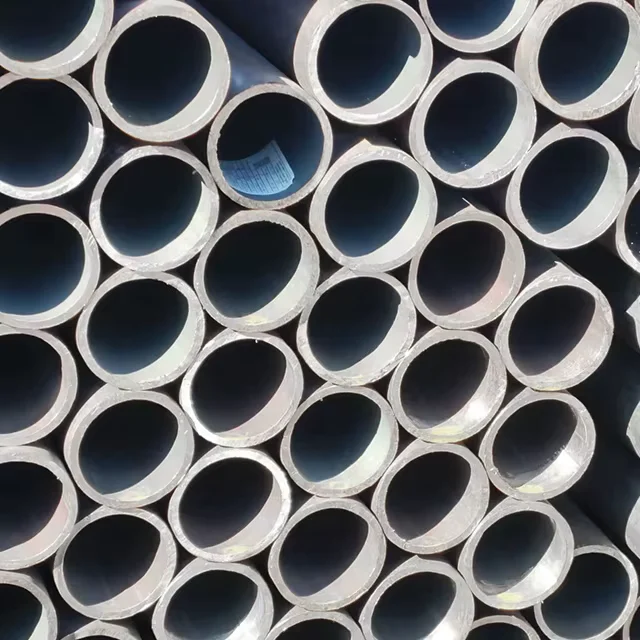
Description
Full-Range Welded Pipe Sourcing — Q195 to Q355 grades in OD 10–700 mm with original mill test certificates and cross-standard equivalence support.
Technical Specifications
| Parameter | Value |
|---|---|
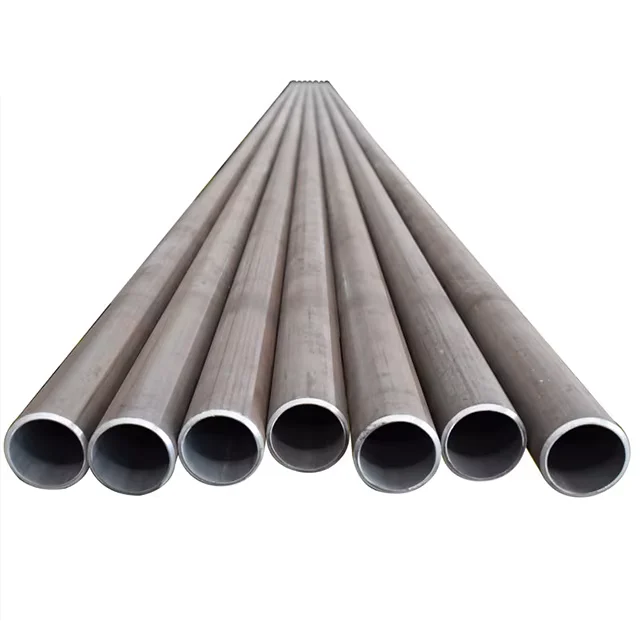
| Designation | Q235 Carbon Steel Welded Pipe |
| Product Type | Welded Steel Pipe |
| Steel Grade | Q195, Q235, Q355, 10#, 45#, 16Mn, A53, A369, ST35, ST52 |
| Standard | API 5L, ASTM A53, ASTM A671, ASTM A252, ASTM A450, ASME B36.10M, ASTM A523, BS 1387, BS EN10296, BS 6323, BS 6363, BS EN10219, GB/T 3091, GB/T 13793, GB/T 9711 |
| Section Shape | Round |
| Outer Diameter | 10 – 700 mm |
| Wall Thickness | Cold rolled 1 – 4.0 mm / Hot rolled 4 – 20 mm |
| Length | 1 – 12 m |
| Technique | Hot rolled, cold rolled, cold drawn |
| Surface Treatment | Hot Rolled |
| Tolerance | ±1% |
| Ends | Plain End, Beveled, Threaded |
| Application | Fluid transport, Boiler, Gas pipeline, Oil pipeline, Structural applications, Building industry, Machinery |
| MOQ | 10 Ton |
| Origin | Shandong, China |
Application Suitability
| Industry | Typical Applications |
|---|---|
| Oil & Gas Pipeline | Gas transmission lines, crude oil gathering pipelines, refinery process piping |
| Construction & Infrastructure | Building structural frames, bridge support columns, scaffolding uprights |
| Boiler & Pressure Systems | Boiler feed-water lines, pressure vessel support structures, steam distribution headers |
| Machinery Manufacturing | Conveyor roller tubes, hydraulic cylinder sleeves, machine base frames |
| Fluid Transport | Municipal water supply mains, irrigation networks, industrial cooling water circuits |
When Wall-Thickness Tolerance Decides Whether a Pipeline Order Passes Field Inspection
A ±1% tolerance on a 10 mm wall means the difference between acceptance and a full-batch rejection at the construction site.
Procurement teams ordering Q235 carbon steel welded pipe for pipeline or structural projects frequently discover that the actual wall thickness deviates far beyond what the purchase order states. Negative tolerance practices — where mills consistently roll thin to save material cost — can push a nominal 6 mm wall down to 5.2 mm or worse, causing ultrasonic thickness readings to fail during third-party inspection. [NEED_CITE: API 5L wall thickness tolerance requirements for line pipe] Grade substitution is another silent risk: a shipment labeled Q235B may arrive with chemistry closer to Q195, meaning yield strength falls short of structural design calculations. Without original mill test certificates tied to specific heat numbers, there is no way to verify compliance before the pipe is already welded into a pressure boundary or load-bearing frame.
Matching OD and Wall Thickness to Pipeline Pressure and Structural Load
A Q235 carbon steel welded pipe in the 10–700 mm outer diameter range covers everything from small-bore instrument lines to large-diameter water transmission mains. For low-pressure fluid and gas transport, cold-rolled walls of 1–4 mm keep weight and cost down while maintaining dimensional accuracy. When the same pipe moves into structural columns or boiler support frames, hot-rolled walls of 4–20 mm provide the section modulus needed to resist bending and compression loads. End treatments — plain, beveled, or threaded — are selected based on the field joining method: beveled ends for butt-welded pipeline continuity, threaded ends for removable mechanical connections in maintenance-prone systems. We supply each order with dimensional inspection reports confirming OD, wall, and straightness before the pipe leaves the mill yard.
Engineering Compliance Across GB, ASTM, and EN Standards
Structural engineers specifying welded pipe for load-bearing frames need documentation that satisfies both the design code and the importing country’s customs requirements. A Q235 grade ordered under GB/T 3091 for a domestic Chinese project may need to be cross-referenced to S235JR under EN10219 or A36 under ASTM A53 for an overseas job site. [NEED_CITE: steel grade equivalence between GB, EN, and ASTM standards] CE certification becomes mandatory when the pipe enters European Union markets for structural or pressure applications, while API 5L documentation is non-negotiable for oil and gas pipeline projects worldwide. Our quality department prepares cross-standard equivalence tables with each shipment, so the site inspector can verify chemistry and mechanical properties against the applicable code without delay. Custom cut-to-length service in 1–12 m increments reduces on-site welding joints and speeds erection schedules.
Understanding Grade Selection and Rolling Process for Welded Pipe
The Q-series grades — Q195, Q235, Q355 — follow the Chinese GB system where the number indicates minimum yield strength in MPa. Q235 remains the workhorse grade for general structural and fluid transport applications, offering adequate strength with good weldability. Q355 steps up for heavier structural frames where higher load capacity is required. The ASTM equivalents — A53 for general service, A369 for high-temperature service, A252 for piling — cover similar performance bands in the North American specification system. ST35 and ST52, drawn from the German DIN framework, are specified for mechanical tubing applications where precision dimensional tolerance matters more than structural load rating. Hot-rolled process delivers thicker walls with a mill scale surface suitable for outdoor structural use, while cold-rolled and cold-drawn processes produce tighter tolerance and smoother finish for machinery and hydraulic applications. [NEED_CITE: differences between hot-rolled and cold-rolled welded steel pipe manufacturing]
The Real Cost of Buying Welded Pipe Without Verified Traceability
Purchasing Q235 carbon steel welded pipe based on price alone, without original mill test certificates, exposes the project to three categories of hidden cost. First, chemistry that does not match the specified grade can cause weld cracking during field fabrication — a defect that may not surface until the pipeline is pressurized or the structure is loaded. Second, wall-thickness deviation beyond the standard tolerance triggers rejection during third-party inspection, forcing the buyer to either accept a discounted but non-compliant batch or wait weeks for replacement material. [NEED_CITE: consequences of wall thickness deviation in pipeline construction] Third, missing or forged certificates create customs clearance failures in markets that require verified documentation for structural steel imports, resulting in port demurrage charges and project schedule delays. None of these costs appear on the initial purchase order, but they routinely exceed the price difference between a verified supplier and an unverified one.
Why Engineering Procurement Teams Source Welded Pipe From XJY Plate
Every Q235 carbon steel welded pipe leaving our facility carries an original mill test certificate showing chemical composition, tensile strength, yield strength, and elongation — traceable back to the heat number stamped on each piece. Our quality lab performs dimensional checks on OD, wall thickness, and straightness on every bundle, with reports available before shipment. We maintain ready stock across the full OD 10–700 mm range in Q195, Q235, and Q355 grades, so standard specifications ship without waiting for mill rolling schedules. For projects requiring cross-standard documentation, our technical team prepares equivalence mappings between GB, ASTM, BS EN, and API specifications. Third-party inspection through SGS or BV is arranged at our facility before loading, giving the buyer independent verification. Professional heavy-cargo loading — using flatbed trucks, open-top containers, or break-bulk vessels — ensures that long-length pipe up to 12 m arrives without bending damage or coating degradation.
Documentation & Compliance
- Mill test certificate documenting Q235B chemical composition (C, Mn, Si, S, P) and mechanical properties (yield strength, tensile strength, elongation) per GB/T 3091 or ASTM A53 as specified
- CE certificate confirming compliance with EN10219 cold-formed welded structural hollow sections for European Union market entry
- ISO 9001:2015 quality management system certificate covering the full welded pipe production and inspection process
- SGS or BV third-party inspection report verifying dimensional tolerance, surface quality, and wall thickness on random sampling per batch
- Heat number traceability linking each pipe piece to its original steel coil or plate, with chemistry and mechanical test results recorded
- Export customs documentation including packing list, bill of lading, and certificate of origin for import clearance at destination port
Packaging, Loading & Delivery
- Hot-rolled Q235 welded pipes bundled with galvanized steel strips at intervals calculated for the 1–12 m length range, preventing bundle shift during ocean transit
- Plain-end and beveled-end pipes fitted with plastic end caps to protect bevel angles and prevent moisture ingress into the pipe bore during container loading
- Cold-rolled welded pipes in 1–4 mm wall thickness wrapped with anti-rust paper and waterproof cloth to preserve surface finish during storage and shipping
- Open-top container loading for 12 m long pipes in OD 200–700 mm range, with timber dunnage and steel wire lashing to prevent rolling damage
- Heat number and steel grade stenciled on each pipe bundle outer surface for site identification and MTC cross-referencing upon arrival
- FOB, CIF, and DDP shipping terms available with professional flatbed and break-bulk logistics for heavy welded pipe consignments
Start Your Welded Pipe Inquiry With Verified Specifications
Submit your required steel grade, outer diameter, wall thickness, length, quantity, and destination port — our technical team responds within 12 hours with a detailed quotation including material cost, any cutting or end-treatment charges, and shipping terms. For projects requiring cross-standard grade equivalence or third-party inspection, confirm your documentation needs at the inquiry stage so we can prepare the mill test certificate and SGS/BV inspection arrangement before production begins.
Request a Quotation With Mill Test Certificate
Send your Q235 carbon steel welded pipe specifications — grade, OD, wall thickness, length, quantity, and destination — to receive a detailed quote with original MTC and shipping terms within 12 hours.
Contact XJY Plate
Website: www.xjyplate.com
Tel: +86 531 8573 6315
Mobile/WhatsApp/WeChat: +86 188 5315 7756
Email: admin@xjyplate.com
Frequently Asked Questions
Q: Can you provide grade equivalence between Q235 and ASTM or EN standards?
A: Yes. Q235B maps closely to S235JR under EN10219 and A36 under ASTM A53 in terms of yield strength and chemical composition. Our technical team supplies a cross-reference table with each order showing the equivalent grade, standard, and key mechanical property ranges so your engineer can verify compliance with the design code.
Q: How do you verify wall thickness tolerance before shipment?
A: Our quality department uses calibrated ultrasonic thickness gauges to measure wall thickness at multiple points along each pipe length. Results are recorded in the dimensional inspection report and cross-checked against the ±1% tolerance stated in the order. Third-party inspection by SGS or BV can be arranged to witness these measurements before loading.
Q: What is the minimum order quantity for custom-cut welded pipe?
A: The standard MOQ is 10 Ton. For custom cut-to-length orders within the 1–12 m range, we can accommodate smaller quantities depending on the specified OD and wall thickness combination. Contact us with your exact specification list for a feasibility check.
Q: Do you supply mill test certificates with every shipment?
A: Yes. Every bundle of Q235 carbon steel welded pipe ships with an original mill test certificate showing the heat number, chemical composition, and mechanical test results. The heat number is also stenciled on the pipe bundle for on-site verification against the certificate.
Q: What shipping methods are available for long-length welded pipe?
A: For pipes up to 12 m in length, we use open-top containers for OD 200–700 mm range or flatbed truck transport for domestic and nearby export destinations. For large-volume project orders, break-bulk vessel loading is arranged. FOB, CIF, and DDP terms are all available depending on your preference.