
Description
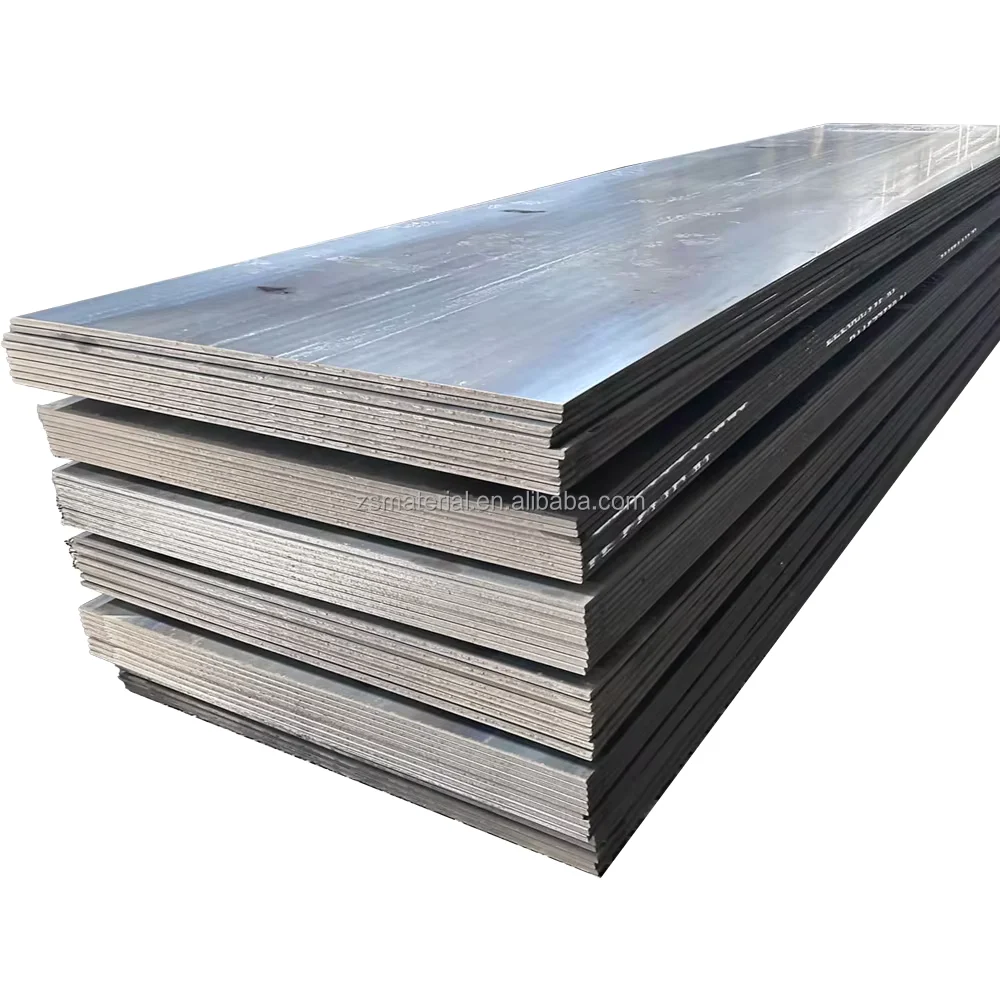
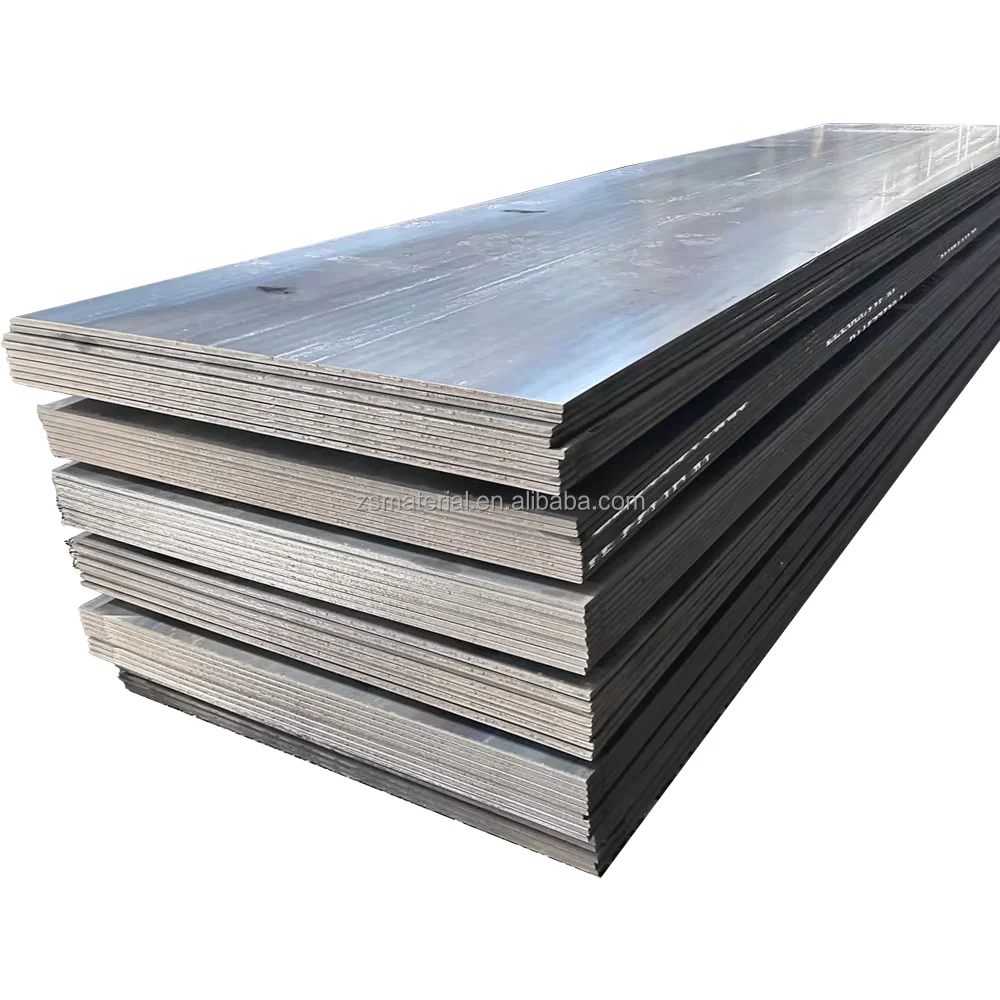
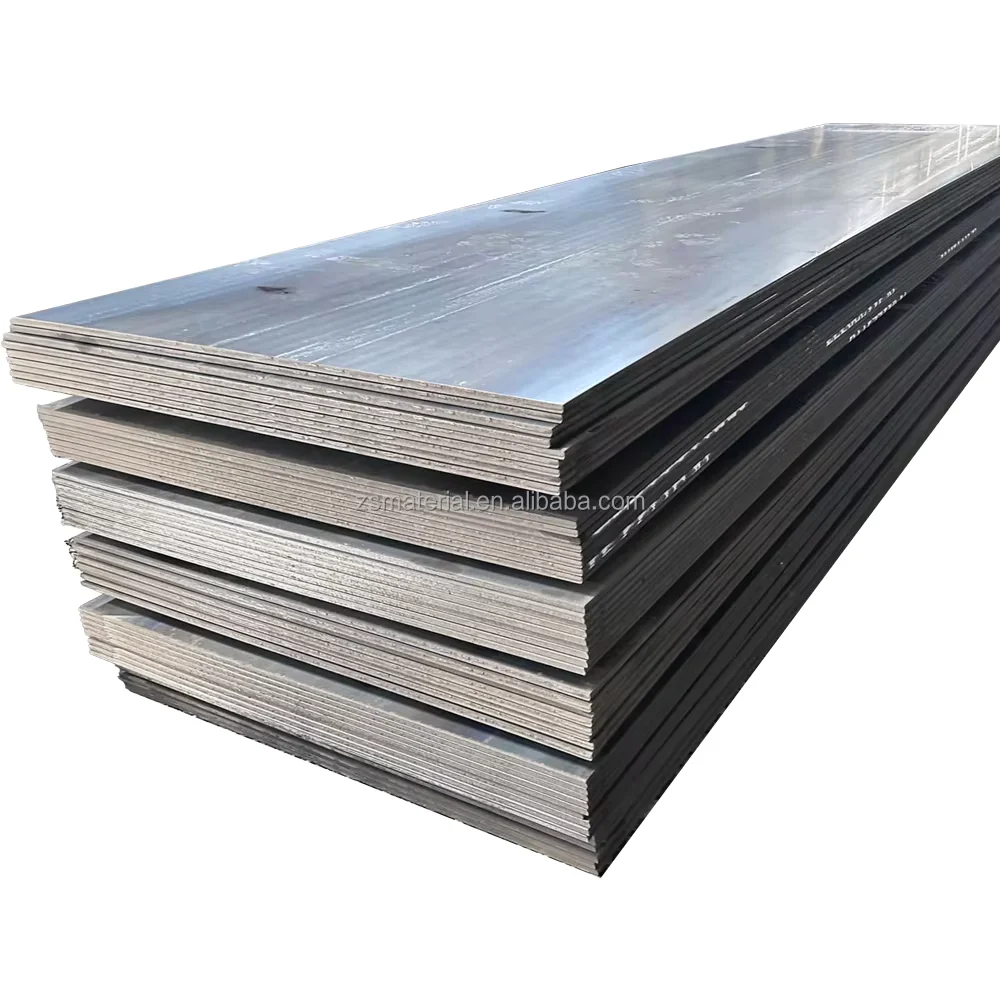
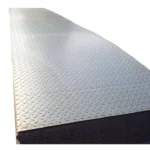
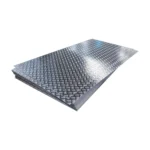
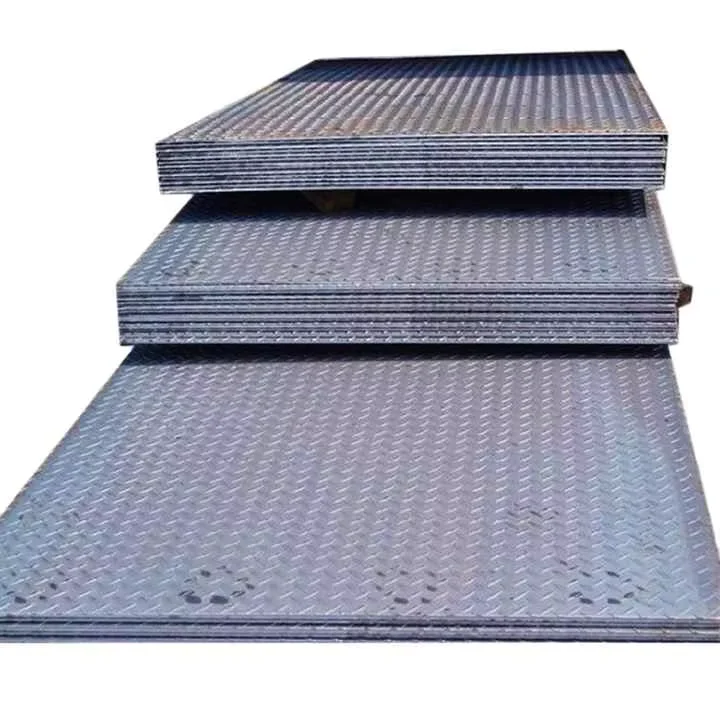
Factory-direct anti-slip plate supply — every Q235B hot rolled checkered steel plate ships with original mill test certificates and verified thickness measurements before loading.
Technical Specifications
| Parameter | Value |
|---|---|
| Designation | Q235B Hot Rolled Checkered Steel Plate |
| Product Type | Steel Plate |
| Steel Grade | Q195, Q235, A36, SS400, S235 |
| Standard | JIS, GB (Q235B), ASTM (A36), EN (S235) |
| Width | 1000mm–3000mm |
| Thickness | 1.0mm–100mm |
| Length | 2000mm–6000mm |
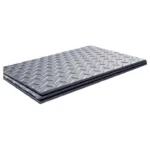
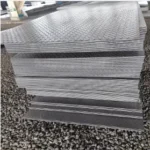
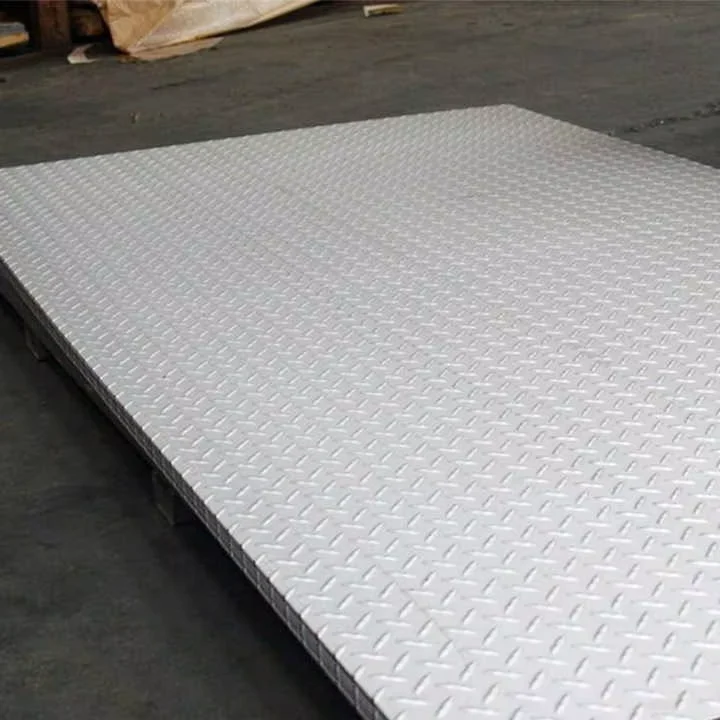
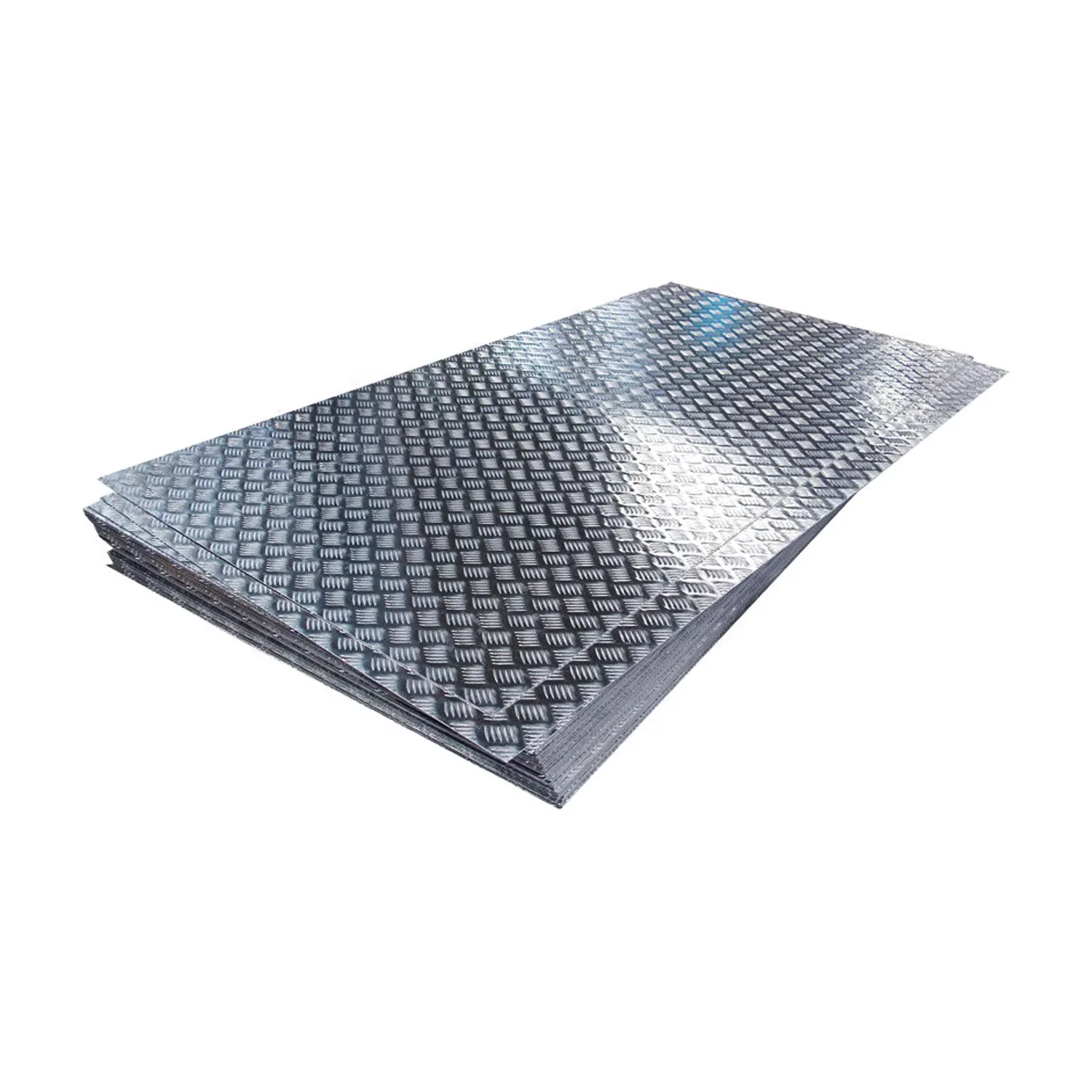
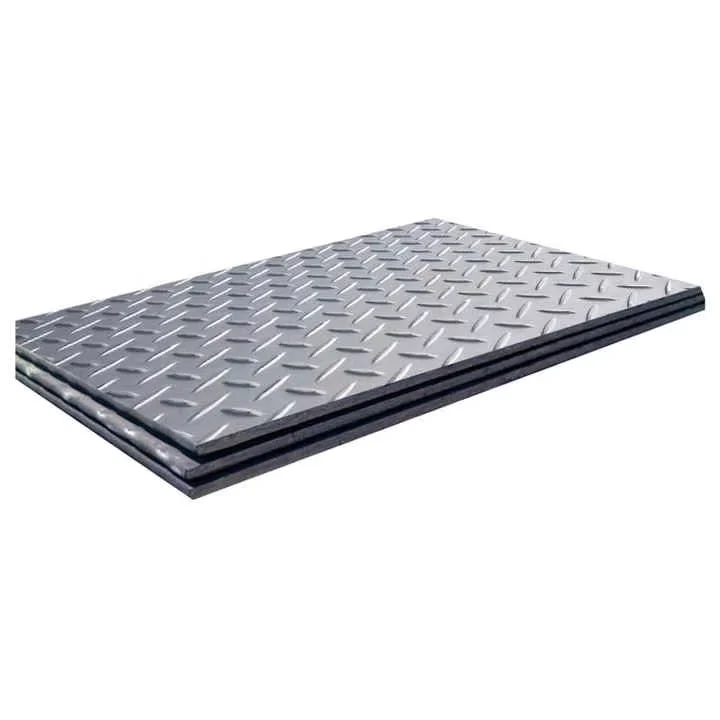
| Embossed Design | Diamond, Round Bean, Flat Mixed Shape, Lentil Shape |
| Surface Treatment | Oiled, Black, or Custom Required |
| Technique | Hot Rolled |
| Application | Commercial Buildings / Industrial Flooring / Stair Treads / Anti-slip Platforms / Decorative Facades |
| MOQ | 5 Tons |
| Origin | China |
Application Suitability
| Industry | Typical Applications |
|---|---|
| Commercial Construction | Industrial flooring, stair treads, mezzanine platforms |
| Infrastructure | Anti-slip walkways, bridge inspection platforms, utility access covers |
| Architectural Facades | Decorative and functional exterior cladding with pattern finish |
| Manufacturing Plants | Workshop flooring, equipment platforms, loading ramp surfaces |
Hidden Thickness Deviation Costs More Than the Plate Itself
Actual thickness below nominal tolerance triggers rejection at project inspection.
Buyers ordering Q235B hot rolled checkered steel plate for industrial flooring often discover negative tolerance issues only after the container arrives at site. A 20mm plate measuring 18.2mm at the weld joint fails structural acceptance. The entire batch sits at the port while the project timeline collapses. Grade confusion between Q235B, A36, and SS400 compounds the problem — buyers specify one standard but receive material certified to another, creating documentation gaps during customs clearance. [NEED_CITE: steel grade equivalence between GB, ASTM, and EN standards]
Pattern Depth and Anti-Slip Performance Across Embossed Options
Diamond, lentil, round bean, and flat mixed patterns serve different friction requirements. Diamond pattern provides directional grip suitable for inclined walkways and stair treads where foot traffic moves in one direction. Lentil shape offers multi-directional slip resistance for platform areas where workers pivot frequently. Round bean pattern balances aesthetic appeal with moderate anti-slip performance for decorative facades. Hot rolling process ensures pattern depth consistency across the 1.0mm–100mm thickness range, maintaining traction performance throughout the plate service life.
Structural Compliance and Surface Protection for Outdoor Environments
Engineering specifications for anti-slip platforms reference load-bearing requirements and corrosion resistance. Q235B hot rolled checkered steel plate in thickness above 6mm meets typical industrial flooring load requirements without additional reinforcement. Oiled surface treatment provides short-term rust prevention during ocean transit and on-site storage. Black finish or custom coating extends service life in marine or chemical exposure environments. Custom cutting to exact dimensions reduces on-site welding and secondary processing, improving installation accuracy for stair tread applications. [NEED_CITE: EN 10025 hot rolled structural steel product standards]
Steel Grade Selection and Cross-Standard Equivalence
Q195, Q235, A36, SS400, and S235 represent carbon steel grades from different national standard systems. Q235B (GB standard) and A36 (ASTM) share similar carbon content ranges and yield strength levels, making them interchangeable for general structural applications. SS400 (JIS) and S235 (EN) occupy comparable positions in their respective systems. The hot rolling technique produces uniform grain structure across the plate cross-section, ensuring consistent mechanical properties whether the plate undergoes further bending, drilling, or welding operations. Thickness tolerance control during hot rolling determines whether the plate meets project specification requirements or triggers rejection during third-party inspection.
What Wrong Grade Selection Costs at Project Handover
Specifying A36 when the project engineer requires Q235B creates documentation mismatches during final inspection. Mill test certificates showing different chemical composition ranges than the purchase order trigger material rejection, even if mechanical properties meet structural requirements. Negative tolerance exceeding standard limits reduces load-bearing capacity below design calculations, creating safety liability for the structure owner. Missing heat number traceability prevents verification against original mill records, blocking customs clearance in markets requiring full material certification. [NEED_CITE: mill test certificate requirements for steel plate import]
Verified Thickness and Full Traceability on Every Sheet
Every Q235B hot rolled checkered steel plate undergoes thickness measurement before shipment using calibrated micrometers. Original mill test certificates document chemical composition, mechanical properties, and heat number for each plate or coil. Custom cutting service delivers exact dimensions matching project drawings, reducing material waste and on-site processing time. Professional loading using flatbed trucks and open-top containers prevents damage to embossed patterns during transport. ISO 9001:2015 certification and CE marking ensure production processes meet international quality management requirements. Third-party inspection through SGS or BV available upon request for projects requiring independent verification.
Documentation & Compliance
- Mill test certificate documenting Q235B chemical composition and mechanical properties per GB standard, with heat number traceability for each plate
- CE certificate confirming compliance with European construction product regulations for structural steel plate applications
- ISO 9001:2015 quality management system certificate covering hot rolled checkered plate production and inspection processes
- SGS or BV third-party inspection report verifying thickness, flatness, and surface quality before shipment
- Material traceability documentation linking each plate to original mill heat number and rolling schedule
- Complete customs documentation including packing list, bill of lading, and certificate of origin for import clearance
Packaging, Loading & Delivery
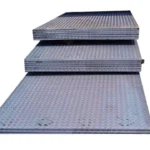
- Checkered plates bundled with steel strips and edge protectors to preserve embossed pattern integrity during ocean transit
- Oiled surface treatment applied before packaging to prevent rust formation during storage and transportation
- Open-top container loading optimized for plates exceeding standard container height, with wooden cradle support for 2000mm–6000mm lengths
- Custom cutting to project-specified dimensions reduces on-site waste and improves loading efficiency for full container shipments
- Heat number and steel grade marked on each plate for site identification and traceability verification
- FOB, CIF, and DDP shipping terms available with professional heavy cargo logistics coordination
Submit Specifications for Accurate Quotation and Material Verification
Provide steel grade, thickness, width, length, pattern type, quantity, and destination port to receive detailed quotation with material cost, processing fees, and shipping terms. Original mill test certificates available for review before shipment confirmation. Custom cutting specifications accepted with minimum order of 5 tons per specification.
Request Quotation with Mill Test Certificate
Submit your Q235B hot rolled checkered steel plate specifications including dimensions, pattern preference, and quantity to receive pricing and material documentation within 12 hours.
Contact: Shandong Xin Jiyuan Special Steel Tube Co., Ltd
Website: www.xjyplate.com
Tel: +86 531 8573 6315
Mobile/WhatsApp/WeChat: +86 188 5315 7756
Email: admin@xjyplate.com
Address: No.11889, Jingshi West Road, Lulian Group, Jinan City, Shandong Province, China
Frequently Asked Questions
Q: How do Q235B, A36, SS400, and S235 grades compare for checkered plate applications?
A: These grades represent carbon steel from different national standards — Q235B (Chinese GB), A36 (American ASTM), SS400 (Japanese JIS), and S235 (European EN). They share similar carbon content and yield strength ranges, making them suitable for general structural and flooring applications. The choice depends on project specification requirements and local building codes.
Q: Can you provide mill test certificates before shipment?
A: Yes, original mill test certificates documenting chemical composition, mechanical properties, and heat number are provided before or with every shipment. Each certificate corresponds to the specific heat number of the material supplied, enabling full traceability verification.
Q: What is the minimum order quantity for custom-cut checkered plate?
A: The minimum order quantity is 5 tons per specification. Custom cutting service accepts specific dimensions matching project requirements, reducing on-site processing and material waste.
Q: How do you ensure thickness accuracy for checkered plate?
A: Every plate undergoes thickness measurement using calibrated micrometers before shipment. Original mill test certificates include dimensional data, and third-party inspection through SGS or BV is available for projects requiring independent verification.
Q: What surface treatment options are available for outdoor applications?
A: Oiled surface treatment provides short-term rust prevention during transit and storage. Black finish or custom coating options extend corrosion resistance for marine or chemical exposure environments. Surface treatment selection depends on project timeline and environmental conditions.