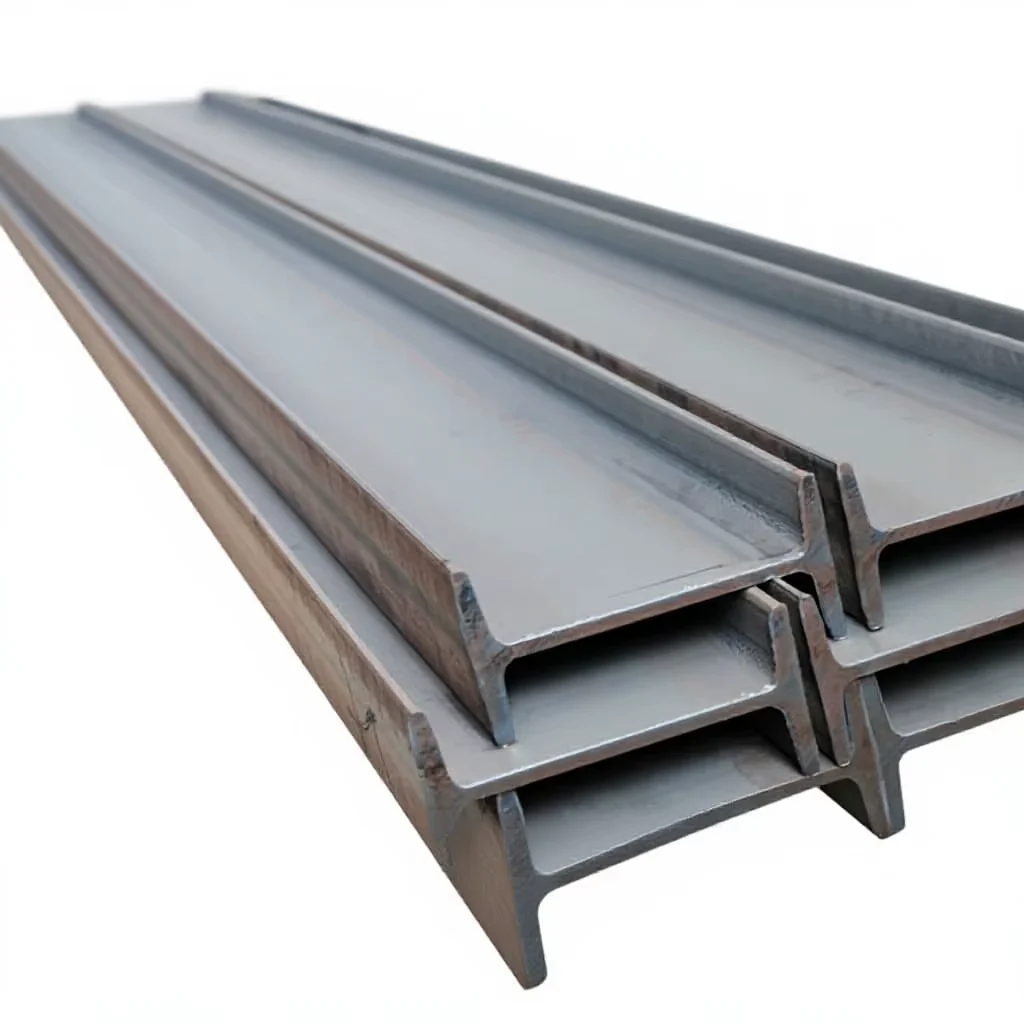



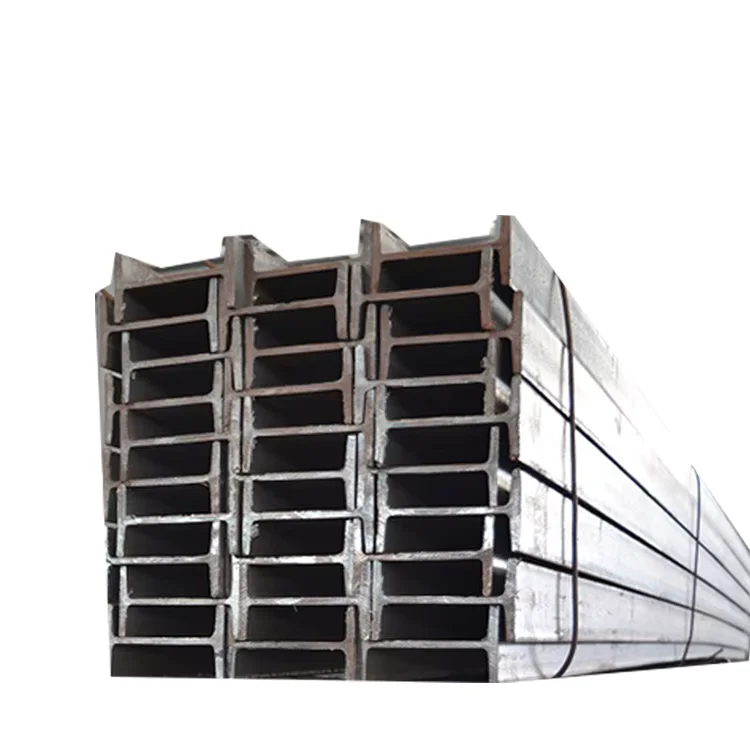
Description
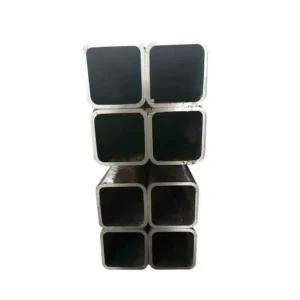
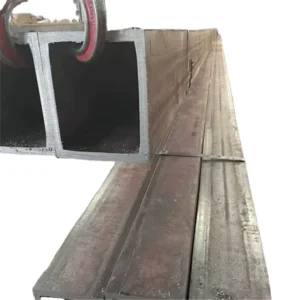
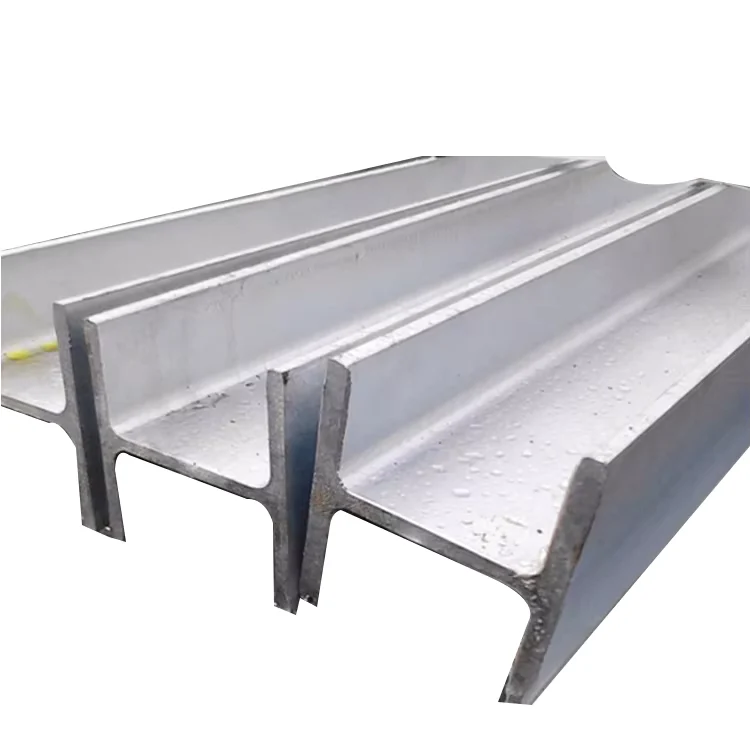
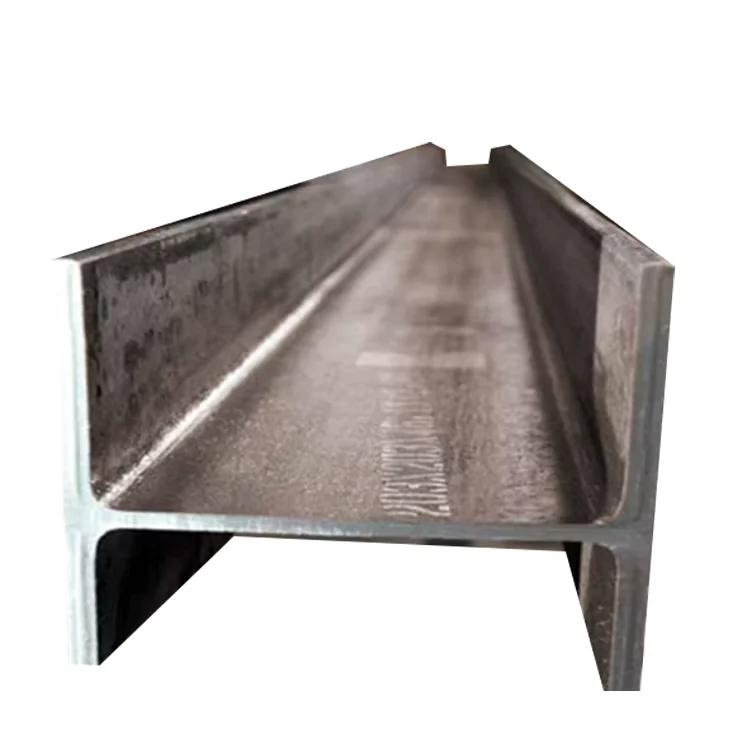
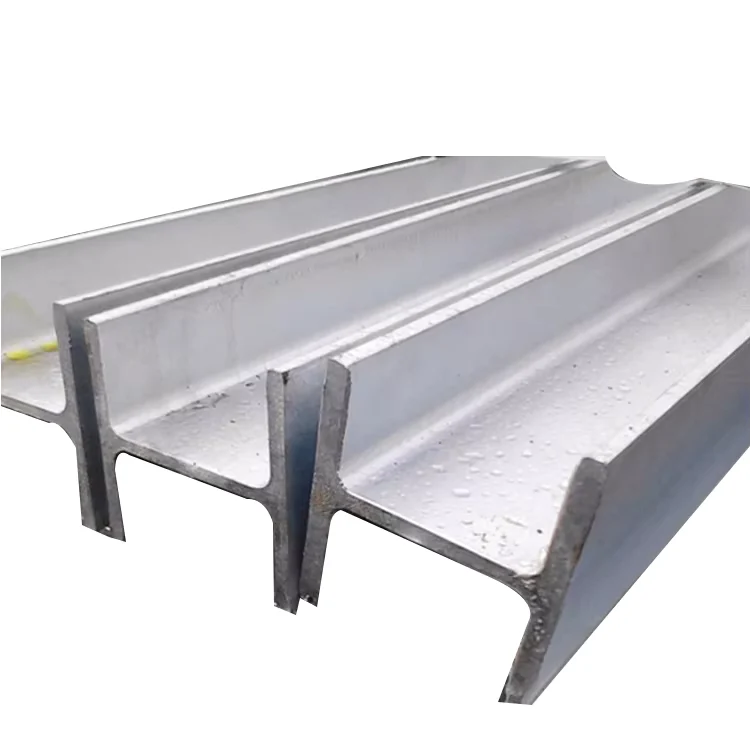
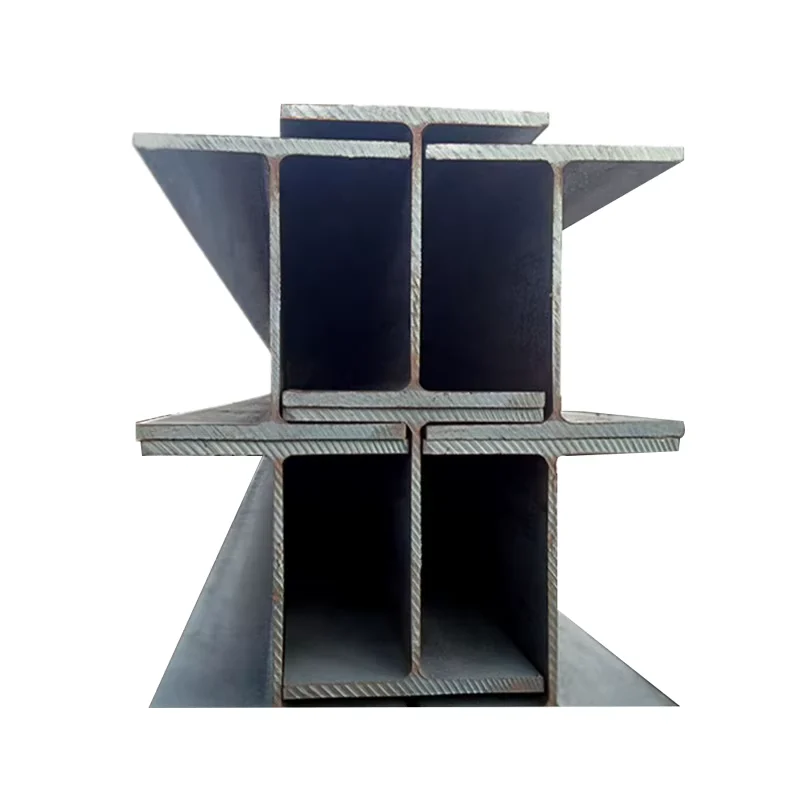
One-Source Structural H-Beam Supply — Q345B, S355JR, and S355J2 hot rolled H-beams stocked in sections from 100×100 to 1000×300 mm with original mill test certificates and cut-to-size processing.
Technical Specifications
| Parameter | Value |
|---|---|
| Designation | Q345B/S355JR/S355J2 Hot Rolled H Beam |
| Product Type | H-beam |
| Steel Grade | Q235, Q345, Q355, S235JR, S355JR, S355J2, SS400, ASTM A36 |
| Standard | GB, EN, BS, ASTM, DIN, JIS, AISI |
| Section Shape | H-beam (I-beam profile) |
| Model Range | 100×100 mm – 1000×300 mm |
| Flange Thickness | 8 mm – 64 mm |
| Web Thickness | 4.5 mm – 36.5 mm |
| Web Width | 100 mm – 900 mm |
| Length | As per customer request |
| Technique | Hot Rolled |
| Surface Treatment | Painted / Galvanized (customized) |
| Processing Services | Bending, Welding, Decoiling, Punching, Cutting |
| Tolerance | ±1% |
| Packing | Seaworthy packing |
| Application | Steel building structures, industrial platforms, construction frames, bridges |
| Origin | China |
Application Suitability
| Industry | Typical Applications |
|---|---|
| Steel Fabricators | Structural frames for industrial warehouses, portal frames, mezzanine floors |
| Construction Companies | High-rise column and beam systems, bridge girders, infrastructure supports |
| Shipyards & Heavy Equipment | Load-bearing structural members for crane gantries, offshore platforms |
| Pressure Vessel & Petrochemical | Pipe rack supports, equipment platforms, structural skids |
When Cross-Standard Grade Matching Fails on a Structural H-Beam Order
A single misidentified heat number can shut down an entire erection sequence.
Structural steel buyers sourcing a Hot Rolled H Beam from international suppliers routinely hit three pain points that no brochure can fix. First, grade equivalence across GB, EN, ASTM, and JIS systems is never one-to-one — Q345B and S355JR share similar yield ranges but differ in impact test temperature and elongation requirements, meaning a supplier who simply declares them “equivalent” without providing full chemical and mechanical data is gambling with your structural engineer’s assumptions [NEED_CITE: steel grade equivalence between EN and ASTM standards]. Second, mill test certificates that lack verifiable heat numbers or show mechanical properties borderline to the standard’s minimum leave the buyer exposed during third-party inspection at the destination port. Third, many mills impose full-bundle or full-coil minimums, forcing fabricators who need cut-to-size H-beams in mixed sections to over-order and absorb dead stock.
How Dimension Range and Flange Thickness Match Structural Load Paths
A Hot Rolled H Beam in the 100×100 to 1000×300 mm range covers everything from light mezzanine framing to heavy bridge girders. Flange thickness from 8 mm to 64 mm and web thickness from 4.5 mm to 36.5 mm let engineers select sections that balance bending resistance against self-weight — critical for long-span industrial buildings where every kilogram of dead load compounds across the frame. When a steel fabricator in Southeast Asia needed S355J2 H-beams for a port crane gantry, the narrow web width and thick flange combination delivered the lateral stability the design required without secondary stiffening plates. We supply those sections with plasma-cut ends and pre-drilled connection holes, so the erector bolts up rather than burns on site.
Structural Code Compliance and Certification for Global Projects
Hot rolled H-beams used in load-bearing frames must comply with design codes such as EN 1993 for European projects or AISC 360 for North American construction, both of which require documented material properties traceable to the original heat [NEED_CITE: EN 1993 structural steel design code material requirements]. For projects entering the EU, CE marking under EN 10025 is non-negotiable at customs; for Gulf and African ports, SGS or BV pre-shipment inspection reports often decide whether the container clears or sits in bond. Our Q355 and S355 series H-beams are produced under ISO 9001:2015 quality systems, carry Lloyd’s CE certification, and ship with heat-number traceability from rolling mill to job site — eliminating the documentation gap that delays erection schedules.
Decoding Hot Rolled H-Beam Steel Grades and Rolling Practice
The Q-series (Q235, Q345, Q355) follows the Chinese GB system where the number indicates minimum yield strength in MPa; the S-series (S235JR, S355JR, S355J2) follows EN 10025 with the suffix denoting impact test conditions — JR for room temperature, J2 for minus 20°CCharpy testing. ASTM A36 and SS400 occupy the lower-strength end, suitable for non-critical bracing and secondary framing. Hot rolling produces a normalized microstructure with consistent grain flow through the web-flange junction, giving hot rolled H-beams superior ductility at connections compared to welded or built-up alternatives. The ±1% dimensional tolerance on our sections ensures that flange and web thicknesses stay within the range assumed by the structural model — a detail that matters when engineers calculate moment capacity using plastic section modulus. Surface options include bare (mill scale), painted, or hot-dip galvanized, chosen based on whether the beam goes into an enclosed warehouse frame or an exposed coastal bridge where corrosion protection extends service life by decades.
The Hidden Cost of Wrong Grade or Missing Traceability on H-Beam Procurement
Ordering a Hot Rolled H Beam at the lowest invoice price often means accepting negative tolerance beyond the standard’s permitted range, which reduces actual section modulus and forces the structural engineer to either reject the material on site or redesign connections — both options cost more than the original price difference. Material shipped without a verifiable mill test certificate risks customs rejection under EN 10025 or AISC material documentation requirements, leaving the buyer to pay demurrage while the supplier scrambles for paperwork [NEED_CITE: EN 10025 hot rolled structural steel product standard requirements]. Grade substitution without full chemical disclosure — such as shipping Q235 against an S355JR purchase order — creates latent structural risk that only surfaces during load testing or, worse, after the frame is erected.
Why Structural Steel Buyers Source Hot Rolled H-Beams Through Our Plate Division
Every H-beam we ship passes through our own QC lab for chemical composition and mechanical property verification before loading — a step I insisted on after watching a batch of beams fail SGS re-inspection at destination despite “perfect” mill paperwork. We hold ready stock across the 100×100 to 1000×300 mm range in Q235, Q345B, S355JR, and S355J2, so fabricators ordering mixed sections for a single project get one consolidated shipment rather than three partial loads from different mills. In-house plasma and flame cutting, bending, and punching let us deliver H-beams cut to exact erection lengths with connection holes drilled to the fabricator’s shop drawings — eliminating secondary processing at the job site. Original mill test certificates accompany every piece, with heat numbers laser-marked on the web for full traceability. Our logistics team specializes in heavy cargo: flatbed and open-top container loading plans are calculated per section weight and length to avoid overweight penalties and port delays on FOB, CIF, or DDP shipments.
Documentation & Compliance
- Mill test certificate documenting Q345B or S355JR chemical composition, yield strength, tensile strength, and elongation per GB/T 1591 or EN 10025, with verifiable heat number
- CE certificate under EN 10025 for hot rolled structural steel, required for EU customs clearance and Lloyd’s register compliance
- ISO 9001:2015 quality management certificate covering the full plate and coil supply chain from mill rolling to final inspection
- SGS or BV third-party inspection report available upon request, covering dimensional checks, surface condition, and mechanical test witness
- Full material traceability by heat number, laser-marked on each H-beam web and cross-referenced to the mill test certificate
- Export documentation including packing list, bill of lading, and certificate of origin formatted for destination-country customs requirements
Packaging, Loading & Delivery
- Hot rolled H-beams bundled with high-tensile steel strips and edge protectors to prevent flange damage during crane handling at the port
- Bare mill-scale beams coated with rust-inhibitive oil before bundling; galvanized or painted beams wrapped with waterproof film to preserve surface treatment during ocean transit
- Open-top container or flatbed loading plans optimized per section length and weight, with dunnage placed at web bearing points to avoid flange bending
- Cut-to-size H-beams stacked separately by length and marked with heat number, steel grade, and piece number for easy identification at the erection site
- FOB, CIF, and DDP shipping terms available, with professional heavy-cargo logistics covering break-bulk and project cargo for oversized sections beyond container capacity
Getting a Firm Quote for Your Hot Rolled H-Beam Requirement
Send us the section size, steel grade, total tonnage, and destination port — we return a detailed quotation within 12 hours, including material cost, any cutting or processing charges, and shipping terms. If your project requires mixed sections or non-standard lengths, we consolidate everything into one shipment with a single set of mill test certificates. Confirm your certification and customs documentation needs upfront, and we lock the rolling schedule or reserve stock immediately after deposit.
Frequently Asked Questions
Q: How do Q345B, S355JR, and ASTM A36 compare in chemical composition and yield strength?
A: Q345B and S355JR both target a minimum yield strength in the 345–355 MPa range, but S355JR requires Charpy impact testing at room temperature under EN 10025, while Q345B follows GB/T 1591. ASTM A36 sits at a lower yield level around 250 MPa and is suited to non-critical or secondary structural members. Full chemical and mechanical data for each heat is provided on the mill test certificate so your engineer can verify equivalence for the specific design code in use.
Q: Can you provide original mill test certificates with heat number verification before shipment?
A: Yes. Every Hot Rolled H Beam we supply ships with an original mill test certificate showing chemical composition, yield strength, tensile strength, and elongation, cross-referenced to the heat number laser-marked on the beam web. We verify these results in our own lab before loading.
Q: What is the minimum order for cut-to-size H-beams versus standard mill lengths?
A: Standard mill lengths carry no minimum beyond a single bundle. For cut-to-size H-beams with plasma cutting, drilling, or bending, we work from your shop drawings and consolidate multiple sections into one order to keep processing costs efficient — there is no separate minimum for the processing itself.
Q: How do you handle tolerance, and is invoicing by theoretical or actual weight?
A: Our hot rolled H-beams are produced to ±1% dimensional tolerance per the applicable standard. Invoicing can be arranged by theoretical weight (based on standard section tables) or actual weighbridge weight at the loading port, depending on your preference and the destination country’s customs practice.
Q: How are heavy H-beams packed and loaded to avoid damage and overweight penalties?
A: Beams are bundled with steel strips, placed on dunnage at web bearing points, and loaded into open-top containers or onto flatbeds using calculated weight distribution plans. Each loading plan accounts for section length, flange width, and gross weight to stay within container or truck limits and avoid port overweight penalties.
Get Your Hot Rolled H-Beam Quote with Mill Test Certificates
Send your section sizes, steel grades, quantities, and destination port to receive a detailed quotation and sample mill test certificate within 12 hours.
Shandong Xin Jiyuan Special Steel Tube Co., Ltd
Website: www.xjyplate.com
Tel: +86 531 8573 6315
Mobile/WhatsApp/WeChat: +86 188 5315 7756
Email: admin@xjyplate.com
Address: No.11889, Jingshi West Road, Lulian Group, Jinan City, Shandong Province, China