

AR400 AR500 Wear-Resistant Plate Manufacturer for Mining
Harder is not always better. In high-impact mining environments, selecting the highest hardness grade often leads to premature cracking rather than extended service life.
For most mining applications, AR400 offers the optimal balance of toughness and abrasion resistance for general wear surfaces, while AR500 is reserved for high-abrasion, low-impact zones such as chute liners and classifier plates. The critical failure point in procurement is not material selection alone, but ensuring accurate HS code classification and mill certification to prevent costly customs delays in key mining regions like Africa and South America.
The humidity in Jinan can be relentless during the summer months, clinging to the steel stacks in the yard. I remember standing by a container being loaded for a port in West Africa, watching the crane operator struggle with the weight distribution. That shipment was delayed for weeks, not because of the steel quality, but because a single digit in the Harmonized System code did not match the physical description on the bill of lading. The storage fees at the destination port eventually exceeded the value of the cargo itself. This was not an isolated incident. It highlighted a systemic issue where technical specifications are prioritized over logistical compliance. When sourcing Wear-Resistant Plate AR400 AR500 Mining solutions, the engineering data is only half the battle. The other half is ensuring that the documentation travels as smoothly as the metal.
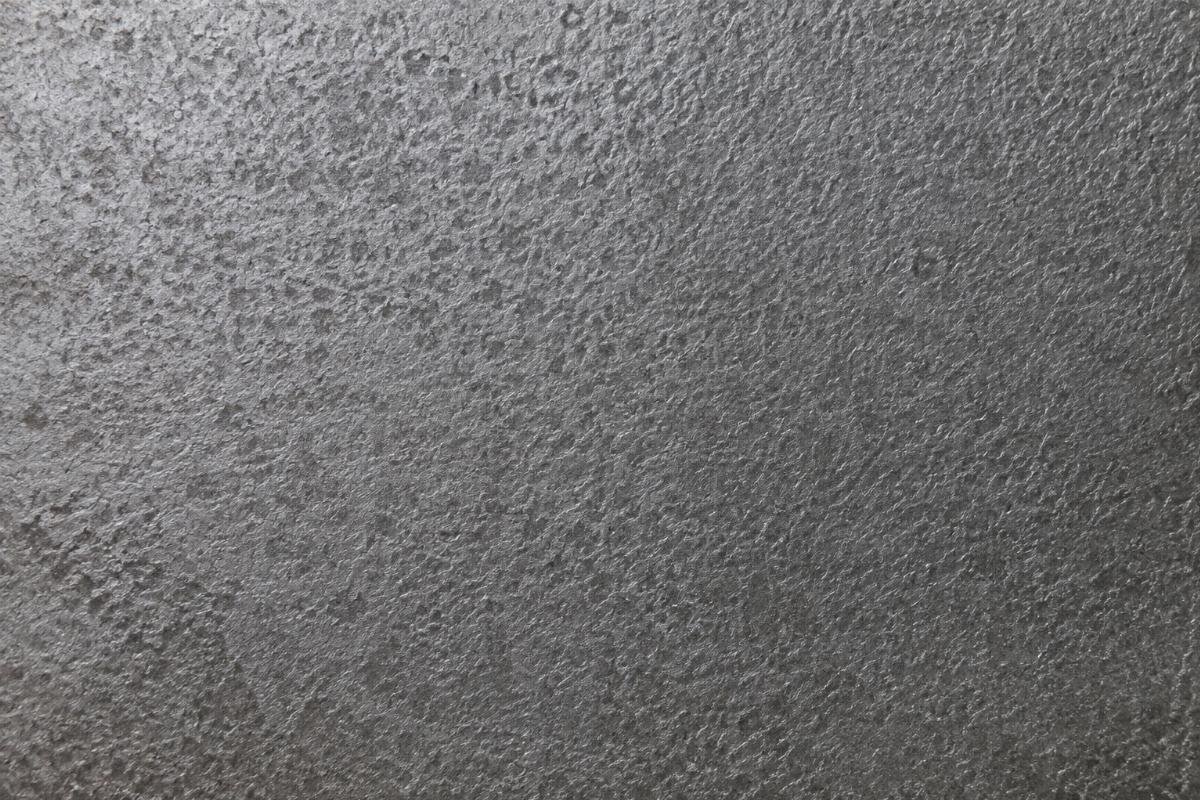
Understanding the distinction between these grades requires looking beyond the Brinell hardness numbers. It demands a perspective that balances metallurgical reality with operational downtime costs.
AR400 vs AR500: Which Grade Fits Your Mining Application?
Material selection must align with the specific wear mechanism, whether it is pure abrasion or high-impact shock. Many procurement managers assume that upgrading from AR400 to AR500 will automatically double the lifespan of their equipment. This is a dangerous oversimplification.
AR400 and AR500 are both quenched and tempered alloy steels, but their chemical compositions and resulting microstructures serve different purposes. AR400 typically offers a Brinell hardness range that provides excellent formability and weldability. It retains sufficient toughness to withstand the repeated shock loads found in crusher frames and haul truck beds. AR500, with its higher carbon equivalent, achieves greater surface hardness. However, this increased hardness comes at the cost of reduced ductility. In applications where large rocks drop from significant heights, AR500 is prone to brittle fracture.
| Feature | AR400 Grade | AR500 Grade |
|---|---|---|
| Primary Wear Mechanism | Impact + Abrasion | Pure Abrasion |
| Toughness Level | High | Moderate |
| Weldability | Good (requires pre-heat) | Fair (strict pre-heat required) |
| Typical Application | Haul truck beds, shovel buckets | Chute liners, classifier plates |
| Cost Efficiency | High for mixed wear | High for sliding wear |
[NEED_CITE: comparative impact toughness data per ASTM A514/A517 standards]
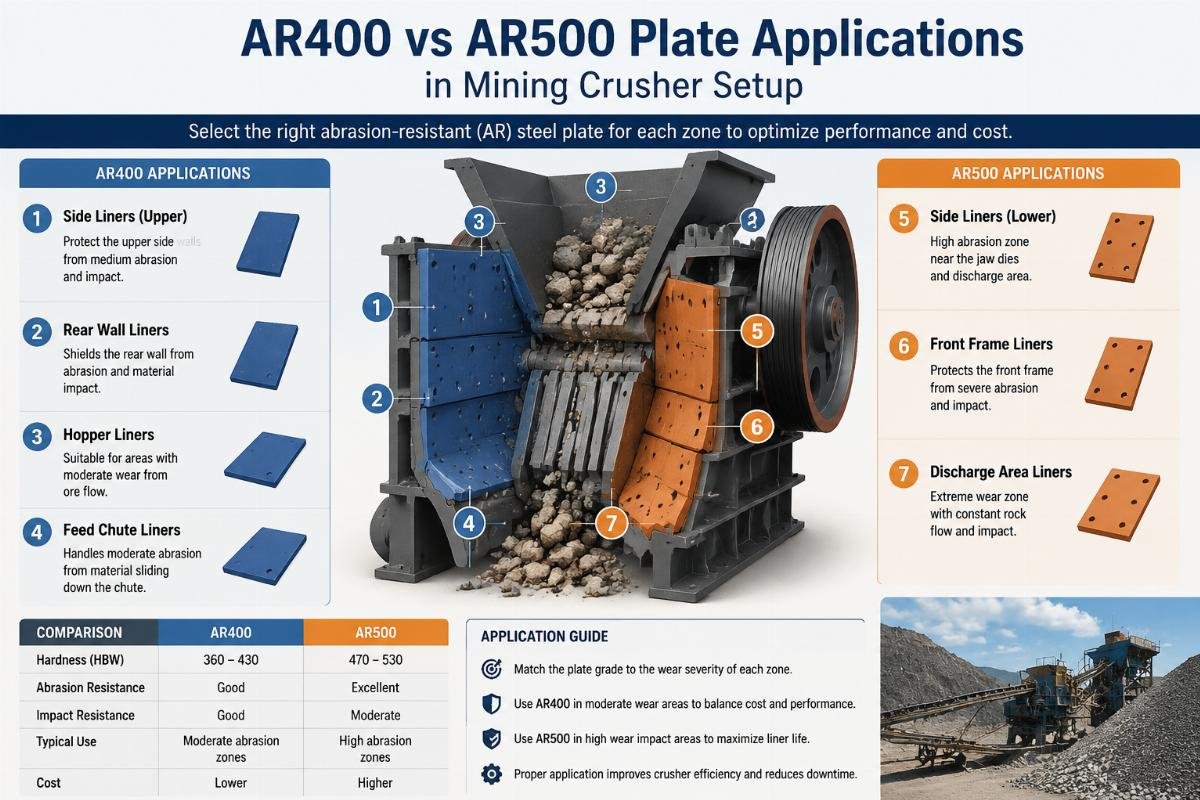
A client operating a copper mine in South America initially specified AR500 for their primary crusher liners. Within months, they reported frequent cracking along the bolt holes. After switching to AR400 for the high-impact zones and retaining AR500 only for the secondary screening sections, their maintenance intervals extended noticeably. The key was matching the grade to the force vector. Sliding wear benefits from hardness. Impact wear benefits from toughness.
When evaluating a Wear-Resistant Plate AR400 AR500 Mining supplier, ask for test reports that detail both hardness and impact energy values. Do not settle for hardness certificates alone.
Critical Technical Specs for Fabrication and Welding
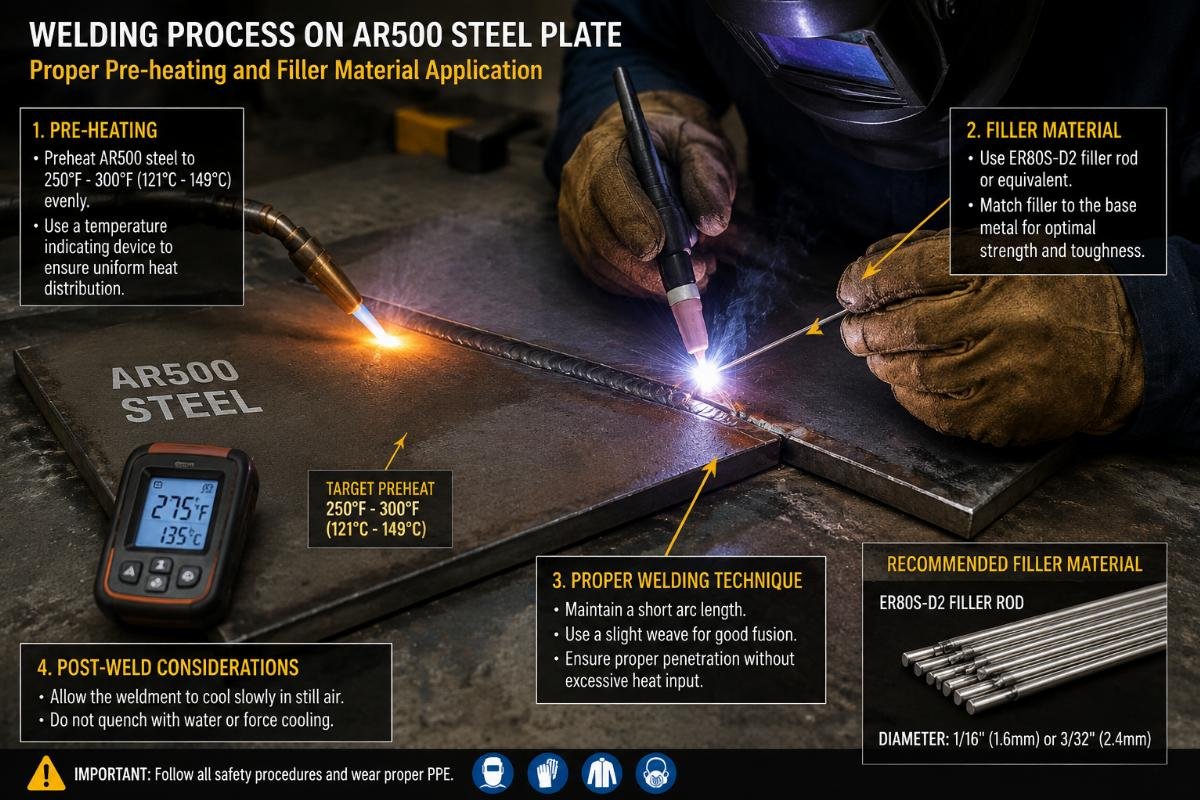
Improper welding procedures are the leading cause of premature failure in wear plate installations. Even the highest quality steel will fail if the heat input during fabrication compromises the heat-treated microstructure.
Both AR400 and AR500 require specific pre-heating temperatures before any welding arc is struck. Failure to pre-heat leads to hydrogen-induced cracking in the heat-affected zone. For AR400, a moderate pre-heat is usually sufficient. For AR500, the requirement is stricter due to the higher carbon content. The interpass temperature must be carefully monitored to ensure it does not exceed the tempering temperature of the base metal. If the steel is overheated during welding, the local hardness drops, creating a soft spot that wears out rapidly.
Filler material selection is equally critical. Using a standard mild steel electrode on AR500 plate creates a weak joint that cannot withstand the abrasive environment. Low-hydrogen electrodes with matching tensile strength are mandatory. Furthermore, the welding sequence should be designed to minimize residual stress. Symmetrical welding patterns help distribute heat evenly, preventing distortion that could complicate installation.
[NEED_CITE: AWS D1.1 structural welding code requirements for high-strength steels]
In our production facilities, we observe that fabricators who skip the pre-heat step to save time often face catastrophic failures within weeks. The cost of rework far outweighs the time saved during initial assembly. When sourcing Wear-Resistant Plate AR400 AR500 Mining products, request the manufacturer’s welding procedure specification. A reputable supplier will provide detailed guidelines on pre-heat temperatures, filler metals, and heat input limits.
Avoiding Customs Delays: Documentation Best Practices
Accurate HS code classification is more valuable than a slight discount on material price. A delay at customs does not just hold up your cargo; it halts your entire mining operation.
The classification of wear plates can be ambiguous. Are they flat-rolled products? Are they fabricated parts? The answer determines the HS code. In many African jurisdictions, customs officials are stringent about the match between the declared code and the physical goods. A mismatch triggers a manual inspection, which can take days or weeks. During this time, demurrage charges accumulate.
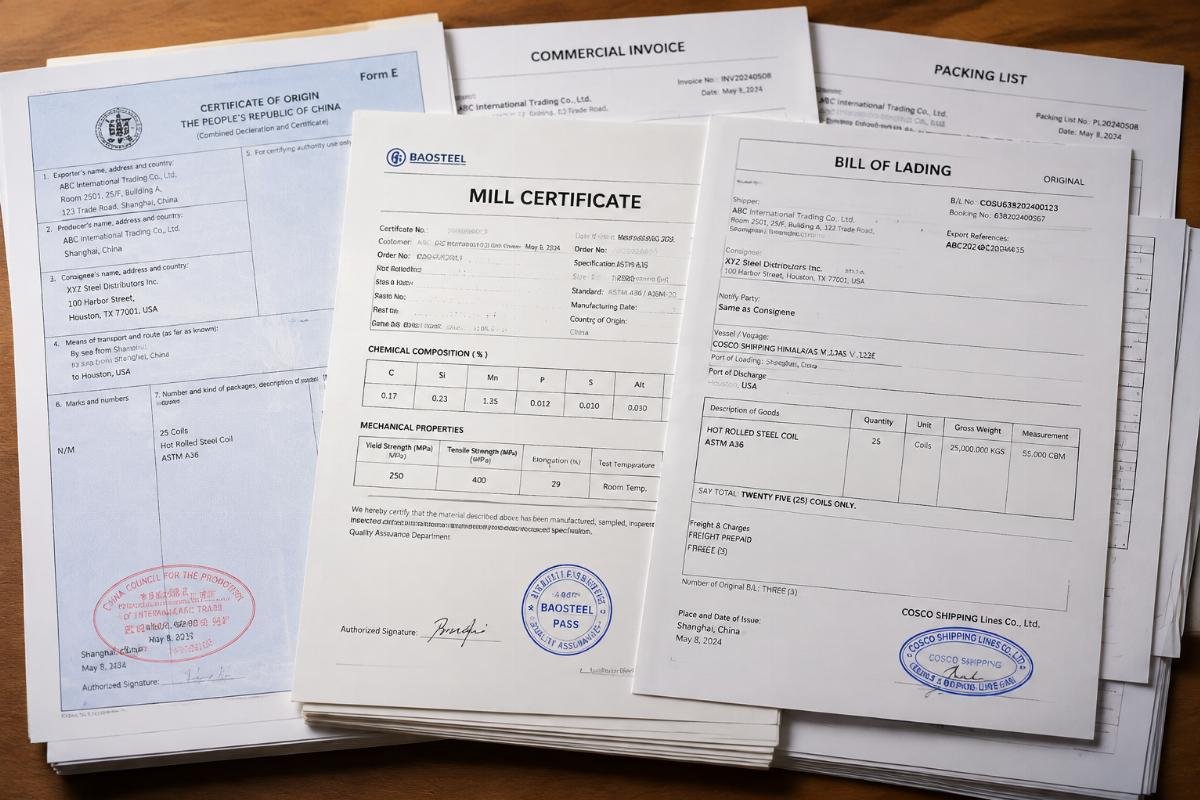
I recall a shipment where the bill of lading listed “steel plates” generically, while the commercial invoice specified “abrasion-resistant steel plates.” The discrepancy raised a red flag. The port authorities held the container for verification. The client paid substantial storage fees because the documentation lacked the precision required by local regulations. To avoid this, the description on all documents must be consistent and specific. Including the grade, such as AR400 or AR500, and the intended use, such as “for mining machinery,” helps clarify the nature of the goods.
Mill test certificates are non-negotiable. These documents prove the chemical composition and mechanical properties of the steel. Without them, some countries will not allow the goods to clear customs. The certificates must match the batch numbers on the physical plates. Any discrepancy, no matter how minor, can lead to rejection.
[NEED_CITE: World Customs Organization guidelines on HS classification for alloy steel plates]
Our experience with Jinan Customs has shown that a “single declaration” model, where all data points are verified before departure, significantly reduces the risk of issues at the destination. We ensure that the certificate of origin, mill certs, and packing lists are cross-checked for consistency. This attention to detail is part of what makes a reliable Wear-Resistant Plate AR400 AR500 Mining partner. It is not just about selling steel; it is about delivering a solution that clears borders without friction.
Real-World Performance in Crushers and Haul Trucks
Case studies reveal that correct grade selection reduces total cost of ownership more effectively than simply buying the hardest plate available.
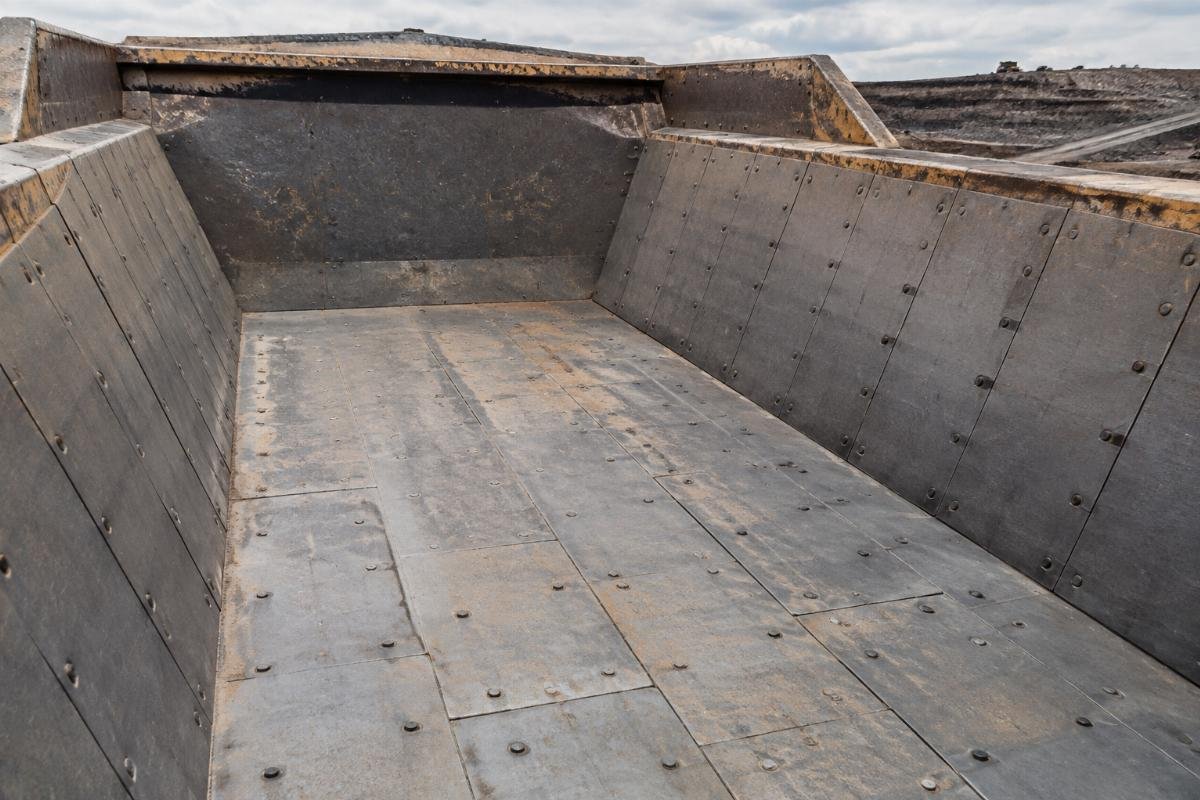
Consider a gold mining operation in West Africa. They were using AR500 plates for the side liners of their haul trucks. The trucks carried heavy, jagged ore that impacted the sides during loading. The AR500 plates cracked frequently, requiring weekly replacements. The downtime cost was immense. After analyzing the wear pattern, we recommended switching to AR400 for the side liners. The increased toughness of AR400 absorbed the impact energy without cracking. While the abrasion resistance was slightly lower, the elimination of cracking meant the plates lasted significantly longer in real-world conditions.
In another instance, a quarry in Southeast Asia used AR400 for their chute liners. The material flowing through the chutes was fine and abrasive, with minimal impact. The AR400 plates wore out quickly. Switching to AR500 for these specific components doubled the service life. The hardness of AR500 resisted the sliding abrasion effectively, and since there was no significant impact, the brittleness was not a factor.
These examples illustrate that there is no universal best grade. The optimal choice depends on the specific dynamics of the application. A mixed approach, using AR400 for high-impact areas and AR500 for high-abrasion areas, often yields the best results. This strategy requires a deep understanding of the operational environment.
[NEED_CITE: industry case studies on wear plate performance in mining applications]
When you engage with a Wear-Resistant Plate AR400 AR500 Mining manufacturer, share details about your specific application. Describe the type of material being handled, the size of the particles, and the nature of the impact. This information allows for a more precise recommendation, ensuring that you do not over-specify or under-specify the material.
Conclusion
Selecting the right wear plate is a balance of metallurgy and logistics. AR400 and AR500 each have distinct roles in mining operations, dictated by the interplay of impact and abrasion. Proper welding techniques preserve the integrity of these materials, while accurate documentation ensures they reach your site without delay. By focusing on both technical suitability and supply chain reliability, you can optimize the performance and cost-efficiency of your mining equipment.


