
Q235B Steel Plate Specs & Buyer Guide | Wholesale Supplier
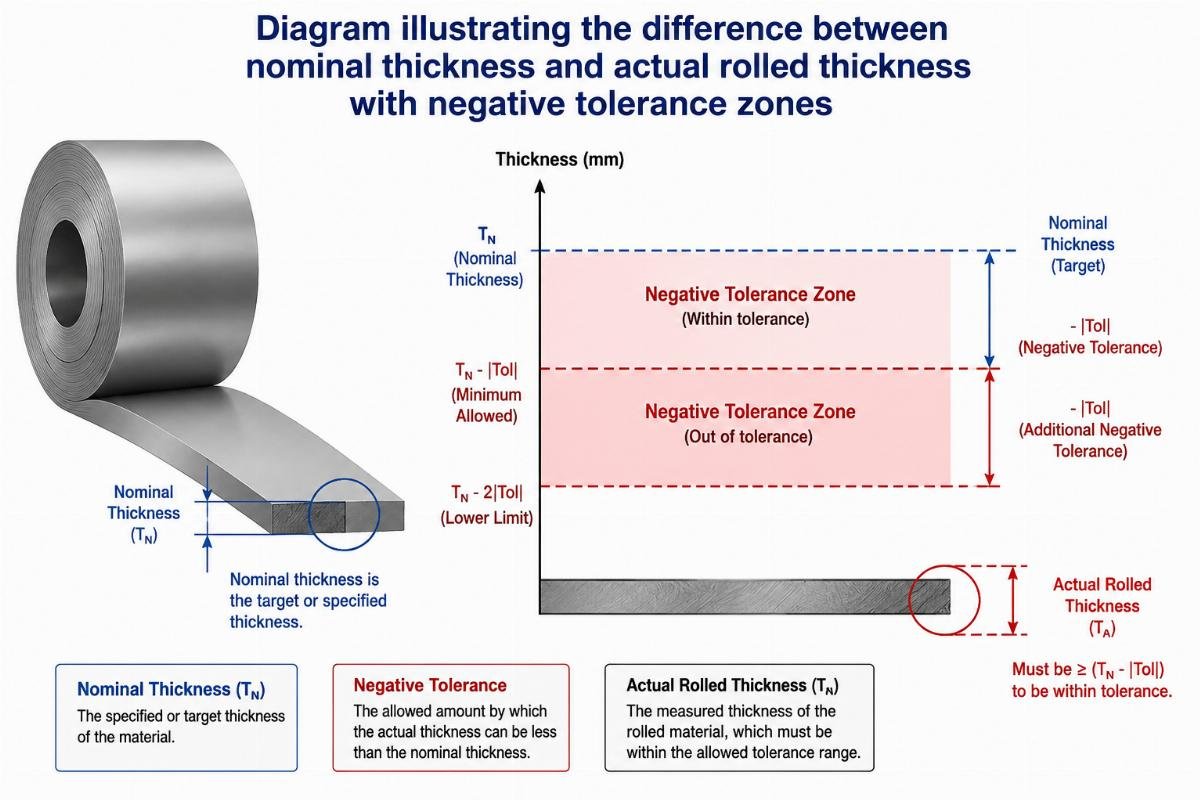
Most buyers assume “6mm” means exactly 6.00mm; reality is rolling tolerance allows negative deviation, affecting total tonnage significantly.
Successful procurement of Q235B steel plate specifications relies not just on grade compliance, but on clarifying weight calculation methods (theoretical vs. actual) and understanding tolerance nuances between GB and EN standards to avoid landed cost discrepancies. When importing structural steel, the difference between a smooth customs clearance and a costly port dispute often lies in whether the buyer accounted for the negative tolerance inherent in hot-rolled plates. Many global contractors order based on theoretical weight, only to find the actual received weight is lower due to standard manufacturing tolerances, leading to confusion over invoice accuracy. Understanding these technical realities before placing an order is critical for budget control and project scheduling.
I remember standing in a warehouse near the Jinan steel mills, watching a container being loaded for a Middle East infrastructure project. The purchase order specified ten tons of 6mm plates. On paper, the math was perfect. But when the cargo arrived at the destination port, the local team weighed it and found a discrepancy of nearly two tons. They weren’t missing steel; they were missing the “air” that theoretical calculations had billed them for. The plates were within the acceptable negative tolerance of the national standard, but the buyer had paid for full nominal thickness. That incident changed how I approach every inquiry. Now, before discussing price, we discuss the weighing method. This shift from simple trading to technical consultation ensures that what you order is exactly what you need, without hidden surprises in the final bill.
To navigate this landscape, you must look beyond the basic grade name. The following guide breaks down the critical aspects of Q235B steel plate specifications, helping you make informed decisions that align with international engineering standards and practical procurement needs.
What Exactly Is Q235B Steel Plate?
Q235B is a common carbon structural steel grade defined by the Chinese GB/T 700 standard, widely used for general construction and fabrication due to its balanced strength and weldability.
The “Q” stands for the yield strength quota, and “235” indicates the minimum yield strength of 235 MPa. The letter “B” denotes the quality grade, which specifies the impact test temperature and chemical composition limits. This grade is the backbone of many infrastructure projects in Asia, Africa, and the Middle East. However, for international buyers, the challenge often lies in mapping this local standard to global equivalents. While it is frequently compared to S235JR from the European EN 10025 standard or A36 from ASTM, they are not identical clones. [NEED_CITE: Chemical composition and mechanical property comparison between GB/T 700 Q235B and EN 10025 S235JR]
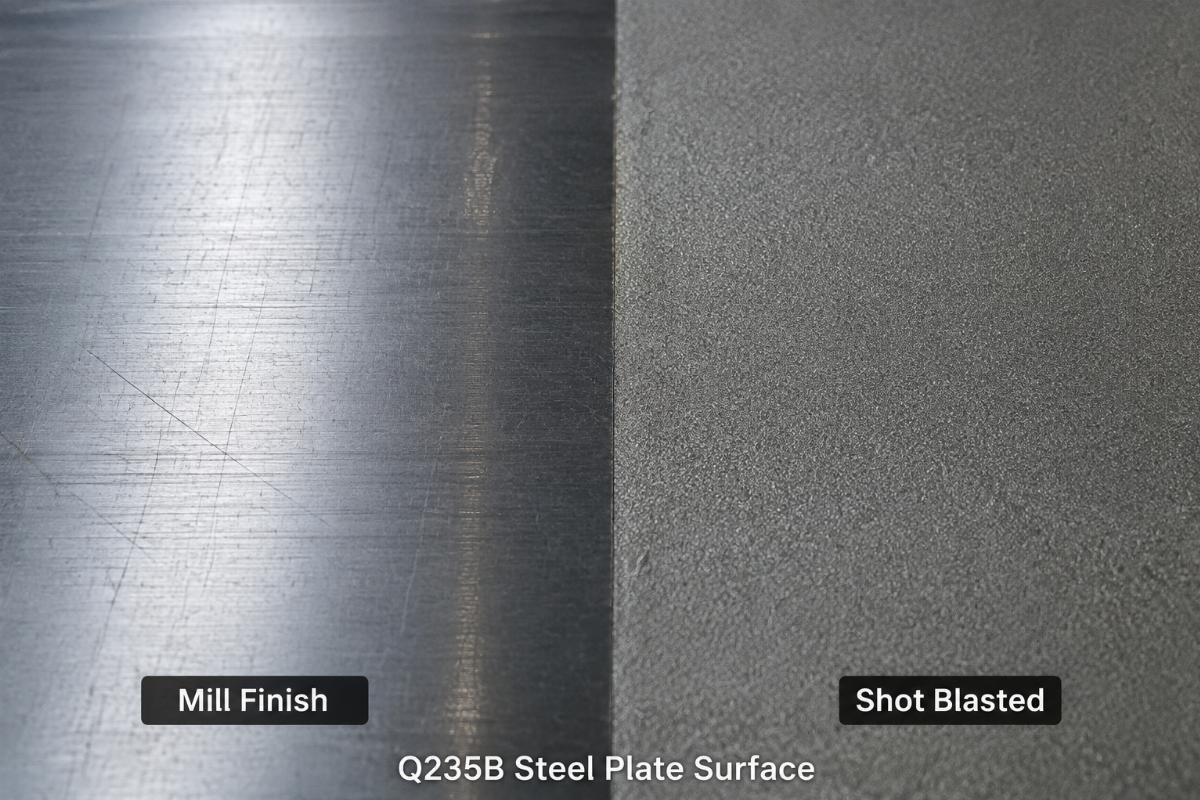
In my early days, I saw a Southeast Asian fabricator request “standard” Q235B for a warehouse project. They assumed it would arrive ready for immediate welding. Instead, they received plates with a raw mill finish, covered in oxide scale. They had to spend extra time and money on shot blasting before they could even start fabrication. This wasn’t a quality failure; it was a specification gap. Understanding that Q235B defines the material properties, not the surface condition or delivery state, is vital. Whether you need black plates, pickled surfaces, or pre-shot-blasted finishes for primer adhesion, these details must be explicit in your inquiry.
Critical Specifications: Thickness, Width, and Tolerance Realities
Rolling tolerance allows for negative deviation in thickness, which directly impacts the actual weight of the steel you receive compared to the theoretical weight calculated from nominal dimensions.
When you order a 10mm plate, you are ordering a product that may legally measure 9.7mm or 9.8mm, depending on the applicable tolerance standard. This is not a defect; it is a feature of hot-rolling processes designed to optimize material usage and production efficiency. The key issue arises when billing is done on theoretical weight while delivery is verified by actual weighing. [NEED_CITE: GB/T 709 standard tolerance classes for hot-rolled steel plates]
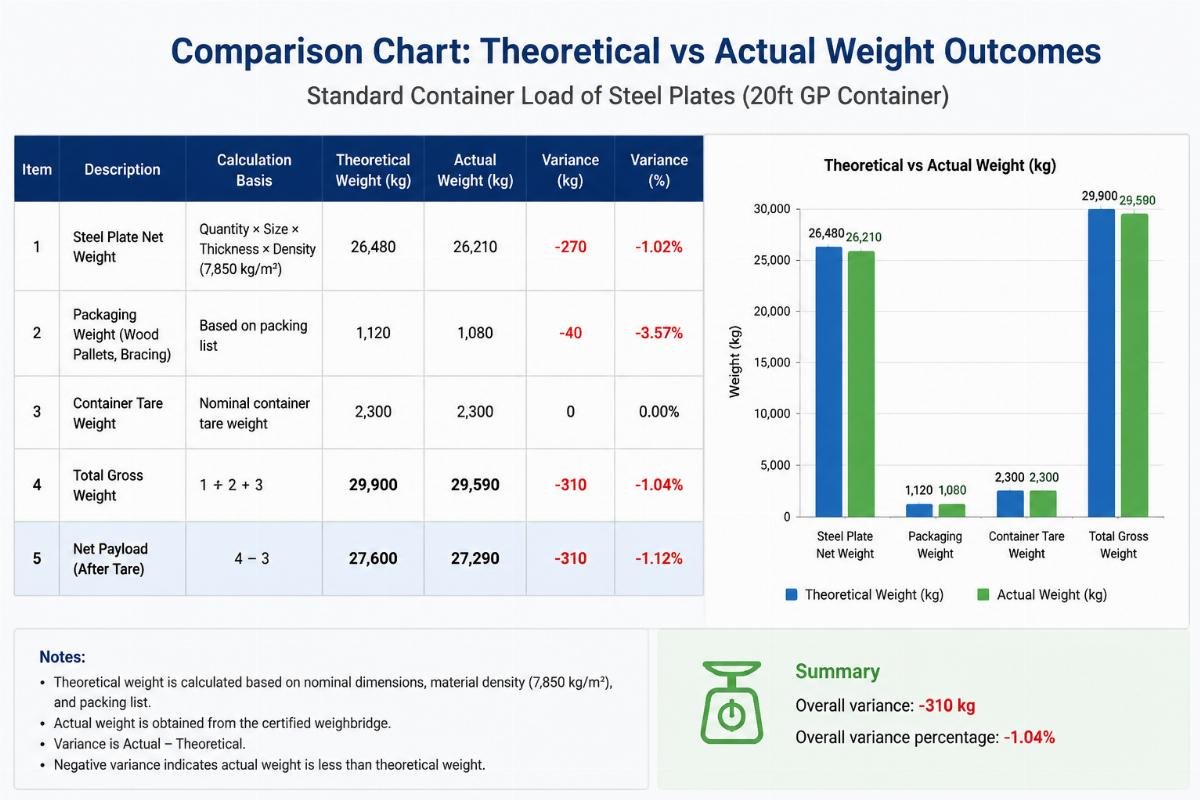
Consider the case of a Latin American distributor who consolidated a mixed container of structural steel. They ordered Q235B plates based on theoretical weight calculations. Upon arrival, the actual weight was lower than the invoice stated because the plates were produced at the lower end of the tolerance range. The distributor felt cheated, but the manufacturer had followed the standard strictly. The conflict arose from a mismatch in expectations, not in product quality. To avoid this, buyers must decide whether to settle accounts based on theoretical weight (common in domestic Chinese trade) or actual weighbridge weight (common in international trade). Clarifying this upfront prevents disputes and ensures fair pricing.
| Parameter | Theoretical Weight Calculation | Actual Weighing |
|---|---|---|
| Basis | Nominal dimensions (Length x Width x Thickness x Density) | Physical mass measured on certified scales |
| Tolerance Impact | Ignores negative thickness tolerance | Reflects actual material delivered |
| Cost Implication | Buyer pays for nominal volume | Buyer pays for exact mass received |
| Common Usage | Domestic trading, standardized contracts | International export, precise budgeting |
Understanding these dynamics helps you choose the right procurement strategy. If your project has tight weight constraints or strict budget controls, actual weighing provides transparency. If you are fabricating large structures where minor thickness variations are acceptable, theoretical weight might simplify the paperwork. The choice depends on your specific project requirements and risk tolerance.
Q235B vs. S235JR: Key Differences for International Buyers
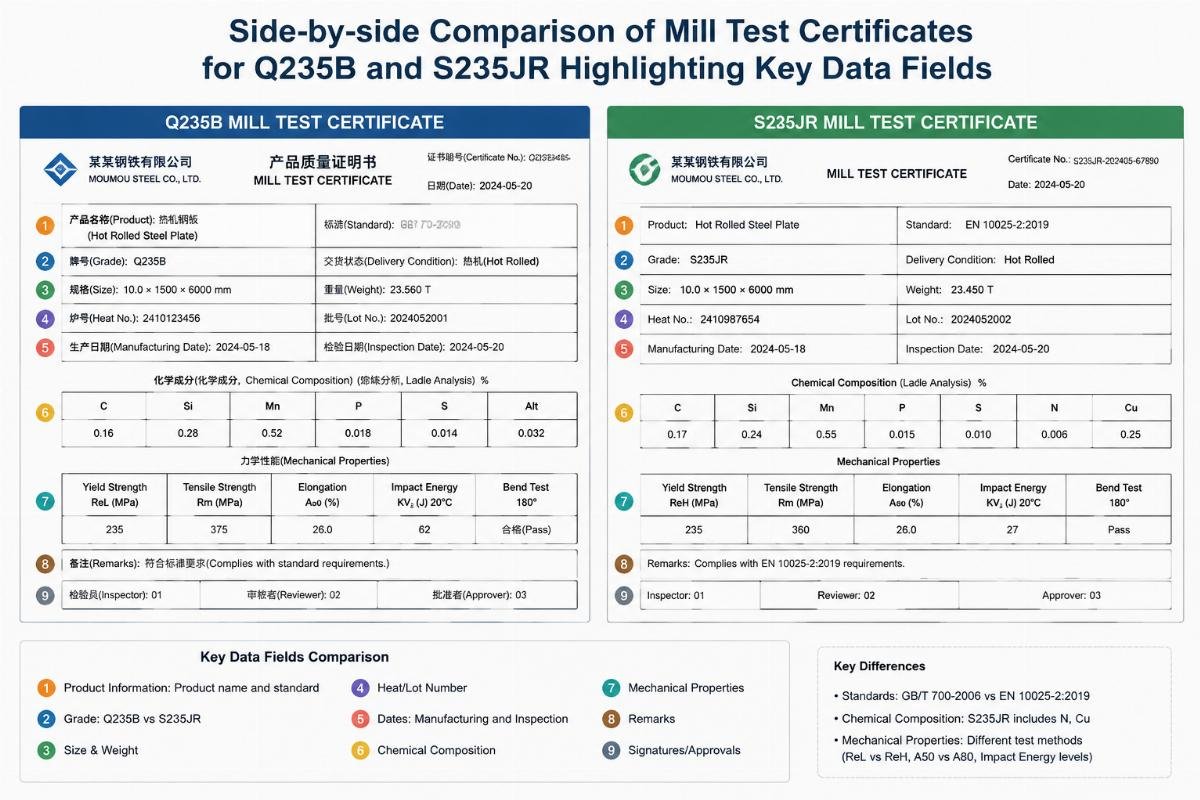
While Q235B and S235JR are chemically similar, their impact test requirements and certification documentation differ, making them non-interchangeable for strict EU-compliant projects.
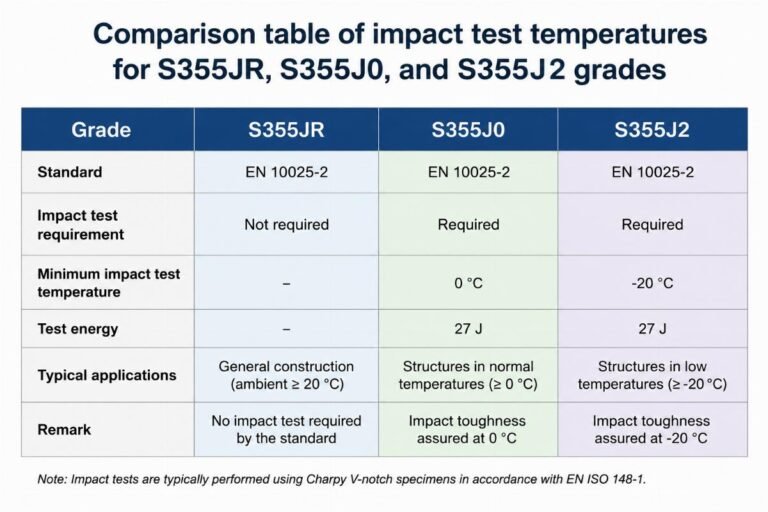
Many buyers assume these grades are interchangeable because they share similar yield strengths. However, the devil is in the details. S235JR requires a Charpy V-notch impact test at room temperature (20°C), ensuring toughness under specific conditions. Q235B also requires impact testing, but the standards for sample preparation and acceptance criteria can vary slightly depending on the specific version of the GB standard applied. [NEED_CITE: Impact testing temperature requirements for Q235B vs S235JR]
A European contractor once sourced Q235B for a non-critical structural component, assuming it would pass local inspection. The material passed the chemical analysis, but the Mill Test Certificate (MTC) did not follow the EN 10204 format required by their client. The paperwork was rejected, causing delays despite the physical steel being perfectly adequate. This highlights that compliance is not just about the metal; it is about the documentation trail. For projects requiring CE marking or strict adherence to Eurocodes, S235JR with proper EN certification is the safer choice. For general construction in regions accepting GB standards, Q235B offers a cost-effective alternative.
How to Calculate Weight and Avoid Cost Surprises
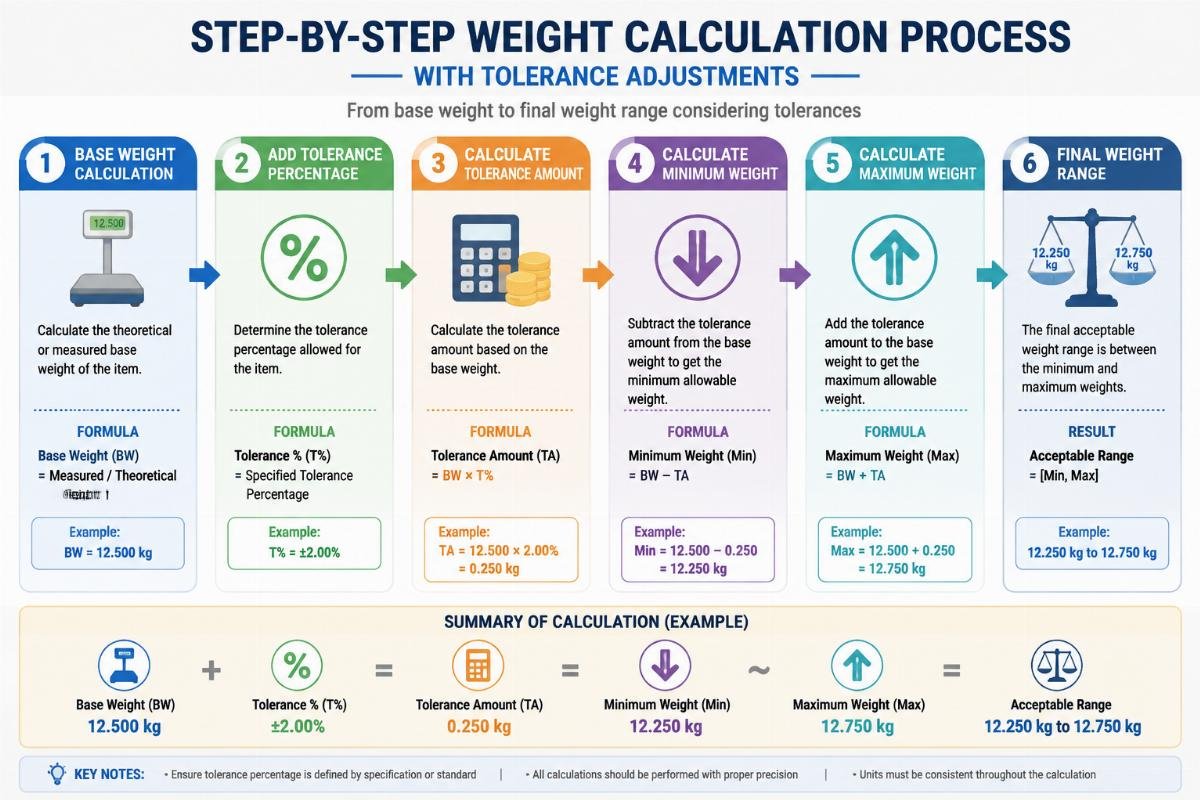
Accurate weight calculation requires using the correct density factor and accounting for dimensional tolerances, rather than relying solely on nominal dimensions.
The standard formula for calculating the weight of a steel plate is: Weight (kg) = Thickness (mm) x Width (m) x Length (m) x Density (7.85 kg/m³). However, this formula assumes nominal dimensions. In reality, if you are buying based on actual weight, the supplier will weigh the entire bundle or container. If you are buying based on theoretical weight, the supplier calculates it using the nominal size. [NEED_CITE: Standard density value for carbon steel in weight calculations]
Let’s look at a practical example. A buyer orders 100 pieces of 20mm x 2000mm x 6000mm plates.
Theoretical weight per plate: 20 x 2 x 6 x 7.85 = 1884 kg.
Total theoretical weight: 188.4 tons.
If the actual thickness averages 19.5mm due to negative tolerance:
Actual weight per plate: 19.5 x 2 x 6 x 7.85 = 1836.9 kg.
Total actual weight: 183.69 tons.
The difference is nearly 5 tons. If the price is $800 per ton, that is a significant sum. By agreeing on the calculation method beforehand, you ensure that both parties are aligned. Some suppliers offer a “tolerance allowance” in the contract, specifying that the actual weight can vary by a certain percentage from the theoretical weight without adjusting the price. Others adjust the final invoice based on the actual weighbridge ticket. Knowing which model your supplier uses is essential for accurate budgeting.
Quality Verification: What to Check in Mill Test Certificates
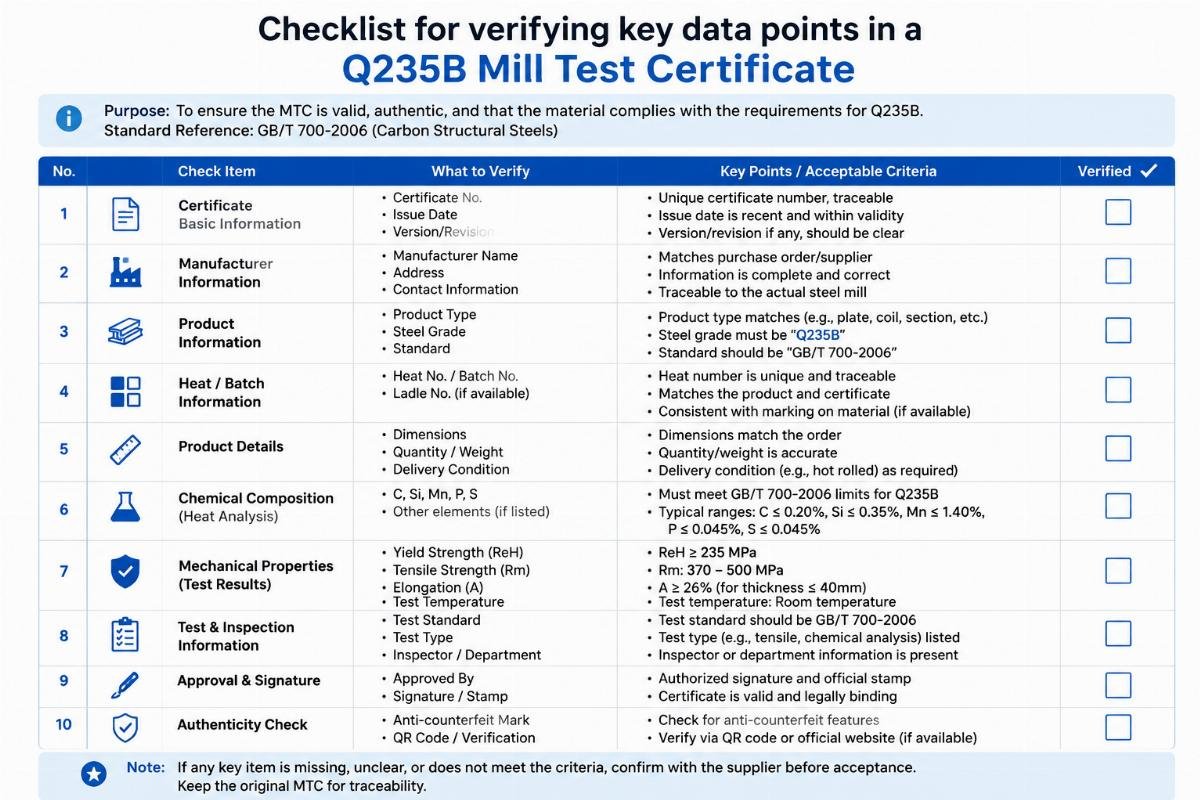
A valid Mill Test Certificate (MTC) must include heat number, chemical composition, mechanical properties, and standard compliance references to ensure traceability and quality assurance.
The MTC is the passport of your steel. Without it, the material is essentially scrap in the eyes of most engineers and inspectors. When reviewing an MTC for Q235B steel plate specifications, look for the following key elements:
- Heat Number: This unique identifier links the certificate to the specific batch of steel produced. It must match the markings on the plates themselves.
- Chemical Composition: Verify that Carbon, Manganese, Silicon, Sulfur, and Phosphorus levels are within the limits specified by GB/T 700.
- Mechanical Properties: Check the Yield Strength, Tensile Strength, and Elongation values. Ensure they meet or exceed the minimum requirements for Grade B.
- Impact Test Results: Confirm that the impact energy values at the specified temperature meet the standard.
- Standard Reference: The certificate should explicitly state compliance with GB/T 700 or any other agreed-upon standard.
In one instance, a trading company tried to pass off Q235A plates as Q235B by altering the MTC. The chemical composition was close, but the impact test data was missing. A vigilant inspector caught the discrepancy because the heat numbers on the plates did not match the database records provided by the mill. This underscores the importance of verifying the authenticity of the MTC, possibly through third-party inspection services like SGS or BV, especially for large orders. [NEED_CITE: Importance of third-party inspection for steel import verification]
Conclusion
Procuring Q235B steel plates successfully requires clarity on weight calculation methods and tolerance standards.
By understanding the nuances of theoretical versus actual weight, and the differences between GB and EN standards, you can avoid common pitfalls that lead to cost overruns and project delays. Always verify your Mill Test Certificates and agree on inspection protocols before shipment. This proactive approach ensures that the steel you receive meets your project’s technical and commercial requirements.