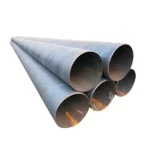
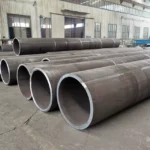
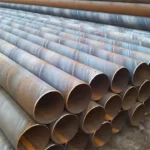
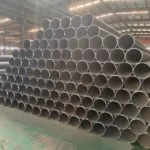
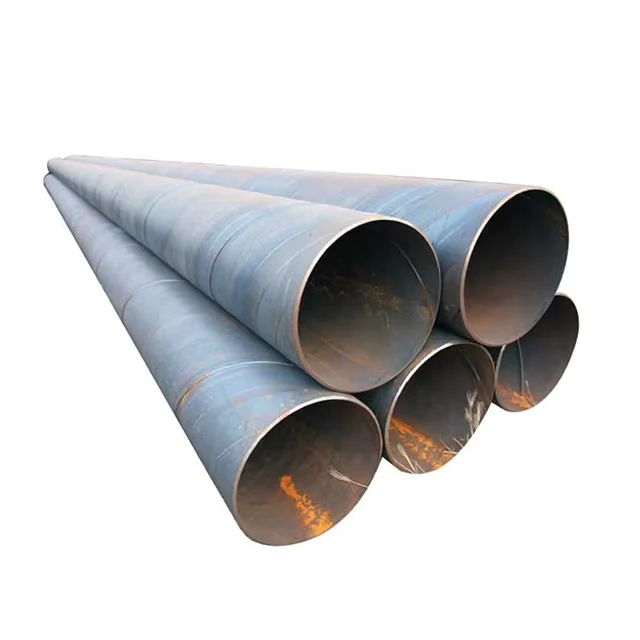

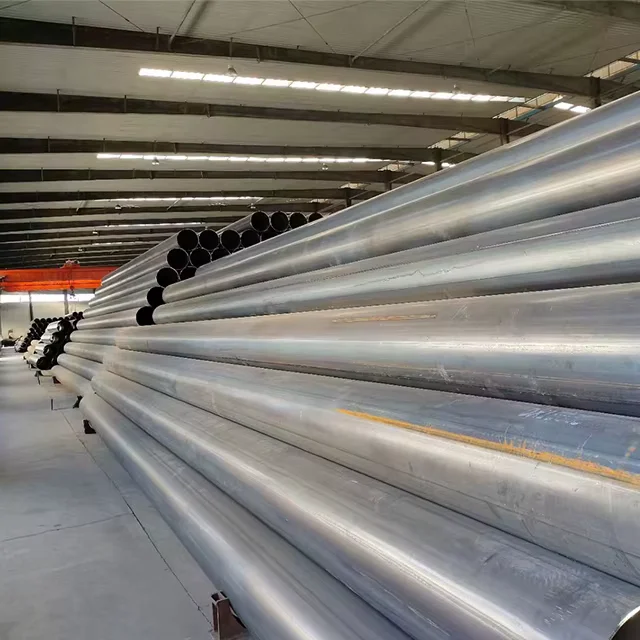
Description
Gate Check
identifier: Q235 Q345 A36 Carbon Steel Large-diameter ERW Welded Pipe → Not null. Proceed.
—
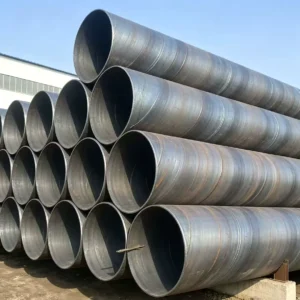
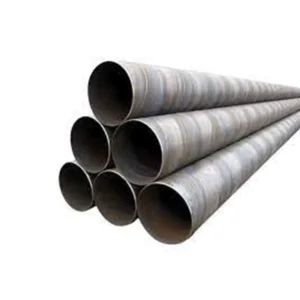
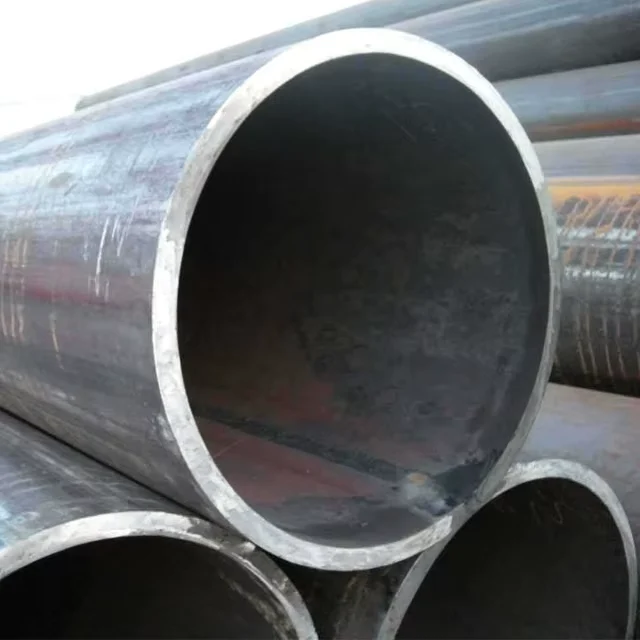
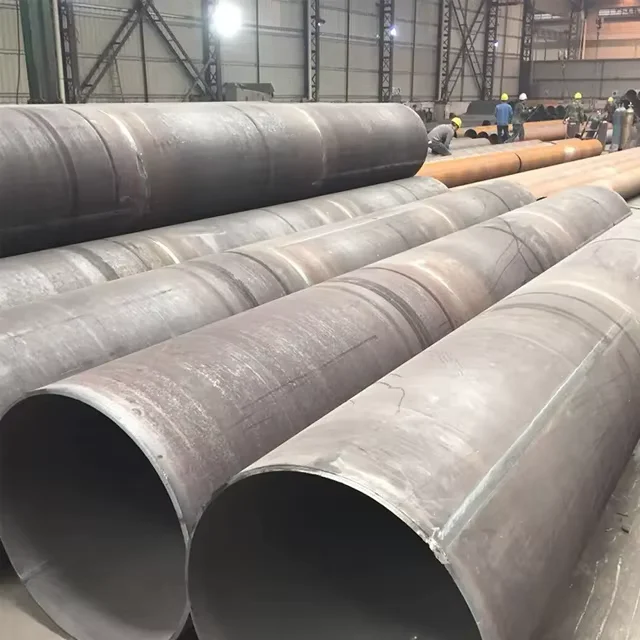
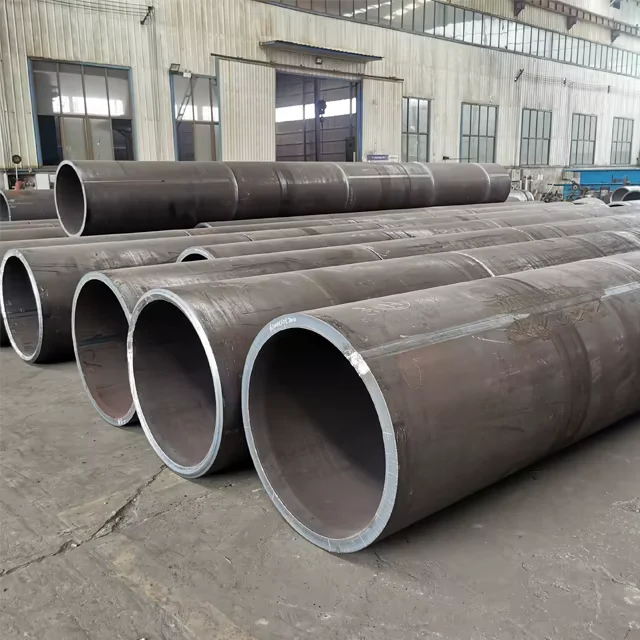
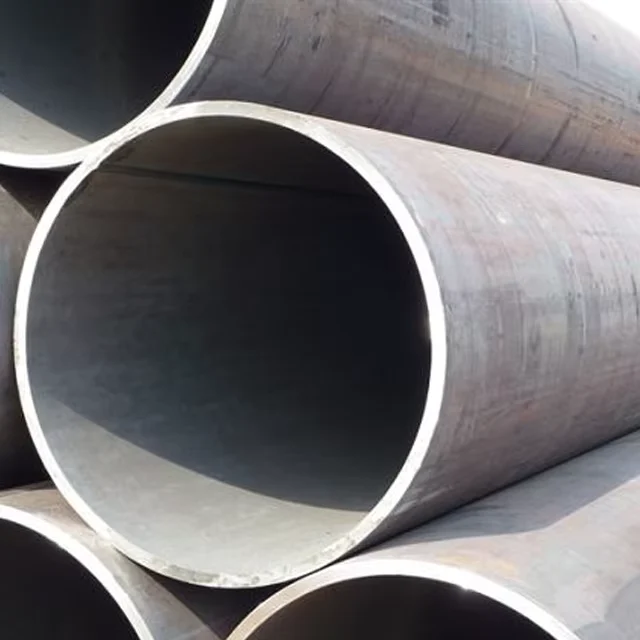
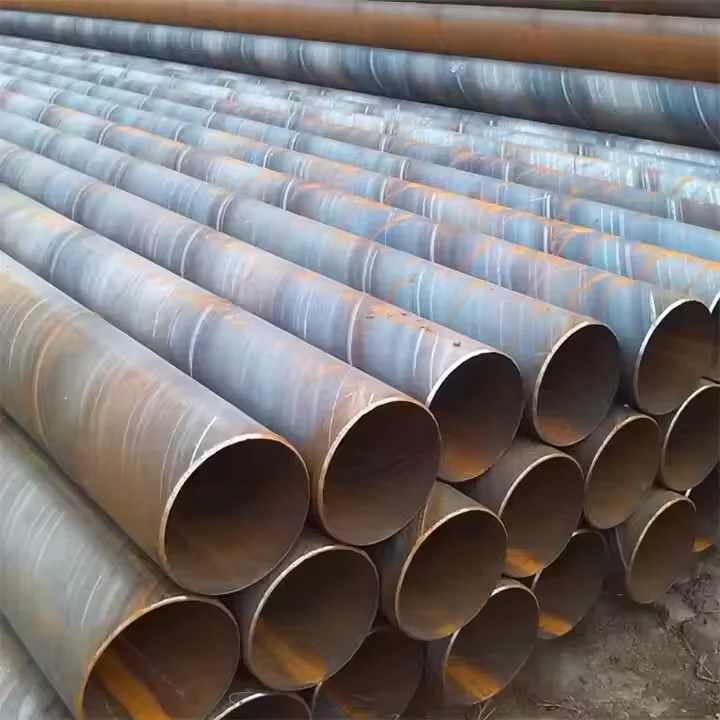
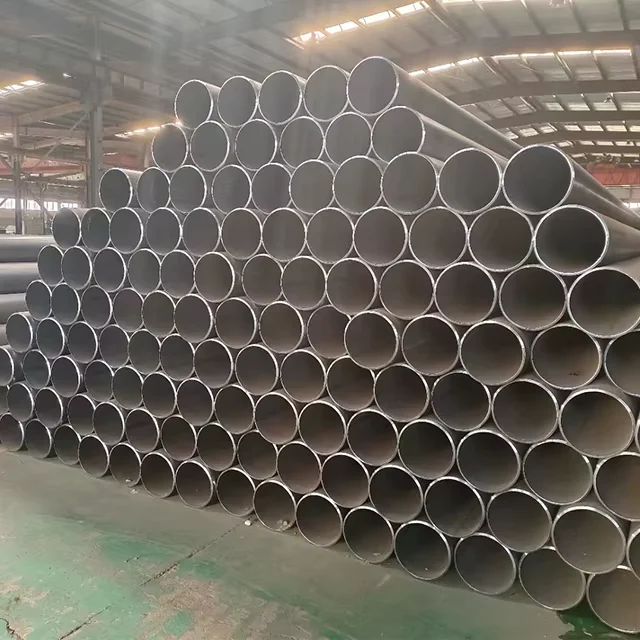
Mill-Direct Large-Diameter ERW Pipe — Q235, Q345, and A36 grades stocked in OD up to 1820 mm with original mill test certificates for every heat.
Technical Specifications
| Parameter | Value |
|---|---|
| Designation | Q235 Q345 A36 Carbon Steel Large-diameter ERW Welded Pipe |
| Product Type | ERW Welded Steel Pipe / Round Steel Pipe |
| Steel Grade | Q195, Q235, Q345, A36, S355, 10#, 20#, 45#, 16Mn, ST35–ST52, Grade A/B/C |
| Standard | API 5L, ASTM A53, ASTM A252, ASTM A500, ASTM A671, ASTM A450, ASME B36.10M, BS EN10219, BS EN10296, BS 6323, GB/T 3091, GB/T 13793, GB/T 9711 |
| Section Shape | Round |
| Size Range | Outer Diameter 6–1820 mm (O.D. 32–1219 mm) |
| Wall Thickness | Cold rolled 1–4.0 mm; Hot rolled 4–20 mm |
| Length | 1–12 m (standard 6 m / 12 m) |
| Technique | ERW / Hot Rolled / Cold Rolled / Cold Drawn |
| Surface Treatment | Slightly Oiled / Hot Rolled finish |
| Tolerance | ±1% |
| Ends | Plain / Beveled (per request) |
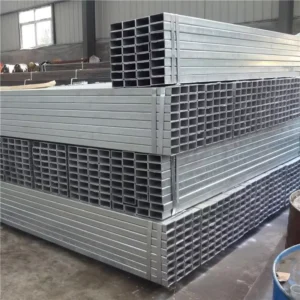
| Application | Fluid transport, boiler pipe, hydraulic pipe, drill pipe, chemical fertilizer pipe, building industry, machinery structural |
| MOQ | 5 Tons |
| Origin | China |
Application Suitability
| Industry | Typical Applications |
|---|---|
| Oil & Gas Transmission | Long-distance crude oil and natural gas pipeline trunk lines, gathering network piping |
| Municipal Water Infrastructure | Raw water intake mains, treated water distribution headers, drainage outfall pipes |
| Structural & Civil Engineering | Bridge pier casings, building column sleeves, industrial plant frame supports |
| Petrochemical & Fertilizer | Chemical fertilizer feed lines, process water circulation pipes, cooling water headers |
| Machinery & Equipment | Hydraulic cylinder barrels, conveyor roller shells, pile driving leader pipes |
Where Negative Tolerance Turns a Pipe Order Into a Structural Liability
A ±1% wall-thickness tolerance on paper means nothing if the mill ships the lower bound on every length.
Buyers sourcing large-diameter welded pipe for pressure or structural service regularly discover that the actual wall thickness clusters at the negative edge of the tolerance band — sometimes beyond it. The pipe passes visual inspection at the port, but once cut, beveled, and welded into a pipeline or structural frame, the reduced section fails ultrasonic thickness testing or cannot sustain the design pressure. [NEED_CITE: EN 10219 dimensional tolerance requirements for cold-formed welded hollow sections] Grade equivalence confusion adds another layer: a purchase order calling for A36 may receive Q235 without documentation, and the two are not interchangeable in ASTM-governed projects. Missing or forged mill test certificates make it impossible to verify heat number, chemical composition, or mechanical properties before fabrication begins. [NEED_CITE: steel grade equivalence mapping between GB, ASTM, and EN standards]
Matching OD Range and Wall Thickness to Pipeline and Structural Demands
The 6–1820 mm outer diameter range of this Q235 Q345 A36 large-diameter ERW welded steel pipe covers everything from small-bore hydraulic lines to large-diameter pile casings and fluid transmission mains. Hot-rolled wall thickness from 4–20 mm handles structural load-bearing and moderate-pressure fluid service, while cold-rolled 1–4.0 mm suits light structural frames and machinery rollers where weight and dimensional precision matter more than pressure rating. End preparation — plain or beveled — is matched to the field welding procedure: beveled ends for butt-weld pipeline joints, plain ends for sleeve connections or mechanical couplings. Custom cutting to non-standard lengths eliminates on-site cropping waste, which is critical when 12 m random lengths would otherwise generate significant scrap on a bridge pier casing job.
Engineering Code Compliance and Certification Pathways
Structural applications governed by EN 1993 or AISC require documented proof that the steel grade, chemical composition, and mechanical properties conform to the specified standard — a Q235 pipe cannot substitute for S355 in a European structural frame without engineering approval, regardless of similar appearance. [NEED_CITE: EN 10219 and ASTM A500 compliance requirements for structural hollow sections] For pressure-containing service under ASME B31.3 or API 5L, the mill test certificate must trace each pipe to its heat number, with verified carbon equivalent values for weldability. CE certification and EN10219 compliance open European customs clearance, while ASTM A53 and API 5L documentation is mandatory for North American and Middle East oil and gas projects. Third-party inspection by SGS or BV before shipment provides independent verification of dimensional accuracy, weld seam integrity, and coating thickness — a step that prevents costly rejection at the destination port.
Decoding ERW Welding, Grade Systems, and Surface Finish Choices
ERW (Electric Resistance Welded) pipe is formed by rolling steel strip or plate into a cylindrical shape and fusing the seam through electrical resistance heating without filler metal — this process produces a clean, consistent weld seam suitable for structural and low-to-medium pressure fluid service, at a lower cost than seamless pipe for large diameters above 406 mm. The Q-series (Q235, Q345) follows the Chinese GB standard system where the number indicates minimum yield strength in MPa; A36 follows ASTM where 36 represents minimum yield strength in ksi; S355 follows the European EN system at 355 MPa minimum yield. [NEED_CITE: yield strength equivalence between Q345, A36, and S355 grade designations] Cross-standard mapping is not automatic — Q345 and S355 are close in yield strength but differ in impact test temperature requirements and chemical composition limits, so specifying the governing standard on the purchase order is essential. Hot-rolled finish with slight oiling provides basic rust prevention during transit and storage; for corrosive environments, external coating (3PE, epoxy, or galvanized) must be specified separately as a post-production process.
The Hidden Cost of Accepting Unverified Pipe Specifications
Purchasing large-diameter ERW pipe without verified mill test certificates and independent dimensional inspection creates exposure across the entire project lifecycle: pipes that fail ultrasonic thickness testing at the fabrication yard trigger material rejection and replacement delays measured in weeks, not days; grade mismatches discovered during structural inspection require engineering reassessment or complete tear-down of welded assemblies; and customs holds due to missing CE or ASTM certification documentation generate demurrage charges that dwarf the original price difference between a verified and unverified supplier. [NEED_CITE: consequences of non-conforming steel materials in structural and pressure applications] The true cost of a cheap pipe order is never the invoice price — it is the re-welding, re-inspection, schedule delay, and reputational damage when a project misses its commissioning date.
Why Project Procurement Teams Source This Pipe From XJY Plate
Every length of Q235 Q345 A36 large-diameter ERW welded steel pipe shipped from our Jinan facility carries an original mill test certificate traceable to the heat number — no copies, no substitutions, no missing documentation. Our dedicated plate and coil division maintains large ready stock across common specifications, meaning standard sizes ship within typical production lead times rather than waiting for a mill rolling campaign. Custom cutting, beveling, and end preparation are performed in-house to your drawing specifications, eliminating the need for secondary processing at the destination yard. Professional heavy cargo loading — flatbed for domestic transport, open-top container for overseas shipment, and break-bulk for oversized diameters — is planned by logistics staff experienced in securing heavy cylindrical loads to prevent transit damage and ovality distortion. ISO 9001:2015 and CE certification, combined with SGS/BV third-party inspection availability, provide the documentation chain required for European, North American, and Middle East project specifications.
Documentation & Compliance
- Mill test certificate documenting Q235/Q345/A36 chemical composition, yield strength, and tensile properties per GB/T 9711, ASTM A53, or EN10219 as specified on the purchase order
- CE certificate confirming EN10219 compliance for structural hollow sections exported to European Economic Area markets
- ISO 9001:2015 quality management system certificate covering the full procurement, processing, and inspection workflow
- SGS or BV third-party inspection report verifying outer diameter, wall thickness, length, and weld seam quality before shipment
- Full material traceability by heat number linking each pipe length to its original mill test certificate and chemical analysis
- Export customs documents including packing list, ocean bill of lading, and certificate of origin for destination-country clearance
Packaging, Loading & Delivery
- Large-diameter ERW welded pipes bundled with steel strips and edge protectors to prevent coating damage and ovality distortion during ocean transit
- Slightly oiled hot-rolled finish surfaces preserved by covered storage and weatherproof wrapping to prevent rust formation before shipment
- Open-top container loading for OD above 600 mm or lengths exceeding standard container internal dimensions, with wooden cradles and chain tie-downs to prevent rolling
- Custom cut-to-length service available for 1–12 m requirements, reducing on-site cropping waste and handling costs at the project yard
- Heat number and steel grade stenciled on each pipe end for positive material identification during fabrication and inspection
- FOB, CIF, and DDP shipping terms available with professional break-bulk and flatbed logistics for heavy cargo destinations worldwide
Starting Your Procurement With Verified Documentation
Submit your specification sheet — including steel grade (Q235, Q345, A36, or S355), outer diameter, wall thickness, length, quantity, and destination port — to receive a detailed quotation with material cost, processing fees, and shipping terms within 12 hours. We provide original mill test certificates for your review before or with shipment, and accommodate SGS/BV third-party inspection requests for projects requiring independent verification. Confirm your certification requirements (CE, ASTM, API) and end preparation needs (plain, beveled, or custom) at the inquiry stage to ensure the documentation and processing match your project specification from the first delivery.
Frequently Asked Questions
Q: How does Q235 map to A36 or S235JR in international projects?
A: Q235, A36, and S235JR are all carbon structural steels with similar minimum yield strength levels, but they follow different national standards (GB, ASTM, and EN respectively) and differ in chemical composition limits, impact test requirements, and delivery conditions. We provide cross-standard equivalence documentation and can supply mill test certificates showing compliance with the specific standard governing your project.
Q: Can you provide original mill test certificates and accept third-party inspection?
A: Yes. Every length of pipe is supplied with an original mill test certificate documenting heat number, chemical composition, and mechanical properties. We welcome SGS, BV, or other accredited third-party inspection before shipment at the buyer’s request.
Q: What is the minimum order quantity for cut-to-length or non-standard outer diameter?
A: The standard MOQ is 5 tons. For custom cut-to-length or non-standard OD requirements, please submit your specification and we will confirm availability and processing lead time based on current stock and mill schedule.
Q: What surface finish and end preparation options are available?
A: Standard surface treatment is slightly oiled or hot-rolled finish. End preparation includes plain ends for sleeve connections or beveled ends for butt-weld pipeline joints. Additional coating (galvanized, epoxy, 3PE) can be arranged as a post-production process based on your project requirements.
Q: How are large-diameter pipes loaded for overseas shipment?
A: Pipes with OD above 600 mm or lengths exceeding standard container dimensions are loaded in open-top containers with wooden cradles and chain tie-downs, or shipped as break-bulk cargo on flatbed trailers and bulk vessels. Our logistics team plans loading schemes to prevent ovality distortion and transit damage.
Get Your Quotation With Full Mill Test Documentation
Send your pipe specification — grade, diameter, wall thickness, length, quantity, and destination — to receive a detailed quotation and original mill test certificate preview within 12 hours.
Shandong Xin Jiyuan Special Steel Tube Co., Ltd
Website: www.xjyplate.com
Tel: +86 531 8573 6315
Mobile/WhatsApp/WeChat: +86 188 5315 7756
Email: admin@xjyplate.com
Address: No.11889, Jingshi West Road, Lulian Group, Jinan City, Shandong Province, China