

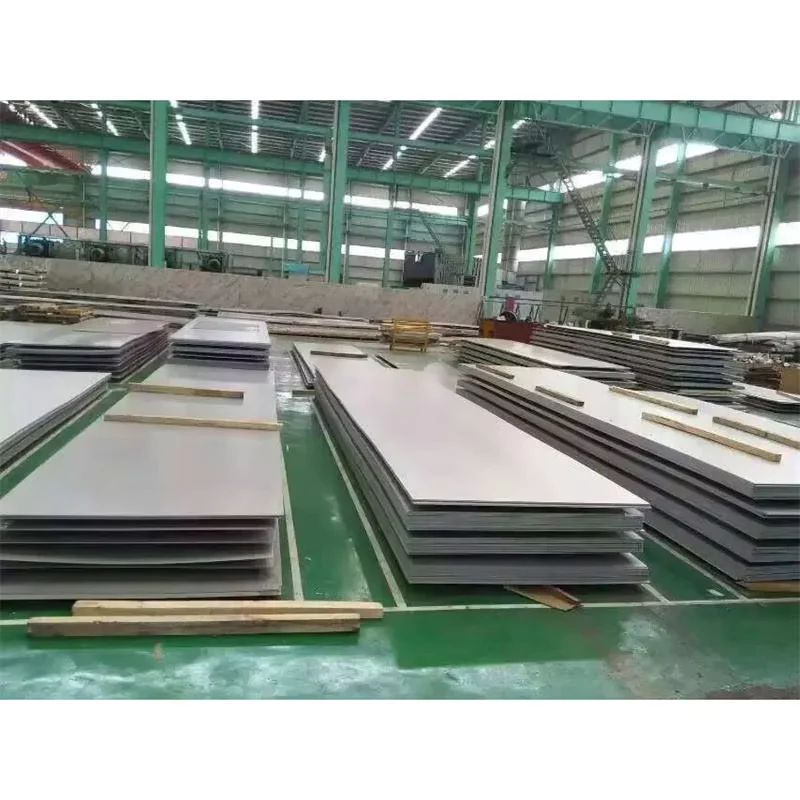
Description
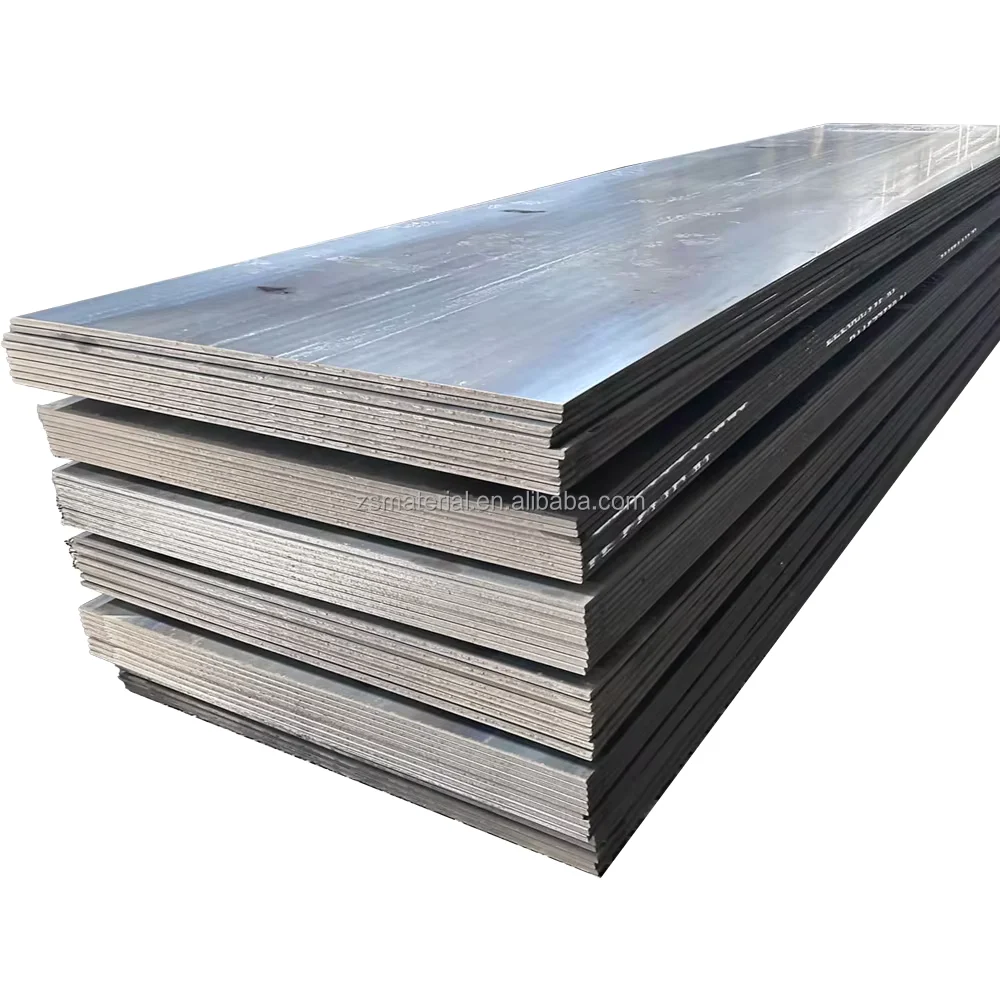
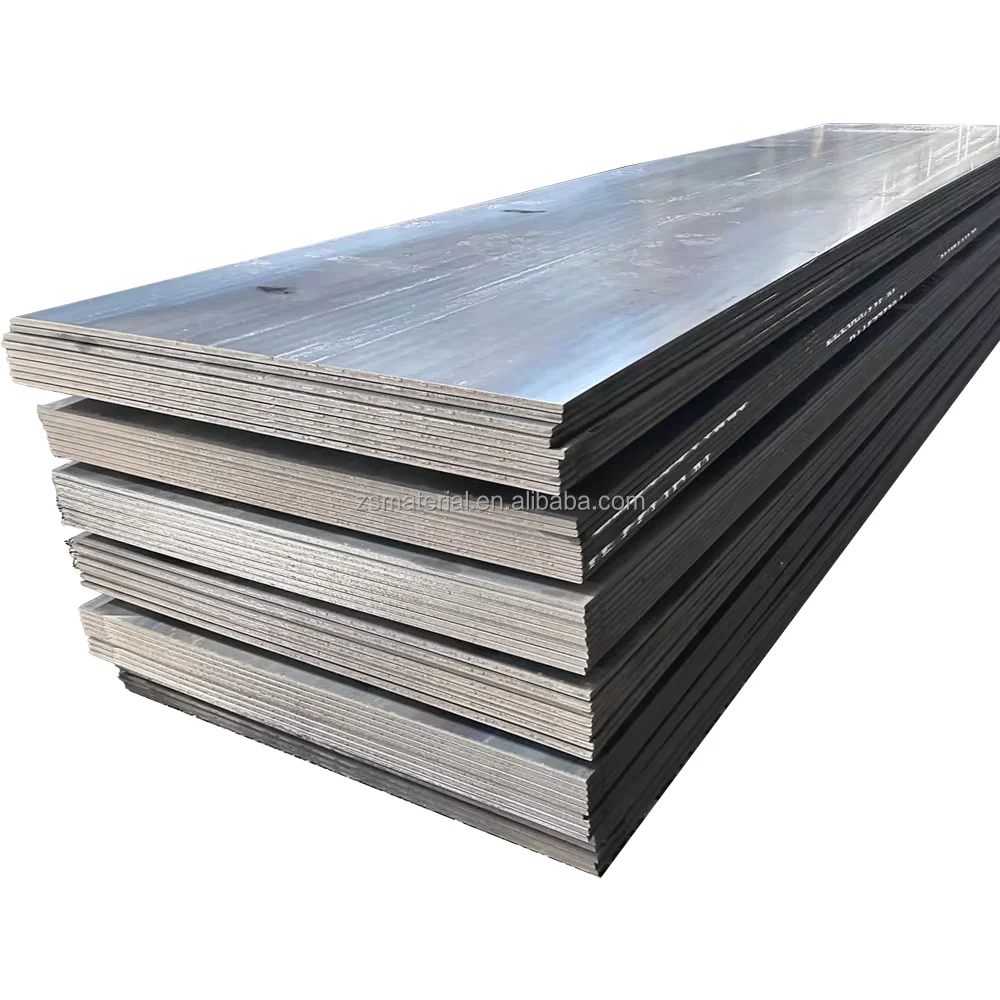
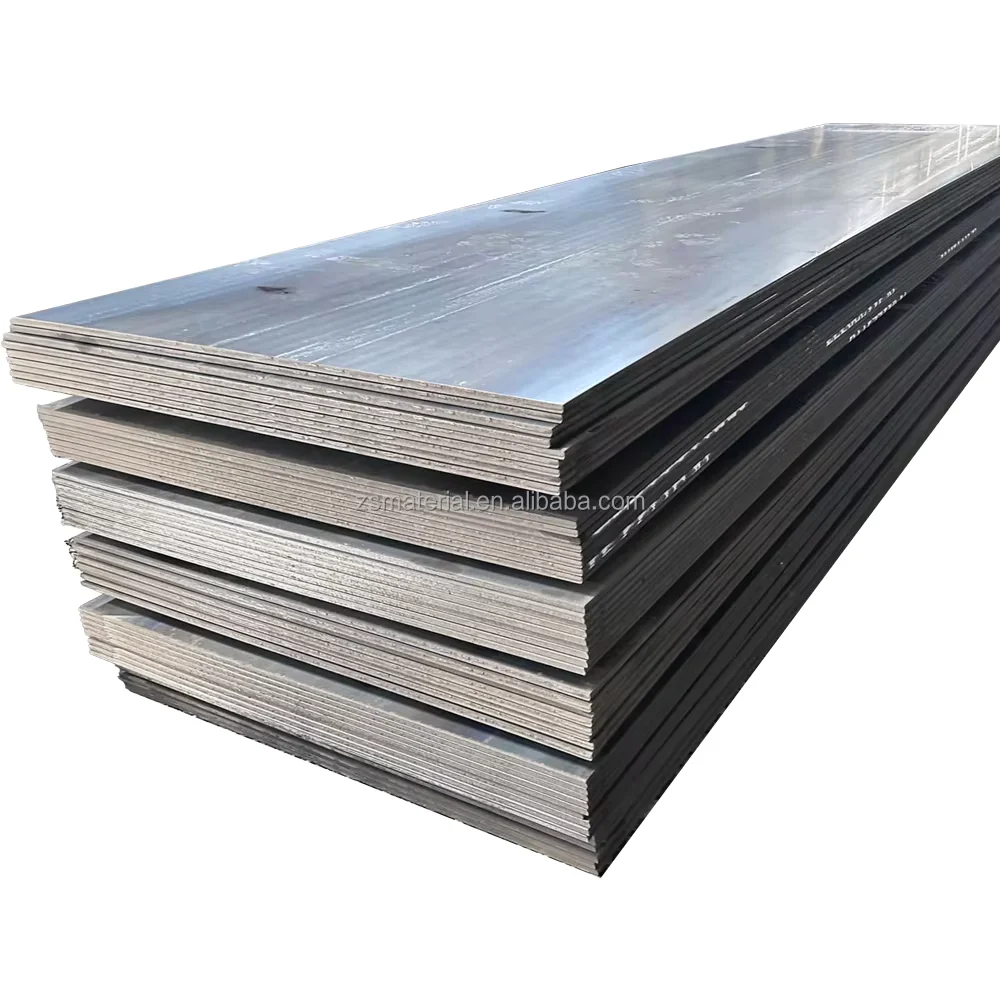
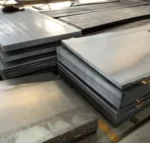
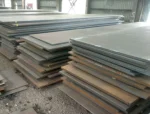
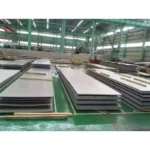
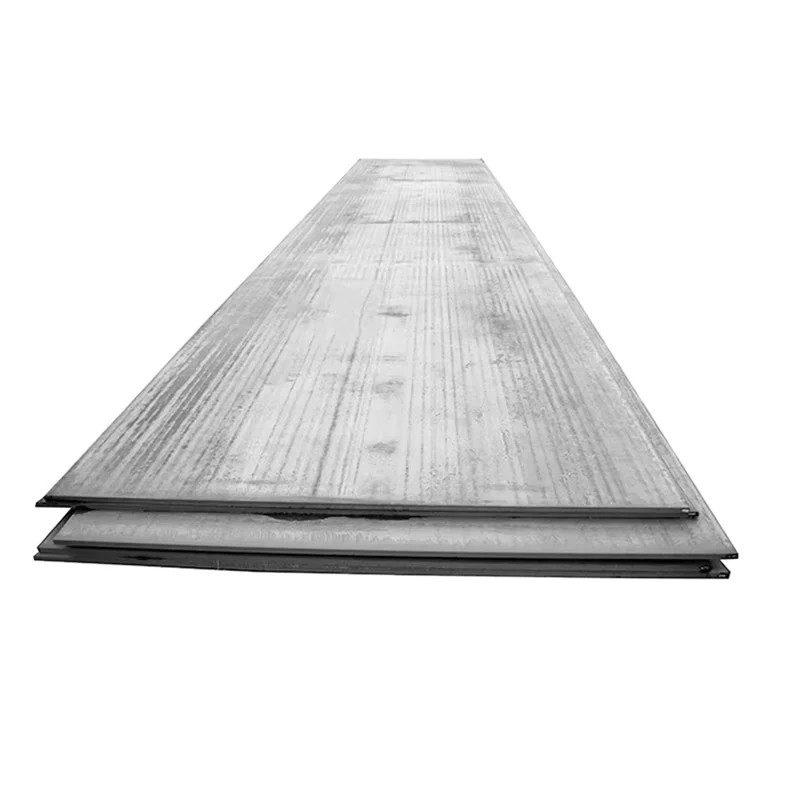
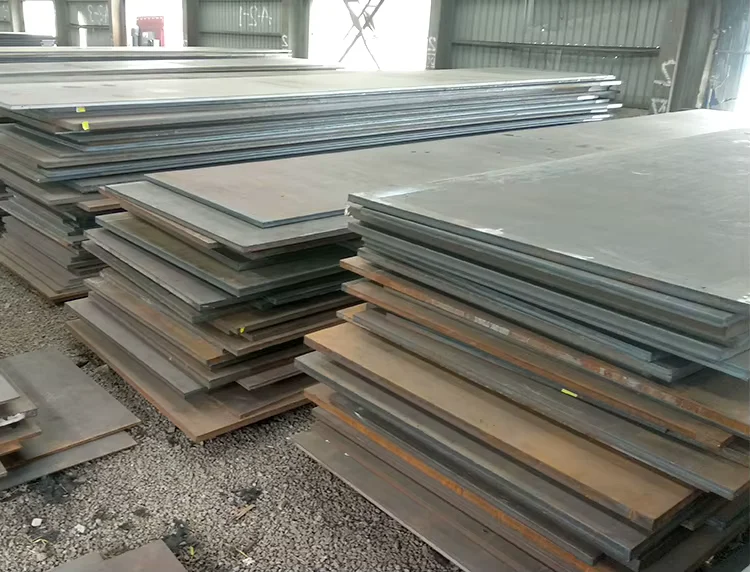
Factory-Direct Hot Rolled Plates — Every Q235 and Q345 plate ships with original mill test certificates verified against heat numbers before loading.
Technical Specifications
| Parameter | Value |
|---|---|
| Designation | Hot Rolled Carbon Steel Plate |
| Product Type | Steel Plate |
| Steel Grade | Q235, Q235B, Q345, Q345B, Q195, St37, St42, St37-2, St35.4, St52.4, St35 |
| Standard | ISO 9001, JIS, GS |
| Width | 600–2000 mm |
| Length | 12 m or custom required |
| Technique | Hot Rolled / Cold Rolled |
| Surface Treatment | Hot Rolled |
| Tolerance | ±1% |
| Processing Service | Welding, Punching, Cutting, Bending |
| Packing | Standard Seaworthy Packing |
| Application | Construction, Petrochemical, Machinery Manufacturing, Transportation, Structural Fabrication |
| MOQ | 5 Tons |
Application Suitability
| Industry | Typical Applications |
|---|---|
| Structural Fabrication | Base plates, gusset plates, and connection brackets for steel frame workshops |
| Construction & Infrastructure | Bridge deck plates, building column base plates, and foundation embedment plates |
| Machinery Manufacturing | Machine base frames, crane boom side plates, and equipment support platforms |
| Petrochemical | Tank shell plates, platform grating supports, and pipe rack structural plates |
| Transportation | Trailer bed plates, container frame corner castings, and vehicle chassis reinforcement plates |
What Hidden Negative Tolerance Costs on a Carbon Steel Plate Order
A plate that measures 0.5 mm under spec on every piece can collapse an entire fabrication budget before welding even starts.
Buyers ordering Q345 or St37 hot rolled carbon steel plate from unfamiliar suppliers often discover thickness deviations only after the material reaches the workshop. The plates arrive looking correct on paper, but caliper checks reveal systematic negative tolerance that pushes actual weight below theoretical calculations. Fabricators then face a choice: reject the shipment and absorb freight losses, or use undersized material and carry structural liability. [NEED_CITE: negative tolerance practices in hot rolled steel plate trade]
Grade confusion compounds the problem. A purchase order specifying Q235B may receive material that meets Q195 chemistry but falls short on yield strength, because the supplier treated GB grades as interchangeable without providing cross-reference documentation. Without verified mill test certificates tied to specific heat numbers, there is no way to confirm what actually arrived versus what was ordered.
How Cut-to-Size Processing Matches Structural Fabrication Workflows
Structural fabricators ordering hot rolled carbon steel plate in Q235B or Q345B rarely need full 12-meter sheets. Workshop layouts require specific dimensions for base plates, gussets, and connection brackets — and every plasma cut the fabricator performs in-house adds labor cost and material waste. XJY Plate provides cutting, punching, and bending to exact fabrication drawings, so plates arrive on-site ready for fit-up. A bridge contractor in Southeast Asia recently ordered 80 tons of 20mm Q345B plate, pre-cut into 340 individual base plate blanks with bolt-hole patterns drilled per shop drawings. The plates arrived with dimensional inspection reports confirming ±1% tolerance on every piece, eliminating workshop rework entirely.
Engineering Compliance and Grade Selection for Load-Bearing Structures
Load-bearing structures demand more than a steel grade label on a delivery note. Engineering specifications for carbon steel plate in construction and infrastructure typically reference EN 1993 or equivalent national codes that require documented chemical composition and mechanical properties traceable to the original heat. [NEED_CITE: EN 1993 structural steel material requirements] For projects in European markets, CE marking and compliance with EN standards determine whether the shipment clears customs or sits at port. In North America, ASTM grade equivalence must be demonstrated through mill test certificates that map GB or DIN designations to ASTM A36 or A572 requirements. The ±1% thickness tolerance on our hot rolled plates ensures that theoretical weight calculations used in structural design match actual delivered weight — a detail that matters when engineers sign off on load tables.
Understanding Carbon Steel Grade Systems and Rolling Process
The Q-series (Q195, Q235, Q235B, Q345, Q345B) follows the Chinese GB standard system where the “Q” prefix indicates yield strength in MPa — Q235 yields at approximately 235 MPa, while Q345 provides higher strength for heavier structural applications. The St-series (St37, St37-2, St42, St52.4) follows the older DIN/EN German system, where St37 roughly corresponds to Q235 in tensile range, and St52 approaches Q345 territory. Cross-standard equivalence is not automatic: a buyer specifying S235JR per EN 10025 expects guaranteed impact toughness at room temperature, while Q235B under GB/T 700 does not carry the same Charpy requirement. Understanding these distinctions prevents material substitution errors that compromise structural integrity.
Hot rolling produces a mill scale surface that provides basic corrosion resistance during storage and transit but requires removal or coating for long-term exposure. The hot rolling process also delivers plates with favorable grain structure for welding and bending — the elongated grain flow follows the rolling direction, which affects how the plate responds to flame cutting and forming operations. Cold rolled plates, available in the same grade range, offer tighter surface finish and dimensional accuracy for applications where appearance or precision machining matters more than structural load capacity.
The Real Cost of Accepting Unverified Mill Certificates
A forged or transferred mill test certificate looks identical to a genuine one until someone checks the heat number against the mill’s production records. When a Dubai structural fabricator received 25 tons of 20mm Q355B plate with certificates that appeared authentic, SGS inspection at Jebel Ali revealed manganese content below specification — the entire shipment was locked at port. [NEED_CITE: mill test certificate verification procedures in international steel trade] The replacement material had to be air-shipped at many times the original freight cost, and the supplier relationship ended permanently. This scenario repeats across ports worldwide because buyers accept paper certificates without verifying heat number traceability, chemical composition ranges, and mechanical test results against the actual material delivered. The hidden cost is never the price difference between verified and unverified suppliers — it is the project delay, the customs hold, and the structural liability that follows.
Why Fabricators and EPC Contractors Source Hot Rolled Carbon Steel Plate From XJY Plate
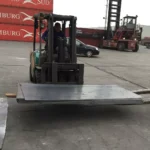
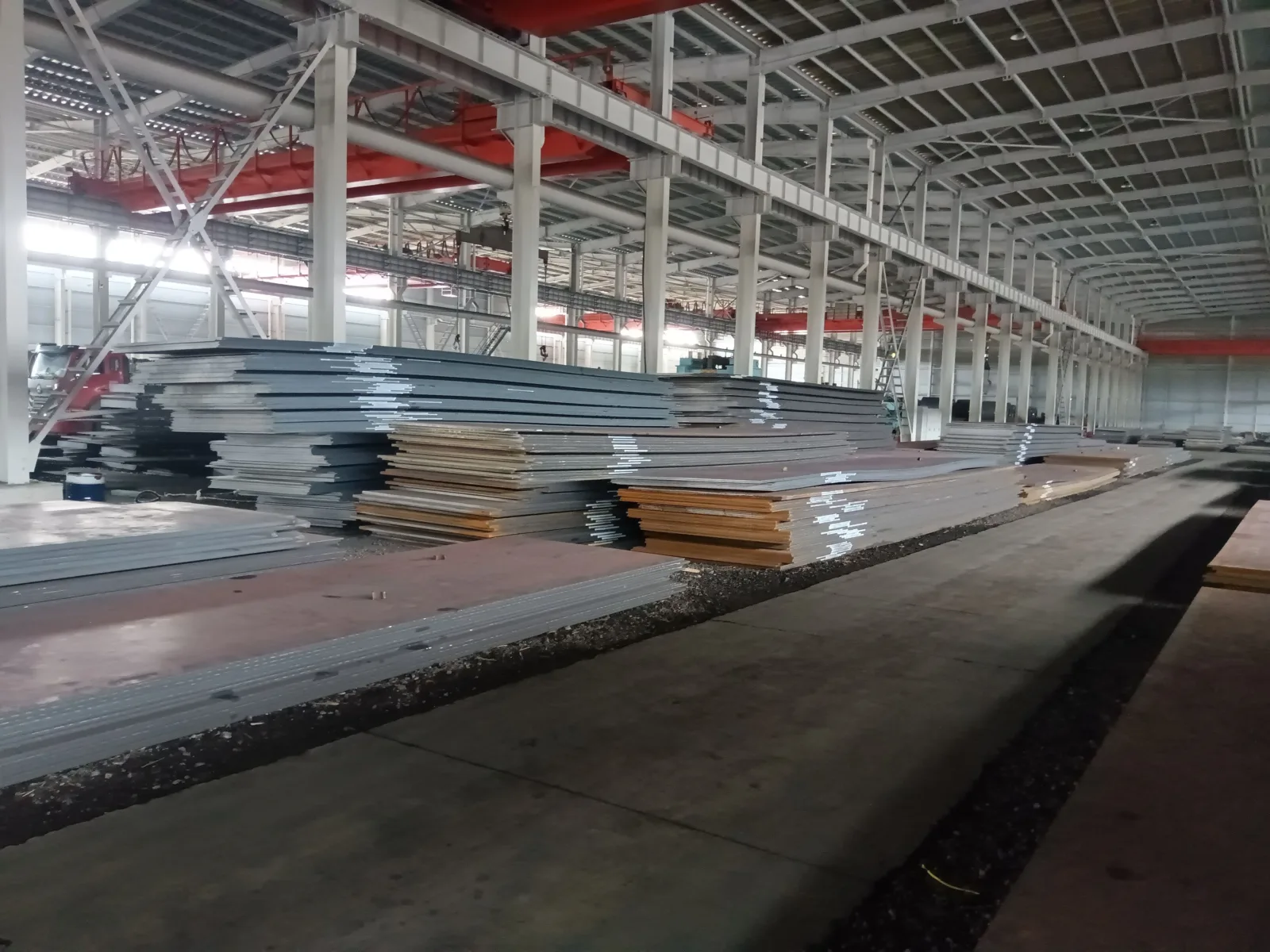
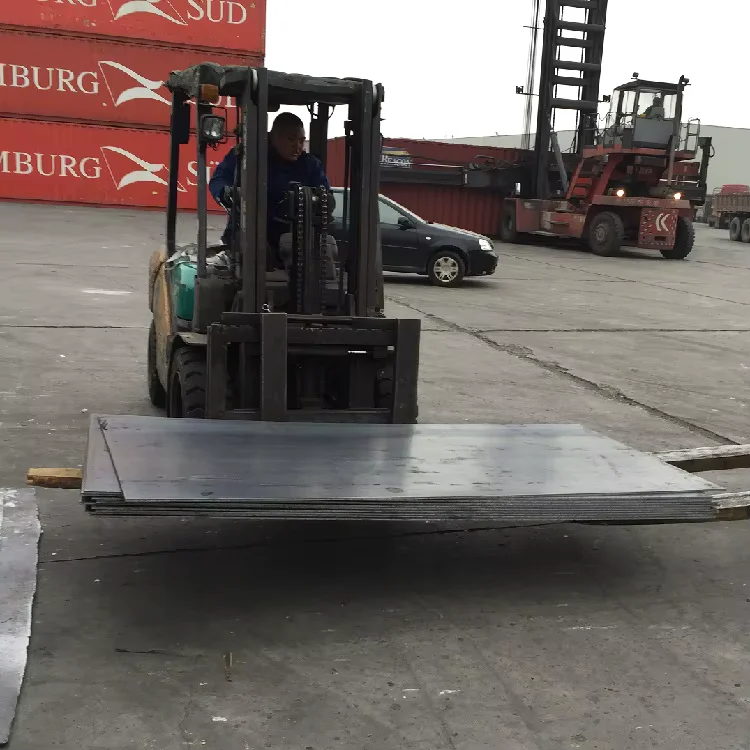
Every plate leaving our warehouse passes through a quality lab that started as the mill’s own testing facility — we check chemistry, pull tensile samples, and verify heat numbers before any material gets staged for loading. The original mill test certificate travels with each piece, documenting chemical composition and mechanical properties that match the physical plate, not a batch average from a different production run. Our inventory covers the full range from Q195 through Q345B in GB standards and St37 through St52 in DIN/EN designations, so a single order can supply multiple grades without splitting across suppliers. Custom cutting, leveling, and blanking services mean plates arrive at the fabrication shop ready for welding — no secondary processing required. Professional heavy cargo loading using flatbed trucks and open-top containers prevents the edge damage and overweight penalties that plague improperly loaded plate shipments. ISO 9001:2015 certification and SGS/BV third-party inspection availability provide the documentation chain that EPC contractors require for project handover.
Documentation & Compliance
- Mill test certificate documenting Q235B/Q345B chemical composition (C, Mn, Si, P, S) and yield/tensile strength per GB/T 700, with heat number traceability to the original slab
- Original MTC for St37/St52 grades confirming compliance with DIN/EN standards, including impact test results where specified
- ISO 9001:2015 quality management certificate covering the full plate processing and inspection workflow
- SGS or BV third-party inspection report available upon request, covering dimensional verification, surface quality, and chemical composition re-testing
- Material traceability sheet linking each plate’s heat number to its mill production date, chemical analysis, and mechanical test results
- Complete export documentation set: commercial invoice, packing list, bill of lading, and certificate of origin for customs clearance
Packaging, Loading & Delivery
- Hot rolled carbon steel plates bundled with steel straps and edge protectors to prevent surface damage and coating abrasion during ocean transit
- Standard seaworthy packing with waterproof wrapping for Q235 and Q345 plates, preserving the mill scale surface and preventing rust staining before fabrication
- Open-top container loading optimized for plates up to 12 meters length, with weight distribution calculated to avoid overweight penalties at port scales
- Custom cut-to-size plates packed separately by dimension and heat number, with each bundle labeled for immediate workshop identification
- Heat number and steel grade stenciled on every plate edge, ensuring traceability from warehouse to final installation
- FOB, CIF, and DDP shipping terms available with professional flatbed and break-bulk logistics for heavy plate consignments exceeding container capacity
How to Start Your Hot Rolled Carbon Steel Plate Inquiry
Submit your specification sheet including steel grade (Q235B, Q345B, St37, or other), thickness, width, length or cut-to-size dimensions, total tonnage, and destination port. Within 12 hours, you will receive a detailed quotation covering material cost, any processing fees for cutting or punching, and shipping terms — along with a sample mill test certificate for your quality team to review before commitment. For projects requiring third-party inspection or specific certification documentation, confirm these requirements at inquiry stage so the inspection schedule aligns with production timing.
Frequently Asked Questions
Q: What is the difference between Q235B and St37-2, and can they be used interchangeably?
A: Q235B (GB/T 700) and St37-2 (DIN 17100) share similar tensile strength ranges, but they differ in chemical composition limits and impact test requirements. Q235B guarantees room-temperature Charpy impact values, while St37-2 focuses on tensile and elongation properties. They are not automatically interchangeable — the engineering specification determines which standard applies, and substitution requires documented equivalence approval from the project engineer.
Q: How do you verify that the mill test certificate matches the actual plates delivered?
A: Every plate carries a heat number stenciled on the edge, which corresponds to the original slab production batch. The mill test certificate documents the chemical composition and mechanical test results for that specific heat number. Upon request, SGS or BV can perform independent re-testing at the discharge port to confirm that the delivered material matches the certificate.
Q: What is the minimum order quantity for custom cut-to-size plates versus standard dimensions?
A: The minimum order is 5 tons for both standard mill-size plates and custom cut-to-size plates. Custom processing (cutting, punching, bending) incurs additional service fees calculated per piece based on complexity, but there is no separate MOQ threshold for processed material.
Q: Can you supply hot rolled and cold rolled carbon steel plate in the same order?
A: Yes. Both hot rolled and cold rolled plates are available across the Q-series and St-series grade range within a single order. Hot rolled plates suit structural and load-bearing applications where surface finish is secondary, while cold rolled plates serve applications requiring tighter dimensional tolerance and smoother surface quality.
Q: How are heavy plates loaded to prevent damage during ocean shipping?
A: Plates are loaded using flatbed trucks for inland transport and open-top containers or break-bulk vessels for ocean freight. Steel straps secure the bundles, edge protectors prevent corner damage, and weight distribution is calculated to stay within container and vessel limits. Each loading plan accounts for the plate thickness, width, and length to maximize container utilization without exceeding port weight restrictions.
Get Your Hot Rolled Carbon Steel Plate Quote With Mill Test Certificates
Send your grade, dimension, and quantity requirements to receive a complete quotation with original mill test certificate samples and shipping options within 12 hours.
Shandong Xin Jiyuan Special Steel Tube Co., Ltd
Website: www.xjyplate.com
Tel: +86 531 8573 6315
Mobile/WhatsApp/WeChat: +86 188 5315 7756
Email: admin@xjyplate.com
Address: No.11889, Jingshi West Road, Lulian Group, Jinan City, Shandong Province, China