
Steel Plate Surface Treatment: Galvanizing, Painting & Coating Supplier
Thicker paint does not equal better protection.
The most critical factor in preventing steel corrosion is not the coating thickness, but the quality of surface preparation and the compatibility of the chemical system with the specific environmental stressors. Selecting the right steel plate surface treatment options requires matching the coating technology to humidity, salinity, and fabrication complexity rather than simply choosing the lowest initial cost.
I still remember the silence on the phone line when a client in Lagos called me. A container of structural steel plates had arrived at Apapa Port after a six-week voyage. The epoxy primer, which looked perfect in the dry warehouse in Shandong, was blistering and peeling off in large sheets. The humid, salt-laden air of the West African coast had penetrated the microscopic gaps in the adhesion layer. The cost of returning that single container exceeded the profit margin of the entire order. That failure was not due to bad steel; it was due to a mismatch between the coating system and the destination climate. Since then, I have learned that specifying steel plate surface treatment options is an engineering decision, not just a procurement checkbox.
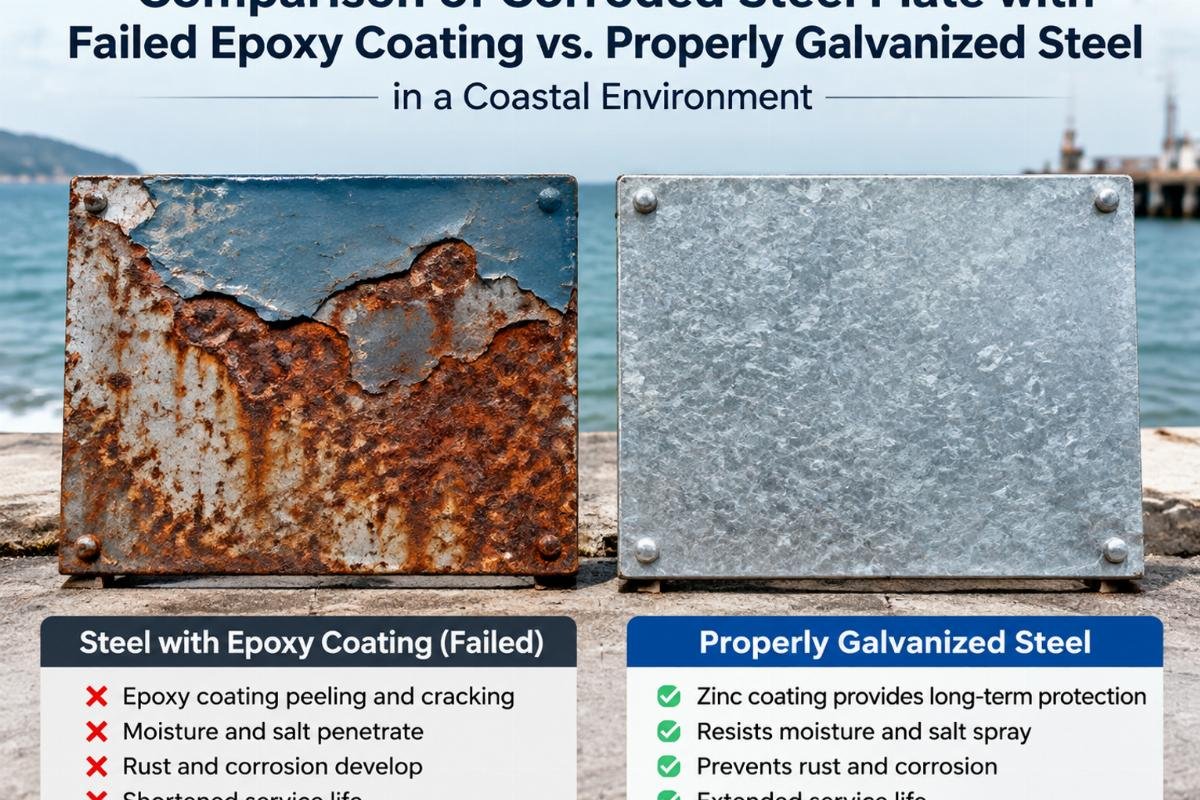
Understanding why coatings fail is the first step toward selecting the right solution. Moisture and chloride ions are aggressive agents that seek out weaknesses in any protective barrier. When surface preparation is inadequate, or when the wrong chemical family is applied to a high-humidity zone, the result is premature failure. This guide breaks down the technical realities of galvanizing, painting, and advanced coating systems to help you make informed decisions for your projects.
Why Do Steel Coatings Fail in Humid Climates?
Moisture is the primary enemy of steel integrity. In tropical and coastal regions, the combination of high relative humidity and salt spray creates an electrolytic environment that accelerates oxidation. Many buyers assume that any industrial paint will suffice, but standard alkyd or basic epoxy systems often lack the necessary barrier properties for these harsh conditions.
The root cause of most failures is poor adhesion, which stems from insufficient surface preparation. Before any coating is applied, the steel surface must be free of mill scale, rust, oil, and dust. The international standard for this is blast cleaning to Sa2.5 or Sa3 levels. If the surface profile is too smooth, the coating cannot mechanically bond; if it is too rough, the peaks may remain uncovered, creating initiation points for rust. [NEED_CITE: ISO 8501-1 surface preparation standards and adhesion mechanics]
In my experience, a common mistake is applying zinc-rich primers over poorly blasted surfaces. Zinc primers rely on cathodic protection, which requires direct electrical contact with the steel substrate. Any residual mill scale acts as an insulator, rendering the zinc ineffective. Once moisture penetrates the topcoat, it reaches the interface, causes blistering, and lifts the entire film. This is why steel plate surface treatment options must always begin with a rigorous assessment of the blasting process, not just the paint brand.
Furthermore, humidity affects the curing process of two-component epoxies. If applied in high humidity without proper dew point monitoring, amine blush can form on the surface. This waxy layer prevents subsequent coats from adhering, leading to delamination months after installation. For projects in Southeast Asia or the Middle East, specifying coatings with high tolerance to humidity during application is essential.
Galvanizing vs. Painting: Which Offers Better Long-Term Value?
When comparing hot-dip galvanizing and liquid painting, the decision often comes down to lifecycle costs rather than upfront price. Galvanizing provides a metallurgical bond between the zinc and the steel, offering sacrificial protection that lasts for decades in many environments. Painting, on the other hand, offers aesthetic flexibility and easier touch-up but relies entirely on barrier protection.
For coastal construction, the debate between galvanizing vs painting for coastal construction is intense. Galvanizing performs exceptionally well in atmospheric exposure because the zinc corrodes at a much slower rate than steel. However, complex fabrication shapes can pose challenges. Drainage holes are critical to prevent zinc pooling, and thin sections may distort under the heat of the galvanizing bath. In contrast, painting allows for uniform coverage on intricate geometries without thermal distortion.
| Feature | Hot-Dip Galvanizing | Heavy-Duty Paint System |
|---|---|---|
| Protection Mechanism | Sacrificial (Cathodic) + Barrier | Barrier Only |
| Adhesion | Metallurgical Bond | Mechanical/Chemical Bond |
| Maintenance Cycle | Extended service life meaningfully | Noticeably reduced maintenance intervals |
| Complex Shapes | Risk of drainage issues | Uniform coverage possible |
| Initial Cost | Moderate to High | Variable based on specification |
| Repairability | Difficult to match visually | Easy to touch up locally |
[NEED_CITE: Lifecycle cost analysis of galvanizing vs. painting per ASTM A123 and SSPC guidelines]
A bridge project I consulted on in a coastal city initially opted for painting to save costs. Within five years, the maintenance team was spending significant resources on spot repairs due to salt spray penetration at weld seams. Had they chosen galvanizing, the initial investment would have been higher, but the maintenance cycle would have been extended significantly. For structural components where access for repainting is difficult or dangerous, galvanizing is often the superior choice. However, for architectural elements where color matching is required, a duplex system (galvanizing plus painting) offers the best of both worlds.
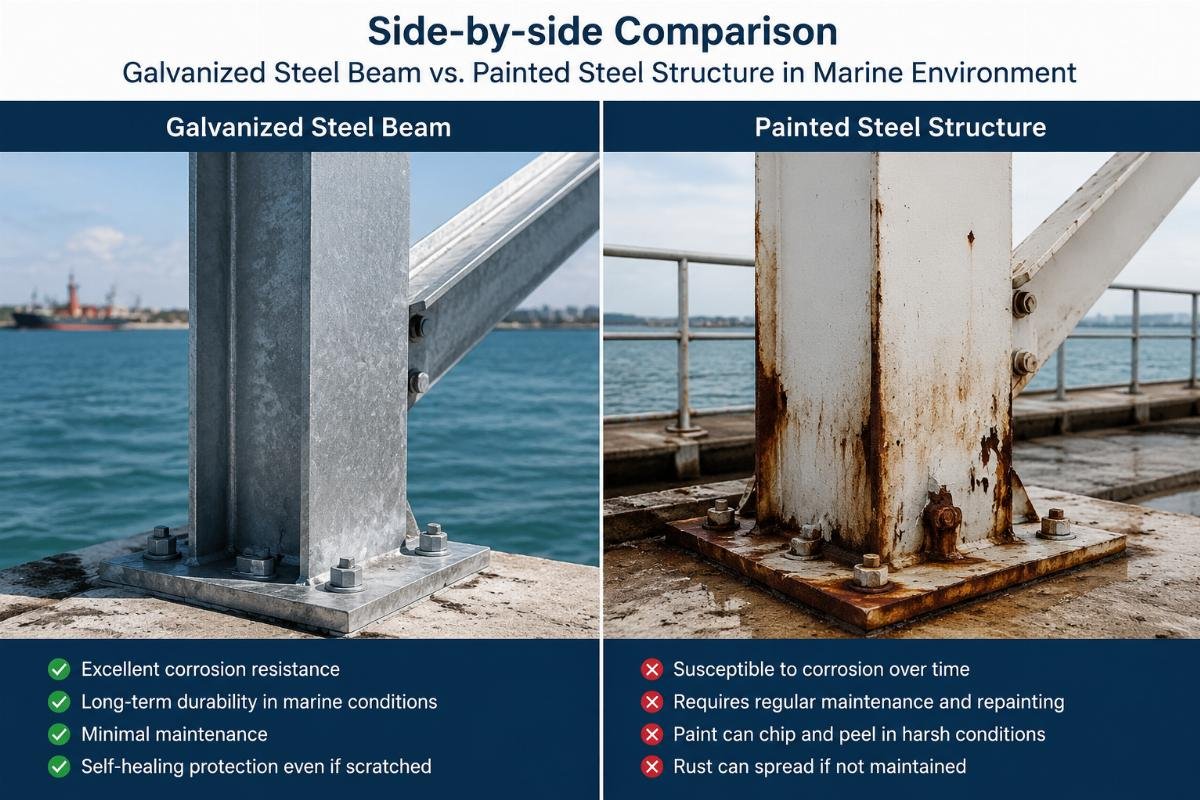
It is also worth noting that galvanizing provides immediate protection upon removal from the bath, whereas painting requires careful curing time and environmental control. In fast-track construction schedules, this immediacy can be a decisive factor. When evaluating steel plate surface treatment options, consider not just the material cost, but the long-term accessibility and maintenance logistics of the installed structure.
Key Surface Preparation Steps for Maximum Adhesion
Surface preparation is the single most important variable in coating performance. No matter how expensive the paint is, it will fail if the substrate is not properly prepared. The industry gold standard is abrasive blast cleaning to achieve a white metal finish (Sa3) or near-white metal finish (Sa2.5).
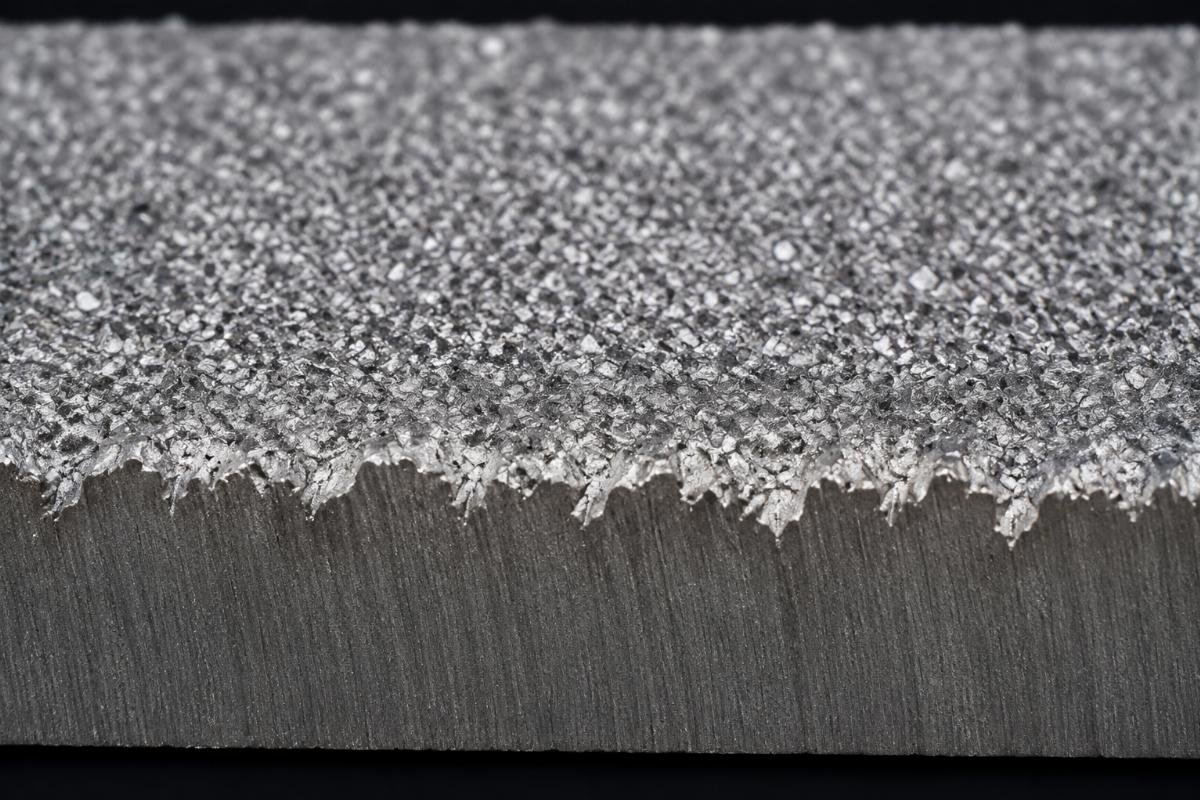
The process begins with degreasing to remove oils and contaminants that blasting media might embed into the steel. Next, abrasive blasting removes mill scale and rust while creating an anchor profile. This profile increases the surface area for the coating to bond. The depth of this profile must match the coating system; too shallow, and adhesion suffers; too deep, and the coating may not cover the peaks, leading to early rust spotting. [NEED_CITE: ISO 8503-2 surface profile measurement methods]
One frequent error I observe is the use of recycled abrasives contaminated with salts or previous coating residues. This introduces chlorides directly onto the steel surface, guaranteeing future corrosion under the film. Always ensure that the blasting media is clean and that the compressed air used for blowing off dust is free of oil and moisture.
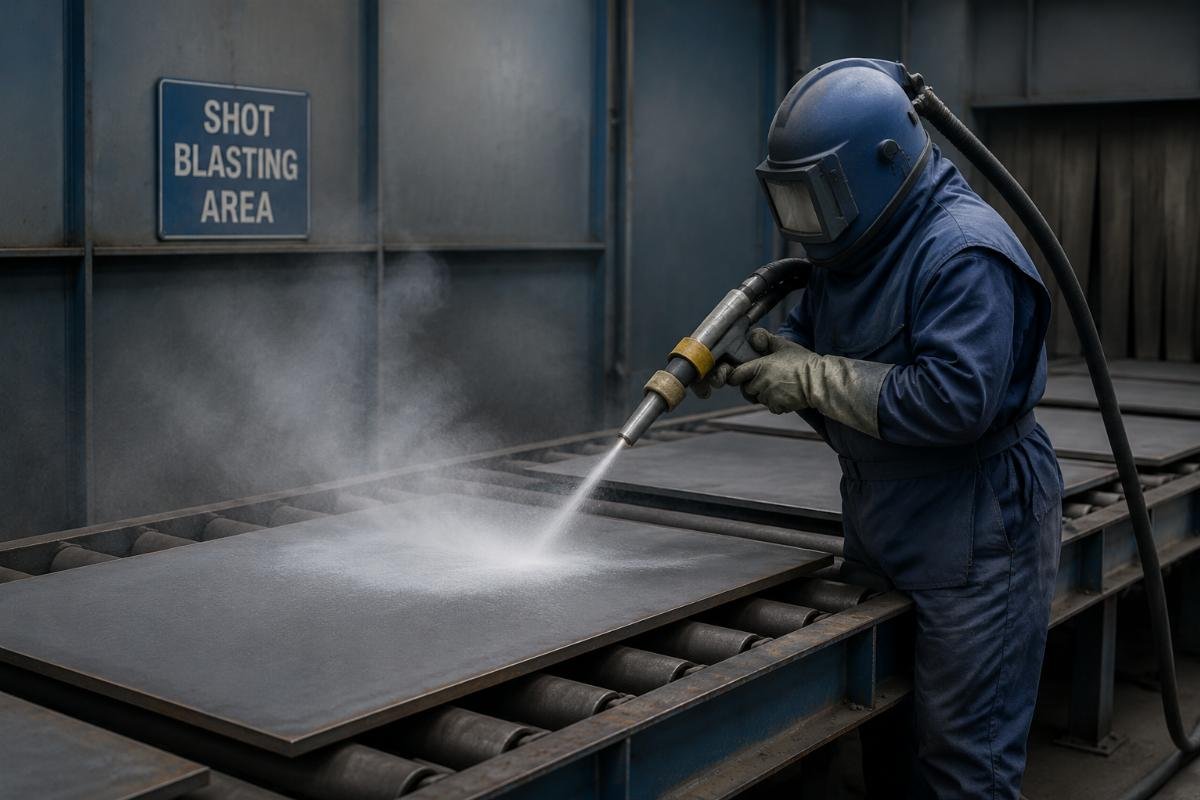
After blasting, the steel must be primed immediately. In humid climates, flash rust can form within hours, sometimes even minutes. Using a hold primer or ensuring rapid transfer to the painting booth is critical. For epoxy zinc rich primer salt spray resistance, the cleanliness of the substrate is paramount. Any visible rust or contamination compromises the cathodic protection mechanism.
Quality control should include visual inspection against standard photographs and tactile measurement of the surface profile. Dust levels must also be checked, as dust particles create weak points in the coating film. By prioritizing these preparation steps, you ensure that the subsequent coating layers perform as designed. This attention to detail is what separates a durable installation from a costly failure.
How to Select the Right Coating for Your Project Environment
Selecting the appropriate coating system requires a clear understanding of the environmental classification. The ISO 12944 standard categorizes corrosivity environments from C1 (very low) to C5 (very high, industrial/marine). Matching the coating system to this category is essential for longevity.
For indoor, dry environments (C1-C2), simple alkyd or basic epoxy systems may suffice. However, for outdoor structures in rural or urban areas (C3), a more robust epoxy-polyurethane system is recommended. In industrial or coastal zones (C4-C5), high-performance systems such as epoxy zinc-rich primers topped with polyurethane or polysiloxane finishes are necessary. [NEED_CITE: ISO 12944-2 corrosivity categories and coating selection guidelines]
When dealing with steel plate coating for humid climate conditions, moisture permeability is a key concern. Polyurethane topcoats offer excellent UV resistance and low permeability, making them ideal for exterior exposure. Epoxy intermediates provide chemical resistance and build thickness. The combination of these layers creates a multi-barrier defense against moisture and salts.
| Environment Category | Typical Location | Recommended Primer | Recommended Topcoat |
|---|---|---|---|
| C2 (Low) | Indoor, dry warehouses | Alkyd or Basic Epoxy | Alkyd or Acrylic |
| C3 (Medium) | Urban, rural outdoor | Epoxy Zinc-Rich | Polyurethane or Epoxy |
| C4 (High) | Industrial, coastal | Epoxy Zinc-Rich | Polyurethane or Polysiloxane |
| C5 (Very High) | Offshore, chemical plants | High-Build Epoxy | Fluoropolymer or Polysiloxane |
[NEED_CITE: Coating system durability expectations per ISO 12944-5]
In tropical zones, temperature fluctuations can cause expansion and contraction of the steel substrate. Flexible coating systems that can accommodate this movement without cracking are preferable. Additionally, the color of the topcoat can influence thermal absorption; lighter colors reduce heat buildup, which can slow down the degradation of the underlying layers.
For projects requiring steel plate surface treatment options, always request technical data sheets that specify the expected service life under the relevant ISO category. Do not rely solely on generic product names. Verify that the system has been tested for salt spray resistance and humidity exposure consistent with your project location.
At Xin Jiyuan, we integrate these selection criteria into our production workflow. Our in-house shot blasting facilities ensure consistent Sa2.5 preparation, while our custom painting and galvanizing lines allow us to tailor the finish to your specific environmental needs. Whether you need heavy-duty epoxy systems for a coastal warehouse or hot-dip galvanizing for bridge components, our quality control processes ensure that every plate leaves the factory ready for its intended service life.
Conclusion
Proper surface treatment is an investment in asset longevity, not just a compliance step.
Choosing the right steel plate surface treatment options depends on a precise match between the coating technology and the environmental stresses of the project site. Prioritize surface preparation quality, understand the trade-offs between galvanizing and painting, and select systems certified for your specific corrosivity category. By focusing on these technical fundamentals, you avoid the hidden costs of premature failure and ensure the structural integrity of your steel components.