Description
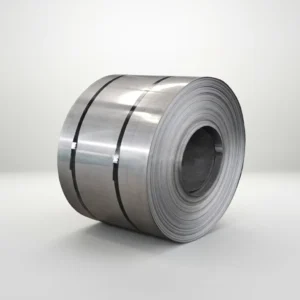
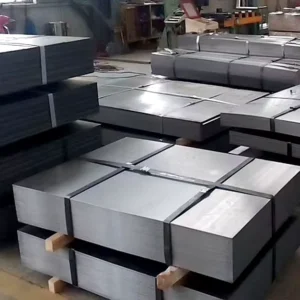
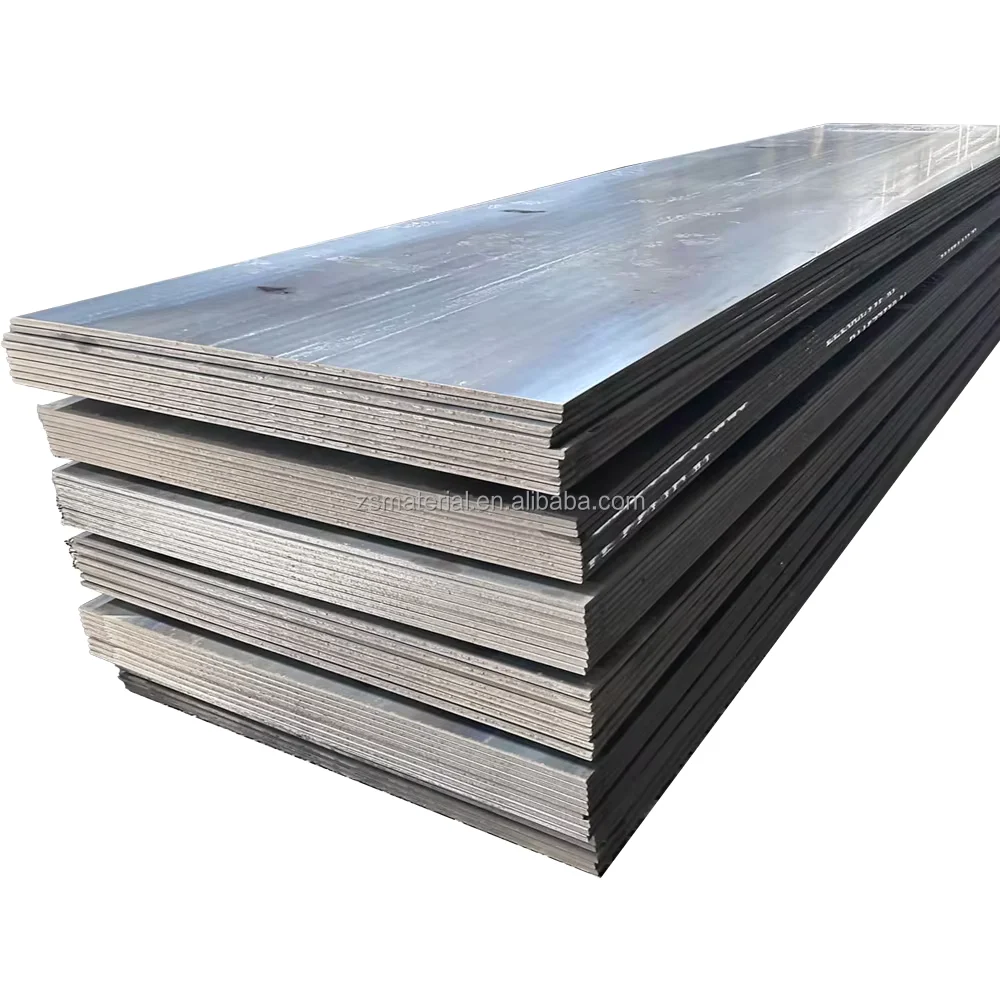
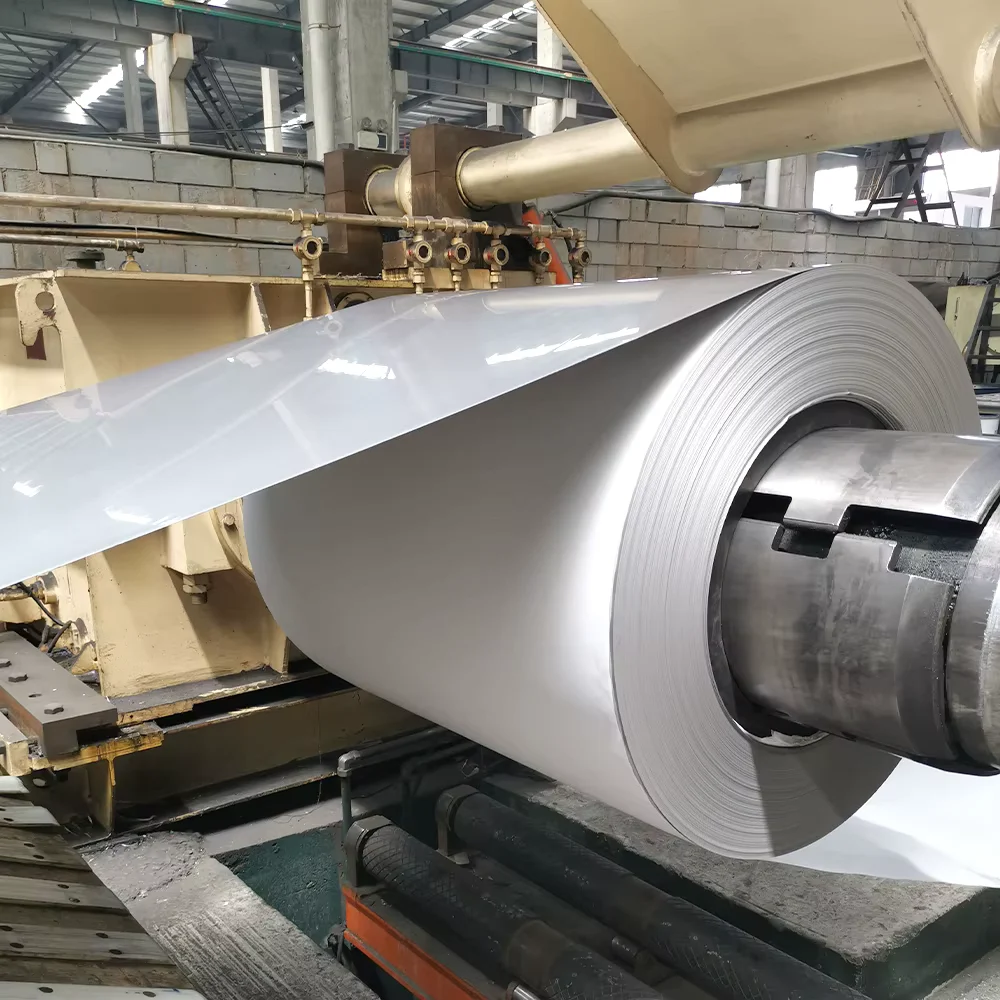
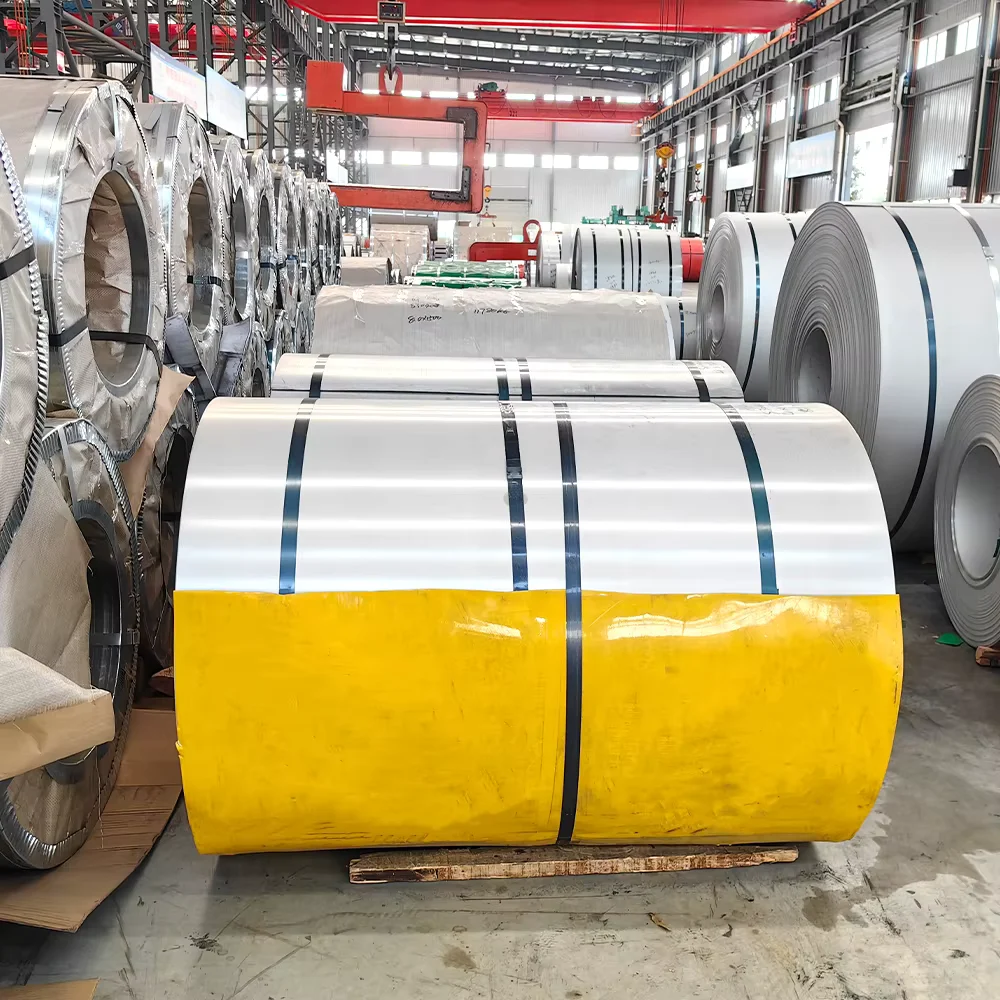
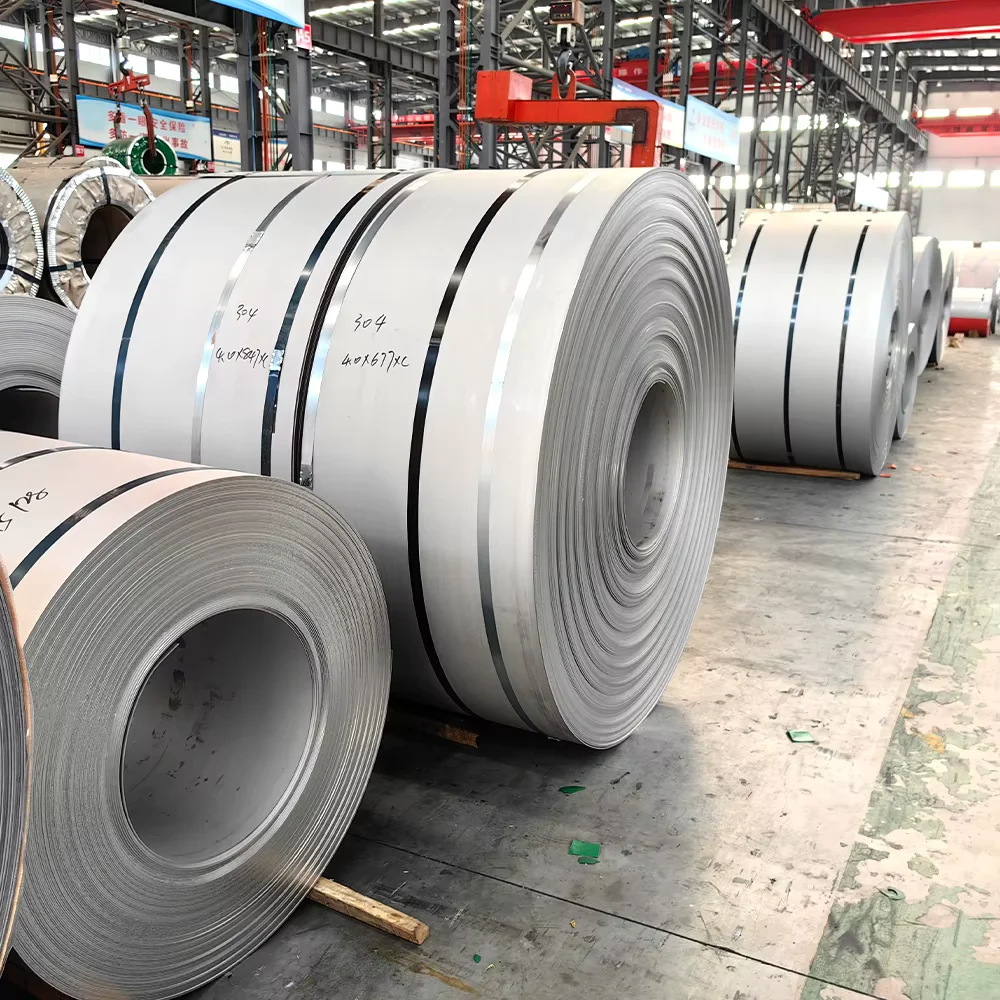
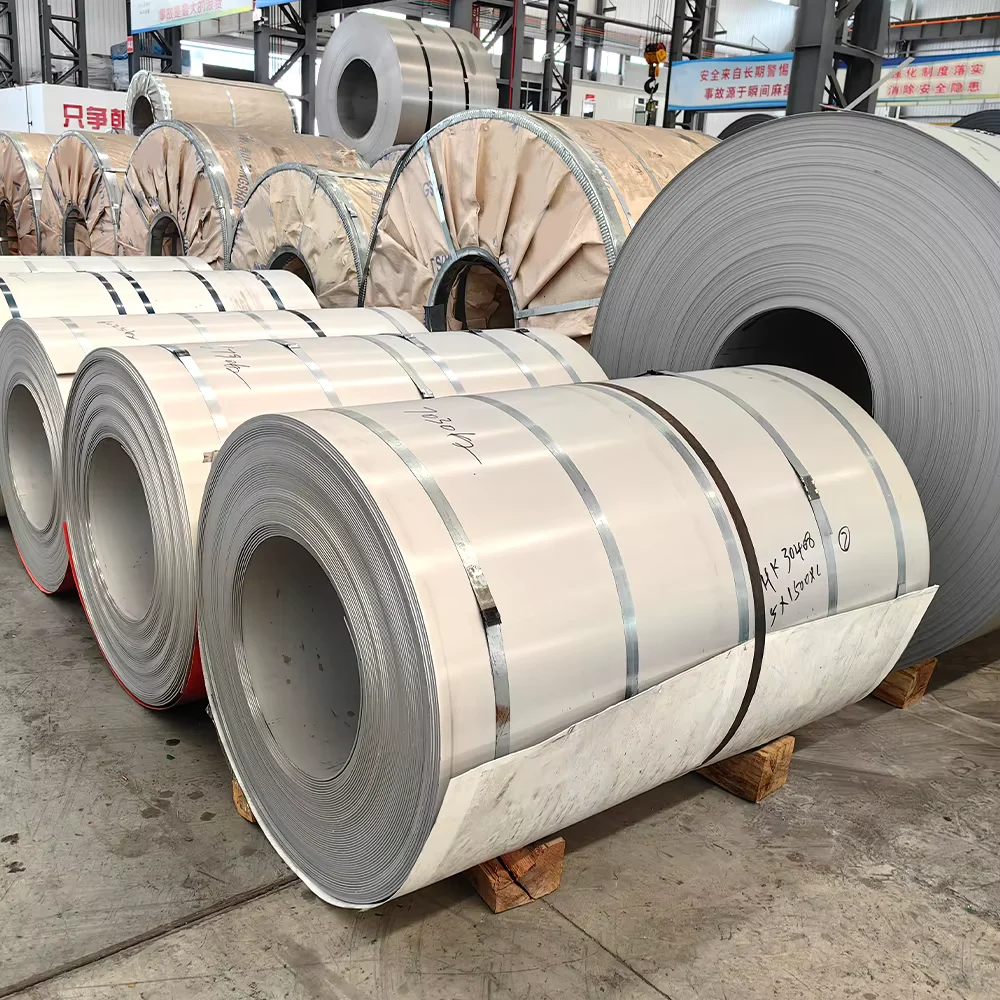
Full-Range Stainless Steel Coils & Sheets — Austenitic, ferritic, martensitic, and duplex grades in cold-rolled and hot-rolled thicknesses with multiple surface finishes, all backed by original mill test certificates.
Technical Specifications
| Parameter | Value |
|---|---|
| Designation | Stainless Steel Coils 304/316/410 |
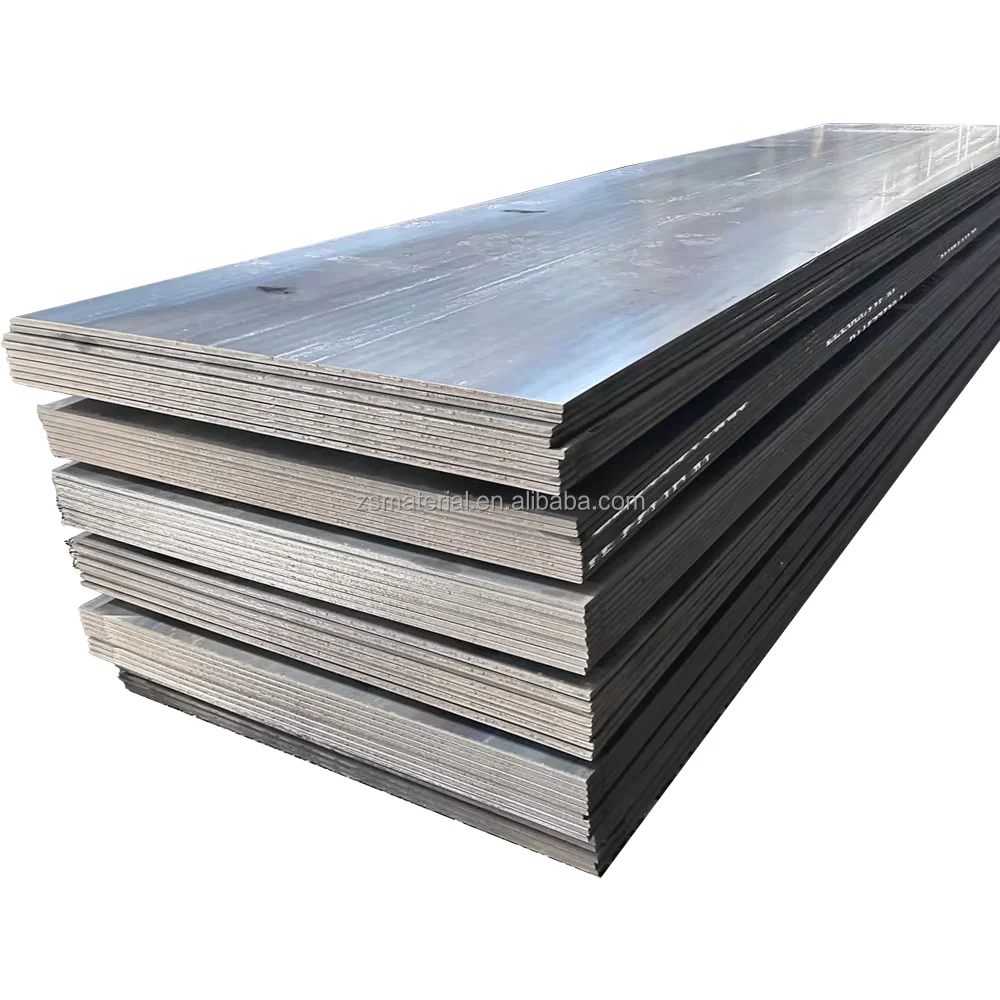
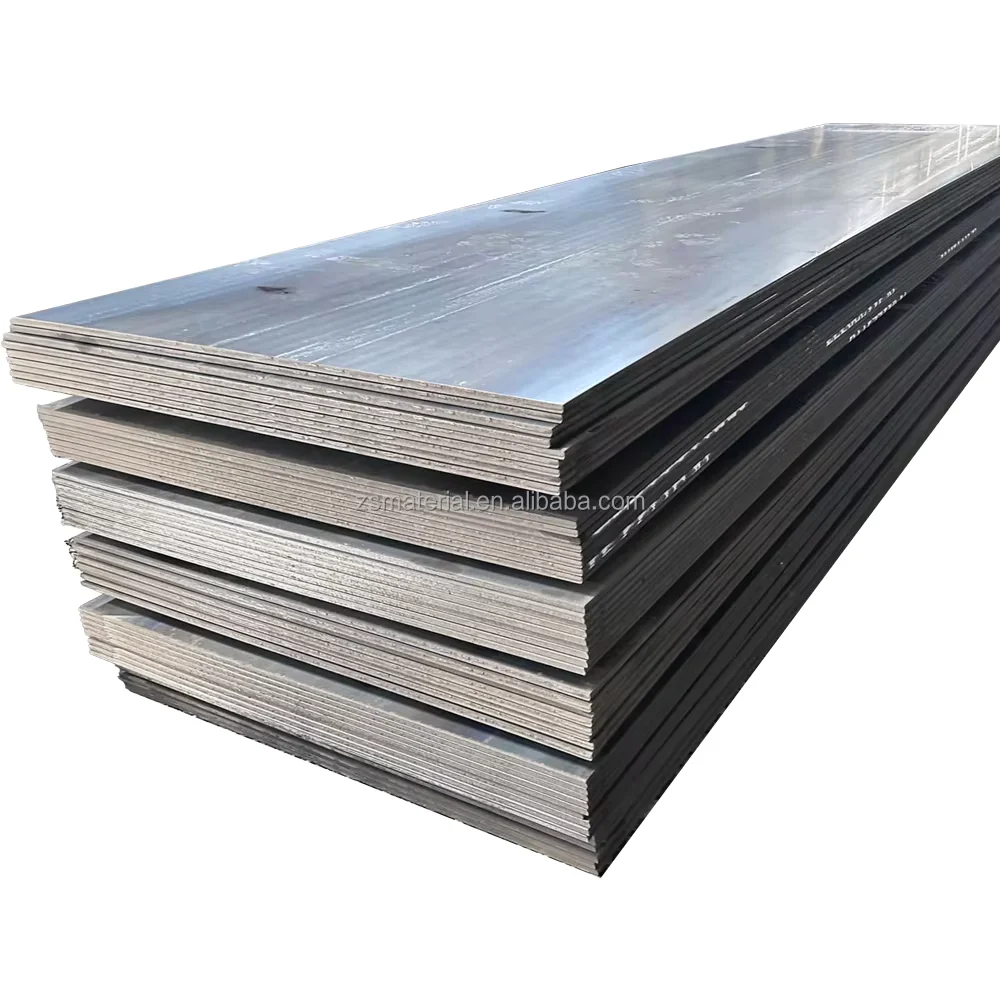
| Product Type | Stainless Steel Coil / Sheet / Plate |
| Steel Grade | 201, 301, 304, 309S, 310S, 316, 316L, 321, 405, 409L, 410, 410L, 420, 430, 430A, 904L, 2205, 2507, 2520 |
| Standard | ASTM, JIS, GB, AISI, DIN, BS, EN |
| Thickness (Cold Rolled) | 0.15–3 mm |
| Thickness (Hot Rolled) | 3–120 mm |
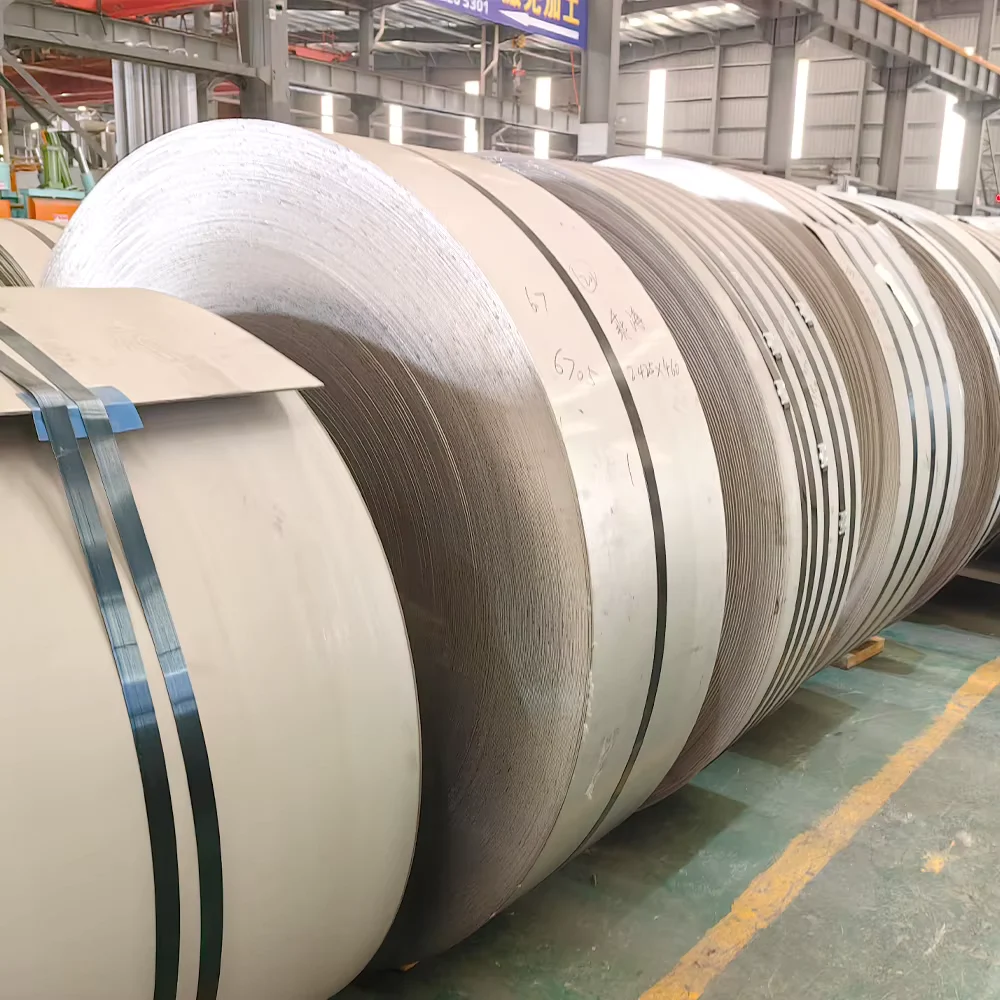
| Width | 1000 mm / 1219 mm / 1500 mm (slitting available) |
| Length | 2000 mm / 2438 mm / 2440 mm / 3048 mm (customizable) |
| Surface Finish | 2B, 2D, BA, 8K, HL, NO.1, NO.4, Embossed, Colored |
| Technique | Cold Rolled / Hot Rolled |
| Packing | Waterproof paper + steel strapping + pallet; BA & 8K with PVC film |
| Delivery | 7–10 working days (subject to order quantity) |
Application Suitability
| Industry | Typical Applications |
|---|---|
| Food & Medical | Hygienic processing tanks, surgical instrument trays, dairy equipment housings |
| Construction & Architecture | Elevator interior panels, facade cladding, decorative ceiling systems |
| Chemical & Petroleum | Corrosion-resistant storage tanks, heat exchanger shells, process piping |
| Kitchen & Tableware | Commercial kitchen countertops, sink basins, cutlery blanks |
| Industrial Equipment | Pressure vessel liners, conveyor components, filtration housings |
Surface Finish Selection Determines Whether Your Shipment Gets Rejected at Site Inspection
A BA finish coil with roller marks will fail food-grade inspection; a NO.1 hot-rolled plate will not pass architectural facade approval.
Buyers ordering stainless steel coils for food or medical applications expect mirror-quality BA or 8K surfaces free of die lines, roller impressions, and edge wave. When surface defects go undetected before shipment, entire containers get rejected at the receiving warehouse. I have seen 316L BA coils arrive in Dubai with visible roll marks across the full width — the client’s QA team flagged every single sheet, and the cost of replacement freight exceeded the material value. On the construction side, specifying HL brushed finish for elevator panels requires consistent grain direction and depth; any variation across coil length creates visible banding once installed. [NEED_CITE: stainless steel surface finish standards for architectural and food-grade applications]
Matching Corrosion Resistance and Surface Integrity to Engineering Environments
Stainless Steel Coils 304 316 410 cover the full spectrum from general-purpose austenitic to high-chromium ferritic and martensitic grades. For food processing lines operating with mild acidic cleaners, 304 with 2B finish provides adequate pitting resistance at lower cost. When chloride exposure increases — coastal construction, chemical processing, marine hardware — 316L with molybdenum addition prevents crevice corrosion that 304 cannot withstand. In architectural applications where aesthetics drive specification, 430 ferritic grade offers acceptable corrosion performance with excellent formability for embossed and colored finishes. Each grade selection must align with both the environmental exposure and the surface finish required by the end-use standard.
Engineering Compliance Across ASTM, EN, and JIS Frameworks
Structural and pressure-containing applications demand documented compliance with recognized standards. ASTM A240 governs chromium and chromium-nickel stainless steel plate for pressure vessels, while EN 10088 covers corrosion-resistant steels for construction across Europe. JIS G4304 and G4305 define hot-rolled and cold-rolled stainless plate and sheet specifications for the Japanese market. Grade equivalence between these systems is not always one-to-one; 304 maps to S30400 in UNS, 1.4301 in EN, and SUS304 in JIS, but minor compositional differences in carbon or nickel content can affect weldability and intergranular corrosion resistance. [NEED_CITE: stainless steel grade equivalence mapping between ASTM EN and JIS standards] Third-party inspection by SGS or BV before shipment confirms chemical composition and mechanical properties match the specified standard, preventing customs holds and site rejection.
Grade Families and Their Metallurgical Rationale
The austenitic family — 304, 316, 316L, 321, 309S, 310S — provides the highest corrosion resistance and formability through nickel and chromium content. 316L’s low carbon variant prevents sensitization during welding, critical for tank fabrication. 321 adds titanium stabilization for high-temperature exhaust systems. The ferritic family — 409L, 410, 410L, 430, 430A — offers magnetic properties and lower cost with moderate corrosion resistance, suitable for automotive trim and architectural panels. Martensitic 420 delivers high hardness through heat treatment for cutlery and surgical instruments. Duplex grades 2205 and 2507 combine austenitic and ferritic structures for superior stress corrosion cracking resistance in offshore and chemical environments. Surface finish selection further refines performance: 2B provides a smooth matte surface for industrial use, BA delivers bright reflective quality for decorative applications, 8K mirror finish meets stringent architectural and display requirements, while HL brushed and embossed textures hide fingerprints and minor surface damage in high-traffic installations.
Hidden Costs of Incorrect Grade Specification and Missing Certification
Ordering 304 when the environment requires 316L leads to premature pitting corrosion, tank leakage, and unplanned shutdowns in chemical plants. Substituting 430 for 304 in food contact applications risks iron migration and rust staining that fails health authority inspection. Missing mill test certificates create traceability gaps — without heat number verification, there is no proof the material matches the purchase order specification, and customs authorities in the EU and Middle East routinely hold shipments lacking proper documentation. [NEED_CITE: consequences of incorrect stainless steel grade selection in corrosive environments] The cost of replacing installed material far exceeds the price difference between correct and incorrect grades, and project delays from material rejection cascade through construction schedules.
Procurement Confidence Through Verified Quality Control
Every Stainless Steel Coils 304 316 410 shipment includes original mill test certificates documenting chemical composition and mechanical properties per the specified standard. Our ISO 9001:2015 certified quality management system ensures dimensional accuracy and surface finish consistency across production batches. BA and 8K finish coils undergo individual visual inspection under controlled lighting to identify roller marks, scratches, and edge defects before packing. Custom slitting and cut-to-size processing eliminates the need for secondary fabrication at your facility, reducing material waste and handling damage. Third-party inspection by SGS, BV, or TUV is available for pre-shipment verification, providing independent confirmation of grade and quality for projects requiring documented compliance. Professional heavy cargo loading with proper weight distribution prevents coil shifting and edge damage during ocean transit.
Documentation & Compliance
- Mill test certificate documenting 304/316/410 chemical composition (C, Cr, Ni, Mo content) and mechanical properties (tensile strength, yield strength, elongation) per ASTM A240 or EN 10088
- ISO 9001:2015 quality management certificate covering stainless steel coil and sheet production processes
- SGS or BV third-party inspection report verifying surface finish quality, dimensional tolerance, and grade identification before shipment
- Material traceability by heat number linking each coil to original melt chemistry and rolling records
- Customs documentation including commercial invoice, packing list, bill of lading, and certificate of origin for import clearance
- CE marking documentation for stainless steel products entering European Union markets per applicable EN standards
Packaging, Loading & Delivery
- BA and 8K finish coils wrapped in PVC film plus waterproof paper to prevent surface scratches and moisture contact during ocean freight
- Cold-rolled 2B finish coils in 0.15–3 mm thickness bundled with steel strapping on wooden pallets, edge protectors preventing coil edge damage
- Hot-rolled NO.1 finish plate in 3–120 mm thickness packed with waterproof paper and steel frame support for heavy cargo handling
- Slit coils in 1000 mm / 1219 mm / 1500 mm width with core rings and outer steel bands maintaining coil integrity during transit
- Heat number and grade identification marked on each coil ID tag and outer packing for site receiving verification
- FOB, CIF, and DDP shipping terms with container loading optimization for 20ft and 40ft containers, break-bulk available for heavy plate orders
Streamline Your Stainless Steel Procurement With Verified Specifications
Submit your required grade (304/316/410), thickness, width, surface finish, and quantity to receive a detailed quotation including material cost, processing fees, and shipping terms within 12 hours. We provide original mill test certificates before shipment for your quality verification, and third-party inspection can be arranged for pre-shipment confirmation.
Request Your Stainless Steel Coil Quotation With Mill Test Certificate
Send your specifications to admin@xjyplate.com or contact via WhatsApp at +86 188 5315 7756 for pricing and delivery confirmation.
Frequently Asked Questions
Q: How do 304, 316, and 410 map between ASTM, EN, and JIS standards?
A: 304 corresponds to UNS S30400, EN 1.4301, and JIS SUS304. 316 maps to UNS S31600, EN 1.4401, and JIS SUS316. 410 corresponds to UNS S41000, EN 1.4006, and JIS SUS410. Minor compositional variations exist between standards, so specifying the exact standard ensures correct material selection.
Q: Which surface finish suits food industry versus architectural applications?
A: Food and medical applications require 2B or BA finish for hygienic cleanability and corrosion resistance. Architectural and decorative applications use 8K mirror, HL brushed, or embossed finishes for aesthetic appeal. BA finish provides bright reflective quality suitable for both food equipment and decorative panels.
Q: Can you provide mill test certificates and accept third-party inspection?
A: Yes, every shipment includes original mill test certificates documenting chemical composition and mechanical properties per the specified standard. SGS, BV, and TUV third-party inspection is available for pre-shipment quality verification at our facility.
Q: What is the minimum order quantity for slit coils or cut-to-size sheets?
A: MOQ varies by grade, thickness, and processing requirements. Standard width coils (1000 mm / 1219 mm / 1500 mm) have lower MOQ than custom slit widths. Contact us with your specific dimensions and quantity for accurate MOQ confirmation.
Q: How are BA and 8K finish coils protected during ocean freight?
A: BA and 8K finish coils receive PVC film wrapping plus waterproof paper protection, with steel strapping and pallet support. Edge protectors prevent coil edge damage, and proper container loading with weight distribution prevents shifting during transit.
Get Your Stainless Steel Coils 304 316 410 Quote With Full Documentation
Email your grade, thickness, finish, and quantity requirements to admin@xjyplate.com or WhatsApp +86 188 5315 7756 for pricing and mill test certificate confirmation.