
Description
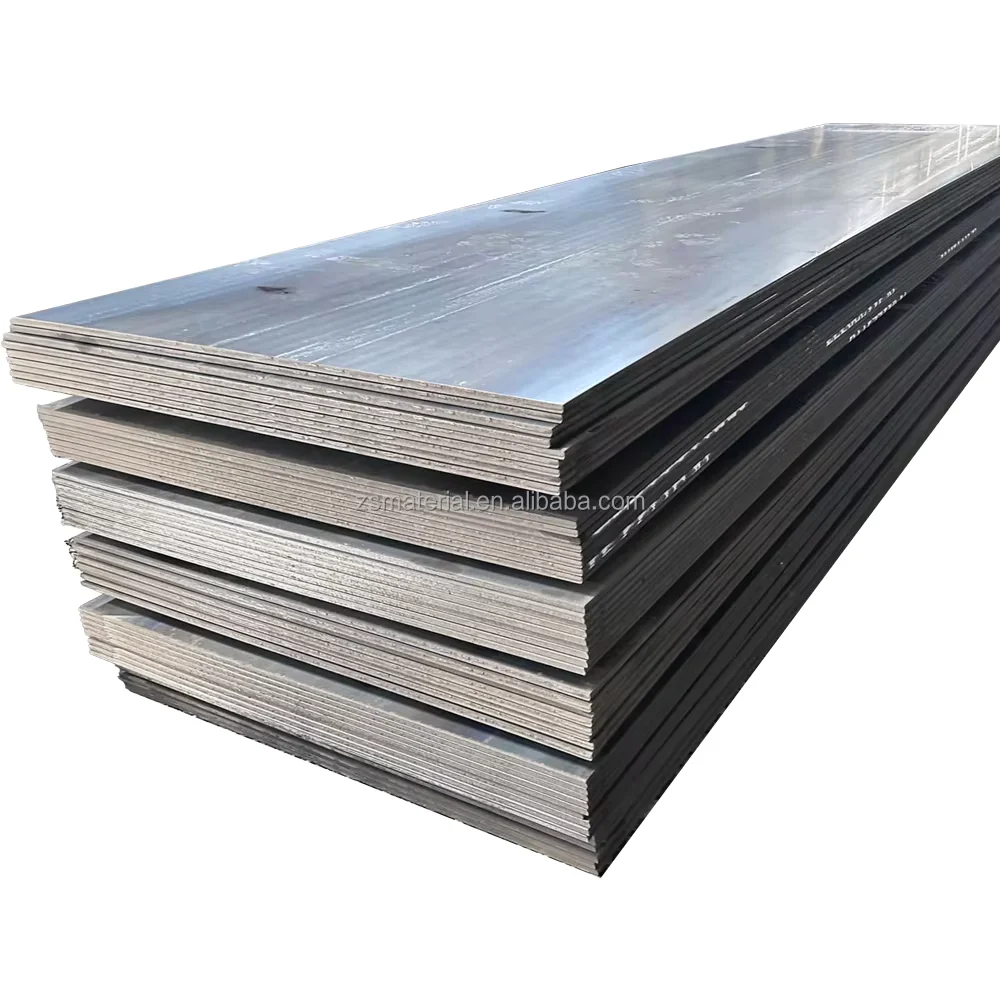
Direct mill supply with full traceability — Every ASTM A36 hot rolled carbon steel plate ships with original mill test certificates and heat number traceability, eliminating grade confusion across ASTM, GB, and JIS systems.
Technical Specifications
| Parameter | Value |
|---|---|
| Designation | ASTM A36 Hot Rolled Carbon Steel Plate |
| Product Type | Steel Plate |
| Steel Grade | Q195, Q235, Q235B, Q345, A36, SS400 |
| Standard | ASTM A36, GB (Q235/Q345), JIS (SS400) |
| Thickness | 0.75–200 mm |
| Technique | Hot Rolled |
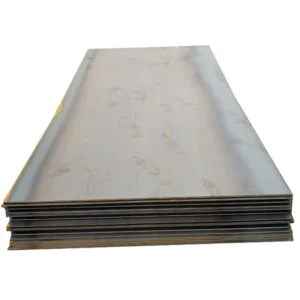
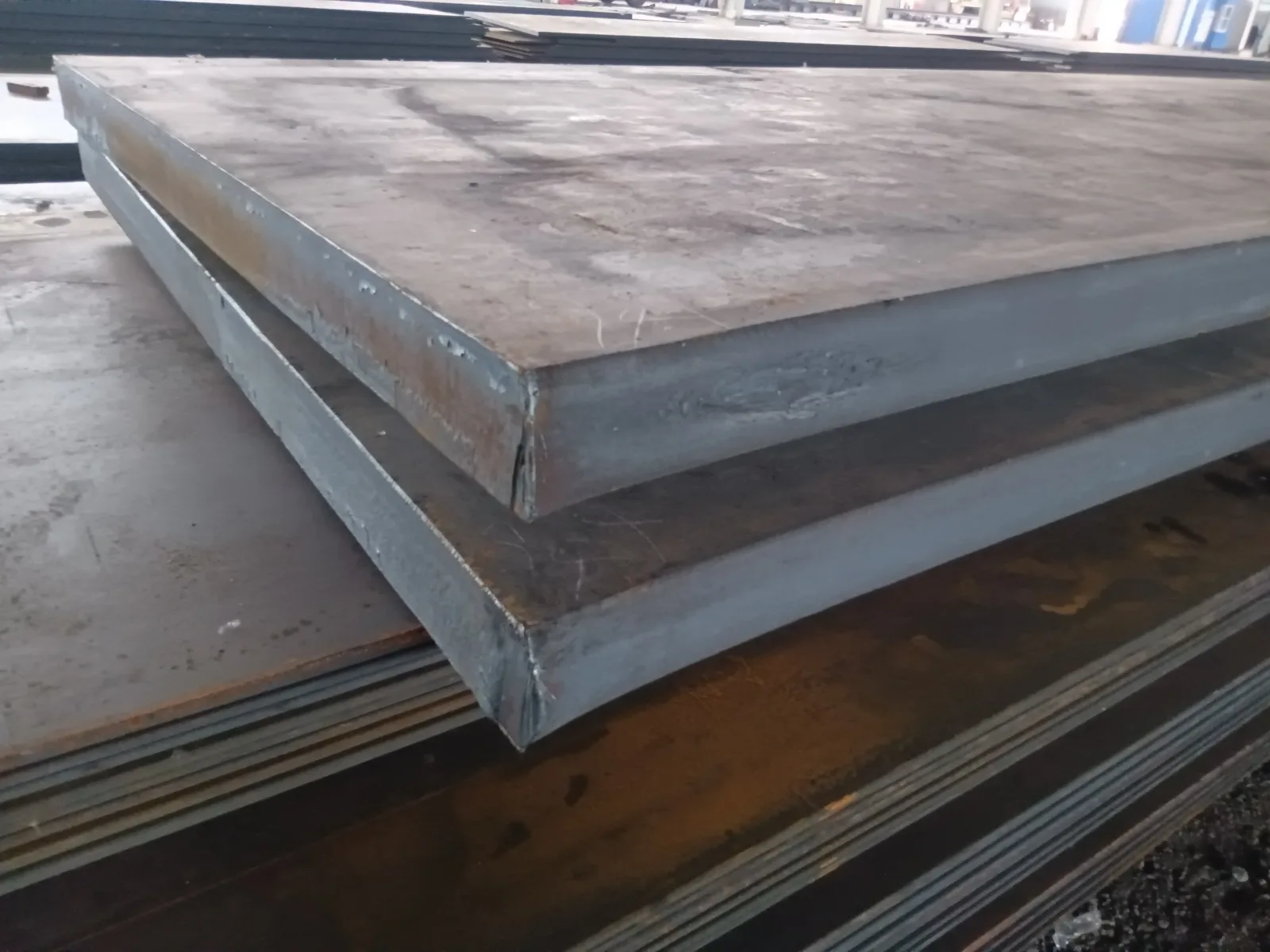
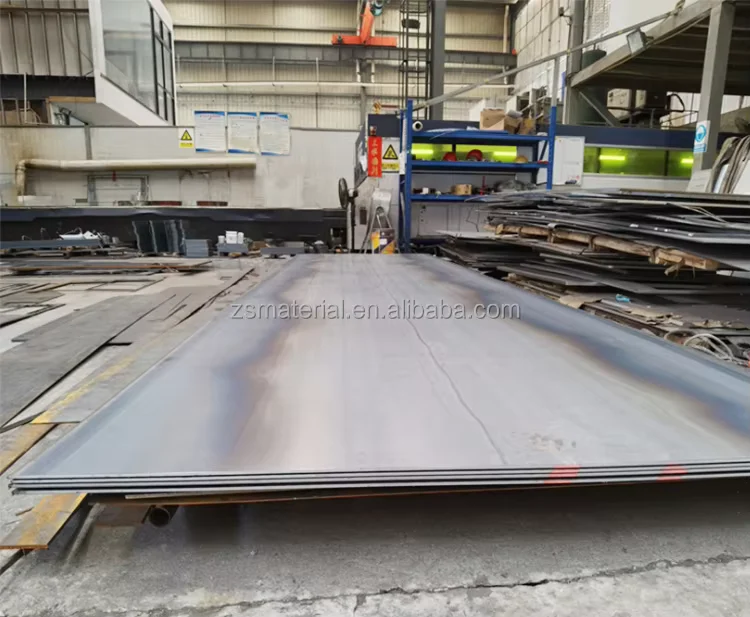
| Surface Treatment | Black / Hot Rolled |
| Tolerance | ±1% |
| Processing Service | Bending, Welding, Decoiling, Cutting, Punching |
| Application | Construction, Machinery, Shipbuilding, Pressure Vessels, Bridges, Automobile, Making Pipes |
| MOQ | 10 Ton |
Application Suitability
| Industry | Typical Applications |
|---|---|
| Construction & Infrastructure | High-rise building frames, bridge deck plates, highway guardrail supports |
| Shipbuilding & Offshore | Commercial vessel hull plating, offshore platform base structures |
| Pressure Vessels & Boiler | Storage tank shells, heat exchanger end plates, boiler support frames |
| Machinery & Equipment | Crane boom base plates, conveyor support structures, heavy equipment frames |
| Automobile & Pipe Making | Truck chassis cross members, structural pipe fabrication blanks |
Grade Equivalence Confusion Costs More Than the Plate Itself
ASTM A36, Q235, and SS400 are not interchangeable on paper — but their chemical and mechanical overlap creates dangerous assumptions.
Buyers routinely specify A36 for North American projects, then accept Q235 substitutions without verifying carbon equivalent or manganese content. The result: weld procedures fail pre-qualification, structural engineers reject material submittals, and entire batches sit in port awaiting re-inspection. [NEED_CITE: steel grade equivalence between ASTM A36, GB Q235, and JIS SS400 standards] As an ASTM A36 hot rolled carbon steel plate supplier, we map every heat number to its exact chemical composition and mechanical test results — no cross-standard guessing.
Matching Plate Thickness to Structural Load Paths
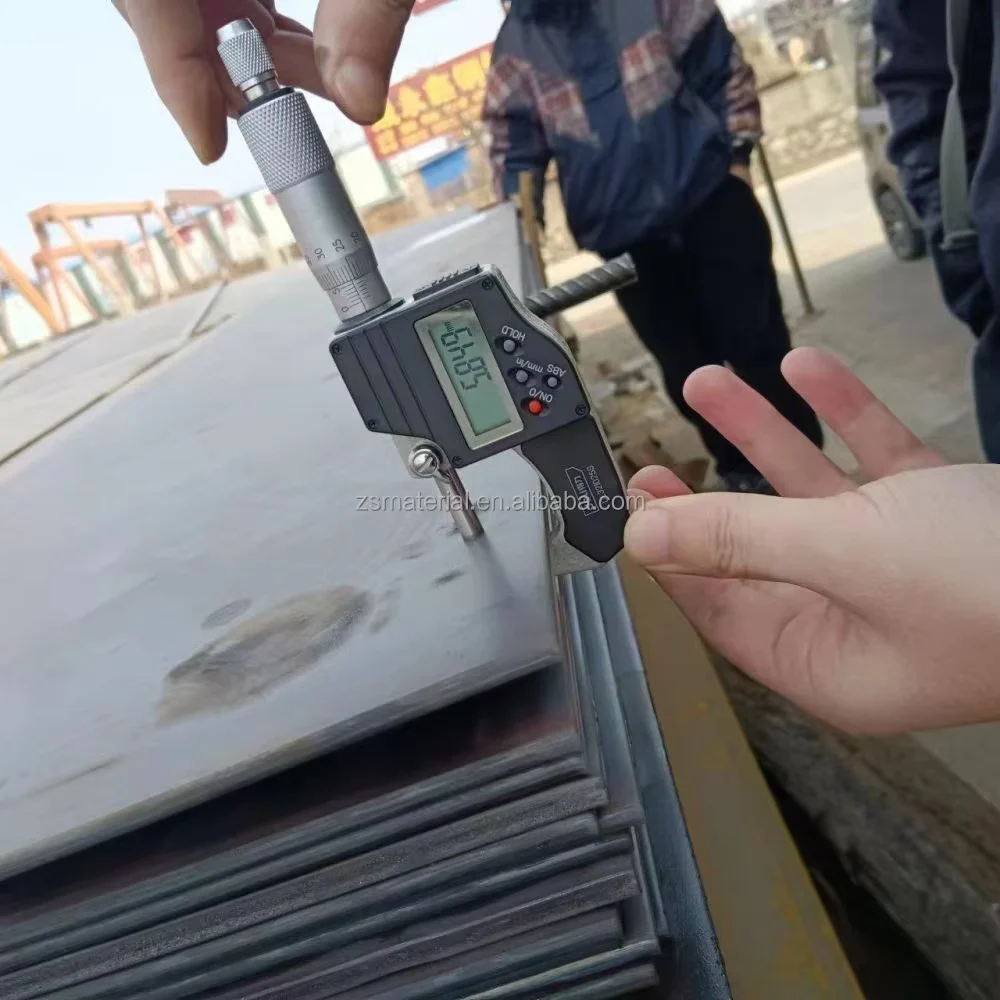
Engineers designing bridge decks or pressure vessel shells need plates that hold dimensional accuracy under welding heat input. Our ASTM A36 hot rolled carbon steel plate range covers 0.75 mm to 200 mm with ±1% tolerance control, ensuring base metal thickness matches finite element model assumptions. For shipbuilding applications, marine-grade plate availability means compliance with classification society rules without waiting for special mill rolls.
Engineering Compliance Across Certification Regimes
Structural projects targeting EU markets require CE marking under EN 10210 or EN 10219 frameworks, while North American EPCs demand ASTM material test reports aligned with AISC code provisions. [NEED_CITE: EN 10219 cold-formed hollow section requirements for structural steel] Our plates carry ISO 9001:2015 and CE certification, with SGS or BV third-party inspection available before shipment. Custom cutting-to-size eliminates工地 secondary processing delays, and every piece bears its heat number for full traceability during structural audits.
Hot Rolling Mechanics and Surface Condition
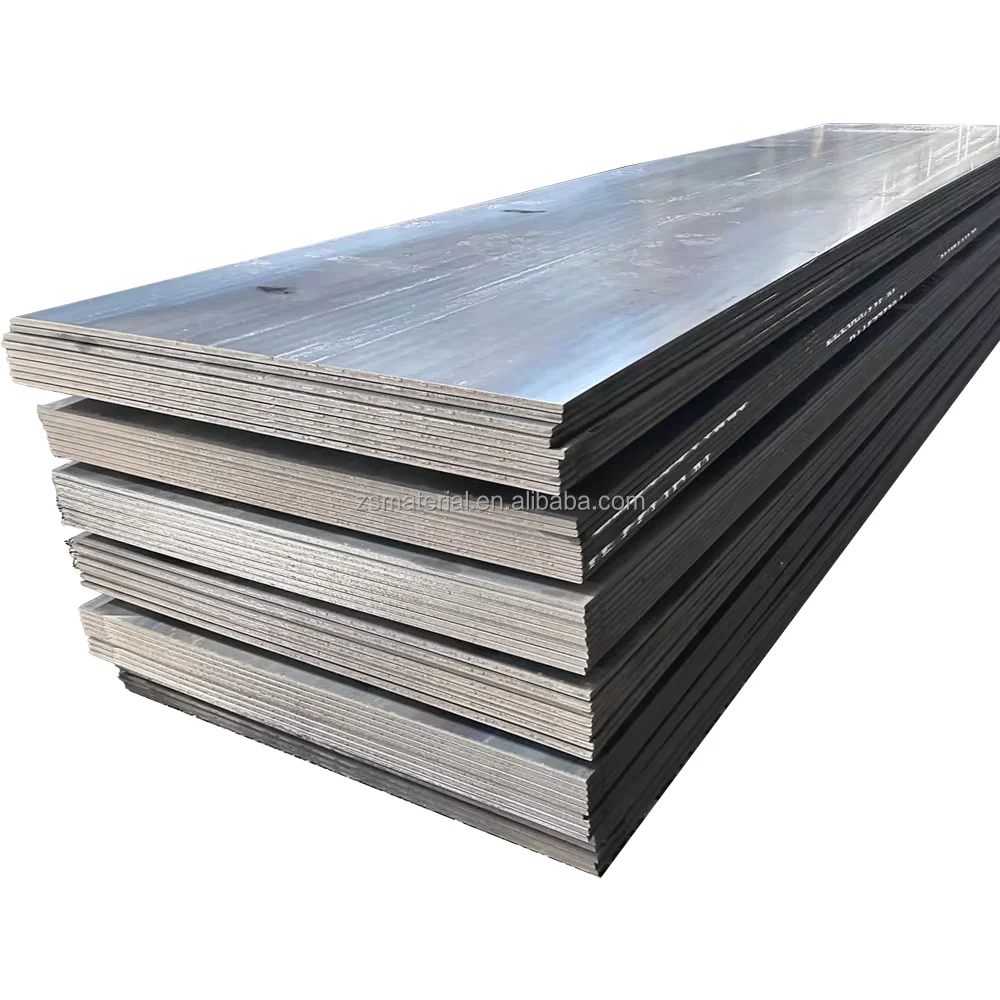
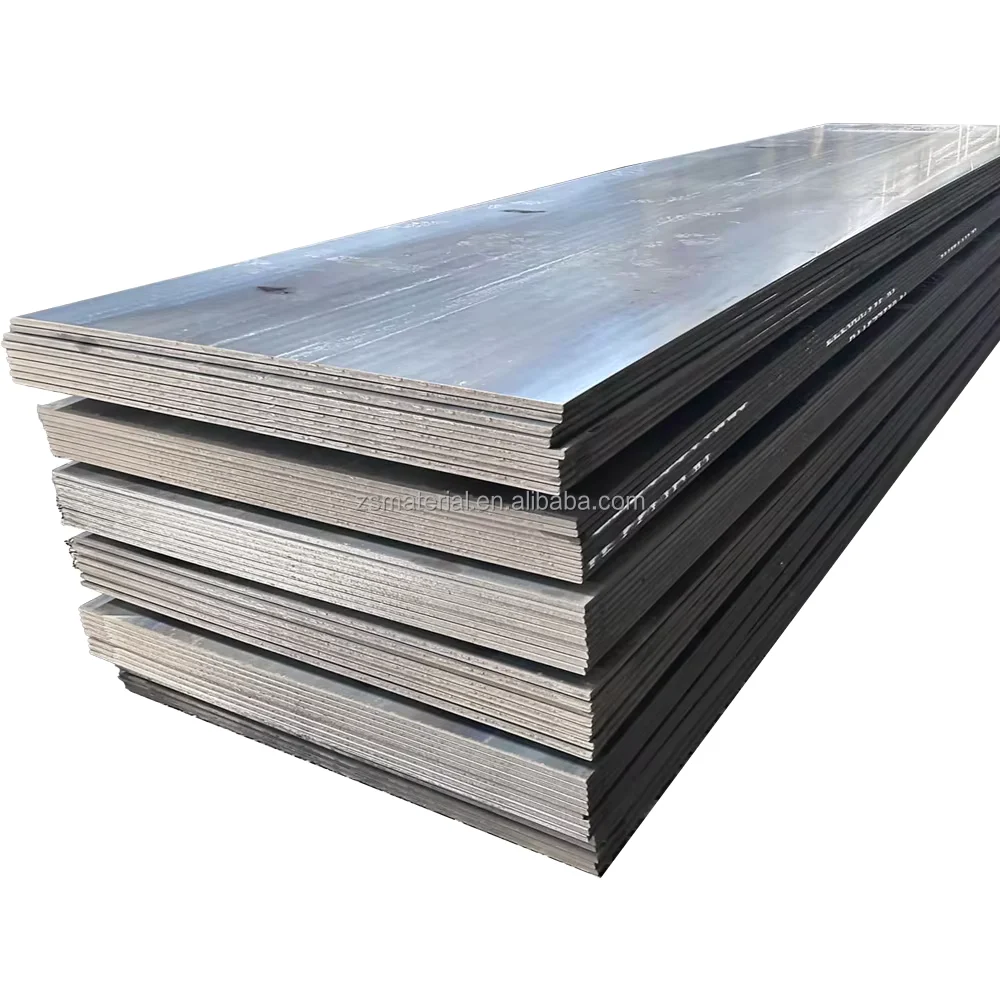
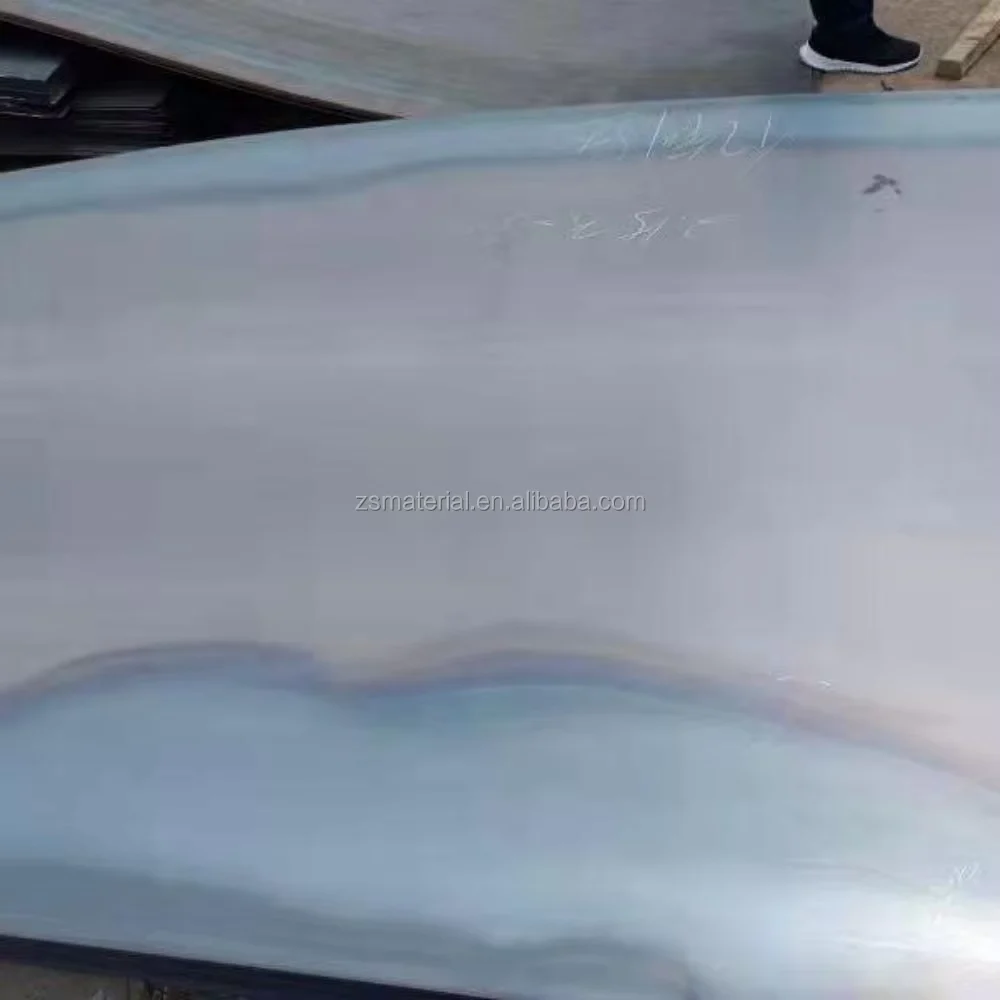
Hot rolled black surface plates develop a mill scale layer that provides short-term corrosion resistance during storage and transit. The hot rolling process at temperatures above recrystallization point produces uniform grain structure across the plate cross-section, critical for consistent bending and welding behavior. Thickness tolerance of ±1% means actual weight per square meter stays within engineering calculations — no hidden negative tolerance surprises that reduce load-bearing capacity. [NEED_CITE: hot rolled steel plate tolerance standards and weight calculation methods]
The Hidden Cost of Unverified Mill Certificates
Forged or incomplete mill test certificates trigger customs holds, project inspection failures, and contractual penalties. When structural engineers cannot verify heat number traceability back to chemical composition and mechanical test results, the entire material batch becomes liability. [NEED_CITE: mill test certificate verification requirements for structural steel imports] Choosing an ASTM A36 hot rolled carbon steel plate supplier with original MTC per piece eliminates re-inspection costs and project delays.
Why Procurement Teams Choose Our Plate Division
We operate as a dedicated plate and coil division with large ready stock across common specifications, meaning your 20mm A36 plates ship from inventory rather than waiting for mill rolling schedules. Every plate carries original mill test certificates with full heat number traceability — no broker substitutions. Custom cutting services include plasma and flame cutting, leveling, and blanking to your exact dimensions. Professional heavy cargo logistics teams handle flatbed, open-top container, and break-bulk shipping with proper dunnage and lashing to prevent edge damage during ocean transit. ISO 9001:2015 and CE certified facilities with SGS/BV third-party inspection available before loading.
Documentation & Compliance
- Mill test certificate documenting A36 chemical composition (carbon, manganese, silicon, sulfur, phosphorus) and mechanical properties (yield strength, tensile strength, elongation) per ASTM A36
- CE certificate confirming compliance with European pressure equipment and structural steel directives
- ISO 9001:2015 quality management system certificate covering plate processing and inspection procedures
- SGS or BV third-party inspection report verifying dimensional accuracy, surface condition, and marking before shipment
- Material traceability report linking each plate to its heat number, rolling schedule, and test coupon location
- Complete customs documentation including packing list, bill of lading, and certificate of origin for destination port clearance
Packaging, Loading & Delivery
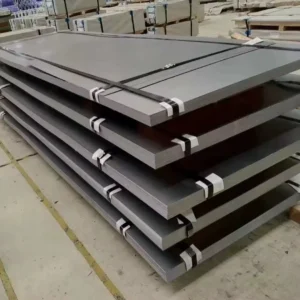
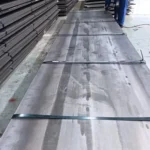
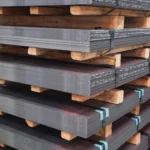
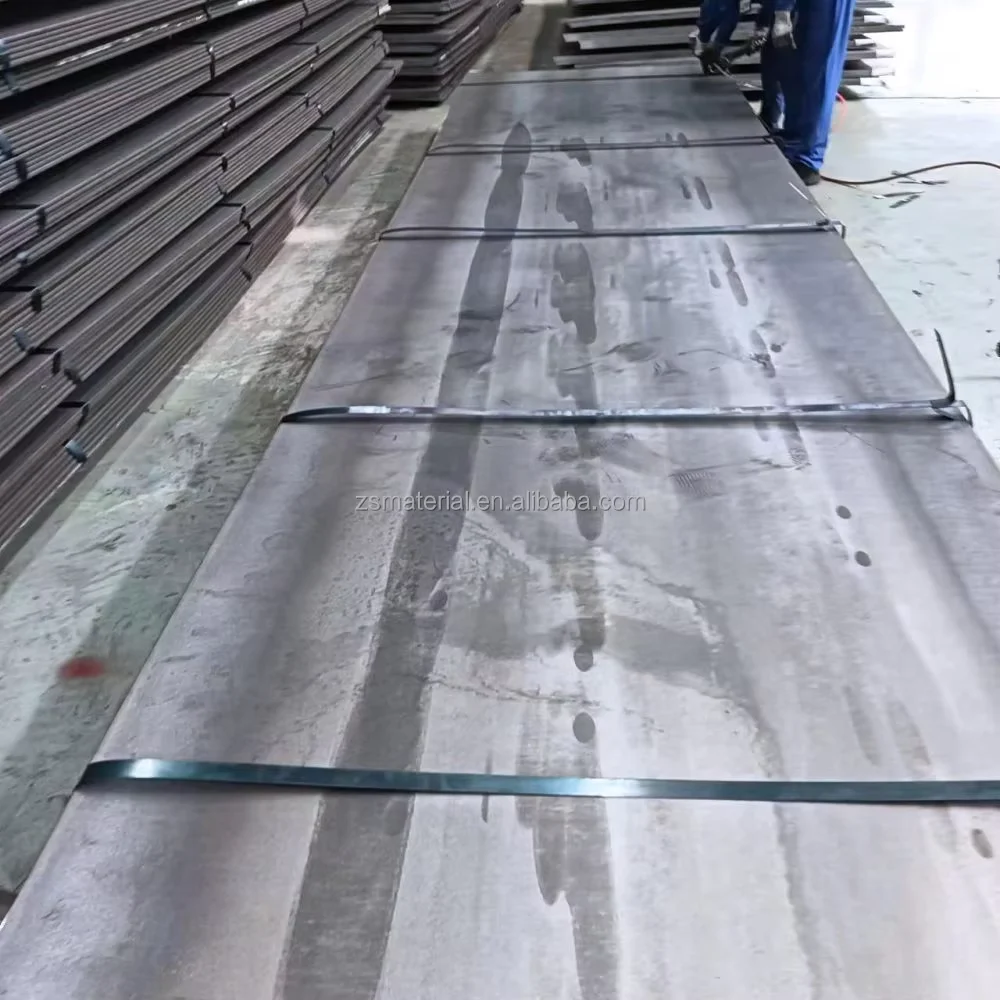
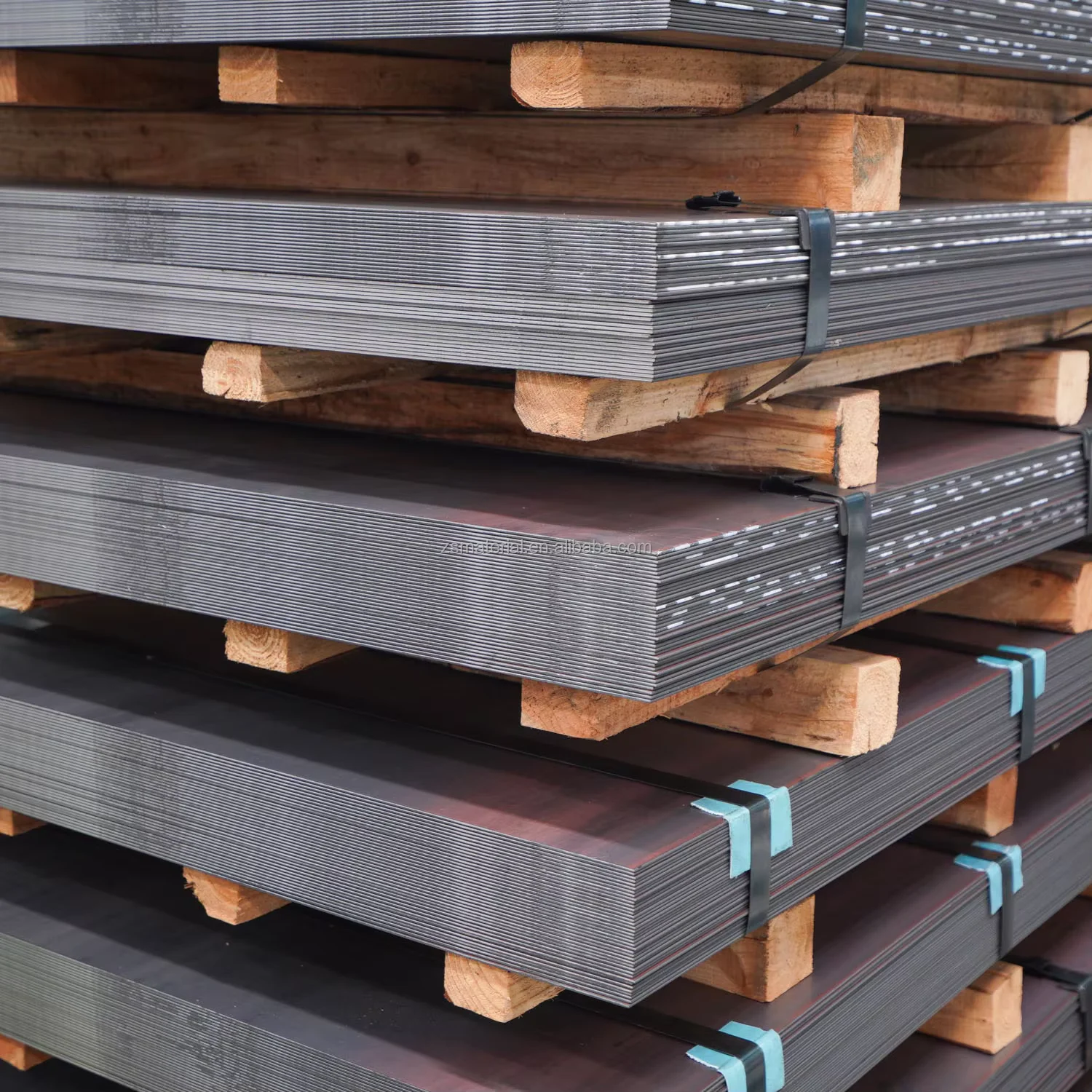
- Hot rolled black surface plates bundled with steel strips and edge protectors to preserve surface condition and prevent edge deformation during handling
- Heavy plate loading optimized for 20-foot containers with proper dunnage placement and weight distribution to avoid overweight penalties and port delays
- Custom cutting-to-size service available for plates requiring specific dimensions, reducing on-site waste and secondary processing time
- Heat number and steel grade marked on each plate surface with paint stencil for site identification and traceability verification
- FOB, CIF, and DDP shipping terms available with complete export documentation and real-time tracking until arrival at destination port
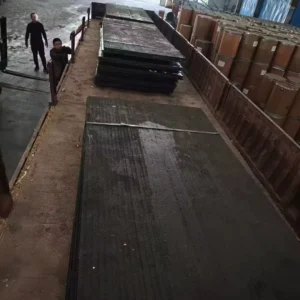
- Professional flatbed and open-top container loading experience for plates exceeding standard container height limits
Start Your Plate Procurement Process
Submit your specification sheet including steel grade, thickness, width, length, quantity, and destination port to receive a detailed quotation with material cost, processing fees, and shipping terms within 12 hours. We provide original mill test certificates before or with shipment for your quality verification, and our technical team confirms grade equivalence and cutting requirements before contract signing.
Request Your ASTM A36 Plate Quote with Mill Test Certificate
Send your specification details to admin@xjyplate.com or contact us via WhatsApp at +86 188 5315 7756 for immediate quotation and technical consultation.
Frequently Asked Questions
Q: What is the equivalence between ASTM A36, Q235, and SS400?
A: ASTM A36, GB Q235, and JIS SS400 share similar carbon and manganese ranges, but they are not automatically interchangeable. ASTM A36 requires minimum 36 ksi yield strength, Q235 requires 235 MPa yield, and SS400 requires 400 MPa tensile strength minimum. We provide chemical composition and mechanical test data for each heat number so your structural engineer can verify compliance with project specifications.
Q: How do you verify mill test certificates and prevent forged documents?
A: Every plate ships with original mill test certificates showing heat number, chemical composition, and mechanical test results. The heat number on the plate surface matches the certificate, allowing verification against mill records. SGS or BV third-party inspection is available before shipment for additional verification.
Q: What is the MOQ for custom cutting-to-size service?
A: The minimum order quantity is 10 tons for standard stock sizes. Custom cutting-to-size service is available with plasma or flame cutting, and processing fees depend on complexity and quantity. We provide detailed quotations including material cost and processing fees before contract signing.
Q: How do you control thickness tolerance and avoid negative tolerance practices?
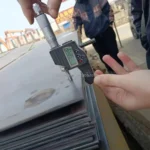
A: Our hot rolled plates maintain ±1% thickness tolerance across the 0.75–200 mm range. We do not practice hidden negative tolerance — actual thickness matches order specifications. Mill test certificates include dimensional inspection results, and third-party inspection can verify thickness before shipment.
Q: How do you handle heavy plate shipping and prevent damage during transit?
A: Professional heavy cargo logistics teams handle flatbed, open-top container, and break-bulk shipping. Proper dunnage placement, edge protectors, and steel strip bundling prevent plate slippage and edge deformation. Loading plans optimize container weight distribution to avoid overweight penalties and port delays.