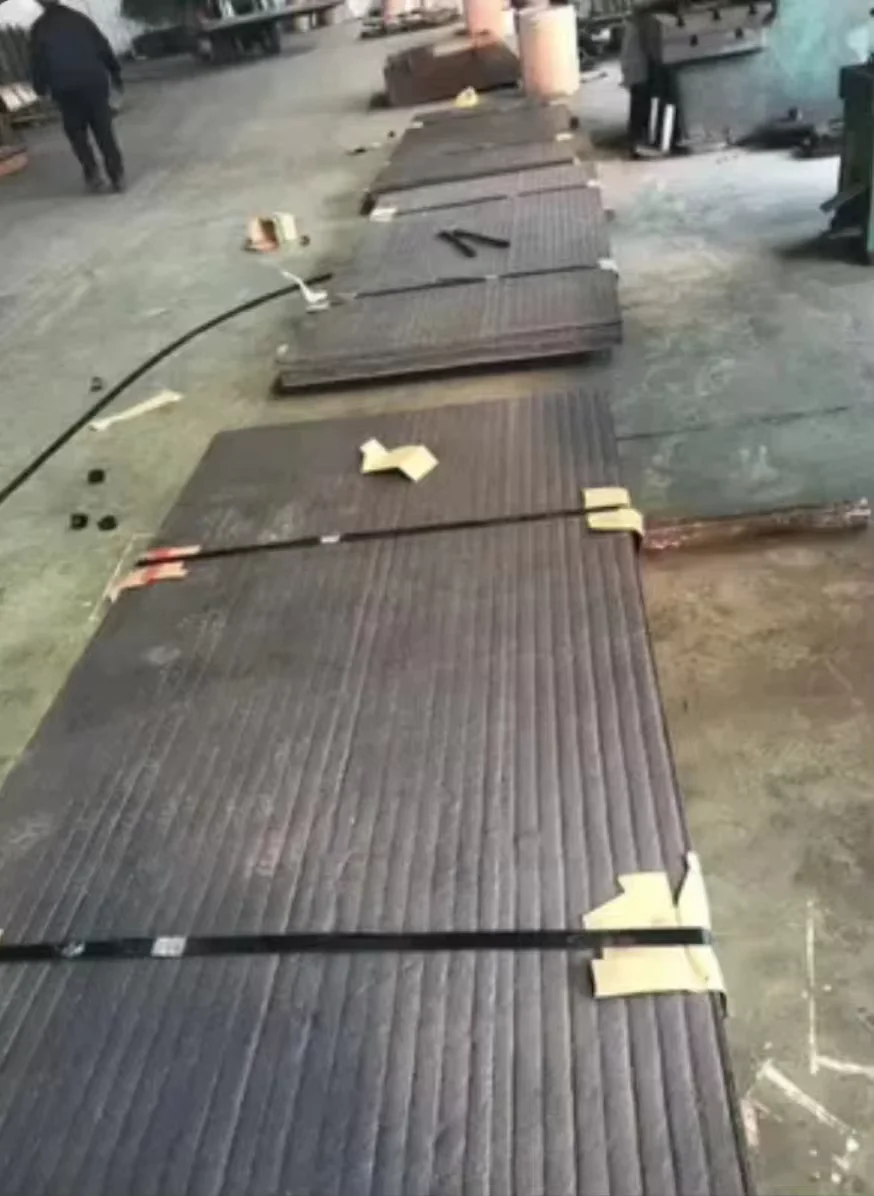
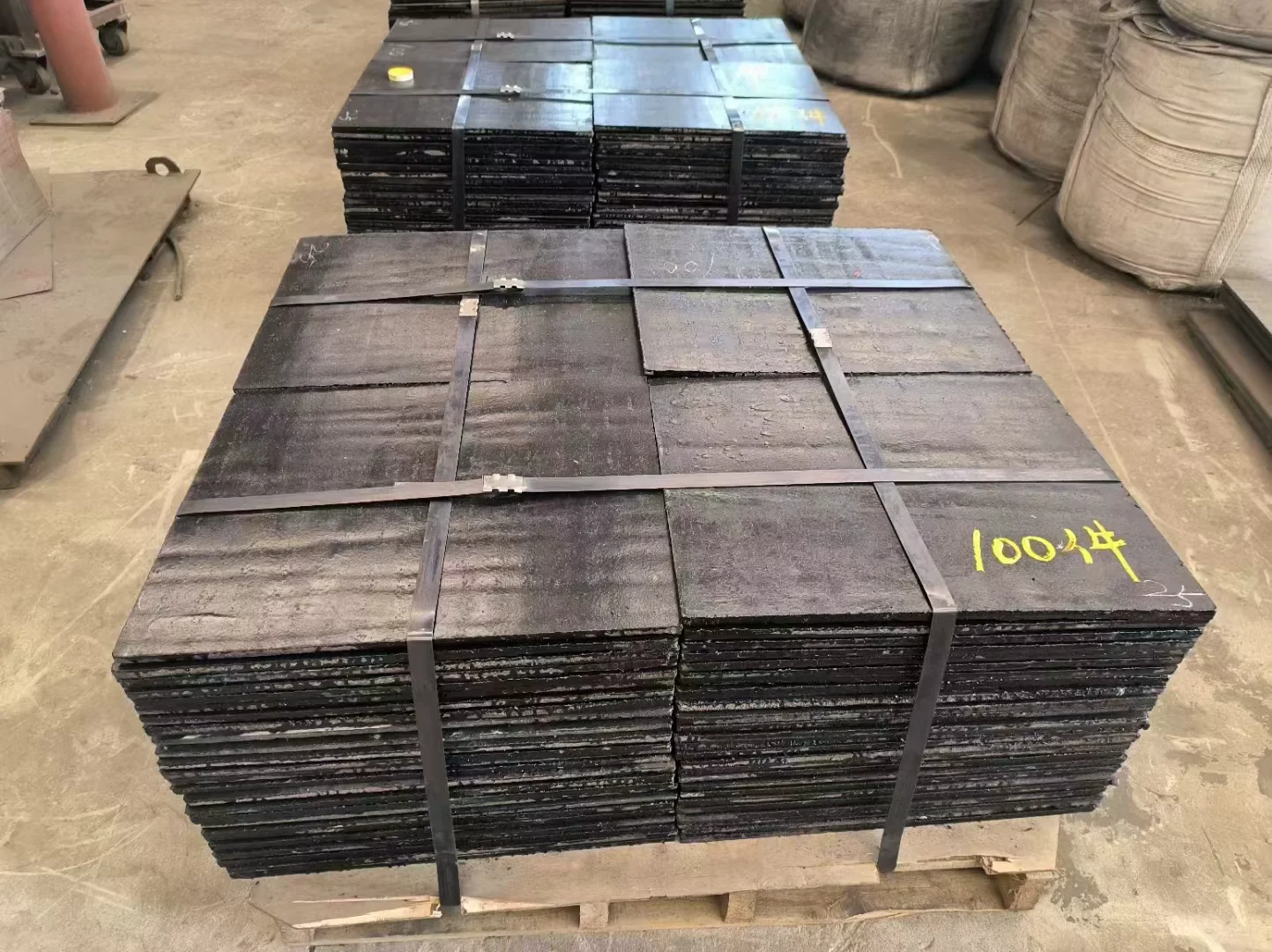
Description
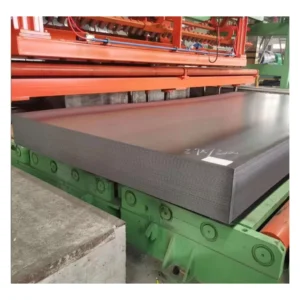
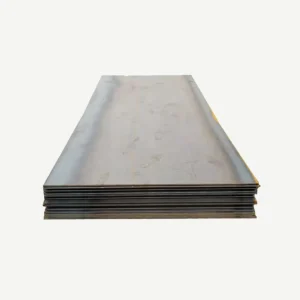
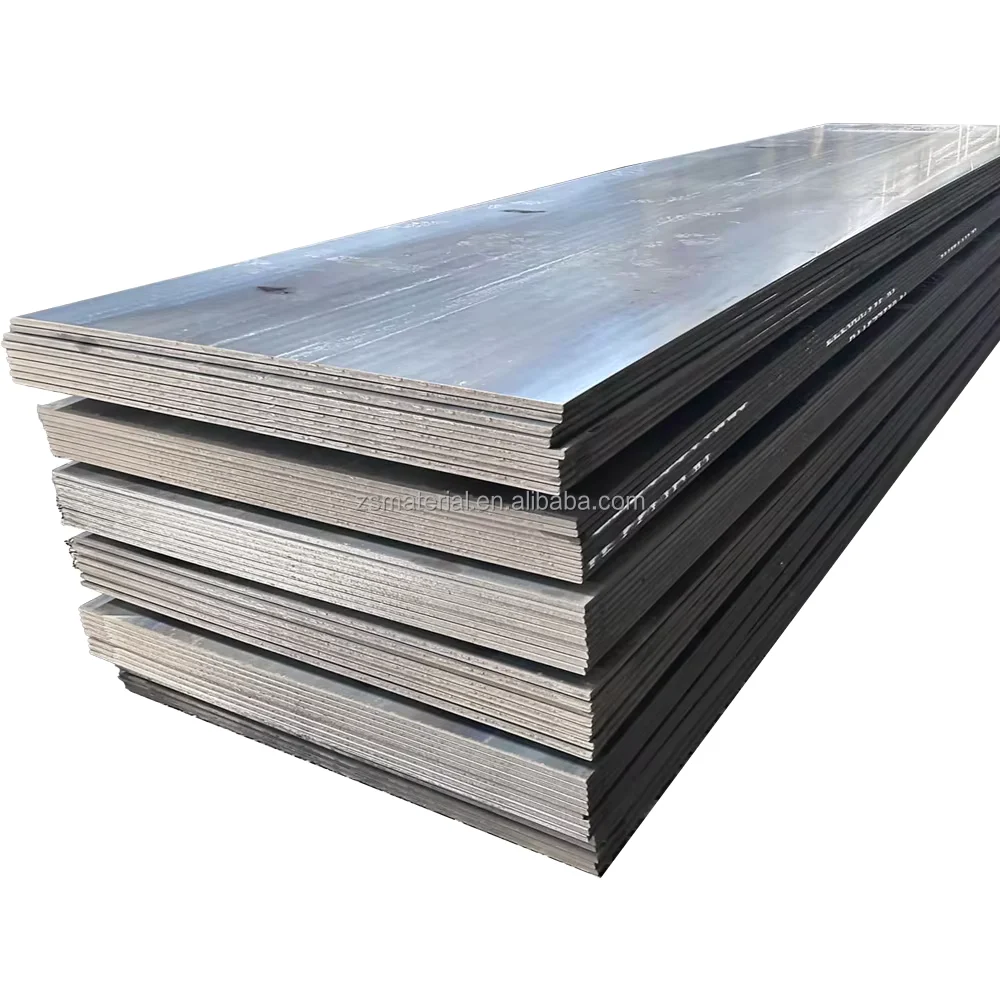
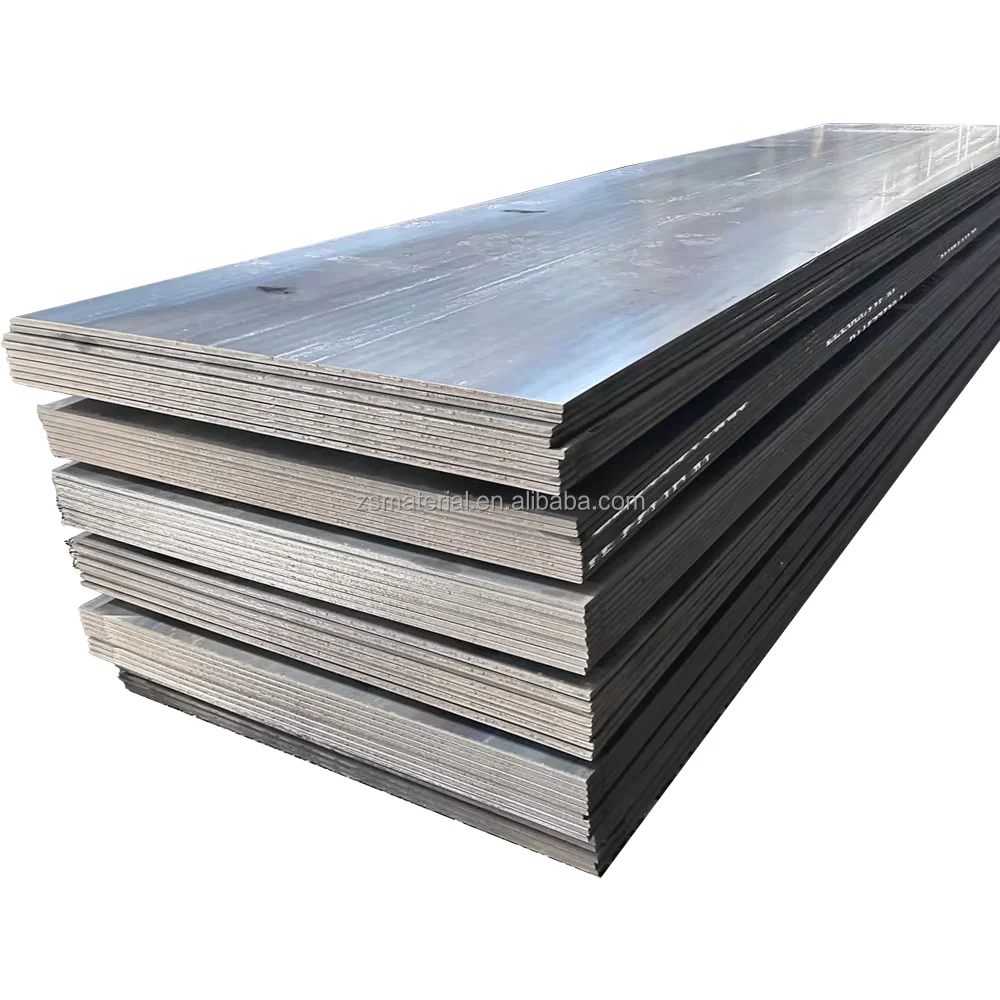
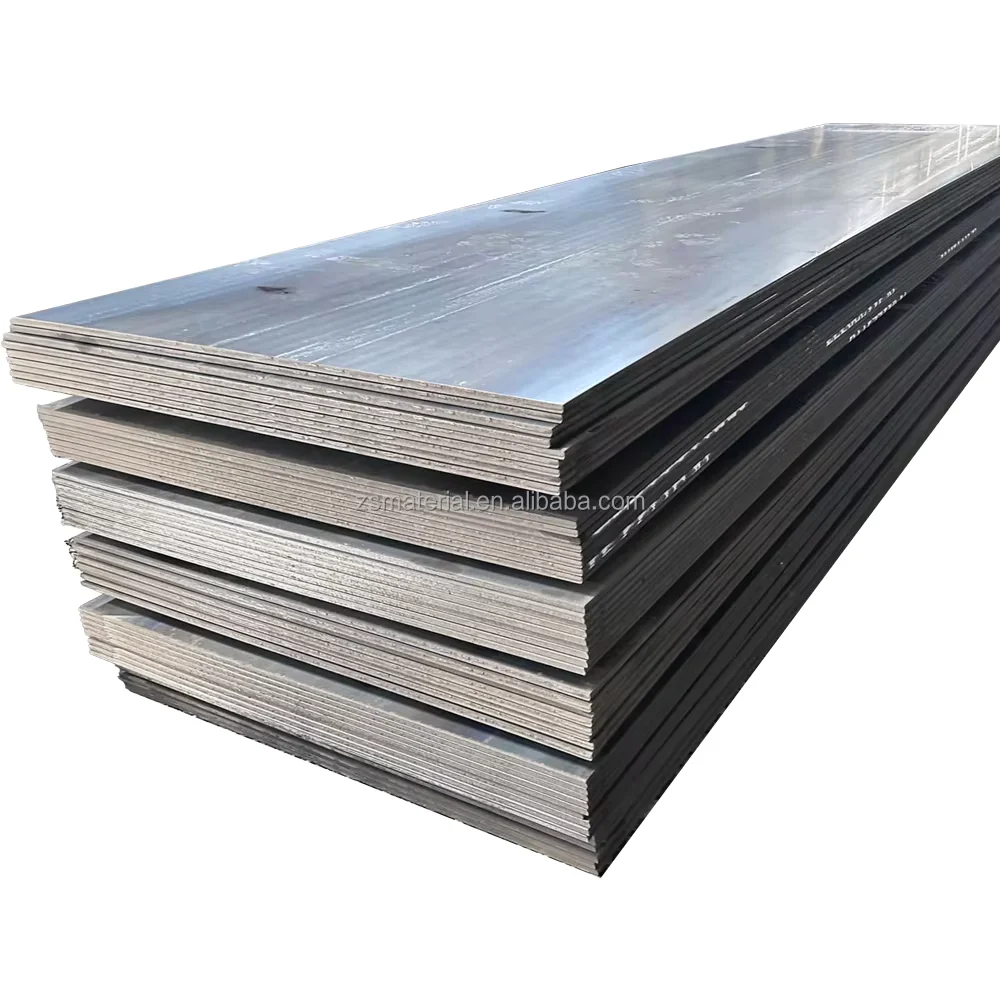
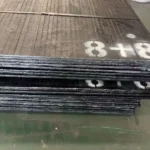
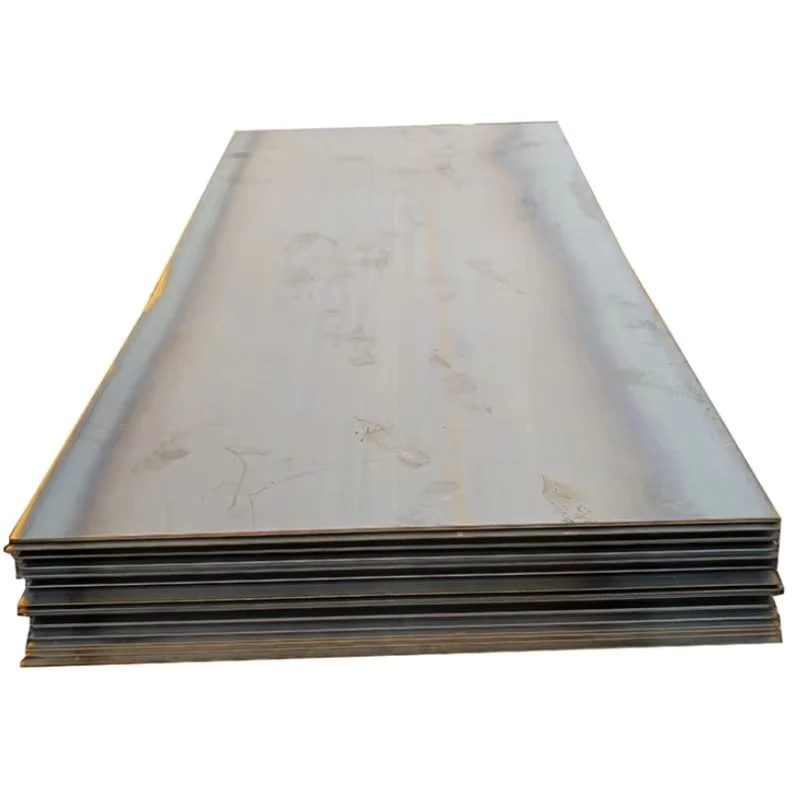
Direct Mill Supply for Wear-Resistant Plates — Every Q690 and AR400 plate shipped with original heat-number traceability and mill test certificates verified in-house before dispatch.
Technical Specifications
| Parameter | Value |
|---|---|
| Designation | Q690 / AR400 / Q235 Wear Resistant Steel Plate |
| Product Type | Steel Plate |
| Steel Grade | Q690, AR400, Q235 |
| Standard | AISI, GB (Q690, Q235), AR400 (industry wear-resistant grade) |
| Technique | Hot Rolled |
| Surface Treatment | Hot Rolled |
| Tolerance | ±1% |
| Application | Construction, Petrochemical, Machinery, Bending & Welding fabrication |
| Origin | China |
Application Suitability
| Industry | Typical Applications |
|---|---|
| Machinery | Excavator buckets, crusher liners, conveyor scraper blades, loader bucket floors |
| Construction | High-strength structural base plates, bridge gusset plates, heavy equipment frames |
| Petrochemical | Pressure vessel base plates, tank liner supports, pipe rack wear pads |
| Mining & Aggregates | Hopper liners, chute wear plates, screen deck panels |
Where Thickness Tolerance Decides Fabrication Accuracy on Wear-Resistant Orders
±1% hot-rolled tolerance keeps welding fit-up and bending radius consistent across every plate.
When procurement teams source Q690 AR400 wear resistant steel plate supplier options, the most frequent complaint is not the steel grade itself — it is the thickness deviation that arrives on site. A 20 mm plate that measures 18.6 mm at the edges forces welders to re-shim every joint. A supposedly flat AR400 liner that bows by 3 mm over a 2-meter span will not seat into a crusher frame without flame straightening. These are not cosmetic issues. They cascade into rework hours, delayed commissioning, and sometimes structural re-engineering.
Buyers also face grade confusion across standards. Q690 from Chinese mills, AR400 from international wear-resistant specifications, and Q235 for general structural backing — each serves a different role, yet suppliers often substitute without disclosure. Missing or inconsistent mill test certificates make it impossible to verify heat numbers, chemical composition, or mechanical properties before the plate hits the workshop floor [NEED_CITE: steel grade equivalence between GB, EN, and ASTM systems for high-strength plates].
Matching Plate Grades to Abrasion and Structural Demands
A Q690 AR400 wear resistant steel plate supplier who understands application context will separate high-strength structural needs from pure abrasion resistance. Q690 delivers high yield strength for load-bearing frames in excavators and cranes, where the plate must resist deformation under cyclic stress. AR400 targets sliding abrasion environments — conveyor chutes, hopper liners, and crusher components — where surface hardness extends service life. Q235 serves as backing or non-critical structural plates where weldability and formability matter more than hardness. Hot-rolled processing ensures the grain structure supports both bending and welding without pre-heating in most thickness ranges.
Engineering Compliance and Certification Requirements
Wear-resistant plates in structural applications must comply with project-specific engineering codes. For European projects, CE marking and EN standard conformity are mandatory for customs clearance and site acceptance [NEED_CITE: EN 10219 and CE marking requirements for structural steel plates]. North American buyers often require ASTM equivalence documentation. Every plate in this range ships with original mill test certificates documenting chemical composition and mechanical properties per the relevant standard. Third-party inspection through SGS or BV is available before shipment, providing independent verification of heat numbers and dimensional accuracy. The ±1% thickness tolerance is verified through ultrasonic measurement reports included with delivery documentation.
Understanding Hot-Rolled Wear Plate Metallurgy
Hot-rolled processing heats steel above its recrystallization temperature, then passes it through rollers to achieve target thickness. For Q690, controlled rolling and accelerated cooling produce a fine-grained microstructure that delivers high yield strength without sacrificing weldability. AR400 achieves its surface hardness through carbon and manganese alloying combined with quenching and tempering after rolling — the “400” indicates Brinell hardness range, not tensile strength. Q235, as a mild carbon steel, offers excellent formability and weld penetration for backing plates and non-wearing structural members. The hot-rolled surface retains a mill scale layer that provides short-term corrosion resistance during storage and transit but requires removal before painting or galvanizing.
The Hidden Cost of Unverified Wear Plate Procurement
Ordering Q690 AR400 wear resistant steel plate supplier stock without verified documentation creates downstream risk that far exceeds the initial price difference. Plates with forged or mismatched heat numbers fail third-party inspection at the destination port, triggering customs holds and demurrage charges. Negative tolerance abuse — where a 20 mm nominal plate consistently delivers 18.8 mm — reduces load-bearing capacity below engineering calculations, creating safety liability. In abrasion applications, hardness values below specification mean liners wear through in half the expected service life, forcing unplanned shutdowns for replacement. The cost of a single crane boom failure or crusher liner blowout dwarfs any savings from unverified sourcing [NEED_CITE: consequences of substandard wear plate in heavy machinery applications].
Why Fabricators and EPCs Source Wear Plates Through XJY Plate
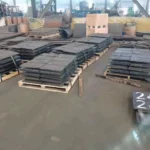
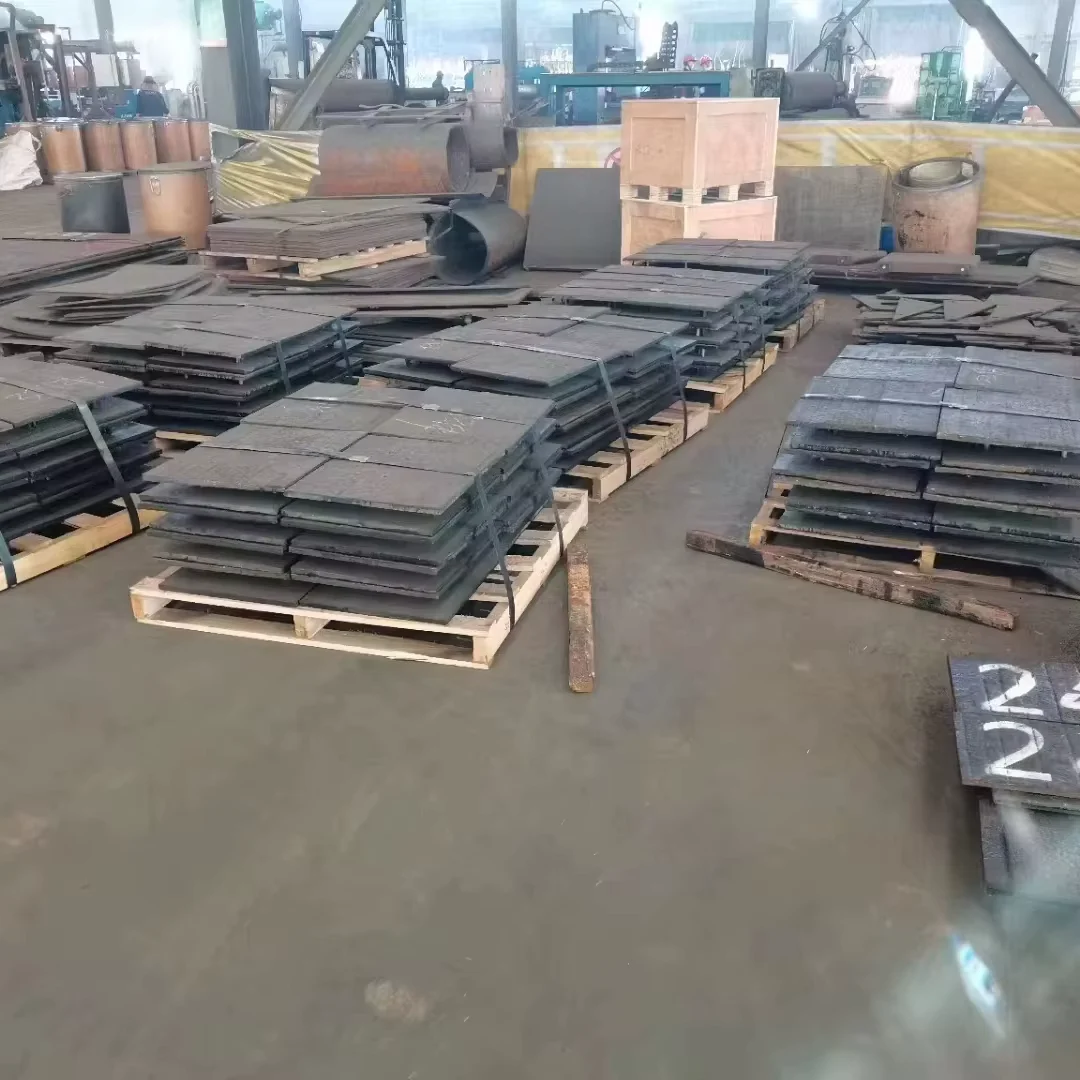
Every plate in our Q690, AR400, and Q235 inventory undergoes in-house chemical and mechanical verification before release — a practice established after early shipments revealed discrepancies between mill paperwork and actual plate properties. We maintain ready stock across common thicknesses and widths, eliminating the full-coil minimums that force small fabricators to over-order. Custom cutting to size through plasma and flame processes reduces your workshop waste and handling time. Each shipment includes original mill test certificates with full heat-number traceability, and we arrange SGS or BV third-party inspection for projects requiring independent verification. Our logistics team specializes in heavy cargo loading — flatbed, open-top container, and break-bulk — ensuring plates arrive without edge damage or overweight penalties.
Documentation & Compliance
- Mill test certificate documenting Q690 chemical composition, carbon equivalent, and yield strength per GB/T 16270
- AR400 hardness test report confirming Brinell hardness range and through-thickness consistency
- Q235 material certificate showing tensile strength and elongation per GB/T 700
- ISO 9001:2015 quality management certification covering plate processing and inspection
- SGS or BV third-party inspection report available upon request for project-specific verification
- Full export documentation including packing list, bill of lading, and certificate of origin
Packaging, Loading & Delivery
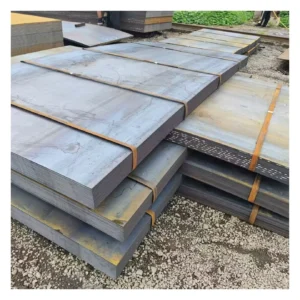
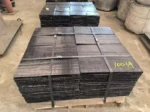
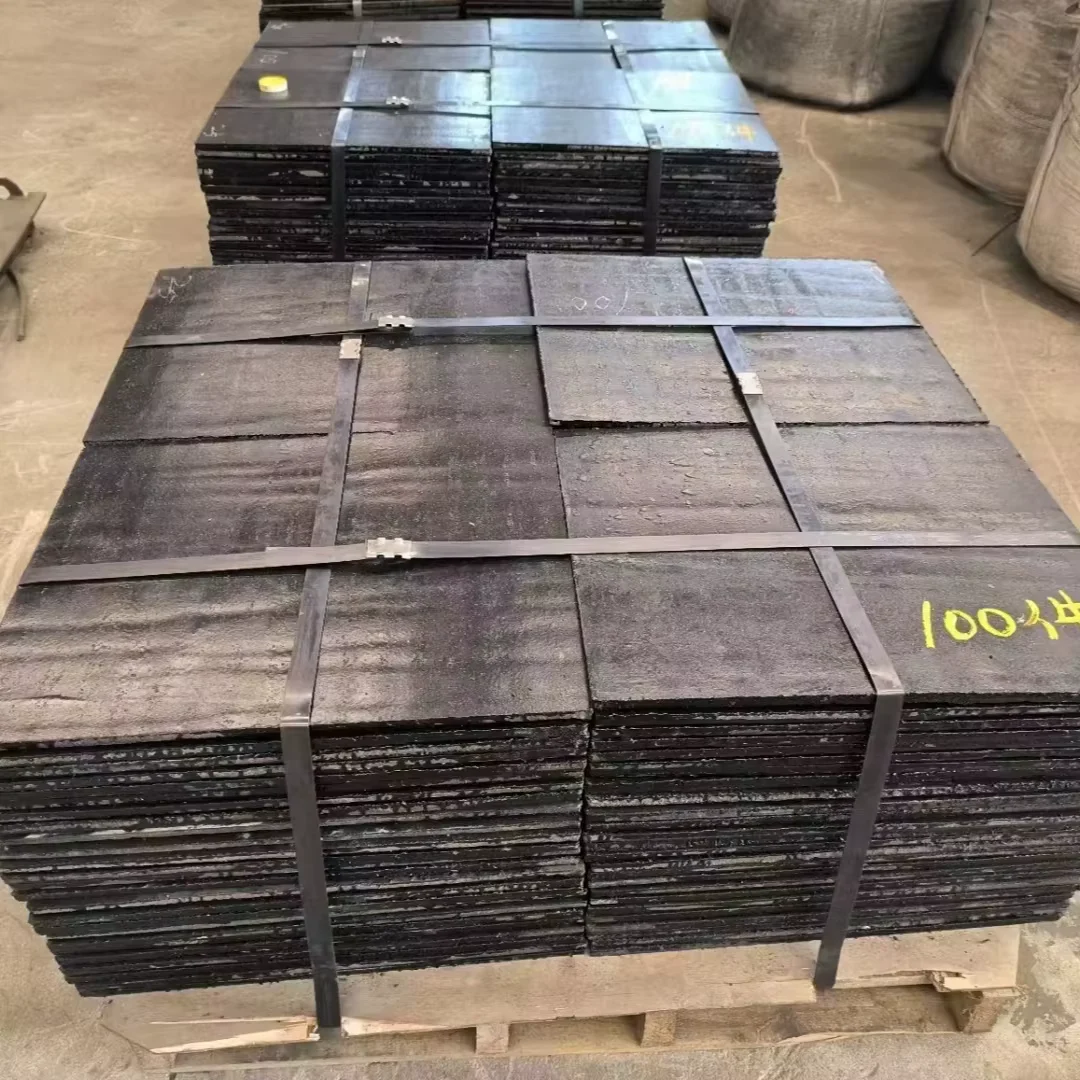
- Hot-rolled Q690 and AR400 plates bundled with steel straps and edge protectors to prevent coating damage and edge deformation during ocean transit
- Q235 structural plates stacked with timber separators to maintain flatness and allow forklift access at destination
- Custom cut-to-size plates wrapped in waterproof paper and secured on steel pallets for container loading
- Heavy plate orders shipped via open-top container or break-bulk vessel with professional lashing to prevent shifting
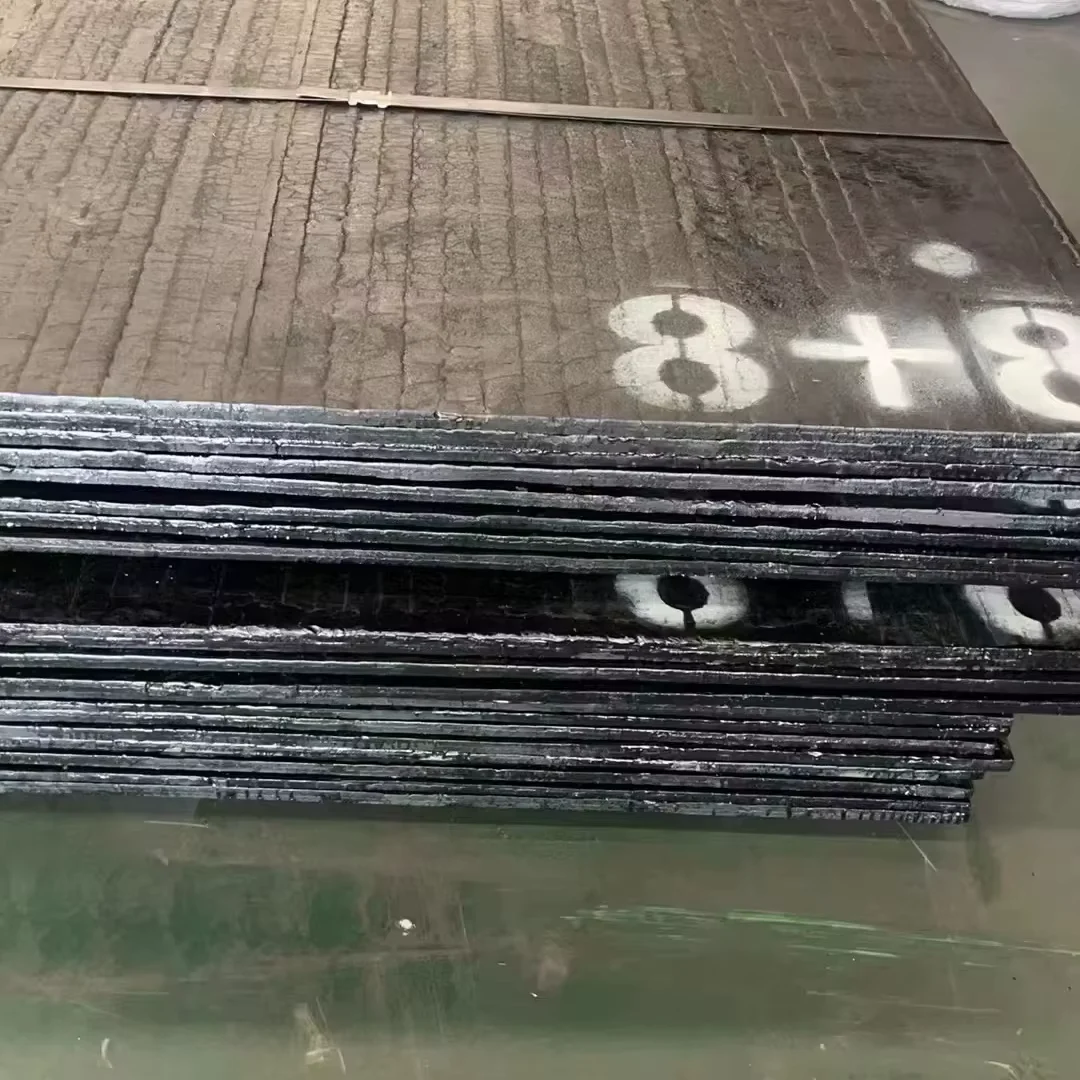
- Each plate marked with heat number, steel grade, and dimensions for on-site traceability verification
- FOB, CIF, and DDP terms available with full export documentation and real-time shipment tracking
Start Your Wear Plate Procurement with Verified Documentation
Submit your specification sheet — including steel grade, thickness, width, length, quantity, and destination port — to receive a detailed quotation with material costs, processing fees, and shipping terms. We provide original mill test certificates for your review before shipment confirmation, and third-party inspection can be arranged for project-critical orders.
Request Q690 AR400 Wear Resistant Steel Plate Quotation
Send your specifications to admin@xjyplate.com or contact via WhatsApp at +86 188 5315 7756 for pricing, mill test certificate review, and delivery scheduling.
Frequently Asked Questions
Q: What is the equivalence between Q690, AR400, and international standards like EN or ASTM?
A: Q690 is a Chinese high-strength low-alloy steel grade under GB/T 16270, roughly equivalent to S690QL under EN 10025-6. AR400 is an industry-standard wear-resistant grade indicating Brinell hardness range, comparable to NM400 in Chinese standards. We provide cross-reference documentation and can source plates meeting specific international equivalents based on your project requirements.
Q: Can you provide mill test certificates and arrange third-party inspection?
A: Yes. Every plate ships with original mill test certificates documenting chemical composition, mechanical properties, and heat numbers. We arrange SGS or BV third-party inspection before shipment for projects requiring independent verification. Inspection reports include dimensional measurements, hardness testing, and visual examination.
Q: What is the minimum order quantity for cut-to-size wear resistant plates?
A: We accept small-lot orders for cut-to-size plates without the full-coil minimums required by many mills. Specific MOQ depends on thickness and dimensions — contact us with your cutting list for exact requirements and pricing.
Q: How do you ensure thickness tolerance and flatness for hot-rolled plates?
A: All plates are verified against ±1% thickness tolerance through ultrasonic measurement before shipment. Flatness is checked per standard mill practice, and dimensional inspection reports are included with delivery documentation. Plates showing deviation beyond tolerance are rejected before release.
Q: What shipping methods are available for heavy steel plates?
A: We offer flatbed truck delivery for domestic and nearby regional orders, open-top container loading for standard international shipments, and break-bulk vessel charter for oversized or heavy plate orders. Our logistics team plans loading sequences to prevent edge damage and ensure weight distribution compliance.