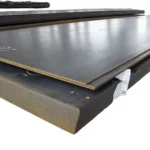
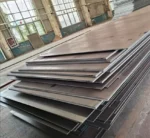
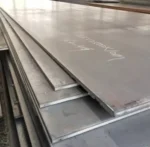
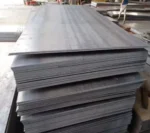
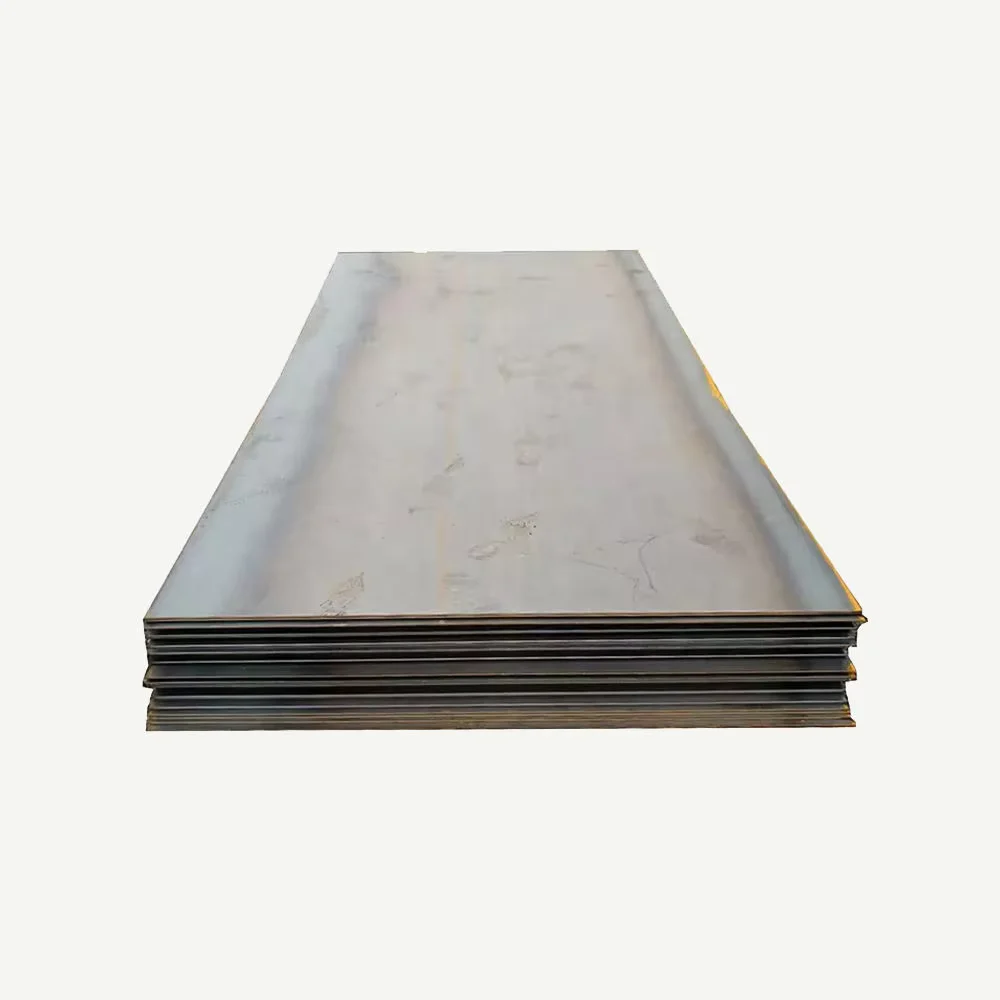
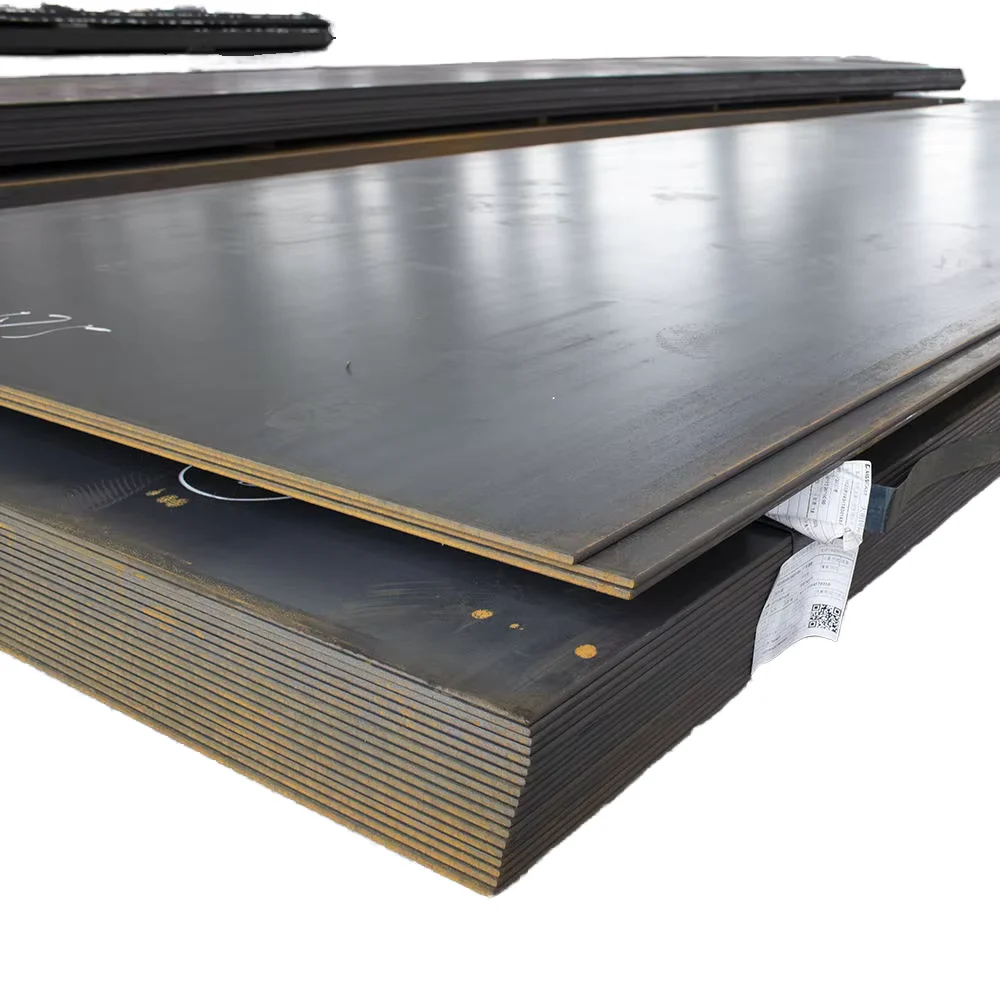
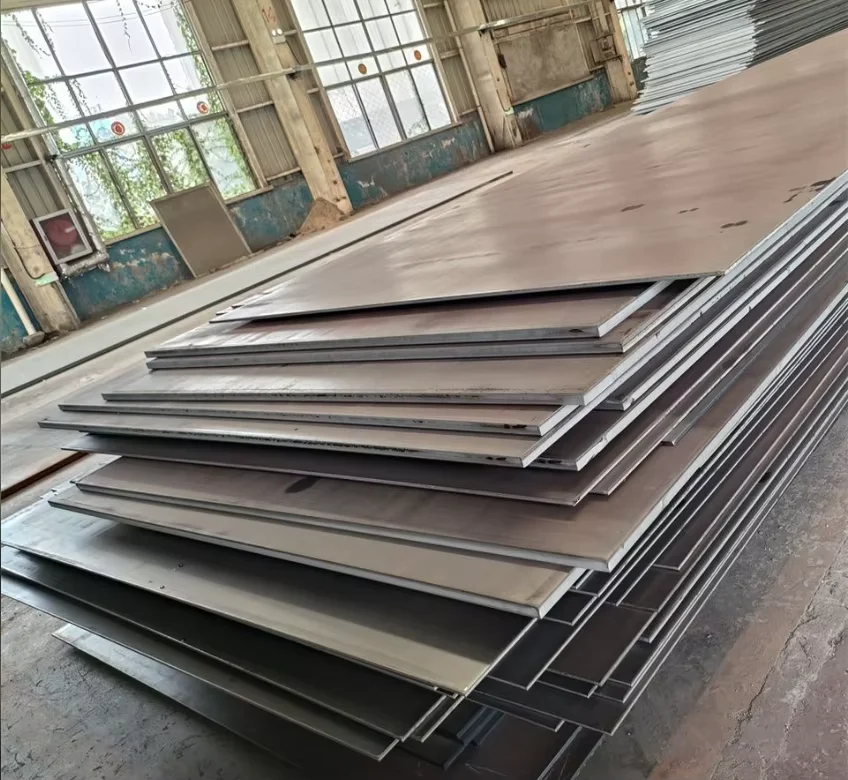
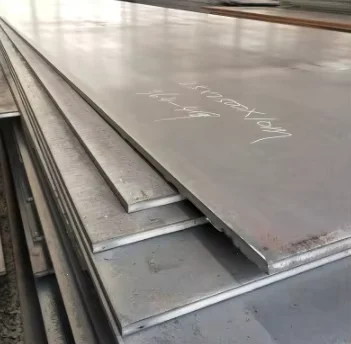
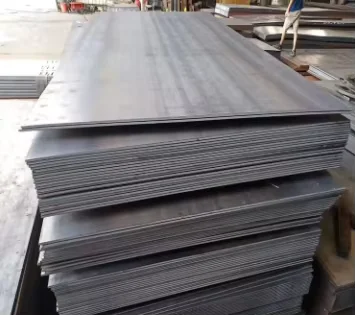
Description
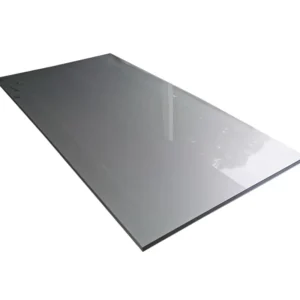
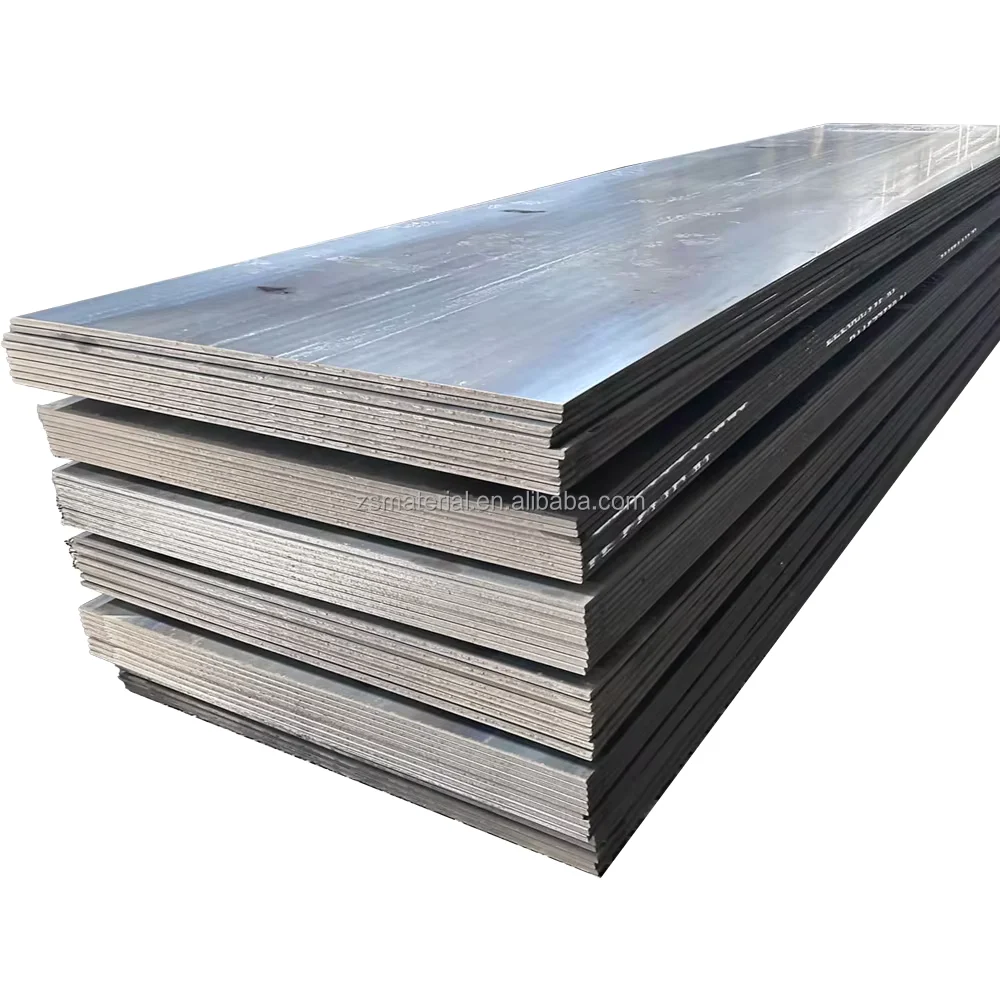
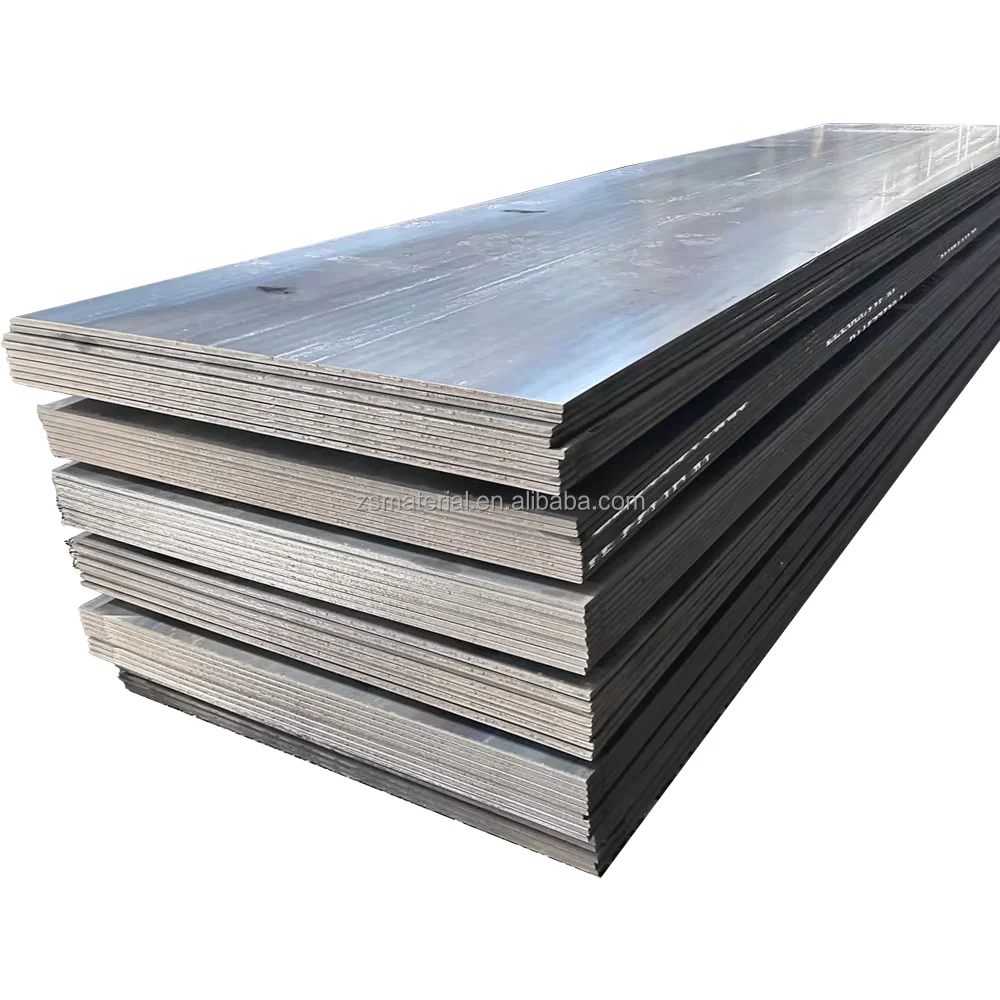
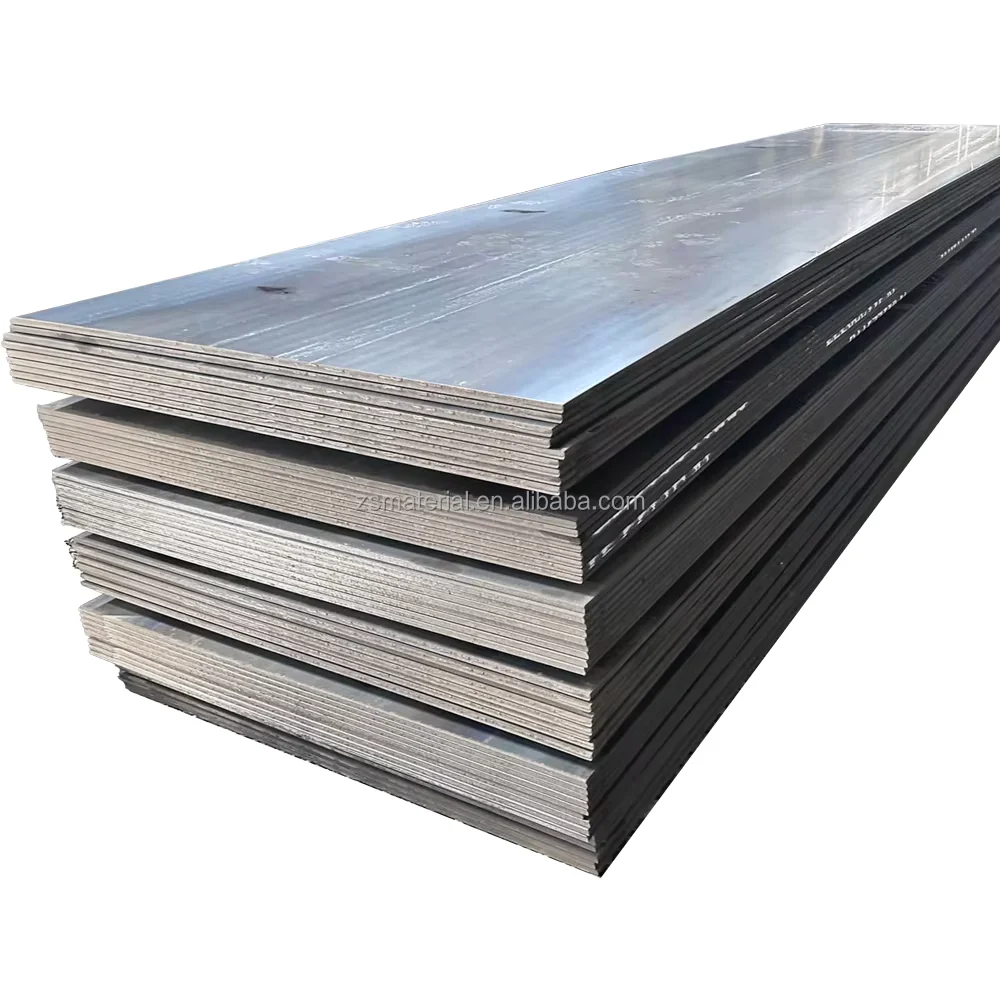
Factory-direct hot rolled plate supply — every Q235, A36, and S355JR plate leaves our yard with ultrasonic thickness verification and original mill test certificates before loading.
Technical Specifications
| Parameter | Value |
|---|---|
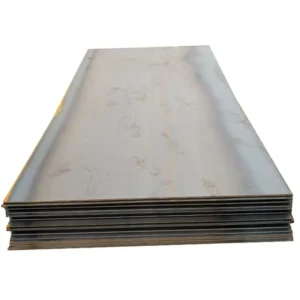
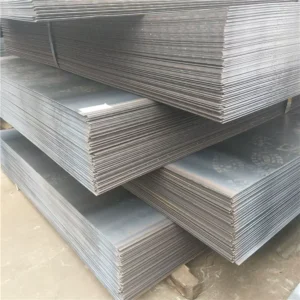
| Designation | Carbon Steel Plate Hot Rolled |
| Product Type | Steel Plate |
| Steel Grade | Q235, Q345, SS400, A36, S235JR, S275JR, S355JR, St37-2, Q195, Q460, SS330, SS540, 08KP, 08YU, ST12, ST13, ST14, SPHC, SPHD, SPHE |
| Standard | AISI, ASTM, BS, DIN, GB, JIS |
| Section Shape | Flat plate |
| Size Range | Thickness 0.35–200 mm, Width 1000–2500 mm, Length 2000–12000 mm |
| Technique | Hot Rolled |
| Surface Treatment | Black |
| Tolerance | ±1% |
| Processing Service | Bending, Welding, Decoiling, Cutting, Punching |
| Material | Low Carbon Steel |
| Application | Shipbuilding, construction, petrochemical, machinery manufacturing, transportation, structural fabrication, pressure vessels, bridges |
| MOQ | 28 Ton |
| Origin | China |
Application Suitability
| Industry | Typical Applications |
|---|---|
| Shipbuilding & Offshore | Deck plating, hull structural members, bulkhead fabrication for commercial and offshore vessels |
| Construction & Infrastructure | Beam-to-column connection plates, base plates for high-rise steel frames, bridge girder splice plates |
| Petrochemical & Pressure Vessels | Tank shell plates, boiler end caps, heat exchanger support saddles |
| Machinery & Transportation | Crane boom side plates, conveyor frame gussets, truck chassis cross-members |
| Structural Fabrication | Column base plates, moment connection plates, bracing gussets for industrial warehouses |
What Hidden Thickness Deviation Costs on a 200 mm Structural Plate Order
A 0.7 mm negative tolerance on a 5 mm plate is not a rounding error — it is a failed welding fit-up that stalls an entire beam assembly line.
I once watched a container of 5 mm S355 hot rolled plates sit in a Vietnamese fabricator’s yard for two weeks. The mill had run heavy negative tolerance — actual gauge came in at 4.3 mm. Their welding fit-up failed on the beam assembly because the design assumed full nominal thickness. Rework meant cutting new plates, re-qualifying weld procedures, and paying demurrage. Now I personally check thickness with an ultrasonic gauge before every shipment leaves our yard. Buyers sourcing ASTM A36 S235 S355 hot rolled carbon steel plate supplier materials from multiple vendors without verified tolerance documentation face this exact risk on every order. [NEED_CITE: thickness tolerance standards for hot rolled steel plate per ASTM A6]
Matching Plate Thickness and Grade to Structural Load Paths
When a structural engineer specifies S355JR for a moment-resisting frame, the plate must deliver consistent yield behavior across the full 2500 mm width — not just at the sample coupon location. Our hot rolled plates in thicknesses from 6 mm to 200 mm are cut and leveled to match fabrication drawings, so weld prep edges land on solid metal with uniform grain flow. For shipbuilding applications requiring marine-grade traceability, we supply plates with full heat-number documentation that satisfies classification society requirements. Every ASTM A36 S235 S355 hot rolled carbon steel plate supplier order we ship includes dimensional inspection reports confirming width, length, and flatness before the plate ever touches a container floor.
Engineering Code Compliance and Certification Requirements
Structural plates for EU-bound projects must conform to EN 10025 grading and carry CE marking for customs clearance, while North American fabricators require ASTM A36 or A572 documentation that aligns with AISC design tables. [NEED_CITE: EN 10025 hot rolled structural steel product standard requirements] Pressure vessel plates face additional scrutiny — mill test certificates must document chemical composition and mechanical properties per heat number, and third-party inspection by SGS or BV is often a contractual prerequisite. Our plates in grades Q235 through Q460, A36, S235JR through S355JR, and SS400 are produced under ISO 9001:2015 quality systems with Lloyd’s CE certification available, ensuring that the documentation package matches the steel grade on the plate.
Decoding the Hot Rolled Process and Multi-Standard Grade Coverage
Hot rolling produces a mill scale surface that provides short-term corrosion resistance during transit and fabrication, while the through-thickness grain structure developed during high-temperature deformation delivers the ductility needed for bending and welding. The grade range we stock — from Q235 and St37-2 at the lower strength end through S355JR and Q460 at the higher end — maps directly to international standard equivalence: Q235 aligns with ASTM A36 and S235JR for general structural use, while Q345 corresponds to ASTM A572 Gr50 and S355JR for higher-load applications. [NEED_CITE: steel grade equivalence mapping between GB EN ASTM JIS standards] Width capability up to 2500 mm means fewer longitudinal weld seams in tank fabrication and bridge deck construction, reducing both welding cost and inspection burden. The ±1% thickness tolerance we maintain across the 0.35–200 mm range ensures that design calculations based on nominal dimensions remain valid at the fabrication stage.
The Real Price of Unverified Mill Test Certificates
Plates arriving without traceable heat numbers or with forged MTC documents create cascading failures: customs holds due to missing CE or ASTM documentation, weld procedure disqualification when actual chemistry deviates from the declared grade, and structural rejection during final inspection when ultrasonic testing reveals laminations that should have been caught at the mill. [NEED_CITE: consequences of non-conforming steel plate in structural construction] An ASTM A36 S235 S355 hot rolled carbon steel plate supplier who cannot provide original mill test certificates with verifiable heat numbers is not selling steel — they are selling liability. Our documentation chain runs from the rolling mill’s chemistry lab through our own ultrasonic thickness verification to the final loading survey, with every plate identifiable by heat number from receipt to installation.
Why Fabricators and Shipyards Source From Our Plate Division
We operate a dedicated plate and coil division with large ready stock in Q235, A36, S235JR, S355JR, SS400, and Q345 across thicknesses from 0.35 mm to 200 mm, so your fabrication schedule does not wait for mill rolling windows. Every plate is ultrasonically thickness-checked before dispatch — a practice born from watching fit-up failures on project sites across Southeast Asia. Custom cutting by plasma or flame, leveling, and blanking to your exact fabrication dimensions eliminates secondary processing at your workshop. Our logistics team handles flatbed, open-top container, and break-bulk loading for heavy plates, with load plans that prevent overweight penalties and transit damage. ISO 9001:2015 and Lloyd’s CE certification back every shipment, and SGS or BV third-party inspection is arranged on request. Full traceability from heat number to bill of lading means your quality department receives a documentation package that satisfies any auditor.
Documentation & Compliance
- Mill test certificate documenting chemical composition and mechanical properties per heat number for Q235, A36, S235JR, S355JR, and SS400 grades
- ISO 9001:2015 quality management certificate covering hot rolled plate production and processing
- Lloyd’s CE certificate for structural steel plate conforming to EN 10025 for EU market delivery
- SGS or BV third-party inspection report verifying dimensions, surface quality, and mechanical test results
- Material traceability sheet linking each plate to its original heat number and rolling schedule
- Export documentation package including packing list, bill of lading, and certificate of origin for customs clearance
Packaging, Loading & Delivery
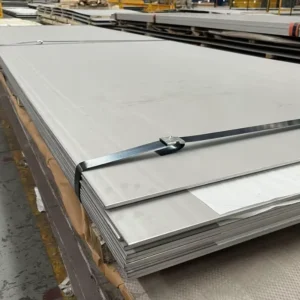
- Hot rolled black surface plates bundled with steel strips and edge protectors to prevent mill scale damage and edge deformation during ocean transit
- Cut-to-size plates separated by wooden spacers within the bundle to avoid surface scratching and facilitate unloading at the fabrication shop
- Container loading plans optimized for 20 ft and 40 ft open-top units, with weight distribution calculated to avoid overweight penalties on plates up to 200 mm thickness
- Length customization from 2000 mm to 12000 mm to match standard container internal dimensions and minimize off-cut waste
- Each plate marked with heat number, steel grade, and thickness at both ends for yard identification and traceability verification
- FOB, CIF, and DDP shipping terms available with professional heavy cargo logistics including flatbed and break-bulk options for oversized plate orders
Getting Your Plate Order Quoted and Verified
Submit your specification sheet with steel grade, thickness, width, length, quantity, and destination port — we respond within 12 hours with a detailed quotation covering material cost, any cutting or processing fees, and shipping terms. If your project requires non-standard dimensions or specific classification society approval, share the drawing and we confirm feasibility with a processing plan before you commit. We provide original mill test certificates for your quality team’s review before or with shipment, so there are no documentation surprises at customs or on the fabrication floor.
Frequently Asked Questions
Q: How do Q235, A36, S235JR, and SS400 compare across GB, ASTM, EN, and JIS standards?
A: These grades occupy equivalent positions in their respective standard systems for general structural carbon steel. Q235 (GB), A36 (ASTM), S235JR (EN), and SS400 (JIS) all specify minimum yield strength in the 235–245 MPa range with similar carbon and manganese chemistry limits, making them interchangeable for most structural fabrication applications when proper documentation is provided.
Q: Can you provide original mill test certificates with heat number and third-party verification?
A: Every plate we supply ships with an original mill test certificate documenting chemical composition and mechanical properties, traceable to the specific heat number. SGS or BV third-party inspection is available upon request to verify dimensions, surface quality, and test results before shipment.
Q: What is the minimum order quantity for cut-to-size plates versus full sheets?
A: Our standard minimum order is 28 tons, which applies to both full-size sheets and cut-to-size plates. For smaller fabrication requirements, we can consolidate multiple thickness and grade combinations within a single order to meet the MOQ while matching your exact cutting list.
Q: How do you guarantee thickness tolerance without hidden negative deviation?
A: We maintain ±1% thickness tolerance across the full 0.35–200 mm range and verify every plate with ultrasonic thickness measurement before dispatch. Our quality records document actual measured thickness against nominal, and these records are available for your review with the mill test certificate.
Q: How are heavy plates loaded for export to avoid damage and overweight penalties?
A: Our logistics team prepares container loading plans that distribute weight evenly across the container floor and axles, using open-top units for plates exceeding standard height and flatbed or break-bulk shipping for oversized orders. Edge protectors and wooden spacers prevent transit damage to plate edges and surfaces.
[Request Your Plate Specification Quote With Mill Test Documentation]
Send your steel grade, dimensions, quantity, and destination port to receive a detailed quotation and sample mill test certificate within 12 hours.
Company: Shandong Xin Jiyuan Special Steel Tube Co., Ltd
Website: www.xjyplate.com
Tel: +86 531 8573 6315
Mobile/WhatsApp/WeChat: +86 188 5315 7756
Email: admin@xjyplate.com
Address: No.11889, Jingshi West Road, Lulian Group, Jinan City, Shandong Province, China