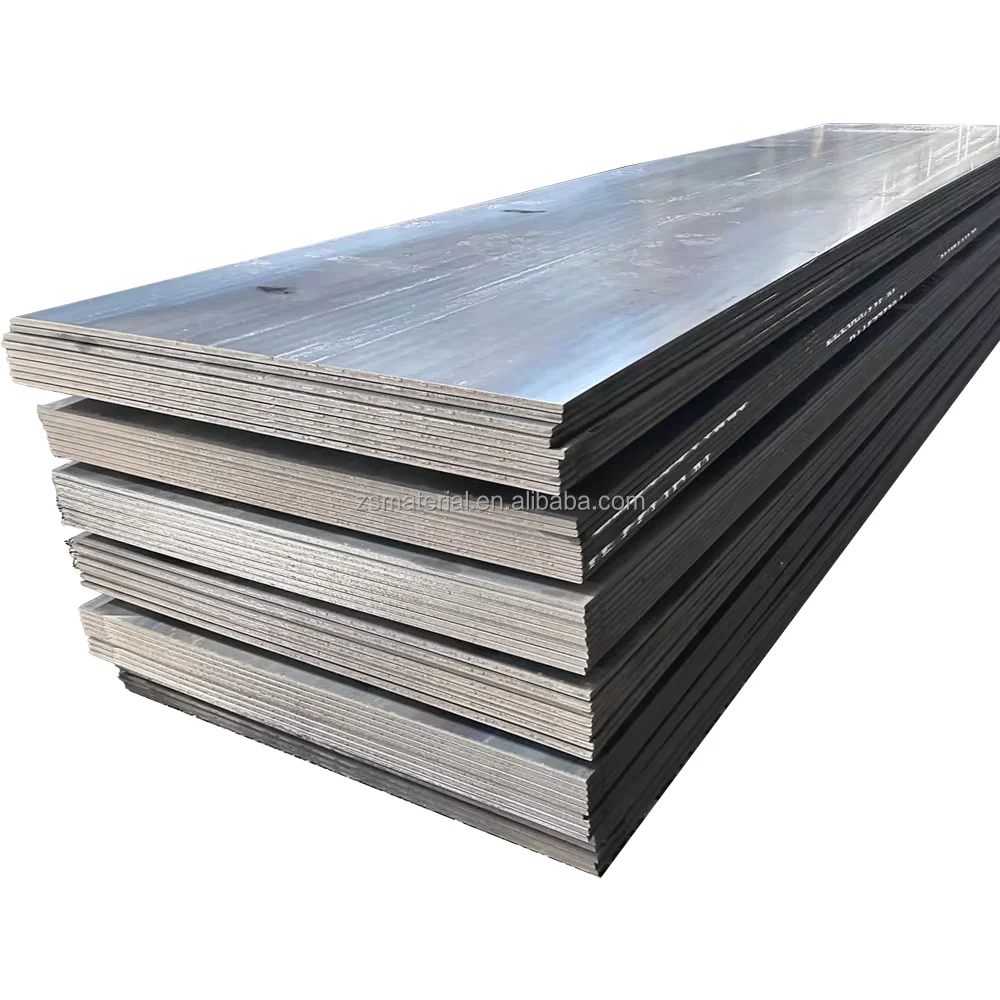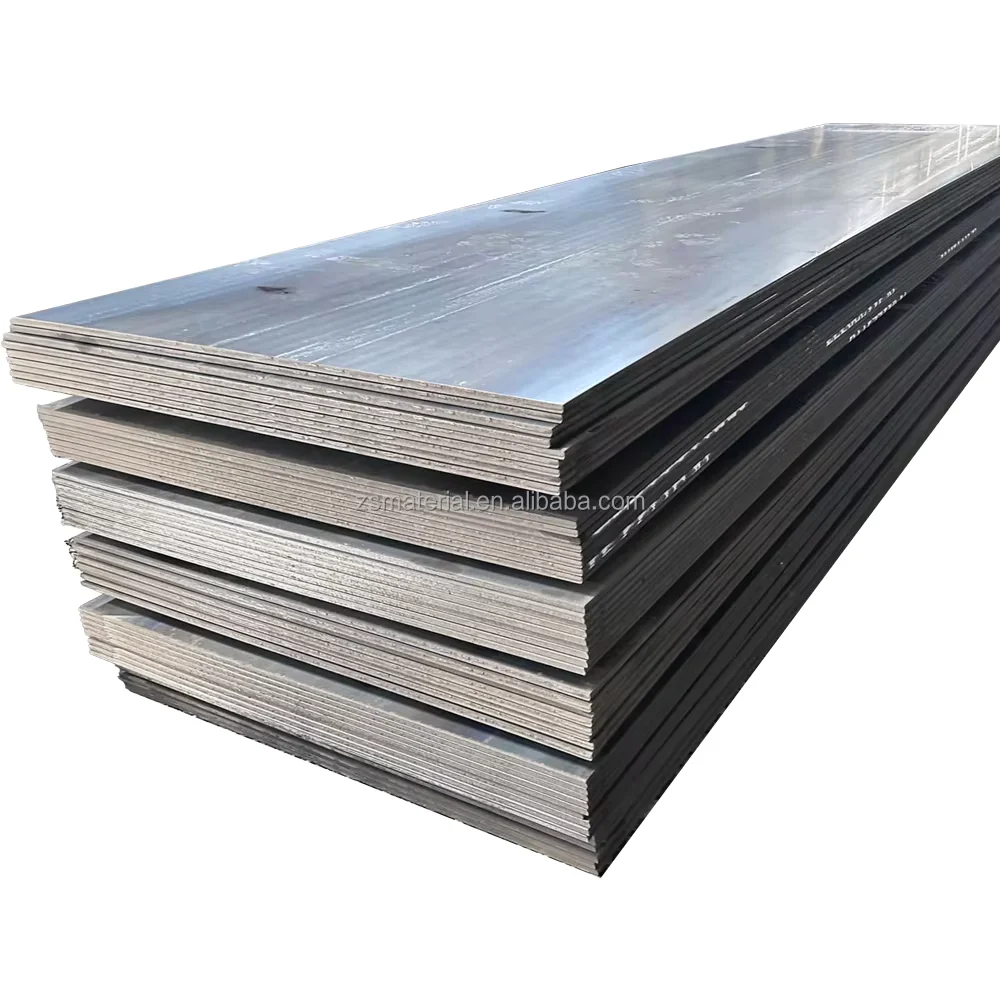

Description
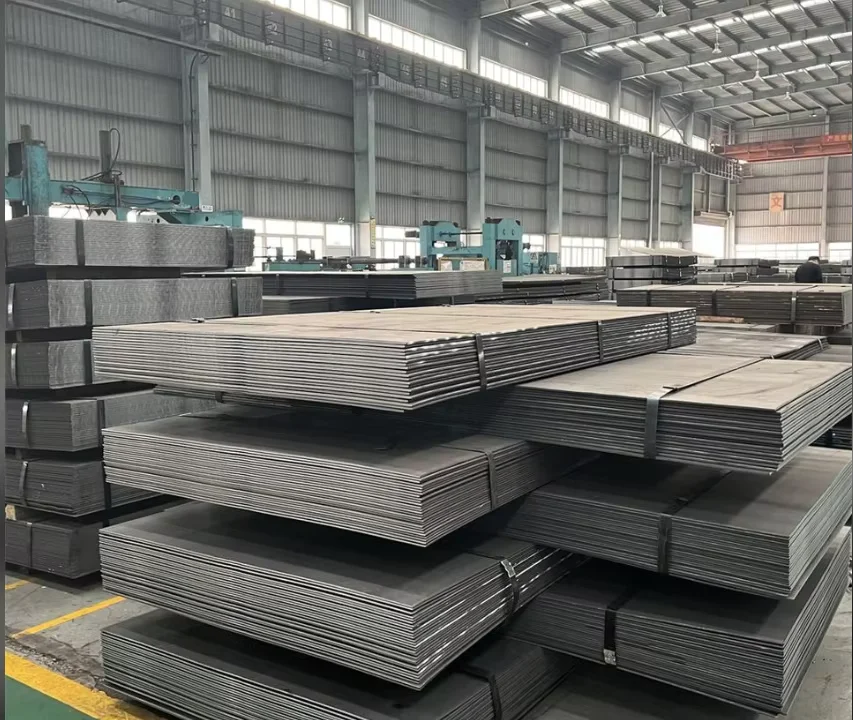
Direct mill supply with full traceability — Every ASTM A36 plate ships with original heat-numbered mill test certificates verified against chemical and mechanical records.
Technical Specifications
| Parameter | Value |
|---|---|
| Designation | ASTM A36 / JIS / DIN / AISI Hot Rolled Carbon Steel Plate |
| Product Type | Steel Plate |
| Steel Grade | ASTM A36, JIS G3101 SS400, DIN EN 10025 S235JR / S275JR / S355JR, AISI 1018 / 1045 |
| Standard | ASTM A36, JIS G3101, DIN EN 10025, AISI |
| Section Shape | Flat Plate |
| Thickness | 12mm |
| Technique | Hot Rolled |
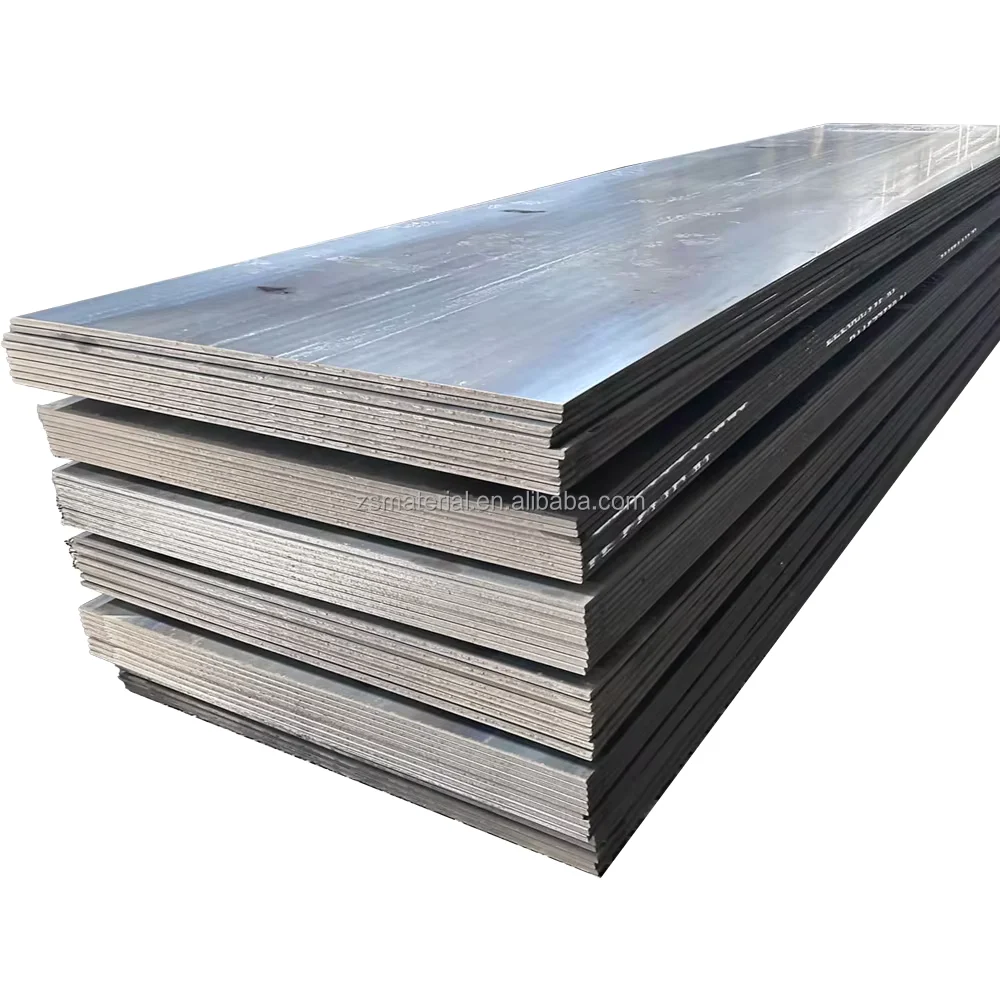
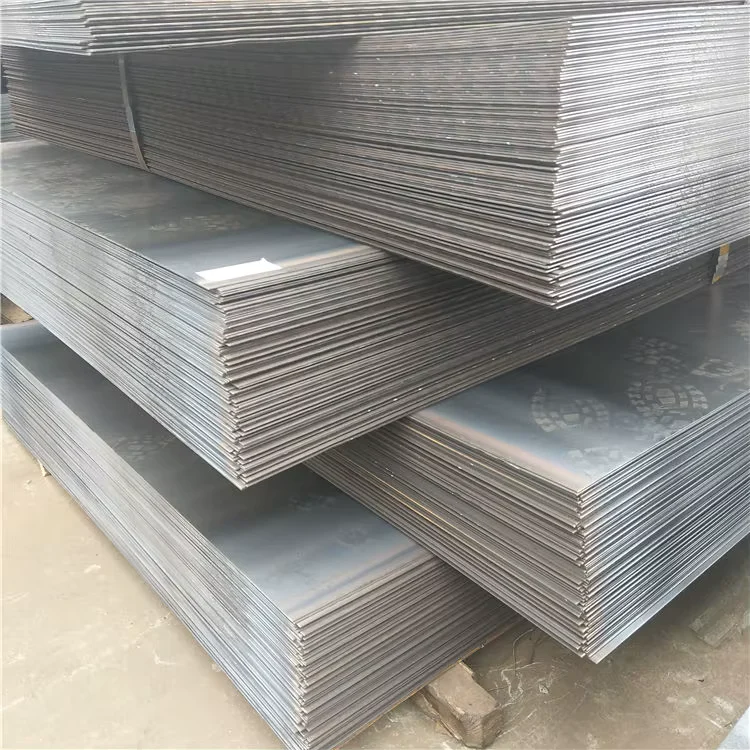
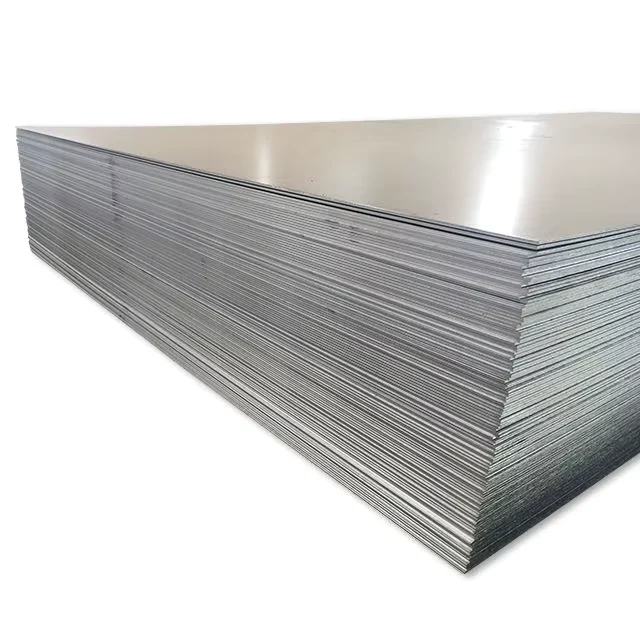
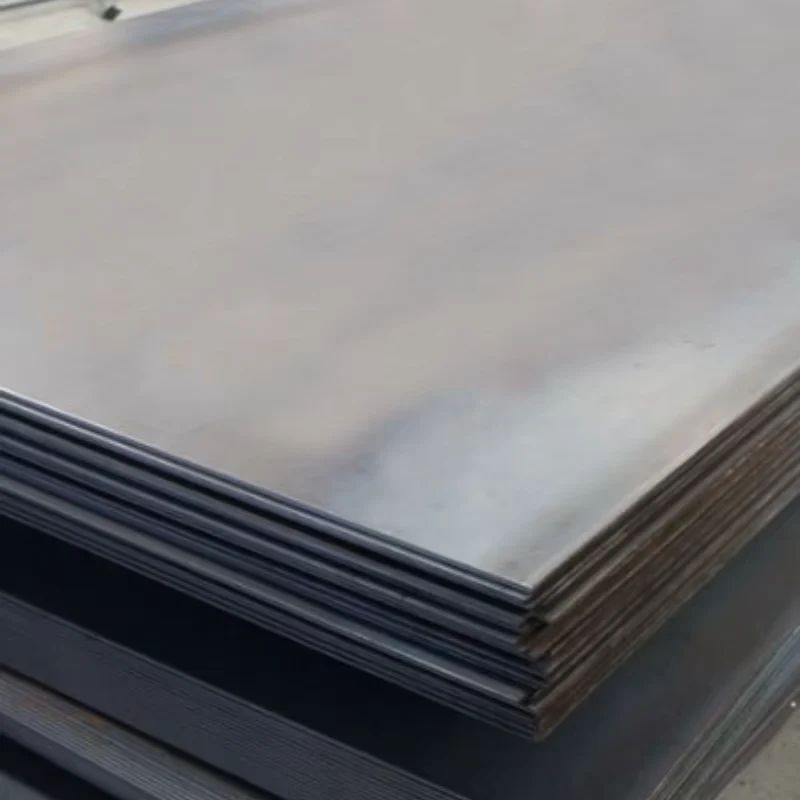
| Surface Treatment | Black / Oiled / Mill Scale |
| Tolerance | As per standard mill tolerance |
| Application | Boiler construction / Pressure vessels / Wear-resistant structural applications / General fabrication / Shipbuilding / Construction frames |
| Origin | China |
Application Suitability
| Industry | Typical Applications |
|---|---|
| Pressure Vessel Manufacturing | Boiler shells, storage tank walls, heat exchanger end plates |
| Shipbuilding & Offshore | Deck plating, bulkhead frames, offshore platform base structures |
| Construction & Infrastructure | Building column base plates, bridge gusset plates, heavy equipment frames |
| General Fabrication | Machine base plates, conveyor support frames, structural brackets |
What Negative Tolerance Really Costs on a 12mm Plate Order
A plate measured at 11.1mm instead of 12mm doesn’t just fail inspection — it fails the entire container.
I once watched a Middle East client’s shipment get rejected at port because a third-party inspector pulled random plates and found actual thickness running 0.9mm below nominal. The supplier had relied on “standard mill tolerance” without verifying what that meant in practice. When structural engineers calculate load capacity based on 12mm sections, even minor deviations compound across welded assemblies. [NEED_CITE: hot rolled plate thickness tolerance standards ASTM A6]
Grade confusion adds another layer. Buyers specifying ASTM A36 often receive S235JR or SS400 substitutions without documentation proving equivalence. Chemical composition differences between these grades affect weldability and impact toughness at service temperature. Without original mill test certificates tied to specific heat numbers, there’s no way to verify what actually arrived on site.
Matching 12mm Hot Rolled Plate to Structural Load Requirements
For pressure vessel end plates and boiler shells, 12mm ASTM A36 provides adequate yield capacity for moderate-pressure applications while maintaining weldability across submerged arc and manual metal arc processes. The hot rolled surface with mill scale accepts standard primer systems without additional shot blasting when fabrication follows within weeks of delivery. Shipbuilding applications benefit from the plate’s consistent through-thickness properties, though marine-grade certification requires separate Lloyd’s or DNV approval beyond standard mill documentation.
Engineering Compliance and Certification Pathways
ASTM A36 meets North American structural steel requirements under AISC specifications, while DIN EN 10025 S235JR satisfies European EN 1993 design codes for general construction. The equivalence between these standards isn’t automatic — chemical composition limits differ slightly, particularly for carbon and manganese content affecting weldability. [NEED_CITE: steel grade equivalence between ASTM A36 and EN 10025 S235JR] Pressure vessel applications require additional scrutiny: ASME Section II accepts A36 for specific temperature ranges, but boiler construction may demand SA-285 or SA-516 depending on design pressure. Third-party inspection through SGS or BV verifies dimensional compliance and certificate authenticity before shipment, preventing customs delays at destination ports.
Understanding Hot Rolled Carbon Steel Grade Systems
The ASTM A36 designation specifies minimum yield strength of 250 MPa with tensile range between 400-550 MPa, positioning it between JIS SS400 and DIN S275JR in terms of mechanical requirements. SS400 uses a simpler designation system where “400” indicates minimum tensile strength in MPa, while European S-series grades specify yield strength directly. For 12mm thickness, hot rolling produces a decarburized surface layer that affects surface hardness but doesn’t compromise structural integrity when proper welding procedures account for mill scale. The oiled surface treatment option provides temporary corrosion protection during storage and transit, though fabrication shops typically prefer black surface for immediate shot blasting and coating application.
Hidden Costs of Unverified Plate Procurement
Accepting plates without heat-numbered mill test certificates creates downstream liability when structural engineers cannot verify material properties. Negative tolerance beyond standard limits reduces actual load capacity while maintaining theoretical weight calculations, leading to either over-engineering with higher material costs or under-performance in service. [NEED_CITE: structural steel procurement quality verification requirements] Grade substitutions without proper documentation fail building code inspections, requiring expensive material replacement after fabrication begins. International shipments face customs holds when certificates don’t match physical markings or when chemical composition falls outside specified ranges.
Why Procurement Teams Choose XJY Plate for ASTM A36 Supply
Every plate undergoes micrometer verification at multiple points before loading, eliminating the negative tolerance surprises that derail projects. Our in-house laboratory reviews each heat’s chemical analysis against standard requirements before issuing mill test certificates, ensuring traceability from slab to finished plate. The dedicated plate division maintains ready stock across common thicknesses including 12mm, reducing lead times compared to mill-direct orders requiring minimum tonnage. Custom cutting services using plasma and flame processes deliver exact dimensions without requiring fabricators to maintain in-house cutting capacity. Professional heavy cargo loading experience prevents the container damage and overweight penalties that plague inexperienced shippers handling dense flat products.
Documentation & Compliance
- Mill test certificate documenting ASTM A36 chemical composition including carbon, manganese, phosphorus, and sulfur content per heat number
- Original mill certificate showing mechanical properties with yield strength, tensile strength, and elongation values from tensile testing
- ISO 9001:2015 quality management certificate covering plate inspection and documentation procedures
- SGS or BV third-party inspection report verifying dimensional accuracy and surface condition before shipment
- Material traceability sheet linking each plate to specific heat number with chemical analysis and mechanical test results
- Export documentation including packing list, bill of lading, and certificate of origin for customs clearance
Packaging, Loading & Delivery
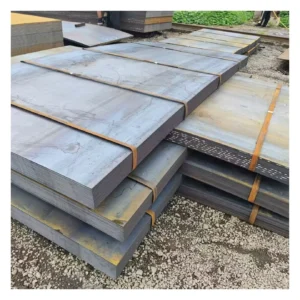
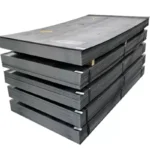
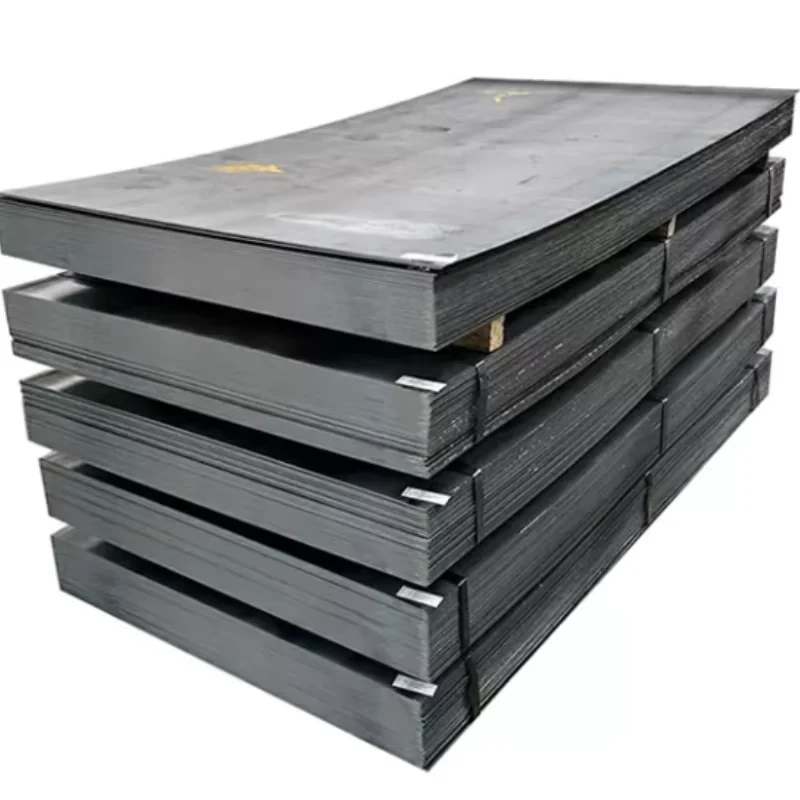
- 12mm hot rolled plates bundled with steel straps and edge protectors to prevent surface damage during crane handling
- Oiled surface treatment applied uniformly to prevent rust formation during ocean transit in open-top containers
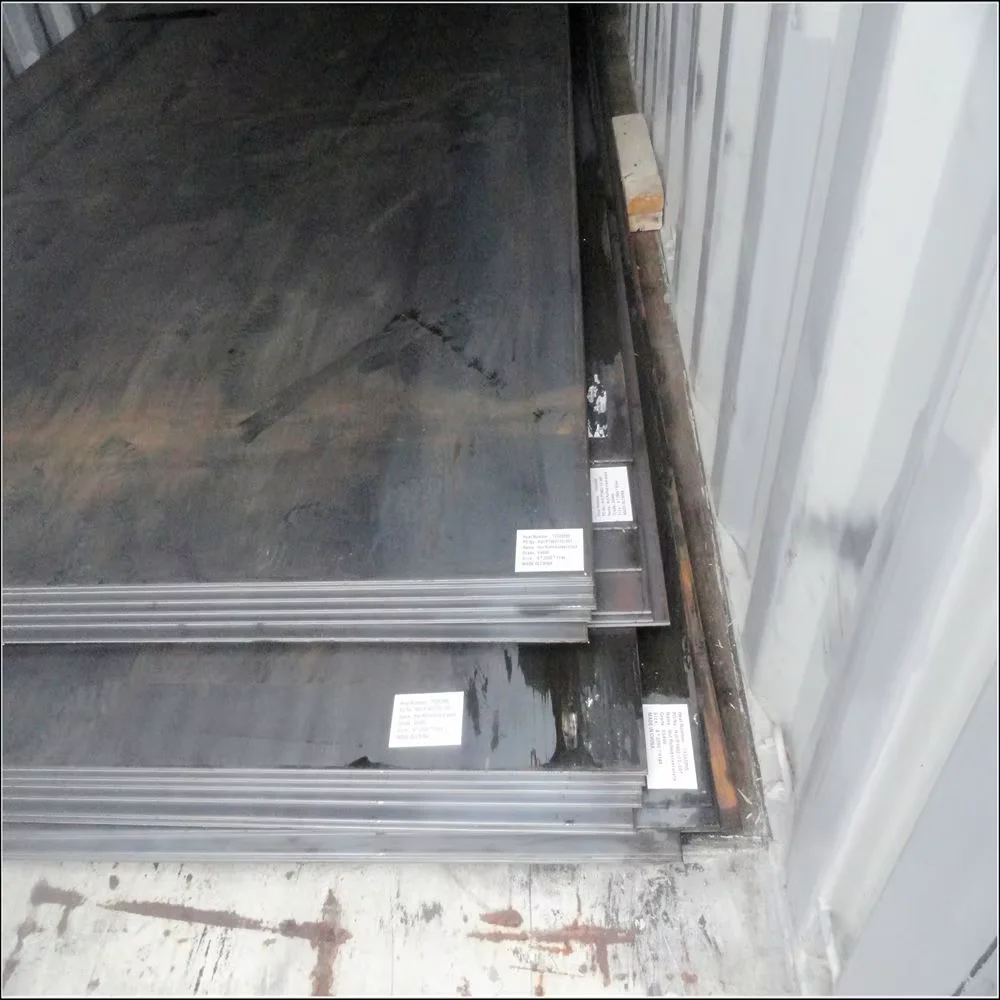
- Container loading optimized for 12mm plate weight distribution, ensuring axle limits compliance at destination ports
- Custom cutting to exact dimensions reduces on-site waste and eliminates secondary processing requirements
- Heat number stenciled on each plate corner for immediate identification during fabrication and inspection
- FOB, CIF, and DDP shipping terms available with professional flatbed and break-bulk logistics for heavy cargo
Getting Your ASTM A36 Plate Quote Started
Submit your required thickness, width, length, quantity, and destination port to receive detailed pricing including material cost, processing fees if custom cutting is needed, and shipping terms. We provide original mill test certificates for review before contract signing, allowing your quality team to verify chemical composition and mechanical properties match project specifications. Custom cutting services accommodate non-standard dimensions with typical production lead times depending on order complexity.
Request Your ASTM A36 Plate Quotation with Mill Test Certificates
Send your specifications including steel grade, dimensions, quantity, and destination to receive pricing and original mill documentation within 12 hours.
Contact:
Shandong Xin Jiyuan Special Steel Tube Co., Ltd
Website: www.xjyplate.com
Tel: +86 531 8573 6315
Mobile/WhatsApp/WeChat: +86 188 5315 7756
Email: admin@xjyplate.com
Address: No.11889, Jingshi West Road, Lulian Group, Jinan City, Shandong Province, China
Frequently Asked Questions
Q: How do ASTM A36, JIS SS400, and DIN S235JR compare for 12mm plate applications?
A: These grades offer similar mechanical properties with slight chemical composition differences. ASTM A36 specifies minimum 250 MPa yield strength, SS400 indicates minimum 400 MPa tensile strength, and S235JR requires minimum 235 MPa yield strength. For general structural applications, they’re often interchangeable, but pressure vessel or marine applications may require specific grade certification. We provide chemical composition comparison documentation to support grade selection.
Q: How can I verify mill test certificates aren’t forged?
A: Original mill test certificates include specific heat numbers that correspond to chemical analysis and mechanical test results. Each certificate shows testing laboratory details, date, and authorized signatures. We provide certificates before shipment for your review, and third-party inspection through SGS or BV can verify certificate authenticity and physical plate markings match documentation.
Q: What’s the minimum order for custom cut-to-size 12mm plates?
A: Custom cutting services accommodate various quantities depending on dimensions and complexity. Standard stock sizes ship quickly, while non-standard cuts require typical production lead times. We provide detailed quotes including processing fees after reviewing your specific dimension requirements and quantity.
Q: How does XJY handle heavy plate shipping to prevent damage?
A: Professional loading crews use flatbed trucks and open-top containers with proper weight distribution to prevent overweight penalties. Plates are secured with steel straps and edge protectors to prevent surface damage during transit. Our logistics team coordinates documentation and tracking for FOB, CIF, or DDP terms, ensuring smooth customs clearance at destination ports.
Q: What surface treatment options work best for 12mm hot rolled plates?
A: Black surface with mill scale suits immediate fabrication with shot blasting before coating. Oiled treatment provides temporary corrosion protection during storage and transit. For pressure vessel or marine applications, additional surface preparation may be required per project specifications. We can discuss your fabrication timeline and environmental conditions to recommend the best option.