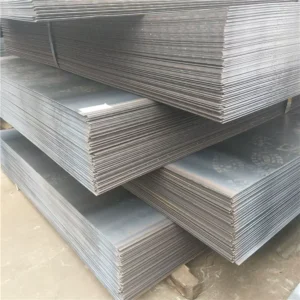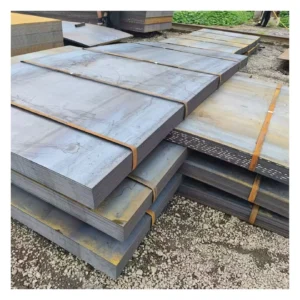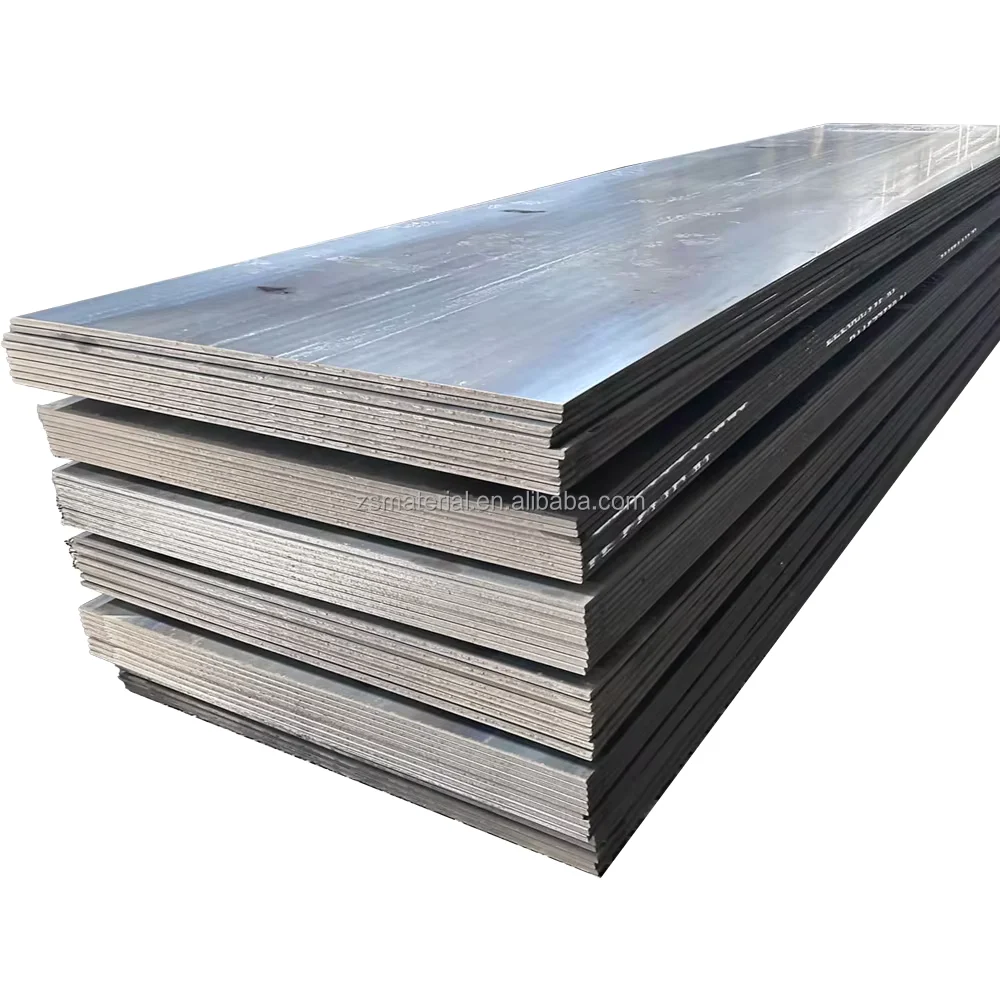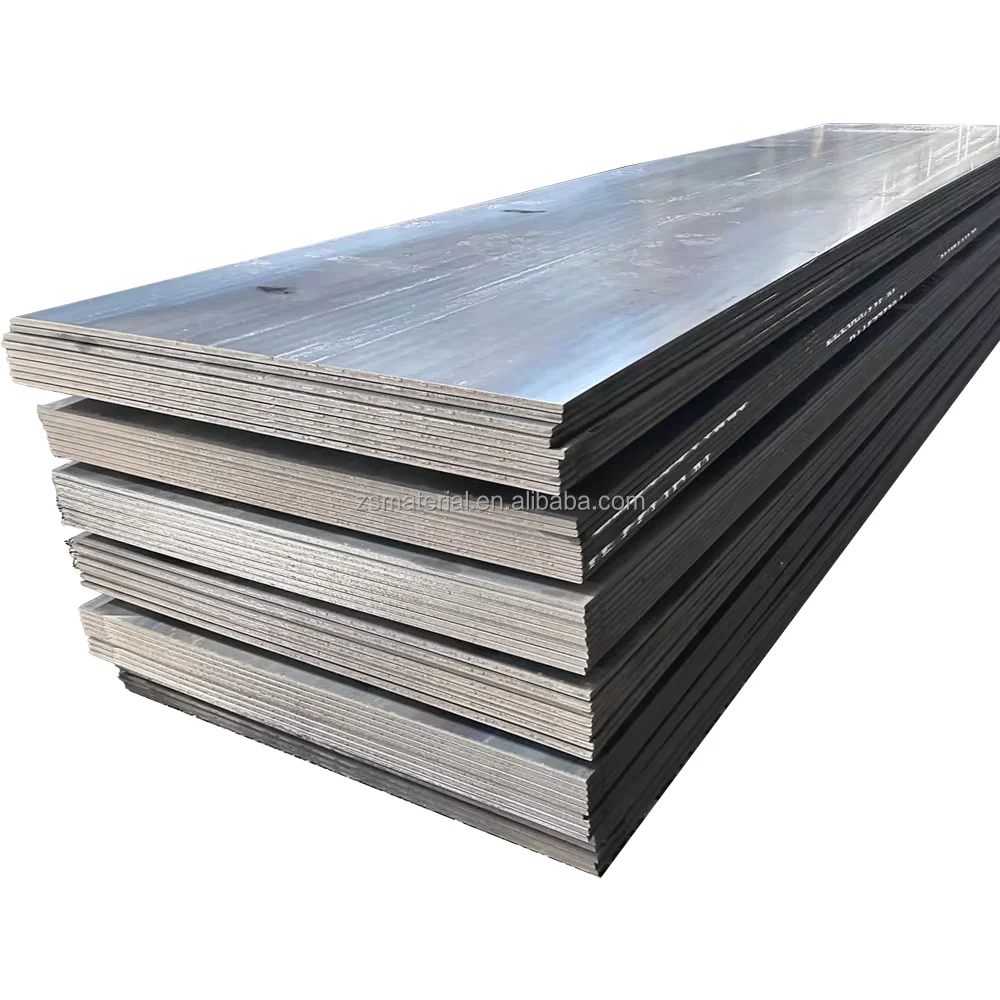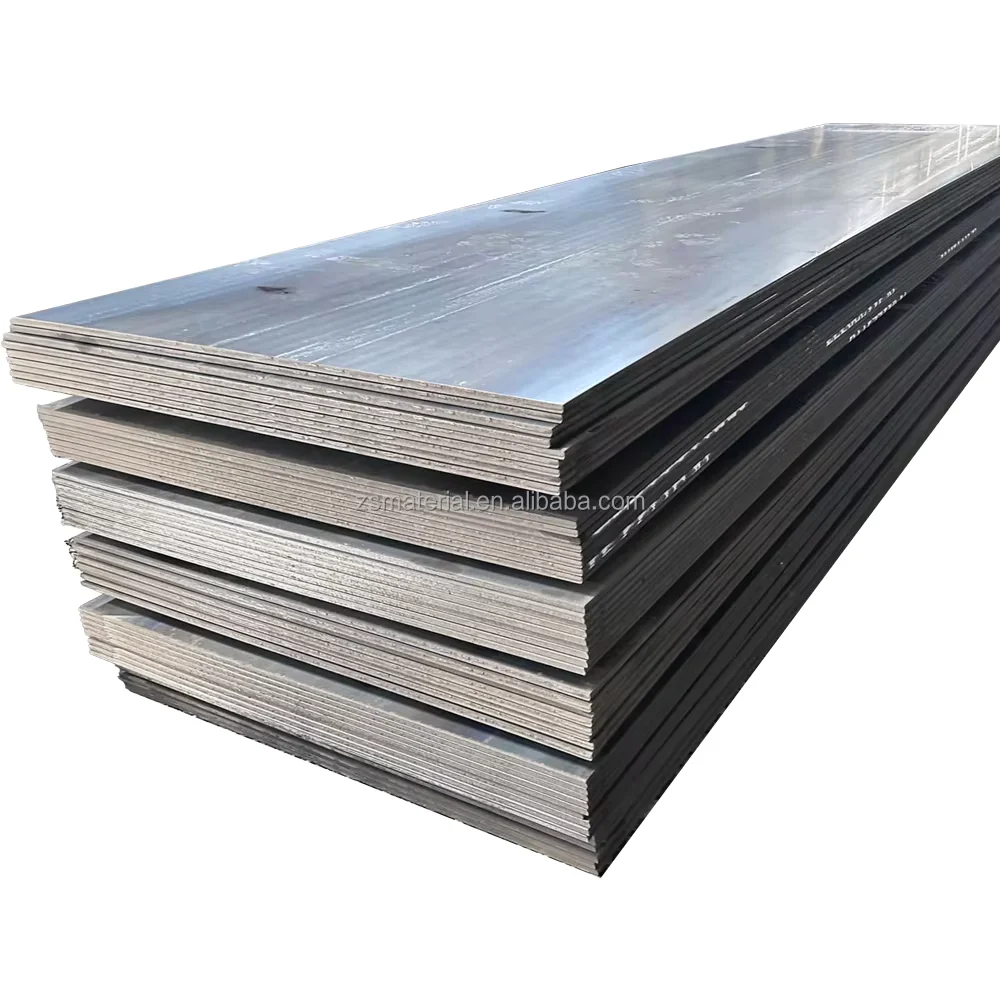
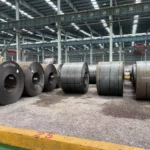
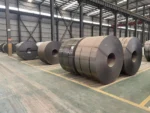
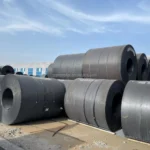
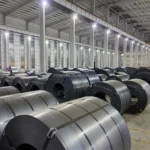
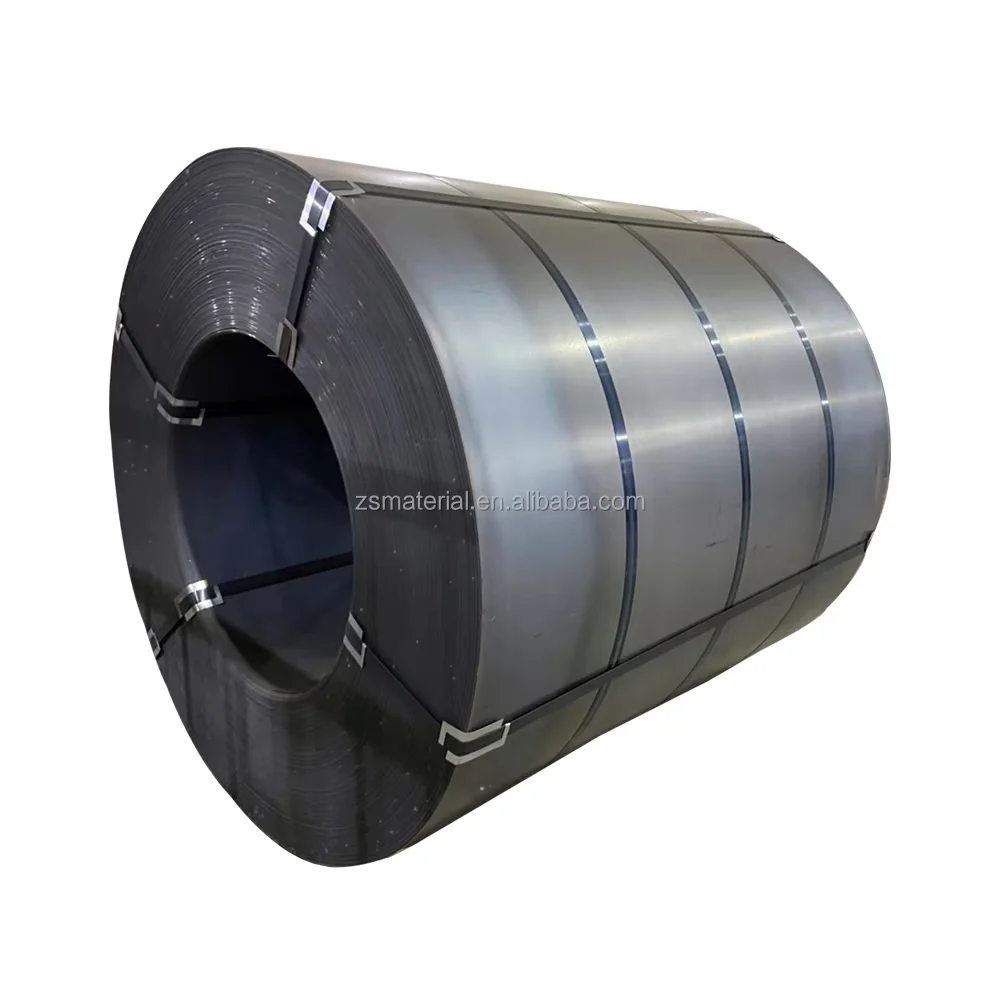
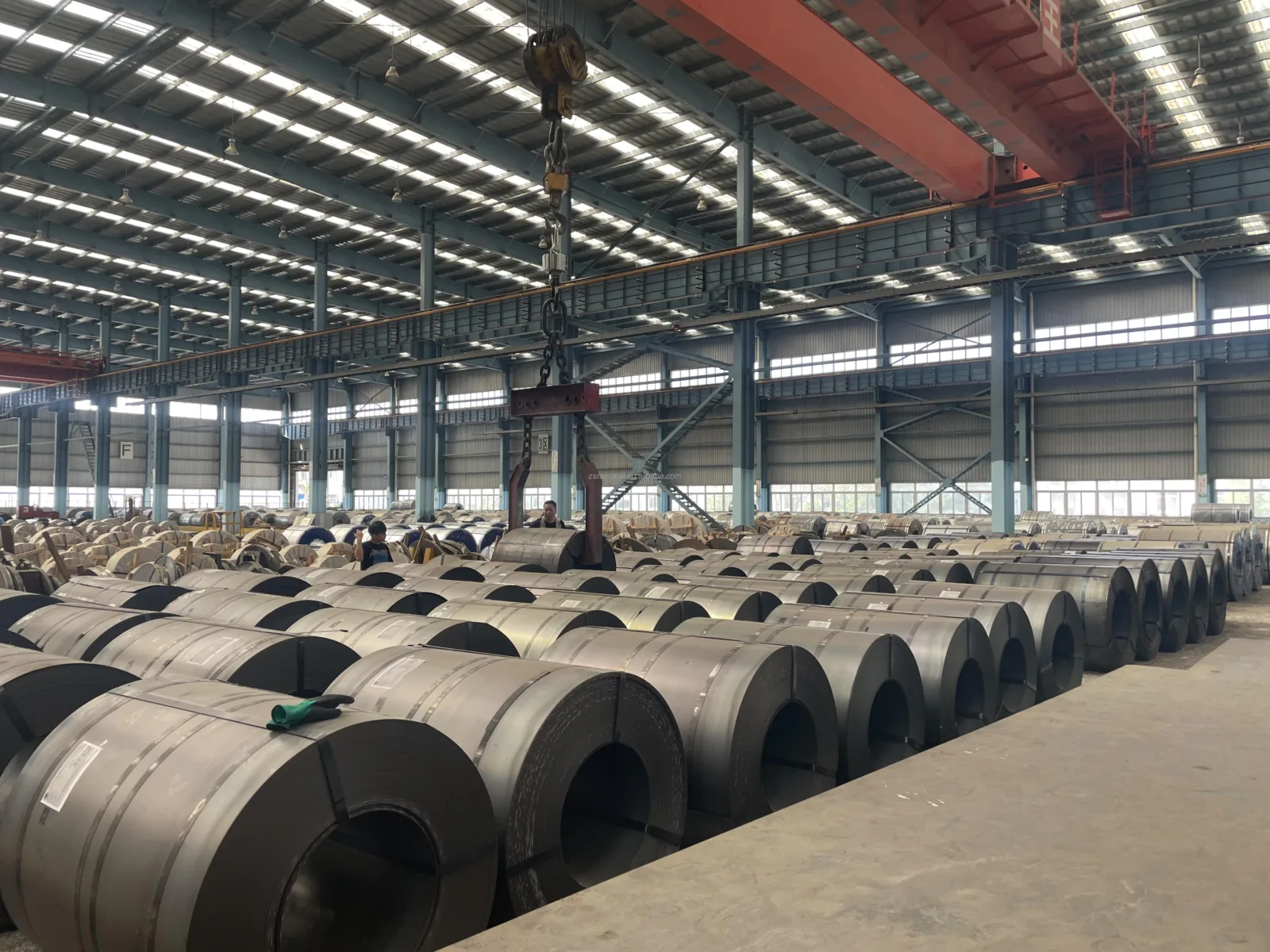

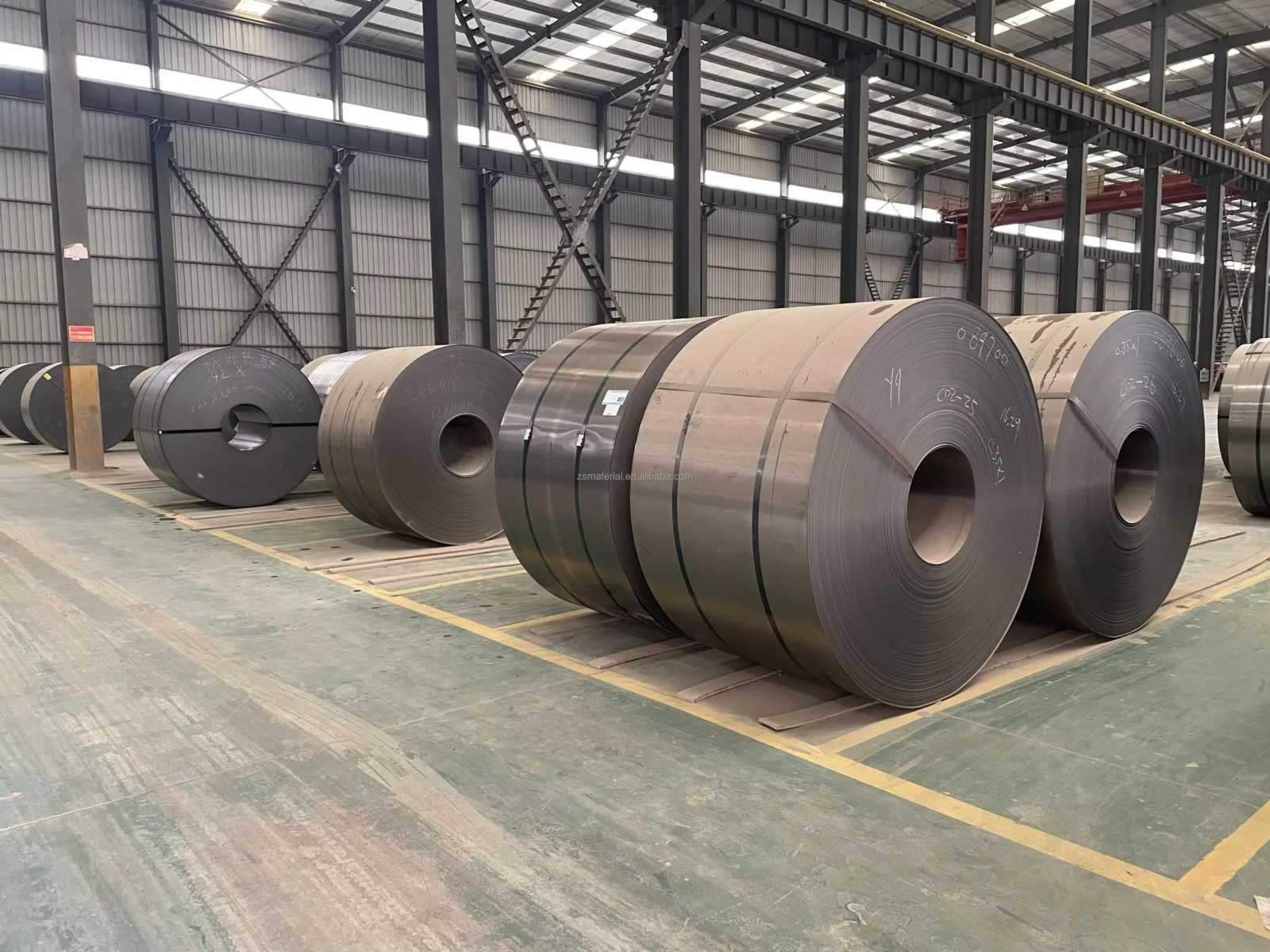
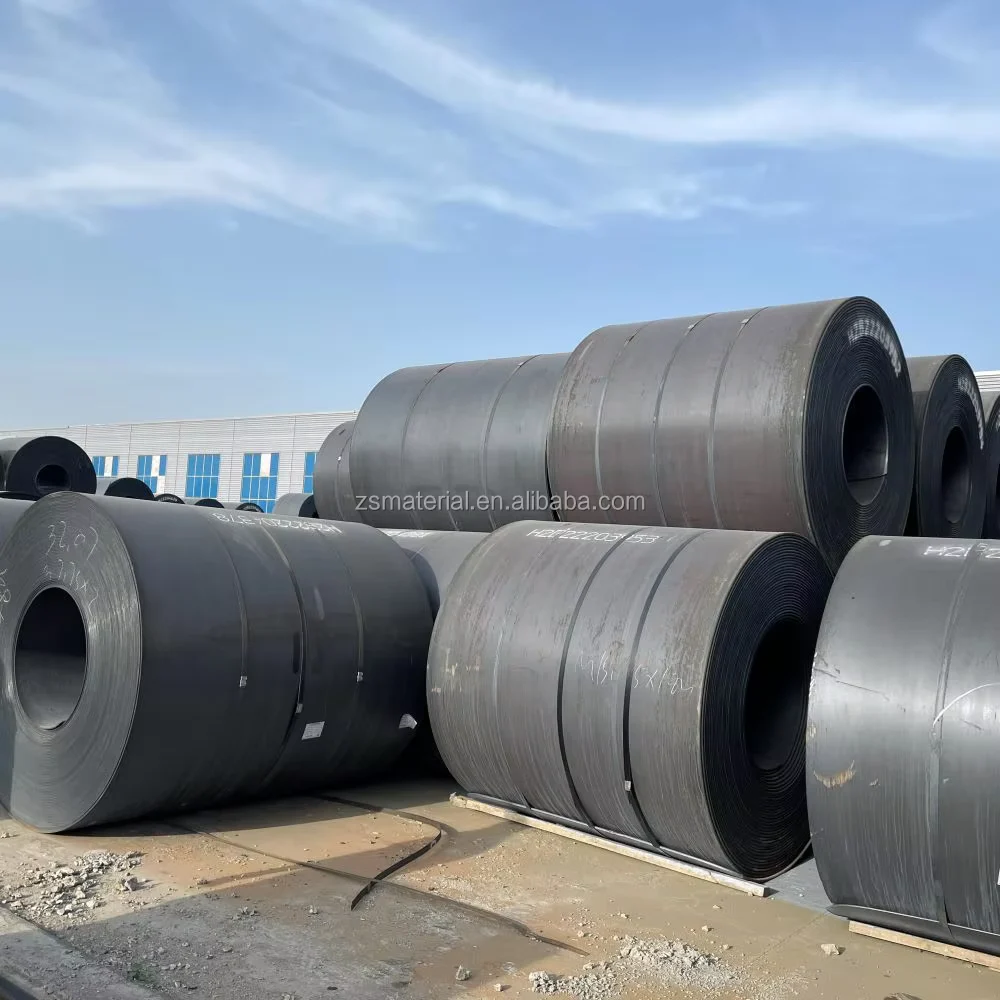

Description
One-Stop Chequered Coil Procurement — Q235, A36, Q345 grades in 3-200mm thickness with original mill test certificates for every coil shipped.
Technical Specifications
| Parameter | Value |
|---|---|
| Designation | Q235 A36 Hot Rolled Steel Chequered Coil |
| Product Type | Hot Rolled Steel Coil (Chequered) |
| Steel Grade | Q235, Q235B, Q345, Q345B, Q195, A36, SS400, St37, St42, St37-2, St35.4, St52.4, St35 |
| Standard | AISI, ASTM, BS, DIN, GB, JIS |
| Thickness | 3-200mm |
| Width | 600-2000mm |
| Length | Customized |
| Coil ID | 508/610mm |
| Technique | Hot Rolled |
| Surface Treatment | Coated / Hot Rolled |
| Tolerance | ±1% |
| Processing Service | Welding, Punching, Cutting, Bending, Decoiling |
| Application | Construction, Shipbuilding, Machinery, Pressure Vessels, Bridges, Automotive |
| MOQ | 1 Ton |
| Origin | China |
Application Suitability
| Industry | Typical Applications |
|---|---|
| Construction | Floor plates for industrial workshops, stair treads, mezzanine walkways, loading dock ramps |
| Shipbuilding & Offshore | Deck plating, engine room anti-slip surfaces, gangway treads, cargo hold flooring |
| Machinery & Infrastructure | Equipment platforms, crane cab flooring, bridge pedestrian walkways, trench covers |
| Automotive & Logistics | Truck bed flooring, trailer ramp plates, warehouse forklift lanes |
Hidden Negative Tolerance: The Real Cost of Cheap Chequered Coil
Every 0.1mm thickness loss on a chequered plate means structural capacity drops and fabrication joints fail.
I once shipped 3.8mm chequered coil to an Indonesian factory project. When the coils arrived and got measured, the actual thickness came in at 3.4mm. The negative tolerance was so severe that the platform welding seams could not align — the entire floor layout had to be redone. The buyer had to place a replacement order, losing three weeks of installation time. This is not an isolated case. Across Southeast Asia and Africa, buyers sourcing chequered coil from traders face three recurring problems: grade equivalence confusion between GB, ASTM, and EN standards; missing or unverifiable mill test certificates; and hidden negative tolerance practices that only surface after the coil hits the cutting table. A Q235 A36 hot rolled steel chequered coil supplier who cannot guarantee ±1% tolerance and provide original MTC with heat number traceability will cost you far more than the price difference you saved. [NEED_CITE: steel plate thickness tolerance standards under GB/T 709 and ASTM A568]
Matching Chequered Coil to Anti-Slip Floor and Platform Applications
A Q235 A36 hot rolled steel chequered coil must deliver consistent diamond or lentil pattern height for reliable slip resistance under wet or oily conditions. For industrial walkways and stair treads, the 3-6mm thickness range covers most light-to-medium duty floors, while 8-12mm serves heavy equipment platforms and truck loading bays. The hot rolled surface with raised pattern provides inherent anti-slip performance without additional coating. When the project spec calls for marine environments, the coated surface option adds corrosion resistance on top of the anti-slip texture. Our decoiling and cut-to-size service lets buyers order exact panel dimensions, eliminating on-site plasma cutting waste and reducing installation time.
Engineering Compliance and Grade Selection for Structural Flooring
Structural flooring in construction and shipbuilding must comply with load-bearing requirements under EN 1993 or equivalent national codes. Q235 and A36 serve as the baseline carbon steel grades for general walkways and non-critical platforms, while Q345 provides higher yield strength for heavy machinery bases and bridge pedestrian decks. The ±1% thickness tolerance ensures that calculated load capacity matches actual installed performance — a critical factor for engineering sign-off. For projects entering the European market, CE certification and EN-standard grade equivalence documentation become mandatory for customs clearance. [NEED_CITE: steel grade equivalence mapping between GB Q235 and ASTM A36] Shipyard applications further require original mill test certificates with full chemical composition and mechanical property data, verifiable by heat number, to meet classification society rules.
Steel Grade and Hot Rolling Process: What Buyers Need to Know
The Q235 grade, governed by GB/T 709, remains the most widely specified carbon steel for chequered coil in domestic and Southeast Asian projects. Its ASTM equivalent A36 and JIS equivalent SS400 share similar carbon content ranges, making cross-standard substitution feasible when supported by proper MTC documentation. Q345, with higher manganese content, delivers increased yield strength for load-bearing platforms without requiring thicker gauges. The hot rolling process produces the raised chequered pattern in a single pass through the finishing stands, creating a metallurgical bond between the pattern and base plate that cold-pressed alternatives cannot match. This means the pattern will not flatten under forklift traffic or degrade during welding operations. Thickness tolerance of ±1% on hot rolled chequered coil reflects the controlled rolling and leveling process — tighter than the ±2-3% common among traders who source from secondary mills. Surface coating options, applied after hot rolling, extend service life in corrosive atmospheres such as coastal construction sites or chemical plant walkways.
The Hidden Costs of Procuring from Unverified Sources
When a chequered coil arrives without original mill test certificate, the buyer cannot verify whether the steel grade matches the purchase order. A36 substituted with lower-grade material will pass visual inspection but fail structural load testing during project acceptance. Missing heat number traceability means the entire batch must be rejected if one sample fails — a scenario that triggers project delays and contractual penalties. [NEED_CITE: consequences of forged mill test certificates in steel procurement] Negative tolerance beyond ±1% reduces the actual weight delivered per coil, meaning the buyer pays for steel that does not exist. Customs authorities in strict-import markets increasingly require verifiable MTC and CE documentation; coils without proper paperwork face port detention and return shipping costs that exceed the product value.
Why Source Your Chequered Coil from XJY Plate
Every chequered coil we ship carries an original mill test certificate documenting chemical composition and mechanical properties, traceable by heat number from slab to finished product. Our ISO 9001:2015 certification and CE compliance ensure that documentation meets international project requirements without additional verification steps. The ±1% thickness tolerance is verified by dimensional report before shipment — the same report we provided to the Indonesian buyer after his negative-tolerance incident, and the same standard we apply to every coil regardless of order size. With MOQ starting at 1 Ton, small-lot buyers and fabricators can order cut-to-size panels without paying full-coil premiums. Our professional heavy cargo loading team handles flatbed and open-top container shipments, preventing coil edge damage and overweight penalties that plague improperly loaded chequered coil orders. SGS and BV third-party inspections are available before shipment for buyers who require independent verification.
Documentation & Compliance
- Mill test certificate documenting Q235, A36, or Q345 chemical composition and mechanical properties per GB/T 709 or ASTM A36, with heat number traceability
- CE certificate confirming compliance with European construction product regulations for structural steel plate
- ISO 9001:2015 quality management certificate covering the entire chequered coil supply chain
- SGS or BV third-party inspection report available upon request for independent dimensional and chemical verification
- Material traceability documentation linking each coil to its original slab heat number and rolling schedule
- Complete customs documentation including packing list, bill of lading, and certificate of origin for import clearance
Packaging, Loading & Delivery
- Chequered coils bundled with steel strips and edge protectors to preserve the raised pattern during ocean transit and prevent coil edge damage
- Hot rolled surface coated with anti-rust oil to prevent oxidation during storage and shipping, critical for 600-2000mm width coils exposed to marine humidity
- Open-top container or flatbed loading optimized for 3-12mm thickness coils, with weight distribution calculated to avoid overweight penalties at destination port
- Custom cut-to-size panels stacked with interleaving paper to protect the chequered pattern surface during transport and on-site handling
- Each coil marked with heat number, steel grade (Q235/A36/Q345), thickness, and width for immediate identification upon arrival
- FOB, CIF, and DDP shipping terms available with professional heavy cargo logistics handling from Jinan port to global destinations
Start Your Chequered Coil Inquiry with Confidence
Submit your required steel grade, thickness, width, length, and destination port to receive a detailed quotation within 12 hours, including material cost, processing fees, and shipping terms. We will provide the original mill test certificate for your review before shipment, along with dimensional verification reports confirming ±1% thickness tolerance. For custom cut-to-size panels or non-standard coil specifications, our technical team will confirm feasibility and lead time based on current mill rolling schedules.
Get Your Q235 A36 Chequered Coil Quote with Full MTC
Send your specifications to admin@xjyplate.com or contact us via WhatsApp at +86 188 5315 7756 to receive pricing, mill test certificate samples, and shipping options for your next project.