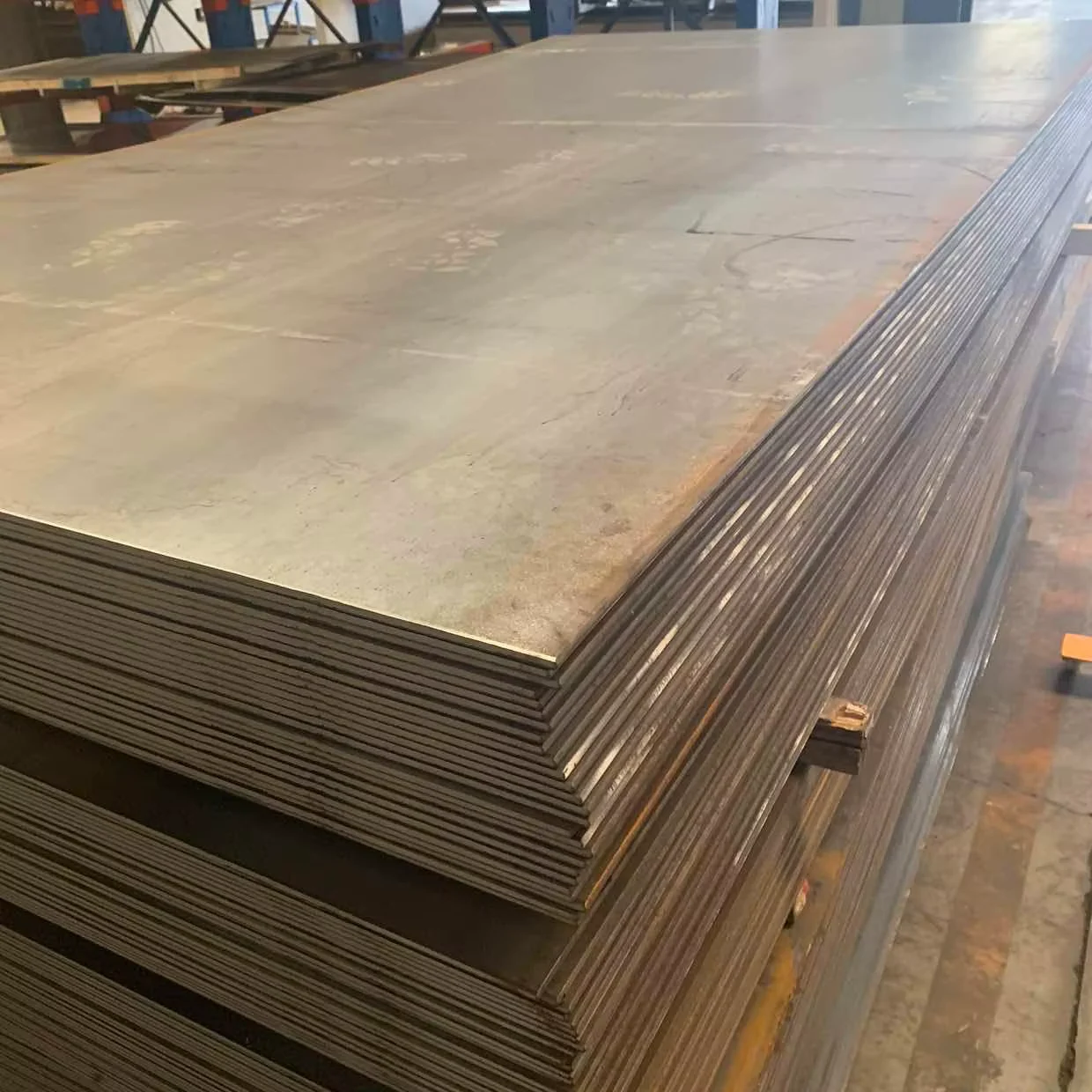
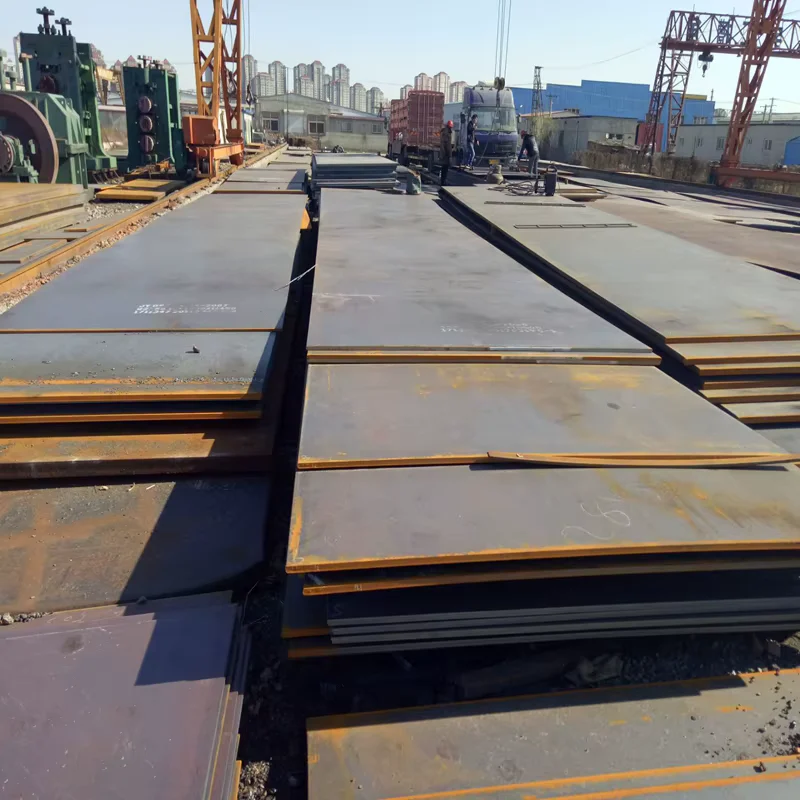
Description
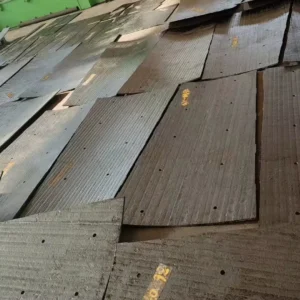
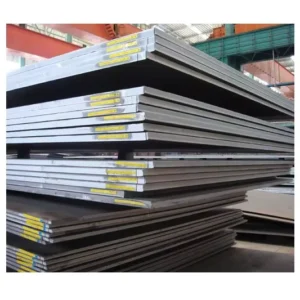
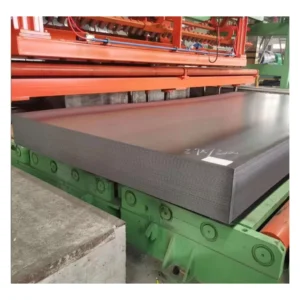
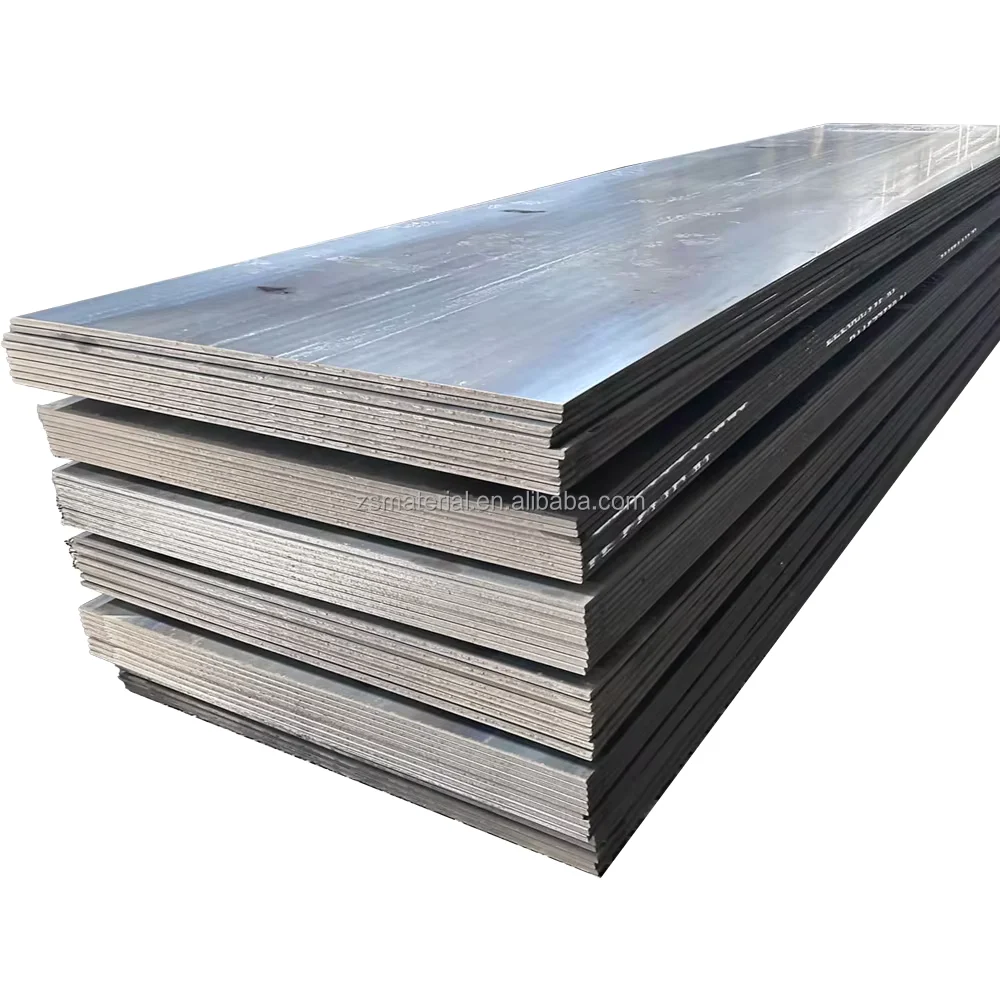
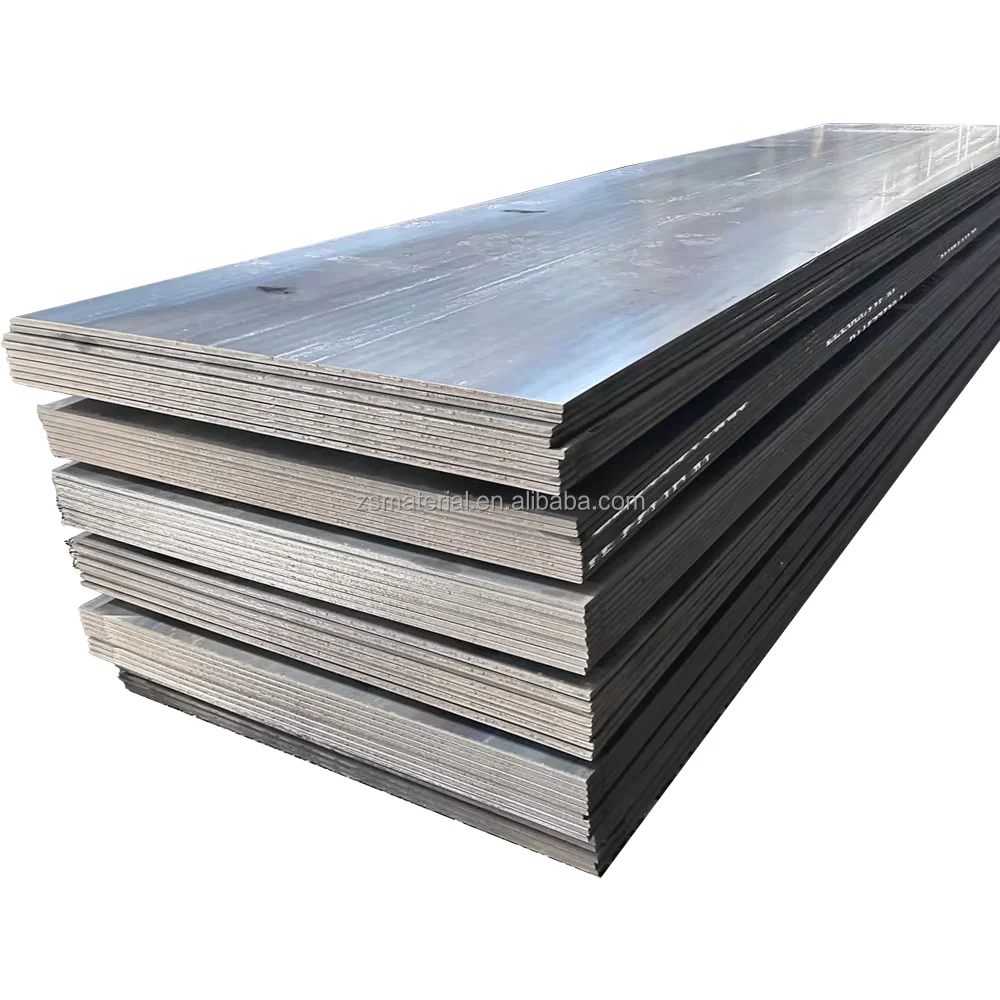
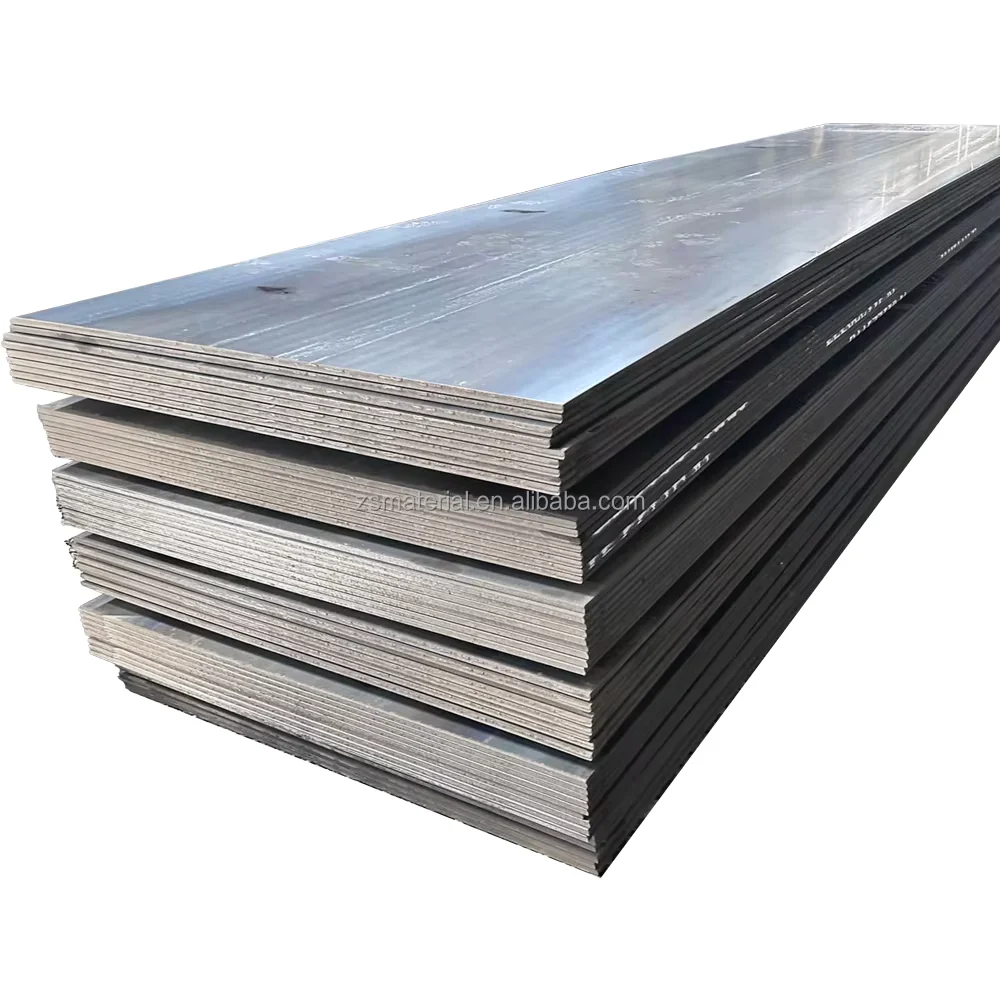
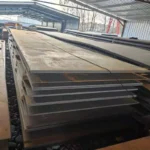
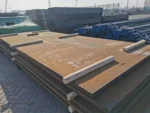
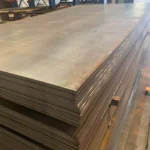
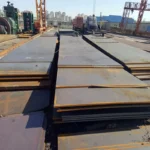
Factory-direct carbon steel plate sourcing — every Q235, Q345, A36, and SS400 plate ships with original mill test certificates and traceable heat numbers from Jinan stock.
Technical Specifications
| Parameter | Value |
|---|---|
| Designation | Carbon Steel Plate Q235/Q345/A36/SS400 |
| Product Type | Steel Plate |
| Steel Grade | Q235, Q345, Q355, Q460, Q690, A36, A572, S235JR, S275JR, S355J2, SS400, Q195, St37-2 |
| Standard | GB, ASTM, EN, JIS, DIN, BS, AISI |
| Thickness | 0.35–200 mm |
| Width | 1000–2500 mm |
| Length | 2000–12000 mm |
| Technique | Hot Rolled / Cold Rolled |
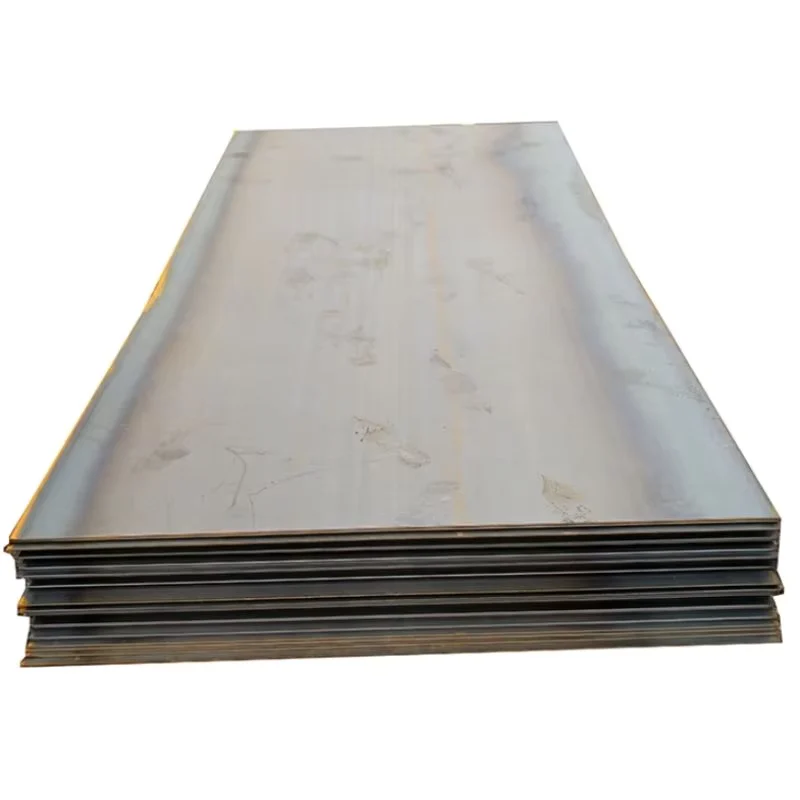
| Surface | Black (as-rolled) |
| Tolerance | ±1% |
| Processing Service | Bending, Welding, Decoiling, Cutting, Punching |
| MOQ | 1 Ton |
| Origin | Shandong, China |
Application Suitability
| Industry | Typical Applications |
|---|---|
| Shipbuilding & Offshore | Deck plating, hull structural members, bulkhead panels for commercial and offshore vessels |
| Pressure Vessel & Boiler | Shell plates, head plates, and tube sheets for storage tanks and heat exchangers |
| Construction & Infrastructure | Bridge gusset plates, high-rise column base plates, container corner castings |
| Structural Fabrication | Equipment frames, conveyor supports, crane boom sections, heavy machinery bases |
Where Negative Tolerance Turns a 200 mm Plate Order Into a Structural Liability
Actual thickness below nominal by even 0.5 mm on a 20 mm plate means 2.5% less load-bearing cross-section — and no engineer signs off on that.
I’ve seen containers of hot rolled carbon steel plate Q235 Q345 A36 SS400 arrive at West African ports where every piece measured under spec. The buyer’s third-party inspector flagged it, the project engineer rejected the batch, and the supplier claimed “industry-standard tolerance.” But ±1% on a 20 mm plate means 19.8 mm minimum — not 18.5 mm. When grade confusion meets tolerance abuse, you’re not just paying for scrap weight; you’re carrying structural risk that no amount of re-negotiation fixes after the plates are welded into a bridge girder. [NEED_CITE: thickness tolerance standards for hot-rolled steel plates per EN 10051 and ASTM A6]
Matching Plate Thickness and Grade to Load-Bearing Demands in Heavy Fabrication
Selecting the right thickness-grade combination is where most procurement errors originate. A Q345 plate at 16 mm carries a fundamentally different moment capacity than an A36 plate at the same dimension — not because of width or length, but because yield strength tiers define how the section behaves under bending and compression. For shipbuilding deck plating, marine-grade traceability matters as much as the chemistry; for pressure vessel shells, every heat number must map back to a certified test report. Our hot rolled carbon steel plate Q235 Q345 A36 SS400 inventory spans 0.35 mm to 200 mm, and we cut to your exact blank dimensions so you’re not paying for scrap offcuts on-site.
Engineering Compliance Across GB, ASTM, EN, and JIS Frameworks
Global projects rarely stay within a single standard system. A bridge contractor in Southeast Asia may specify ASTM A36 while the local inspector references EN 10025 S235JR equivalence. Pressure vessel fabricators in the Middle East often require ASME-aligned documentation even when the plate itself conforms to GB Q345R. The compliance burden falls on the supplier to provide cross-referenced mill test certificates that satisfy both the purchasing standard and the inspecting authority. [NEED_CITE: steel grade equivalence mapping between GB Q-series and ASTM/EN systems] We supply original MTC with every shipment, and third-party inspection through SGS or BV is available before loading — not as an upsell, but because customs clearance in the EU and GCC increasingly demands verifiable certification chains.
Decoding Carbon Steel Grades: Q235 vs Q345 vs A36 vs SS400
These four grades dominate global plate procurement, yet buyers routinely select based on price rather than mechanical behavior. Q235 and A36 occupy a similar yield tier and serve general structural work — frames, platforms, non-critical bracing. Q345 steps into higher-strength territory, used where weight optimization matters: crane booms, pressure vessel shells, bridge main girders. SS400, the JIS equivalent, shares the Q235/A36 range but follows Japanese rolling and testing conventions, which matters when the project spec explicitly calls for JIS G 3101 compliance. Cold-rolled variants offer tighter surface finish and dimensional control for applications requiring precise forming, while hot-rolled plates deliver the thickness range and toughness needed for heavy structural and marine work. The surface — black, as-rolled — accepts welding, flame cutting, and painting without additional preparation beyond standard mill-scale removal.
The Hidden Cost of Ordering Without Verified Mill Test Certificates
A plate without traceable chemistry and mechanical test data is a liability, not a material. When a pressure vessel fails hydrostatic testing because the plate’s actual carbon content exceeded the grade limit, the replacement cost isn’t just the steel — it’s the vessel disassembly, the project delay, and the reputational damage with the end client. Similarly, plates that fail dimensional inspection at the port trigger customs holds, demurrage charges, and emergency re-order cycles that no original price saving can offset. [NEED_CITE: consequences of unverified mill test certificates in international steel trade]
Why Fabricators and EPCs Source Hot Rolled Carbon Steel Plate Q235 Q345 A36 SS400 From XJY Plate
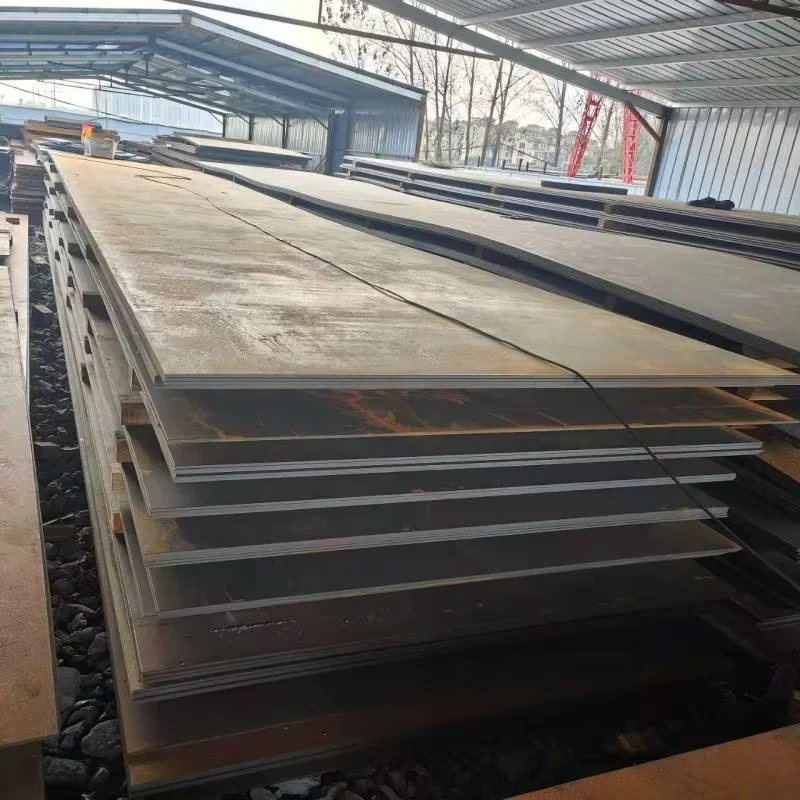
We operate exclusively as a plate and coil division — no trading markup layers, no mixed-source inventory. Every plate in our Jinan warehouse carries an original mill test certificate with heat number traceability, and we verify thickness with ultrasonic measurement before loading. Our cutting facility handles plasma and flame cutting to your exact blank dimensions, so you receive ready-to-weld pieces rather than oversized plates that require secondary processing at your yard. For heavy cargo, I personally design every container loading plan — flatbed, open-top, or break-bulk — because improper stowage of 200 mm plates has cost my clients more than the steel itself. ISO 9001:2015 and Lloyd’s CE certification back our supply chain, and we coordinate SGS or BV third-party inspection at your request before the container doors close.
Documentation & Compliance
- Mill test certificate documenting Q235/Q345/A36/SS400 chemical composition and mechanical properties per GB/ASTM/EN/JIS standards, with traceable heat number
- ISO 9001:2015 quality management certificate covering plate supply and processing operations
- Lloyd’s CE certification for marine-grade and pressure vessel plate applications
- SGS or BV third-party inspection report available upon request before shipment
- Full material traceability from mill heat number through cutting, inspection, and delivery
- Export documentation including commercial invoice, packing list, bill of lading, and certificate of origin
Packaging, Loading & Delivery
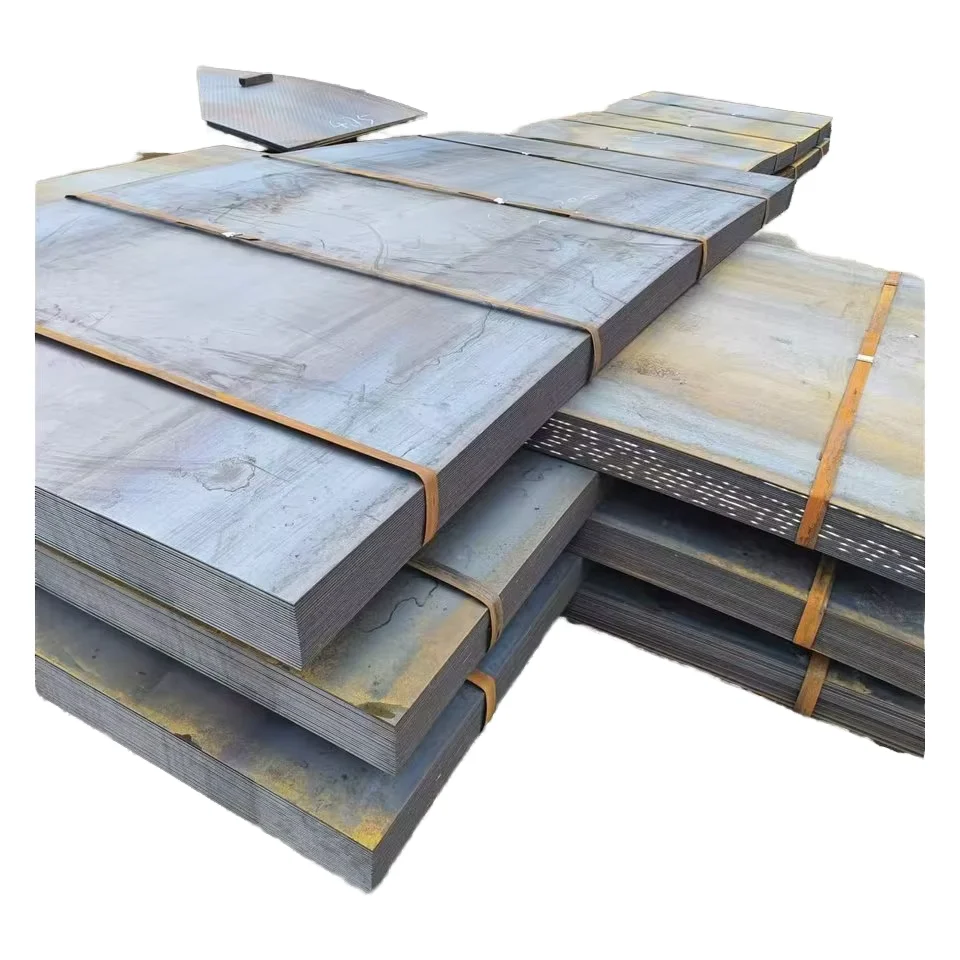
- Heavy steel plates bundled with steel strip bands and edge protectors, sized to match container payload limits for 6 m–12 m lengths
- Black surface plates coated with anti-rust oil to prevent corrosion during ocean transit, especially for 0.35–6 mm thin plates
- Custom container loading plans designed per order — open-top for plates exceeding standard container height, flatbed for oversized widths up to 2500 mm
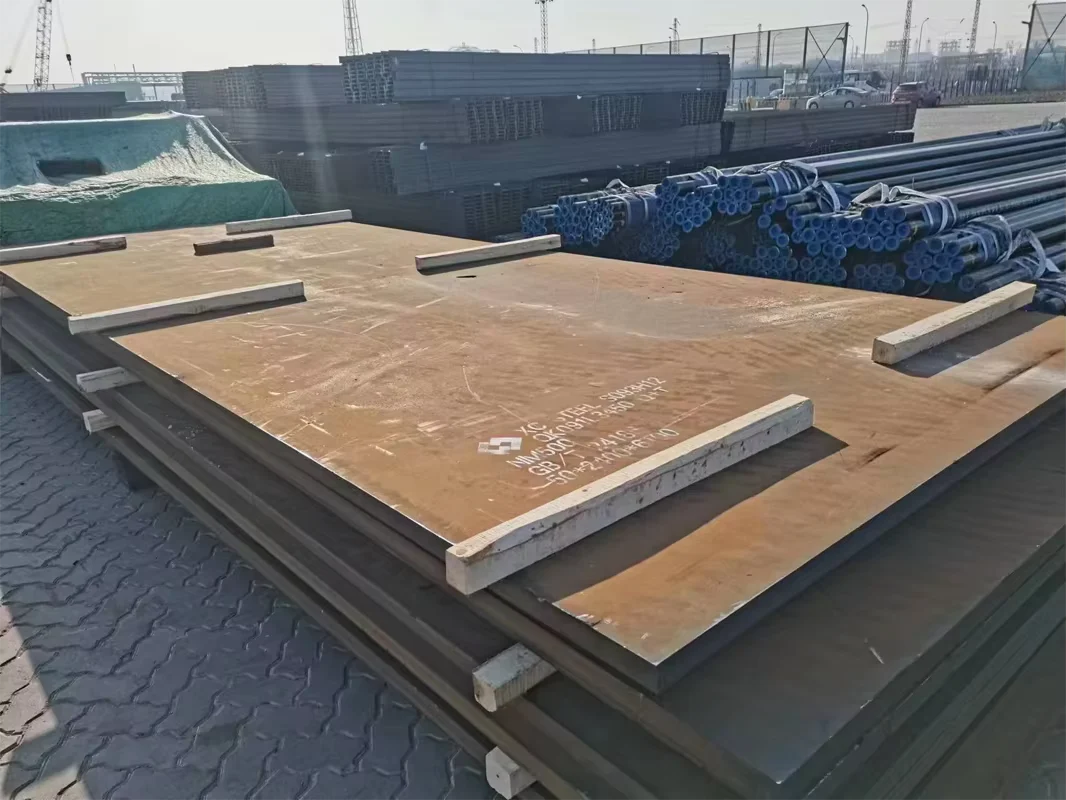
- Cut-to-size blanks nested and separated with timber spacers to prevent surface scratching and edge damage during transport
- Each plate marked with heat number, steel grade, and dimensional identification for on-site traceability
- FOB, CIF, and DDP shipping terms available with full export documentation and real-time tracking
Start Your Plate Procurement With Verified Specifications
Send us your steel grade, thickness, width, length, quantity, and destination port — we respond within 12 hours with a detailed quotation including material cost, processing fees, and shipping terms. Request original mill test certificates before commitment, and confirm third-party inspection availability if your project requires independent verification.
Request Hot Rolled Carbon Steel Plate Q235 Q345 A36 SS400 Quotation With Mill Test Certificate
Submit your specifications and destination to receive pricing, MTC samples, and loading plans within one business day.
Company: Shandong Xin Jiyuan Special Steel Tube Co., Ltd
Website: www.xjyplate.com
Tel: +86 531 8573 6315
Mobile/WhatsApp/WeChat: +86 188 5315 7756
Email: admin@xjyplate.com
Address: No.11889, Jingshi West Road, Lulian Group, Jinan City, Shandong Province, China
Frequently Asked Questions
Q: How do Q235, A36, SS400, and S235JR compare across GB, ASTM, JIS, and EN standards?
A: These grades occupy similar yield strength tiers and serve general structural applications. Q235 (GB) and A36 (ASTM) are closely matched for carbon content and mechanical properties. SS400 (JIS) follows Japanese rolling conventions. S235JR (EN) aligns with European testing standards. We provide cross-reference documentation with every shipment to support customs and engineering approval.
Q: Can I verify the mill test certificate and request third-party re-inspection before shipment?
A: Yes. We provide original mill test certificates showing chemical composition and mechanical properties with traceable heat numbers. SGS or BV third-party inspection is available at our facility before loading, and the inspection report ships with your documentation.
Q: What is the minimum order for cut-to-size plates, and can I mix grades in one container?
A: The minimum order is 1 ton. You can mix steel grades, thicknesses, and dimensions in a single container. We design the loading plan to maximize payload while protecting each plate during transit.
Q: How do you control thickness tolerance, and what is the actual vs. theoretical weight calculation?
A: Our plates maintain ±1% thickness tolerance per standard rolling practice. We provide both theoretical weight (based on nominal dimensions and standard density) and actual measured weight in the inspection report. Ultrasonic thickness verification is conducted before loading.
Q: How are heavy steel plates loaded into containers to avoid damage and overweight penalties?
A: Every loading plan is designed based on plate dimensions, weight, and destination. We use open-top containers for plates exceeding standard height, flatbed trailers for oversized widths, and break-bulk for project cargo. Timber spacers separate cut blanks, and steel strip bands secure the load to prevent shifting during ocean transit.