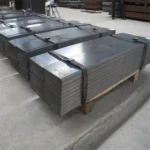
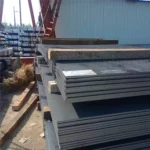
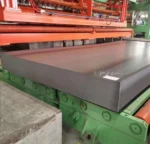
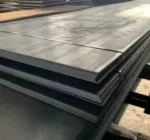
Description
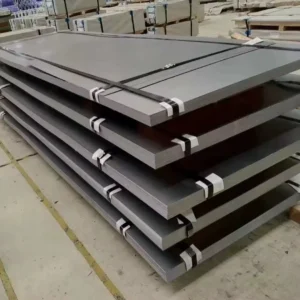
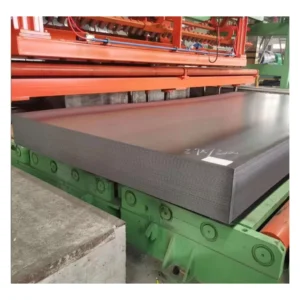
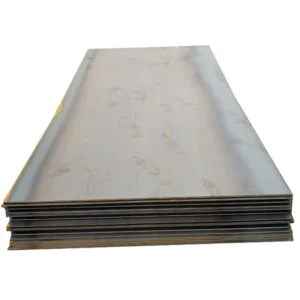
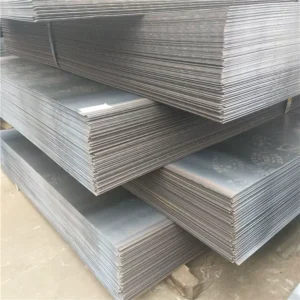
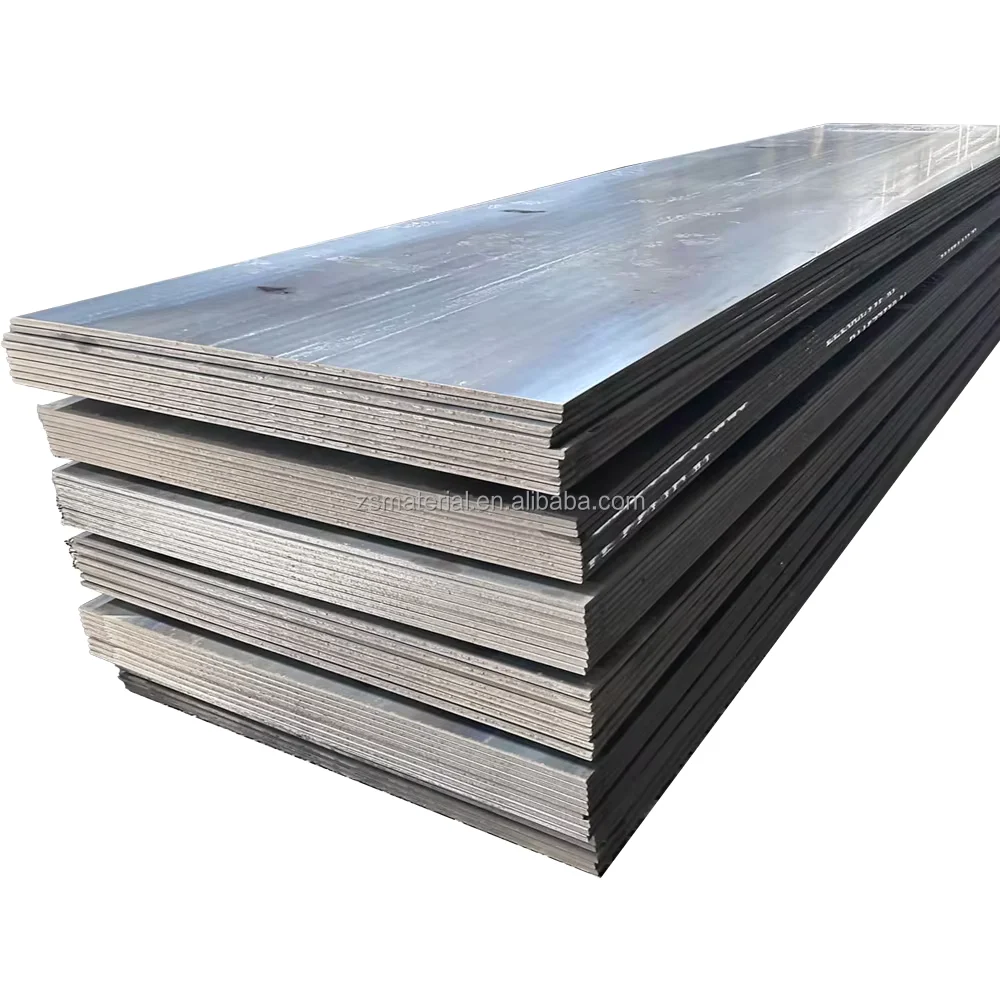
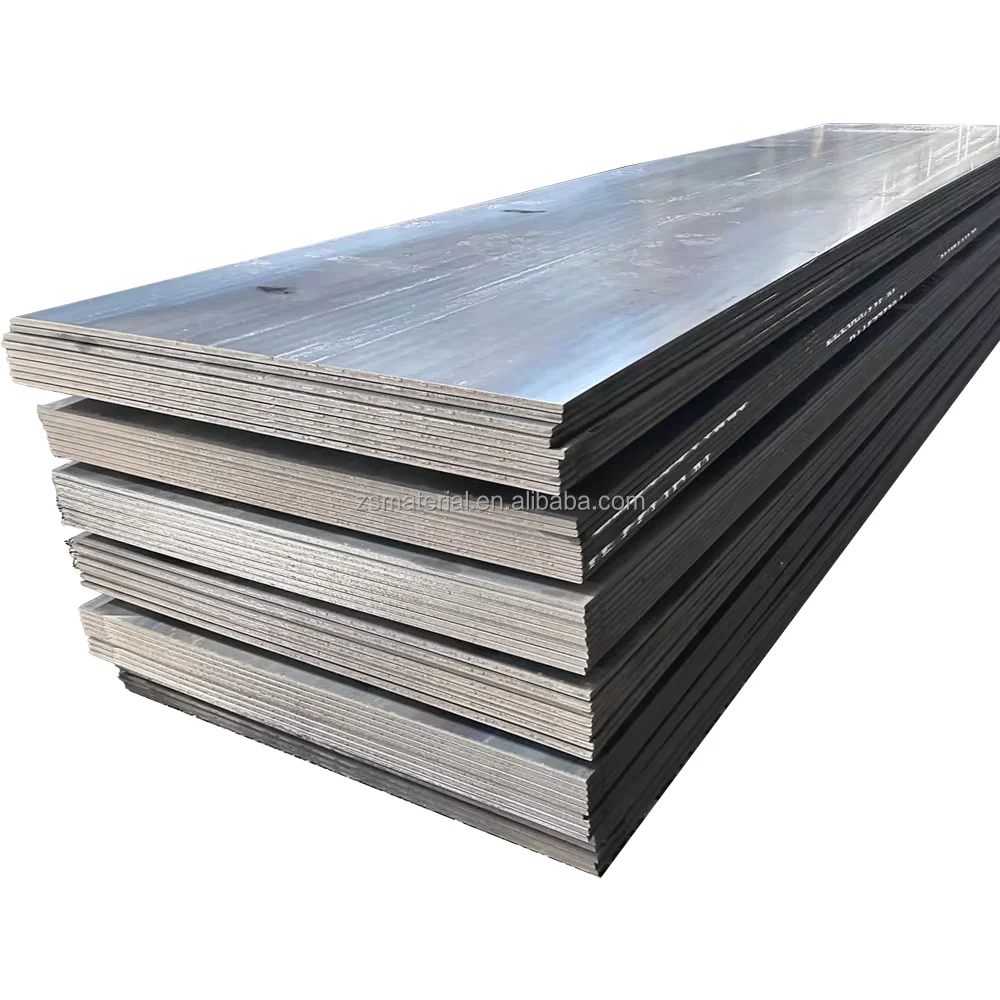
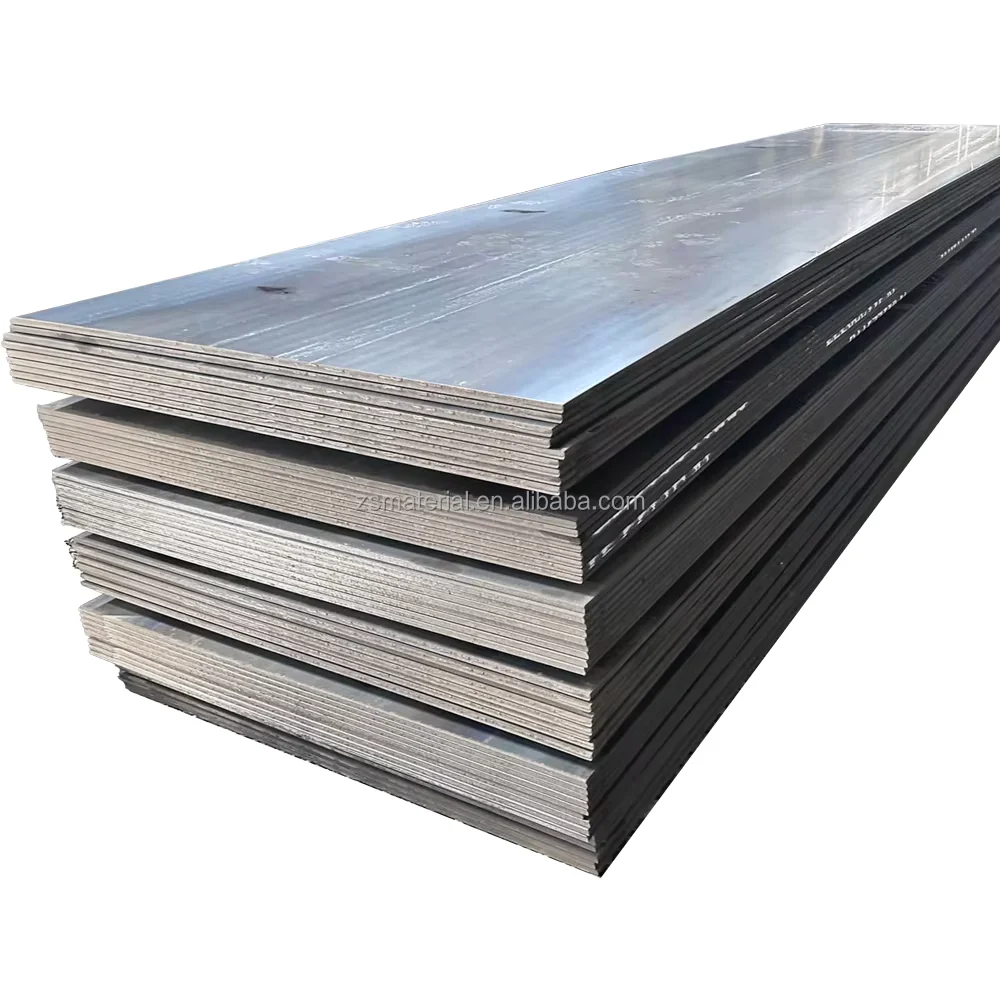
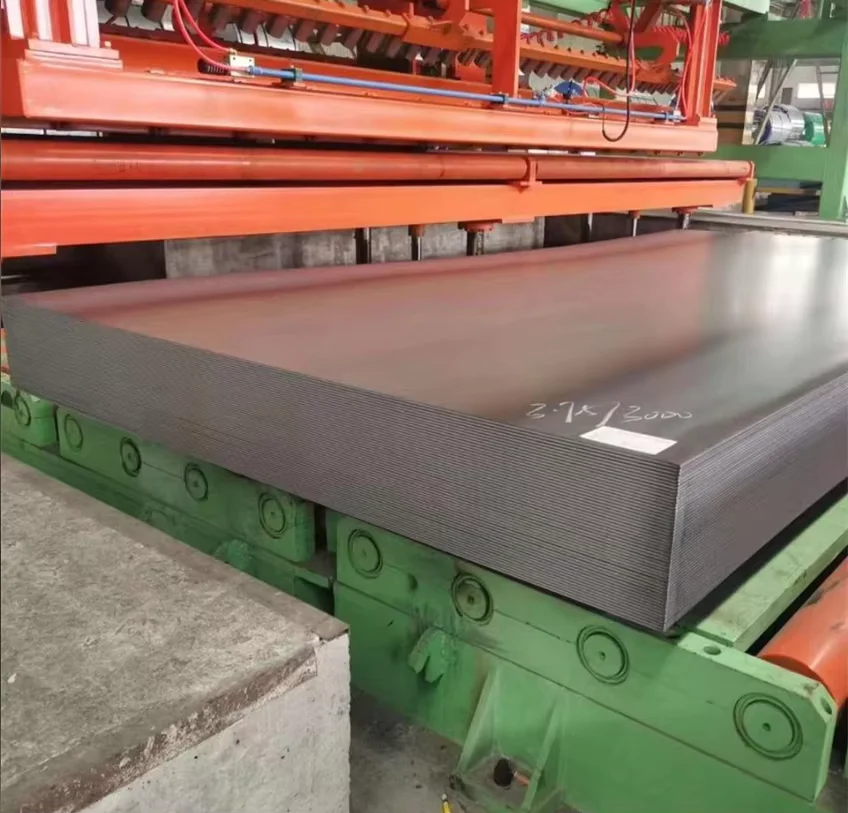
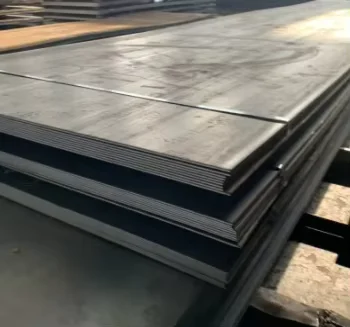
Factory-Direct Hot Rolled Carbon Plate — Original mill test certificates and ISO 9001:2015 certification accompany every Q235B and Q345B plate shipped from our Jinan warehouse, eliminating middleman markups on structural steel orders.
Technical Specifications
| Parameter | Value |
|---|---|
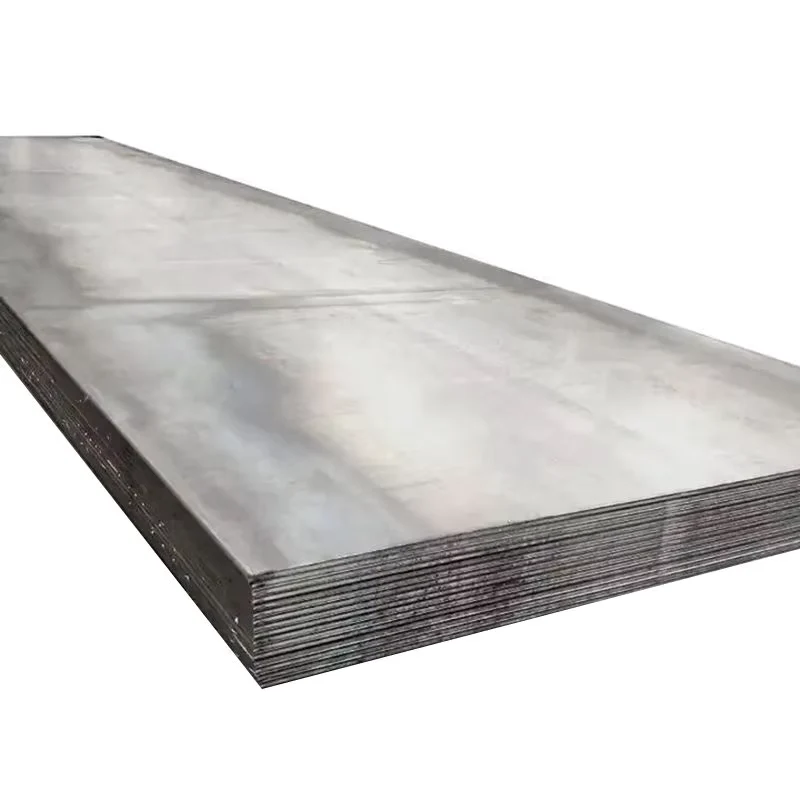
| Designation | Q235B/Q345B Carbon Steel Sheet |
| Product Type | Steel Plate |
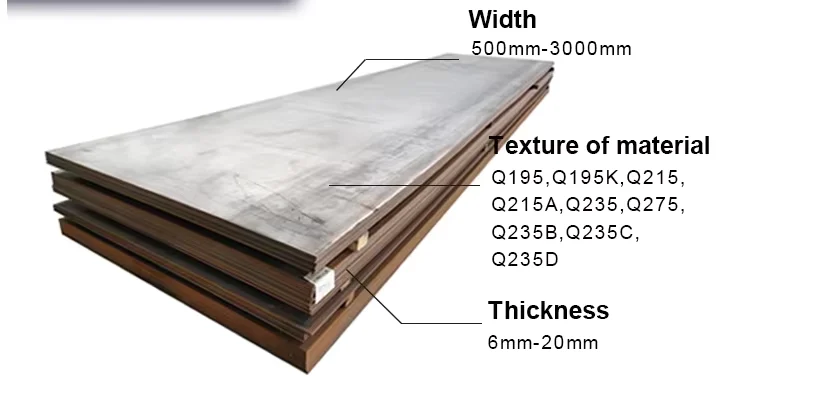
| Steel Grade | Q235, Q235B, Q345, Q345B, SS400 |
| Standard | GB, ASTM |
| Thickness | 0.35-200mm |
| Length | 6m / 9m / 12m |
| Technique | Hot Rolled |
| Surface Treatment | Perforated |
| Tolerance | ±1% |
| Processing Service | Bending, Welding, Decoiling, Punching, Cutting |
| Application | Water Retaining Wall |
| MOQ | 20 Ton |
| Origin | China |
Application Suitability
| Industry | Typical Applications |
|---|---|
| Construction & Infrastructure | Water retaining walls, bridge abutments, foundation slabs |
| Steel Fabrication | Structural frames, equipment bases, conveyor supports |
| Civil Engineering | Retaining structures, flood control barriers, drainage channels |
What Thickness Tolerance Costs on a Water Retaining Wall Order
±1% tolerance with original mill test certificates prevents structural rework and customs delays.
When procurement teams source GB standard hot rolled carbon steel plate supplier materials for water retaining walls, inconsistent thickness across plates creates alignment failures at weld joints. I’ve seen 0.35mm perforated plates arrive at Middle East sites with wave deformation because the supplier skipped the leveling process before container loading. The hidden cost isn’t just replacement material—it’s crane time, crew idle hours, and delayed project handover. Without verifiable mill test certificates showing heat numbers and chemical composition, customs authorities in strict markets can hold shipments for weeks, turning a competitive FOB price into an expensive lesson. [NEED_CITE: steel plate thickness tolerance standards for structural applications]
How Perforated Carbon Plates Match Water Retaining Wall Requirements
Perforated Q235B and Q345B plates serve dual functions in water retaining wall systems: drainage control and structural reinforcement. The 0.35-200mm thickness range covers lightweight acoustic barriers to heavy-duty flood containment structures. Hot rolled processing ensures uniform grain structure across the plate width, critical when perforation patterns create stress concentration points. Our plasma cutting capability delivers precise hole geometries without edge distortion, while the ±1% thickness tolerance guarantees consistent load distribution across bolted connections. As a GB standard hot rolled carbon steel plate supplier, we provide custom perforation layouts matched to hydraulic flow calculations.
Engineering Compliance and Grade Selection for Structural Plates
Water retaining walls in municipal infrastructure must comply with local building codes referencing either GB standards for domestic Chinese projects or ASTM equivalents for international tenders. Q235B corresponds to ASTM A36 in yield strength category, while Q345B aligns with ASTM A572 Grade 50 for higher load-bearing applications. [NEED_CITE: GB to ASTM steel grade equivalence tables] The perforated surface treatment requires post-punching edge inspection to verify no micro-cracks propagate from hole boundaries—our mill test certificates document mechanical properties including elongation rates that confirm formability. For projects requiring third-party verification, SGS or BV inspection reports accompany each shipment, satisfying both engineer specifications and import documentation requirements.
Carbon Steel Grade Systems and Hot Rolled Processing Explained
The Q-series designation (Q235, Q345) follows Chinese GB standards where the number indicates minimum yield strength in MPa. Q235B delivers adequate strength for general structural applications while Q345B provides higher load capacity for heavy civil engineering. SS400, the Japanese industrial standard equivalent, appears frequently in Southeast Asian project specifications. Hot rolled processing heats steel slabs above recrystallization temperature before rolling, producing plates with uniform mechanical properties throughout the thickness cross-section. This contrasts with cold rolled sheets that offer tighter tolerances but limited thickness range. The perforated surface treatment requires careful process control—punching must occur after rolling completion to avoid edge cracking, and burr removal ensures clean hole edges for bolt passage. [NEED_CITE: hot rolled vs cold rolled steel plate selection criteria]
Hidden Costs of Sourcing Without Verified Mill Certificates
Procurement teams selecting suppliers based solely on price per ton often discover that missing or forged mill test certificates create cascading project delays. Without traceable heat numbers linking plates to original chemical composition reports, structural engineers cannot verify material compliance, forcing costly third-party testing or complete material rejection. [NEED_CITE: mill test certificate verification requirements for structural steel] Negative tolerance practices—where actual plate thickness falls below nominal specifications—reduce structural load capacity while appearing cost-competitive on paper. For perforated plates specifically, inconsistent thickness causes misalignment during assembly, requiring on-site grinding or complete panel replacement.
Why Engineering Teams Source from XJY Plate
Our Jinan warehouse maintains ready stock across the full 0.35-200mm thickness range, eliminating the 8-12 week mill rolling delays that plague custom orders. Every plate carries original mill test certificates with heat number traceability, verified by our in-house metallurgical laboratory before shipment. The ISO 9001:2015 certification and Lloyd’s CE standards compliance satisfy both quality management audits and European market access requirements. For perforated plate orders, our plasma cutting facility delivers custom hole patterns with edge quality that passes visual inspection without secondary grinding. Professional heavy cargo logistics—including flatbed transport, open-top container loading, and break-bulk shipping—prevent the deformation damage that ruins thin-gauge perforated plates during ocean transit. Third-party inspection through SGS or BV confirms dimensions and surface quality before container sealing.
Documentation & Compliance
- Mill test certificate documenting Q235B/Q345B chemical composition, yield strength, and elongation per GB standards with heat number traceability
- ISO 9001:2015 quality management certificate covering plate processing and inspection procedures
- CE certification per Lloyd’s Register standards for projects requiring European market compliance
- SGS or BV third-party inspection reports verifying dimensions, surface quality, and perforation accuracy before shipment
- Material traceability documentation linking each plate to original mill heat number and test results
- Complete customs documentation including packing list, bill of lading, and certificate of origin
Packaging, Loading & Delivery
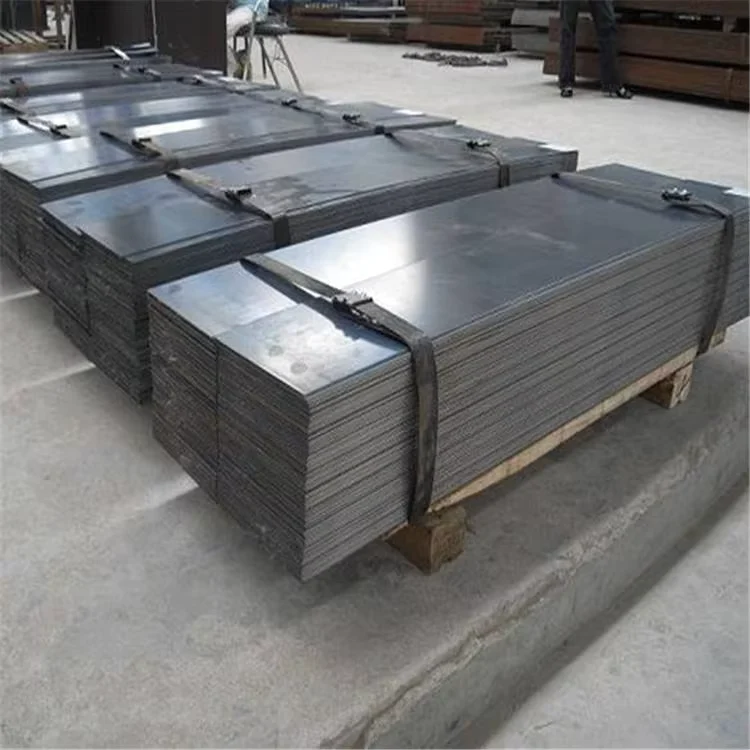
- Perforated Q235B/Q345B plates bundled with steel strips and edge protectors to prevent hole deformation during transit
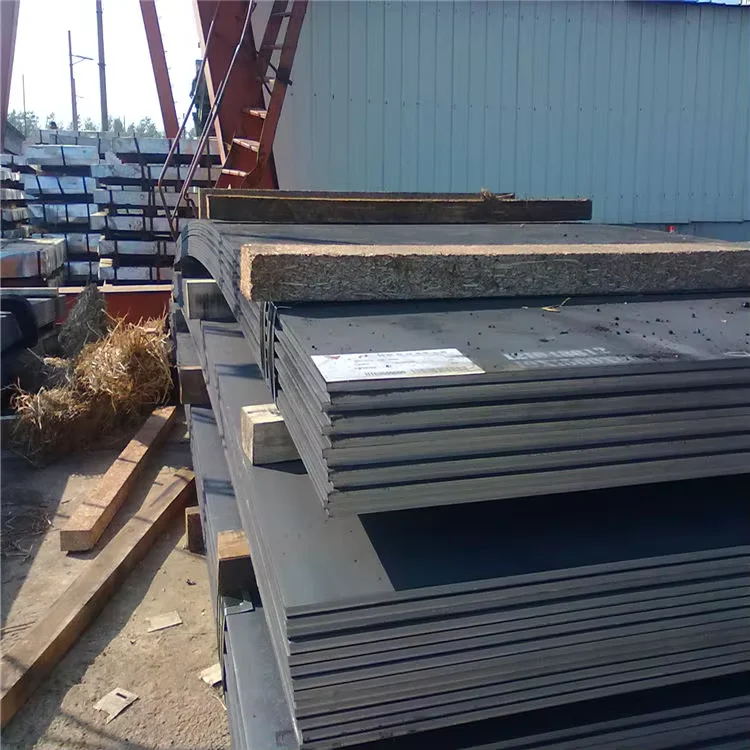
- Wooden separators between plate layers maintain surface integrity and prevent friction damage to perforated surfaces
- Open-top container loading for 6m/9m/12m length plates ensures proper weight distribution and prevents edge damage
- Custom cutting to project-specific lengths reduces on-site waste and welding requirements for water retaining wall assembly
- Heat number and steel grade markings stenciled on each plate enable site identification and traceability verification
- FOB, CIF, and DDP shipping terms available with professional heavy cargo logistics coordination to project sites
How to Request a Quotation for Perforated Carbon Steel Plates
Submit your project specifications including steel grade (Q235B/Q345B/SS400), thickness, perforation pattern, quantity, and destination port to receive a detailed quotation within 12 hours. Our technical team reviews perforation layouts for structural feasibility and provides mill test certificate samples for your engineer’s approval before order confirmation. For water retaining wall projects requiring custom cutting or specific tolerance requirements, we coordinate directly with your engineering team to match plate specifications to load calculations.
Frequently Asked Questions
Q: What is the equivalence between Q235B/Q345B and international steel standards?
A: Q235B corresponds to ASTM A36 and S235JR in yield strength category, while Q345B aligns with ASTM A572 Grade 50 and S355JR. We provide detailed chemical composition comparison tables with mill test certificates to support engineer approval for international projects.
Q: Can you provide custom perforation patterns for water retaining wall applications?
A: Yes, our plasma cutting facility produces custom hole layouts based on your hydraulic flow requirements. We recommend providing perforation drawings with hole diameter, pitch, and edge distance specifications to ensure structural integrity after punching.
Q: What thickness tolerance can I expect for 0.35mm perforated plates?
A: Our hot rolled perforated plates maintain ±1% thickness tolerance verified by original mill test certificates. For thin-gauge perforated applications, we recommend specifying flatness requirements separately as punching operations can introduce edge deformation without proper leveling processes.
Q: Do you provide third-party inspection before shipment?
A: SGS and BV third-party inspection services are available upon request. Inspection covers dimensional verification, surface quality assessment, perforation accuracy, and mill test certificate validation before container loading.
Q: What is the minimum order quantity for custom-cut perforated plates?
A: The standard MOQ is 20 Ton, but we accommodate smaller quantities for project-specific orders when combined with stock plate utilization. Contact our sales team with your cutting list to evaluate order feasibility.
Get Your GB Standard Hot Rolled Carbon Steel Plate Quotation
Submit your specifications including steel grade, thickness, perforation requirements, and destination to receive pricing and mill test certificate samples within 12 hours.
Contact: Shandong Xin Jiyuan Special Steel Tube Co., Ltd
Website: www.xjyplate.com
Mobile/WhatsApp/WeChat: +86 188 5315 7756
Email: admin@xjyplate.com