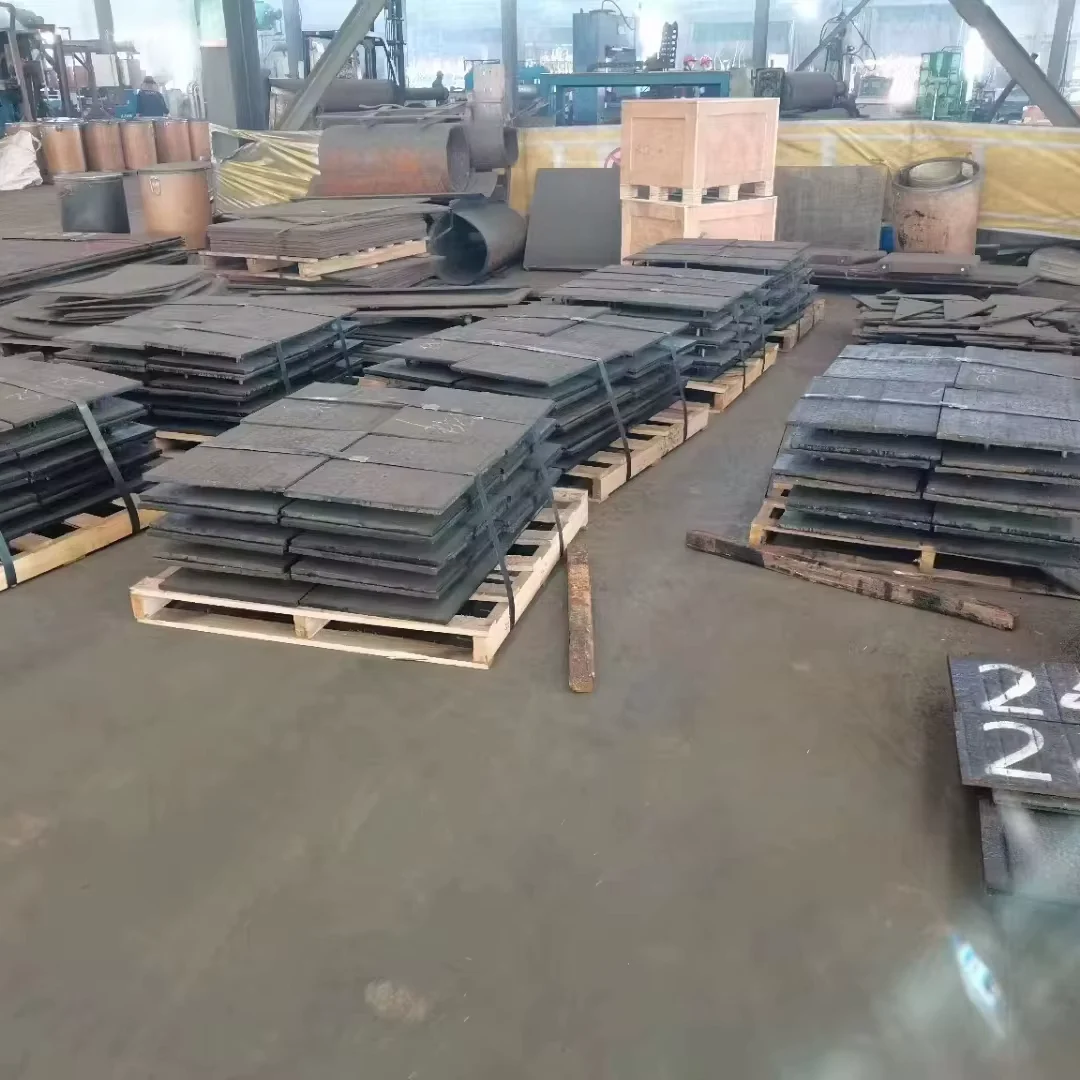
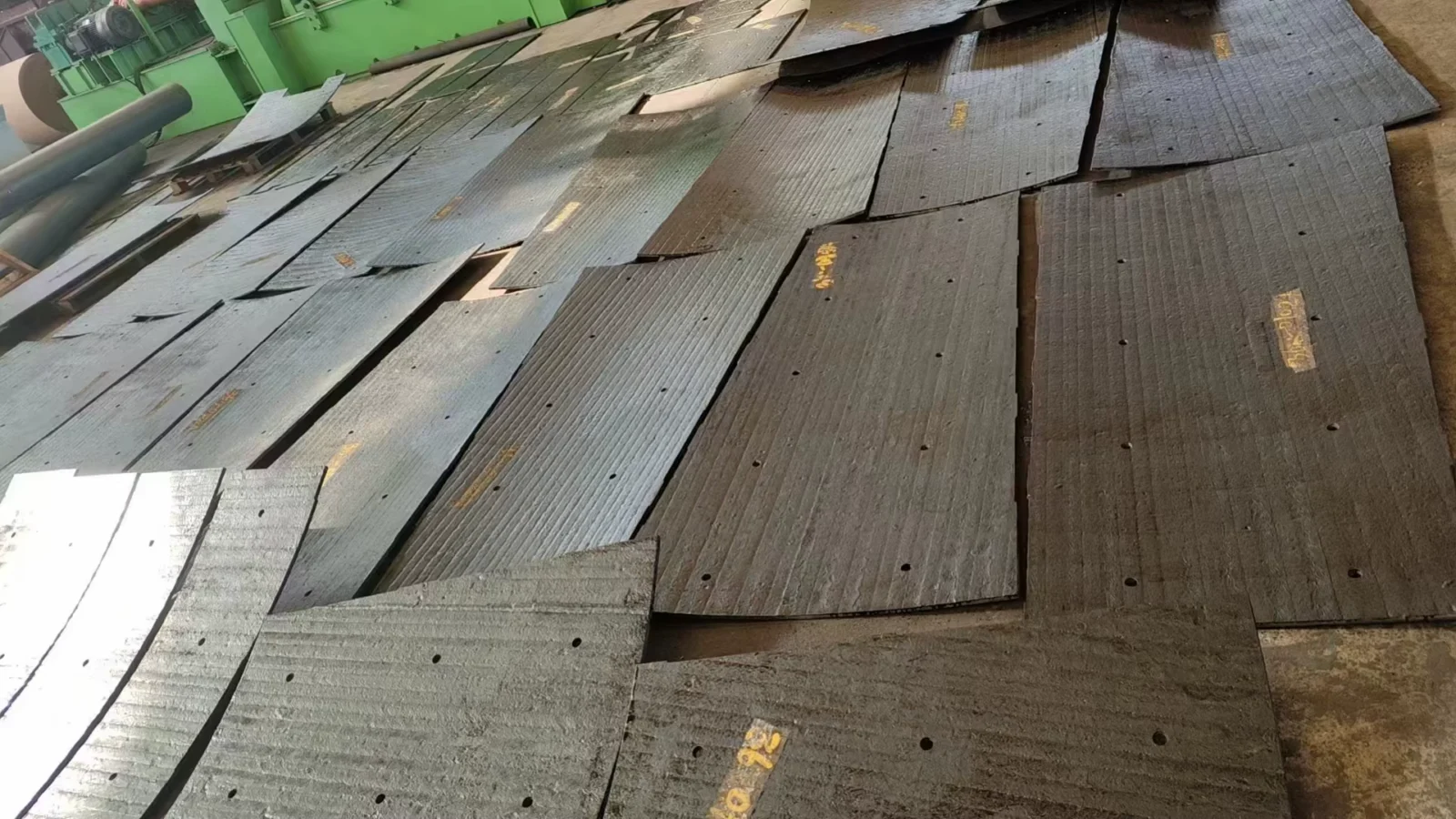
Description
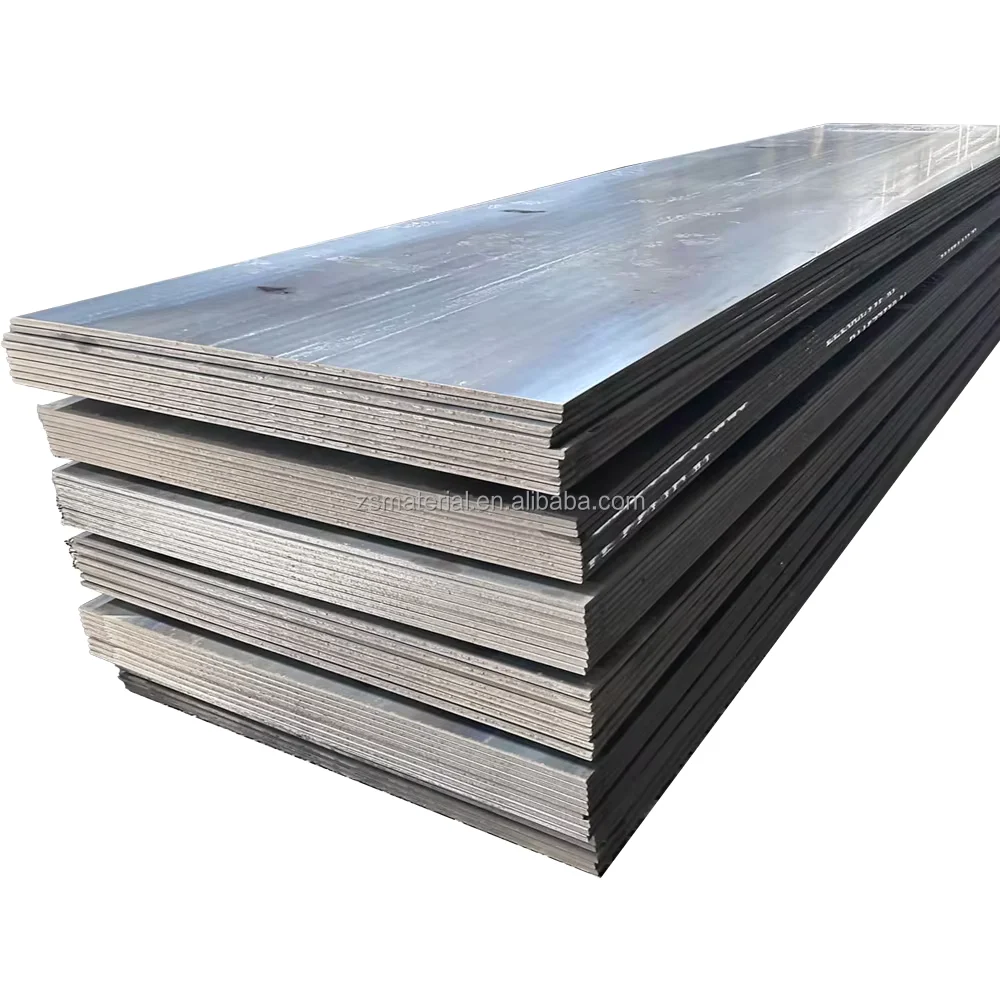
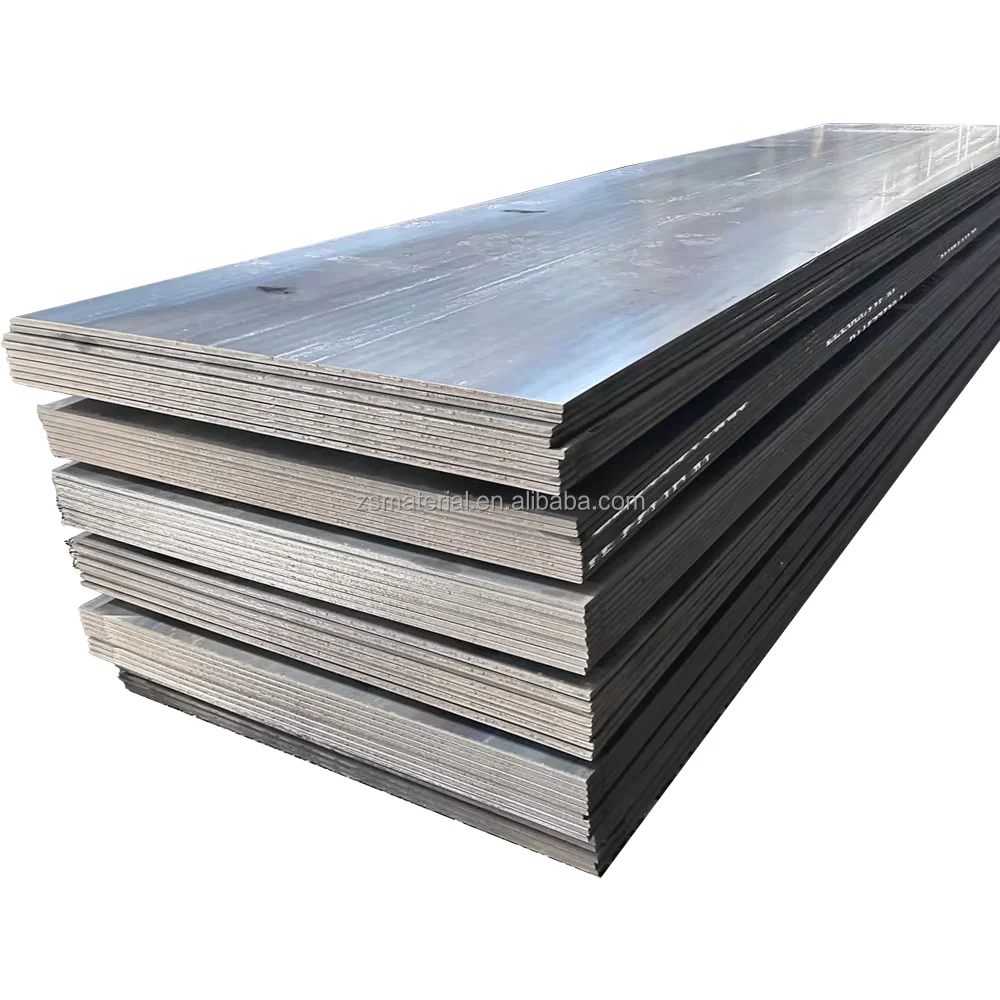
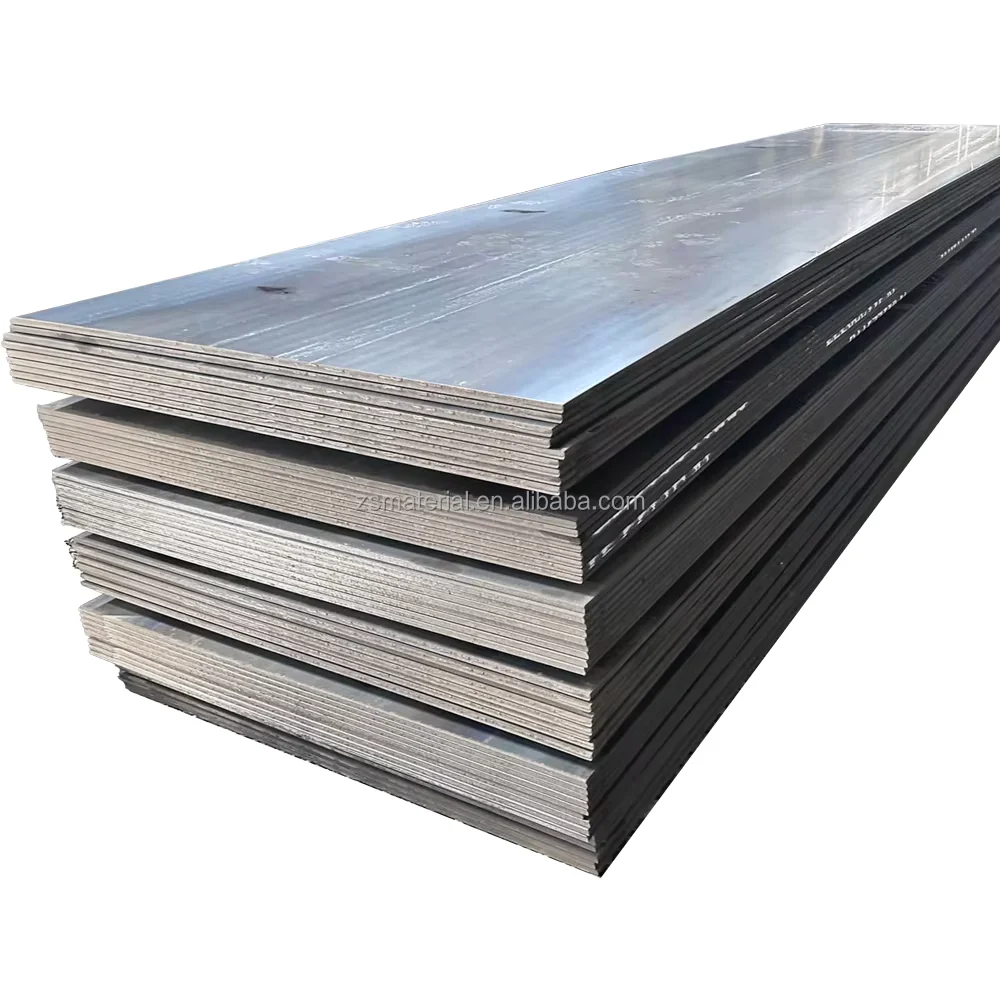
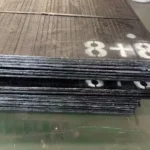
One-Stop Hot Rolled Plate Supply — SS400, Q235, and Q345 grades stocked in 1.2–2.0mm tear drop profile with original mill test certificates and JIS/ASTM/DIN compliance documentation.
Technical Specifications
| Parameter | Value |
|---|---|
| Designation | SS400 Q235 Q345 Hot Rolled Carbon Steel Plate |
| Product Type | Steel Plate |
| Steel Grade | SS400, Q235, Q345 |
| Standard | JIS G3101, GB/T 709, ASTM A36, DIN EN 10025 |
| Section Shape | Tear Drop |
| Thickness | 1.2 mm – 2.0 mm |
| Technique | Hot Rolled |
| Surface Treatment | Hot Rolled |
| Application | Industrial flooring, structural fabrication, construction, building applications |
| Origin | China |
Application Suitability
| Industry | Typical Applications |
|---|---|
| Construction | Industrial flooring, walkways, stair treads, mezzanine decks |
| Steel Fabrication | Structural frames, equipment bases, conveyor supports |
| Infrastructure | Bridge decking, highway maintenance platforms |
| Building | Roof support structures, warehouse flooring |
What Negative Thickness Tolerance Costs on a Tear Drop Plate Order
Actual thickness deviation turns theoretical weight into real financial loss.
When you order 12mm tear drop plate for industrial flooring and the mill delivers 10.8mm, you’re paying for steel that isn’t there. The weight difference compounds across a full container—hundreds of kilograms missing from your structural budget. At Tincan Port in Lagos, I watched an entire shipment get held because third-party inspection caught the thickness gap. The buyer paid for 12mm plate, received 10.8mm, and faced weeks of delay while sorting out claims.
This isn’t just about one shipment. When thickness tolerance isn’t verified against JIS G3101 or GB/T 709 standards, fabrication shops cut pieces that don’t match engineering drawings. Weld joints fail load tests. Floor systems deflect beyond allowable limits. The cost of rework and project delays dwarfs any initial savings from accepting negative tolerance without documentation [NEED_CITE: steel plate thickness tolerance standards in hot rolled products].
How Tear Drop Profile Matches Industrial Flooring Requirements
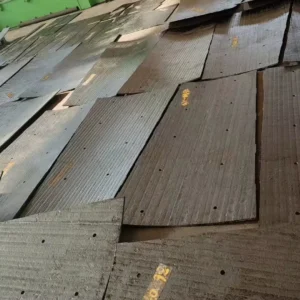
The tear drop pattern on hot rolled carbon steel plate provides anti-slip surface texture for industrial flooring applications. SS400 and Q235 grades deliver adequate strength for walkway and mezzanine construction where foot traffic and light equipment loads dominate. The 1.2–2.0mm thickness range covers typical flooring specifications without excessive weight penalty. When specifying SS400 Q235 Q345 hot rolled carbon steel plate supplier for flooring projects, verify that the raised pattern meets slip-resistance requirements for your working environment.
Engineering Compliance and Certification Requirements
Hot rolled tear drop plate for structural flooring must comply with load-bearing specifications defined by local building codes. JIS G3101 SS400 and GB/T 709 Q235 provide equivalent yield strength for general construction applications. For projects requiring third-party verification, SGS or BV inspection confirms chemical composition and mechanical properties match mill test certificates. When importing into markets with strict customs documentation, CE marking and ISO 9001 certification prevent clearance delays [NEED_CITE: mill test certificate verification for steel plate imports].
Steel Grade Selection and Hot Rolling Process
SS400 (JIS), Q235 (GB), and ASTM A36 represent carbon steel grades with similar mechanical properties but different standardization systems. SS400 and Q235 both specify minimum tensile strength requirements for general structural use. The hot rolling process produces the tear drop surface pattern in a single pass through textured rolls, creating raised diamonds that provide slip resistance without additional coating. Thickness tolerance for hot rolled plate typically allows ±0.1mm to ±0.2mm deviation depending on width and production method. When comparing grades, verify equivalence tables because chemical composition limits vary slightly between JIS, GB, and ASTM frameworks [NEED_CITE: steel grade equivalence between JIS SS400 and GB Q235].
Hidden Costs of Unverified Thickness and Grade Substitution
Ordering SS400 Q235 Q345 hot rolled carbon steel plate without mill test certificate verification creates multiple risk points. Grade substitution—receiving Q235 when SS400 was specified—may pass visual inspection but fails mechanical testing during project acceptance. Thickness deviation beyond standard tolerance reduces load capacity and triggers rejection during structural inspection. Missing heat number traceability prevents verification that plates came from the same production batch, complicating warranty claims if defects emerge later. Projects requiring certified documentation face customs holds and demurrage charges when certificates don’t match physical shipment [NEED_CITE: steel plate customs clearance documentation requirements].
Why Procurement Teams Choose Our Plate Division
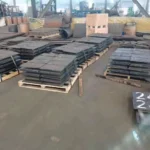
We maintain dedicated inventory of SS400, Q235, and Q345 tear drop plate in 1.2–2.0mm thickness, eliminating the need to source from multiple suppliers for different grades. Every plate ships with original mill test certificate showing heat number, chemical composition, and mechanical properties—no photocopies, no forged documents. Our logistics team specializes in heavy cargo loading for steel plate, using flatbed trucks and open-top containers to prevent damage during transit. Custom cutting services include plasma cutting, leveling, and blanking to your specified dimensions, reducing on-site fabrication waste. Third-party inspection through SGS or BV is available before shipment for projects requiring independent verification. ISO 9001:2015 and Lloyd’s CE certification provide documentation needed for international customs clearance.
Documentation & Compliance
- Mill test certificate documenting SS400/Q235/Q345 chemical composition and mechanical properties per JIS G3101 and GB/T 709
- CE certificate confirming compliance with European construction product regulations for structural steel plate
- ISO 9001:2015 quality management system certificate covering hot rolled plate production and inspection
- SGS or BV third-party inspection report verifying thickness, surface quality, and dimensional accuracy
- Material traceability by heat number linking each plate to original production batch and test results
- Customs documentation including packing list, bill of lading, and certificate of origin for import clearance
Packaging, Loading & Delivery
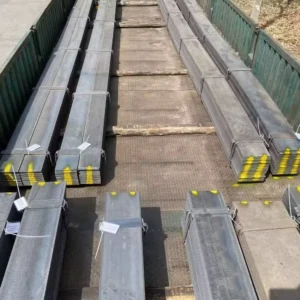
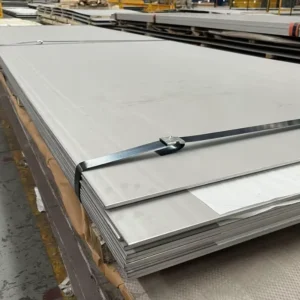
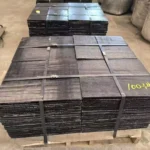
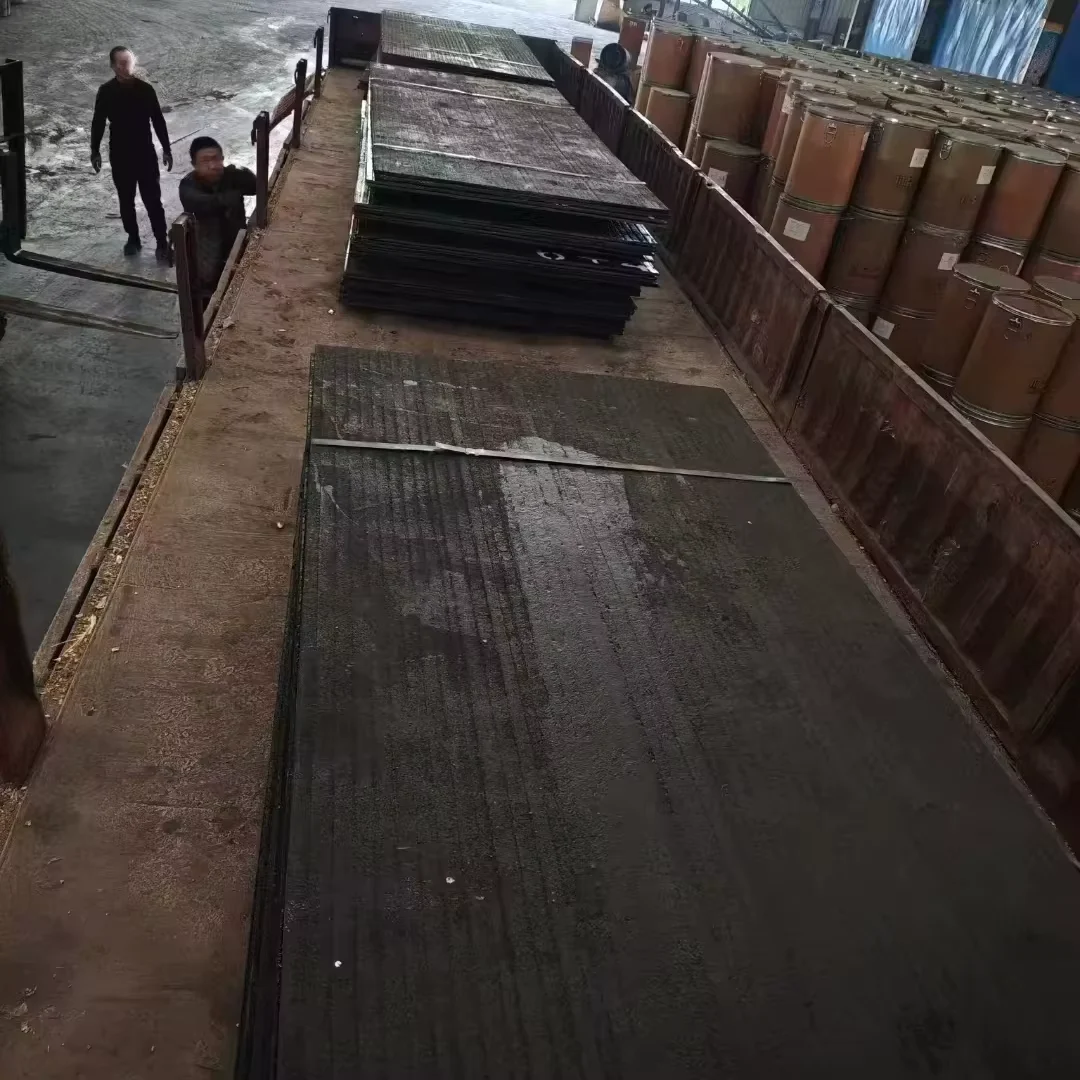
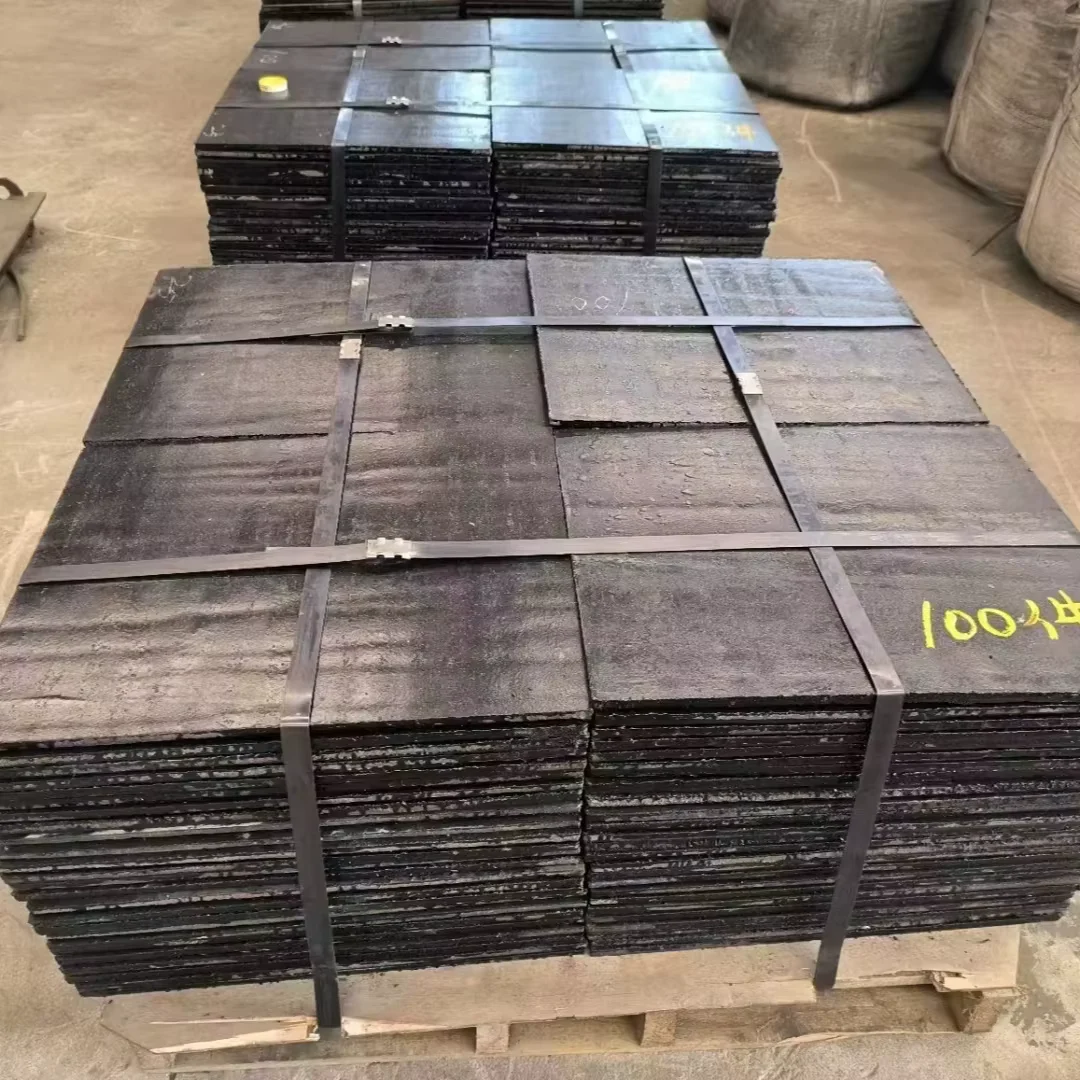
- Tear drop plate bundled with steel straps and edge protectors to preserve surface pattern during ocean transit
- Hot rolled surface treated with anti-rust oil to prevent corrosion during storage and shipping
- Container loading optimized for 1.2–2.0mm thickness plates using wooden dunnage to distribute weight and prevent shifting
- Custom cutting to specified lengths reduces on-site waste and improves container utilization
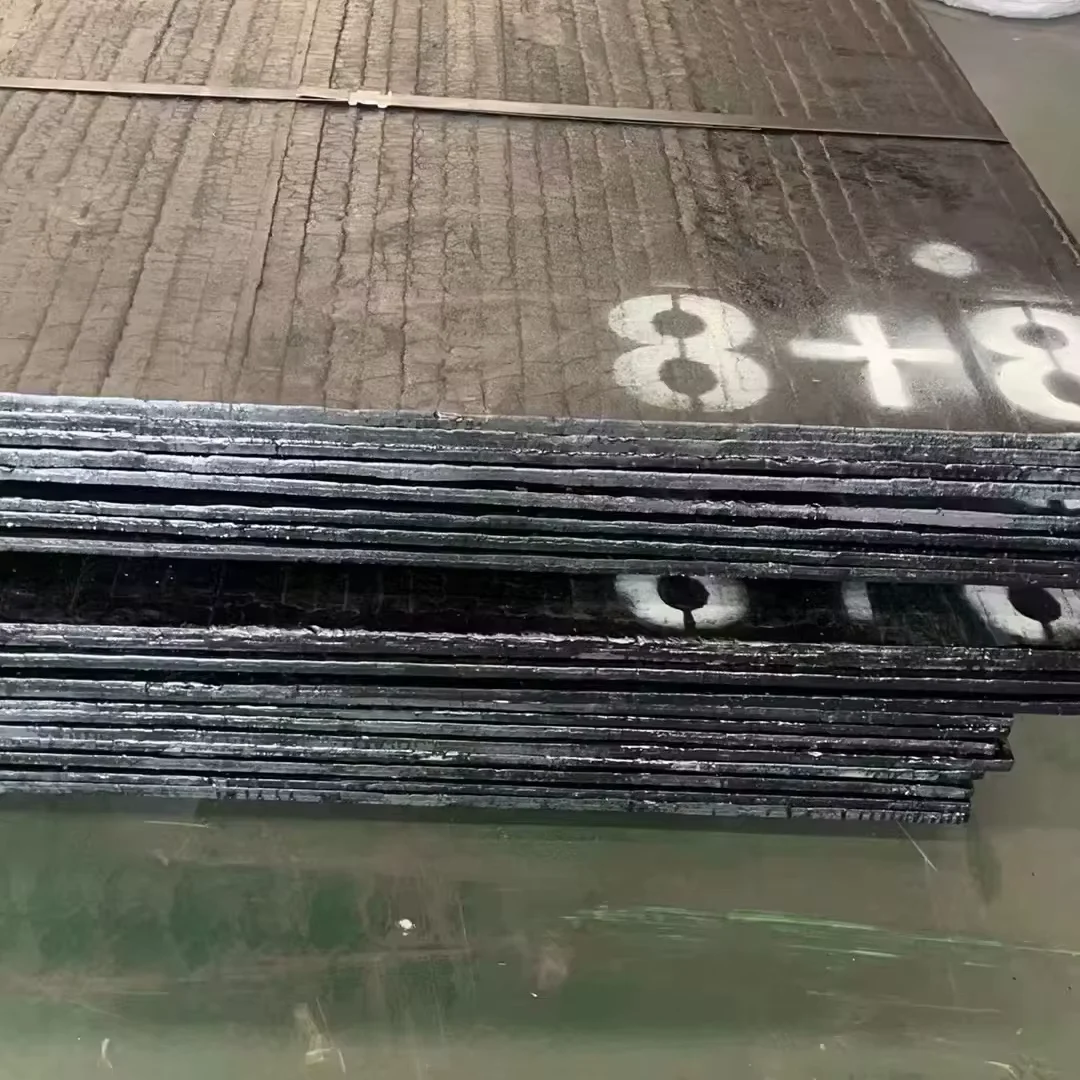
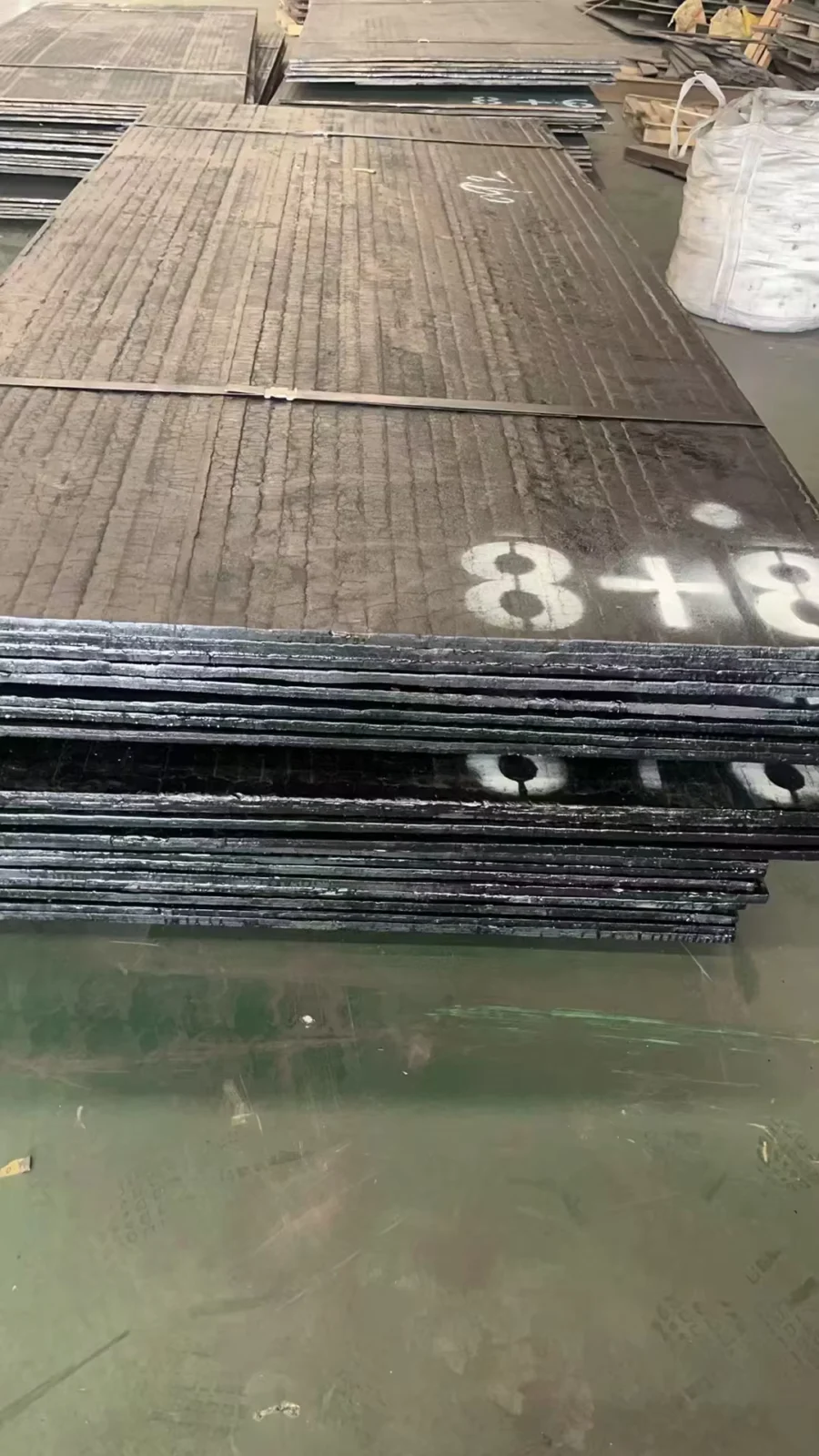
- Each plate marked with heat number, steel grade, and thickness for site identification and traceability
- FOB, CIF, and DDP shipping terms available with professional heavy cargo logistics experience
How to Request Quotation and Technical Documentation
Submit your specification including steel grade (SS400/Q235/Q345), thickness (1.2–2.0mm), dimensions, quantity, and destination port. We respond within 12 hours with detailed quotation including material cost, cutting fees if applicable, and shipping terms. Original mill test certificate provided before or with shipment for your quality verification. Sign proforma invoice and pay 30% deposit to reserve stock or arrange production schedule.
Get Your SS400 Q235 Q345 Hot Rolled Carbon Steel Plate Quote
Send your specifications to receive pricing and mill test certificate samples. Contact our plate division at admin@xjyplate.com or WhatsApp +86 188 5315 7756 for technical consultation and delivery scheduling.