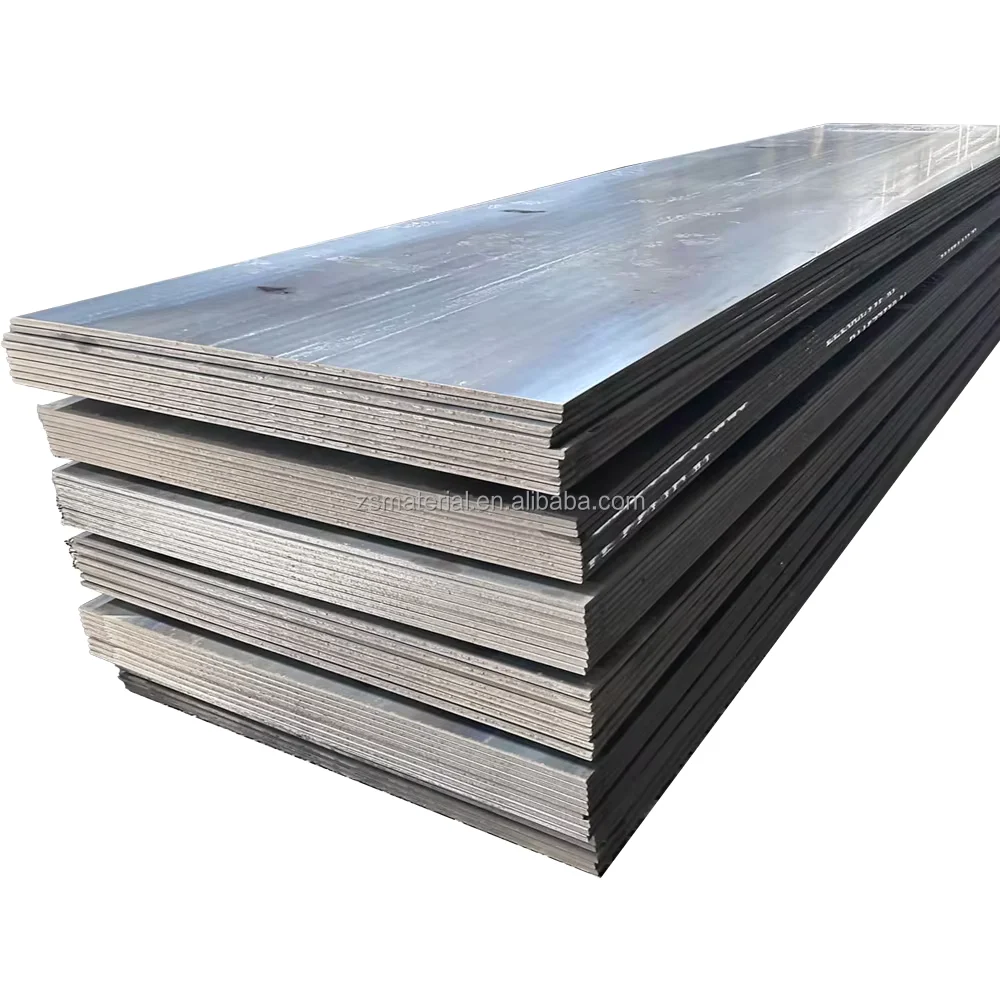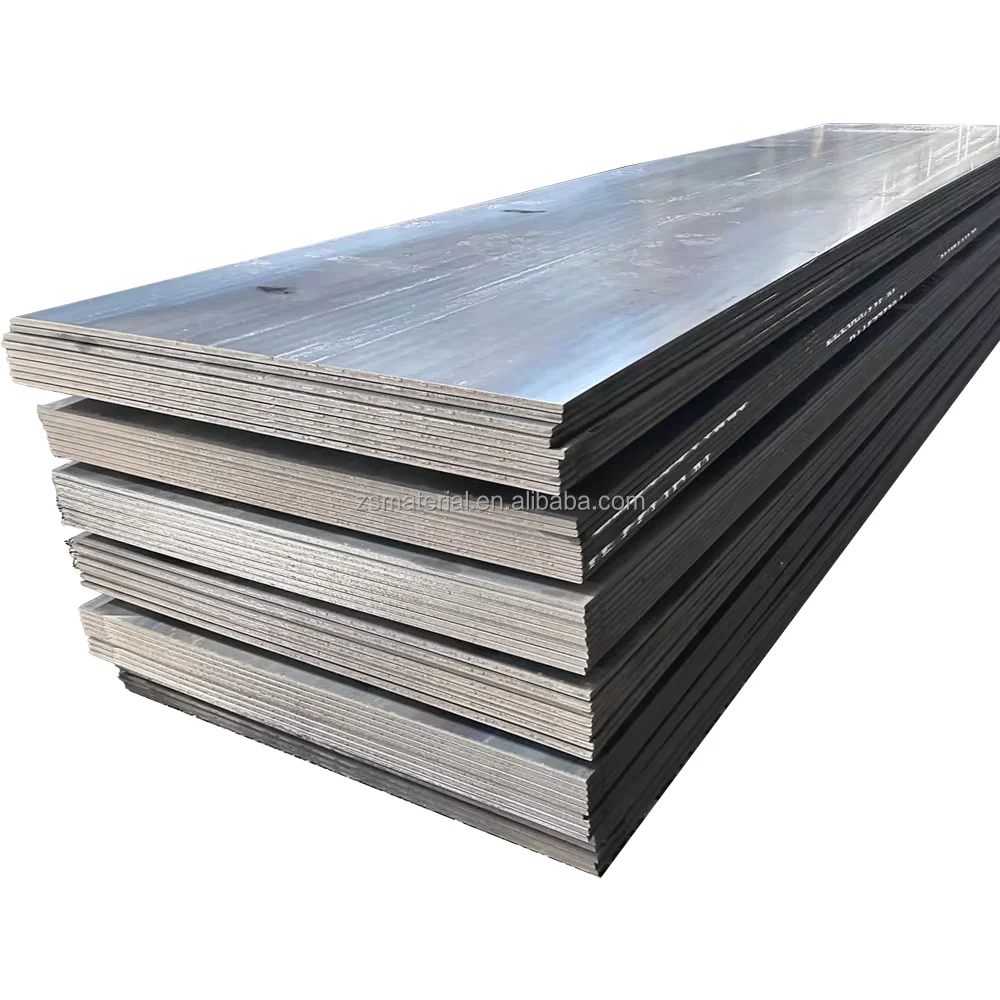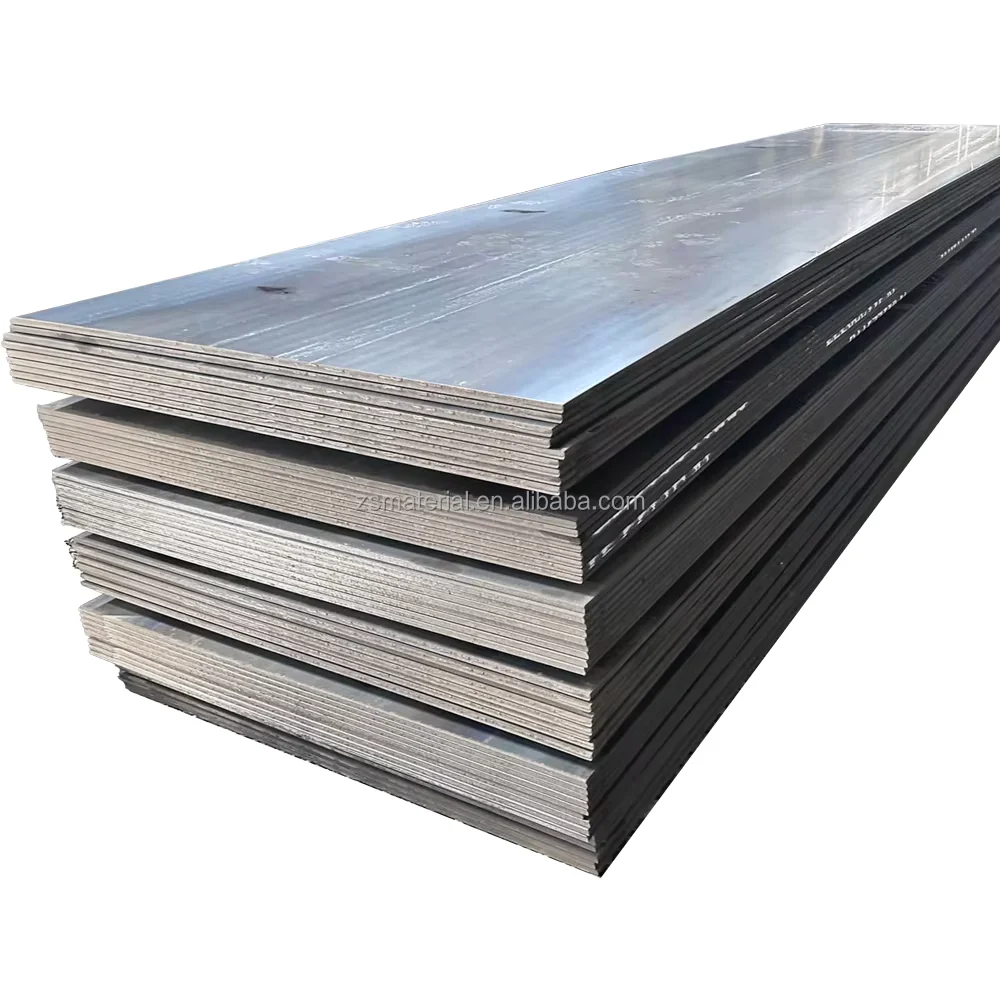
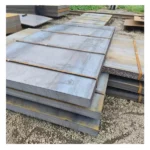
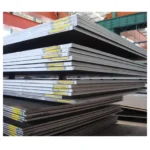
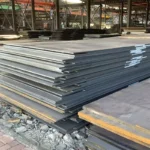
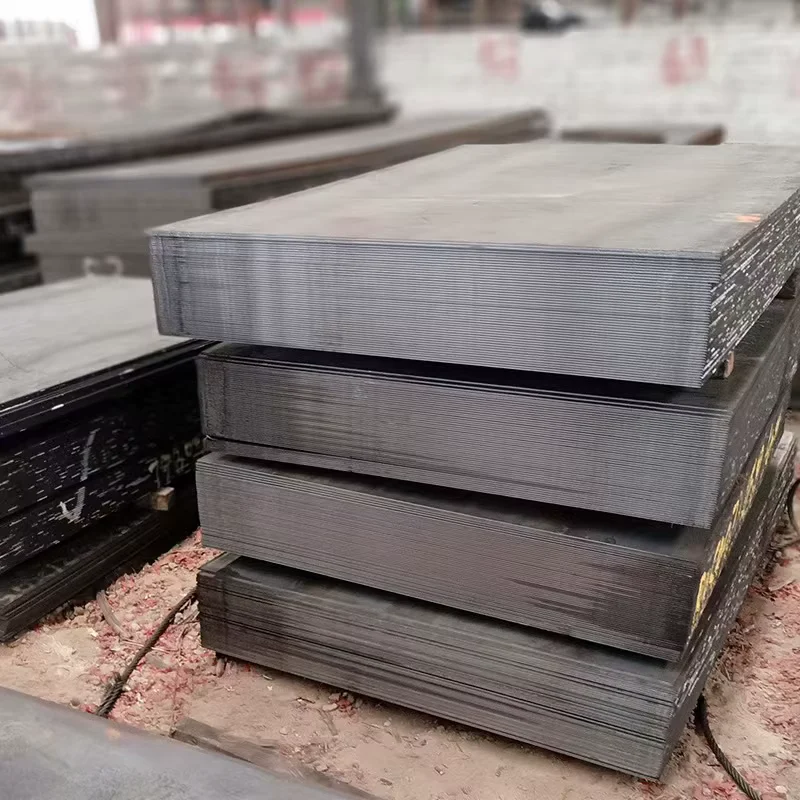
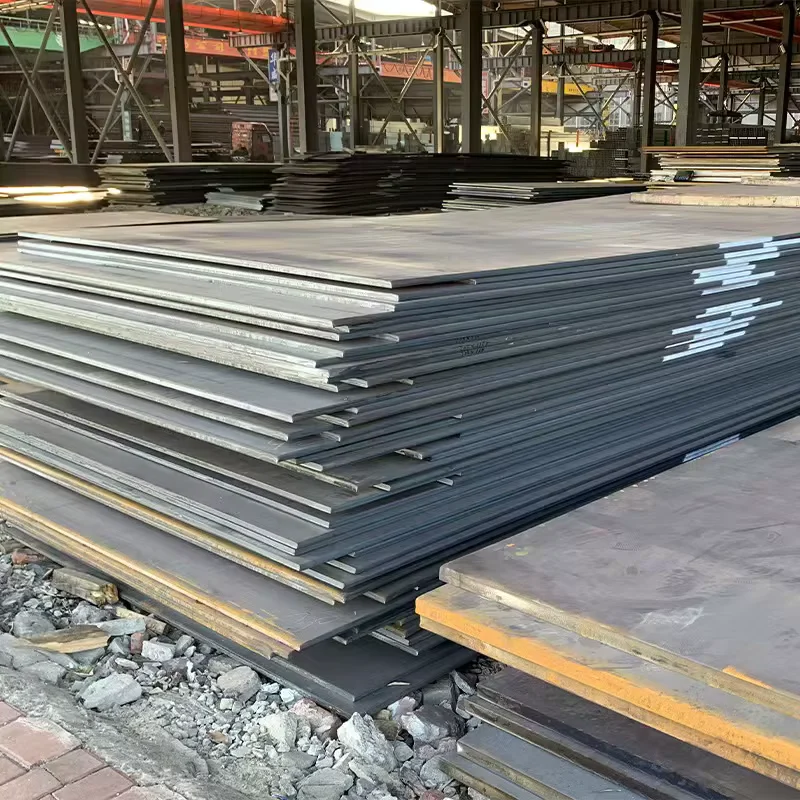
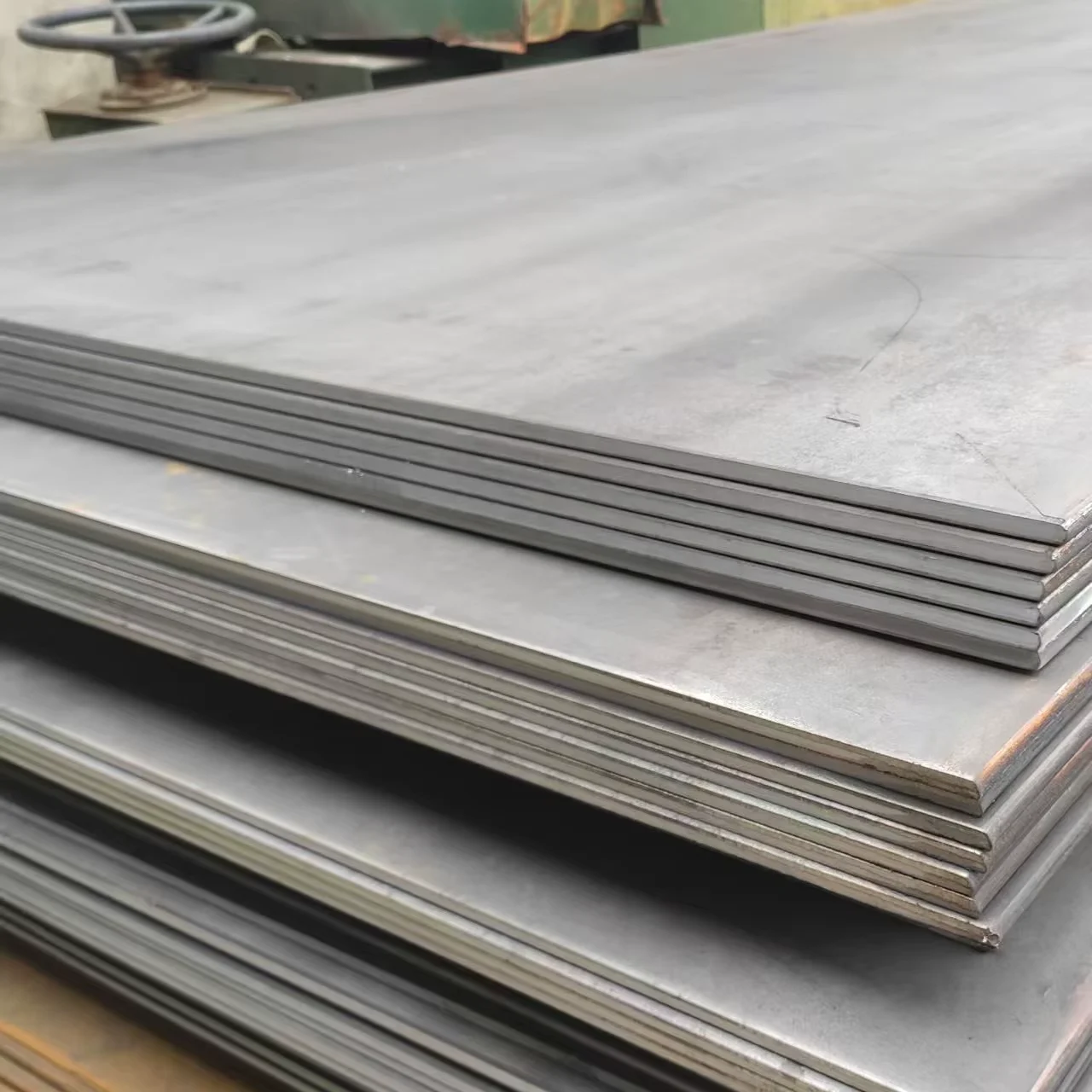
Description
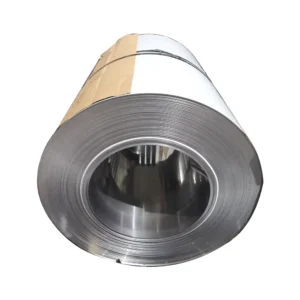
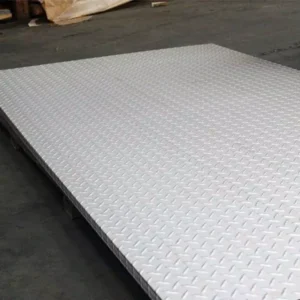
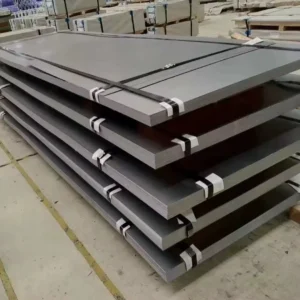
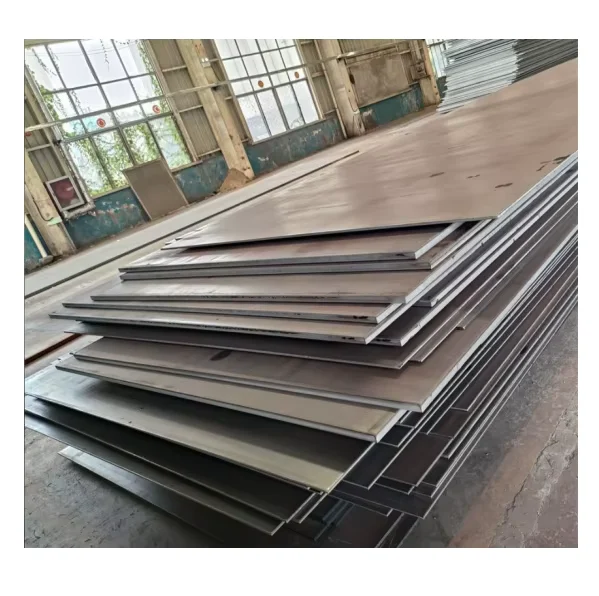
Factory-Direct Hot-Rolled Plate Supply — every plate cut from mill stock in Jinan with original heat-number traceability, shipped FOB/CIF without trader markups.
Technical Specifications
| Parameter | Value |
|---|---|
| Designation | SPHC / SS400 / A36 / A572 / Q355 Hot Rolled Steel Plate |
| Product Type | Hot Rolled Steel Plate |
| Steel Grade | SPHC, SS400, A36, A572, Q355, Q235, Q345, St52, Gr60, Gr70, A283, Gr.A, Gr.B, Gr.C |
| Standard | ASTM, AISI, DIN, EN, BS, SUS, JIS |
| Thickness | 0.3 mm – 800 mm |
| Width | 1 m – 2.2 m (or as required) |
| Length | 2 m / 2.44 m / 3 m / 5.8 m / 6 m (or as required) |
| Technique | Hot Rolled |
| Surface Treatment | Hot Rolled |
| Packing | Standard export seaworthy package |
| Price Term | EXW / FOB / C&F / CIF / CNF |
| Application | Shipbuilding, building construction, engineering construction, mechanical manufacturing, pressure vessels, boiler |
| Origin | Shandong, China |
Application Suitability
| Industry | Typical Applications |
|---|---|
| Shipbuilding & Offshore | Deck plating, hull structural members, bulkhead frames for commercial and offshore vessels |
| Pressure Vessel & Boiler | Shell plates for storage tanks, heat exchanger end caps, boiler drum wrappers |
| Heavy Construction | Bridge girder flanges, high-rise transfer plates, industrial platform base plates |
| Mechanical Manufacturing | Crane boom side plates, excavator main frames, conveyor head pulley discs |
| Infrastructure & EPC | Foundation anchor plates, retaining wall stiffeners, pipeline support saddles |
What Grade Equivalence Across GB, ASTM, EN and JIS Really Costs You on a Plate Order
Mis-matched grade labels trigger SGS rejection at destination port — not at the mill gate.
When a buyer in Southeast Asia orders Q355 but the drawing calls for S355JR, the chemical composition may technically overlap, yet the impact test temperature and delivery condition differ. Without a side-by-side equivalence check backed by the original mill test certificate, the plate arrives, fails inspection, and sits in the yard accumulating demurrage. On a previous shipbuilding project I handled in the Gulf, an entire container of boiler plate was returned because the yield strength on the MTC did not align with the ASTM A572 Gr 50 callout on the purchase order — even though the mill had shipped what they considered an acceptable domestic equivalent. The lesson: Hot Rolled Steel Plate A36 SS400 Q355 Supplier documentation must show heat number, chemistry, and mechanical data in one traceable chain, not a verbal assurance. [NEED_CITE: steel grade equivalence between EN 10025 and ASTM A572]
Matching Plate Thickness and Flatness to Structural Tolerance Calls
Thin-gauge Hot Rolled Steel Plate A36 SS400 Q355 at 3–6 mm is often ordered for bracing and gusset plates where flatness directly affects weld fit-up. At 20–80 mm, the same grades shift into primary load-bearing roles for bridge and heavy equipment frames, where camber and edge straightness become acceptance criteria. We cut each plate to the project’s exact length and width using plasma and flame processes, then verify dimensional reports before release — so the erector on site does not waste shifts grinding edges to make a connection fit.
Engineering Code Alignment and Certification Pathways
Structural designers specifying EN 1993 or AISC 360 expect the delivered plate to carry a recognized test standard behind it. A36 and A572 serve North American projects where ASTM mill certificates satisfy building inspectors, while Q355 and Q235 are the default for GB 50017-designed structures across Africa and the Middle East. For European tenders, S-series grades under EN 10025 require CE marking and, in marine cases, Lloyd’s or DNV class approval. We supply Hot Rolled Steel Plate A36 SS400 Q355 with original MTC per heat number, and arrange SGS or BV third-party inspection before loading so that customs and class surveyors at the discharge port have matching paperwork. [NEED_CITE: EN 10025 hot-rolled structural steel product certification requirements]
Reading the Grade List: Carbon, High-Strength Low-Alloy, and Marine Plate
The grade range on this page spans three distinct families. Q235 and A36 are mild carbon steels chosen for general fabrication where formability matters more than yield. Q355, A572, and St52 step into the high-strength low-alloy category, offering higher yield for weight-sensitive structures such as crane booms and transport trailers. Gr.A through Gr.C are shipbuilding grades governed by classification society rules, where Charpy impact energy at sub-zero temperatures is the gating property, not tensile strength alone. Hot-rolling above the recrystallization temperature gives these plates a normalized microstructure suitable for subsequent flame cutting and bending without loss of through-thickness integrity.
The Hidden Price of Accepting “Equivalent” Grade Substitutions
A supplier who ships SS400 against an A36 order may argue the two are interchangeable, but the manganese ceiling, phosphorus limit, and elongation floor differ between JIS G 3101 and ASTM A36. When the discrepancy surfaces during a class surveyor’s witness test, the buyer faces re-rolling lead times of several weeks, air-freight surcharges for replacement plates, and potential structural re-engineering if the substitute grade cannot be welded to the existing assembly using the original WPS. Hot Rolled Steel Plate A36 SS400 Q355 procurement must therefore tie every plate to a verifiable heat number on the MTC — not a blanket certificate covering a batch. [NEED_CITE: ASTM A36 versus JIS SS400 chemical composition comparison]
Why Engineering Procurement Teams Source Hot-Rolled Plate Through XJY Plate
We operate from a dedicated plate and coil yard in Jinan where standard and project-size stock is held for immediate cutting, eliminating the trader layer that typically adds 5–8 % to landed cost. Every plate leaving the yard carries an original mill test certificate linked to its heat number, and our in-house review catches chemistry or dimensional outliers before they reach the container. For marine and boiler work, we coordinate Lloyd’s CE documentation and can host SGS or BV inspectors during the final measurement pass. Custom cutting — plasma, flame, leveling, and blanking — is handled in-house, so a shipyard ordering mixed 12 mm deck plates and 40 mm bulkhead stiffeners receives one consolidated shipment with a single set of traceability papers. Professional heavy-cargo loading on flatbeds and open-top containers avoids the overweight penalties and edge damage that plague poorly planned plate shipments. [NEED_CITE: heavy steel plate container loading best practices for export]
Documentation & Compliance
- Original Mill Test Certificate documenting Q355 / A572 chemical composition, yield strength, and tensile data per heat number
- CE certificate covering hot-rolled structural plate supplied under EN 10025 for European project compliance
- ISO 9001:2015 quality management certificate covering cutting, inspection, and dispatch processes
- SGS or BV third-party inspection report available before loading for marine-grade Gr.A / Gr.B plate
- Full material traceability from heat number through cutting record to export packing list
- Customs documentation set including packing list, ocean bill of lading, and certificate of origin
Packaging, Loading & Delivery
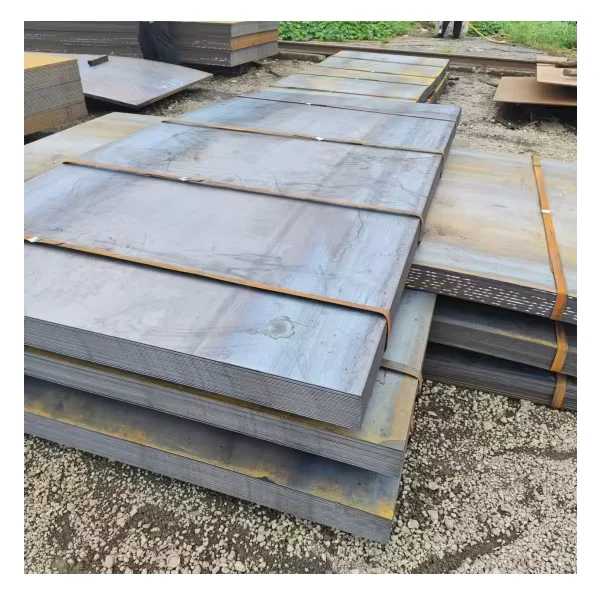
- Hot-rolled plates bundled with high-tensile steel straps and timber dunnage to prevent edge contact damage during ocean transit
- Surface protected by mill-applied anti-rust oil on thin-gauge SPHC and SS400 plates below 6 mm to suppress transport corrosion
- Open-top container or break-bulk loading planned around 6 m and 5.8 m plate lengths to maximize payload without exceeding port crane limits
- Custom cut-to-size plates nested and separated by rubberized spacers to preserve dimensional accuracy and surface finish
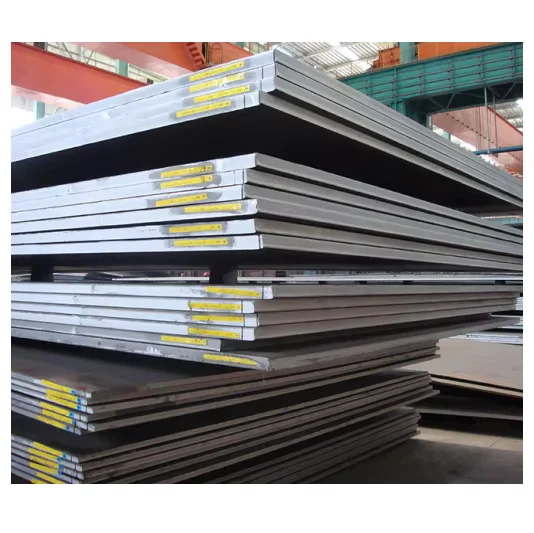
- Each plate stenciled with heat number, grade (A36 / Q355 / SS400), and thickness for yard identification at destination
- FOB, CIF, and DDP terms supported with door-to-door tracking for project sites in Southeast Asia, the Middle East, and South America
Getting a Firm Offer with Mill Test Backup
Send your plate list — grade, thickness, width, length, quantity, and discharge port — and receive a detailed quotation with material cost, any cutting charges, and shipping terms within one working day. We will attach a sample MTC for your review before you commit to a deposit, so your QA team can confirm chemistry and mechanical properties match the project specification.
Frequently Asked Questions
Q: How do Q355, A572, S355JR, and SS400 compare across GB, ASTM, EN, and JIS standards?
A: These grades belong to different national standard systems but share overlapping chemistry and mechanical ranges. Q355 roughly aligns with S355JR in yield class, A572 Gr 50 serves a similar high-strength role under ASTM, and SS400 is the JIS general structural equivalent. We provide a grade cross-reference table with each inquiry so your engineer can confirm acceptability before ordering.
Q: Can you supply original MTC and support SGS or BV re-inspection before shipment?
A: Yes. Every plate is accompanied by the original mill test certificate showing heat number, chemical composition, and mechanical test results. Third-party inspection by SGS or BV can be arranged at our yard before loading, and the inspection report is included in the export document set.
Q: What is the minimum order for cut-to-size plates compared with standard mill sizes?
A: Standard mill-size plates in common thicknesses can be supplied in relatively small quantities from ready stock. For custom cut-to-size plates, the minimum depends on the grade and thickness; we will confirm the exact requirement when you send your drawing or plate list.
Q: Do you practice negative tolerance, and how is flatness controlled for heavy plates?
A: We supply plates to the positive tolerance range agreed in the purchase order and can provide a dimensional inspection report covering thickness and flatness measurements on request. Heavy plates above 20 mm are leveled after rolling to meet standard flatness limits for structural fabrication.
Q: How are heavy steel plates packed and loaded to avoid damage and overweight penalties?
A: Plates are bundled with steel straps on timber dunnage, and loading plans are prepared around the container type — open-top for long or thick plates, flatbed for project-size sheets — to stay within port weight limits and prevent edge-to-edge contact during ocean transit.
Get Your Hot Rolled Steel Plate A36 SS400 Q355 Quote with MTC Today
Submit your grade, dimensions, and destination port to receive a detailed quotation and sample mill test certificate within one working day.
Shandong Xin Jiyuan Special Steel Tube Co., Ltd
Website: www.xjyplate.com
Tel: +86 531 8573 6315
Mobile / WhatsApp / WeChat: +86 188 5315 7756
Email: admin@xjyplate.com
Address: No.11889, Jingshi West Road, Lulian Group, Jinan City, Shandong Province, China