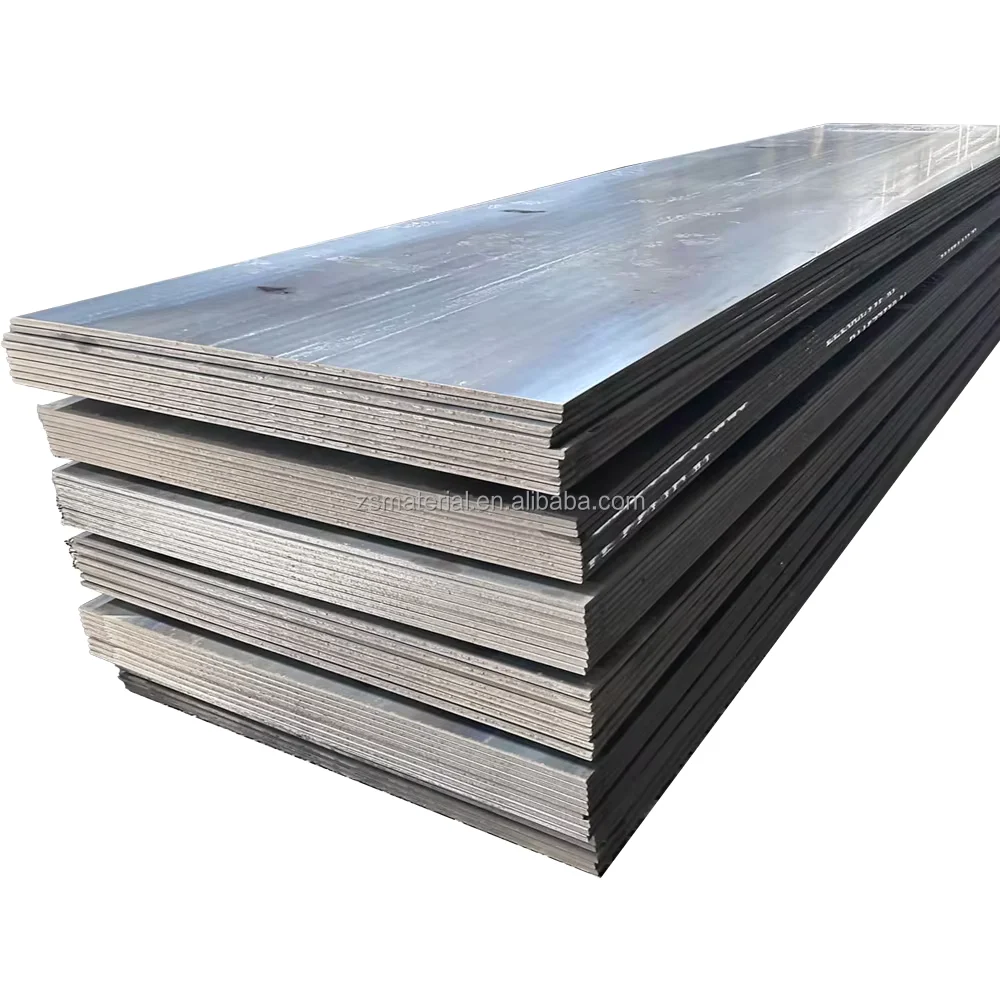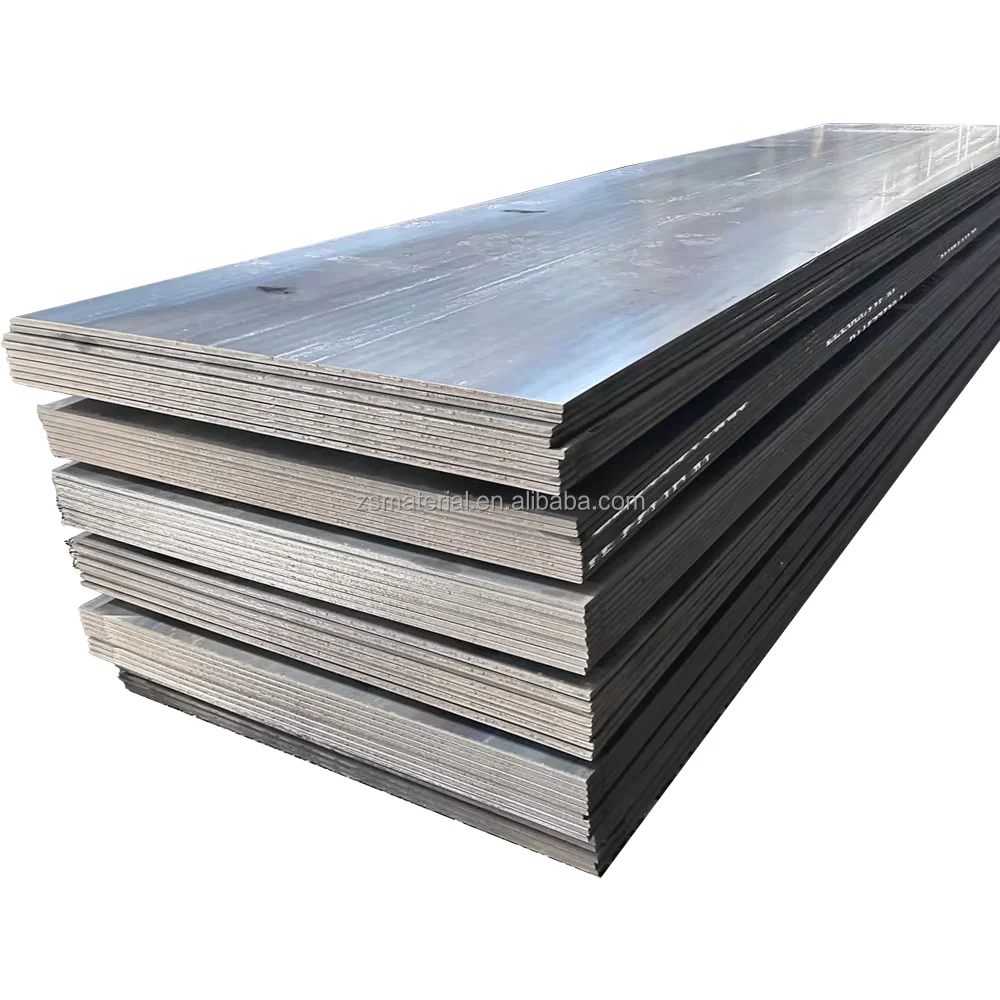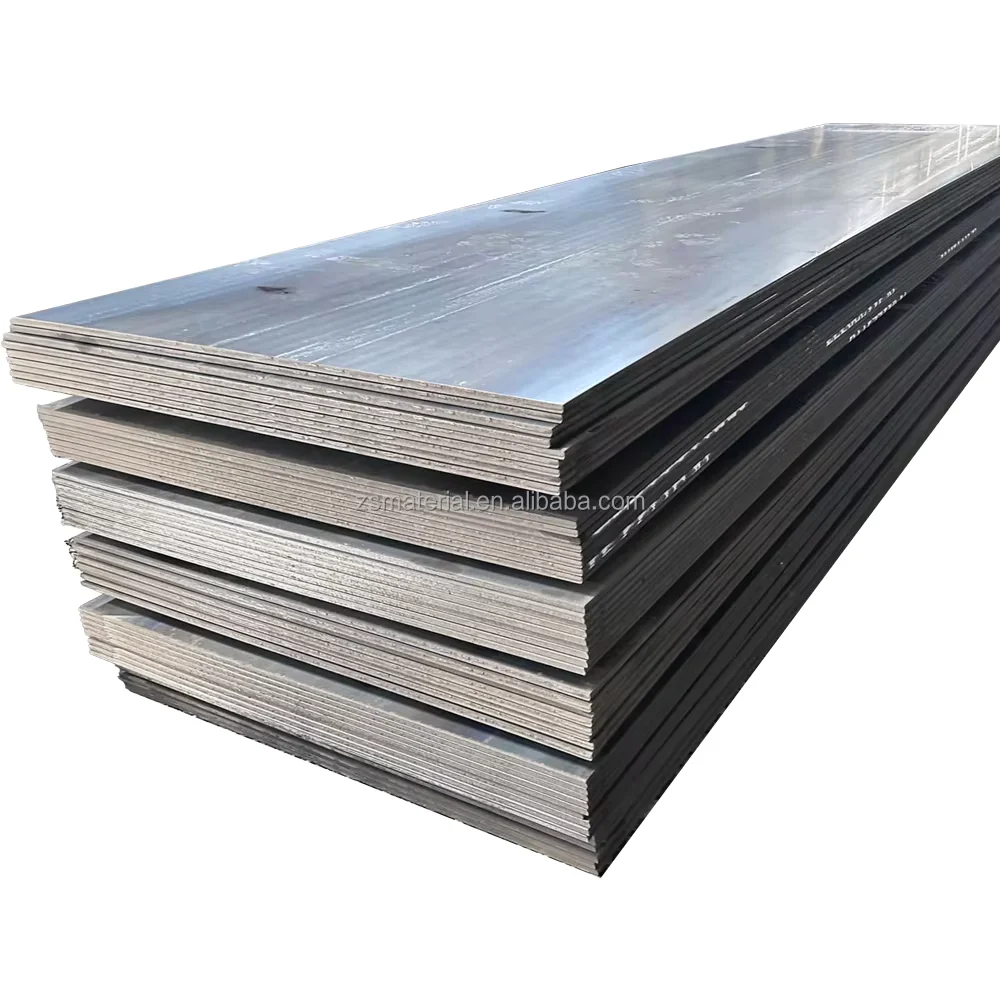
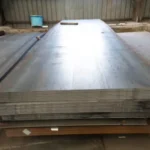
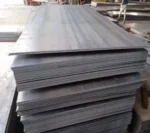
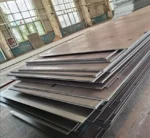
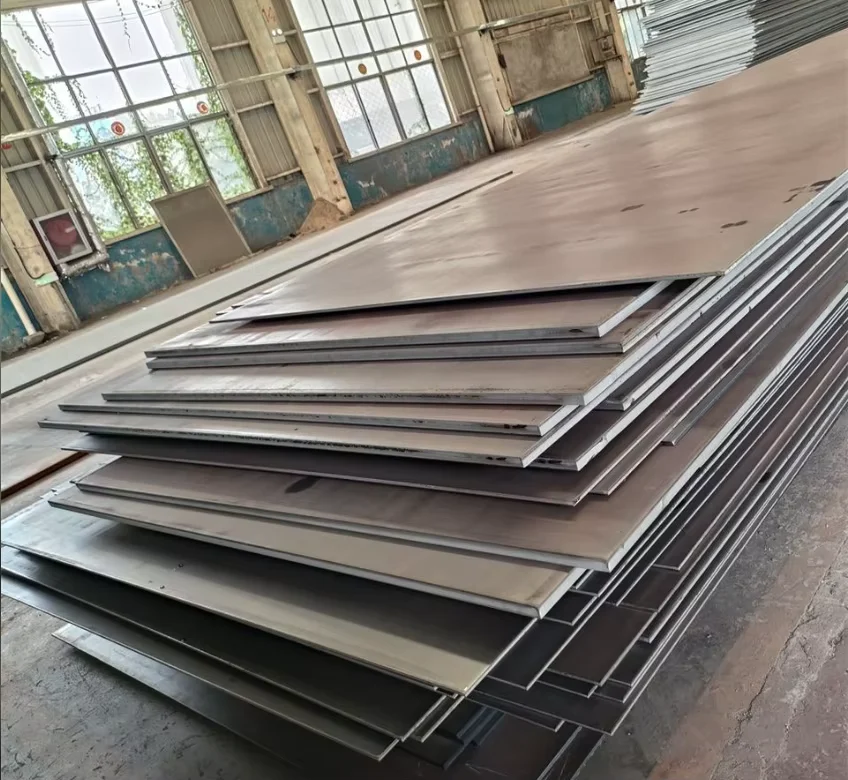
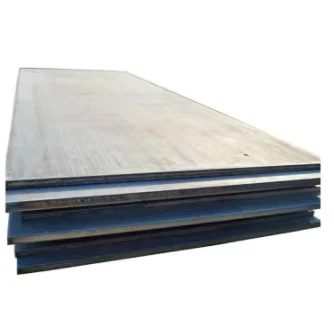
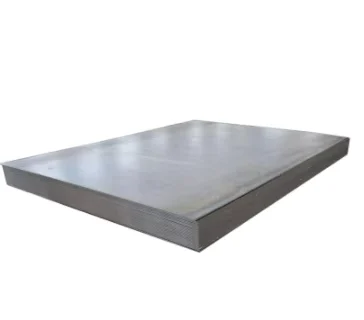
Description
Direct Mill Supply — Every Q235, Q345, and A36 plate shipped with original heat-number traceability and ±1% thickness tolerance.
Technical Specifications
| Parameter | Value |
|---|---|
| Designation | Carbon Steel Plate (Q235/Q345/SS400/A36) |
| Product Type | Steel Plate |
| Steel Grade | Q235, Q345, SS400, A36, S235JR, S355JR, St37-2, Q195, Q460, SS330, SS540, 08KP, 08YU, ST12, ST13, ST14, SPHC, SPHD, SPHE |
| Standard | AISI, ASTM, BS, DIN, GB, JIS |
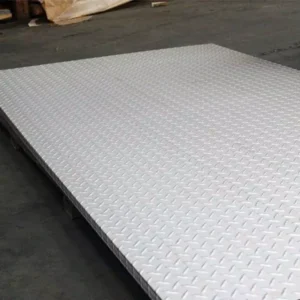
| Section Shape | Flat Plate |
| Size Range | Thickness 0.35–200 mm, Width 1000–2500 mm, Length 2000–12000 mm |
| Technique | Hot Rolled / Cold Drawn / Forged |
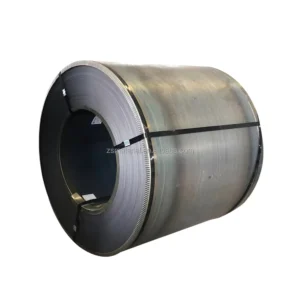
| Surface Treatment | Black (mill finish) |
| Tolerance | ±1% |
| Processing Service | Bending, Welding, Decoiling, Cutting, Punching |
| Application | Shipbuilding, Construction, Petrochemical, Machinery Manufacturing, Transportation, Pressure Vessels, Bridge Engineering, Structural Fabrication |
| MOQ | 10 Ton |
| Origin | China |
Application Suitability
| Industry | Typical Applications |
|---|---|
| Shipbuilding | Hull plating, deck structures, bulkhead frames for commercial and offshore vessels |
| Construction | Column base plates, beam splice connections, floor grating supports in high-rise buildings |
| Pressure Vessels | Boiler shells, storage tank walls, heat exchanger end plates |
| Bridge Engineering | Girder flange plates, bearing stiffeners, deck reinforcement panels |
| Machinery Manufacturing | Crane boom sections, excavator counterweight plates, conveyor frame gussets |
| Petrochemical | Pipe rack support plates, platform grating bearers, vessel skirt attachments |
Where Thickness Tolerance Decides Whether a Pressure Vessel Passes Inspection
A plate that reads 20 mm on the purchase order but measures 18.6 mm at the edge will fail ultrasonic thickness testing at the fabrication stage — and the replacement cost falls on the buyer, not the mill.
Procurement teams across West Africa and Southeast Asia routinely discover negative tolerance abuse only after plates arrive on site. Hidden thinning at plate edges, forged mill test certificates with mismatched heat numbers, and grade equivalence errors between GB, ASTM, and EN systems create compounding delays. When a hot rolled carbon steel plate supplier ships material without verified chemical composition documentation, the entire batch becomes uninspectable under ASME or EN 13445 pressure vessel codes. [NEED_CITE: EN 10204 inspection document types for steel plates]
Matching Plate Grades to Structural Load Paths in Heavy Fabrication
Selecting the correct carbon steel plate grade determines whether a fabricated structure meets its design load without over-engineering. Q235 and A36 serve general structural frames where weldability and formability matter more than yield margin. Q345 and S355JR step up for bridge girders and crane beams where higher yield strength reduces section weight. Our plate division matches each order to the engineer’s specified standard — GB, ASTM, or EN — and supplies the corresponding mill test certificate so the fabricator can trace every heat number back to the rolling schedule. A reliable hot rolled carbon steel plate supplier eliminates the guesswork when your project spans multiple national standards.
Engineering Compliance Across International Steel Standards
Structural steel plates for load-bearing applications must conform to recognized engineering codes. EN 1993 (Eurocode 3) governs steel structure design in European markets, while AISC 360 applies across North America. The black mill finish on hot rolled plates accepts primer and topcoat systems for corrosion protection in marine and industrial environments. Grade selection directly affects weld procedure qualification — Q235 requires different preheat protocols than Q460. For projects requiring CE marking or third-party verification, our plates ship with ISO 9001:2015 certification and Lloyd’s CE compliance, with SGS or BV inspection available at the loading port. [NEED_CITE: steel grade equivalence mapping between GB Q-series and EN S-series]
Understanding Carbon Steel Plate Grades and Rolling Processes
The Q-series (Q235, Q345, Q460) follows the Chinese GB standard system, where the number indicates minimum yield strength in MPa. The S-series (S235JR, S355JR) follows EN 10025, and the A-series (A36, A572) follows ASTM standards. While Q235 and A36 occupy similar yield ranges, their chemical composition limits differ — particularly carbon and manganese content — which affects weldability in cold climates. Hot rolled plates offer cost efficiency for structural applications where surface finish is secondary. Cold drawn plates provide tighter dimensional control for precision machined components. Forged plates serve high-stress applications like pressure vessel flanges where grain flow direction matters. Thickness tolerance of ±1% ensures that theoretical weight calculations match actual delivered weight, preventing disputes over short-weight claims.
The Hidden Cost of Buying Carbon Steel Plate Without Verified Documentation
Purchasing plates without original mill test certificates means accepting material with no verifiable chemical composition or mechanical property data. When a structural fabricator discovers mid-weld that the plate’s carbon equivalent exceeds the weld procedure specification, the entire joint must be ground out and re-welded with revised parameters — or scrapped entirely. Customs authorities in the EU and Middle East increasingly reject steel shipments lacking EN 10204 3.1 or 3.2 inspection documents. [NEED_CITE: customs rejection rates for steel imports without proper mill certificates] A hot rolled carbon steel plate supplier who cannot provide heat-number traceability transfers all compliance risk to the buyer.
Why Engineering Procurement Teams Source From Our Plate Division
We maintain dedicated inventory across Q235, Q345, A36, S235JR, and SS400 in thicknesses from 0.35 mm to 200 mm, eliminating the mill rolling wait for common specifications. Every plate ships with its original mill test certificate showing heat number, chemical composition, and mechanical test results — verifiable against the rolling heat record. Our loading teams use timber separators and edge protectors for every container, a practice I established after watching a Nigerian project reject three containers of deformed plates. We handle plasma cutting, flame cutting, and CNC blanking to exact dimensions, so your fabrication shop receives ready-to-weld pieces rather than full plates requiring secondary processing. Third-party inspection through SGS or BV is arranged at our facility before container sealing.
Documentation & Compliance
- Mill test certificate documenting Q235/Q345/A36 chemical composition and mechanical properties per GB/ASTM/EN standards, including heat number traceability
- ISO 9001:2015 quality management certificate covering plate cutting, leveling, and processing operations
- Lloyd’s CE certificate confirming compliance with European pressure equipment and structural steel directives
- SGS or BV third-party inspection report available upon request for independent dimensional and visual verification
- Material traceability sheet linking each plate to its original rolling heat number, chemical analysis, and tensile test results
- Full customs documentation package including packing list, bill of lading, and certificate of origin for destination port clearance
Packaging, Loading & Delivery
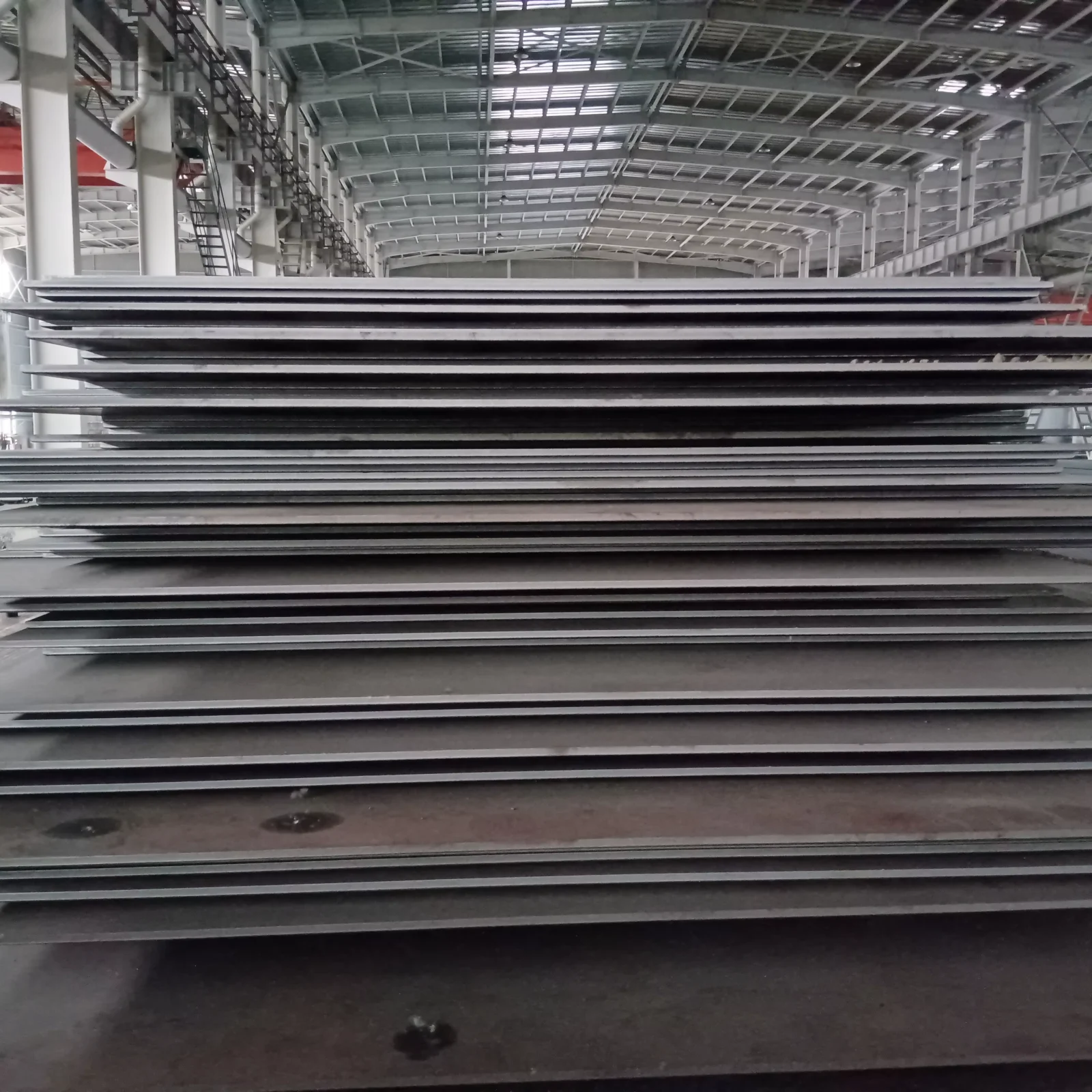
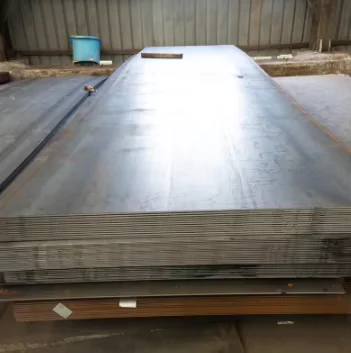
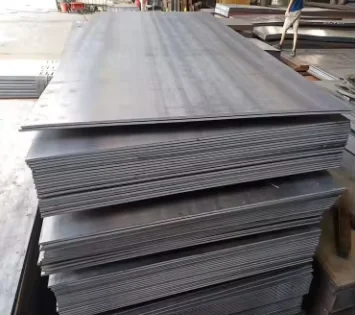
- Hot rolled carbon steel plates bundled with steel strips and timber edge protectors to prevent edge damage during ocean transit
- Plates separated by wooden dunnage in containers to distribute weight and prevent surface scratching on black mill finish
- Custom cut-to-size plates wrapped in waterproof paper and strapped to plywood pallets for LCL or air freight shipments
- Container loading plans optimized for 20-foot and 40-foot open-top units, with weight distribution calculated to avoid port overweight penalties
- Each plate marked with heat number, steel grade, and dimensional identification for on-site traceability
- FOB, CIF, and DDP shipping terms available with professional heavy cargo logistics including flatbed and break-bulk options
Getting Your Carbon Steel Plate Quote Started
Send your specification sheet listing steel grade, thickness, width, length, quantity, and destination port — we return a detailed quotation within 12 hours including material cost, processing fees, and shipping terms. Request the mill test certificate format upfront so your quality team can confirm it meets your project’s inspection requirements. Confirm whether you need full plates or cut-to-size blanks, and whether third-party inspection is required before shipment.
Request Your Carbon Steel Plate Quotation Today
Submit your grade, thickness, and quantity requirements to receive pricing with original mill test certificates and loading plans.
Contact: Shandong Xin Jiyuan Special Steel Tube Co., Ltd
Tel: +86 531 8573 6315
Mobile/WhatsApp/WeChat: +86 188 5315 7756
Email: admin@xjyplate.com