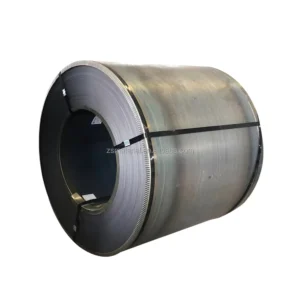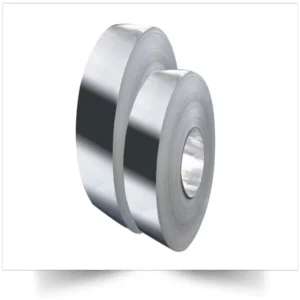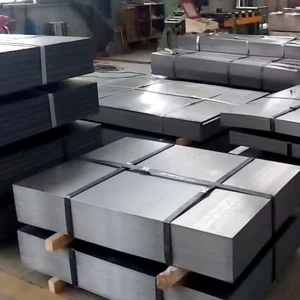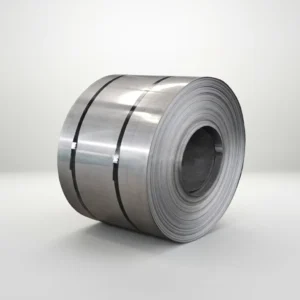


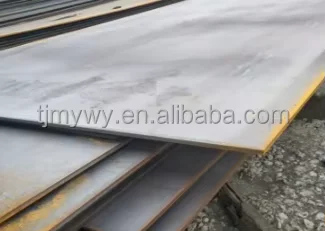
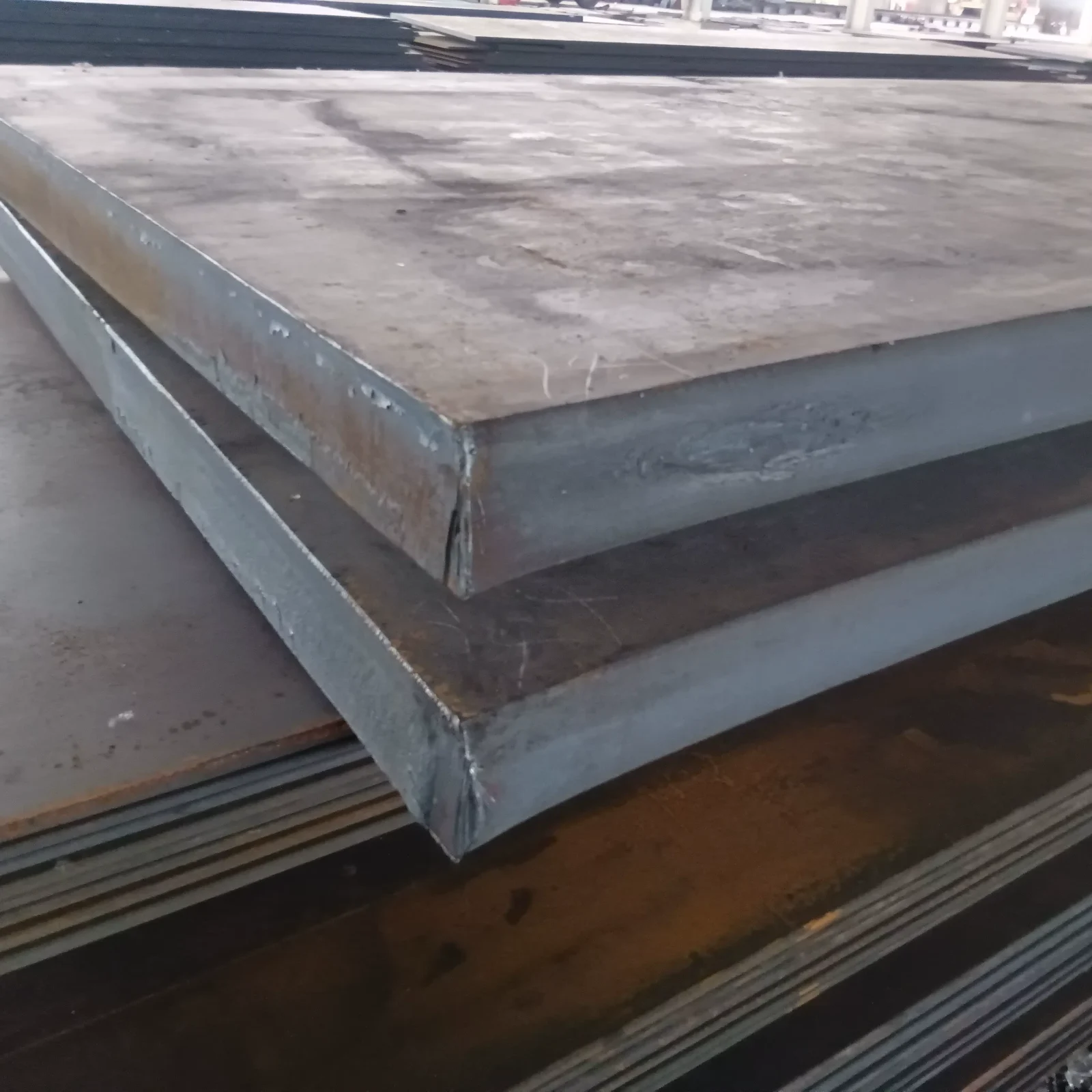
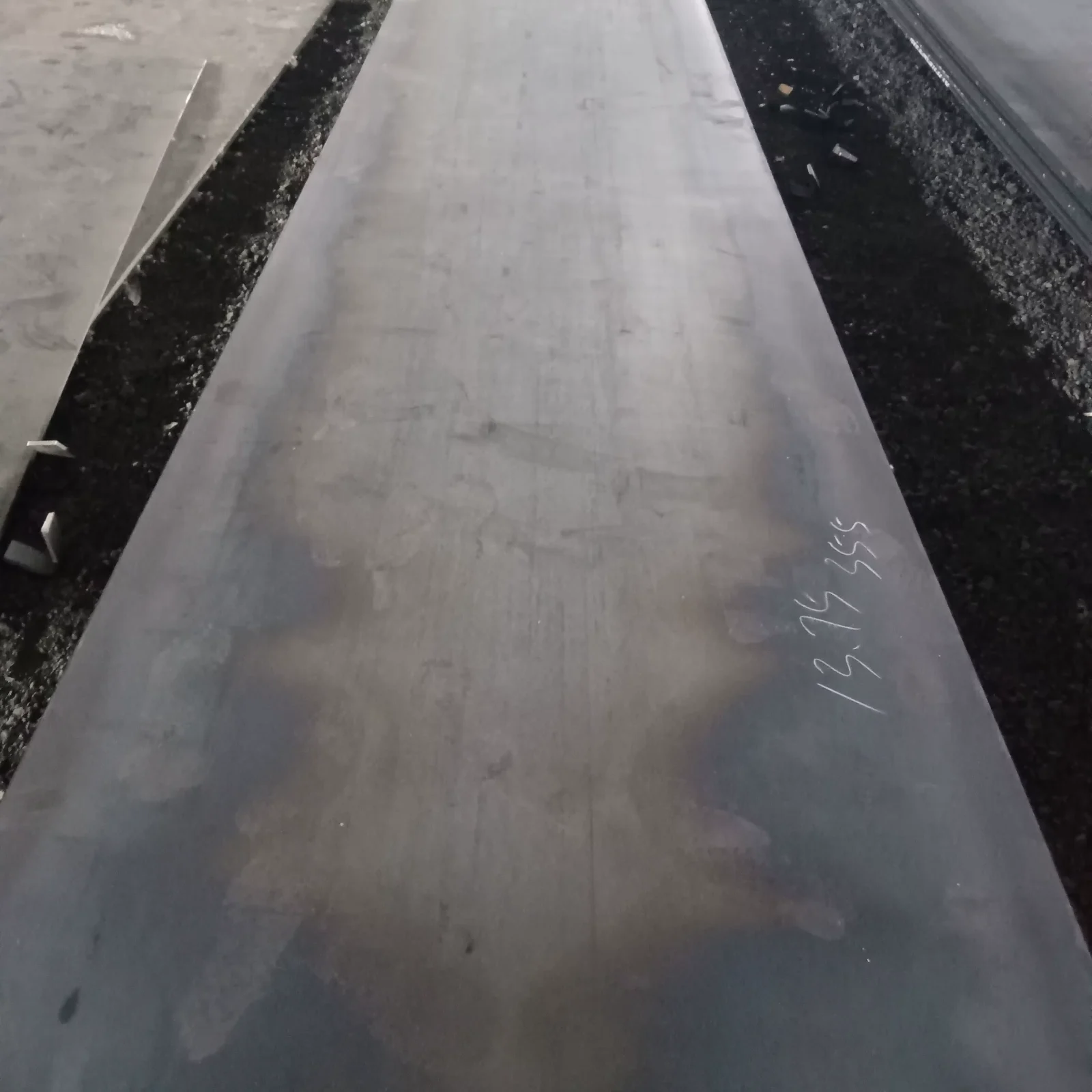
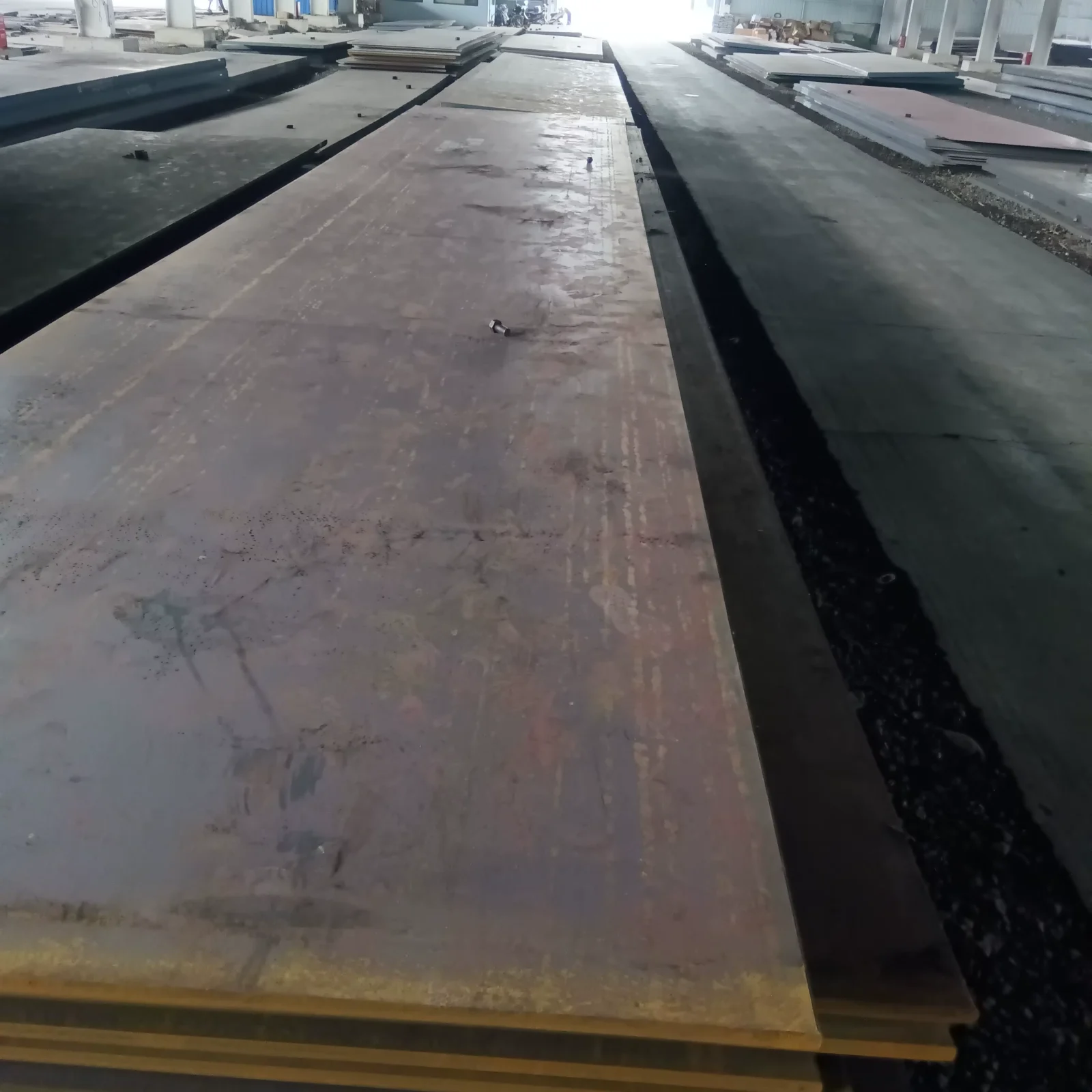
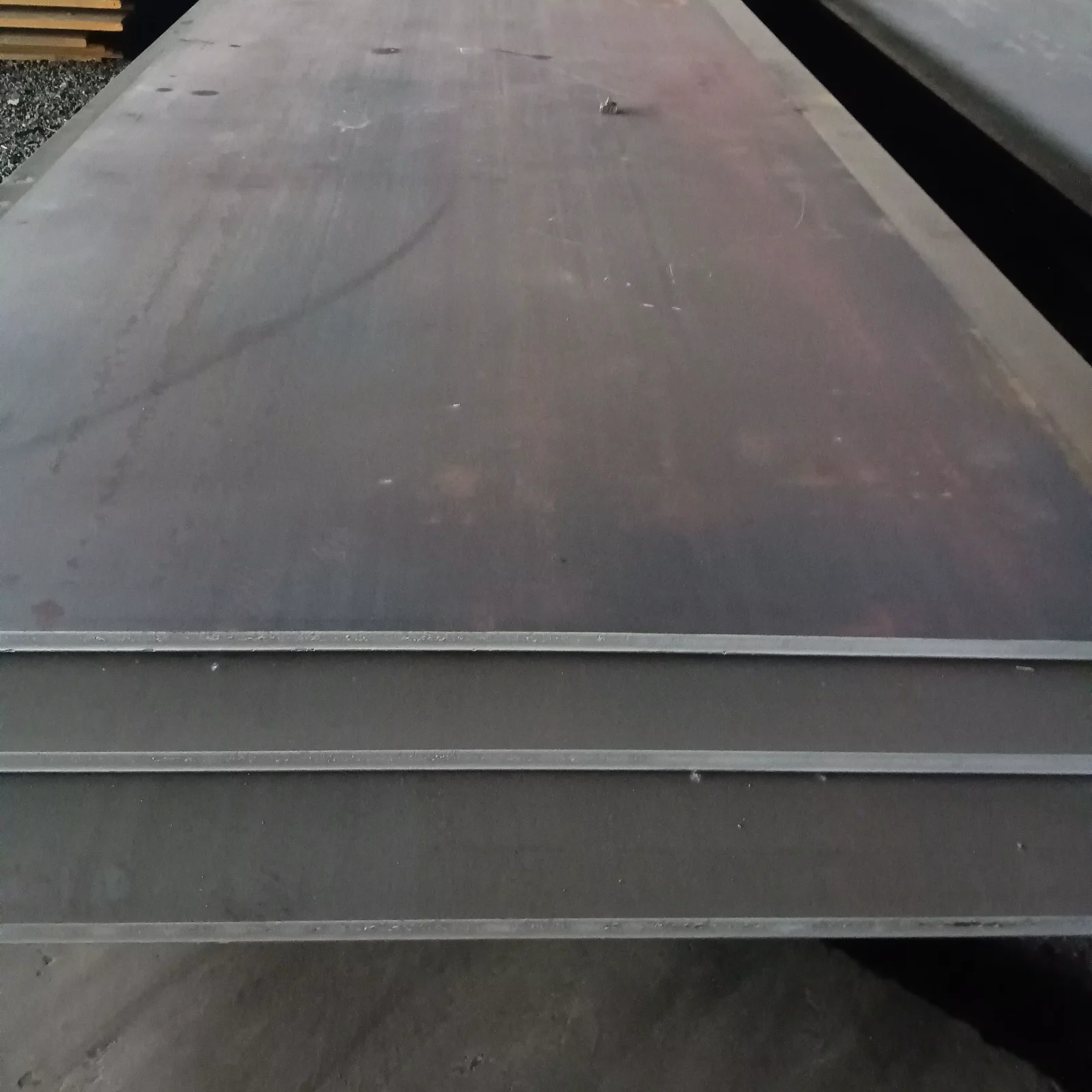
Description
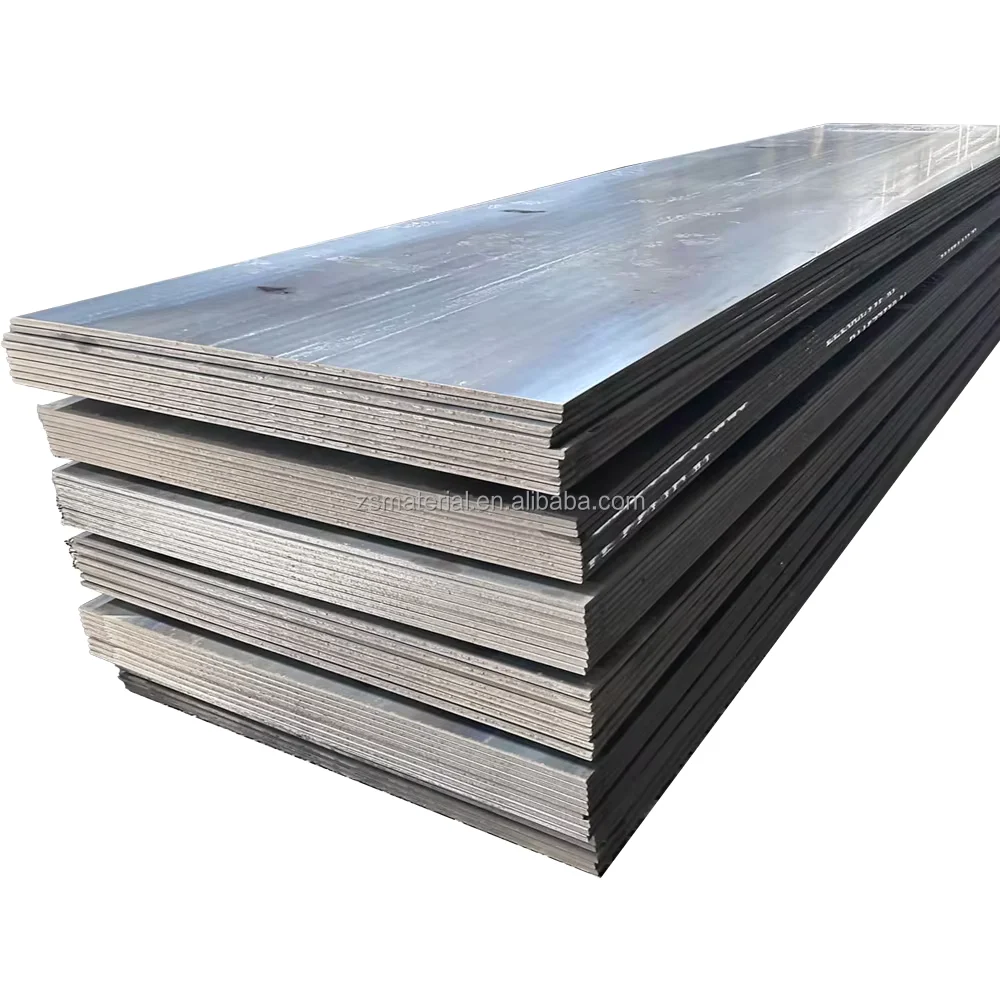
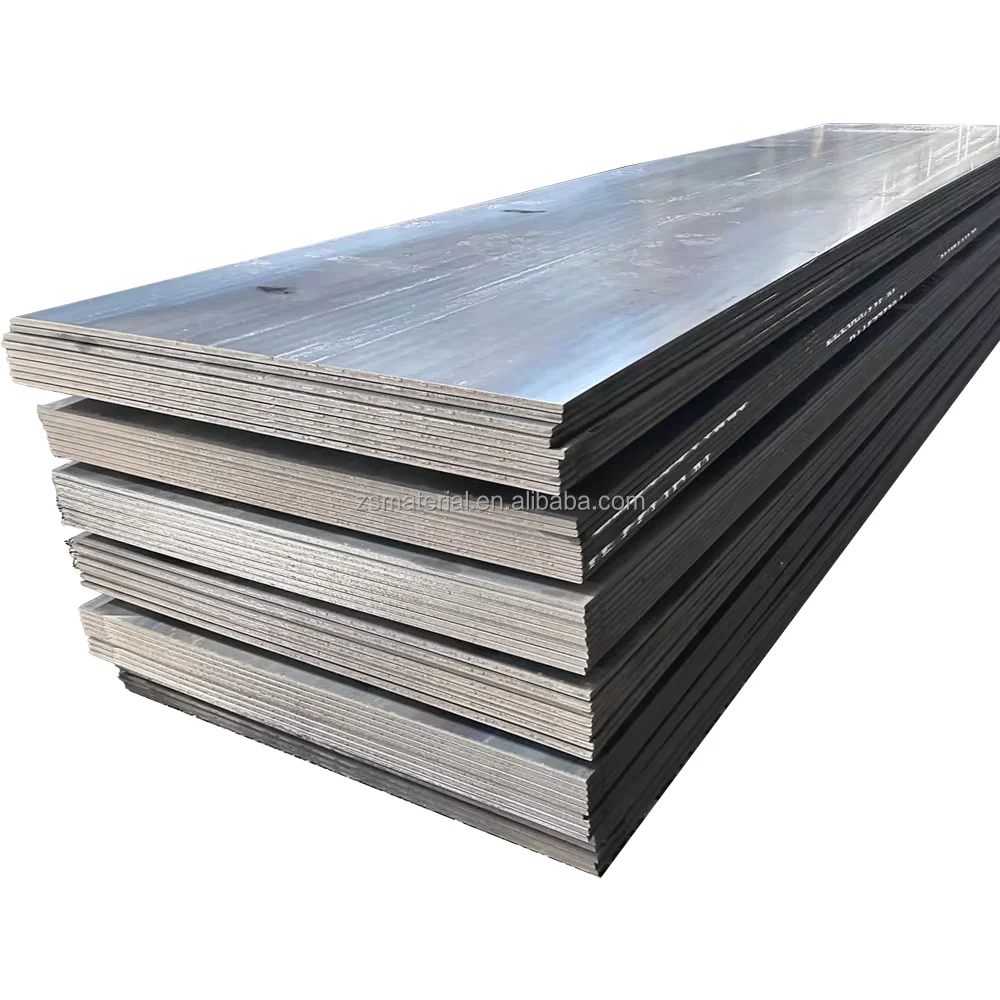
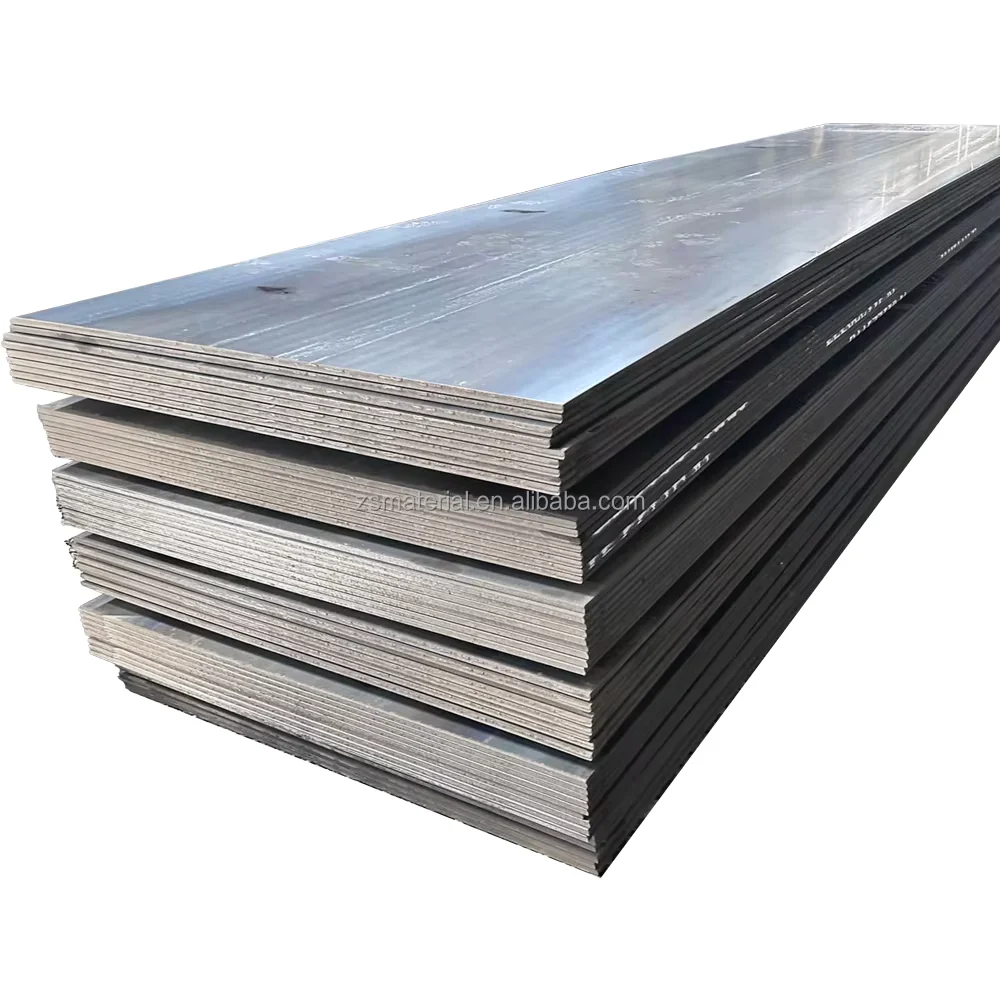
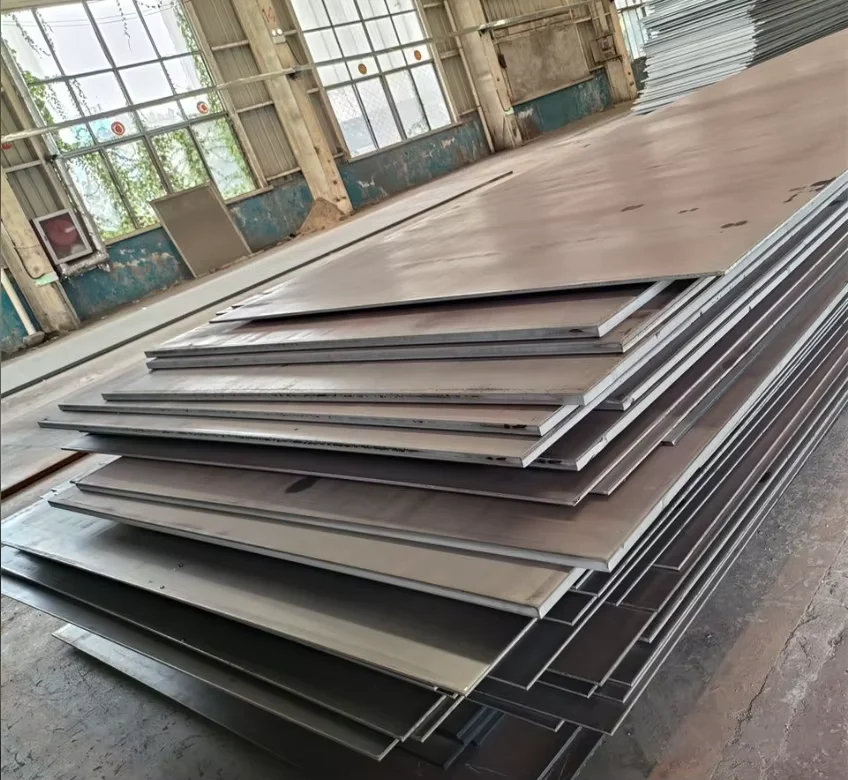
Direct Mill Supply, Zero Middlemen — Every Q235 Q355 hot rolled carbon steel plate ships with original mill test certificates traceable to heat number, cutting out trader markups on structural and shipbuilding orders.
Technical Specifications
| Parameter | Value |
|---|---|
| Designation | Q235 Q355 Hot Rolled Carbon Steel Plate |
| Product Type | Steel Plate |
| Steel Grade | Q235, Q345, Q355, Q460, Q195, SS400, A36, S235JR, S355JR, St37-2 |
| Standard | AISI, ASTM, BS, DIN, GB, JIS |
| Technique | Hot Rolled |
| Thickness | 0.35–200 mm |
| Width | 1000–2500 mm |
| Length | 2000–12000 mm |
| Surface Treatment | Black (as-rolled) |
| Tolerance | ±1% |
| Processing Service | Bending, Welding, Decoiling, Cutting, Punching |
| Material | Low Carbon Steel |
| Application | Shipbuilding, Construction, Petrochemical, Machinery Manufacturing, Transportation, Structural Fabrication |
| MOQ | 10 Ton |
| Origin | China |
Application Suitability
| Industry | Typical Applications |
|---|---|
| Shipbuilding & Offshore | Hull plating, deck structures, bulkhead frames for commercial and offshore vessels |
| Construction & Infrastructure | High-rise building frames, bridge girders, highway guardrail base plates |
| Petrochemical & Pressure Vessels | Storage tank shells, boiler support structures, heat exchanger base plates |
| Machinery Manufacturing | Crane boom sections, excavator turntable bases, conveyor frame gussets |
| Structural Fabrication | Warehouse portal frames, equipment skids, heavy-duty mezzanine floors |
Why Missing Heat Numbers on a Q235 Q355 Hot Rolled Carbon Steel Plate Supplier Order Cost a Dubai Project an Entire Container
A plate without a verifiable heat number is scrap the moment SGS shows up at the port.
I watched a full container of Q355 medium plate get held at Jebel Ali because the mill test certificate listed a heat number that did not match the stencil on the steel. The buyer’s SGS inspector flagged it within twenty minutes of opening the doors. Nobody could prove which heat the plates came from, and the entire lot was treated as untested material. That is the reality of sourcing from a Q235 Q355 hot rolled carbon steel plate supplier who treats traceability as optional paperwork rather than the foundation of every shipment. [NEED_CITE: mill test certificate verification requirements for steel plate imports in UAE]
Grade confusion between GB, ASTM, and EN systems creates a second failure point. A fabricator in Southeast Asia orders Q355 expecting it to behave identically to S355JR, only to discover the manganese and silicon ranges differ enough to affect weld procedure qualification. The plate arrives, the welder’s WPS fails, and the project stalls while someone scrambles for requalification. These are not theoretical risks — they are the daily friction of buying flat steel across standards without a supplier who maps equivalence before the contract is signed.
Matching Thickness Range to Structural Load Paths in Heavy Fabrication
A single order spanning 0.35 mm to 200 mm from one Q235 Q355 hot rolled carbon steel plate supplier eliminates the coordination gap between thin gauge bracing and heavy base plates on the same project. Shipbuilders need 6 mm deck plating and 40 mm keel plates from the same heat family to maintain consistent weld behavior across the hull. When thin and heavy plate come from different lots with different chemical bands, the weld procedures diverge and the yard absorbs requalification costs. We keep Q235 through Q460 in rolling stock so a shipyard can pull gussets, framing, and heavy structural nodes from adjacent heats with matched carbon equivalents.
Engineering Code Compliance and Certification for Global Delivery
Hot rolled plates destined for European structural frames must satisfy EN 10025 delivery conditions, while the same Q355 grade shipped to North America needs to demonstrate equivalence to ASTM A572 Gr 50 for structural acceptance. [NEED_CITE: structural steel plate compliance requirements EN 10025 and ASTM A572] Petrochemical clients ordering boiler and pressure vessel plates require material that conforms to ASME SA-516 or EN 10028-2, with impact testing at specified sub-zero temperatures documented on the mill test certificate. Marine-grade applications demand Lloyd’s Register or equivalent classification society certification, which means the plate must be rolled at a recognized mill and every piece carries the class stamp. Our CE certification under Lloyd’s standards and ISO 9001:2015 quality system cover these pathways, and we arrange SGS or BV third-party inspection at the mill before container doors are sealed.
Decoding the Q-Series, S-Series, and ASTM Grade Systems for Plate Procurement
The Q-series (Q235, Q345, Q355, Q460) follows the Chinese GB/T 1591 standard where the number after “Q” indicates minimum yield strength in MPa at the specified thickness range. Q235 serves general structural work where high strength is not critical — scaffolding, light frames, non-load-bearing enclosures. Q355 replaced Q345 in the updated standard and delivers higher yield for bridge girders, heavy equipment bases, and pressure vessel shells. The European S-series (S235JR, S275JR, S355JR) uses a similar naming logic but adds impact toughness designators: JR means 27J impact energy at +20°C, J2 means 27J at −20°C. ASTM A36 is the closest American counterpart to Q235 and S235JR, while A572 Gr 50 aligns with Q355 and S355JR in yield range. SS400 from JIS G 3101 sits alongside Q235 for general structural use in Japanese-spec projects. Hot rolling produces a mill scale surface (black finish) that is suitable for painted or coated final finishes after blast cleaning, and the ±1% thickness tolerance keeps theoretical weight calculations aligned with actual delivered mass — critical when a 200 mm plate order is priced by weight.
The Hidden Cost of Buying from the Wrong Q235 Q355 Hot Rolled Carbon Steel Plate Supplier
Plates that arrive with forged or recycled mill test certificates pass visual inspection at the port but fail the moment the fabricator runs a spark test or sends a coupon to an independent lab. The cost is not just the replacement steel — it is the crane time idle, the welders standing by, the project liquidated damages ticking. Negative tolerance abuse is another silent budget killer: a plate ordered at 20 mm that measures 18.2 mm at the edges reduces the section modulus below the engineer’s calculation, and the structure will not pass load testing. [NEED_CITE: consequences of negative tolerance abuse in structural steel plate] Grade substitution without documentation — shipping Q235 against a Q355 purchase order — may look identical to the naked eye but will not carry the specified yield strength, creating a latent structural liability that surfaces years later under sustained loading.
Why Engineering Procurement Teams Source From XJY Plate
We operate as the dedicated plate and coil division of a Shandong-based steel supplier, meaning every plate order goes directly to mill allocation without a trading company layer adding margin and obscuring the heat number trail. Our in-house理化 testing background — built from years of running tensile machines and interpreting fracture surfaces — drives how we check every incoming lot: we read the chemistry, verify the mechanicals against the standard, and reject plates that drift outside the band before they ever reach your container. With a stock range covering Q235 through Q460 in thicknesses from 0.35 mm to 200 mm and widths up to 2500 mm, we consolidate thin gauge, medium plate, and heavy structural plate into a single shipment, eliminating the freight and coordination cost of splitting orders across multiple suppliers. Custom cutting — plasma, flame, leveling, slitting, and blanking — is done at our facility with dimensional inspection reports, so your fabricator receives ready-to-weld pieces rather than burning through expensive shop time on rough edges. Every shipment carries original mill test certificates with heat number traceability, and we support SGS or BV third-party inspection at the loading point for clients who need independent verification before the container is sealed.
Documentation & Compliance
- Mill test certificate documenting Q235/Q355 chemical composition (C, Mn, Si, S, P) and mechanical properties (yield strength, tensile strength, elongation) per GB/T 1591 or equivalent EN/ASTM standard
- CE certificate under Lloyd’s Register classification for marine-grade and structural plate exported to European and Middle Eastern ports
- ISO 9001:2015 quality management certificate covering the full plate processing and inspection workflow
- SGS or BV third-party inspection report available upon request, covering dimensional checks, surface quality, and witness testing before shipment
- Full material traceability linking each plate to its original heat number, rolling schedule, and mill test certificate
- Export customs documentation including packing list, bill of lading, and certificate of origin formatted for destination-country clearance
Packaging, Loading & Delivery
- Hot rolled Q235 Q355 plates bundled with high-tensile steel straps and edge protectors, seaworthy packaged for container or break-bulk shipment
- Black mill scale surface lightly oiled to prevent transit rust during ocean freight without interfering with subsequent blast cleaning and painting
- Container loading optimized by thickness and width: heavy plates (over 20 mm) loaded on flatbed or open-top containers with weight distributed to meet port road limits; thinner plates nested in standard 20ft or 40ft GP containers
- Custom cut-to-size plates separated by wooden spacers and labeled with heat number, grade, and dimensional tag to prevent mixing at the fabrication shop
- Shipping marks stenciled on each plate bundle including steel grade (Q235/Q355/A36/S355JR), heat number, thickness, width, length, and piece count
- Delivery terms available as FOB, CIF, or DDP with professional heavy-cargo logistics covering flatbed trucking, open-top container loading, and break-bulk vessel booking
Getting Your Q235 Q355 Hot Rolled Carbon Steel Plate Quote Moving
Send us the steel grade, thickness, width, length or coil weight, total quantity, and destination port, and we return a detailed quotation within twelve hours — including material cost, any cutting or processing fees, and shipping terms. If your project requires non-standard dimensions or grade equivalence mapping between GB, ASTM, and EN systems, we provide the technical cross-reference before you commit to a deposit. Once the proforma invoice is signed and the deposit received, we lock mill stock or schedule rolling, and every plate ships with its original mill test certificate and full export documentation.
Frequently Asked Questions
Q: How does Q235/Q355 compare to ASTM A36/A572 and EN S235JR/S355JR?
A: Q235 aligns closely with ASTM A36 and EN S235JR in yield strength range for general structural applications. Q355 corresponds to ASTM A572 Gr 50 and EN S355JR for higher-strength structural work. Chemical composition ranges differ slightly between standards, so weld procedure qualification should be confirmed against the specific grade and standard specified by the engineer.
Q: Can you provide original mill test certificates and support third-party verification?
A: Every plate ships with an original mill test certificate showing heat number, chemical composition, and mechanical properties. We support SGS, BV, or other accredited third-party inspection at the mill or loading port before shipment, and the inspection report is provided alongside the MTC.
Q: What is the minimum order quantity for cut-to-size plates versus standard full plates?
A: The minimum order is 10 tons, applicable to both standard mill-size plates and custom cut-to-size pieces. Cutting fees are quoted separately based on the number of cuts and complexity of the blanking pattern.
Q: How do you control thickness tolerance and ensure flatness?
A: We maintain ±1% thickness tolerance across the full 0.35–200 mm range and provide dimensional inspection reports with every shipment. Plates are leveled after rolling to meet flatness requirements for fabrication, and we reject lots that show edge wave or center buckle beyond acceptable limits.
Q: How do you handle heavy plate logistics and container loading?
A: Plates over 20 mm thickness are loaded on flatbed trucks or open-top containers to stay within road weight limits at destination ports. Thinner plates are loaded in standard containers with weight distributed evenly. We handle break-bulk booking for oversized or超重 orders and provide complete export documentation for customs clearance.
Get Your Q235 Q355 Hot Rolled Carbon Steel Plate Quote with Mill Test Certificates
Submit your grade, thickness, width, length, quantity, and destination port to receive a detailed quotation and sample mill test certificate within twelve hours.
Shandong Xin Jiyuan Special Steel Tube Co., Ltd
Website: www.xjyplate.com
Tel: +86 531 8573 6315
Mobile/WhatsApp/WeChat: +86 188 5315 7756
Email: admin@xjyplate.com
Address: No.11889, Jingshi West Road, Lulian Group, Jinan City, Shandong Province, China