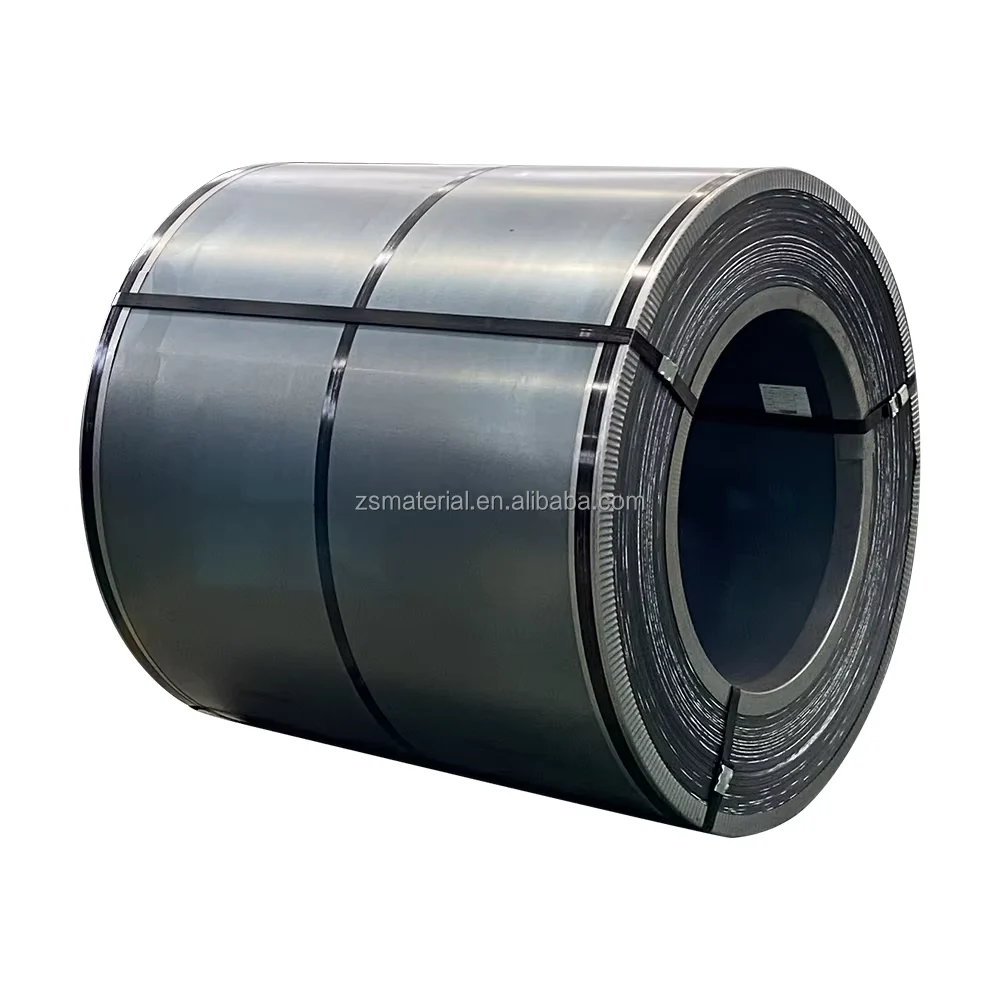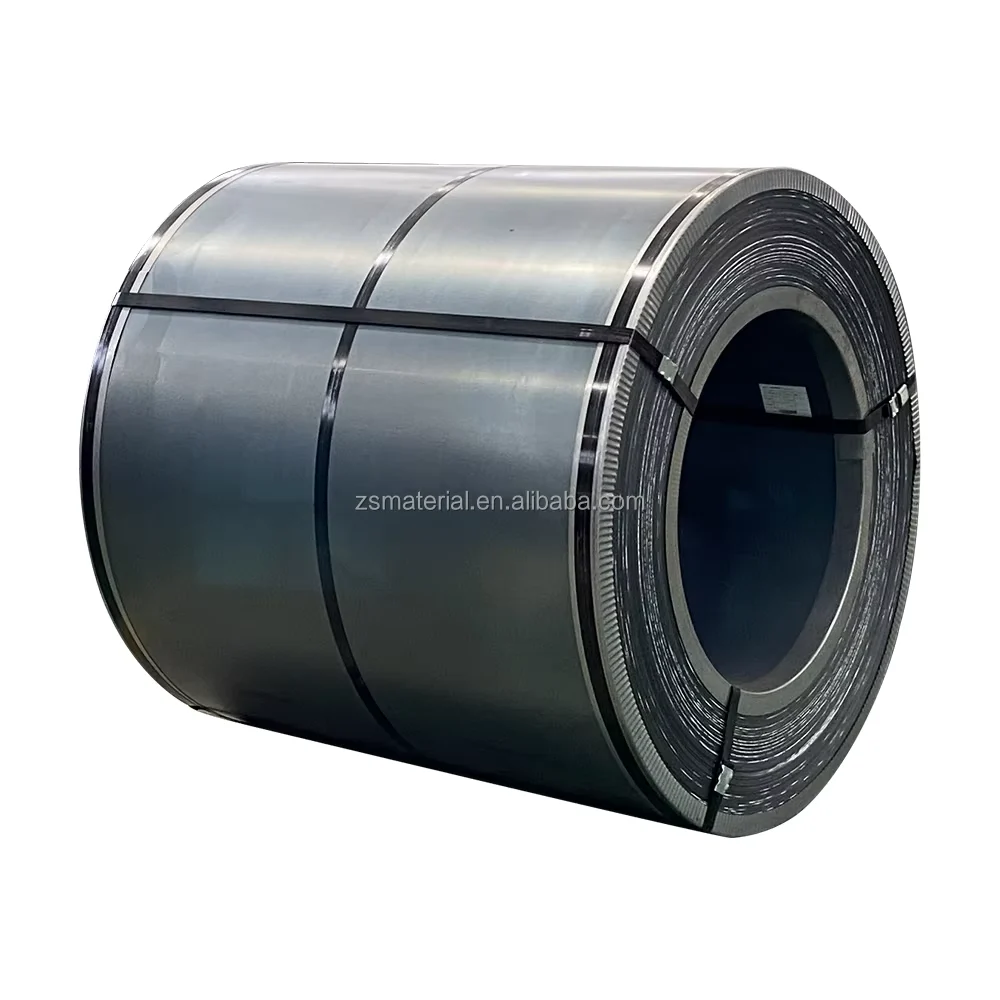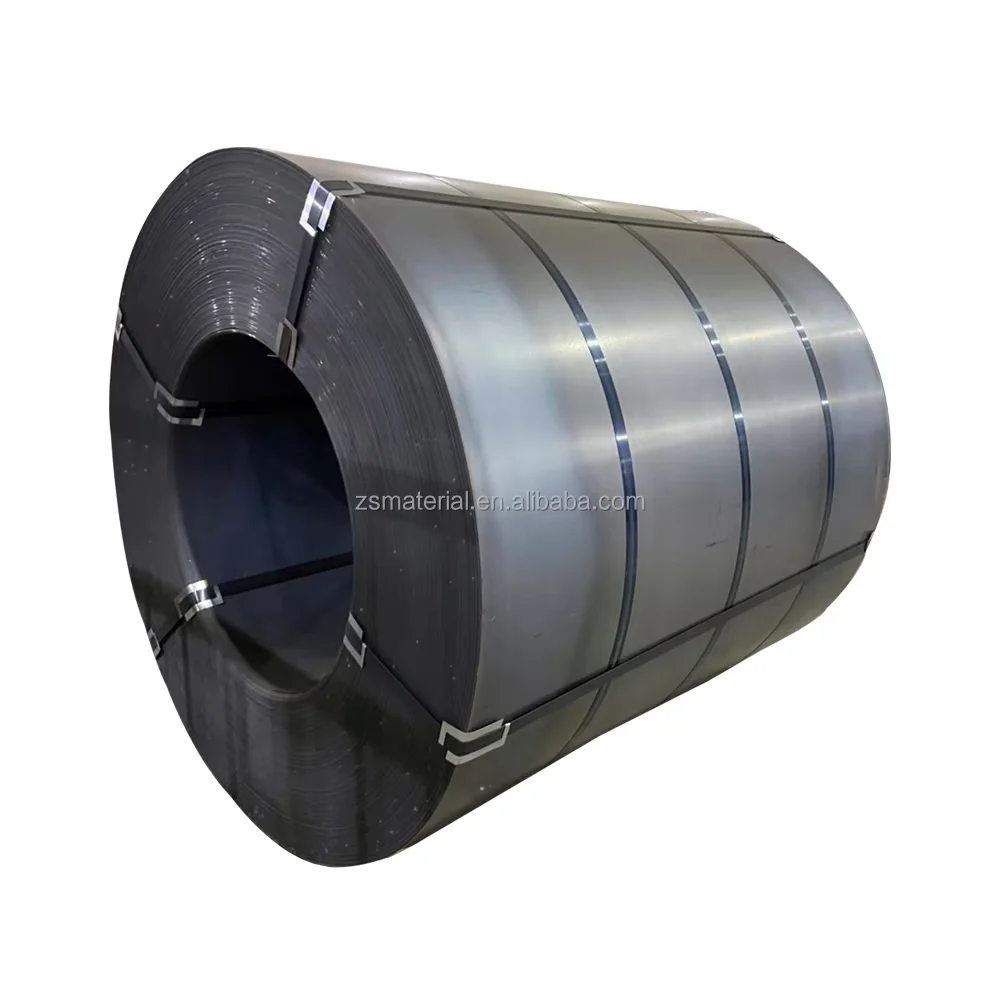
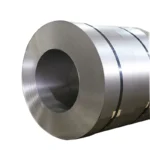
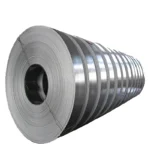
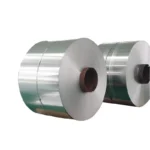
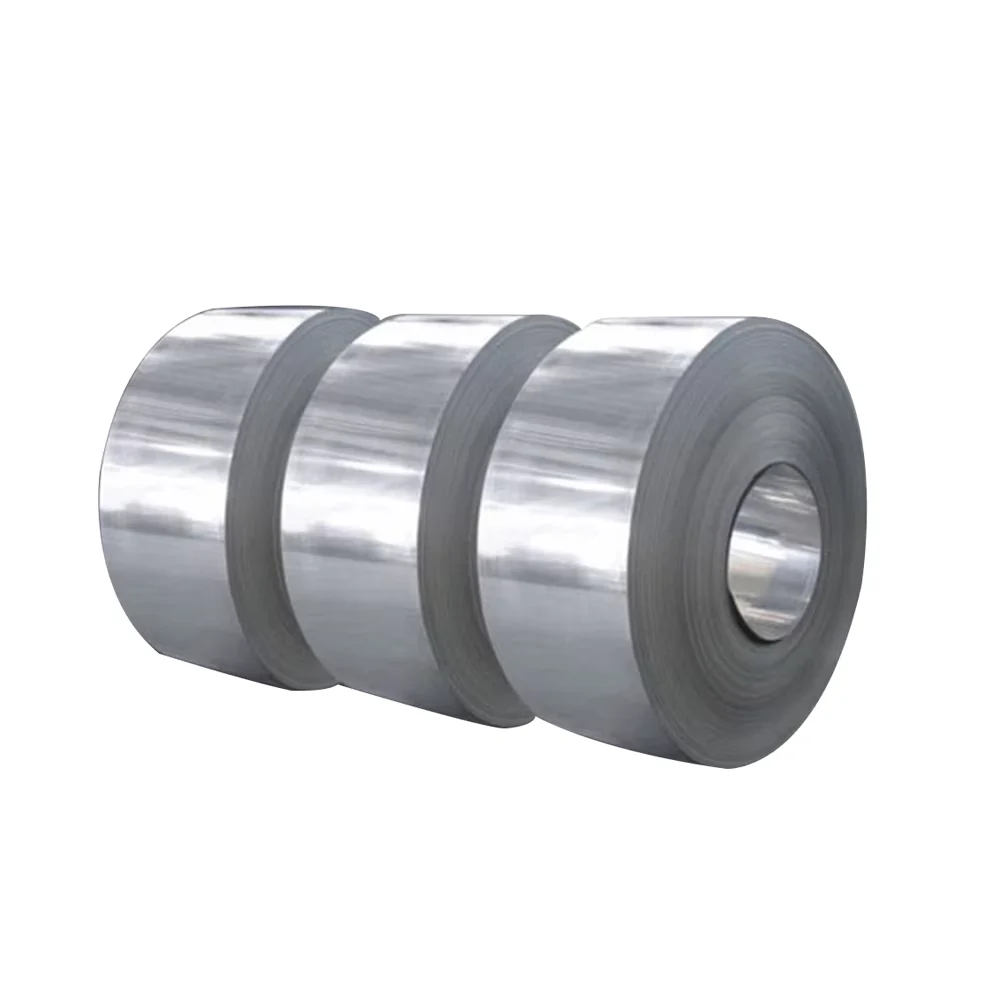
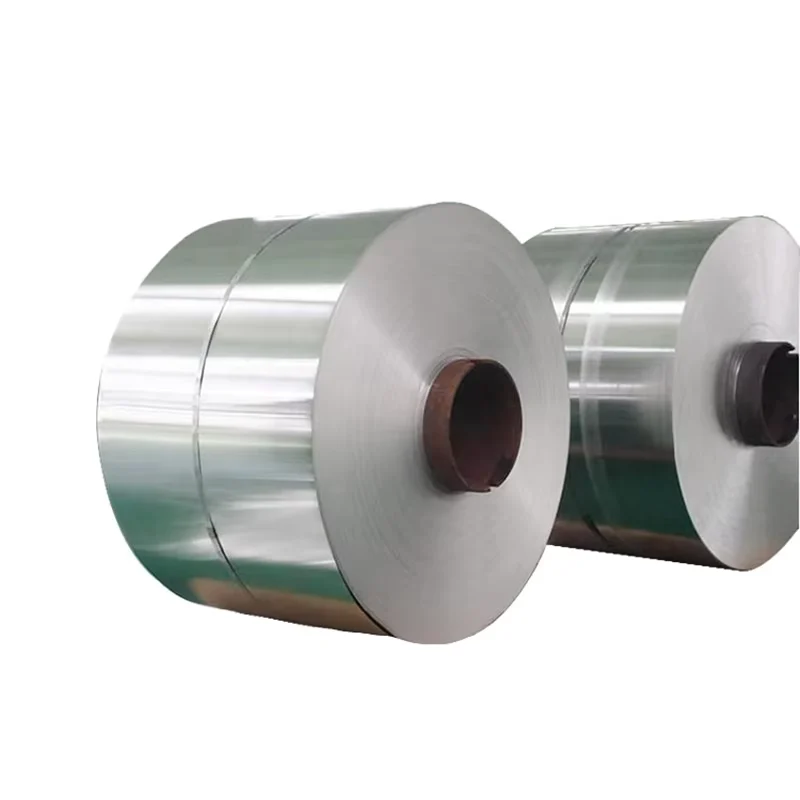
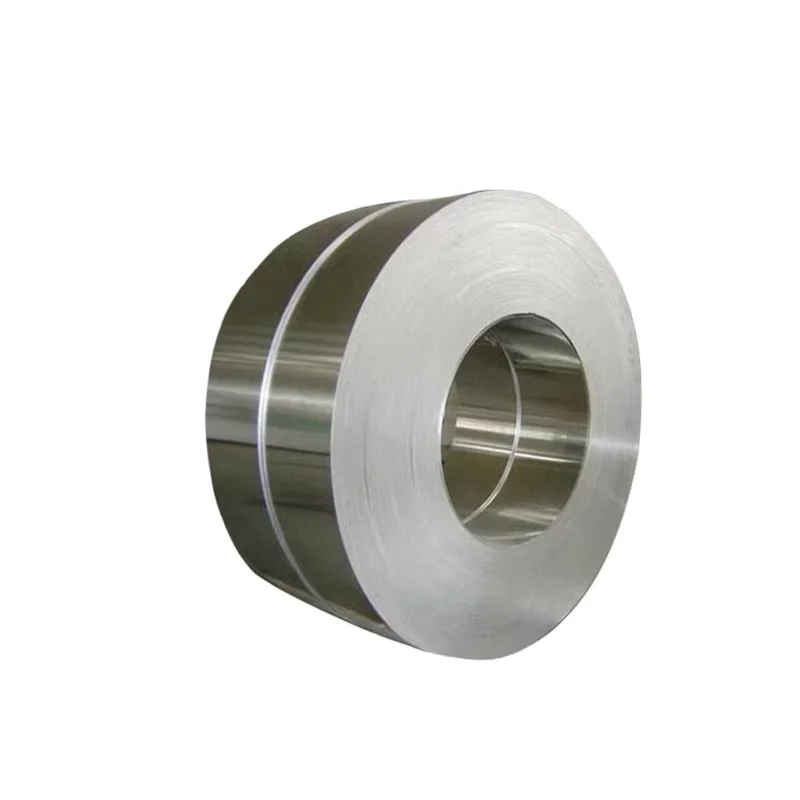
Description
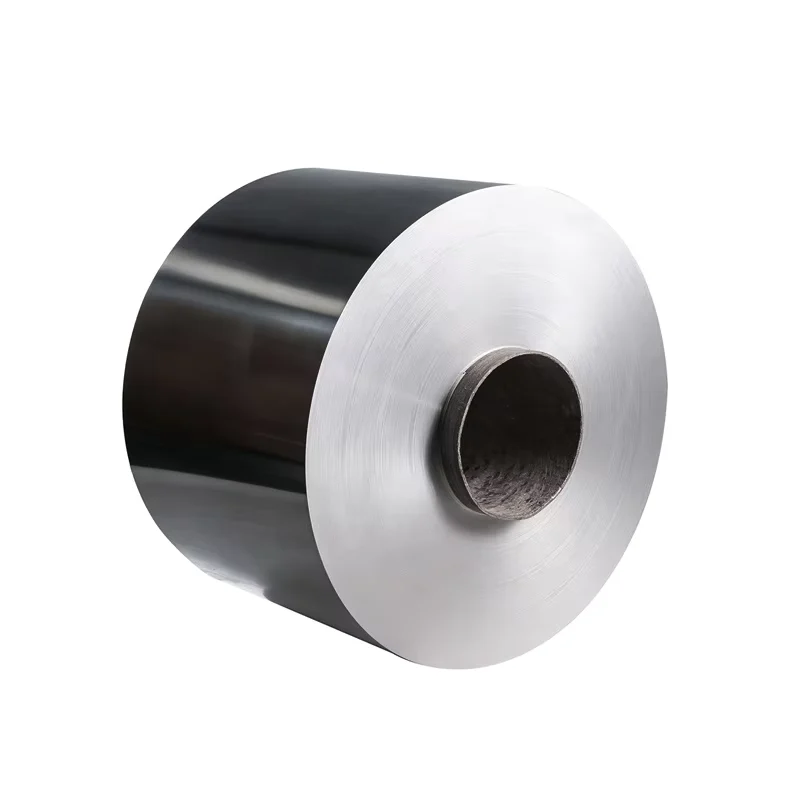
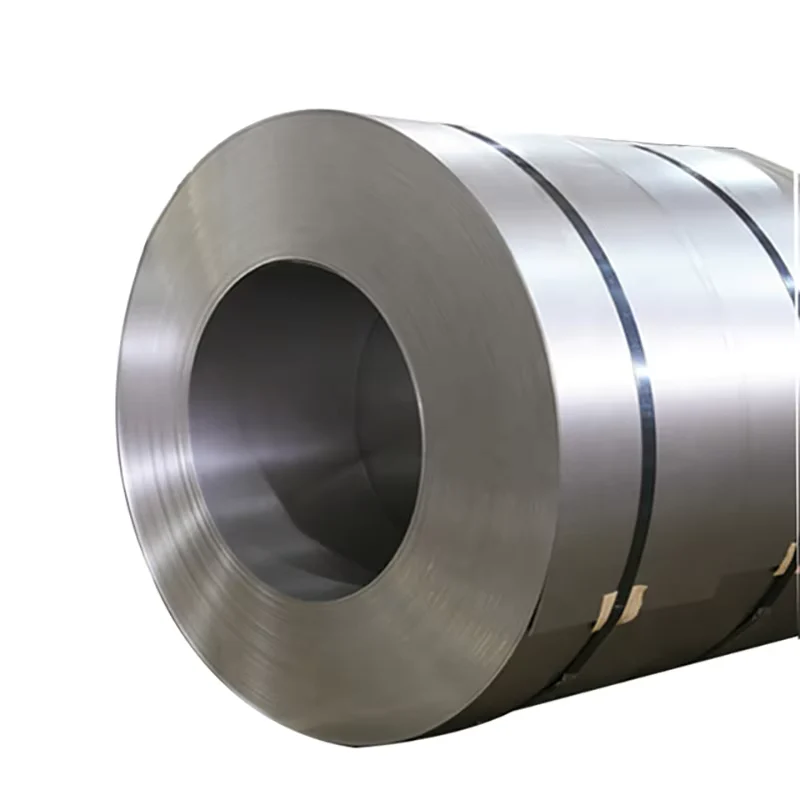
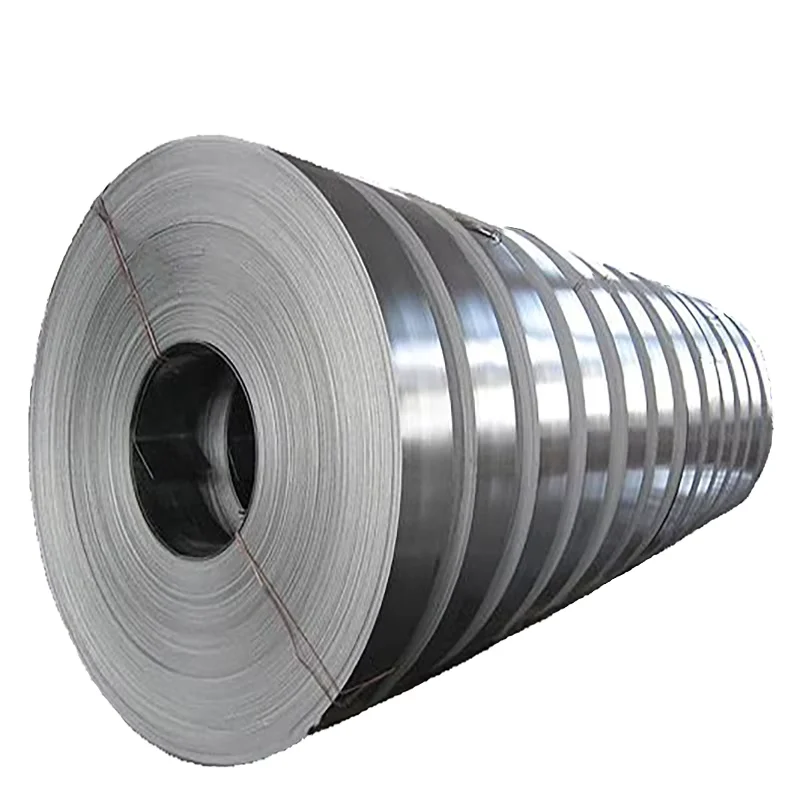
Factory-direct stainless coils, zero middlemen — every 201, 304, 316L, and 430 coil ships with original mill chemistry reports and full heat-number traceability from our Jinan warehouse.
Technical Specifications
| Parameter | Value |
|---|---|
| Designation | 201/304/316/409/430 Series Stainless Steel Coil |
| Product Type | Stainless Steel Coil |
| Steel Grade | 201, 301, 304, 310S, 316, 316L, 321, 405, 409L, 410, 410L, 420, 430, 430A, 309S, 2205, 2507, 2520, 904L |
| Standard | ASTM, JIS, GB, AISI, DIN, BS, EN |
| Section Shape | Coil / Strip |
| Size Range | Cold Rolled 0.15–3 mm; Hot Rolled 3–120 mm |
| Width | 1000 mm / 1219 mm / 1500 mm (slit to narrow width available) |
| Technique | Cold Rolled / Hot Rolled |
| Surface Treatment | No.1, 2D, 2B, BA, 8K, No.4, HL, Embossed, Colored |
| Application | Chemical equipment, industrial tanks, food industry, medical equipment, kitchen utensils, construction & architectural decoration, petroleum industry, storage tanks, elevator interiors |
| Origin | Shandong, China |
Application Suitability
| Industry | Typical Applications |
|---|---|
| Chemical & Petrochemical | Process tanks, heat exchanger shells, piping systems requiring 316L and 321 corrosion resistance |
| Food & Pharmaceutical | Sanitary fabrication of mixing vessels, conveyor belts, and packaging machinery using 304 and 316L with 2B or BA finish |
| Construction & Architecture | Elevator interior panels, facade cladding, and decorative trim using 430 and 304 with HL, 8K mirror, or embossed finishes |
| Kitchen & Catering Equipment | Commercial sinks, countertops, range hoods, and utensil blanks in 201 and 304 grades |
| Petroleum & Storage | Crude oil storage tank shells and LNG containment components in 316L and 2205 duplex grades |
Where Grade Confusion Across Standards Costs You a Container at Customs
A coil labeled 304 in one standard may carry a different designation under EN or GB — and customs officers check chemistry, not your purchase order.
Sourcing a 300 Series Stainless Steel Coil Supplier often means navigating ASTM, EN, GB, and JIS grade equivalences that look identical on a spec sheet but diverge in nickel and molybdenum ranges. Buyers routinely receive material stamped with the right grade code but failing PMI verification on the dock because the mill substituted a lower-alloy heat without updating documentation. Missing or inconsistent mill test certificates turn a routine customs inspection into a multi-week hold, demurrage charges pile up, and the project schedule collapses. [NEED_CITE: steel grade equivalence mapping between ASTM and EN standards]
Matching Finish and Gauge to Architectural and Sanitary Environments
Cold-rolled 300 Series Stainless Steel Coil in 0.15–3 mm thickness covers the full spectrum from thin decorative wrap to heavy industrial forming. A 430 coil with HL brushed finish goes directly into elevator cab panels without secondary polishing, while 316L with BA finish meets the surface roughness requirements for pharmaceutical cleanroom fabrication without additional passivation. Our slitting lines split master coils from 1500 mm down to narrow strip widths, so a facade contractor ordering 200 mm trim gets the exact width without paying for edge trim waste.
Engineering Compliance and Certification Pathways
Stainless coils destined for European construction projects must meet EN classification for fire reaction and corrosion resistance, while North American food-grade equipment fabrication references ASTM A240 and A480 for surface finish and tolerance limits. Selecting 321 over 304 for high-temperature exhaust ductwork prevents chromium carbide precipitation at weld zones — a decision that only matters when the engineering spec calls for it. Third-party inspection by SGS or BV before shipment confirms chemistry and surface quality against the declared standard, giving customs brokers and project engineers a single verifiable document. [NEED_CITE: ASTM A240 standard requirements for chromium stainless steel plate and sheet]
Understanding Austenitic, Ferritic, and Duplex Microstructures
The 300 Series Stainless Steel Coil range spans three metallurgical families. Austenitic grades like 304, 316L, and 321 offer non-magnetic behavior and superior formability, making them the default for deep-drawn kitchen sinks and cryogenic storage tanks. Ferritic grades such as 409L and 430 provide lower nickel content and magnetic response, suited for automotive exhaust systems and interior architectural trim where cost matters more than extreme corrosion resistance. Duplex grades 2205 and 2507 combine austenitic and ferritic structures for chloride-rich environments like offshore platform piping and desalination plant heat exchangers, delivering higher strength than 316L at reduced wall thickness. [NEED_CITE: duplex stainless steel pitting resistance equivalent number comparison]
The Hidden Cost of Unverified Chemistry and Negative Tolerance
Ordering 316L at 2.0 mm thickness sounds straightforward until the coil arrives at 1.8 mm actual gauge — a negative tolerance practice that reduces material cost on paper but compromises pressure vessel wall calculations and fails hydrostatic testing. Worse, a coil labeled 304 that tests as 201 under PMI analysis will corrode at weld seams within months in a coastal food processing plant, triggering full panel replacement and liability claims. Certification gaps between purchase spec and shipped material create rejection at the port, re-export costs, and broken project timelines that no amount of price discount can recover. [NEED_CITE: negative tolerance practices in cold-rolled stainless coil trade]
Procurement Confidence Built on Mill-Level Traceability
Every 300 Series Stainless Steel Coil leaving our warehouse carries an original mill test certificate listing heat number, full chemical composition, and mechanical test results — not a reprinted template. Our on-site laboratory verifies incoming slab chemistry before rolling begins, catching grade substitution at the source rather than at your receiving dock. We hold ready stock across 201, 304, 316L, 430, and 2205 in both cold-rolled and hot-rolled conditions, so a fabricator needing five tons of 1.5 mm 304 2B finish does not wait for a mill rolling campaign. Custom slitting, leveling, and cut-to-length processing happen in-house, reducing your secondary handling and scrap loss. Professional heavy-cargo loading using flatbed and open-top containers prevents edge damage and coil shift during ocean transit.
Documentation & Compliance
- Mill test certificate documenting 304 chemical composition (Cr, Ni, C content) and tensile properties per ASTM A240, issued with original heat number
- ISO 9001:2015 quality management certificate covering the full coil processing and inspection workflow
- SGS or BV third-party inspection report available for pre-shipment chemistry verification and surface finish assessment
- Material traceability report linking each coil to its original slab heat number and rolling schedule
- Export customs documentation including packing list, bill of lading, and certificate of origin for destination-country clearance
- CE compliance declaration for stainless coils destined for European architectural and pressure equipment applications
Packaging, Loading & Delivery
- Cold-rolled 304 and 316L coils wrapped in waterproof kraft paper with inner plastic film, secured by steel strapping on fumigated wooden pallets to prevent moisture staining during ocean transit
- BA and 8K mirror finish coils additionally protected by removable PVC film to preserve surface quality without adhesive residue on arrival
- Hot-rolled 310S and 321 coils in 3–120 mm thickness shipped in eye-to-sky or eye-to-horizontal orientation with edge protectors, optimized for open-top container loading to respect port weight limits
- Slit-to-width coils under 500 mm bundled with steel straps and cardboard edge guards to prevent telescoping and edge damage during forklift handling
- Each coil labeled with heat number, grade designation, thickness, width, and net weight for immediate yard identification and inventory matching
- FOB, CIF, and DDP shipping terms available with professional flatbed and break-bulk logistics for project-site delivery across Southeast Asia, Middle East, and South America
Starting Your Coil Procurement With Verified Specifications
Send your required grade, thickness, width, surface finish, and destination port to receive a detailed quotation with material cost, processing fees, and shipping terms within twelve hours. We provide the original mill test certificate for your review before contract signing, so your quality team confirms chemistry and finish match the project spec. Specify any custom slitting, leveling, or cut-to-length requirements upfront, and we confirm processing lead time and container loading plan together.
Frequently Asked Questions
Q: How do I verify that a 304 coil meets both ASTM and EN grade requirements?
A: We provide the full chemical composition report from the original mill, allowing your team to cross-reference carbon, chromium, and nickel ranges against both ASTM A240 and EN 10088-2 limits. Third-party re-inspection by SGS or BV is available before shipment for independent verification.
Q: What surface finish options are available for architectural elevator panels?
A: We supply 304 and 430 coils in HL (hairline), No.4 brushed, 8K mirror, and embossed finishes. Cold-rolled thickness from 0.5 mm to 2.0 mm in 1219 mm or 1500 mm width covers standard elevator cab dimensions, with protective PVC film applied for 8K and embossed surfaces.
Q: Can I order slit-to-width coils below 500 mm from a master coil?
A: Yes. Our slitting lines process 1000 mm, 1219 mm, and 1500 mm master coils down to custom narrow widths. Minimum order quantities apply per slit width, and we confirm edge trim tolerance and coil weight before processing.
Q: What documentation do I receive for customs clearance and project inspection?
A: Every shipment includes the original mill test certificate with heat number, packing list, bill of lading, and certificate of origin. ISO 9001:2015 certification and CE declarations are available upon request. SGS or BV inspection reports can be arranged for pre-shipment verification.
Q: How are mirror finish coils protected during shipping?
A: BA and 8K mirror finish coils receive a removable PVC protective film applied to the surface, combined with waterproof paper wrapping and steel strapping on wooden pallets. This prevents adhesive residue, moisture contact, and surface scratching during container loading and ocean transit.
Request Your Stainless Steel Coil Quotation
Submit your grade, thickness, width, surface finish, and destination port to receive a complete quotation with original mill test certificate preview within twelve hours.
Shandong Xin Jiyuan Special Steel Tube Co., Ltd
Website: www.xjyplate.com
Tel: +86 531 8573 6315
Mobile/WhatsApp/WeChat: +86 188 5315 7756
Email: admin@xjyplate.com
Address: No.11889, Jingshi West Road, Lulian Group, Jinan City, Shandong Province, China