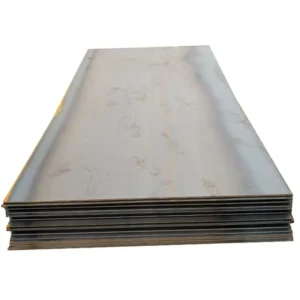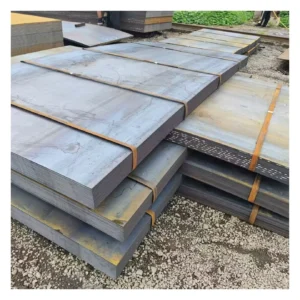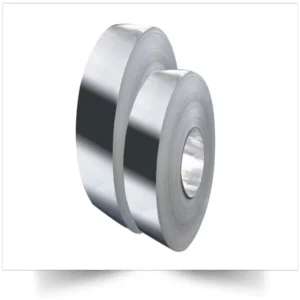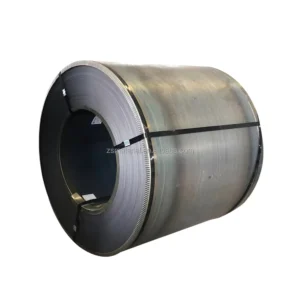
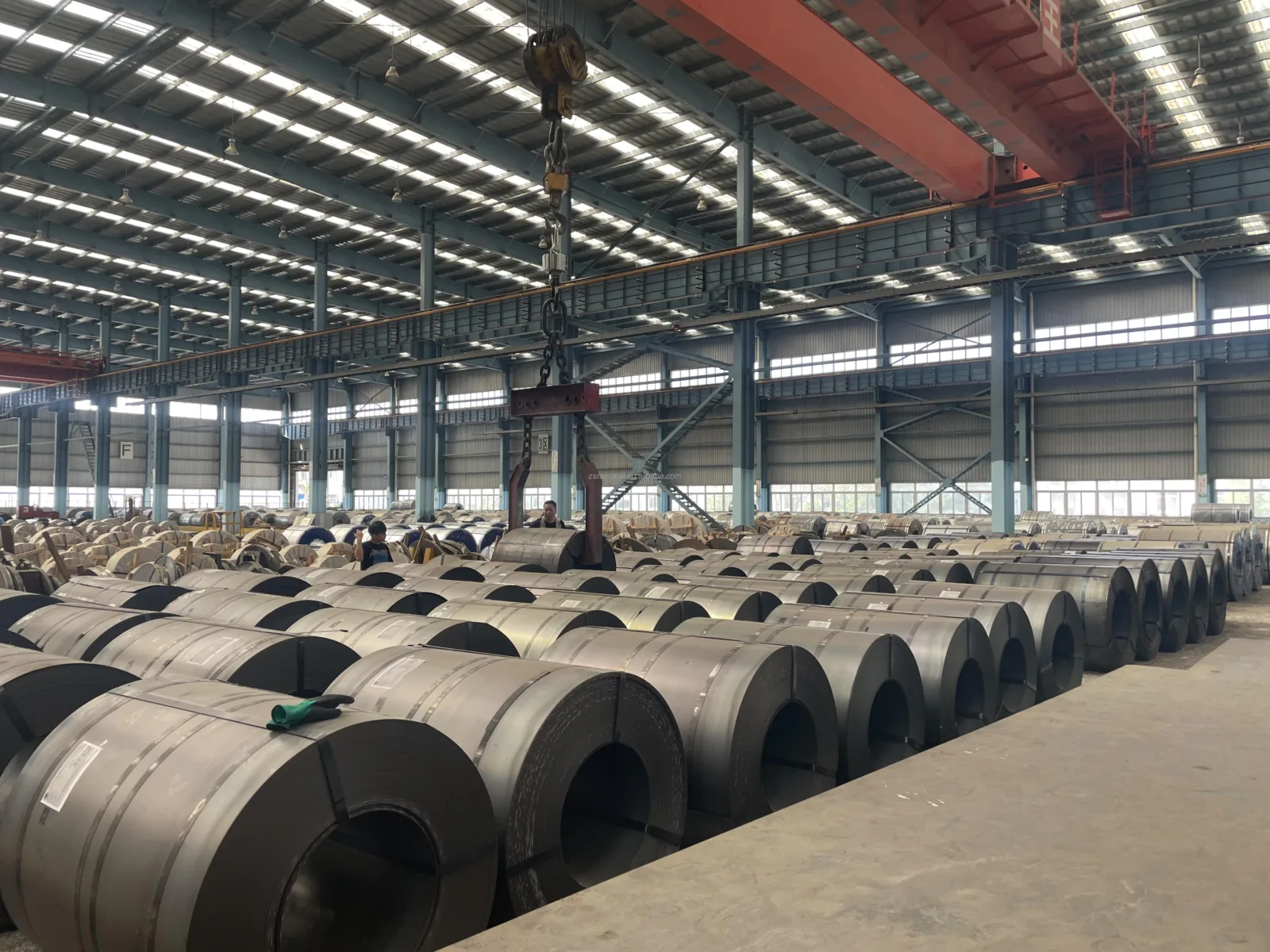

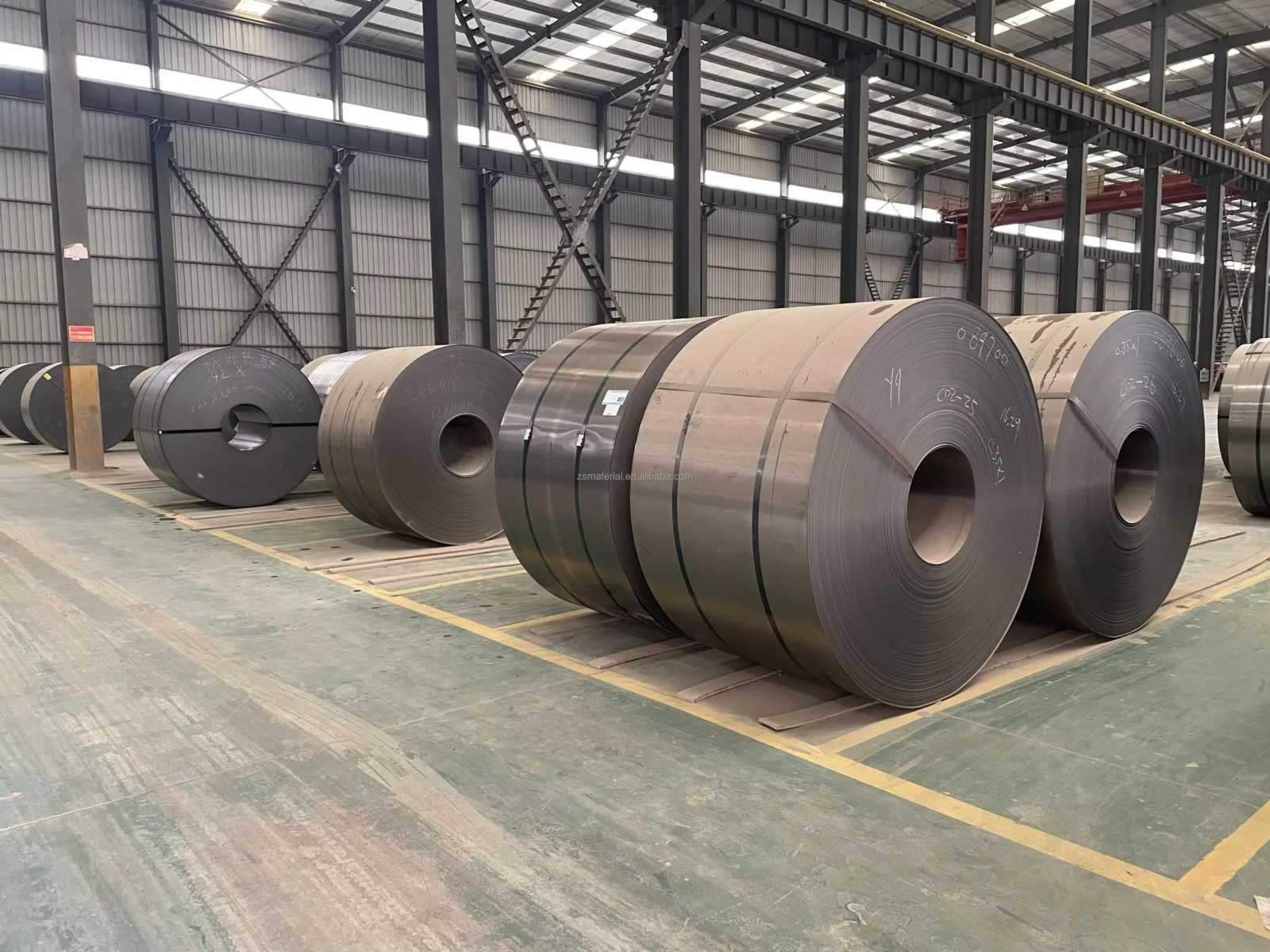
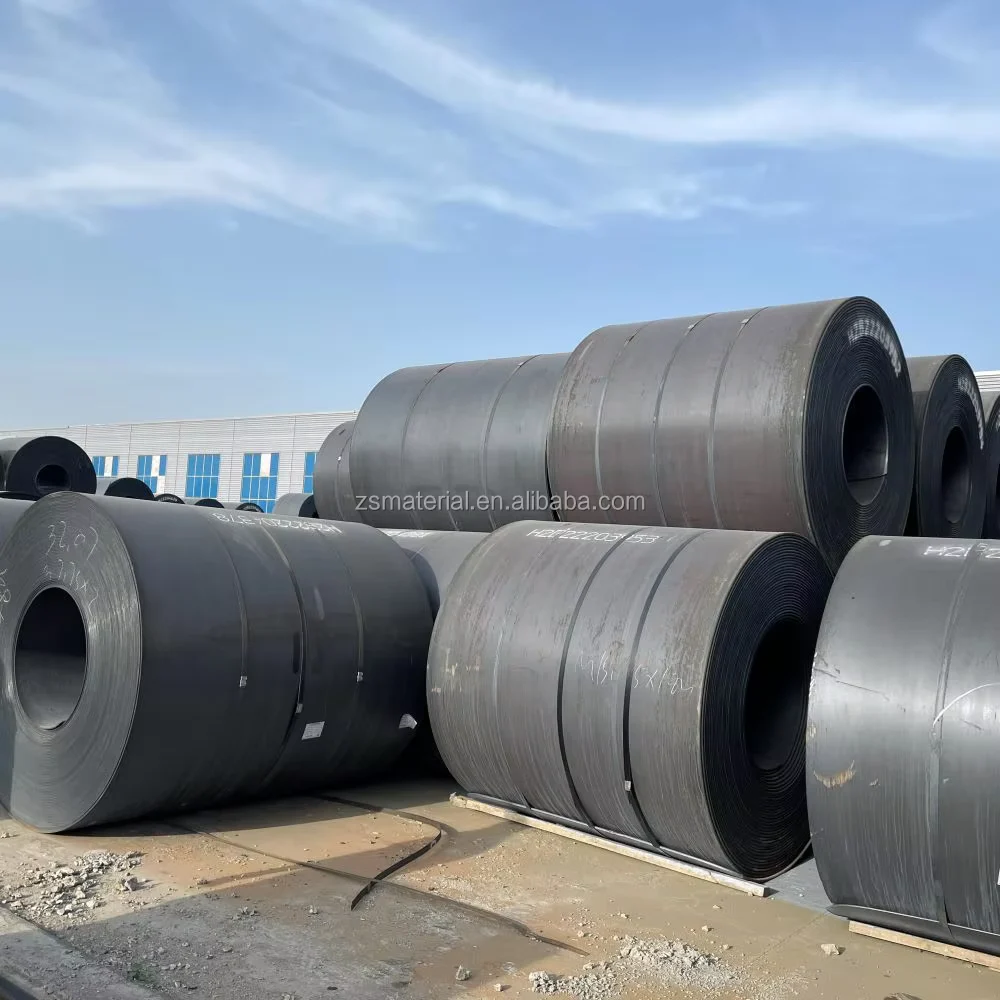

Description
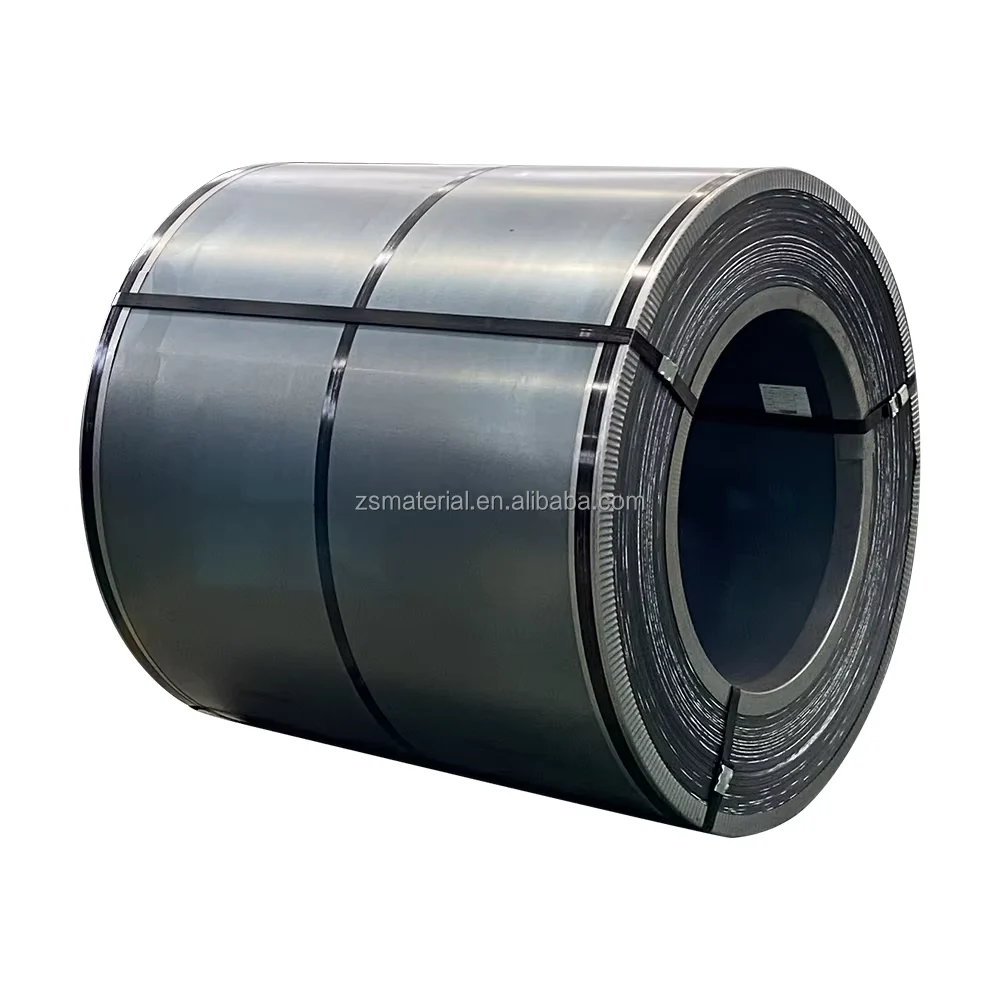
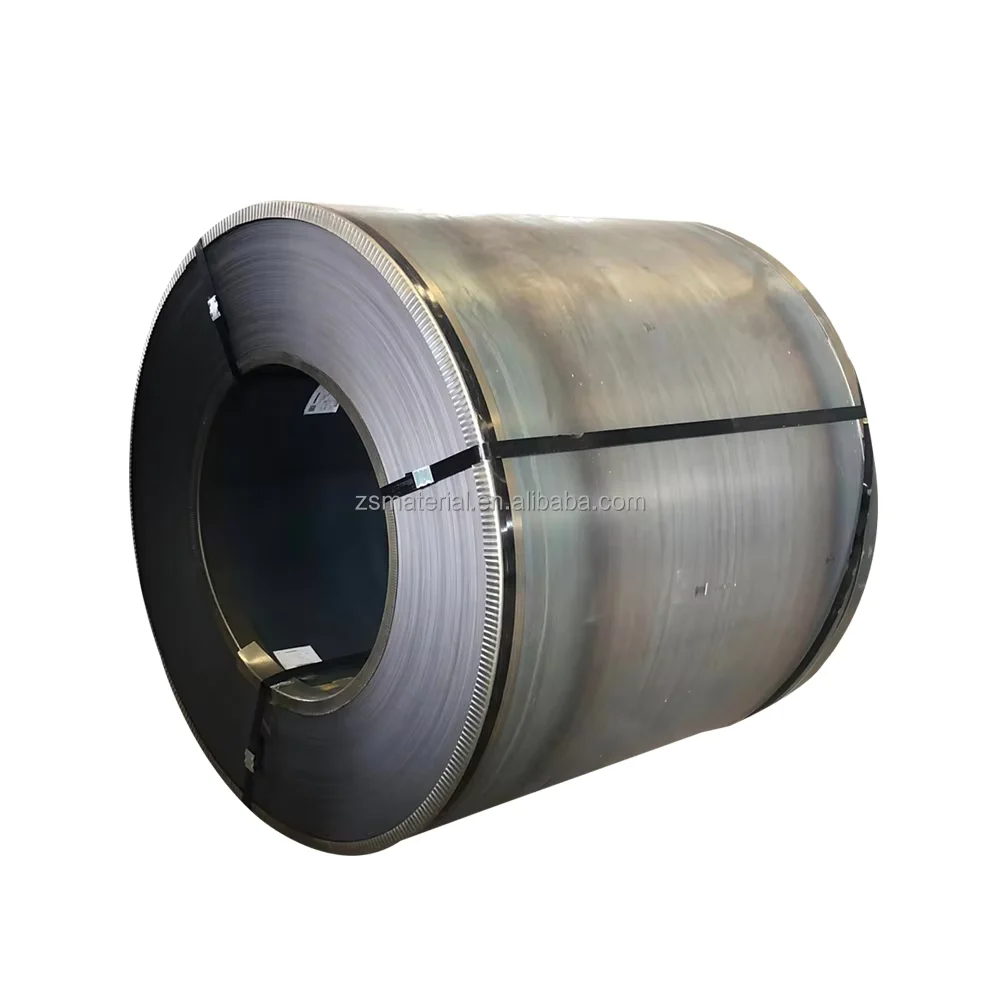
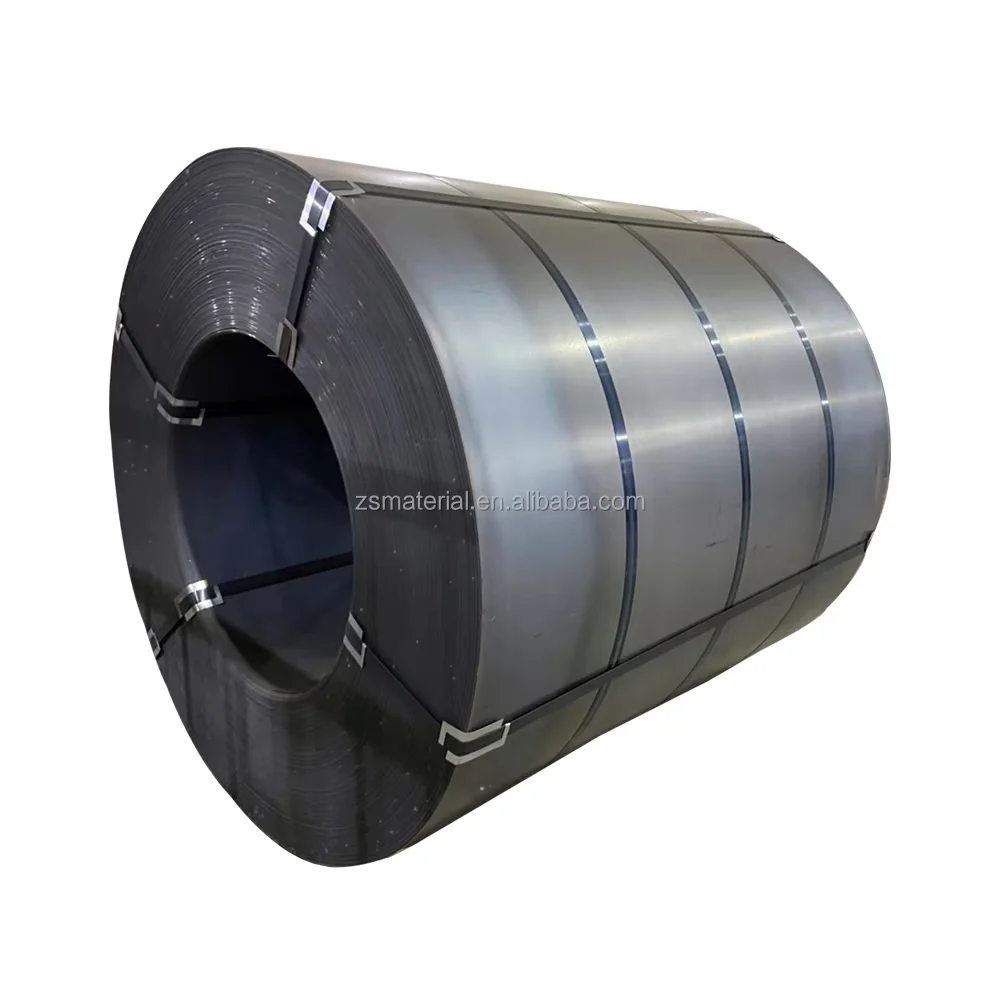
Full-Range Hot Rolled Coil Supply — Q195 to Q345 carbon steel and A36, SS400 international equivalents in thickness from 0.75mm to 200mm, all backed by original mill test certificates.
Technical Specifications
| Parameter | Value |
|---|---|
| Designation | Q235 A36 Hot Rolled Steel Coil |
| Product Type | Steel Coil |
| Steel Grade | Q195, Q235, Q235B, Q345, Q345B, A36, SS400, St37, St42, St37-2, St35.4, St52.4, St35 |
| Standard | AISI, ASTM, BS, DIN, GB, JIS |
| Technique | Hot Rolled |
| Thickness | 0.75–200mm |
| Width | 600–2000mm |
| Length | Customized |
| Coil ID | 508/610mm |
| Surface Treatment | Coated |
| Tolerance | ±1% |
| Processing Service | Bending, Welding, Decoiling, Cutting, Punching |
| Application | Construction, Shipbuilding, Machinery, Bridges, Pressure Vessels, Automotive |
| MOQ | 1 Ton |
Application Suitability
| Industry | Typical Applications |
|---|---|
| Construction | Structural beam fabrication, high-rise building floor plates, bridge girder components |
| Shipbuilding | Hull plating for commercial vessels, offshore platform deck plates |
| Pressure Vessels | Boiler shell plates, storage tank walls, heat exchanger end caps |
| Machinery | Heavy equipment base frames, crane boom sections, conveyor support structures |
| Bridges | Expansion joint plates, bearing pad plates, truss connection gussets |
Hidden Tolerance Gaps That Cost More Than the Coil Price
Actual thickness deviation beyond ±1% forces rework or outright rejection at the fabrication yard.
Buyers ordering Q235 A36 hot rolled steel coil from multiple suppliers often discover that stated thickness does not match measured thickness once the coil reaches the workshop floor. Some mills apply aggressive negative tolerance — a 10mm plate arriving at 9.2mm means the fabricator either absorbs the shortfall or scraps the material. Grade equivalence adds another layer: a buyer specifying A36 may receive material stamped to a different national standard with subtly different chemistry, causing weld procedure qualification failures. [NEED_CITE: steel grade equivalence between GB, ASTM, EN, and JIS standards]
Matching Coil Thickness and Width to Structural Fabrication Needs
A 0.75mm to 200mm thickness range means this Q235 A36 hot rolled steel coil serves both light-gauge framing and heavy structural plate applications. Width up to 2000mm covers most standard nesting layouts for beam webs and column flanges without requiring longitudinal weld seams. The hot rolled process delivers a mill scale surface that accepts primer and paint systems directly, while coated surface treatment options add corrosion protection for marine and outdoor structural environments. Custom decoiling and cutting to fabrication-ready blanks eliminates secondary handling at the job site.
Engineering Compliance and Grade Selection Across Standards
Structural projects governed by EN 1993 or AISC specifications require documented proof that the supplied steel meets the referenced standard’s chemical and mechanical requirements. Q235 and Q345 from the GB system correspond broadly to S235/S355 in EN and A36/A572 in ASTM, but exact equivalence depends on delivery condition, impact testing temperature, and sulfur-phosphorus limits. [NEED_CITE: structural steel grade cross-reference between GB and international standards] Pressure vessel applications demand tighter chemistry control and mandatory impact testing, which is why original mill test certificates listing heat number, chemical composition, and mechanical properties are non-negotiable. Third-party inspection from SGS or BV provides independent verification for projects with stringent owner-engineer requirements.
Understanding Hot Rolled Carbon Steel Grades and Their Fabrication Behavior
The Q-series (Q195, Q235, Q345) follows the Chinese GB system where the number indicates minimum yield strength in MPa. A36 follows ASTM with a 250 MPa minimum yield, while SS400 follows JIS with a 400 MPa minimum tensile strength. St37 and St52 follow the DIN system common in European and Middle Eastern projects. Hot rolling produces a grain structure suited to bending and welding, with the coated surface option providing baseline corrosion resistance for outdoor storage and transport. The ±1% thickness tolerance applies across the full 0.75mm to 200mm range, ensuring predictable weight calculations for structural design and shipping load planning.
What Wrong Grade or Missing Certification Costs at the Port
Material arriving without matching mill test certificates gets held at customs in markets requiring pre-shipment verification. A coil stamped SS400 but testing as a lower grade triggers rejection by the project’s quality engineer, forcing air freight replacement or weeks of delay. Negative tolerance beyond stated limits means the structural engineer must recalculate load capacity — and if the margin is gone, the entire batch becomes scrap. [NEED_CITE: customs documentation requirements for structural steel imports]
Why Fabricators and EPCs Source Q235 A36 Hot Rolled Steel Coil Through XJY Plate
Every coil ships with an original mill test certificate traceable by heat number — no photocopies, no forged documents. The full grade range from Q195 to Q345 and international equivalents A36, SS400, St37 through St52 means one purchase order covers mixed-grade projects without splitting across suppliers. Custom cutting, decoiling, bending, and punching deliver fabrication-ready blanks, reducing workshop labor and scrap. Professional heavy cargo loading using flatbed, open-top container, and break-bulk methods prevents coil edge damage and container overweight penalties. ISO 9001:2015 and Lloyd’s CE certification provide the documentation framework that EPCs and shipyards require for vendor approval.
Documentation & Compliance
- Mill test certificate documenting Q235, A36, or SS400 chemical composition and mechanical properties per GB, ASTM, or JIS standard, traceable by heat number
- ISO 9001:2015 quality management certificate covering the full hot rolled coil production and inspection process
- SGS or BV third-party inspection report available upon request for projects requiring independent material verification
- Lloyd’s CE certificate for coils supplied to shipbuilding and pressure vessel applications
- Full customs documentation package including packing list, bill of lading, and certificate of origin for import clearance
Packaging, Loading & Delivery
- Hot rolled coils bundled with minimum three steel straps and edge protectors to prevent edge damage during ocean transit
- Coated surface coils wrapped in waterproof paper and plastic film to preserve surface treatment integrity in humid port environments
- Coil ID 508mm and 610mm options allow optimized container loading for 20ft and 40ft open-top units, maximizing weight per shipment
- Custom cut-to-length plates nested and strapped on wooden pallets with heat number and grade stenciled on each piece
- Thickness range 0.75mm to 200mm accommodates both containerized and break-bulk shipping depending on order volume and destination port crane capacity
Getting Your Quote and Mill Test Certificate Before Committing
Send your required steel grade, thickness, width, length or coil weight, quantity, and destination port — XJY Plate responds within hours with a detailed quotation including material cost, any processing fees, and shipping terms. Original mill test certificates are provided before or with every shipment so your quality team can verify chemistry and mechanical properties without delay.
Request Your Q235 A36 Hot Rolled Steel Coil Quotation Today
Submit your specifications and destination to receive pricing, processing options, and mill test certificate samples.
Website: www.xjyplate.com
Mobile/WhatsApp/WeChat: +86 188 5315 7756
Email: admin@xjyplate.com
Frequently Asked Questions
Q: How do Q235, A36, SS400, and St37 compare across GB, ASTM, JIS, and DIN standards?
A: These grades represent carbon structural steel in different national standard systems. Q235 (GB) and A36 (ASTM) both target approximately 235–250 MPa minimum yield strength, while SS400 (JIS) specifies 400 MPa minimum tensile strength. St37 (DIN) is common in European and Middle Eastern projects. XJY Plate supplies all these grades with original mill test certificates showing the exact standard referenced.
Q: Can I verify the heat number and chemical composition before shipment?
A: Yes. XJY Plate provides original mill test certificates for every coil, listing heat number, chemical composition, and mechanical properties. Third-party inspection from SGS or BV is available upon request for projects requiring independent verification.
Q: What is the minimum order quantity for custom width or cut-to-length coils?
A: The MOQ is 1 Ton. XJY Plate offers custom cutting, decoiling, bending, and punching services, so you can order fabrication-ready blanks in non-standard widths or lengths without full-coil minimums.
Q: How does XJY Plate ensure actual thickness meets the stated ±1% tolerance?
A: Every coil undergoes dimensional inspection before shipment. Thickness is measured at multiple points across the width, and results are documented in the mill test certificate. Transparent reporting means you know exactly what you are receiving before the coil leaves the mill.
Q: How are heavy coils loaded to prevent damage and port delays?
A: XJY Plate uses professional heavy cargo loading methods including flatbed, open-top container, and break-bulk shipping. Coils are secured with steel straps, wooden wedges, and钢丝绳 reinforcement to prevent shifting during ocean transit, avoiding edge damage, overweight penalties, and customs inspection delays.