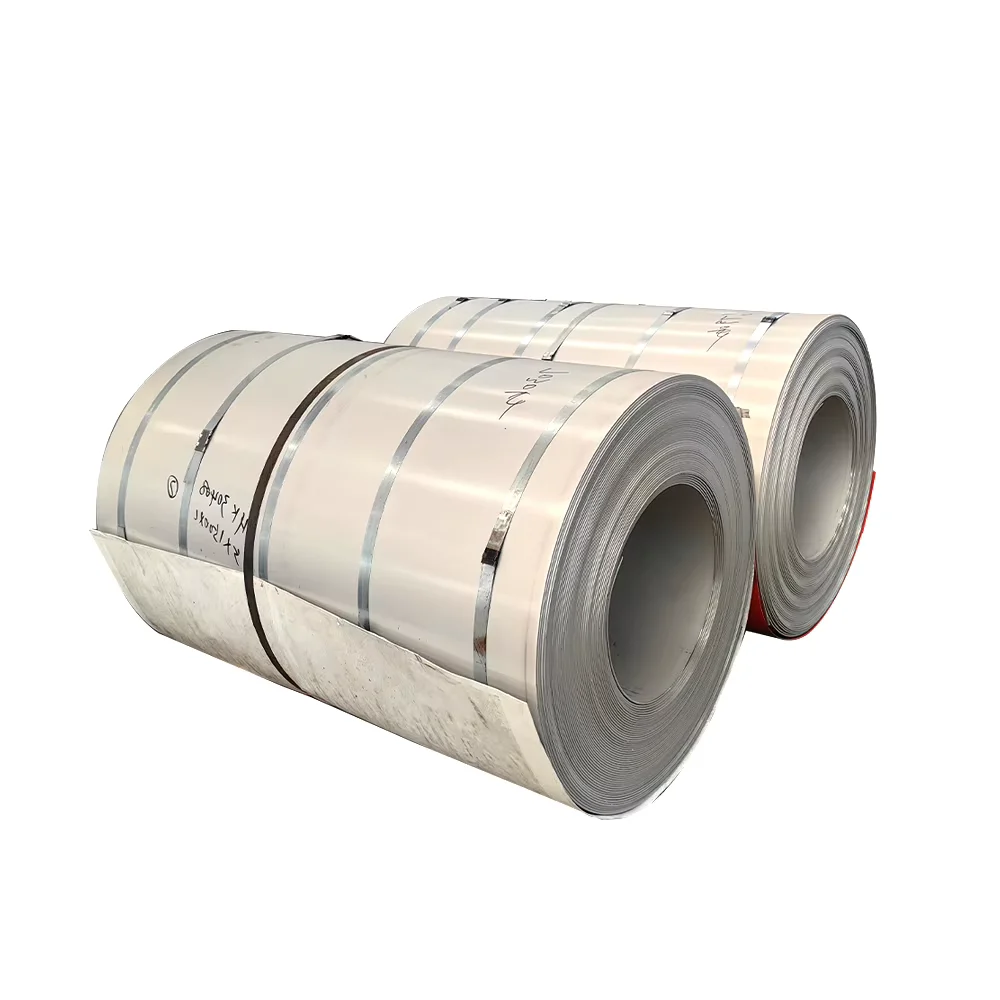
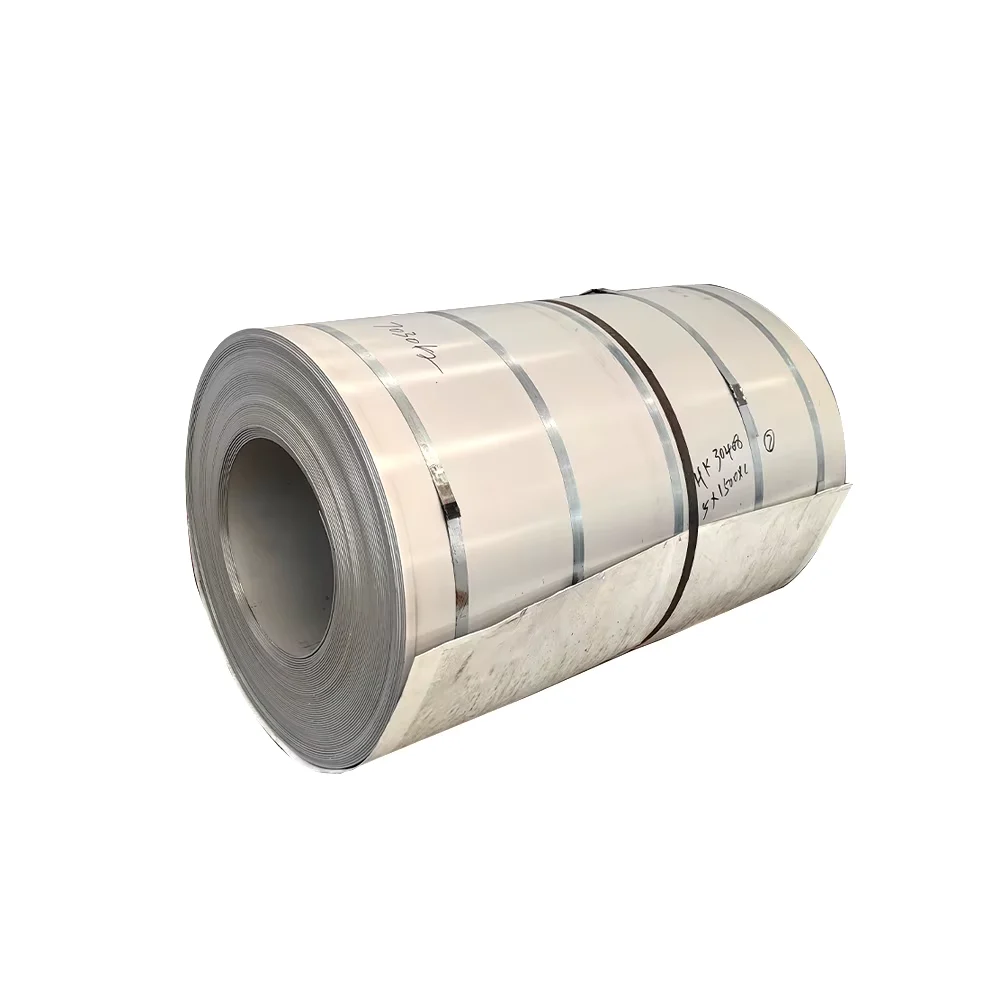
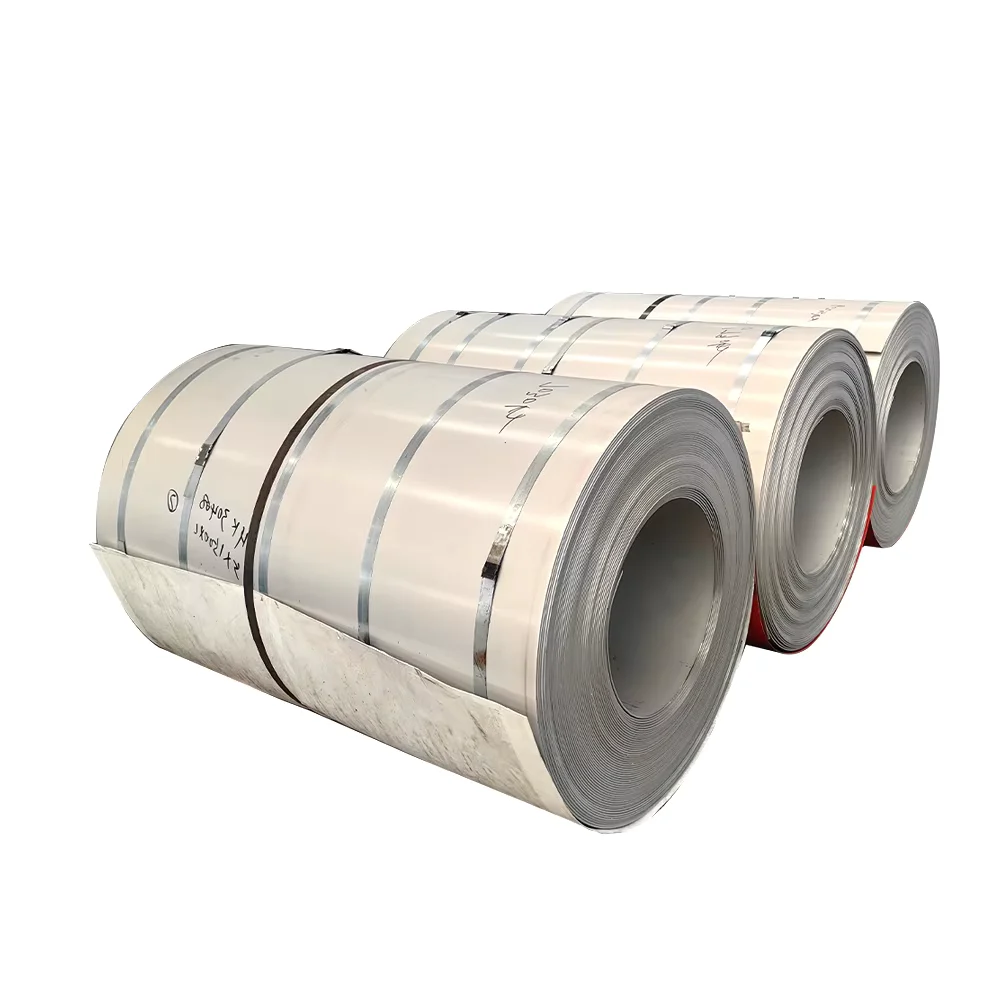
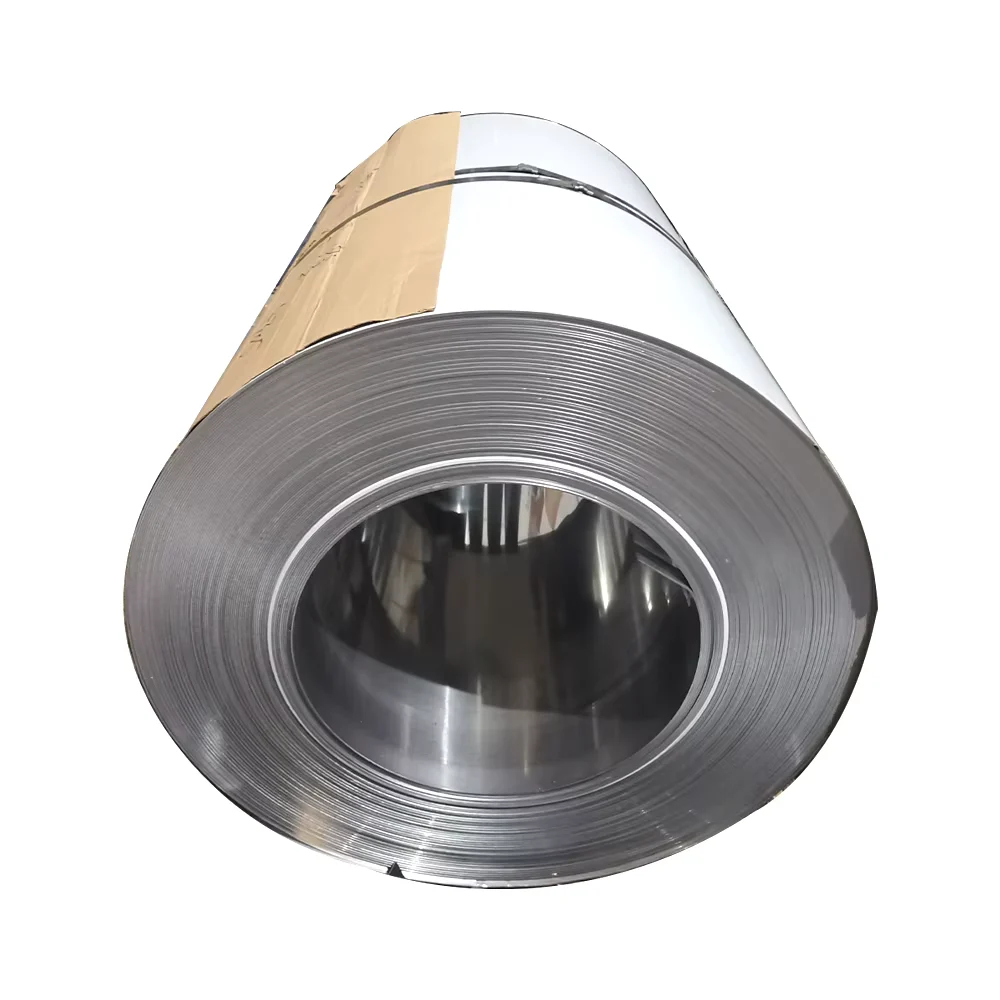
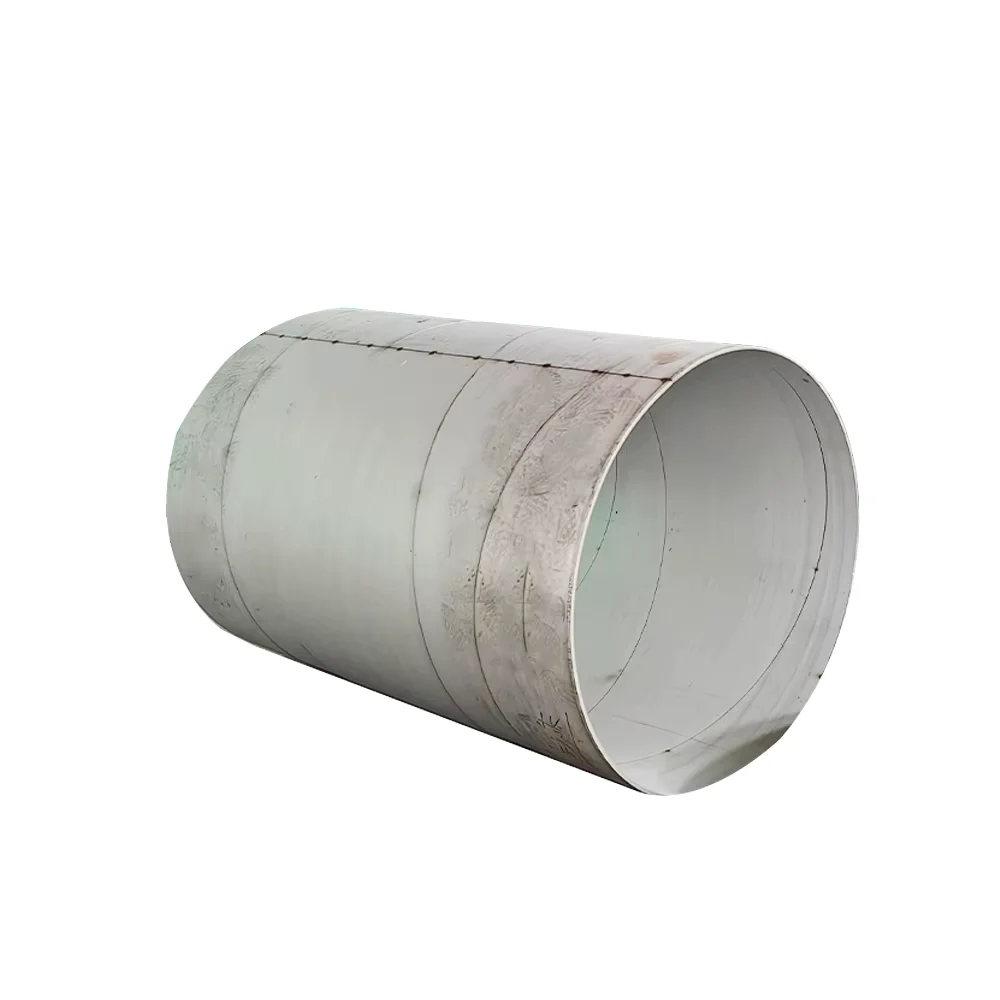
Description
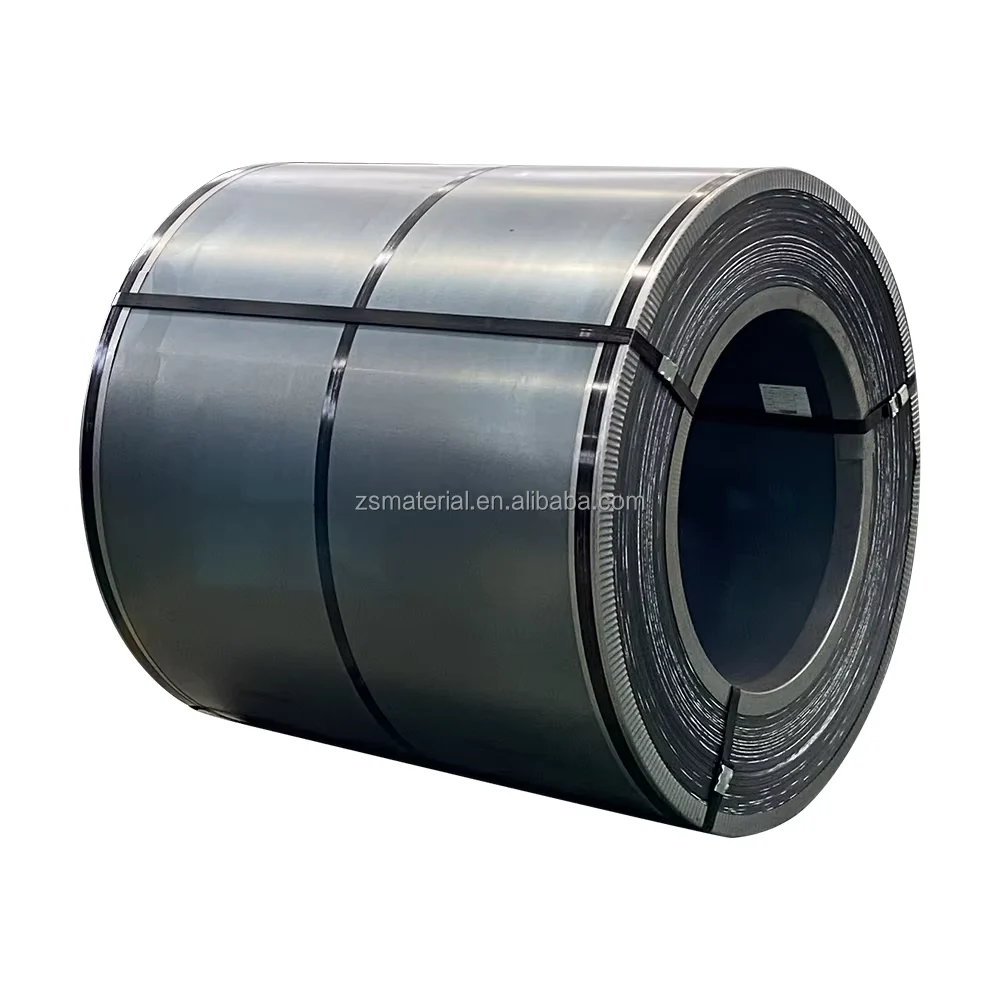
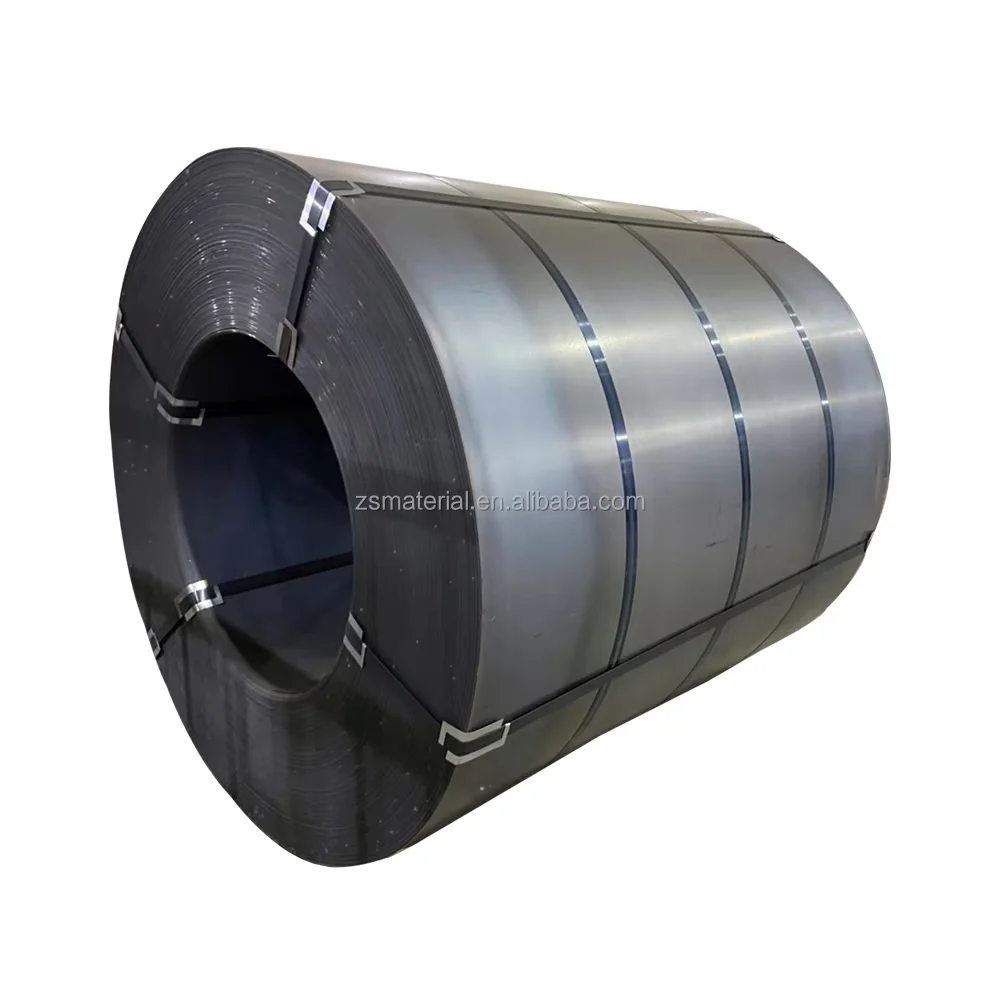
Direct Mill Supply — Every Cold Rolled Stainless Steel Coil 304 316L 201 backed by original MTC and ISO 9001 certification
Technical Specifications
| Parameter | Value |
|---|---|
| Designation | Cold Rolled Stainless Steel Coil |
| Product Type | Steel Coil |
| Steel Grade | 201, 304, 321, 309S, 316L, 430 |
| Technique | Cold Rolled |
| Thickness | 0.2–8 mm |
| Width | 1000 / 1219 / 1500 mm |
| Surface Finish | 2B |
| Application | Kitchenware / Fabrication / General structural and decorative applications |
Application Suitability
| Industry | Typical Applications |
|---|---|
| Kitchenware Manufacturing | Sink basins, range hood panels, food processing tanks |
| Architectural Fabrication | Elevator interior panels, decorative wall cladding, column covers |
| Industrial Equipment | Chemical storage tanks, exhaust ducts, conveyor components |
| Commercial Construction | Handrail systems, ceiling grids, HVAC ductwork |
Traceability Gaps Turn Stainless Steel Coil Orders into Fabrication Liabilities
Missing heat numbers on Cold Rolled Stainless Steel Coil 304 316L shipments mean zero material accountability once fabrication begins.
Procurement teams routinely receive stainless coils with photocopied or generic certificates — no heat number, no chemical breakdown, no mechanical test data. When a 316L coil destined for a food processing plant turns out to be 201-grade material, the entire batch fails corrosion testing after weeks of welding and forming. Rework costs multiply, project timelines collapse, and the supplier vanishes behind a trading company shell. [NEED_CITE: stainless steel grade verification requirements for food-contact applications]
Matching 2B Finish Stainless Coils to Corrosive and Decorative Environments
The 2B surface finish on Cold Rolled Stainless Steel Coil 304 316L delivers a smooth, semi-reflective surface that resists fingerprint smudging and accepts light polishing — critical for kitchenware exteriors and elevator cab interiors. Austenitic grades like 304 and 316L handle chloride exposure in coastal construction, while 430 ferritic coils serve dry indoor decorative panels where cost matters more than pitting resistance. Each coil ships with stamped heat numbers on the inner sleeve, so site supervisors can cross-reference the mill certificate before the first cut.
Engineering Compliance Across Austenitic and Ferritic Grade Families
Cold Rolled Stainless Steel Coil 304 316L orders for pressure vessels or food-grade tanks must meet composition limits defined by ASTM A240 or EN 10088-2 — particularly carbon content caps for 316L to prevent sensitization during welding. [NEED_CITE: ASTM A240 chromium-nickel stainless steel plate and sheet requirements] Structural decorative applications in European markets require CE marking traceability, while Middle East and Southeast Asian projects often demand SGS or BV third-party inspection before container sealing. Thickness tolerance on cold-rolled coils directly affects flatness after slitting — deviations beyond ±0.02 mm cause edge wave defects that reject entire fabrication runs.
Grade Selection Logic: 201 vs 304 vs 316L vs 430
The 201 grade substitutes manganese and nitrogen for nickel, reducing cost but sacrificing long-term chloride resistance — suitable for indoor dry décor, not coastal facades. 304 remains the workhorse austenitic grade with balanced formability and corrosion resistance for kitchenware and general fabrication. 316L adds molybdenum for pitting resistance in marine and chemical environments, while its low-carbon formulation prevents intergranular corrosion after welding. 321 stabilizes with titanium for high-temperature exhaust systems, and 309S handles sustained heat above 800°C in furnace components. 430 ferritic coils offer magnetic properties and lower cost for indoor architectural trim where welding is minimal.
The Hidden Cost of Unverified Stainless Steel Coil Grades
Accepting a Cold Rolled Stainless Steel Coil 304 316L without original mill test certificates means accepting that a 201 coil could be labeled as 304 — visually identical, chemically different, and destined to rust in humid kitchens within months. [NEED_CITE: consequences of stainless steel grade misidentification in fabrication] Customs authorities in the EU and GCC increasingly flag shipments lacking proper MTC documentation, causing port holds that dwarf the original material savings. Negative tolerance abuse on thin-gauge coils (0.2–0.5 mm) compounds the problem — buyers pay for nominal thickness but receive underweight material that fails flatness requirements after slitting.
Why Procurement Teams Source Cold Rolled Stainless Steel Coil 304 316L From XJY Plate
Every Cold Rolled Stainless Steel Coil 304 316L leaving our warehouse carries an original mill test certificate with full heat number traceability — chemical composition, tensile strength, and elongation data verified against the production heat. Our dedicated plate and coil division maintains ready stock across 201, 304, 321, 309S, 316L, and 430 grades in 0.2–8 mm thickness, eliminating the full-coil minimums that force small fabricators into oversupply. Custom slitting to 200 mm widths or cut-to-length blanking runs through our in-house leveling and shearing lines, with dimensional reports attached before dispatch. ISO 9001:2015 and CE certification back every shipment, with SGS or BV third-party inspection available at buyer’s request. Professional container loading with wooden chocks and edge protectors prevents the coil-shift damage that destroys 2B finishes during ocean transit.
Documentation & Compliance
- Mill test certificate documenting 304 and 316L chemical composition (Cr, Ni, Mo, C content) and mechanical properties per ASTM A240 / EN 10088-2
- ISO 9001:2015 quality management certificate covering cold rolled coil processing and export operations
- CE certification for stainless steel flat products destined for European Union construction and pressure equipment markets
- SGS or BV third-party inspection report verifying thickness tolerance, surface finish quality, and dimensional accuracy before container loading
- Full material traceability by heat number stamped on coil inner sleeve and printed on packing slip
- Export customs documentation including commercial invoice, packing list, bill of lading, and certificate of origin
Packaging, Loading & Delivery
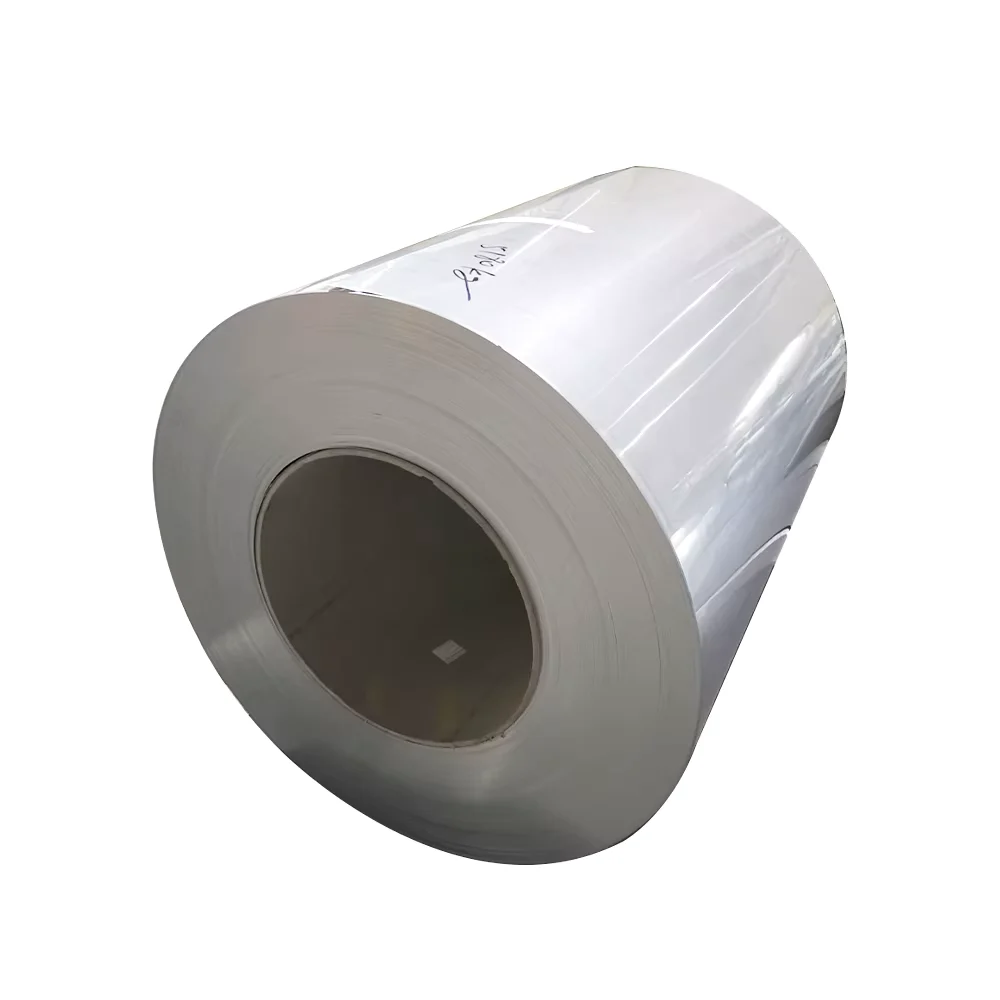
- Cold rolled stainless steel coils wrapped in waterproof kraft paper and outer steel sheet protection to preserve 2B finish during ocean transit
- Wooden chocks and steel banding secure each coil inside the container, preventing edge gouging from load shift on rough sea routes
- Slit coils in 0.2–1.0 mm thickness packed on wooden pallets with edge protectors to maintain tight winding and prevent telescoping
- Coil weight optimized per container type — 20-foot containers loaded to 20–22 tons for 1219 mm width coils, maximizing freight efficiency without overweight penalties
- Heat number, steel grade, thickness, and width clearly marked on outer packaging and coil ID tag for site-level verification upon arrival
- Shipping terms available as FOB Qingdao, CIF destination port, or DDP door-to-door with full export documentation support
Start Your Cold Rolled Stainless Steel Coil 304 316L Inquiry
Submit your required steel grade, thickness, width, coil weight or sheet dimensions, quantity, and destination port — our plate and coil team responds within 12 hours with pricing, processing options, and available mill test certificate samples. For custom slitting widths or cut-to-length blanks, share your nesting layout and we confirm material utilization and lead time.
Request Cold Rolled Stainless Steel Coil 304 316L Pricing and Mill Test Certificates
Send your specifications to admin@xjyplate.com or contact via WhatsApp at +86 188 5315 7756 for immediate quotation and MTC review.
Frequently Asked Questions
Q: What is the difference between 304 and 316L Cold Rolled Stainless Steel Coil 304 316L for kitchenware applications?
A: 304 provides excellent corrosion resistance for general kitchen environments including sinks and range hoods. 316L adds molybdenum for superior resistance to chloride pitting — essential for coastal installations or food processing equipment exposed to salt or acidic cleaning agents. Both grades ship with 2B finish suitable for direct fabrication or light polishing.
Q: How do you verify the authenticity of mill test certificates on stainless steel coils?
A: Every Cold Rolled Stainless Steel Coil 304 316L we supply includes an original MTC showing the heat number stamped on the coil inner sleeve, chemical composition breakdown for chromium, nickel, molybdenum, and carbon, plus mechanical test results. Buyers can cross-reference the heat number with the mill or request SGS/BV third-party inspection before shipment.
Q: Can you slit Cold Rolled Stainless Steel Coil 304 316L to custom widths below 1000 mm?
A: Yes. Our slitting lines process 1000, 1219, and 1500 mm master coils down to minimum widths of 20 mm for narrow strip applications. Slit coils are rewound on wooden cores with edge protectors to prevent telescoping. MOQ for slit coils depends on thickness and width — contact us with your target dimensions for confirmation.
Q: What surface finish options are available besides 2B on cold rolled stainless steel coils?
A: Our standard stock focuses on 2B finish for its smooth semi-reflective appearance and formability. No.4 brushed finish and BA (bright annealed) mirror finish are available for decorative architectural applications — lead times vary by grade and thickness. Confirm your surface requirement during inquiry so we check mill availability.
Q: What shipping terms and documentation do you provide for Cold Rolled Stainless Steel Coil 304 316L exports?
A: We offer FOB, CIF, and DDP shipping terms with full export documentation including commercial invoice, packing list, bill of lading, certificate of origin, and original mill test certificates. Container loading follows professional heavy cargo procedures with wooden chocks and edge protection to preserve the 2B surface finish during transit.
Get Your Cold Rolled Stainless Steel Coil 304 316L Quote Today
Share your grade, thickness, width, and quantity requirements — receive pricing, processing options, and original mill test certificates within 12 hours.