Description
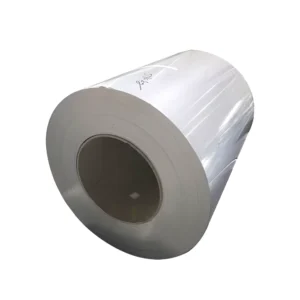
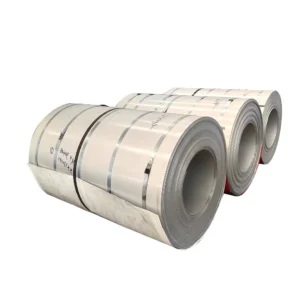
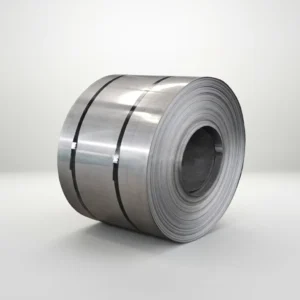
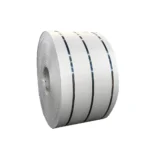
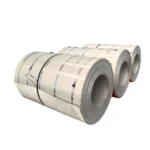
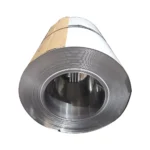
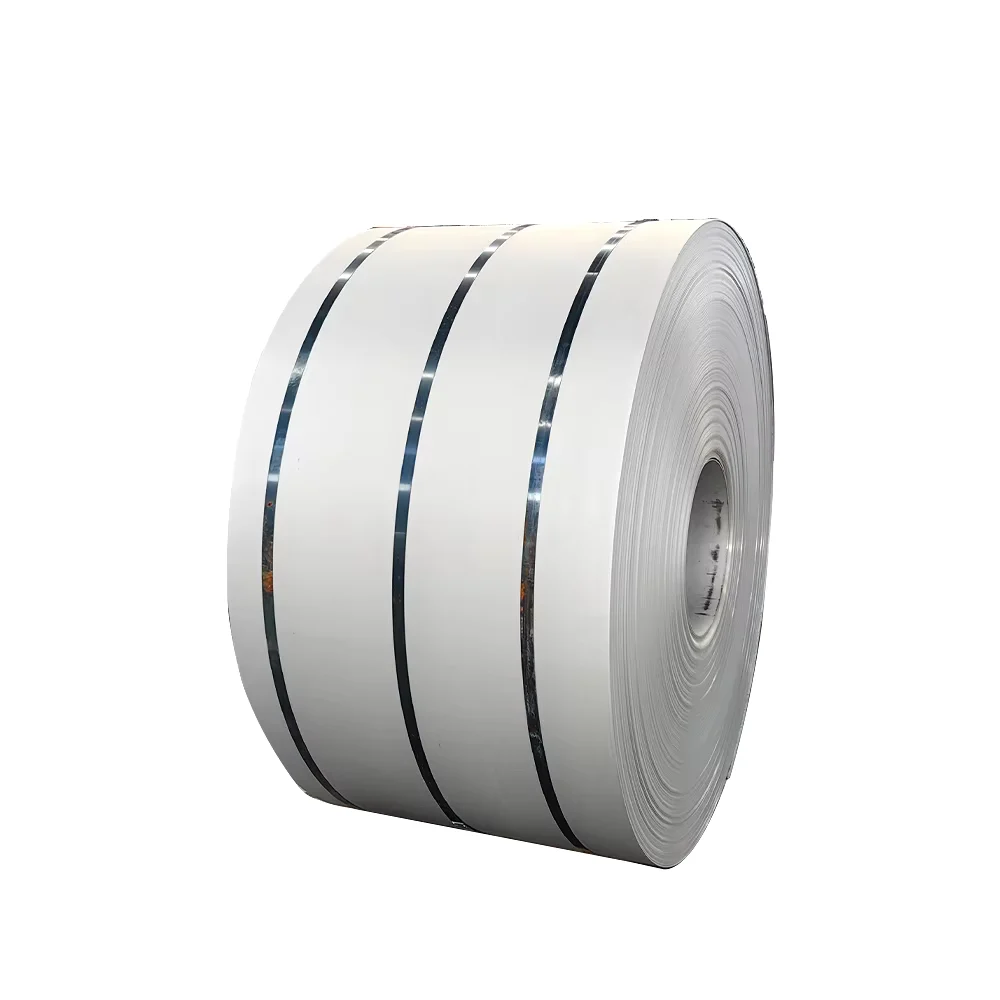
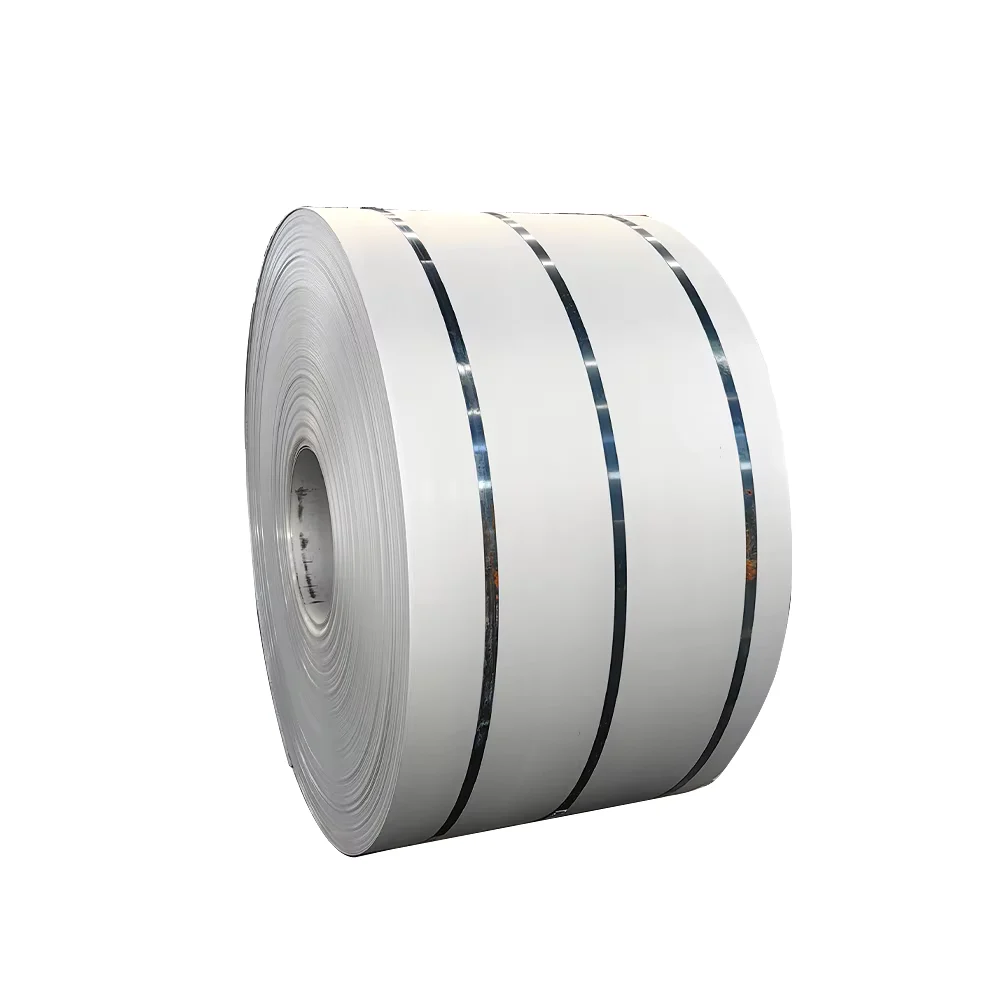
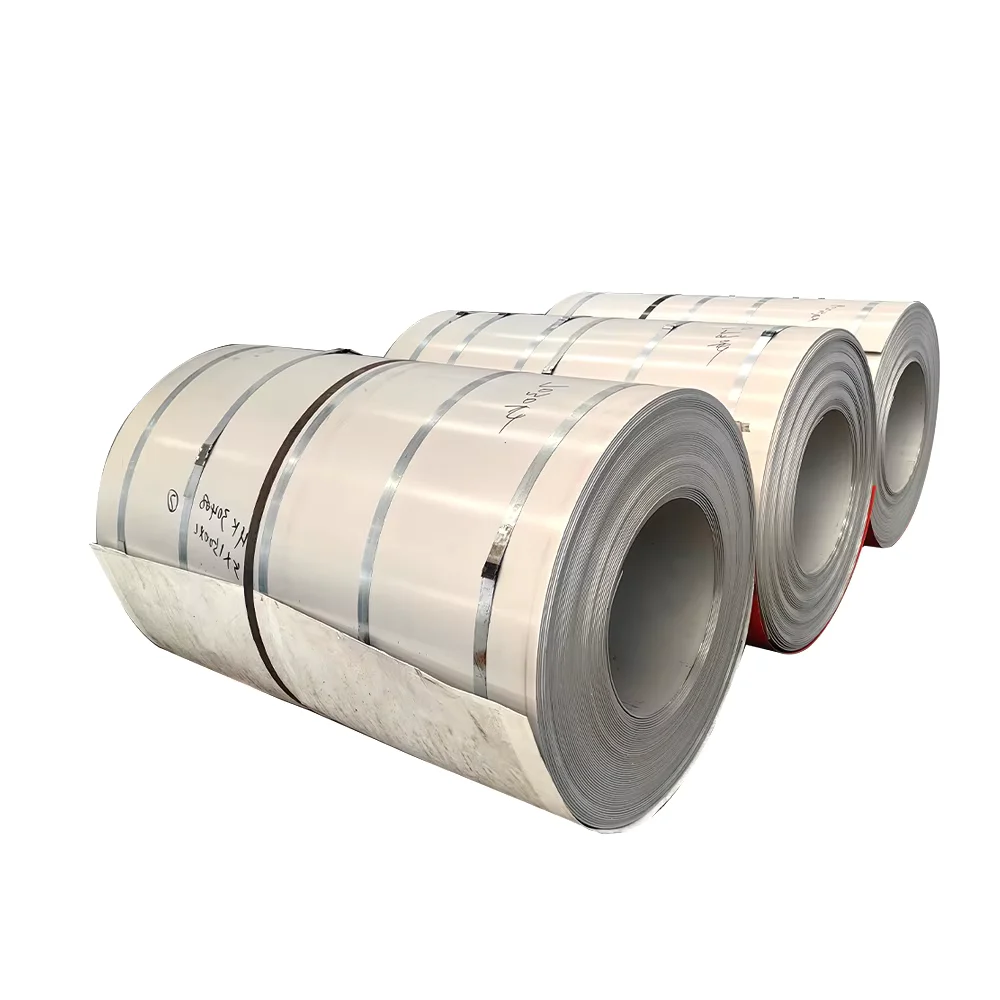
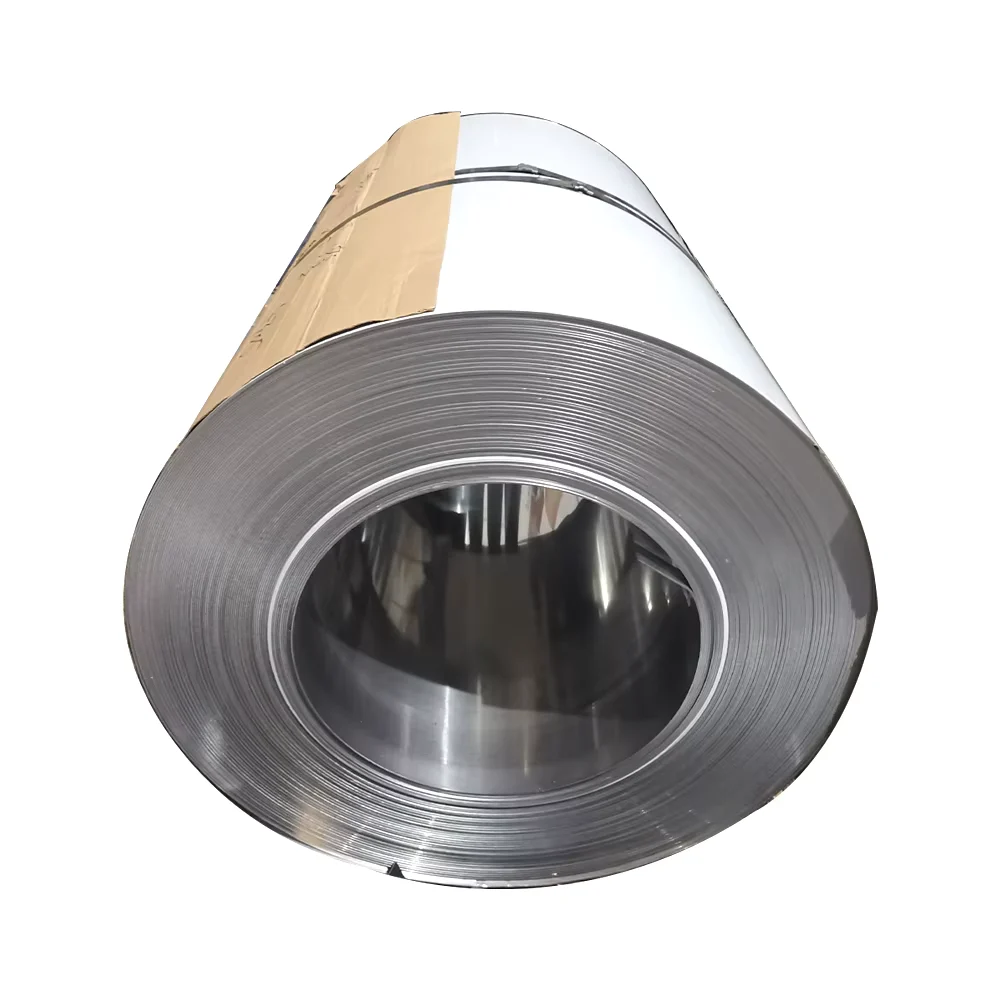
Full-Range Cold Rolled Coil — 20+ stainless grades from austenitic to ferritic, backed by original mill test certificates per heat number.
Technical Specifications
| Parameter | Value |
|---|---|
| Designation | 201/301/304/316L/410/430 Cold Rolled Stainless Steel Coil |
| Product Type | Cold Rolled Stainless Steel Coil |
| Steel Grade | 201, 202, 304, 304L, 309, 309S, 310S, 316, 316L, 316Ti, 317L, 321, 347H, 409, 409L, 410, 410S, 420 (420J1, 420J2), 430, 436, 439, 441, 444, 446 |
| Thickness | 0.3–14 mm |
| Width | 1000 mm / 1219 mm / 1250 mm / 1500 mm / 1524 mm / 1800 mm / 2000 mm, or custom |
| Technique | Cold Rolled |
| Surface Treatment | 2B, 2D, HL (Hairline), BA (Bright Annealed), No.4; Colored mirror (Gold, Sapphire, Rose, Black, Bronze); Colored brushed (Gold, Sapphire, Rose, Black) |
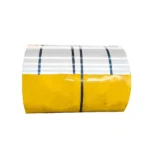
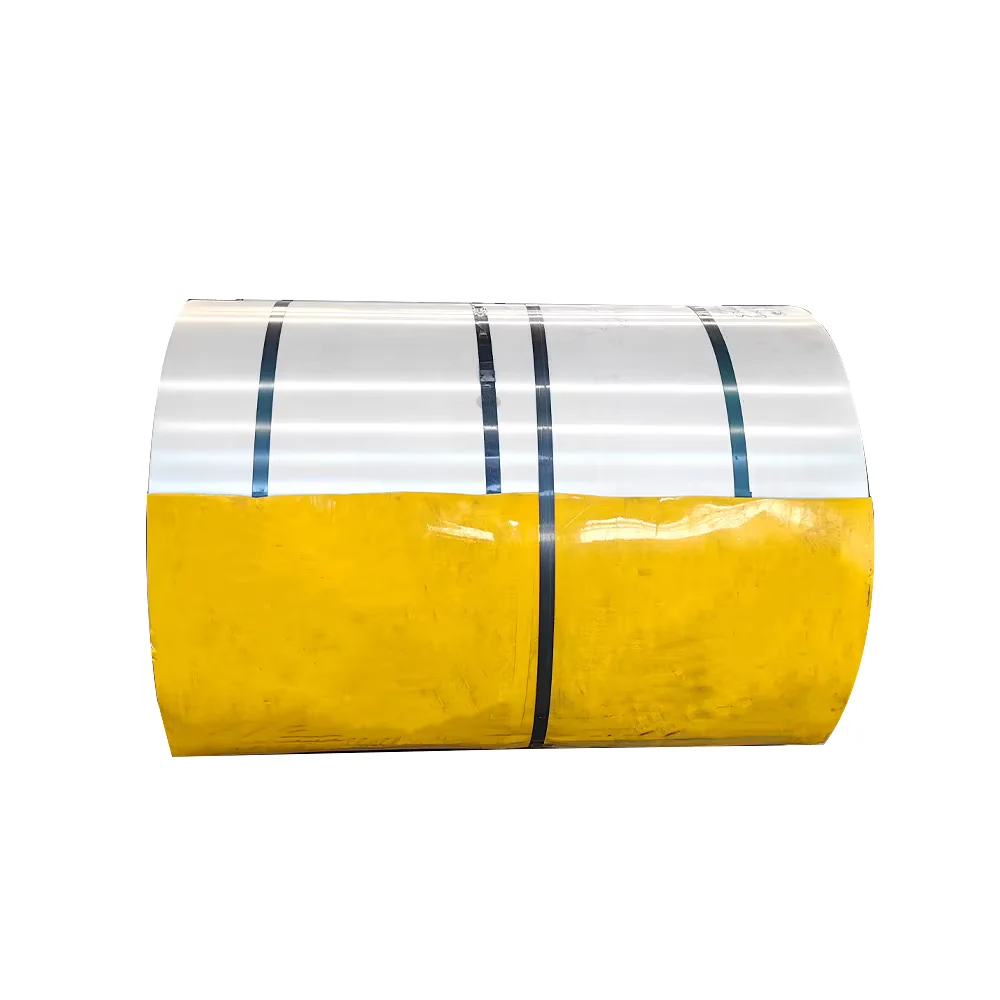
| Packaging | Waterproof paper + metal pallet + angle bar protection + steel belt; BA & 8K with PVC film |
| Container Loading | 20ft GP (~24–26 CBM, 23 MT) / 40ft GP (~54 CBM, 27 MT) / 40ft HC (~68 CBM, 27 MT) |
| Application | Food machinery, household appliances, architectural decoration, structural fabrication, pressure vessels, shipbuilding |
| Origin | China |
Application Suitability
| Industry | Typical Applications |
|---|---|
| Food & Pharmaceutical | Hygienic work surfaces, processing tank linings, conveyor belts for dairy and beverage lines |
| Architectural & Interior | Elevator cabin panels, kitchen backsplashes, colored mirror ceiling strips, brushed wall cladding |
| Marine & Chemical | Pressure vessel shells, heat exchanger plates, chloride-exposed piping wraps |
| Household Appliances | Washing machine drums, refrigerator side panels, range hood liners |
| Structural Fabrication | Light gauge framing members, equipment enclosures, electrical cabinet skins |
Hidden Negative Tolerance Costs More Than the Coil Itself
Actual thickness deviation on cold rolled stainless steel coil silently erodes structural margin and triggers customs rejection.
Procurement teams ordering Cold Rolled Stainless Steel Coil often discover the discrepancy only after fabrication begins — edges buckle during forming, weld seams show inconsistent penetration, or the finished panel fails flatness inspection. [NEED_CITE: cold rolled stainless steel thickness tolerance standards per ASTM A480] When a supplier hides behind “industry practice” negative tolerance, the buyer absorbs scrap loss, re-order freight, and project delay. Missing or unverifiable mill test certificates compound the problem: without heat number traceability, customs authorities in the EU and Middle East routinely detain stainless flat products at port. [NEED_CITE: mill test certificate requirements for stainless steel imports]
Matching Surface Finish to Corrosive and Decorative Environments
Selecting the correct surface finish on a Cold Rolled Stainless Steel Coil determines both corrosion performance and visual acceptance. For food processing equipment, 2B finish provides sufficient smoothness for cleaning validation while retaining the passive chromium oxide layer that resists bacterial adhesion. Architectural projects specifying elevator interiors or retail cladding typically require BA or colored mirror finishes — these demand PVC film protection during transit to prevent micro-scratches that become visible under directional lighting. Our slitting lines handle widths from 1000 mm to 2000 mm with edge trim control, so decorative coils arrive without edge wave that would ruin mirror reflectivity.
Engineering Compliance Across Austenitic, Ferritic, and Martensitic Families
Cold rolled stainless coils serving pressure vessels or marine applications must meet material certification requirements that vary by destination market. Austenitic grades 304 and 316L carry Lloyd’s and CE recognition for chloride and acidic environments, while ferritic 430 and 441 serve decorative applications where magnetic response and lower nickel cost matter. [NEED_CITE: stainless steel grade equivalence mapping between ASTM A240 and EN 10088] Martensitic 410 and 420 grades respond to heat treatment for cutlery and shaft applications. Third-party inspection by SGS or BV verifies chemical composition against the heat number before container sealing — a step that separates compliant shipments from port-held cargo.
Why Grade Substitution Fails at the Fabrication Stage
Substituting 201 for 304 to reduce unit cost appears attractive on the purchase order but creates failures downstream. The manganese-nitrogen chemistry of 201 reduces corrosion resistance in humid or coastal environments, leading to surface pitting within months of installation. [NEED_CITE: 201 vs 304 stainless steel corrosion performance comparison] Similarly, specifying 430 for a food contact surface without verifying ferrite grain structure risks intergranular corrosion after repeated sanitization cycles. Original mill test certificates listing carbon, chromium, nickel, and molybdenum percentages per heat number eliminate guesswork and provide legal traceability for engineering sign-off.
Procurement Verification That Prevents Shipment Rejection
Every Cold Rolled Stainless Steel Coil we ship carries an original mill test certificate documenting chemical composition and mechanical properties aligned to the declared grade. Our ISO 9001:2015 certified supply chain maintains heat number traceability from slab to finished coil. Third-party inspection through SGS, BV, or TUV is available before container loading, covering dimensional checks, surface quality, and packaging integrity. For projects requiring Lloyd’s or CE material approval, we provide the corresponding mill certification package alongside commercial documents.
Documentation & Compliance
- Mill test certificate documenting 304L and 316L chemical composition including carbon, chromium, nickel, and molybdenum content per heat number
- CE and Lloyd’s material certification for marine-grade 316L and 316Ti coils serving pressure vessel and shipbuilding applications
- ISO 9001:2015 quality management certificate covering the cold rolling, slitting, and packaging process
- SGS or BV third-party inspection report verifying thickness tolerance, surface finish grade, and width dimension before shipment
- Full material traceability linking each coil to its original heat number and rolling schedule
- Export customs documents including packing list, bill of lading, and certificate of origin matching the declared steel grade
Packaging, Loading & Delivery
- Cold rolled stainless steel coils wrapped in waterproof paper with metal pallet base and angle bar edge protection to prevent transport deformation
- BA and colored mirror finish coils additionally sealed with PVC film to preserve surface reflectivity during ocean freight
- 20ft GP containers loaded to 23 MT with weight distribution calculated to avoid coil shift; 40ft HC containers accommodate wider 1524 mm and 2000 mm coils
- Custom slitting to non-standard widths available with edge burr control, reducing on-site trimming waste for appliance manufacturers
- Each coil labeled with heat number, steel grade, thickness, and width for receiving inspection verification
- FOB, CIF, and DDP shipping terms with professional flatbed and open-top container loading experience for heavy coil cargo
Ready to Lock in Grade, Finish, and Delivery Window
Submit your required steel grade, thickness, width, surface finish, and destination port to receive a detailed quotation with material cost, processing fees, and shipping terms within 12 hours. We provide the original mill test certificate for your quality verification before shipment and coordinate third-party inspection if your project demands it.
Start Your Cold Rolled Stainless Steel Coil Inquiry
Send your specification sheet including grade, dimensions, quantity, and destination to receive pricing and mill test certificate preview.
Contact:
Mobile/WhatsApp/WeChat: +86 188 5315 7756
Email: admin@xjyplate.com
Website: www.xjyplate.com
Frequently Asked Questions
Q: How do 201, 304, 316L, and 430 compare across ASTM, EN, and JIS standards?
A: Each grade has equivalent designations across major international standards. We provide grade equivalence mapping with your inquiry so you can confirm the correct material for your market’s specification requirements.
Q: Can I verify chemical composition and mechanical properties before shipment?
A: Yes. We supply the original mill test certificate for each coil, documenting heat number, chemical composition, and mechanical properties. Third-party inspection by SGS or BV is available before container loading.
Q: When should I choose 2B versus BA versus HL versus colored mirror finish?
A: 2B serves industrial and food contact applications requiring smooth cleanable surfaces. BA provides bright reflective finish for appliance exteriors. HL offers directional satin appearance for architectural trim. Colored mirror and brushed finishes serve decorative interior cladding and retail displays.
Q: What are the MOQ and lead time for custom slitting widths?
A: We accommodate non-standard widths through precision slitting with edge burr control. Lead time depends on coil availability and width specification — typical production lead times apply once the deposit is confirmed.
Q: How are stainless steel coils packed to prevent surface scratches and edge damage?
A: Coils receive waterproof paper wrapping, metal pallet support, and angle bar edge protection. BA and mirror finish coils include PVC film sealing. Container loading plans account for weight distribution and coil securement to prevent transit damage.