

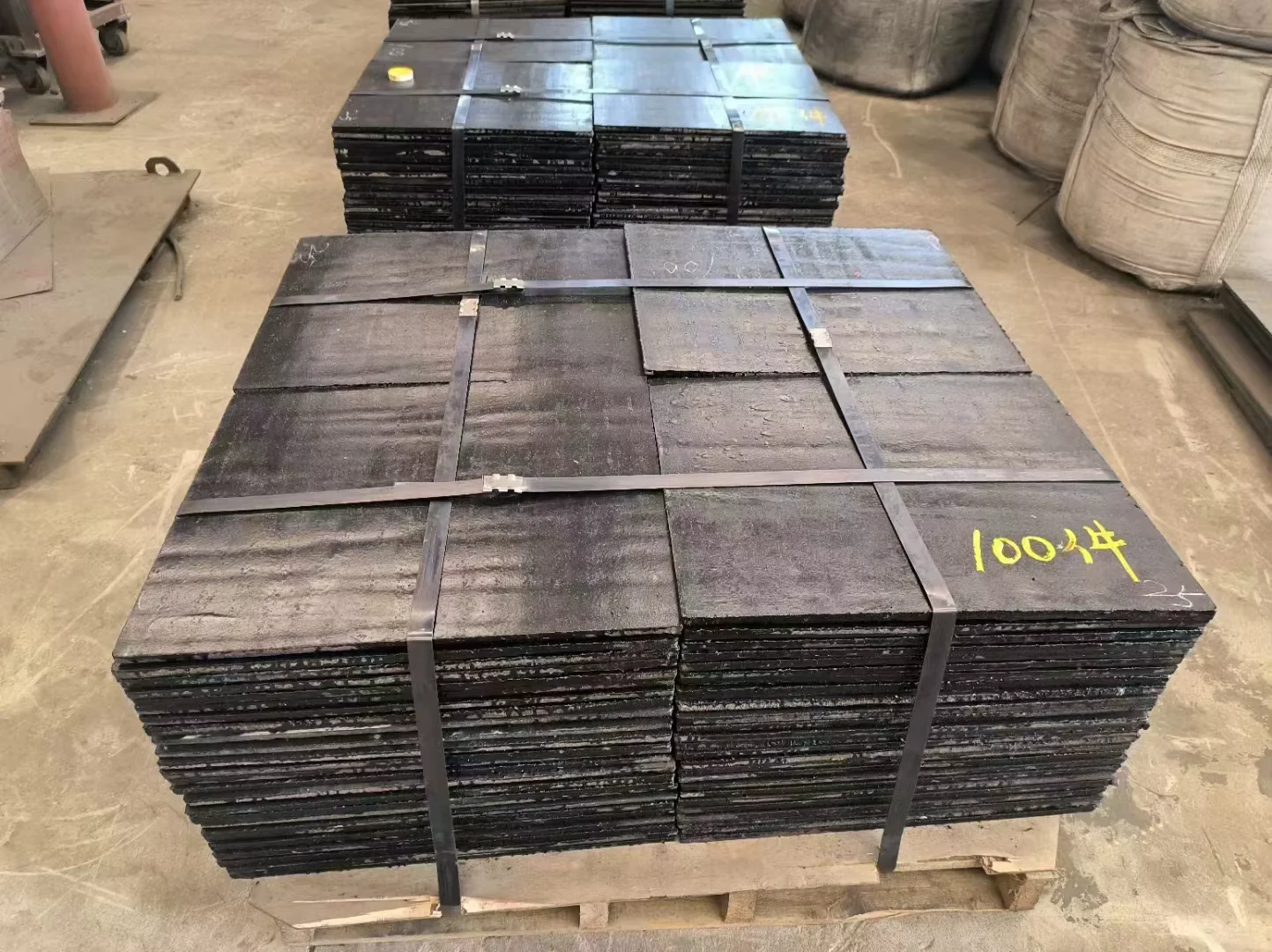
Description
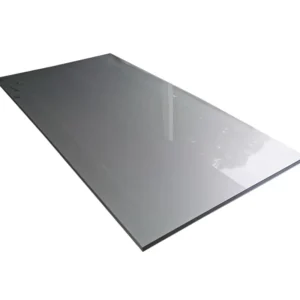
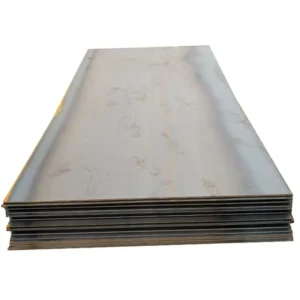
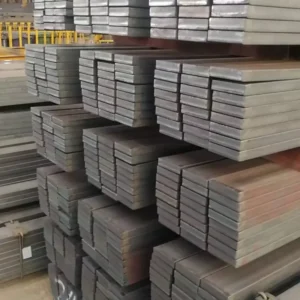
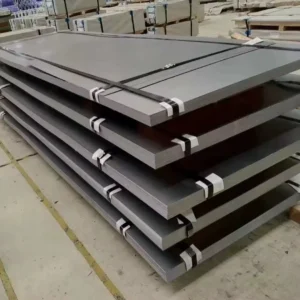
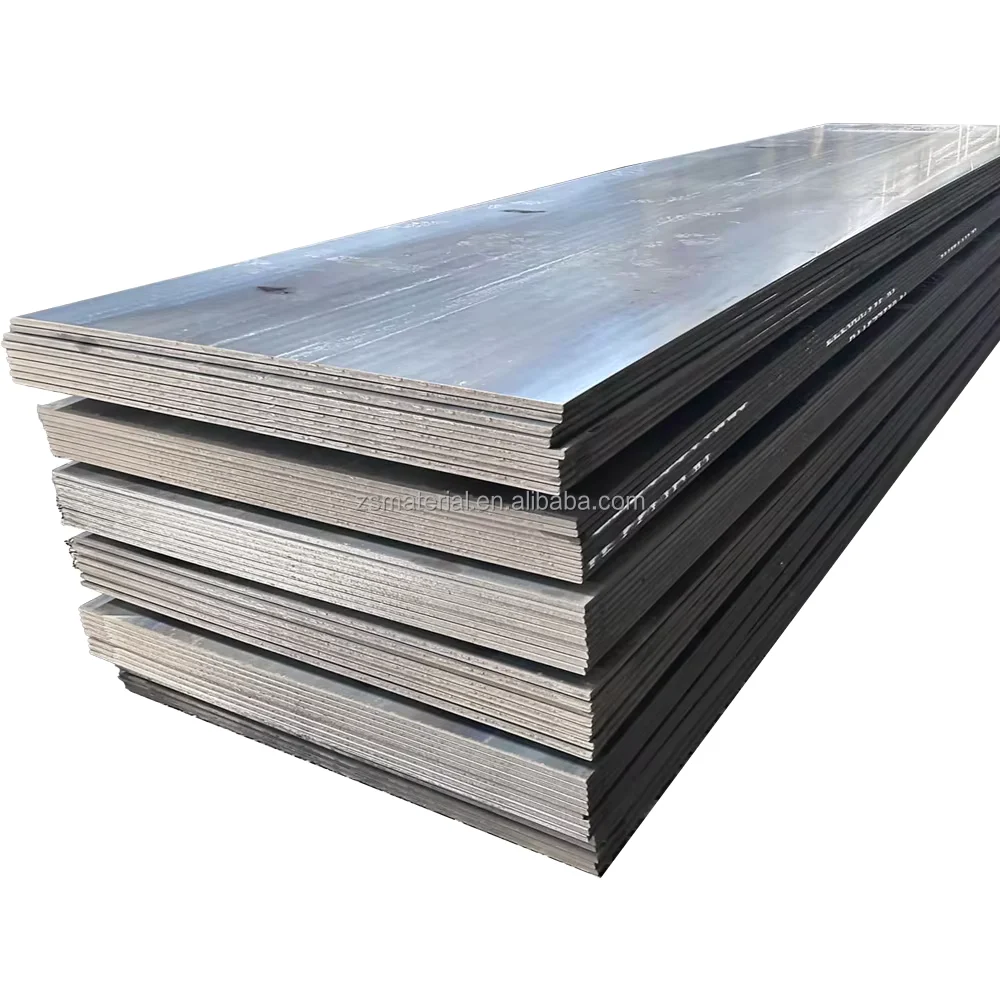
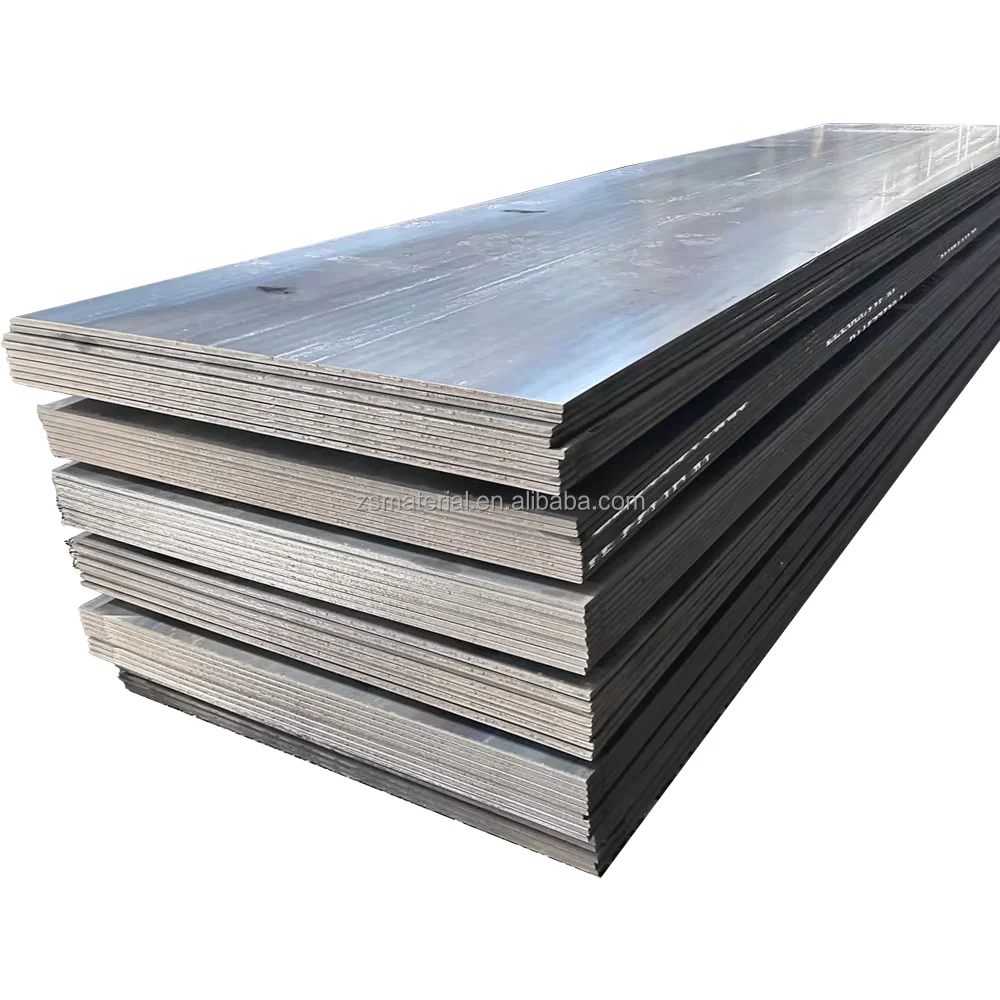
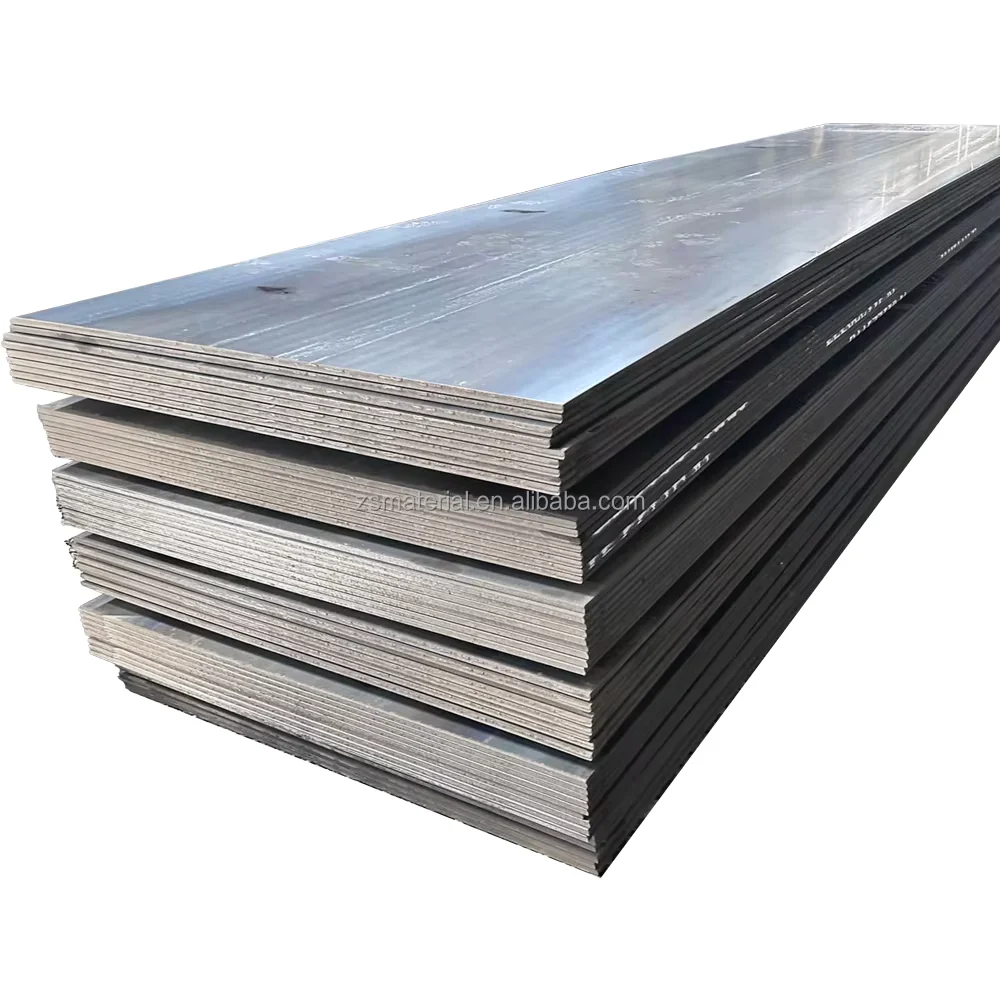
Factory-Direct Hot Rolled Plate Supply — Q235, Q255, and ASTM A36 plates rolled and stocked in-house, eliminating trader markups on structural and fabrication orders.
Technical Specifications
| Parameter | Value |
|---|---|
| Designation | Q235 / Q255 / ASTM A36 Hot Rolled Carbon Steel Plate |
| Product Type | Steel Plate |
| Steel Grade | Q235, Q255, ASTM A36 |
| Standard | GB/T 709 (Q235, Q255), ASTM A36 |
| Thickness | 0.35–200 mm |
| Width | 1000–2500 mm |
| Technique | Hot Rolled |
| Surface Treatment | Hot Rolled (Black / Oiled) |
| Material | Low Carbon Steel |
| Application | Construction / Petrochemicals / Machinery / Structural Fabrication / Welding |
| Origin | China |
Application Suitability
| Industry | Typical Applications |
|---|---|
| Construction | High-rise building frames, bridge gusset plates, infrastructure support bases |
| Petrochemicals | Pressure vessel shells, storage tank base plates, pipe rack supports |
| Machinery | Heavy equipment frames, crane booms, conveyor structure bases |
| Structural Fabrication | Welded beam-to-column connections, base plates, column splices |
Hidden Negative Tolerance: The Real Cost Behind a Cheap Plate Quote
Actual thickness below spec turns a low unit price into a structural liability.
When buyers compare Q235 ASTM A36 hot rolled steel plate supplier quotes, the cheapest offer often hides negative tolerance beyond acceptable limits. A 20 mm plate measuring 18.3 mm at the edge means 8.5% material missing — and that missing metal carries the load your engineer calculated for. On a structural frame order, this translates to failed ultrasonic inspection, rejected weld preps, or worst case, a load-bearing member that deflects under design weight. We measure every plate at three points before release and report actual thickness on the dimensional certificate, so what you ordered is what arrives on site. [NEED_CITE: steel plate thickness tolerance standards and negative tolerance impact on structural integrity]
Matching Plate Thickness to Structural Load Paths
For high-rise and bridge applications, the 0.35–200 mm Q235 ASTM A36 hot rolled steel plate supplier range covers everything from base plates under 10 mm to heavy column splices exceeding 100 mm. Low carbon chemistry in Q235 and ASTM A36 ensures consistent weldability without preheat on thicknesses up to 40 mm, while the 2500 mm width option reduces seam welding on large base plates. Our plasma and flame cutting service delivers net-shape blanks with machined edges, eliminating secondary fabrication delays at the erection site.
Engineering Compliance and Certification Requirements
Structural steel plates for construction and pressure applications must meet traceability requirements set by project specifiers and local building codes. Q235 ASTM A36 hot rolled steel plate supplier documentation must include heat number traceability, chemical composition, and mechanical properties verified against GB/T 709 or ASTM A36. For projects requiring third-party verification, SGS or BV inspection is available before shipment, and Lloyd’s CE certification supports European market entry. [NEED_CITE: structural steel plate certification requirements for construction and pressure vessel applications]
Steel Grade Equivalence and Rolling Process Fundamentals
Q235 and ASTM A36 occupy the same structural carbon steel tier — both are low carbon grades designed for general fabrication and welding, with equivalent yield strength ranges under their respective national standards. The hot rolling process produces a mill scale surface that accepts primer coatings directly, while the oiled finish option provides short-term corrosion protection during transit and storage. Width options from 1000 mm to 2500 mm allow buyers to minimize scrap on wide base plates or optimize container loading on narrower sections. Thickness tolerance under GB/T 709 permits controlled deviation, but our practice is to report actual measured thickness rather than rely on theoretical weight calculations.
What Wrong-Grade Procurement Actually Costs
Ordering Q235 when ASTM A36 is specified — or accepting plates without verified mill test certificates — creates cascading failures: customs holds on missing documentation, failed third-party inspection at destination, and re-rolling costs that exceed the original price difference. On pressure vessel applications, material substitution without engineering approval voids ASME or PED certification, turning a cost-saving decision into a total scrapping order. [NEED_CITE: consequences of steel grade mismatch in structural and pressure vessel fabrication]
Why Procurement Teams Source Q235 and ASTM A36 Plate Through Us
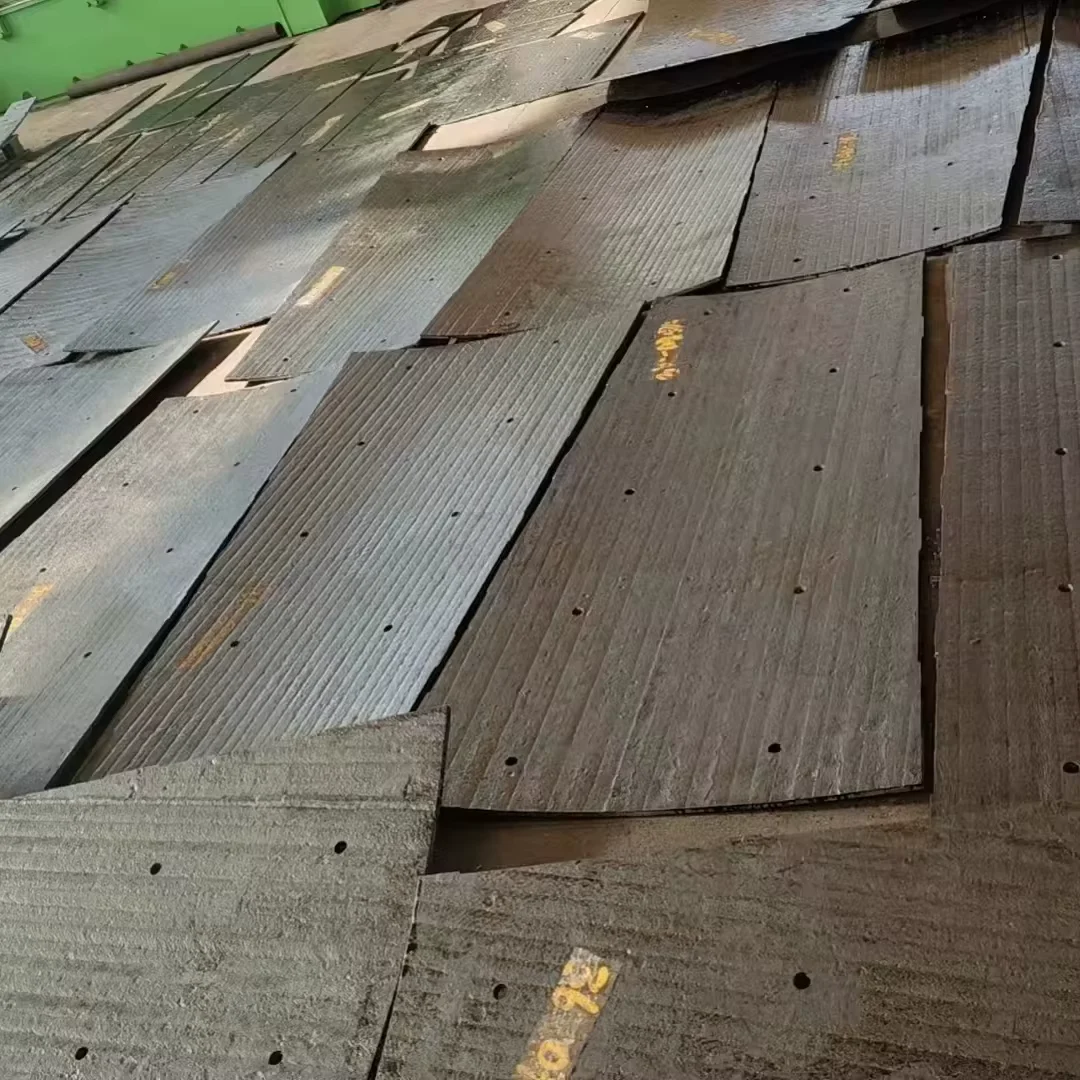
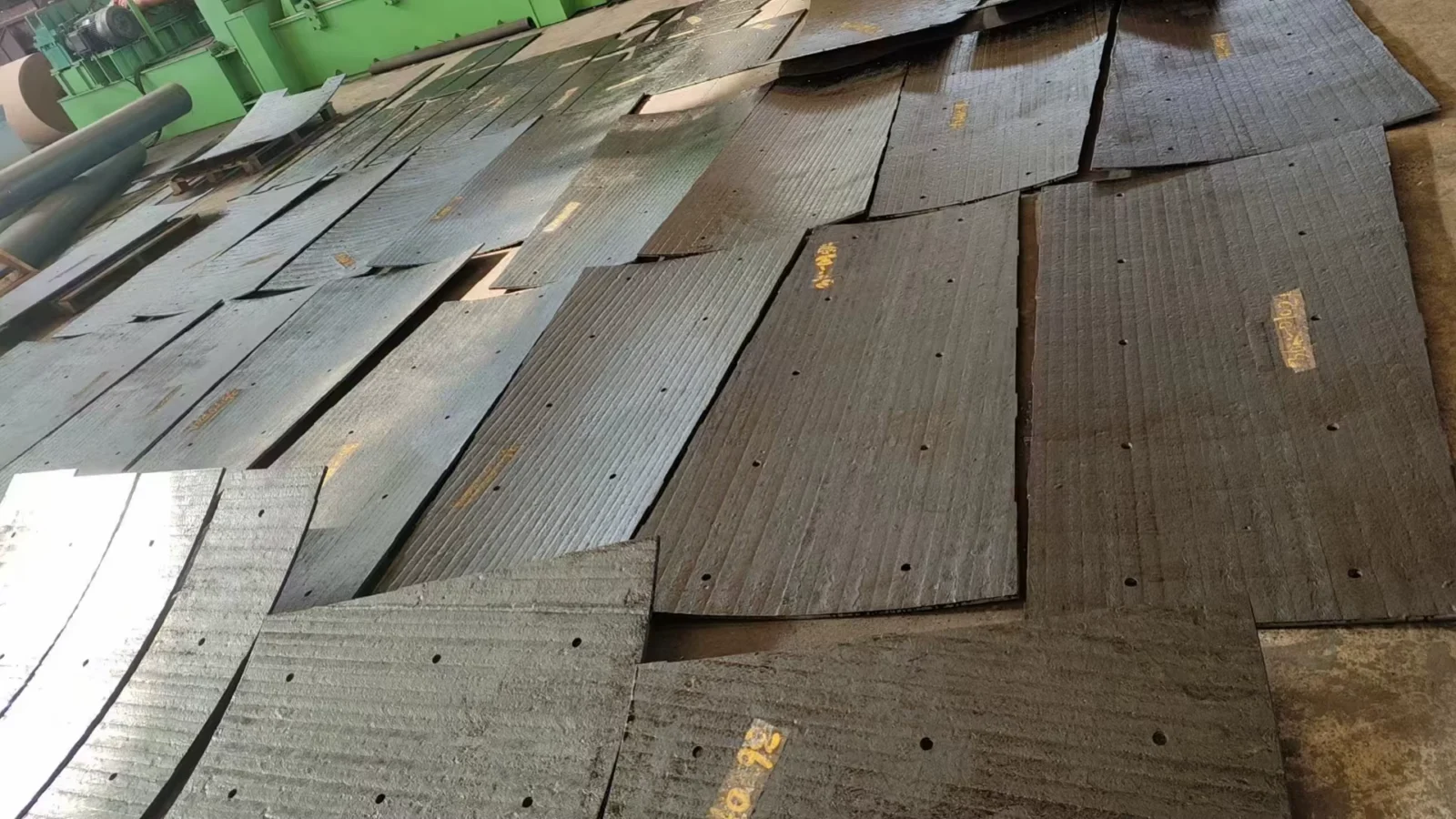
We maintain rolling mill relationships that secure prime-quality Q235, Q255, and ASTM A36 plate in thicknesses from 0.35 mm to 200 mm, with ready stock on common structural sizes and mill-direct scheduling for non-standard widths. Every plate ships with an original mill test certificate showing heat number, chemical composition, and mechanical test results — no scanned copies, no reissued documents. Our in-house plasma and flame cutting facility delivers net-shape blanks to your drawing dimensions, reducing your fabrication scrap and handling time. Professional heavy cargo loading experience means plates are secured with proper dunnage and weight distribution, avoiding container overweight penalties and port rejection. ISO 9001:2015 certification and Lloyd’s CE marking provide the audit trail that project owners and end-users require.
Documentation & Compliance
- Mill test certificate documenting Q235, Q255, or ASTM A36 chemical composition and mechanical properties per GB/T 709 or ASTM A36, with heat number traceability
- Lloyd’s CE certificate supporting European construction and pressure vessel market entry
- ISO 9001:2015 quality management system certificate covering plate rolling, cutting, and inspection processes
- SGS or BV third-party inspection report available before shipment for project-specific verification requirements
- Material traceability report linking each plate to its heat number, rolling schedule, and test certificate
- Export customs documents including packing list, bill of lading, and certificate of origin for destination clearance
Packaging, Loading & Delivery
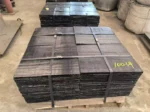
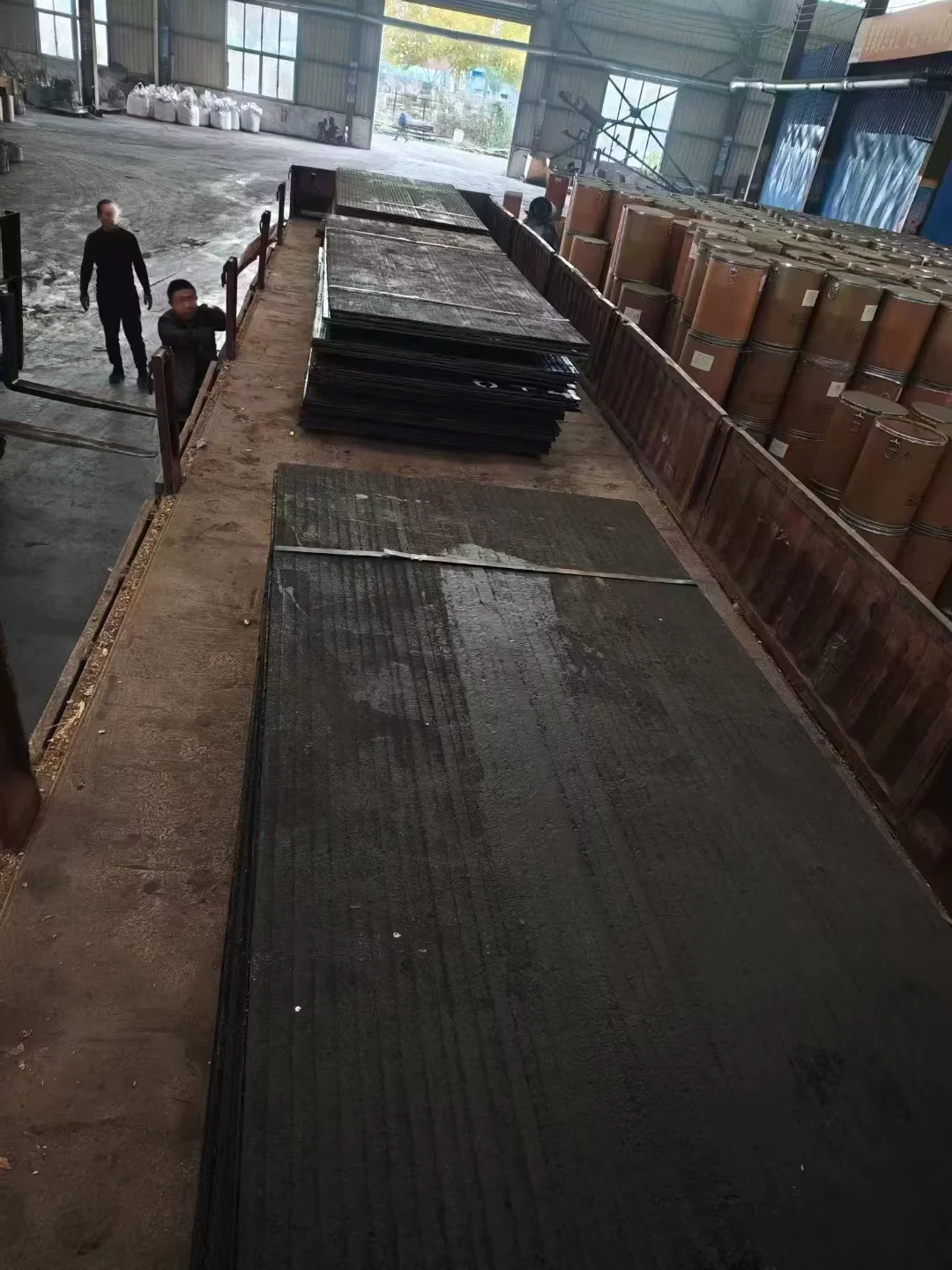
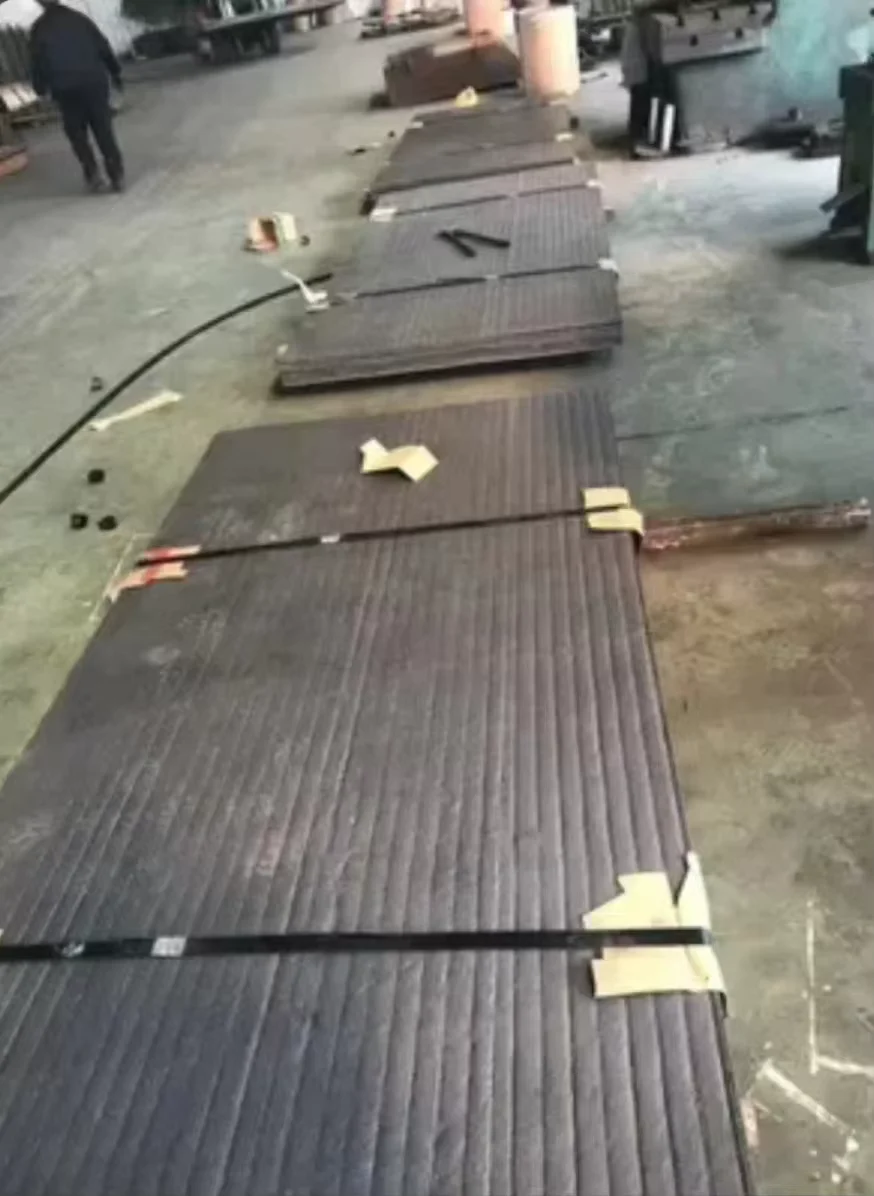
- Hot rolled Q235 and ASTM A36 plates bundled with steel strips and edge protectors to preserve oiled surface finish during ocean transit
- Thickness-specific stacking with dunnage separation prevents surface scratching on plates under 10 mm and distributes load on heavy plates over 50 mm
- Container loading optimized for 2000–2500 mm width plates to maximize payload while staying within road weight limits at destination port
- Custom cutting to length available for plates up to 200 mm thickness, reducing on-site handling and secondary cutting costs
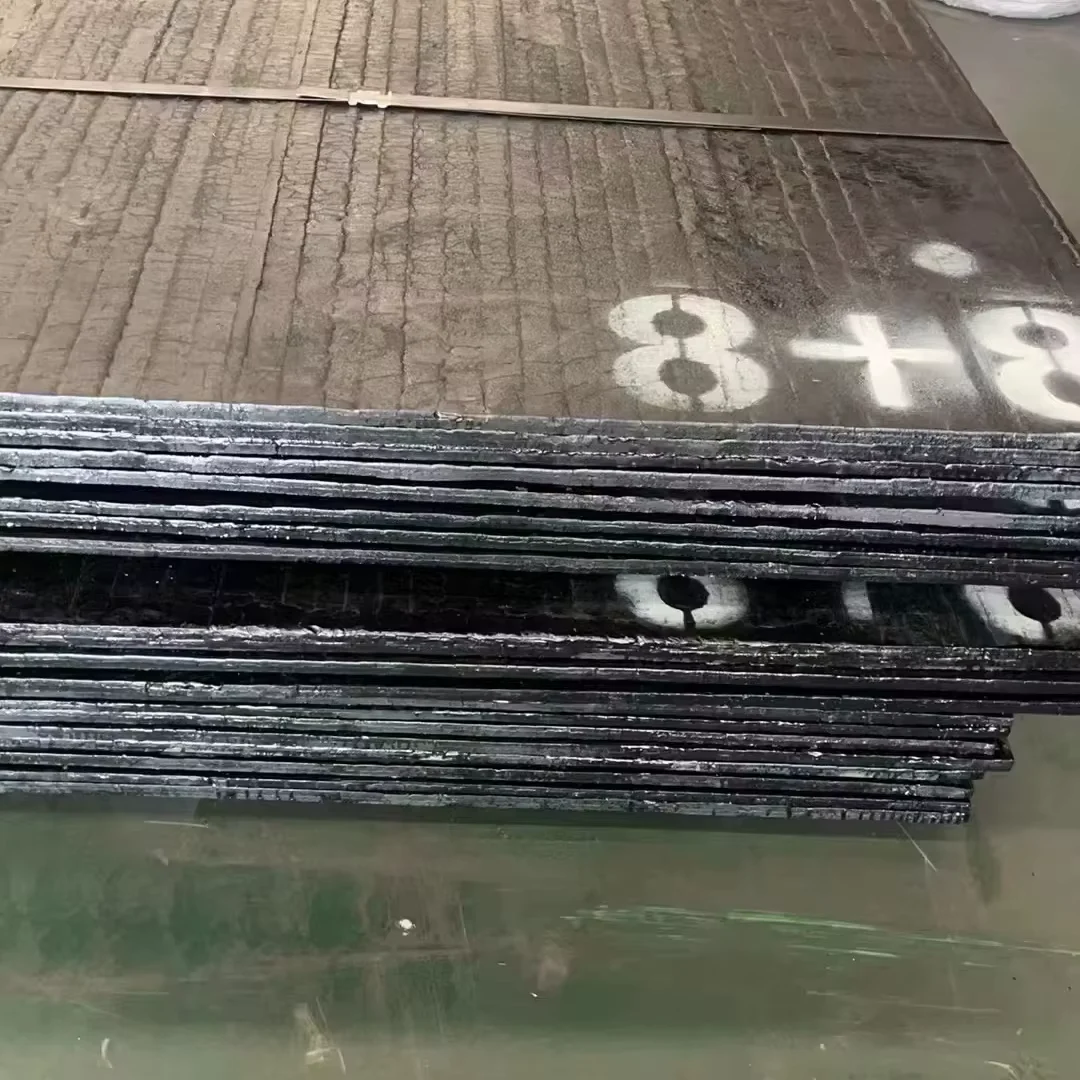
- Heat number and steel grade marked on each plate surface with paint stenciling for site identification and traceability verification
- FOB, CIF, and DDP shipping terms with flatbed, open-top container, and break-bulk options for heavy plate logistics
Getting Your Quote and Mill Test Certificate Started
Send your plate specifications — steel grade, thickness, width, length, quantity, and destination port — and receive a detailed quote with material cost, cutting fees if applicable, and shipping terms within 12 hours. We will attach the original mill test certificate for your quality verification before you commit to the deposit, so you know exactly what material is rolling for your order.
Request Your Q235 ASTM A36 Hot Rolled Steel Plate Quote
Submit your specifications and destination to receive pricing and mill test certificate preview.
Shandong Xin Jiyuan Special Steel Tube Co., Ltd | www.xjyplate.com | admin@xjyplate.com | +86 188 5315 7756