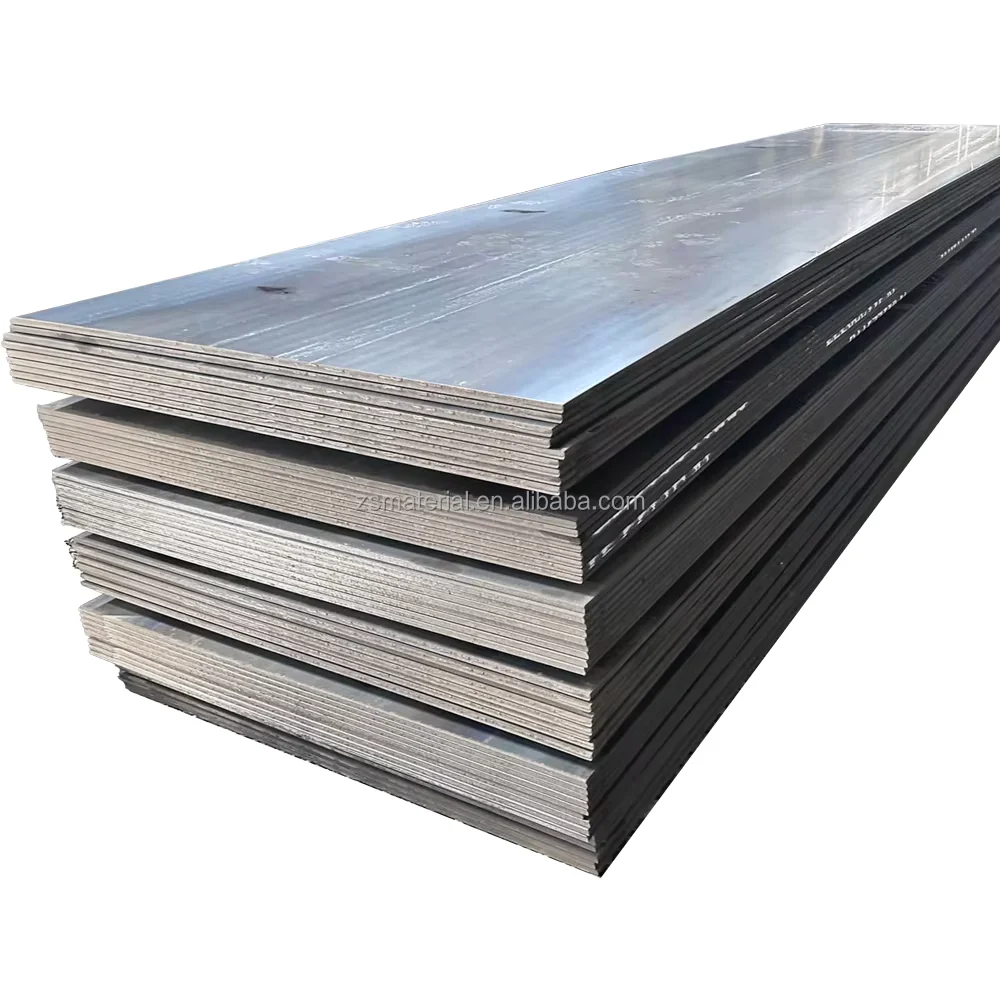
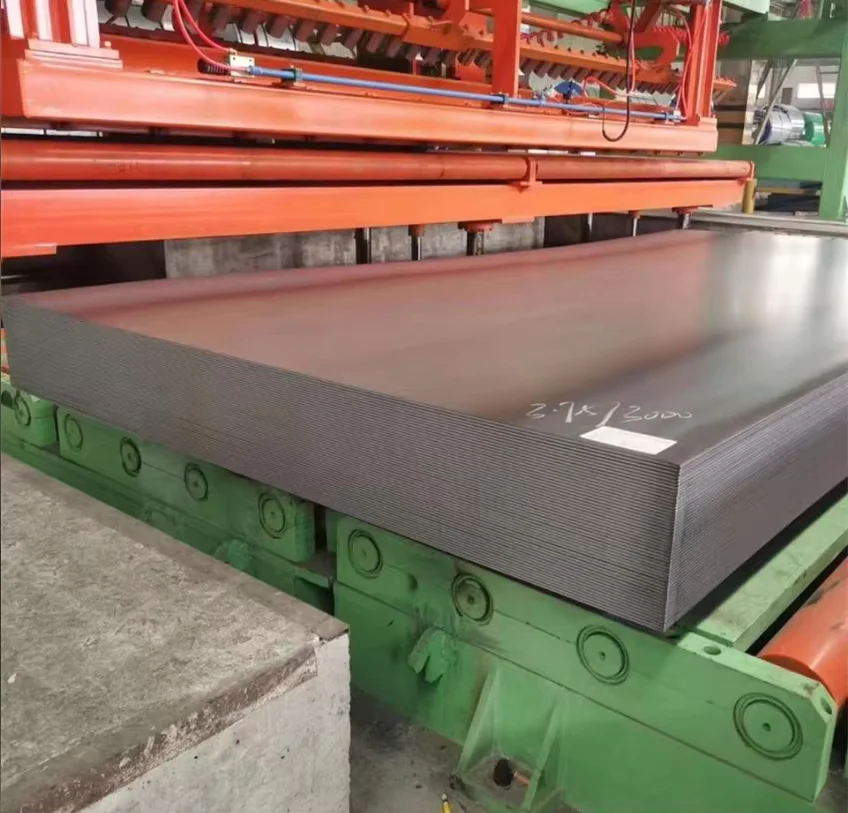
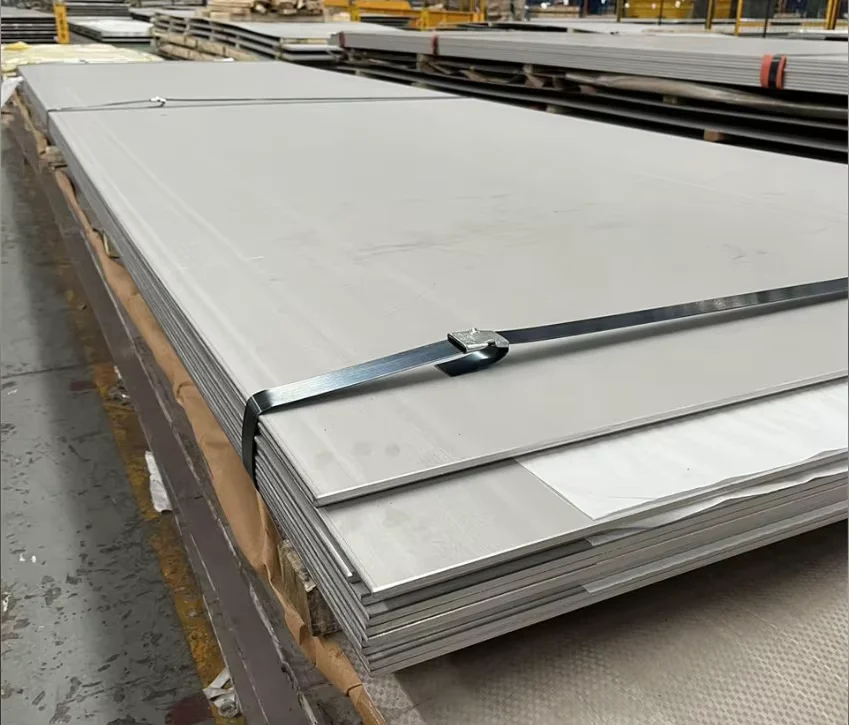
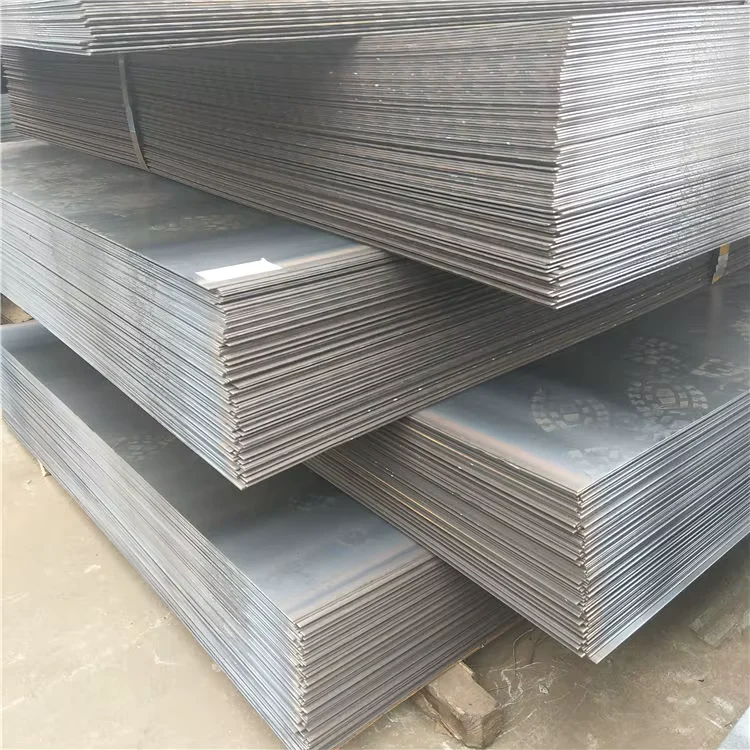
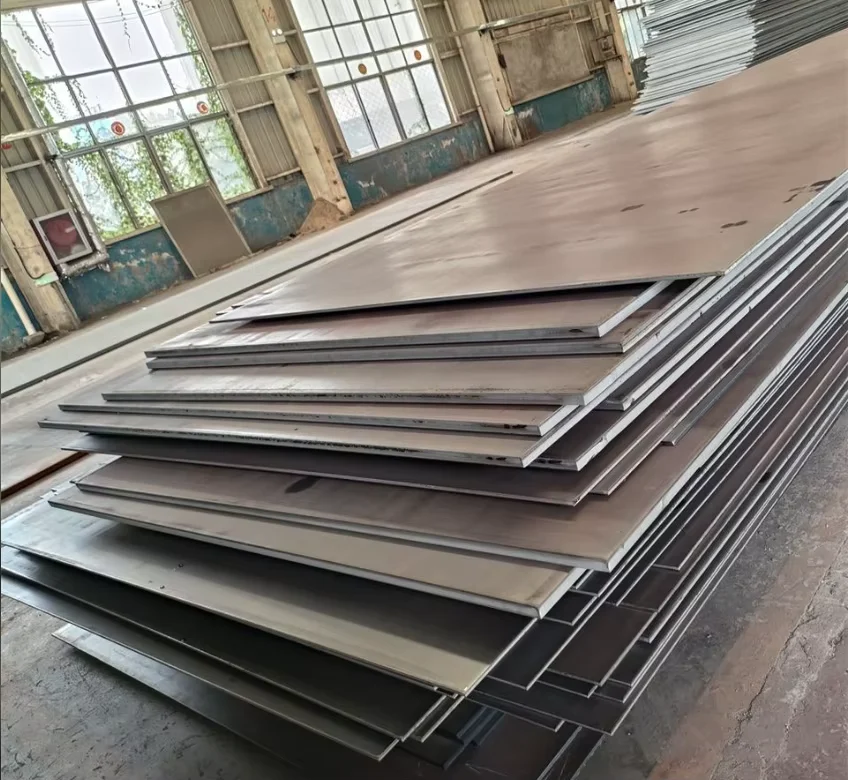
Description
Factory-Direct Q235B Supply — Every Q235B hot rolled carbon steel plate shipped from our Jinan warehouse carries an original mill test certificate with full heat number traceability, eliminating grade confusion at destination customs.
Technical Specifications
| Parameter | Value |
|---|---|
| Designation | Q235B Hot Rolled Carbon Steel Plate |
| Product Type | Steel Plate |
| Steel Grade | Q235B, Q255 |
| Standard | ASTM, DIN, AISI, BS, GB |
| Thickness | 3-200mm |
| Technique | Hot Rolled |
| Surface Treatment | Hot Rolled |
| Custom Sizes | Available upon request |
| Application | Shipbuilding / Construction / Structural fabrication / Pressure vessels / General engineering |
| Origin | China |
Application Suitability
| Industry | Typical Applications |
|---|---|
| Shipbuilding | Hull stiffeners, deck plating, bulkhead frames for commercial vessels |
| Construction | Column base plates, beam splice connections, floor grating supports |
| Structural Fabrication | Welded I-beam webs, bracket gussets, equipment skid frames |
| Pressure Vessels | Non-pressure structural shells, support saddles, platform walkways |
| General Engineering | Machine base frames, conveyor support structures, storage rack uprights |
Where Missing Mill Certificates Halt Customs Clearance for a Q235B Hot Rolled Carbon Steel Plate Order
A plate without verifiable chemistry is scrap at the port, regardless of how well it cuts.
Buyers sourcing structural carbon steel from China regularly face shipments held at destination because the mill test certificate fails to match the physical material. Heat numbers do not align with stamped plate markings, manganese content falls outside GB/T 700 limits for Q235B, or the certificate itself is a photocopy with no original mill stamp. [NEED_CITE: customs clearance requirements for imported steel plates with mill test certificates] This is not a documentation formality — it is a structural safety gate. When a Q235B hot rolled carbon steel plate arrives without traceable chemistry, the buyer faces three outcomes: pay for third-party re-testing at the port, return the container at full freight cost, or accept material that may fail engineering inspection downstream.
How 3-200mm Thickness Range Matches Structural and Fabrication Demands
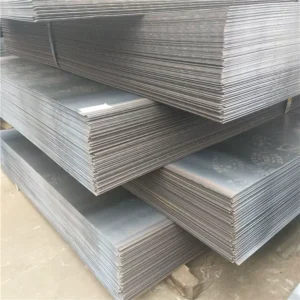
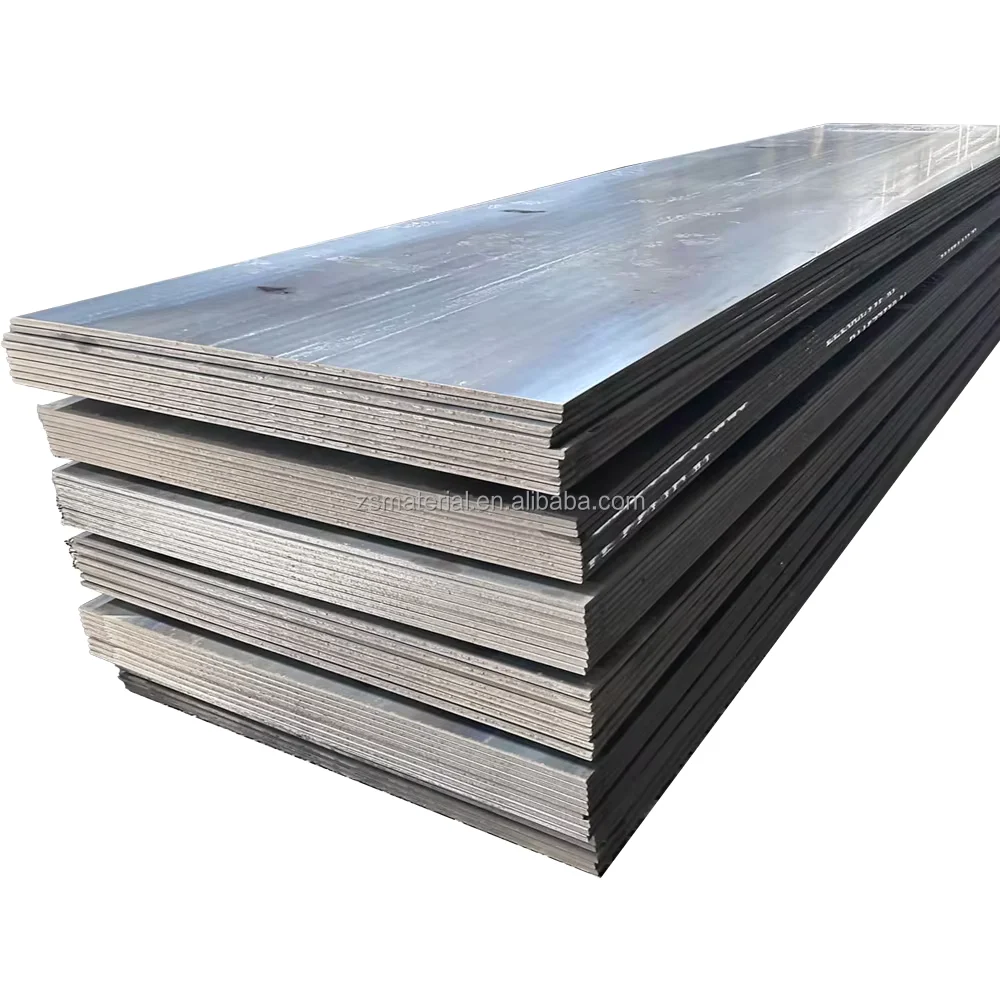
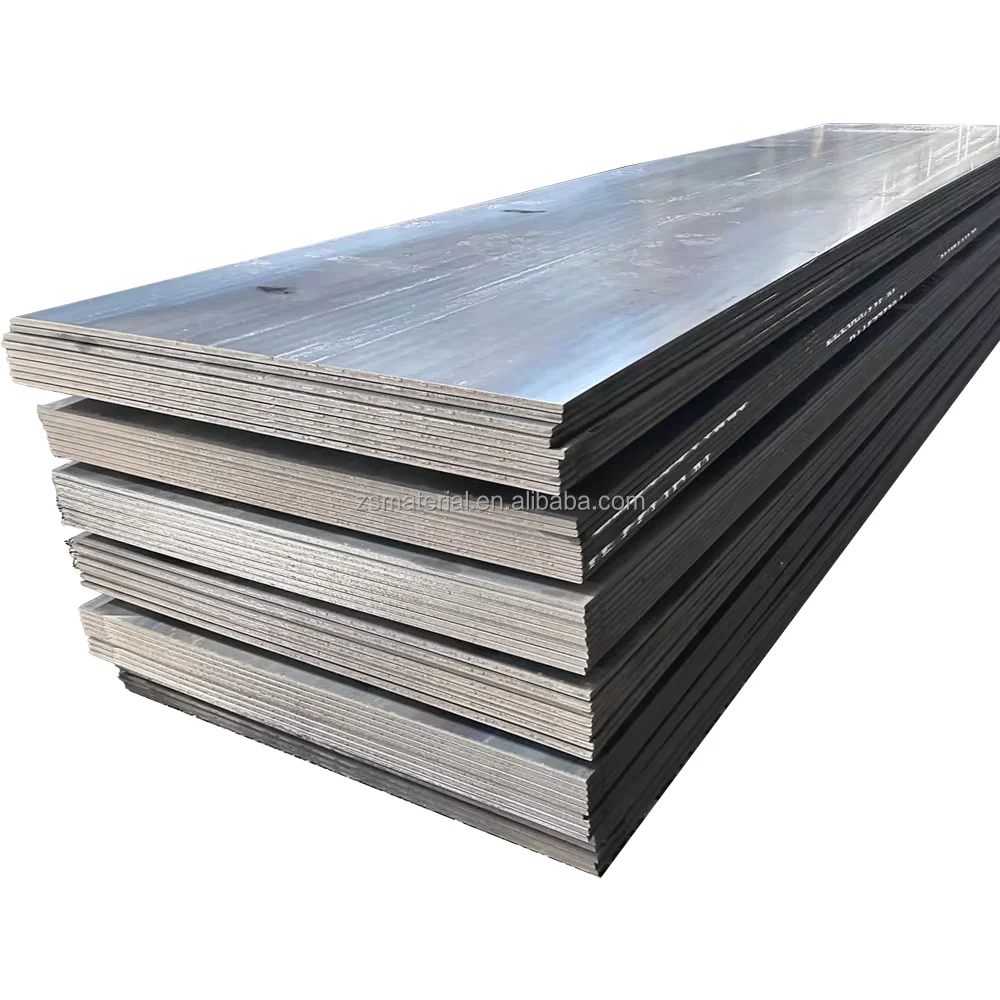
A Q235B hot rolled carbon steel plate covering 3mm to 200mm thickness serves two distinct procurement needs in a single order. Thin plates in the 3-12mm range go directly into welded structural frames, conveyor supports, and equipment skids where formability and weld penetration matter more than load-bearing capacity. Mid-range thickness from 14-40mm handles column base plates, beam splice connections, and bracket gussets in building frames. Heavy plates above 40mm serve pressure vessel support saddles and shipbuilding bulkhead structures where through-thickness integrity becomes critical. Our plasma and flame cutting capability means a single order can deliver 6mm gussets and 80mm base plates from the same Q235B heat, all with matching chemistry on the mill test certificate.
Engineering Compliance and Grade Equivalence Across Standards
Structural engineers specifying Q235B under GB/T 700 often need equivalence data when the project falls under ASTM or EN jurisdiction. Q235B maps closely to ASTM A36 in yield behavior and to S235JR in the EN 10025 system, though carbon and manganese ranges differ slightly at the edges. [NEED_CITE: steel grade equivalence mapping between GB Q235B and ASTM A36 or EN S235JR] For projects requiring CE marking in European markets or Lloyd’s register approval for marine applications, we supply Q235B plates with third-party inspection reports from SGS or BV alongside the original mill certificate. Thickness tolerance follows GB/T 709 Class A or Class C depending on buyer specification — Class C tightens the allowable deviation for precision fabrication where negative tolerance practices would otherwise cause weld joint misalignment.
Hot Rolling Process and Its Effect on Q235B Plate Properties
Hot rolled Q235B plate is produced by reheating slabs above recrystallization temperature and passing them through continuous mill stands to achieve the target thickness. This process produces a mill scale surface that provides baseline corrosion resistance during storage and transit, while the internal grain structure remains suitable for bending, drilling, and arc welding without pre-heating in most thickness ranges. The Q235B designation under GB/T 700 guarantees a minimum yield point of 235 MPa at room temperature, with the “B” suffix indicating Charpy impact testing at 20°C — sufficient for tropical and temperate climate construction but not for sub-zero Arctic service. Q255, also available in our range, offers higher tensile strength at the cost of reduced formability, making it suitable for wear-facing structural members rather than cold-bent profiles.
The Hidden Cost of Unverified Q235B Plates in Structural Projects
Purchasing Q235B hot rolled carbon steel plate based on price alone, without original mill test certificates and heat number traceability, creates downstream costs that exceed the initial savings. Engineering inspectors at the fabrication stage will reject plates lacking chemistry documentation, forcing the buyer to source replacement material on short notice at premium spot-market prices. [NEED_CITE: structural steel acceptance criteria requiring mill test certificates per AISC or EN 1090] If the plates have already been cut and partially welded before the documentation gap surfaces, the rework cost includes labor, consumables, and schedule delay — none of which the original supplier will cover without a traceable purchase record. Negative tolerance abuse compounds the problem: a plate stamped 20mm but measuring 18.2mm at the edges reduces section modulus below design assumptions, creating a latent structural deficiency that may only surface during load testing or years after handover.
Why Source Your Q235B Hot Rolled Carbon Steel Plate From XJY Plate
We operate a dedicated plate and coil division with direct mill allocation, meaning every Q235B plate we ship comes from rolling schedules we control — not from trader stock with mixed heat origins. Our in-house metallurgical lab verifies chemistry and mechanical properties before any plate leaves the Jinan warehouse, and we maintain digital records of every heat number against the corresponding mill test certificate for a minimum of ten years. Custom cutting to size — plasma, flame, or shearing — is performed in our own facility with dimensional reports issued before dispatch, so the 80mm base plate you ordered arrives at 80mm, not 76mm with a trader’s explanation about tolerance. For heavy cargo, we use flatbed trailers and open-top containers with proper weight distribution and lashing, avoiding the overweight penalties and port delays that plague buyers who load steel plates without specialized logistics planning. ISO 9001:2015 certification and Lloyd’s CE approval are standard, with SGS or BV third-party inspection available at the buyer’s request before container sealing.
Documentation & Compliance
- Mill test certificate documenting Q235B chemical composition (C, Si, Mn, P, S) and yield strength per GB/T 700, with original heat number cross-referenced to plate stamping
- CE certificate under Lloyd’s Register classification for plates destined for European construction or marine applications
- ISO 9001:2015 quality management certificate covering the full plate cutting, inspection, and dispatch process
- SGS or BV third-party inspection report available upon request, covering dimensional checks, surface quality, and ultrasonic testing for plates above 40mm thickness
- Material traceability sheet linking each plate to its heat number, rolling date, and original mill coil identity
- Export customs documentation including packing list with piece-by-piece weight, bill of lading, and certificate of origin for destination clearance
Packaging, Loading & Delivery
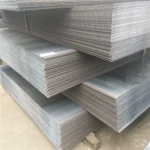
- Hot rolled Q235B plates bundled with steel straps and edge protectors to prevent mill scale damage and corner deformation during ocean transit
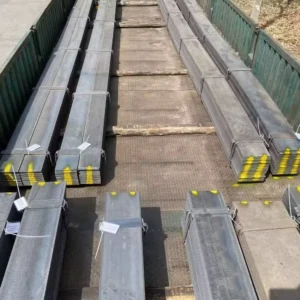
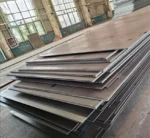
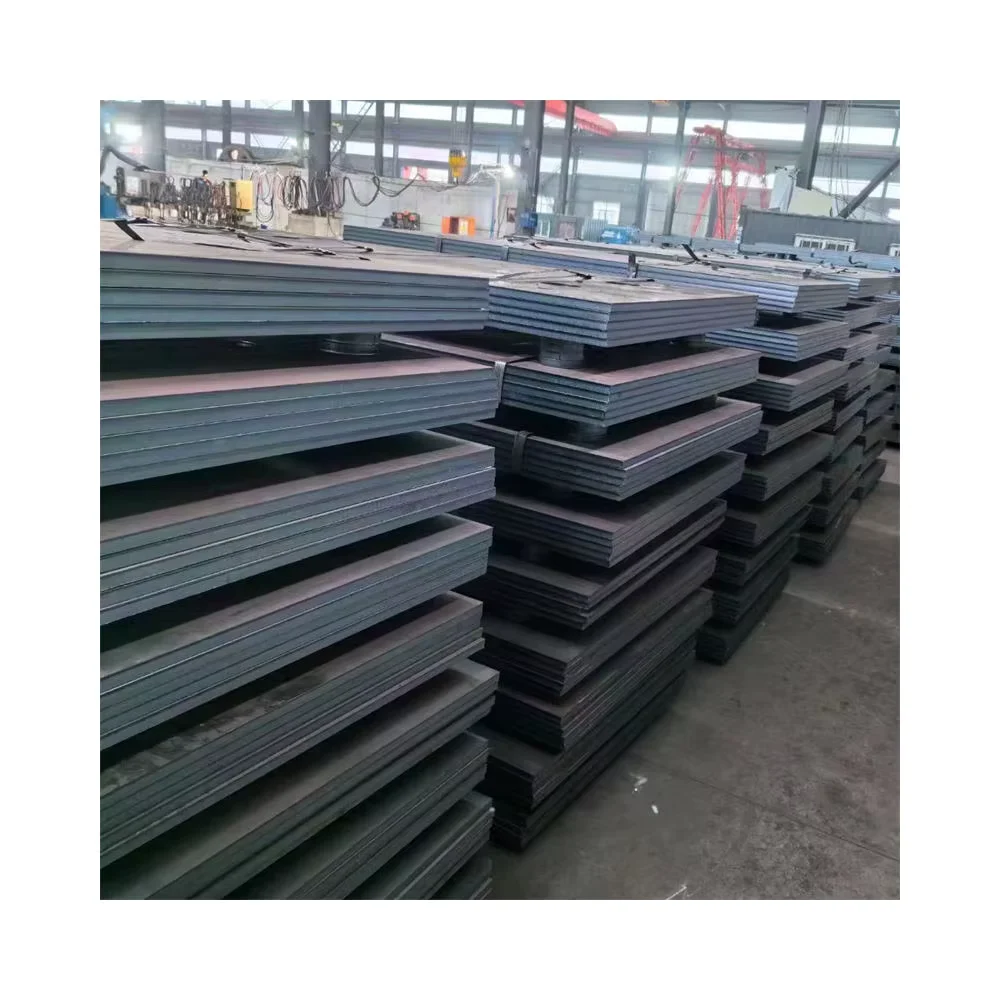
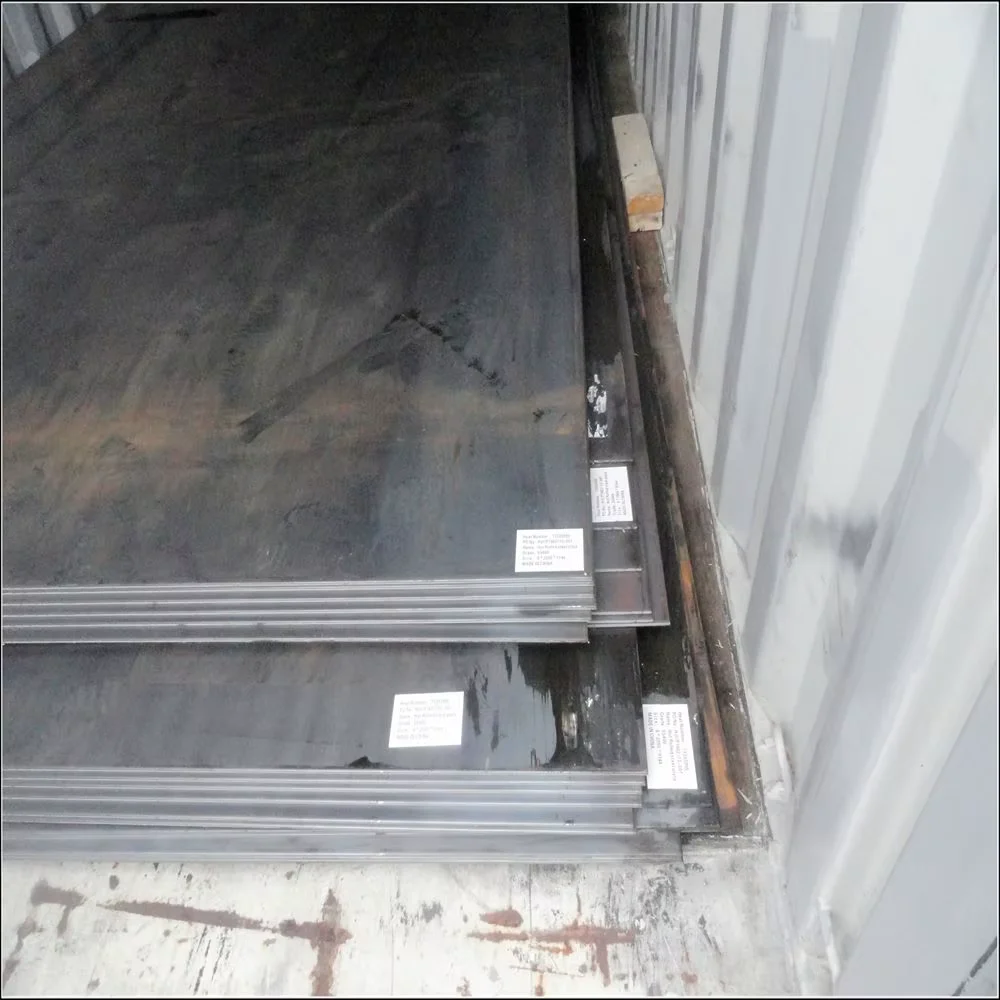
- Custom-cut plates stacked by thickness group with heat number labels visible on each bundle for rapid site identification
- Open-top container loading for plates exceeding standard 20ft container height limits, with timber dunnage ensuring even weight distribution across the container floor
- Flatbed truck delivery to port for break-bulk shipment of plates above 40mm thickness or exceeding 12-meter length
- Oil-coated surface protection available for Q235B plates destined for high-humidity climates, preventing rust formation during extended sea transit
- FOB, CIF, and DDP shipping terms available, with full export documentation and real-time container tracking until destination port arrival
Start Your Q235B Plate Procurement With Verified Documentation
Submit your specification — steel grade, thickness, width, length, quantity, and destination port — and receive a detailed quotation within 12 hours, including material cost, custom cutting fees if applicable, and shipping terms. We will attach a sample mill test certificate from a recent Q235B heat so you can verify chemistry and traceability format before committing to a deposit.
Request Your Q235B Hot Rolled Carbon Steel Plate Quote With Mill Test Certificate
Send your specification to admin@xjyplate.com or contact us via WhatsApp at +86 188 5315 7756 to receive a quotation and sample MTC within 12 hours.
Frequently Asked Questions
Q: How does Q235B compare to ASTM A36 and EN S235JR in chemical composition?
A: Q235B under GB/T 700 shares similar yield behavior with ASTM A36 and EN S235JR, though carbon and manganese ranges differ slightly. We provide a full grade equivalence table with every quotation so your engineering team can confirm compliance with the project specification.
Q: Can I verify the mill test certificate before the plates ship?
A: Yes. We provide the original mill test certificate with heat number, chemical composition, and mechanical properties before or at the time of shipment. You can cross-reference the heat number stamped on each plate with the certificate to confirm material identity.
Q: Do you offer custom cut-to-size plates for Q235B?
A: Yes. We perform plasma cutting, flame cutting, leveling, and blanking in our own facility. You specify the exact dimensions, and we deliver cut-to-size plates with dimensional inspection reports — no minimum order quantity for standard thickness ranges.
Q: What thickness tolerance applies to hot rolled Q235B plates?
A: We supply Q235B plates to GB/T 709 Class A tolerance as standard, with Class C (tighter tolerance) available upon request for precision fabrication applications where negative tolerance practices would cause weld joint or fit-up problems.
Q: How do you handle shipping for heavy plates above 40mm?
A: Plates above 40mm thickness or exceeding 12-meter length are loaded on flatbed trailers for break-bulk shipment or in open-top containers with proper weight distribution and lashing. We provide full export documentation and tracking until destination port arrival.