
EN Steel Plate Mill Test Certificate Standards for Export Wholesale
Most buyers assume any “Mill Certificate” is sufficient for customs; they are wrong.
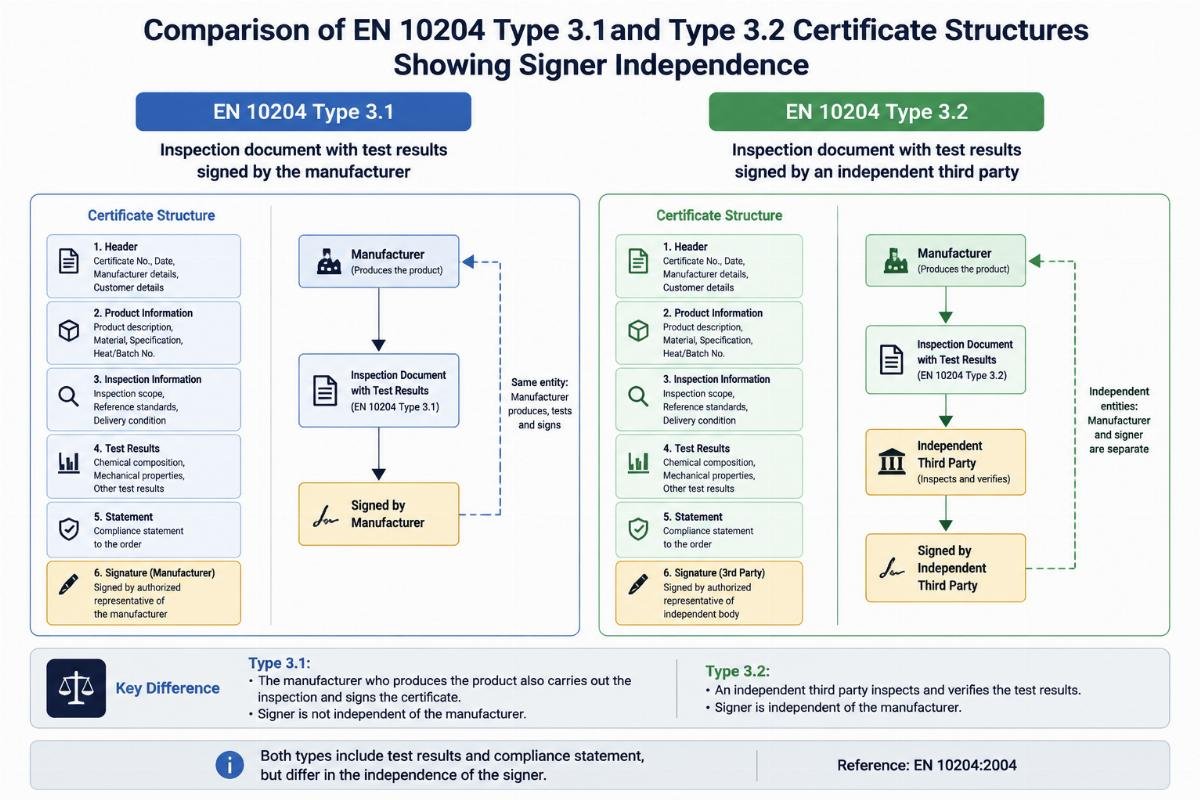
For European and international structural steel exports, the critical distinction lies in EN 10204 Type 3.1 versus Type 3.2. A Type 3.1 certificate is issued by the manufacturer’s own quality department, confirming that products comply with the order requirements. A Type 3.2 certificate requires validation by an independent third-party inspector or the purchaser’s authorized representative. Using a 3.1 document when a 3.2 is contractually mandated will result in immediate rejection by project engineers, customs holds, and significant demurrage costs.
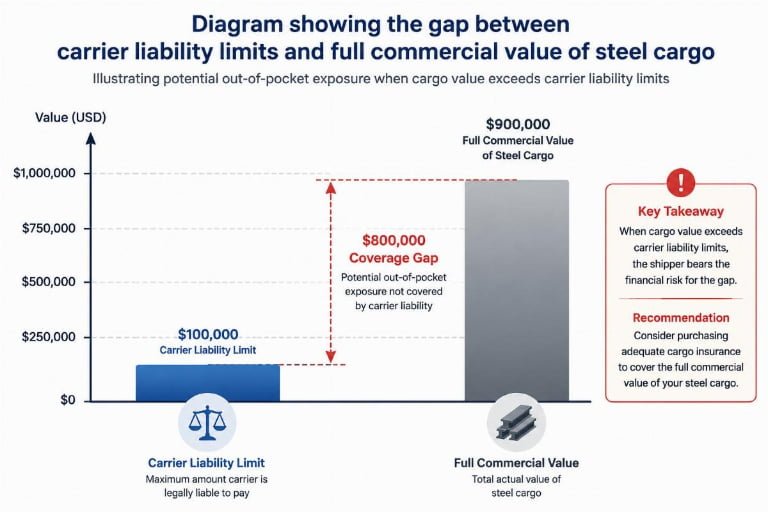
I still remember the silence on the phone line when a logistics manager in Rotterdam told me our shipment of S355JR plates was stuck at the terminal. The paperwork looked perfect. The chemical composition matched EN 10025 standards. The mechanical properties were within tolerance. But the buyer’s contract specified an independent verification for bridge components. We had provided a standard factory-issued document. The port authority and the client’s engineer refused to accept it because the signature belonged to our internal QC manager, not an accredited external surveyor. The demurrage charges accumulated daily, eventually exceeding a significant portion of the cargo’s value. That incident shifted my entire approach to documentation. It wasn’t about the steel quality; it was about the legal weight of the paper proving it. [NEED_CITE: EN 10204 standard definitions for certificate types]
Understanding this difference is not just administrative; it is financial. When sourcing for high-stakes infrastructure projects, the EN 10204 Mill Test Certificate becomes the primary gatekeeper for market entry.
What Is an EN 10204 Mill Test Certificate?
An EN 10204 Mill Test Certificate is not merely a receipt or a packing list. It is a formal declaration of conformity that links physical material properties to specific international standards. In the context of structural steel exports, this document serves as the technical passport for the goods. Without it, the steel is legally indistinguishable from scrap metal in many regulated markets.
The standard defines several types of inspection documents, but for wholesale export, the focus is almost exclusively on Types 2.2, 3.1, and 3.2. Type 2.2 is a non-specific inspection certificate, often used for commercial grades where strict traceability is less critical. However, for structural applications involving safety loads—such as building frameworks, bridges, or heavy machinery—Type 3.1 and 3.2 are the norms. [NEED_CITE: Hierarchy of inspection documents in EN 10204]
The core function of the EN 10204 Mill Test Certificate is to provide verifiable data on chemical composition and mechanical properties. This includes tensile strength, yield strength, elongation, and impact resistance values derived from standardized testing methods. For exporters, the challenge is ensuring that the data on the certificate matches the physical markings on the steel plates or pipes. A mismatch in heat numbers or grade designations can trigger a full quarantine of the shipment.
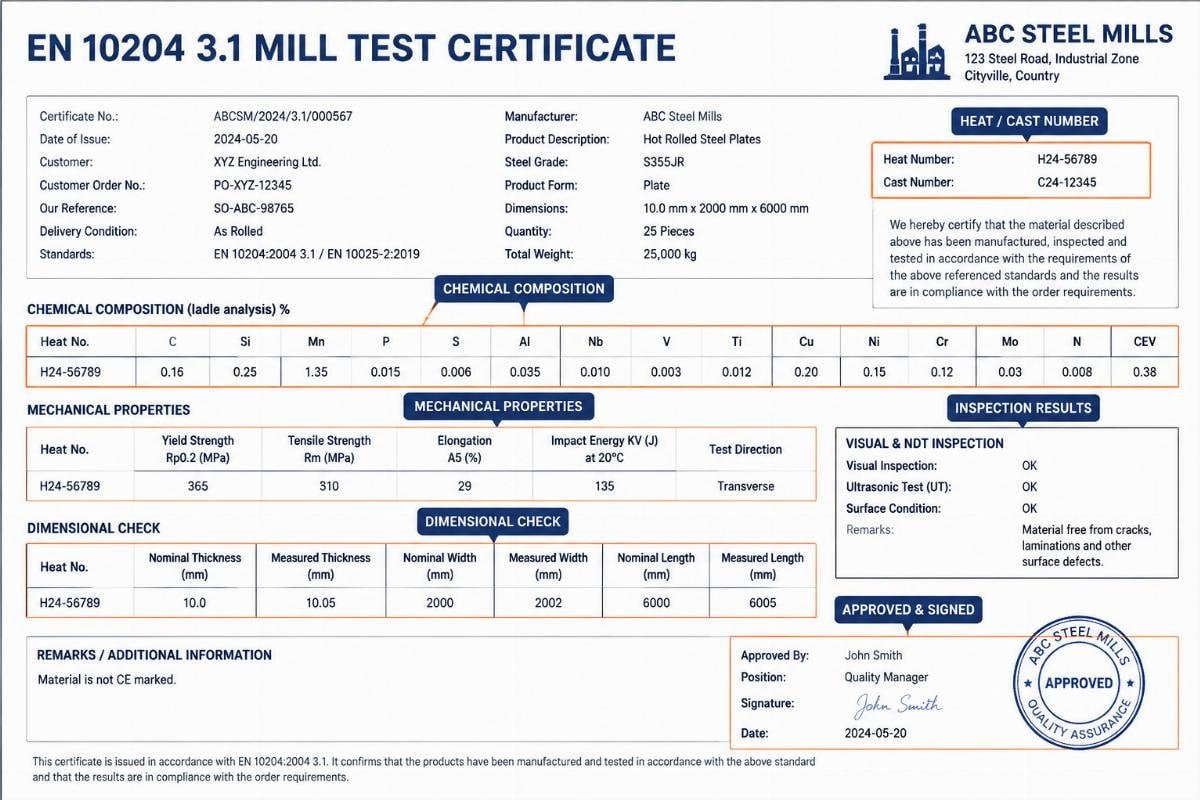
Many traders mistakenly believe that a digital copy emailed in advance is sufficient for all stages of the transaction. While useful for preliminary review, original stamped documents are frequently mandatory for bank Letter of Credit negotiations and final site acceptance by civil engineers. The physical stamp and signature carry legal liability that a PDF often cannot replicate in court or arbitration scenarios.
Type 3.1 vs. Type 3.2: Which One Does Your Project Need?
The choice between Type 3.1 and Type 3.2 is dictated by the risk profile of the end application and the specific requirements of the purchasing entity. It is not a matter of one being “better” than the other in absolute terms, but rather which one satisfies the contractual obligation.
A Type 3.1 certificate is issued by the manufacturer. It declares that the products supplied are in compliance with the order requirements, based on the manufacturer’s own quality control system. This is the standard for most general construction steel, such as S235JR or Q235B plates used in warehouses or non-critical structures. The issuer is the producer, and the trust relies on the producer’s accreditation and internal laboratory capabilities. [NEED_CITE: Requirements for manufacturer-issued declaration of compliance]
In contrast, a Type 3.2 certificate adds a layer of independent verification. It requires that the tests be performed or witnessed by an independent third party, such as a classification society (e.g., Lloyd’s Register, DNV, Bureau Veritas) or the purchaser’s appointed inspector. This type is mandatory for high-risk applications like offshore platforms, pressure vessels, or major public infrastructure projects where failure consequences are severe.
| Feature | EN 10204 Type 3.1 | EN 10204 Type 3.2 |
|---|---|---|
| Issuer | Manufacturer’s Quality Department | Independent Third Party or Purchaser’s Rep |
| Verification Level | Internal QC Check | External Witnessing/Validation |
| Typical Application | General Construction, Warehouses | Bridges, Offshore, Pressure Vessels |
| Cost Implication | Standard (Included) | Additional Inspection Fees Apply |
| Lead Time Impact | Minimal | Extended (Scheduling Inspector) |
A Middle East EPC contractor once rejected an entire batch of bridge components because we submitted Type 3.1 certificates. Their tender documents explicitly required Lloyd’s Register validation for all main load-bearing elements. The steel itself was flawless, meeting all S355J2 specifications. However, the lack of an independent signature meant the materials could not be installed. Re-certification required bringing in an external surveyor to review test records and witness additional sampling, delaying the project start by several weeks. [NEED_CITE: Industry practice for third-party inspection in EPC contracts]
When quoting for wholesale orders, always clarify the required EN 10204 Mill Test Certificate type early. Assuming a 3.1 is acceptable for a 3.2 requirement is a costly error.
Common MTC Errors That Cause Customs Delays
Even when the correct certificate type is selected, minor administrative errors can lead to major logistical bottlenecks. Customs authorities and port inspectors are increasingly rigorous in verifying documentation against physical cargo.
One of the most frequent errors is the inconsistency between the heat number on the EN 10204 Mill Test Certificate and the physical markings on the steel. Each batch of steel produced in a furnace is assigned a unique heat number. This number must appear on the certificate and be stenciled or tagged on every plate or bundle. If a customs officer checks a random plate and finds the heat number does not match the document, the entire container may be flagged for detailed inspection. In one instance, a distributor in Southeast Asia faced a high return rate because their labeling process allowed heat numbers to fade or become obscured during transit. Improving the durability of physical markings reduced these discrepancies significantly. [NEED_CITE: Traceability requirements in steel supply chains]
Another common issue is referencing outdated or incorrect standards. Steel grades evolve, and national standards are often harmonized with European norms. Listing an obsolete standard version on the certificate can raise red flags. For example, citing an old version of EN 10025 instead of the current applicable part can suggest that the material was tested against superseded criteria. Buyers should ensure that the standard referenced on the EN 10204 Mill Test Certificate aligns with the purchase order and current regulatory requirements.
Missing signatures or unstamped documents are also prevalent. A certificate without an official company stamp or an authorized signature is often treated as a draft rather than a legal document. Banks may refuse to process payments under Letters of Credit if the documentation lacks these formalities.
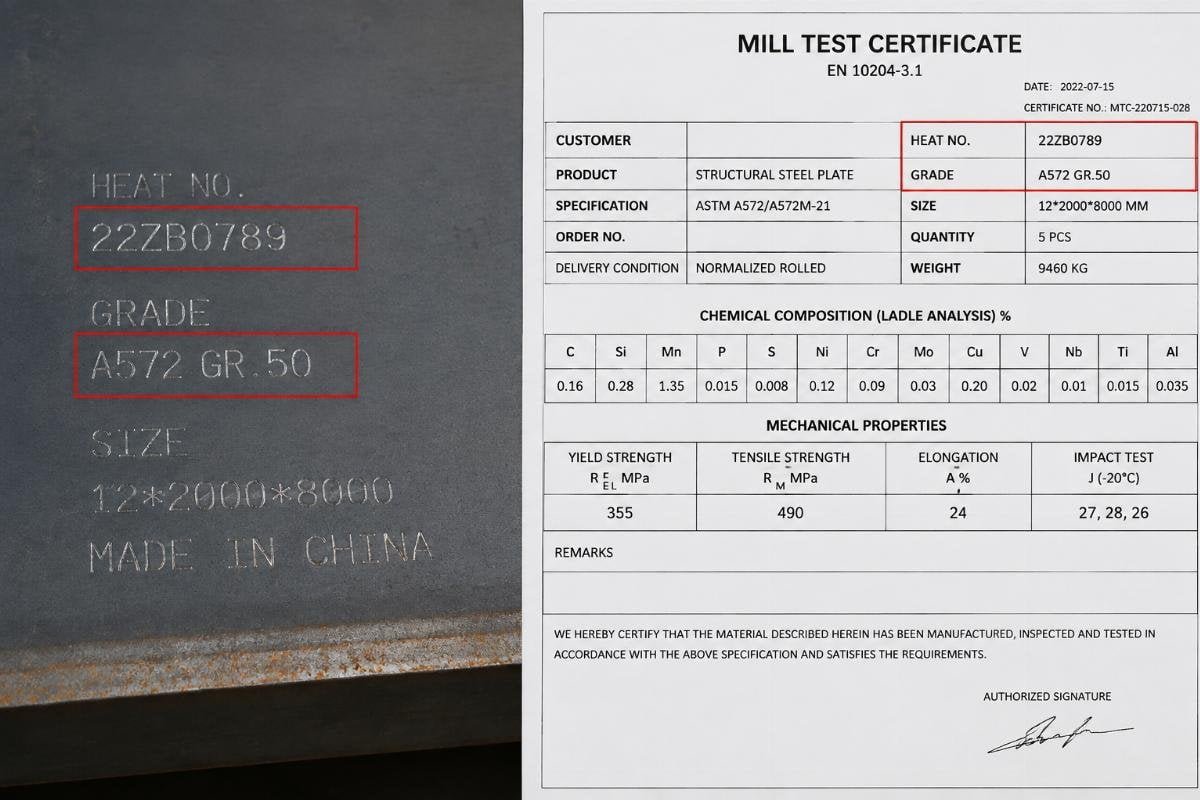
To avoid these pitfalls, implement a pre-shipment checklist. Verify that heat numbers match, standards are current, and all required signatures and stamps are present. This simple step can prevent days of delay at the port.
How to Verify MTC Authenticity Before Shipment
Verifying the authenticity of an EN 10204 Mill Test Certificate is a critical step for procurement managers and traders. Relying solely on the document provided by the supplier is risky, especially when dealing with new vendors or high-value orders.
Start by cross-referencing the chemical composition and mechanical properties with the declared grade. For S355JR, for instance, the yield strength must meet specific minimums, and carbon equivalent values should be within limits to ensure weldability. If the values seem too perfect or deviate significantly from typical ranges for that grade, it warrants further investigation. [NEED_CITE: Typical mechanical property ranges for structural steel grades]
Next, validate the issuer’s credentials. For Type 3.1 certificates, confirm that the manufacturer has an accredited quality management system, such as ISO 9001. For Type 3.2 certificates, verify the accreditation of the third-party inspector. Most reputable inspection bodies have online databases where you can check the validity of their certificates and the status of their inspectors.
Physical verification is equally important. Request photos or video evidence of the stock before shipment, focusing on the markings. Ensure that the heat numbers visible on the steel match those listed on the EN 10204 Mill Test Certificate. If possible, engage a local surveyor to witness the loading and verify the documentation on-site. This adds a layer of security and ensures that the goods loaded are indeed the goods certified.
In our operations, we maintain an in-house laboratory that conducts rigorous testing on every batch. This allows us to generate accurate and verifiable Type 3.1 documentation efficiently. For clients requiring Type 3.2, we coordinate directly with accredited third-party agencies to ensure seamless validation. This integrated approach minimizes the risk of discrepancies and ensures that the EN 10204 Mill Test Certificate provided is robust and defensible.
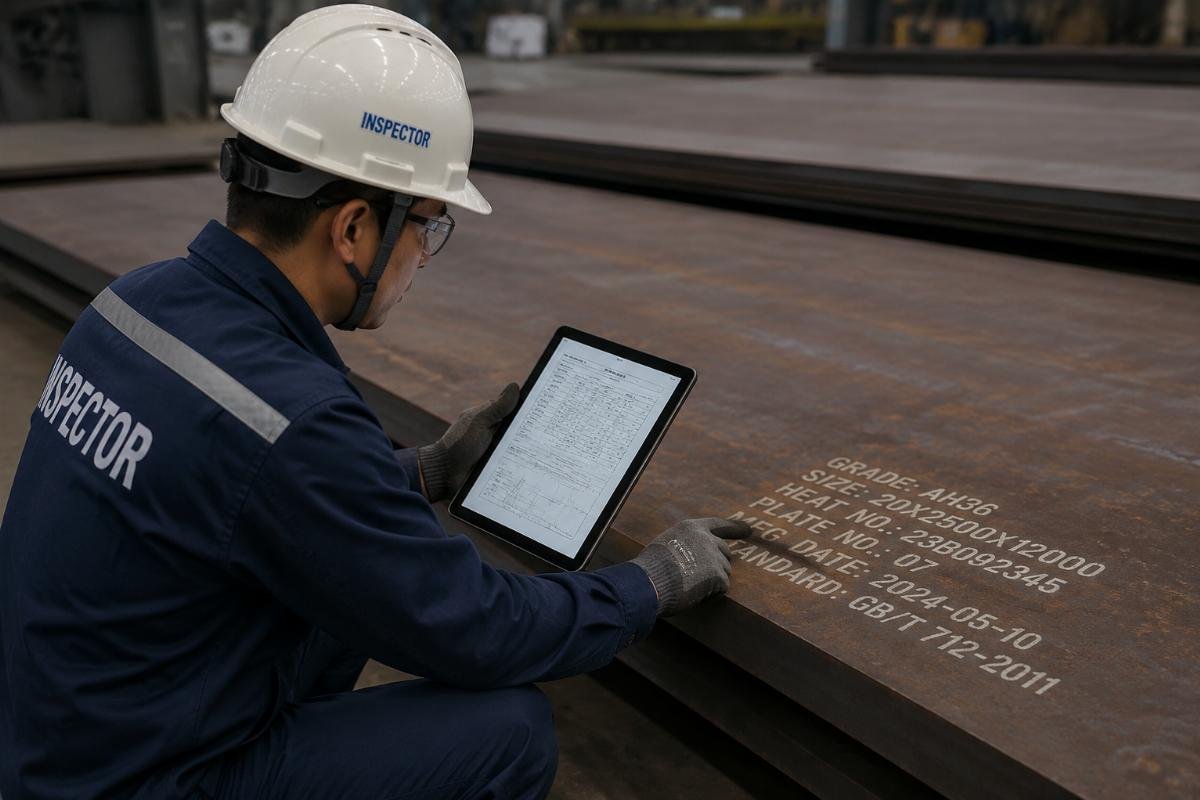
Buyers should also be wary of digital-only certificates for final acceptance. While convenient for initial review, insist on receiving original, hard-copy documents with wet ink signatures and official stamps for customs clearance and bank negotiations. Many jurisdictions still require physical originals for legal compliance.
Ensuring Compliance for Structural Steel Exports
Compliance in structural steel exports is not a one-time check but an ongoing process. Integrating MTC verification into the procurement workflow ensures smooth transactions and builds long-term trust with clients.
Establish clear communication channels with your supplier regarding certification requirements. Specify the exact EN 10204 Mill Test Certificate type needed in the purchase order. Do not leave it to assumption. Clarify whether third-party inspection is required and who will bear the cost.
Maintain a record of all certificates and correspondence. This archive serves as a reference for future orders and can be crucial in resolving disputes. If a client raises a quality concern, having a complete trail of verified documentation can protect your position.
Educate your team on the nuances of steel standards. Understanding the difference between EN, ASTM, and JIS standards helps in providing accurate advice to clients and avoiding mismatches. For example, a client familiar with ASTM A36 may need guidance on the equivalent S235JR grade in the European system.
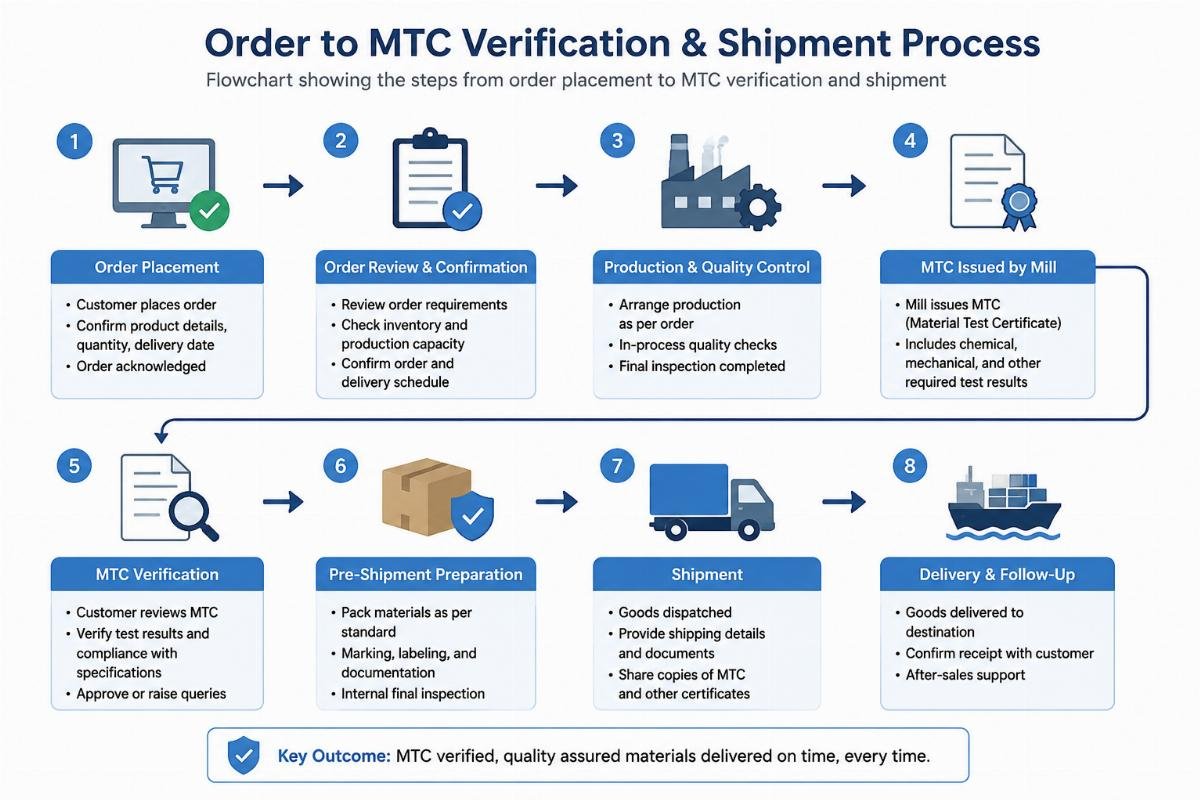
By prioritizing accurate documentation and rigorous verification, exporters can mitigate risks and enhance their reputation in the global market. The EN 10204 Mill Test Certificate is more than a piece of paper; it is a testament to quality and compliance.
Conclusion
Correct certification is the backbone of successful steel exports.
Distinguishing between EN 10204 Type 3.1 and 3.2 is essential for avoiding costly delays and rejections. Buyers must verify issuer independence, content completeness, and physical consistency before shipment. By treating the EN 10204 Mill Test Certificate as a critical compliance tool rather than a formality, traders ensure smoother customs clearance and stronger client relationships.