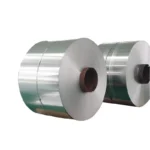
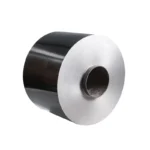
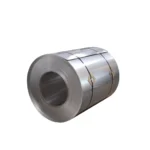
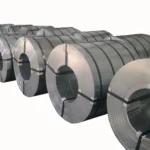



Description
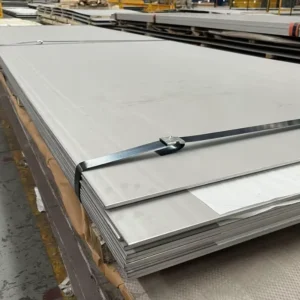
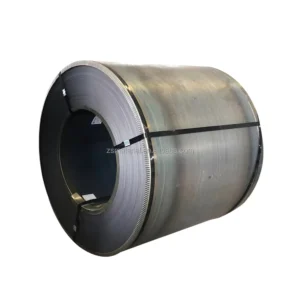
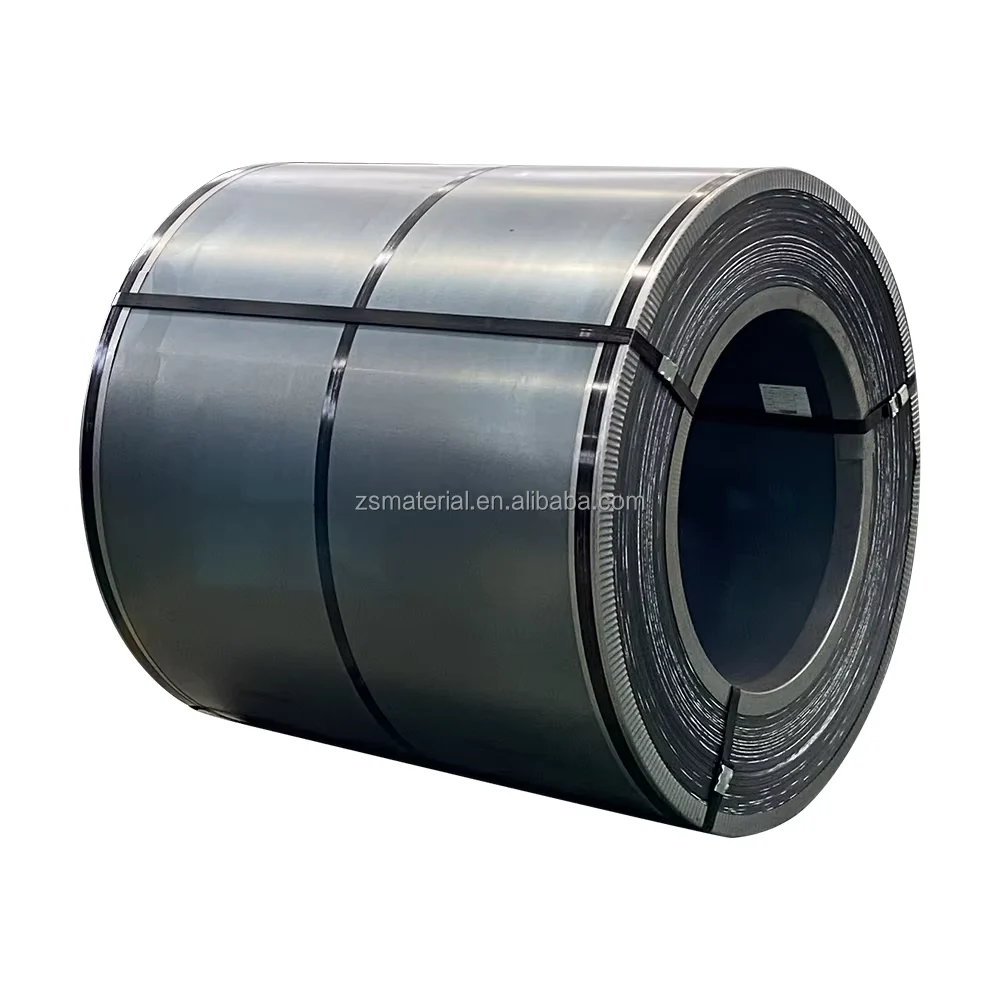
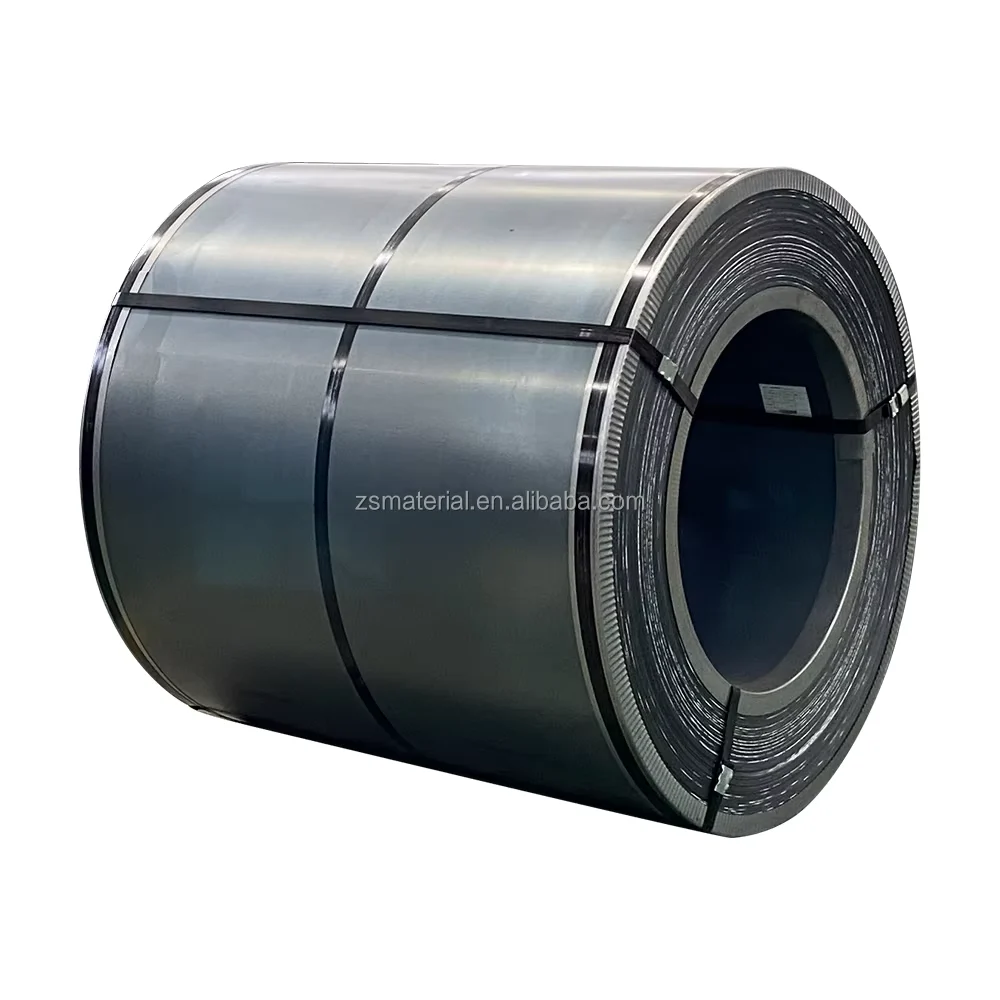
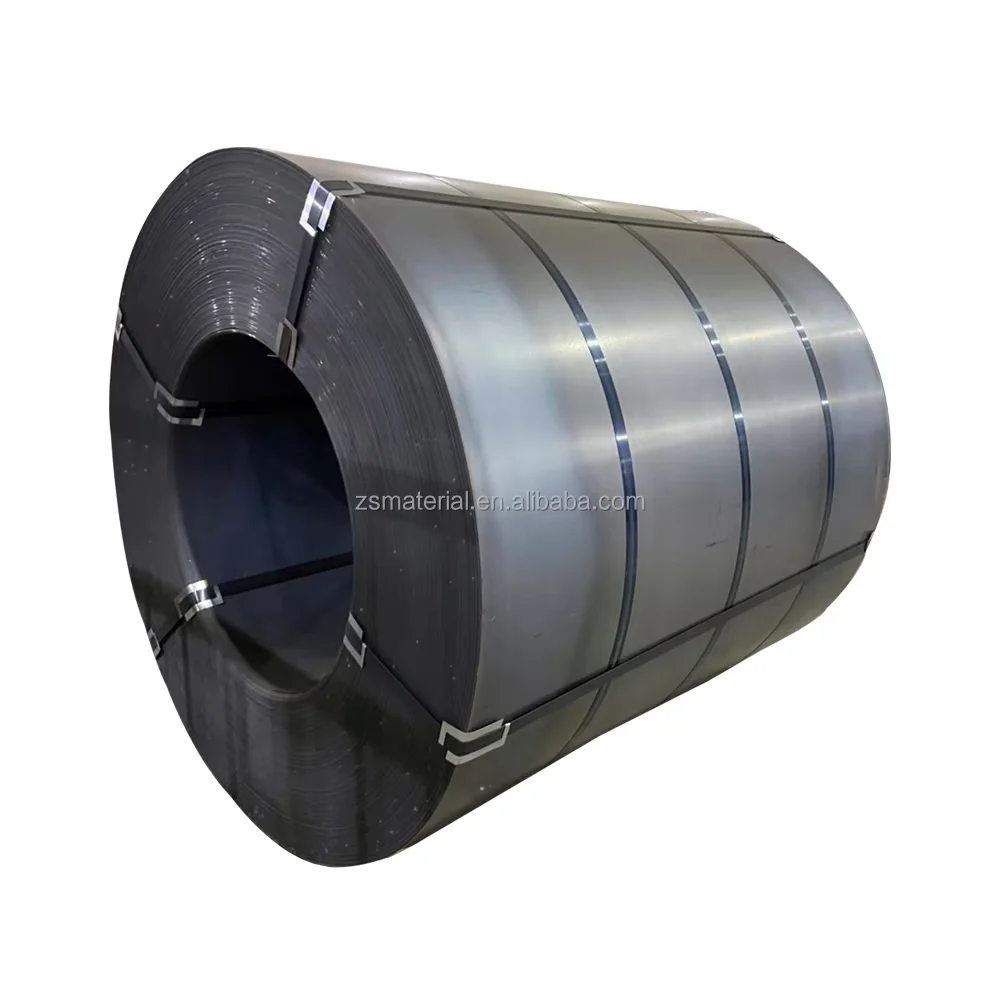
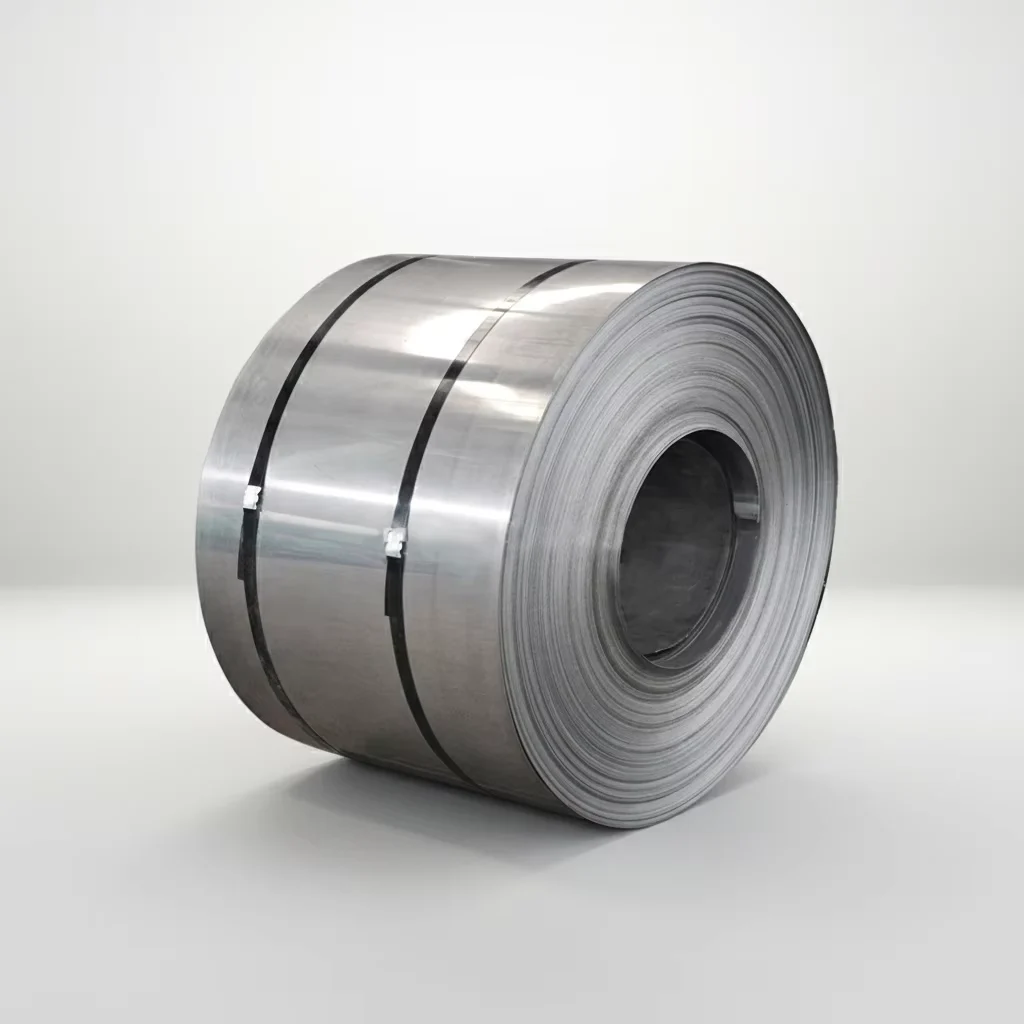
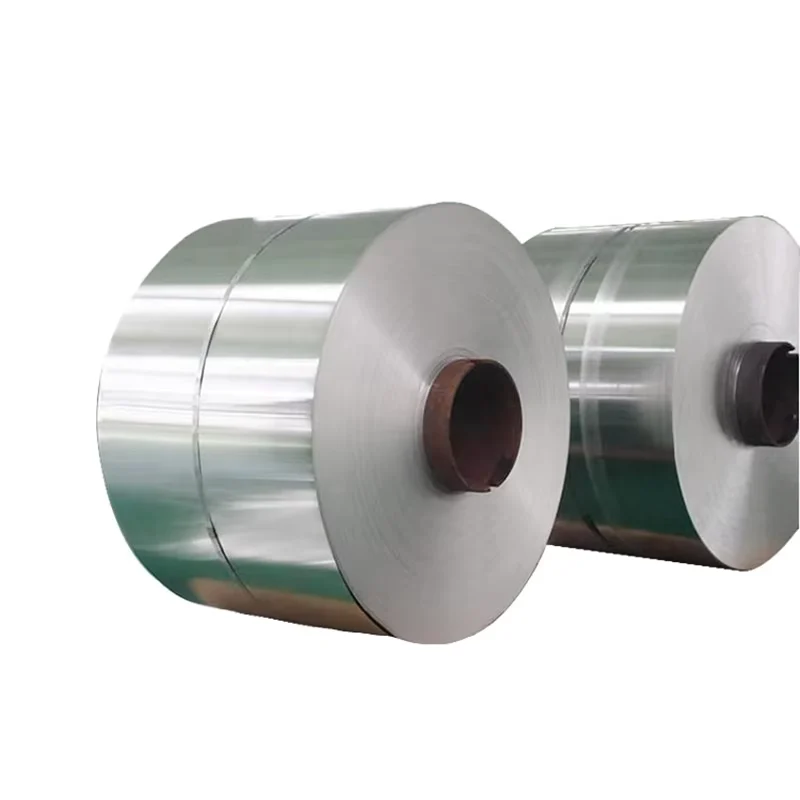
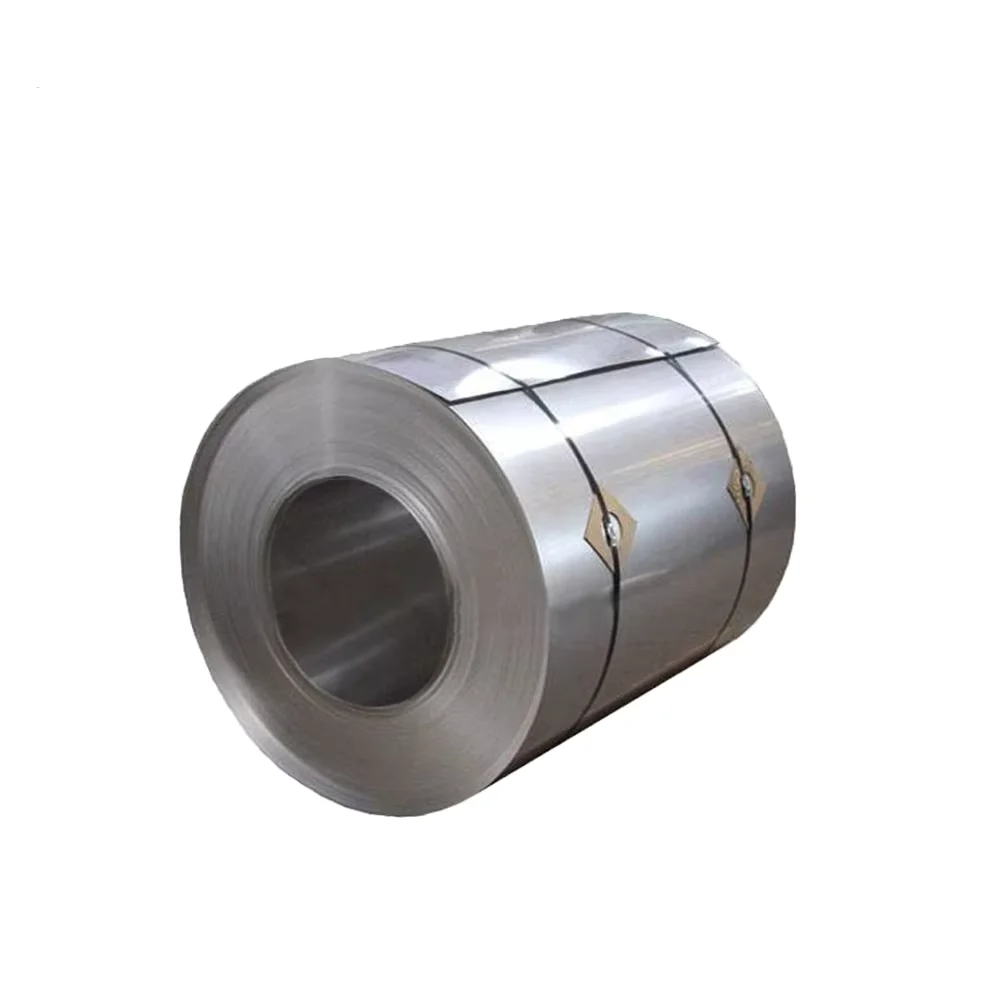
Factory-direct stainless coil supply — Every 201, 304, and 316 stainless steel coil ships with original mill test certificates traceable by heat number.
Technical Specifications
| Parameter | Value |
|---|---|
| Designation | 201 202 304 316 430 409 Stainless Steel Coil |
| Product Type | Steel Coil |
| Steel Grade | 201, 202, 304, 316, 430, 409 |
| Thickness | 0.2mm–6mm |
| Width | 1000mm, 1219mm, 1250mm, 1500mm |
| Surface Treatment | 2B finish |
| Product Form | Coil |
| Application | Fabrication, Construction, Decorative applications, Industrial equipment, Kitchenware, Automotive trim |
| Origin | China |
Application Suitability
| Industry | Typical Applications |
|---|---|
| Construction & Architecture | Roof cladding panels, elevator interior wall sheets, decorative column wraps |
| Food & Pharmaceutical Processing | Mixing tank liners, conveyor belt components, sanitary ductwork |
| Kitchen Equipment Manufacturing | Commercial sink basins, range hood panels, food prep countertops |
| Automotive Trim | Exhaust system outer wraps, decorative door sill plates, interior trim strips |
| Industrial Fabrication | Chemical storage tank shells, pollution control ducting, machine guards |
Grade Substitution Risks That Cost Projects Months
A 201 coil labeled as 304 will rust in a coastal kitchen project within weeks.
Procurement teams sourcing a 304 316 stainless steel coil supplier frequently discover that grade equivalence tables differ across GB, ASTM, and EN systems — a supplier in one country may ship 201 against a 304 purchase order because both “look similar” on a purchase spec sheet. Missing or back-dated mill test certificates make it impossible to verify chromium and nickel content before fabrication begins. When the material fails salt spray testing on site, the entire batch must be rejected, and replacement lead times push project deadlines back by months. [NEED_CITE: stainless steel grade equivalence between ASTM A240 and EN 10088 standards]
Matching Coil Grade to Corrosive Environments
Selecting the correct grade from the 201, 304, and 316 range determines whether a coil survives its intended service life. The 304 316 stainless steel coil supplier must understand that 201 grade uses manganese and nitrogen to partially replace nickel, reducing cost but also reducing pitting corrosion resistance in chloride environments. For coastal architectural cladding or food processing equipment exposed to salt wash-downs, 316 with molybdenum addition resists pitting that would perforate 201 or 304 within a single year. Our slitting lines cut 1500mm master coils down to exact widths needed for elevator panel fabrication, eliminating on-site edge trimming waste.
Engineering Compliance and Surface Finish Requirements
Stainless coils for pressure-containing food tanks must meet both material composition standards and surface finish hygiene requirements — 2B finish provides a smooth, uniform surface suitable for further polishing to Ra values required by food-grade regulations. Structural decorative applications in public buildings often require compliance with fire rating standards that reference specific steel grade classifications. When shipping to EU markets, CE marking and material traceability documentation become mandatory for customs clearance, not optional extras. [NEED_CITE: EN 10088 stainless steel flat product requirements for corrosion resistance]
How the 200, 300, and 400 Series Differ in Practice
The 200 series (201, 202) substitutes manganese for部分 nickel content, offering formability at lower cost but reduced corrosion resistance — suitable for indoor decorative trim and dry environments. The 300 series (304, 316) maintains full austenitic structure with higher chromium-nickel ratios, delivering superior corrosion resistance for food contact, marine, and chemical environments. The 400 series (430, 409) is ferritic, magnetic, and less expensive than austenitic grades, making it the standard choice for automotive exhaust trim and appliances where extreme corrosion resistance is not required. Thickness tolerance control across the 0.2mm–6mm range ensures consistent forming behavior regardless of series selected.
The Hidden Cost of Unverified Material Certificates
Ordering stainless coils without verified heat numbers and original mill test certificates creates downstream liability: fabricators who weld unverified 201 material into food processing equipment face regulatory rejection when inspectors request chemical composition records. Projects that specified 316 for a pharmaceutical clean room but received 304 will fail validation audits, requiring complete teardown and reinstallation. Customs authorities in multiple markets now require third-party inspection reports for stainless steel imports, and shipments lacking proper documentation face port holds that incur demurrage charges exceeding the material cost itself. [NEED_CITE: stainless steel mill test certificate requirements for international trade]
Why XJY Plate Eliminates Material Risk
Every stainless steel coil in our warehouse carries an original mill test certificate listing heat number, chemical composition, and mechanical properties — we verify these against purchase order grades before release. Our ISO 9001:2015 certified facility maintains full material traceability from master coil through slitting to finished width. We stock 201, 304, and 316 in multiple widths and thicknesses, allowing single-source procurement that eliminates grade mixing errors from multi-supplier orders. SGS and BV third-party inspections are available before shipment for buyers who require independent verification. Professional heavy cargo loading ensures coils arrive without edge damage or telescoping that would render them unusable for precision fabrication.
Documentation & Compliance
- Mill test certificate documenting 304 and 316 chemical composition including chromium, nickel, and molybdenum content per ASTM A240
- Original mill certificates with heat number traceability for every coil shipped
- ISO 9001:2015 quality management certificate covering slitting and processing operations
- SGS or BV third-party inspection reports available upon request before container sealing
- Complete customs documentation including packing list, bill of lading, and certificate of origin
- CE certification documentation for stainless steel flat products shipped to European markets
Packaging, Loading & Delivery
- Stainless steel coils packed with inner plastic wrap and outer steel sheet protection to preserve 2B finish during ocean transit
- Edge protectors applied to all coil sides to prevent edge wave damage during container loading
- Coil weight optimized per container to maximize payload while staying within port handling limits for 1000mm–1500mm widths
- Heat number and grade markings clearly stenciled on each coil exterior for site identification
- Custom slitting widths available with mill-edge or slit-edge options based on fabrication requirements
- FOB, CIF, and DDP shipping terms supported with professional flatbed and open-top container loading
Getting Your Quote Started
Submit your required grade, thickness, width, coil weight, and destination port — we respond within 12 hours with pricing, available mill test certificate samples, and estimated production scheduling. For projects requiring custom slitting widths or specific surface finish verification, include those specifications in your initial inquiry so we can confirm capability before contract.
Request Your Stainless Steel Coil Quote Today
Send your specifications by email or WhatsApp to receive pricing, mill test certificate samples, and shipping options within one business day.
Mobile/WhatsApp/WeChat: +86 188 5315 7756
Email: admin@xjyplate.com