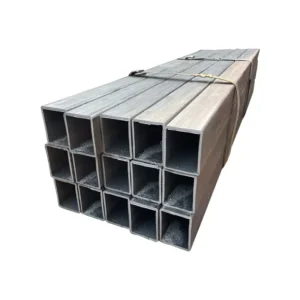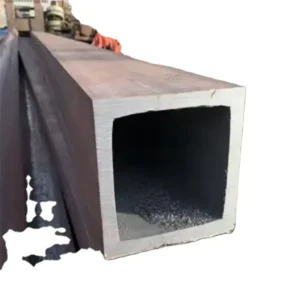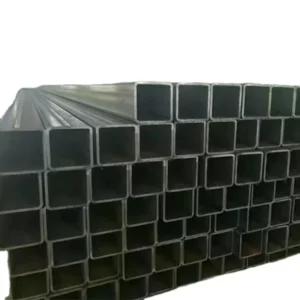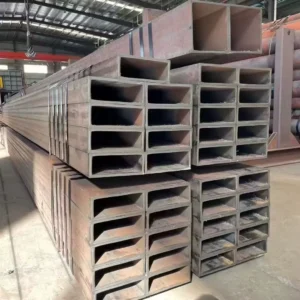



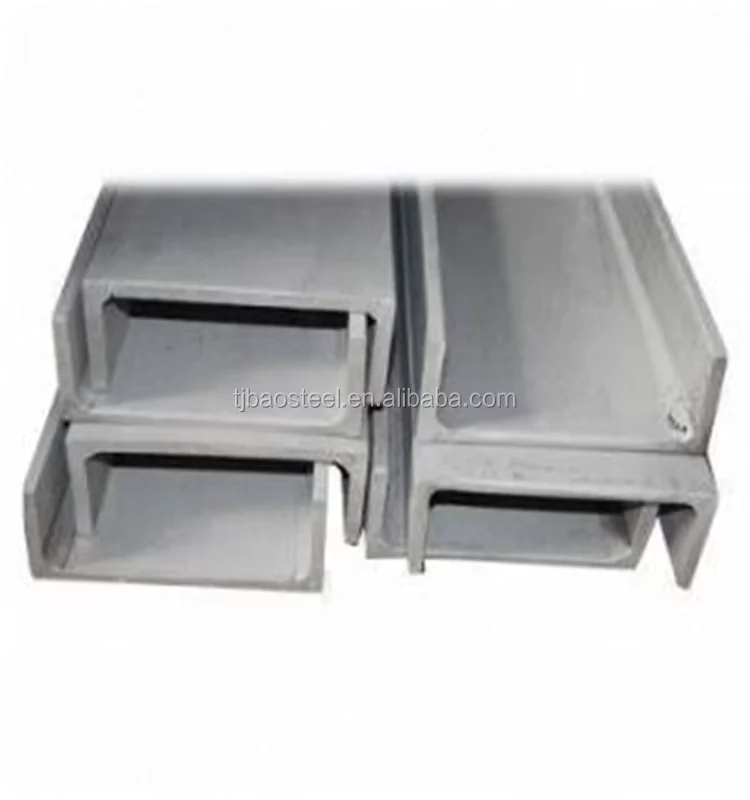
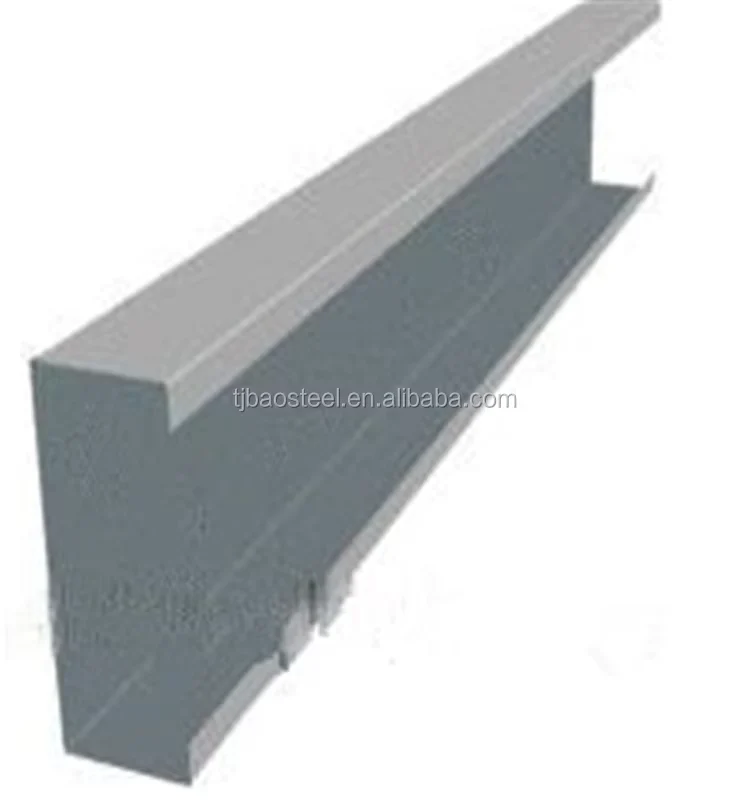


Description
Factory Direct Supply with Full Traceability — Every Q235 SS400 C Channel Steel piece carries an original mill test certificate with heat number verification from rolling to delivery.
Technical Specifications
| Parameter | Value |
|---|---|
| Designation | Q235 SS400 C Channel Steel |
| Product Type | C Channel Steel |
| Steel Grade | Q195, Q235, Q235B, Q345, Q345B, SS400 |
| Standard | AISI, ASTM, JIS, DIN, BS, EN |
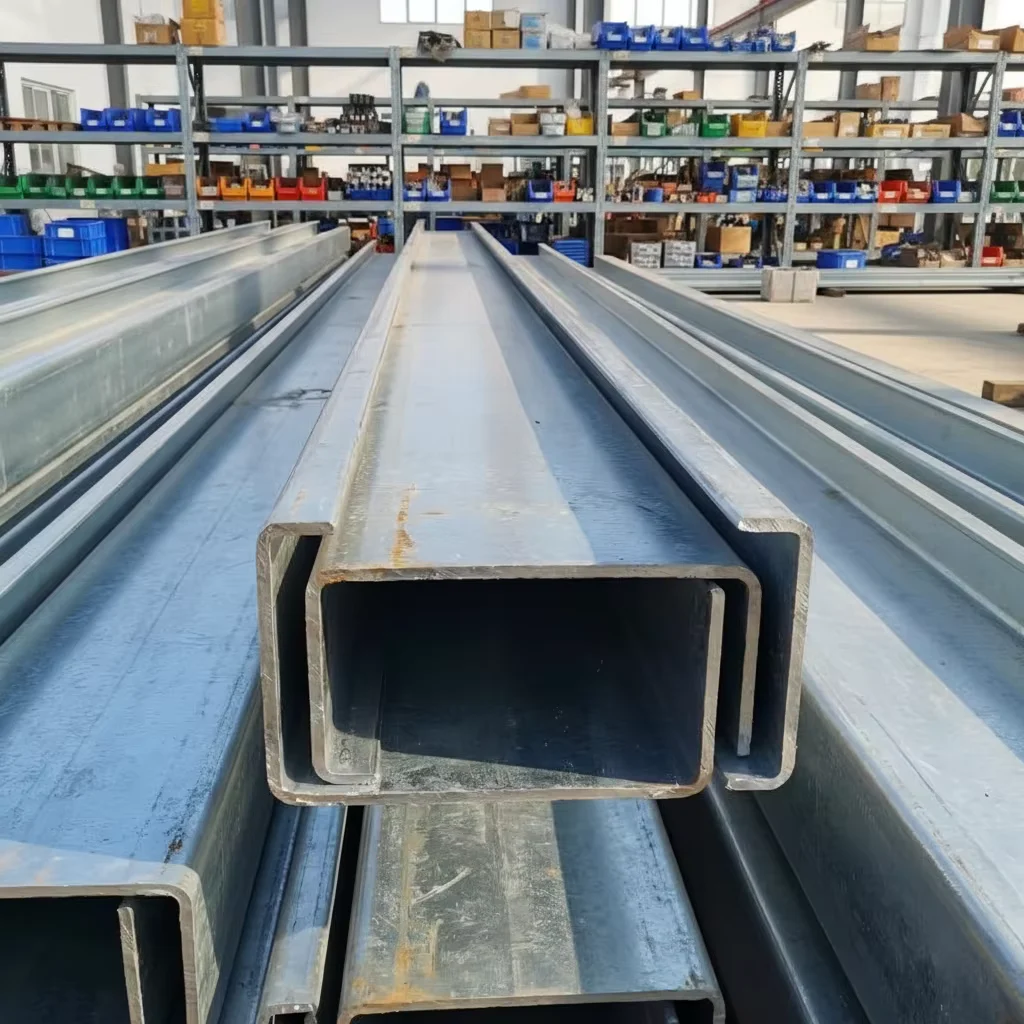
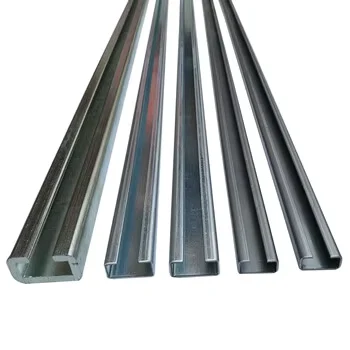
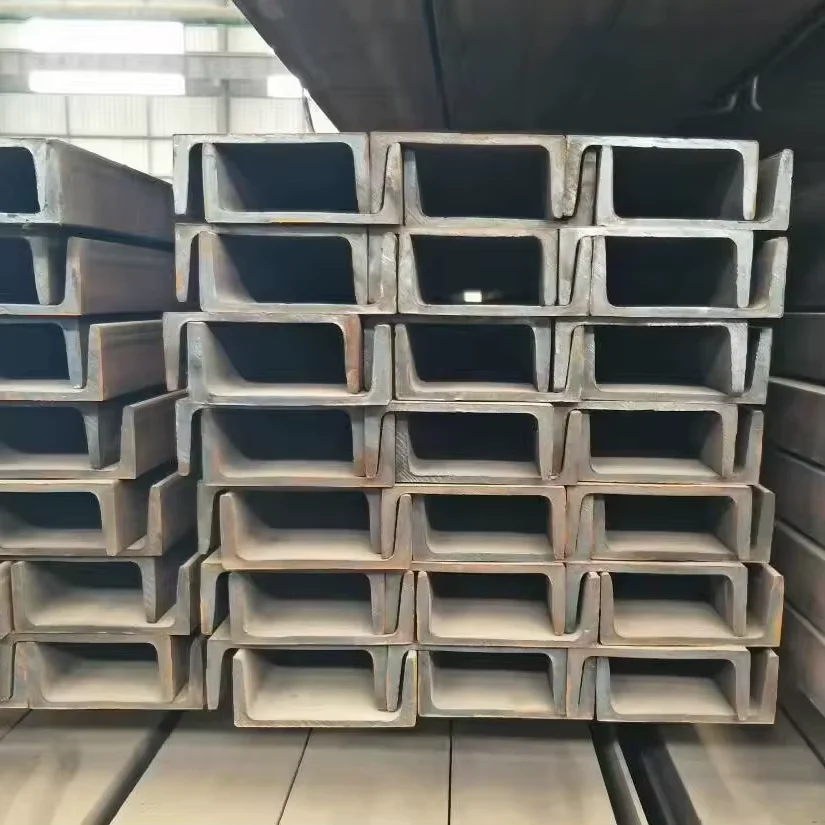
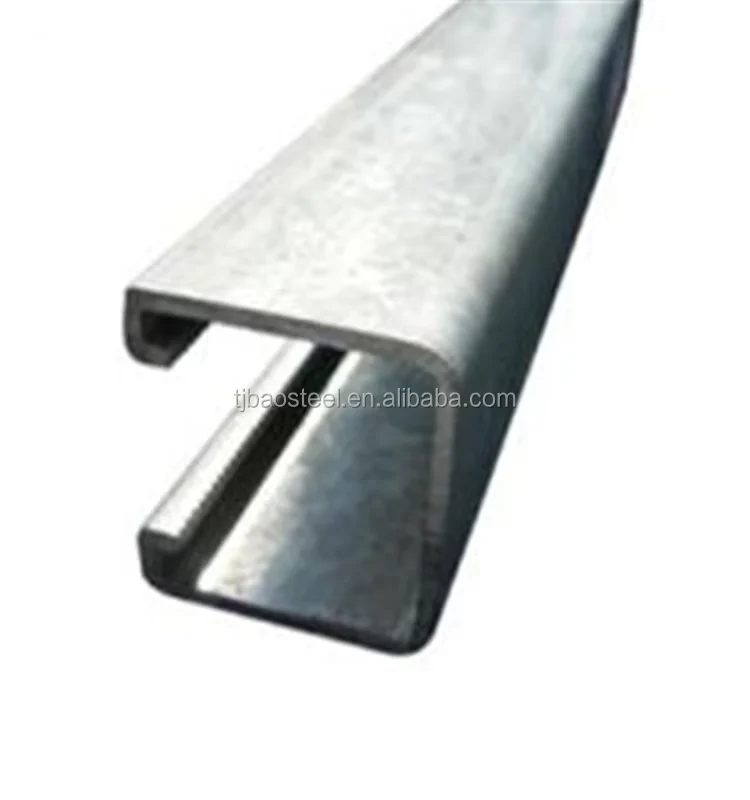
| Section Shape | C Channel |
| Length | As customer requested |
| Technique | Cold Rolled / Hot Rolled |
| Surface Treatment | Black / Bright / Galvanized / Painted |
| Tolerance | ±3% |
| Invoicing | By Theoretical Weight |
| Application | Industrial structure steel bearing brackets, underground engineering steel piles and retaining structures, petrochemical and electric power equipment structures, large span steel bridge components, ship and machinery manufacturing frames, vehicle and tractor beam brackets, port conveyor belts and high-speed damper brackets |
| MOQ | 25 Tons |
Application Suitability
| Industry | Typical Applications |
|---|---|
| Construction | Building frames, bridge components, infrastructure steel procurement |
| Steel Fabrication | Industrial structure bearing brackets, machinery manufacturing frames |
| Petrochemical & Power | Equipment support structures, retaining systems |
| Shipbuilding | Ship frames, port conveyor belts, high-speed damper brackets |
| Transportation | Vehicle and tractor beam brackets |
What Grade Confusion Costs on a C Channel Steel Order
Misidentified steel grades lead to customs rejection, structural rework, or outright project delays.
Buyers sourcing Q235 SS400 C Channel Steel for international projects frequently encounter grade equivalence confusion between GB, ASTM, and JIS standards. A Q235B ordered for a Southeast Asian infrastructure project may arrive at site only to be rejected because the mill test certificate shows chemical composition outside the expected SS400 range. [NEED_CITE: steel grade equivalence between GB, ASTM, and JIS standards] Without verified traceability from heat number to final delivery, fabricators cannot confirm whether the material meets structural design assumptions. Missing or forged certificates compound the problem — entire shipments get held at port pending third-party inspection, adding weeks to project timelines and triggering liquidated damages.
Matching C Channel Steel to Structural Load Requirements
The Q195 through Q345 grade range in Q235 SS400 C Channel Steel covers light-duty bracing to heavy-load bearing brackets. For port conveyor structures and damper brackets, Q235B provides adequate yield strength with good weldability, while Q345B serves high-rise building frames where higher load capacity is critical. Hot rolled sections offer better dimensional stability for long-span bridge components, whereas cold rolled C channels deliver tighter tolerances for precision machinery frames. Custom length cutting reduces on-site waste — a 12-meter bridge component cut to exact specification eliminates field welding and accelerates erection.
Engineering Compliance and Surface Protection Selection
Structural C channel steel must comply with project-specific engineering codes whether EN 1993 for European projects or AISC standards for North American builds. [NEED_CITE: EN 1993 structural steel design requirements] Corrosion environment dictates surface treatment: black finish suits indoor industrial brackets, hot dip galvanized coating protects outdoor bridge components and port structures from salt spray, while painted surfaces allow color matching for architectural applications. Petrochemical equipment supports in corrosive atmospheres require galvanized or specialized painted finishes to prevent premature degradation. CE certification becomes mandatory for EU-bound shipments, while ASTM compliance governs North American procurement.
Understanding Steel Grade Systems and Rolling Techniques
The Q-series (Q195, Q235, Q345) follows Chinese GB standards where the number indicates minimum yield strength in MPa. SS400 represents Japanese JIS G3101 general structural steel with comparable mechanical properties to Q235. Hot rolling produces C channels with uniform grain structure suitable for welding and forming, while cold rolling achieves tighter dimensional control for applications requiring precise fit-up. Surface treatment selection balances cost against service life — galvanized C channels cost more upfront but eliminate maintenance repainting cycles in coastal or industrial environments. The ±3% tolerance specification ensures dimensional consistency across custom-cut lengths, preventing accumulation errors in multi-piece assemblies.
Hidden Costs of Incorrect Material Procurement
Ordering Q235 SS400 C Channel Steel without verified mill test certificates creates cascading project risks. Material arriving with mismatched heat numbers fails third-party inspection, triggering return shipping costs and replacement delays. Negative tolerance abuse — where actual thickness falls below specification — reduces load capacity and violates structural design assumptions, potentially requiring complete frame replacement. [NEED_CITE: structural steel tolerance requirements and quality verification] Customs authorities in developing markets increasingly demand original mill documentation with chemical composition and mechanical test results; forged certificates result in shipment seizure.
Why Source Q235 SS400 C Channel Steel from XJY Plate
Every C channel shipment includes original mill test certificates with verifiable heat numbers, chemical composition, and mechanical properties — no exceptions. Our dedicated plate and coil division maintains ready stock across Q195 through Q345 grades in both hot rolled and cold rolled conditions. Custom cutting service delivers exact lengths to reduce on-site waste, with dimensional inspection reports confirming ±3% tolerance compliance. ISO 9001:2015 and CE certification satisfy international quality requirements, while SGS/BV third-party inspection provides additional verification for critical projects. Professional heavy cargo logistics team handles flatbed and container loading, preventing damage during ocean transit and avoiding overweight penalties at destination ports.
Documentation & Compliance
- Mill test certificate documenting Q235B or SS400 chemical composition and mechanical properties per GB/T 700 or JIS G3101
- CE certificate confirming compliance with European structural steel standards for EU project delivery
- ISO 9001:2015 quality management certificate covering the complete supply chain from mill to delivery
- SGS or BV third-party inspection report available for projects requiring independent verification
- Full material traceability by heat number linking each C channel piece to original mill production records
- Complete customs documentation including packing list, bill of lading, and certificate of origin
Packaging, Loading & Delivery
- Hot rolled Q235B C channels bundled with steel strips and edge protectors to prevent surface damage during handling
- Galvanized C channel steel wrapped with waterproof paper and plastic film to preserve zinc coating during ocean transit
- Custom length pieces stacked with wooden separators to maintain dimensional accuracy and prevent bending
- Container loading optimized by our logistics team to maximize weight utilization while staying within port weight limits
- Each bundle marked with heat number, steel grade, and dimensions for immediate site identification
- FOB, CIF, and DDP shipping terms available with professional flatbed and open-top container expertise
Start Your Q235 SS400 C Channel Steel Inquiry
Submit your specification requirements including steel grade, dimensions, length, surface treatment, quantity, and destination port. We respond within 12 hours with detailed pricing, mill test certificate samples, and shipping options tailored to your project timeline.
Request Your C Channel Steel Quote with Mill Test Certificate
Provide your technical specifications and destination to receive pricing with full material traceability documentation.
Company: Shandong Xin Jiyuan Special Steel Tube Co., Ltd
Website: www.xjyplate.com
Tel: +86 531 8573 6315
Mobile/WhatsApp/WeChat: +86 188 5315 7756
Email: admin@xjyplate.com
Address: No.11889, Jingshi West Road, Lulian Group, Jinan City, Shandong Province, China
Frequently Asked Questions
Q: What is the grade equivalence between Q235B and SS400 for C channel steel?
A: Q235B follows Chinese GB/T 700 standard while SS400 follows Japanese JIS G3101. Both are general structural carbon steels with similar chemical composition and mechanical properties, making them interchangeable for most construction and industrial applications. We provide clear equivalence mapping and original mill test certificates showing exact chemical composition for your verification.
Q: Can you provide third-party inspection for Q235 SS400 C Channel Steel?
A: Yes, SGS and BV third-party inspection services are available for all C channel steel shipments. The inspection covers dimensional verification, surface quality, and material traceability confirmation. We coordinate directly with the inspection agency at our facility to minimize delays.
Q: What is the minimum order quantity for custom length C channel steel?
A: The MOQ for Q235 SS400 C Channel Steel is 25 tons. Custom length cutting service is available within this quantity, allowing you to order exact lengths to reduce on-site waste and fabrication time.
Q: How do you ensure material traceability for C channel steel?
A: Every piece of C channel steel carries an original mill test certificate with unique heat number. This heat number links the material to its original production batch, chemical composition records, and mechanical test results. Full traceability from mill to delivery is maintained throughout the supply chain.
Q: What surface treatment options are available for C channel steel?
A: We offer black finish, bright finish, hot dip galvanized, and painted surface treatments. Black and bright finishes suit indoor applications, hot dip galvanized provides corrosion protection for outdoor and marine environments, while painted finishes allow color customization for architectural projects.