
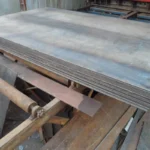
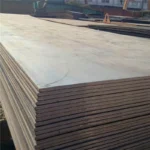
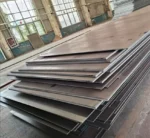
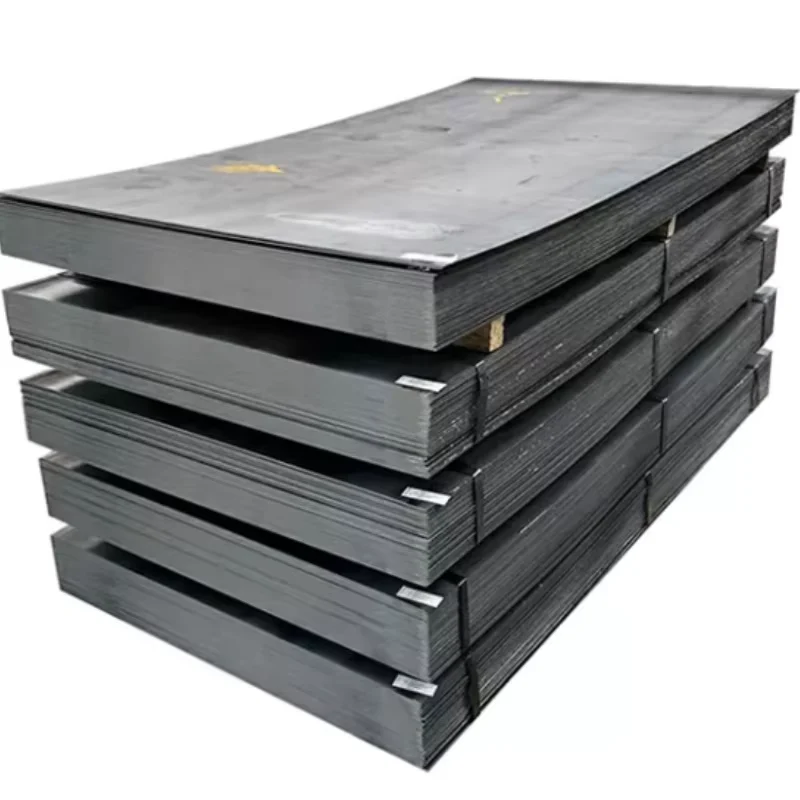
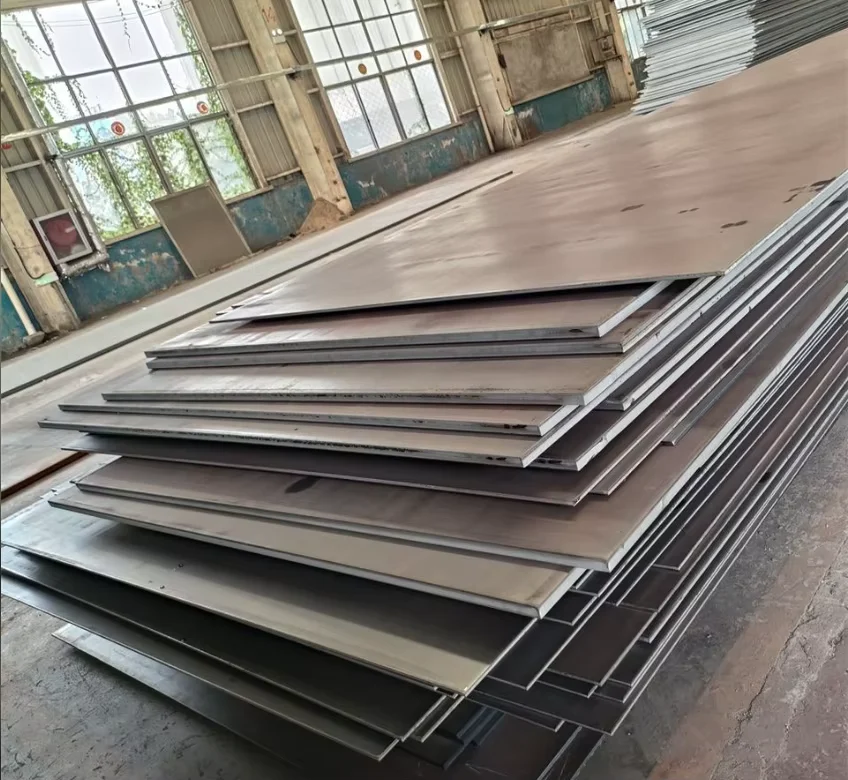
Description
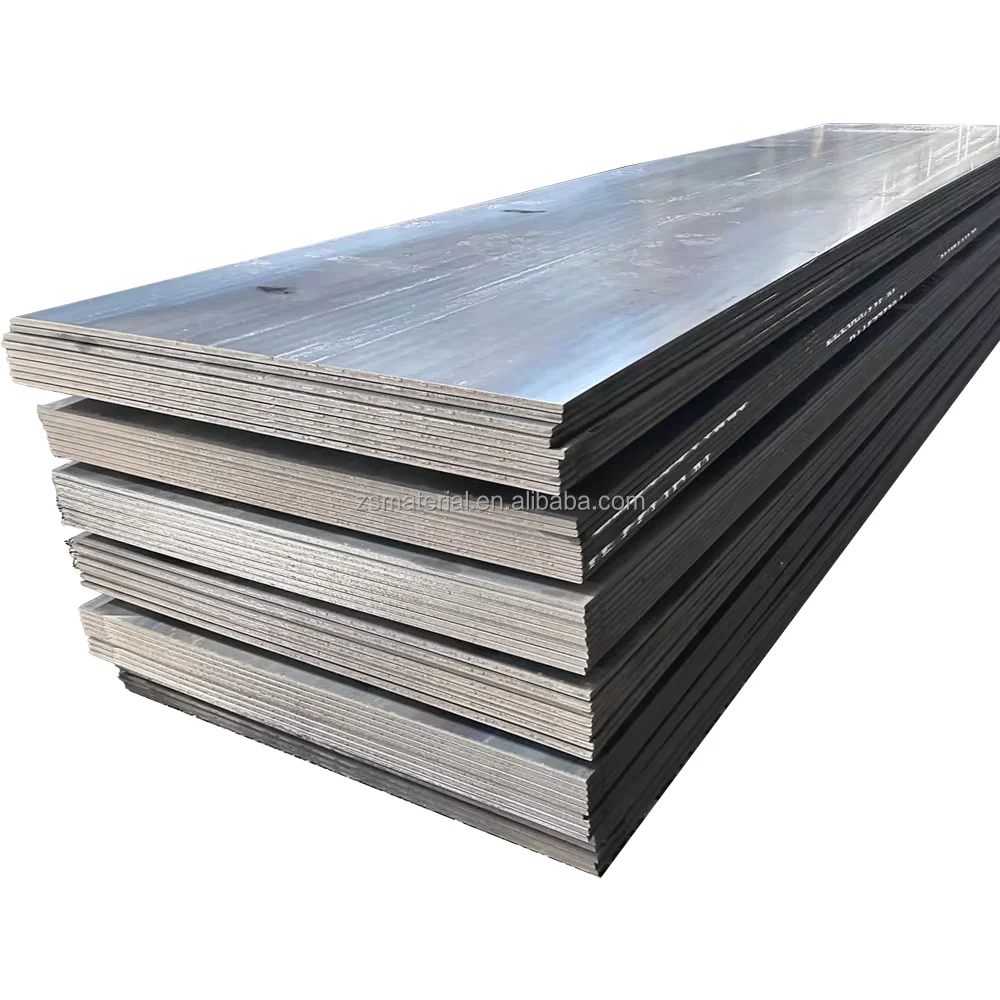
One-Stop Certified Plate Sourcing — Every ASTM A36, Q235, and St37 hot rolled carbon steel plate ships with original mill test certificates and verified heat numbers for full traceability.
Technical Specifications
| Parameter | Value |
|---|---|
| Designation | ASTM A36 / Q235 / St37 Hot Rolled Carbon Steel Plate |
| Product Type | Steel Plate |
| Steel Grade | ASTM A36, Q235, St37 |
| Standard | ASTM A36, GB/T 700 (Q235), DIN EN 10025 (St37) |
| Technique | Hot Rolled |
| Surface Treatment | Hot Rolled Finish |
| Length | Custom cut-to-size available |
| Width | Multiple width options available |
| Application | Shipbuilding, Construction, Structural fabrication, Bending, Welding, Cutting |
Application Suitability
| Industry | Typical Applications |
|---|---|
| Shipbuilding | Hull stiffeners, deck plating, bulkhead frames for commercial vessels |
| Construction | Column base plates, beam splice connections, bridge gusset plates |
| Structural Fabrication | Warehouse portal frames, crane runway beams, equipment support bases |
| General Engineering | Machine bases, conveyor supports, platform grating subframes |
Grade Confusion Across ASTM, GB, and EN Standards Costs More Than the Plate Itself
ASTM A36, Q235, and St37 are functionally interchangeable in most structural applications — but only if chemical composition and mechanical delivery conditions are verified per heat number.
Procurement teams routinely specify one standard while receiving material certified to another, with no cross-reference documentation. A Q235 plate stamped without proper equivalence mapping to ASTM A36 can trigger rejection at port inspection, especially in markets requiring EN 10204 3.1 format certificates. The real cost is not the material price difference — it is the project delay when the structural engineer refuses to sign off on unverified chemistry. [NEED_CITE: steel grade equivalence between ASTM A36, Q235, and St37 standards]
Matching Hot Rolled Plate to Structural and Fabrication Demands
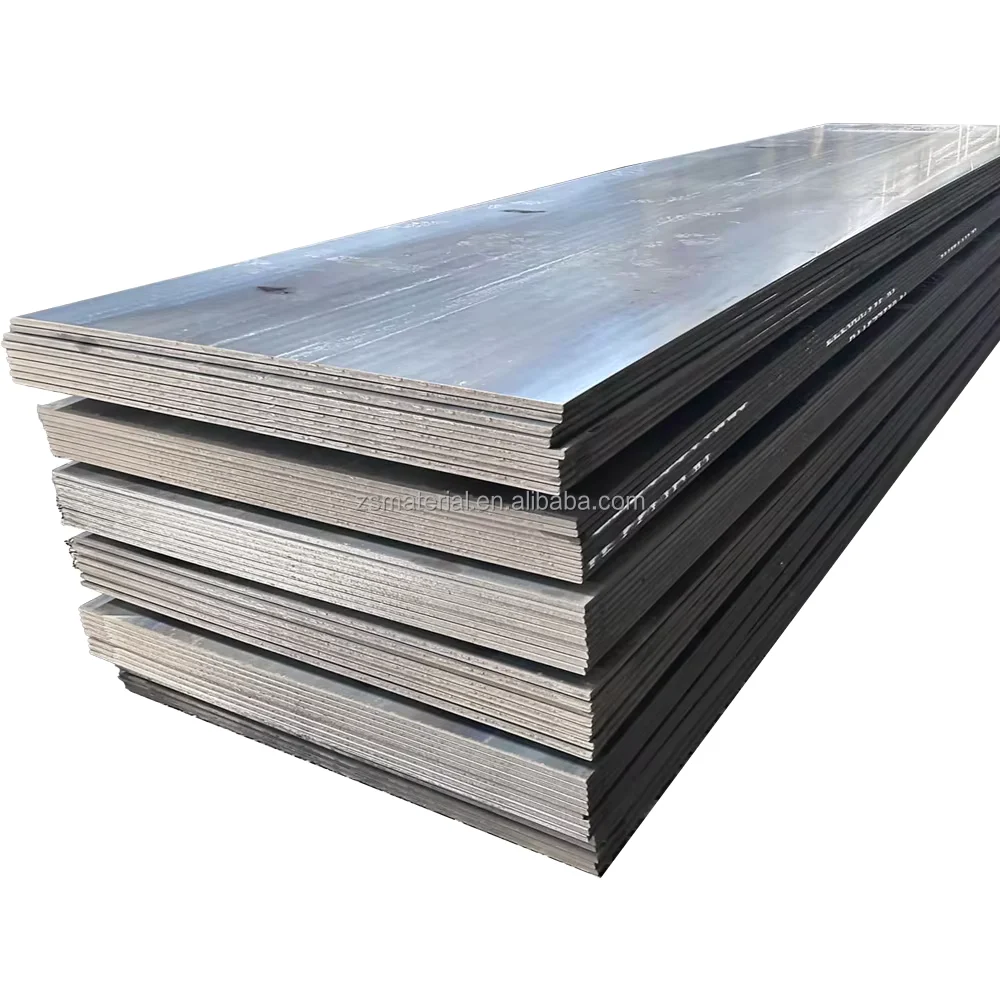
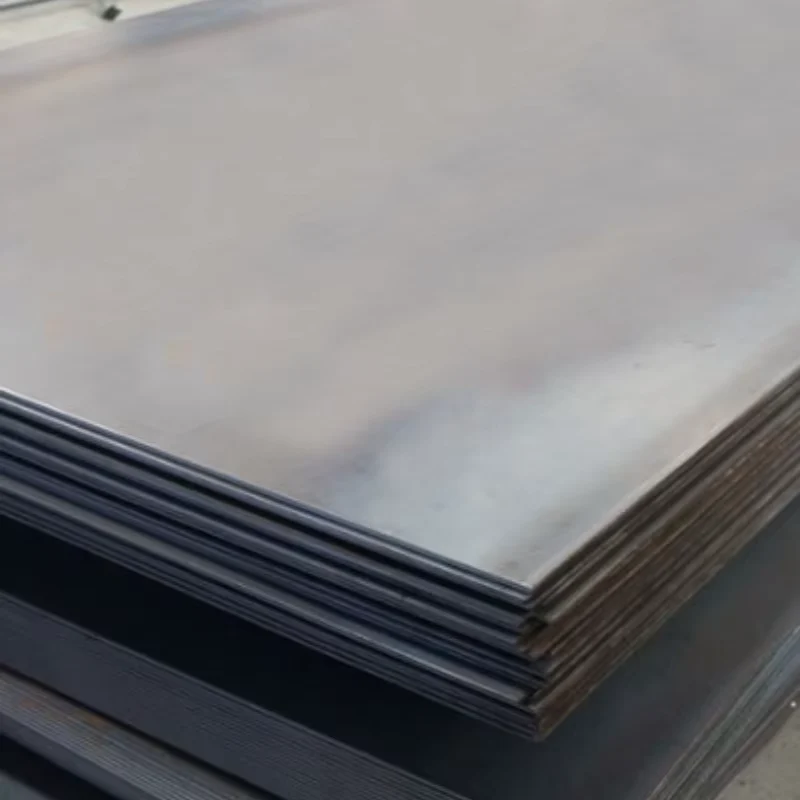
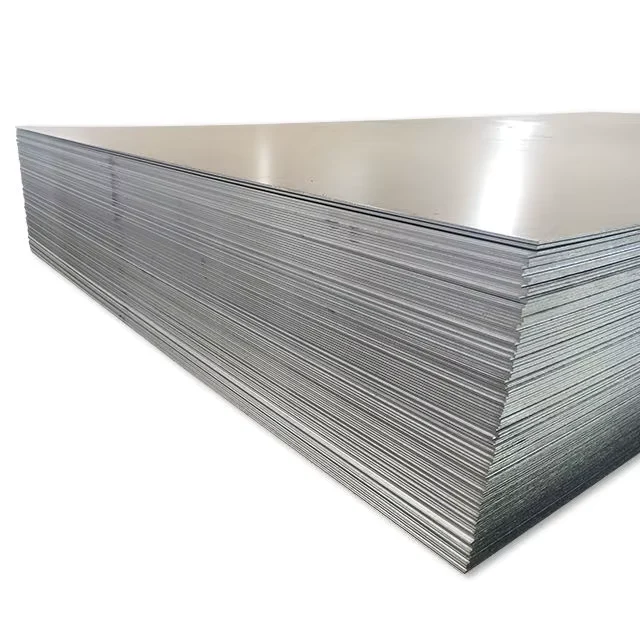
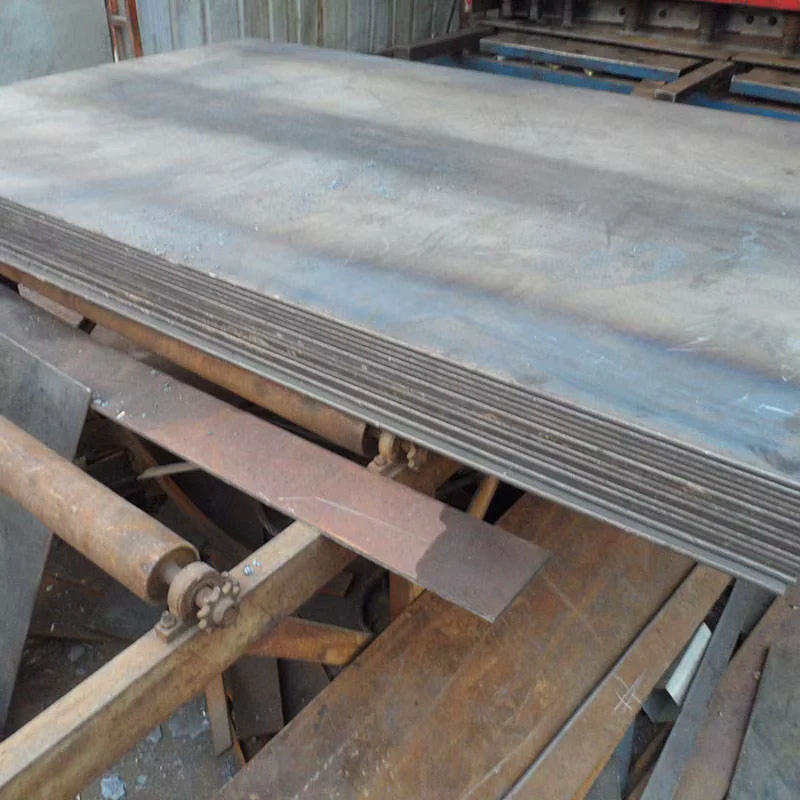
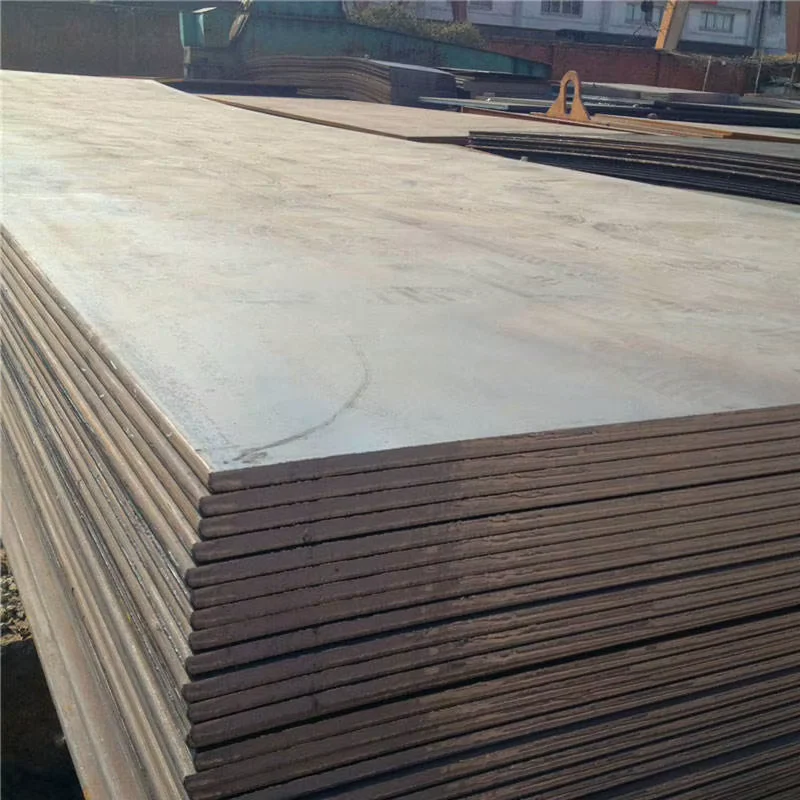
Hot rolled carbon steel plate in ASTM A36, Q235, and St37 grades delivers consistent formability for bending and welding across building frames, ship stiffeners, and equipment bases. The hot rolled finish provides a mill scale surface that accepts standard primer systems without additional shot blasting in non-marine environments. For shipbuilding applications, the plate must carry classification society endorsement beyond the base mill certificate — a detail often overlooked until the vessel surveyor arrives at the yard.
Engineering Compliance and Certification Requirements
Structural projects governed by AISC or EN 1993 require documented proof that delivered plate chemistry conforms to the specified grade, with particular attention to carbon equivalent values for weldability. [NEED_CITE: EN 10204 inspection document types for steel plates] Hot rolled plates in Q235 and ASTM A36 are routinely used in non-cryogenic, non-pressure applications where impact testing is not mandatory — but buyers in seismic zones or cold climates must explicitly request Charpy V-notch data. Customs clearance in the EU increasingly demands CE marking traceability, while Middle East and African ports accept ASTM or GB certifications with proper embassy attestation when required.
Understanding Hot Rolled Carbon Steel Plate Grades and Production
The ASTM A36 specification defines a minimum yield point suitable for general structural use, while Q235 under Chinese GB standards offers comparable performance with slightly different manganese and silicon ranges. St37, now largely superseded by S235JR in EN standards, remains specified in legacy projects across Africa and parts of Asia. The hot rolling process produces plate with uniform grain structure through controlled reheating and finishing temperatures, resulting in consistent mechanical properties across the width. Surface quality from hot rolling shows characteristic mill scale that provides short-term corrosion resistance during storage and transit — but must be removed before painting in aggressive environments. Thickness tolerance on hot rolled plate follows standard mill practices, and buyers should confirm whether pricing is based on theoretical or actual weight, as negative tolerance practices vary significantly between suppliers. [NEED_CITE: hot rolled vs cold rolled steel plate surface finish and tolerance differences]
Hidden Costs of Unverified Plate Procurement
Accepting plates without original mill test certificates or with mismatched heat numbers creates compounding risks: structural engineers may reject the entire batch during inspection, customs authorities can hold shipments pending chemical re-testing, and fabrication workshops discover weld cracks only after cutting has begun. Grade substitution without documented equivalence — such as shipping Q235 against an ASTM A36 purchase order — violates most construction specifications and voids project insurance coverage. The cost of proper documentation is marginal compared to the expense of returning a container of non-conforming plate or rebuilding a welded assembly that failed ultrasonic testing. [NEED_CITE: consequences of missing mill test certificates in steel construction projects]
Procurement Assurance from XJY Plate
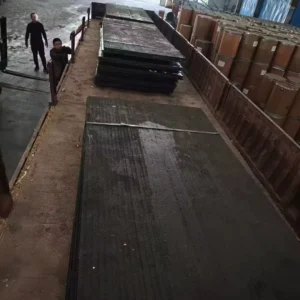
Every hot rolled carbon steel plate in ASTM A36, Q235, or St37 is supplied with original mill test certificates showing heat number, chemical composition, and mechanical test results — verified against the physical stock before dispatch. Our dedicated plate division maintains ready inventory across common thicknesses and widths, eliminating the full-coil minimum order constraints that force small fabricators to over-order. Custom cutting services include plasma and flame cutting, leveling, and blanking to exact project dimensions, reducing on-site waste and labor costs. Professional heavy cargo loading using flatbed trailers, open-top containers, and break-bulk methods ensures plates arrive without edge damage or thickness deformation from improper stacking. Third-party inspection through SGS or BV is available for buyers requiring independent verification before shipment.
Documentation & Compliance
- Mill test certificate documenting ASTM A36, Q235, or St37 chemical composition and mechanical properties per respective standard, with heat number traceability
- ISO 9001:2015 quality management certificate covering plate processing and supply operations
- SGS or BV third-party inspection report available upon request for independent chemical and dimensional verification
- Material traceability records linking each plate to original heat number, rolling schedule, and test certificate
- Export customs documents including packing list, bill of lading, and certificate of origin formatted for destination port requirements
Packaging, Loading & Delivery
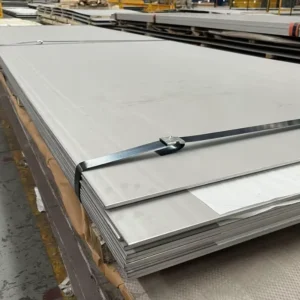
- Hot rolled carbon steel plates bundled with steel straps and edge protectors to prevent surface scratching and edge damage during ocean transit
- Custom cut-to-size plates separated by interleaving material and marked with heat number, grade, and dimensions for on-site identification
- Open-top container or flatbed loading optimized for plate weight distribution, avoiding overweight penalties and port handling delays
- Break-bulk shipping available for oversized plates exceeding container dimensions, with professional lashing and chocking for vessel transport
- FOB, CIF, and DDP delivery terms supported with complete export documentation and real-time shipment tracking until port arrival
Initiating Your Plate Procurement Inquiry
Submit your required steel grade, thickness, width, length, quantity, and destination port to receive a detailed quotation including material cost, processing fees, and shipping terms within twelve hours. We provide original mill test certificates for review before contract confirmation, ensuring chemical composition and mechanical properties meet your project specification. For custom cut-to-size requirements, share your fabrication drawings or cutting lists to receive optimized nesting proposals that minimize material waste.
Request Your ASTM A36 Q235 St37 Hot Rolled Carbon Steel Plate Quotation
Send your specifications and destination details to receive pricing, mill test certificates, and delivery options.
Company: Shandong Xin Jiyuan Special Steel Tube Co., Ltd
Website: www.xjyplate.com
Tel: +86 531 8573 6315
Mobile/WhatsApp/WeChat: +86 188 5315 7756
Email: admin@xjyplate.com
Address: No.11889, Jingshi West Road, Lulian Group, Jinan City, Shandong Province, China
Frequently Asked Questions
Q: How do ASTM A36, Q235, and St37 compare in chemical composition and mechanical properties?
A: These three grades are functionally equivalent for most general structural applications, with similar yield strength ranges and carbon content. The primary differences lie in manganese and silicon percentages, which affect weldability and forming characteristics. We provide detailed cross-reference documentation showing chemical composition equivalence for each heat number, enabling your engineering team to approve material substitution when original specification stock is unavailable.
Q: Can you provide original mill test certificates and support third-party re-inspection?
A: Yes, every plate ships with original mill test certificates showing heat number, chemical composition, and mechanical test results. We support SGS, BV, or other accredited third-party inspection agencies for pre-shipment verification at our facility. The inspection report is provided alongside the mill certificate and export documents for your records and customs clearance.
Q: What is the minimum order quantity for cut-to-size plates versus full-size plates?
A: Our dedicated plate division maintains ready stock across common specifications, allowing smaller quantities for cut-to-size orders without the full-coil minimum constraints typical of direct mill purchases. Specific minimum order quantities depend on thickness, width, and grade availability — submit your cutting list for exact pricing and lead time confirmation.
Q: How do you control thickness tolerance and flatness on hot rolled plates?
A: Hot rolled plates are produced to standard mill tolerance practices, with thickness measured at designated points across the plate width. We provide dimensional inspection reports showing actual measurements against nominal specifications. For applications requiring tighter flatness control, leveling services are available to correct camber and edge wave before dispatch.
Q: How are heavy steel plates loaded and documented for international shipment?
A: Plates are loaded using flatbed trailers, open-top containers, or break-bulk methods depending on dimensions and weight. Professional lashing, chocking, and weight distribution planning prevent damage during transit. Complete export documentation including packing list, bill of lading, mill test certificates, and certificate of origin is provided for customs clearance at destination port.