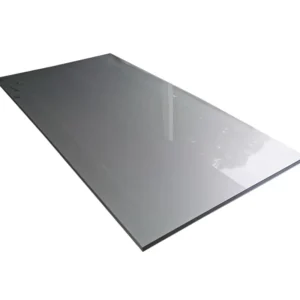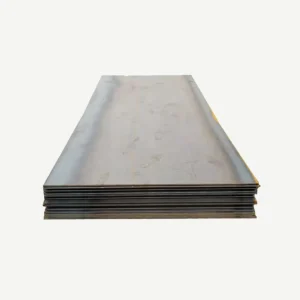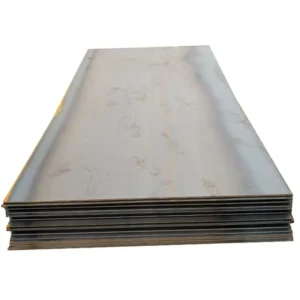
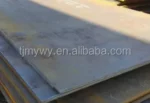
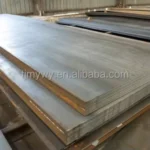
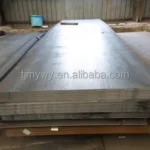
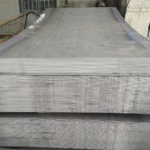
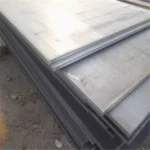
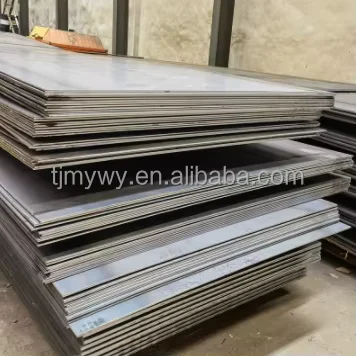
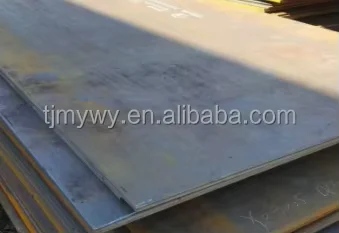
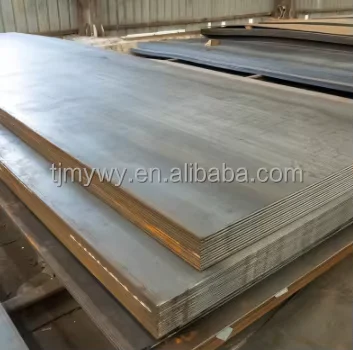
Description
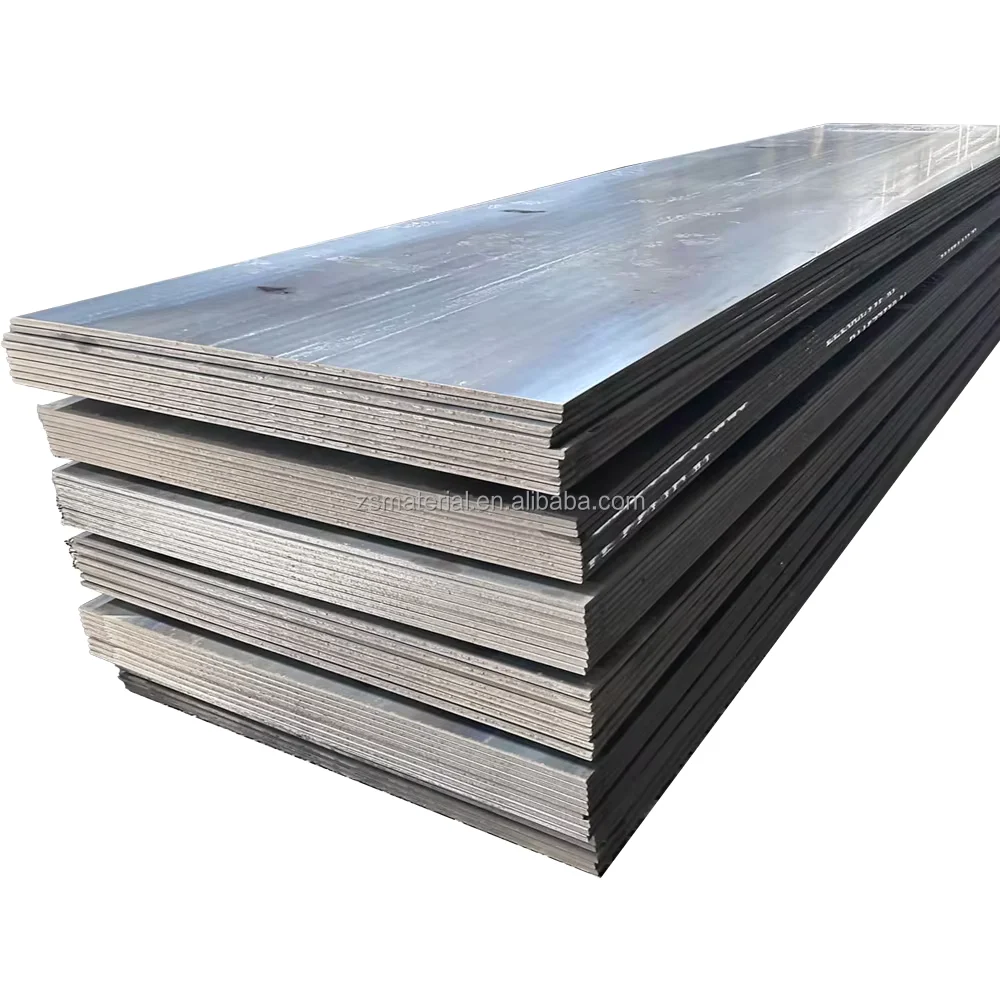
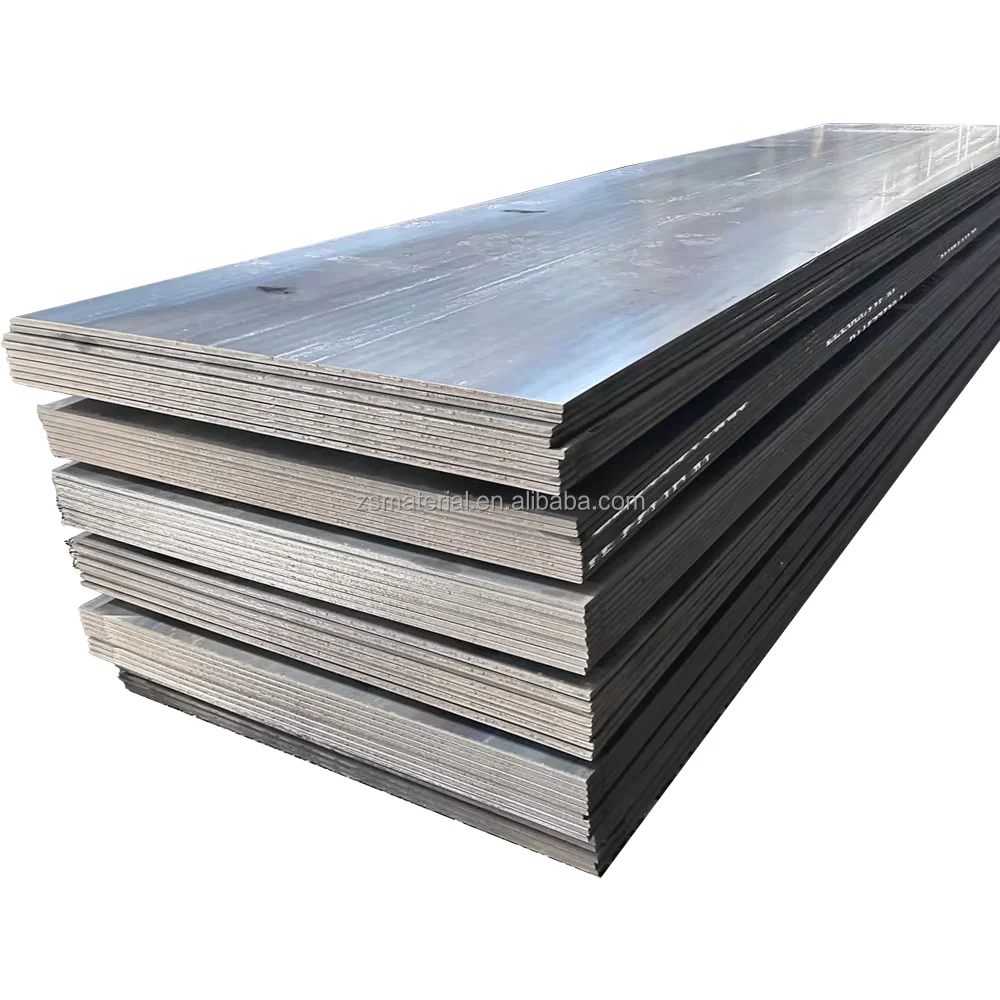
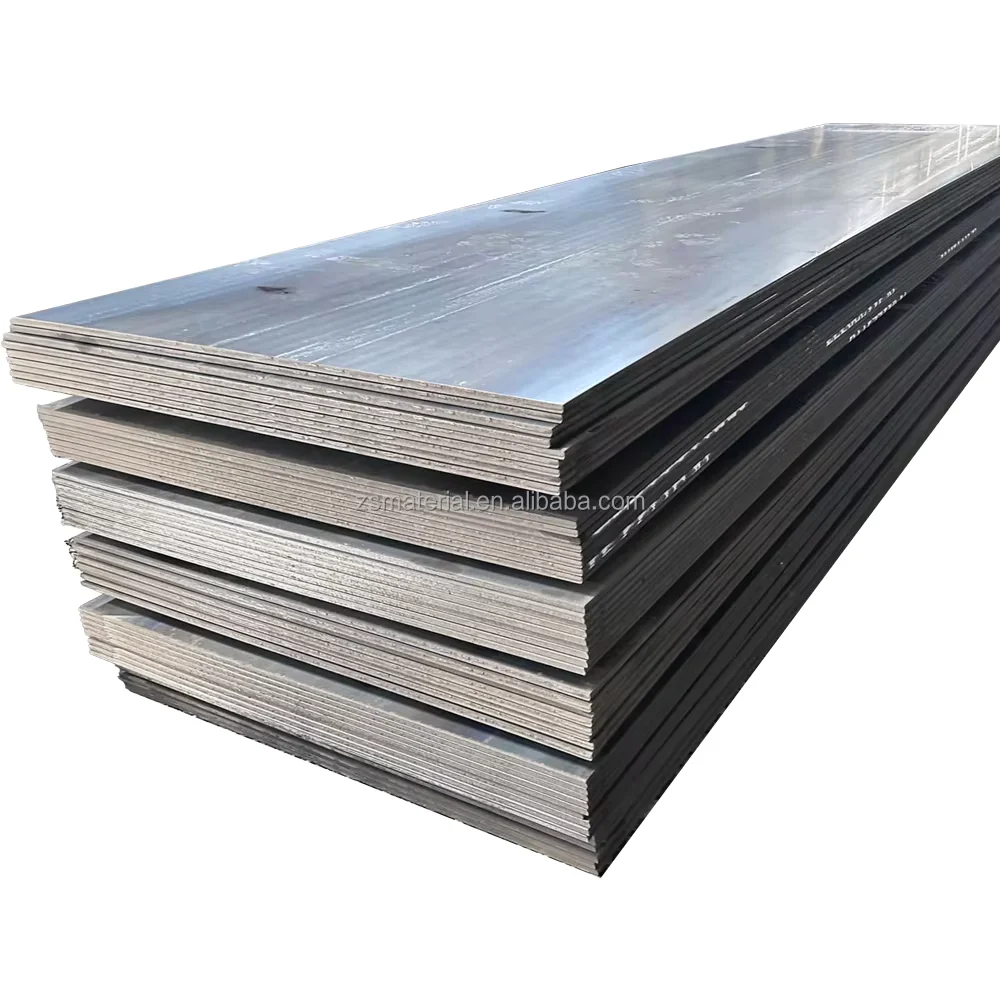
Factory-Direct Supply, No Middlemen — Every ASTM A36, Q235, and St37 hot rolled carbon steel plate ships directly from mill stock with original test certificates, cutting out trader markups on heavy structural orders.
Technical Specifications
| Parameter | Value |
|---|---|
| Designation | ASTM A36/Q235/St37 Hot Rolled Carbon Steel Plate |
| Product Type | Steel Plate |
| Steel Grade | ASTM A36, Q235, St37 |
| Standard | ASTM A36, GB Q235, DIN St37 |
| Technique | Hot Rolled |
| Surface Treatment | Hot Rolled Finish |
| Length | Custom Lengths Available |
| Width | Multiple Width Options Available |
| Application | Heavy-duty construction projects / Structural steel fabrication |
| Origin | China |
Application Suitability
| Industry | Typical Applications |
|---|---|
| Heavy Construction | Building frames, column base plates, floor grating supports |
| Infrastructure | Bridge gusset plates, highway sign gantry structures |
| Structural Fabrication | Welded beam-to-column connections, equipment support frames |
| Industrial Facilities | Crane runway beams, mezzanine floor platforms |
Grade Equivalence Confusion Still Costs Projects Weeks of Delay
ASTM A36, Q235, and St37 are not identical — and treating them as interchangeable is how shipments get rejected at site inspection.
I have watched entire container loads of hot rolled plate sit in a Dubai laydown yard because the engineer specified ASTM A36 per American code, the mill shipped Q235 per Chinese standard, and the chemical composition did not match the project specification sheet. The carbon and manganese ranges overlap but are not equivalent, and no amount of re-stamping fixes that. When sourcing an ASTM A36 Q235 St37 hot rolled carbon steel plate supplier, the first question should never be price — it should be whether the supplier can guarantee grade-specific compliance with documented traceability. [NEED_CITE: steel grade equivalence between ASTM, GB, and DIN standards]
Matching Hot Rolled Finish to Structural Fabrication Demands
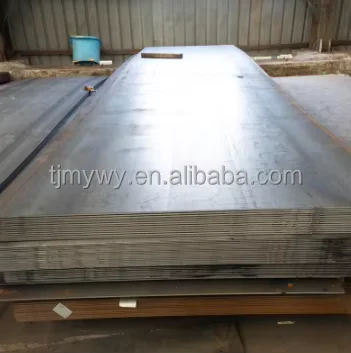
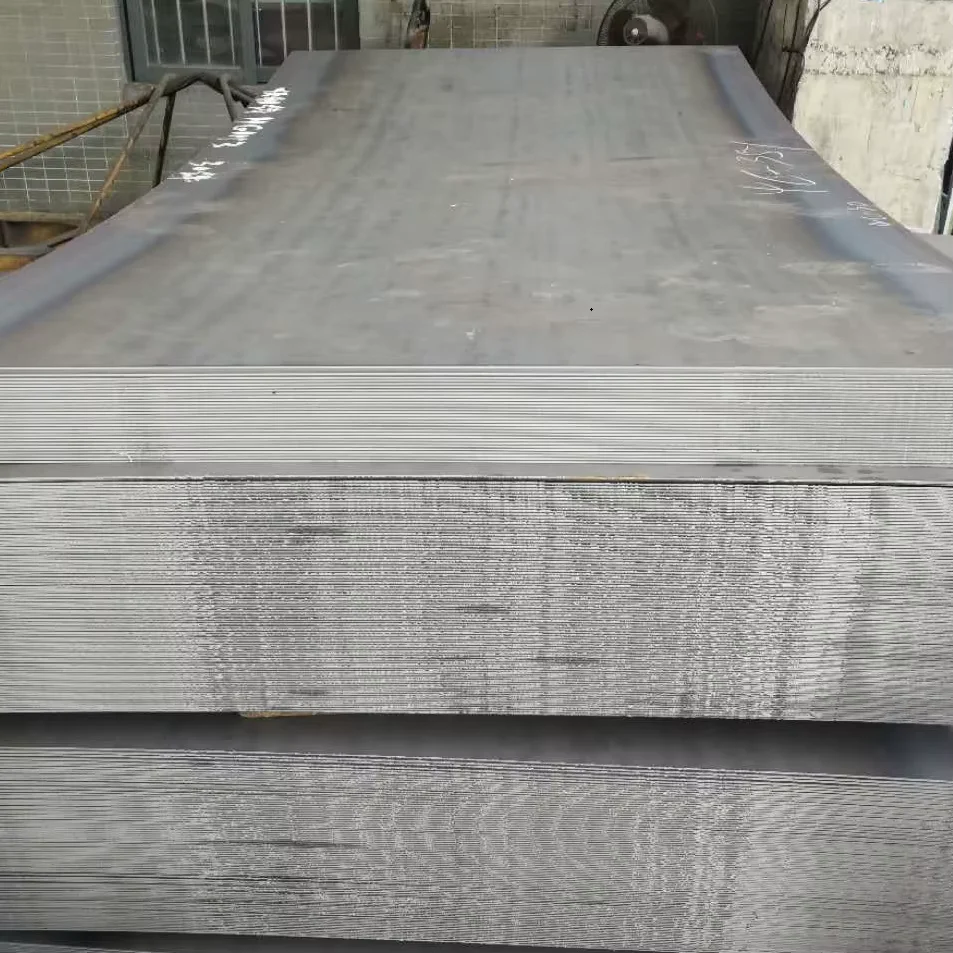
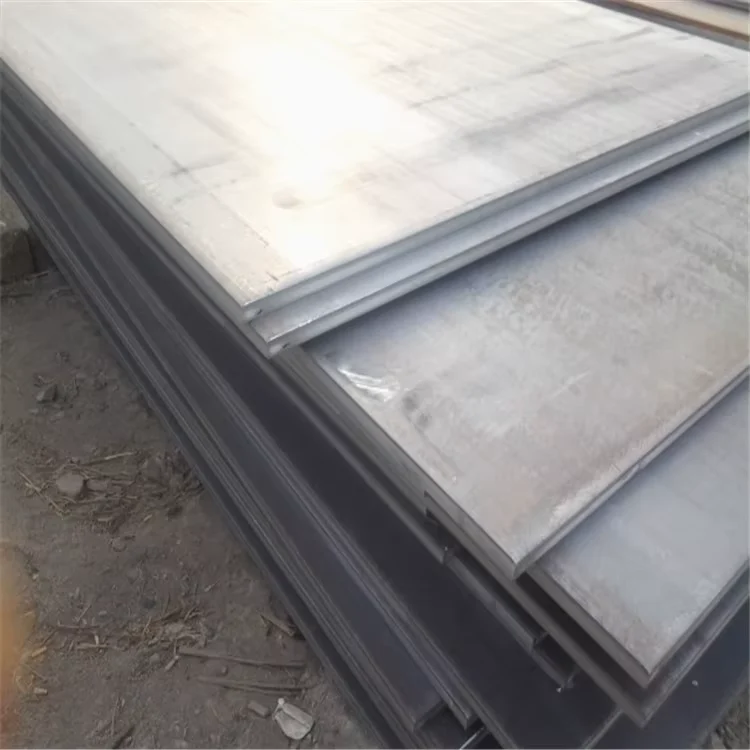
Hot rolled carbon steel plates in ASTM A36, Q235, and St37 grades deliver a mill scale surface that accepts primer coatings directly after blast cleaning, making them suitable for structural frames where welding and bolting are the primary connection methods. The hot rolled process produces uniform thickness across the plate width, which matters when fabricators are cutting flange plates and web plates to fit into moment connections — dimensional inconsistency forces rework on the shop floor. We supply custom lengths and multiple width options so that fabricators receive plates cut to near-net dimensions, reducing on-site waste and secondary cutting costs. Every plate carries a heat number that traces back to the original slab, so when the inspector asks for the mill test certificate, the documentation matches the physical product stamped on the plate edge.
Engineering Compliance and Certification Requirements
Structural steel plates used in load-bearing frames must conform to the mechanical and chemical requirements of the governing code — ASTM A36 for projects following AISC specifications, Q235 for Chinese-designed infrastructure, and St37 for European-standard structures. Each standard defines acceptable ranges for carbon, manganese, silicon, sulfur, and phosphorus content, and the mill test certificate must document these values against the specific heat number. [NEED_CITE: ASTM A36 mechanical and chemical requirements per AISC] For projects requiring third-party verification, SGS or BV inspection can be arranged before shipment to confirm that the delivered plates match the ordered grade. Plates intended for welded connections also need to demonstrate acceptable carbon equivalent values to avoid hydrogen-induced cracking, which is where the MTC becomes a critical document rather than a formality.
Understanding Hot Rolled Carbon Steel Grade Selection
ASTM A36, Q235, and St37 all occupy the mild carbon steel category, but they originate from different standardization systems — American, Chinese, and German respectively — and their chemical compositions reflect the metallurgical conventions of each system. ASTM A36 typically allows slightly higher carbon content than Q235, which affects weldability in thick sections where heat input control becomes important. St37, now largely superseded by S235JR in current EN standards, remains specified on legacy projects across the Middle East and Africa where engineers continue to reference DIN designations. The hot rolling process itself involves reheating slabs above recrystallization temperature and passing them through successive roll stands, which produces the characteristic mill scale surface and delivers mechanical properties suitable for general structural use without additional heat treatment. [NEED_CITE: hot rolling process effects on carbon steel plate properties] When selecting among these three grades for a single project, the decision should follow the structural engineer’s specification rather than cost differentials, because substitution after delivery creates documentation mismatches that can halt project approval.
The Hidden Cost of Unverified Mill Certificates
Accepting a mill test certificate that cannot be cross-referenced to the heat number stamped on the plate is how projects discover, during structural inspection, that the delivered material does not match the specification. The consequences are not abstract — they include rejected weld procedures, failed ultrasonic testing on critical connections, and in worst cases, partial demolition of erected frames. An ASTM A36 Q235 St37 hot rolled carbon steel plate supplier who cannot provide traceable documentation from slab to finished plate is transferring risk from their balance sheet to yours. [NEED_CITE: consequences of forged mill test certificates in structural steel] Negative tolerance practices compound the problem: plates that measure below the ordered thickness pass visual inspection but reduce the load-carrying capacity of the structural member, creating a safety concern that only emerges under load testing or during a forensic investigation after a failure.
Why Procurement Teams Source Hot Rolled Plate From Us
We maintain dedicated stock of ASTM A36, Q235, and St37 hot rolled plates in common thicknesses and widths, so project timelines are not held hostage by mill rolling schedules. Every plate leaves our warehouse with an original mill test certificate showing chemical composition and mechanical properties tied to the specific heat number — not a generic template. Our processing capability includes plasma and flame cutting to custom dimensions, so fabricators receive plates ready for fit-up rather than spending labor on secondary cutting. We hold ISO 9001:2015 certification and Lloyd’s CE marking, and we arrange SGS or BV third-party inspection for clients who require independent verification before shipment. Heavy plate logistics require specialized handling — we load using flatbed trailers and open-top containers with proper weight distribution to avoid port overweight penalties and transit damage.
Documentation & Compliance
- Mill test certificate documenting ASTM A36, Q235, or St37 chemical composition and mechanical properties per respective standard, linked to heat number
- ISO 9001:2015 quality management certificate covering plate supply and processing operations
- SGS or BV third-party inspection report available upon request for pre-shipment verification of grade and dimensions
- Material traceability documentation connecting each plate to its original slab heat number for project audit compliance
- Export customs documents including packing list, bill of lading, and certificate of origin formatted for destination port requirements
- Lloyd’s CE certificate for plates intended for European market projects requiring notified body compliance
Packaging, Loading & Delivery
- Hot rolled carbon steel plates bundled with steel straps and edge protectors to prevent surface damage to the mill scale finish during transit
- Custom-cut plates separated by wooden dunnage within bundles to maintain dimensional accuracy and prevent edge deformation
- Open-top container or flatbed loading optimized for plate weight distribution, avoiding overweight axle limits at destination ports
- Heat number and grade identification marked on each plate edge for site verification against mill test certificates
- FOB, CIF, and DDP shipping terms available with full export documentation for ASTM A36, Q235, and St37 plates
- Professional heavy cargo handling experience ensuring plates arrive without bending or surface contamination
Getting Your Quotation Started
Send your specification sheet listing steel grade, thickness, width, length, and quantity along with your destination port, and we respond within hours with pricing, processing options, and available mill test certificate documentation. If your project requires custom cutting to size or third-party inspection before shipment, include those requirements in your initial inquiry so we can factor processing time and inspection fees into the quotation. We confirm grade availability, processing lead time, and shipping schedule before you commit to a deposit.
Frequently Asked Questions
Q: What is the difference between ASTM A36, Q235, and St37 for structural applications?
A: These grades originate from American, Chinese, and German standards respectively. While all three are mild carbon steel suitable for general structural use, their chemical composition ranges differ slightly, and project specifications typically mandate one specific grade based on the governing design code.
Q: Can you provide mill test certificates for third-party verification?
A: Yes, every plate ships with an original mill test certificate showing chemical composition and mechanical properties tied to the heat number. We also arrange SGS or BV third-party inspection before shipment for clients who require independent verification.
Q: What is the minimum order quantity for custom-cut plates?
A: We offer custom cutting to size for ASTM A36, Q235, and St37 hot rolled plates. Contact us with your required dimensions and quantities so we can confirm availability and processing lead time.
Q: How do you handle thickness tolerance on hot rolled plates?
A: Our hot rolled plates are supplied per standard mill tolerance for the ordered grade and thickness. We provide dimensional reports with inspection documentation so you can verify that delivered plates meet your project requirements.
Q: Can you ship heavy plates to remote project sites?
A: Yes, we handle flatbed and open-top container loading for heavy plate shipments and provide FOB, CIF, and DDP terms. Our logistics team plans weight distribution to avoid overweight penalties at destination ports.
Request Your ASTM A36 Q235 St37 Hot Rolled Carbon Steel Plate Quotation
Submit your grade, dimensions, quantity, and destination to receive pricing with mill test certificate documentation and processing options.
Company: Shandong Xin Jiyuan Special Steel Tube Co., Ltd
Website: www.xjyplate.com
Tel: +86 531 8573 6315
Mobile/WhatsApp/WeChat: +86 188 5315 7756
Email: admin@xjyplate.com
Address: No.11889, Jingshi West Road, Lulian Group, Jinan City, Shandong Province, China