
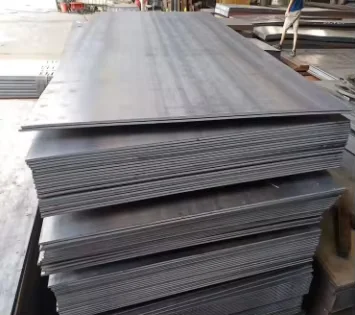
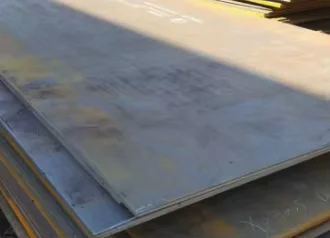
Description
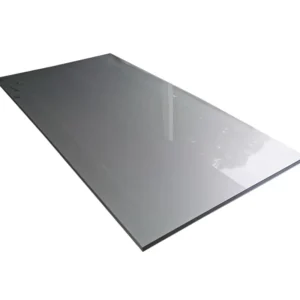
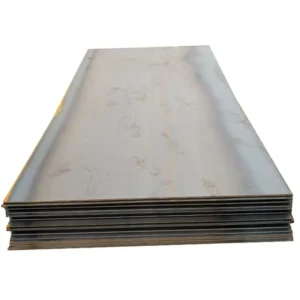
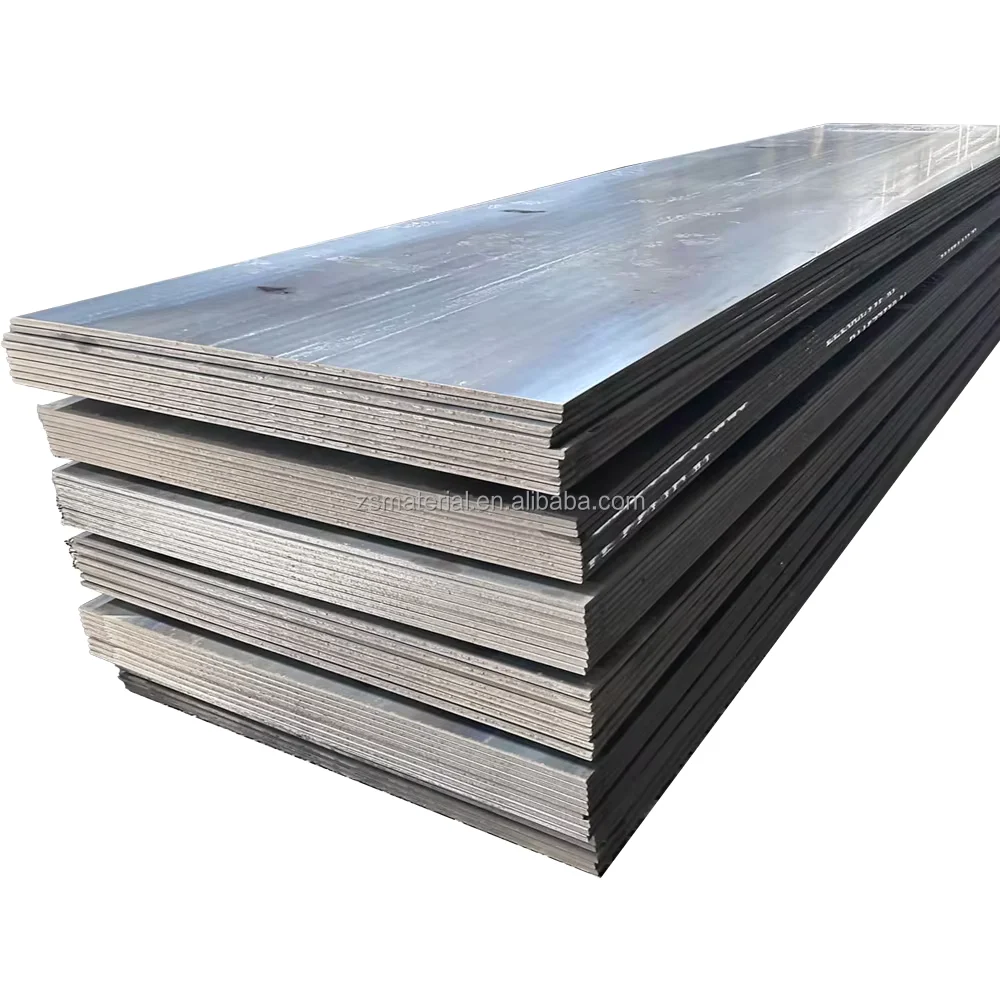
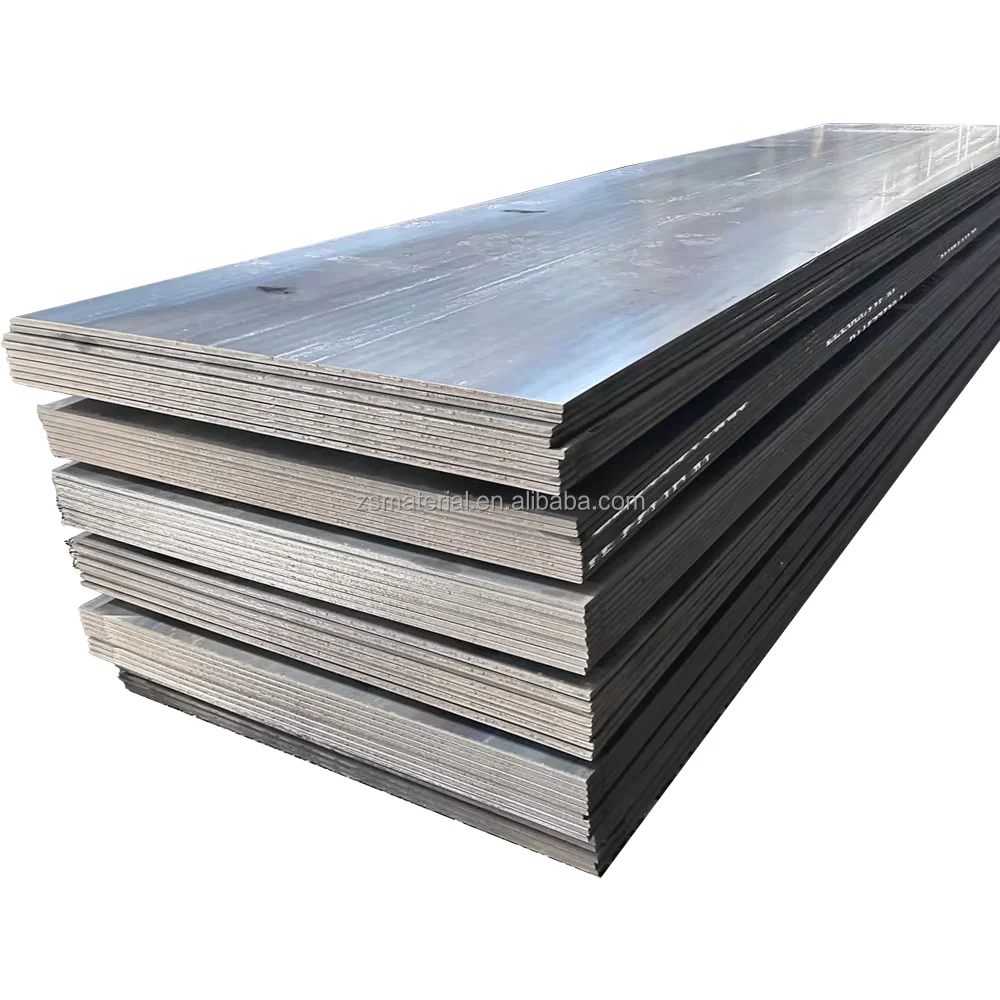
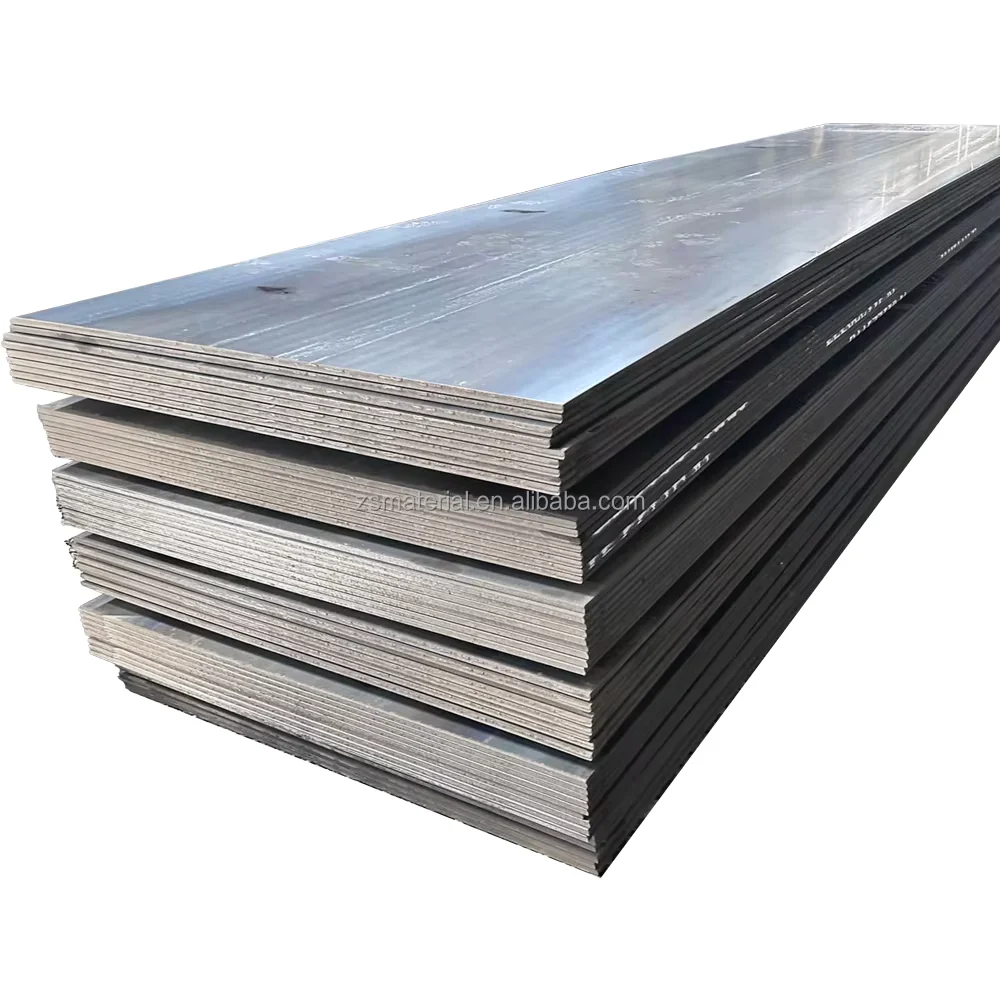
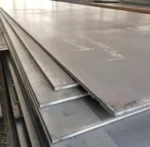
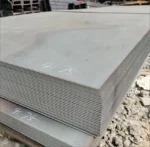
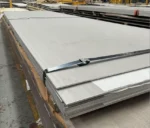
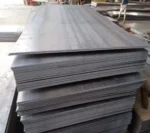
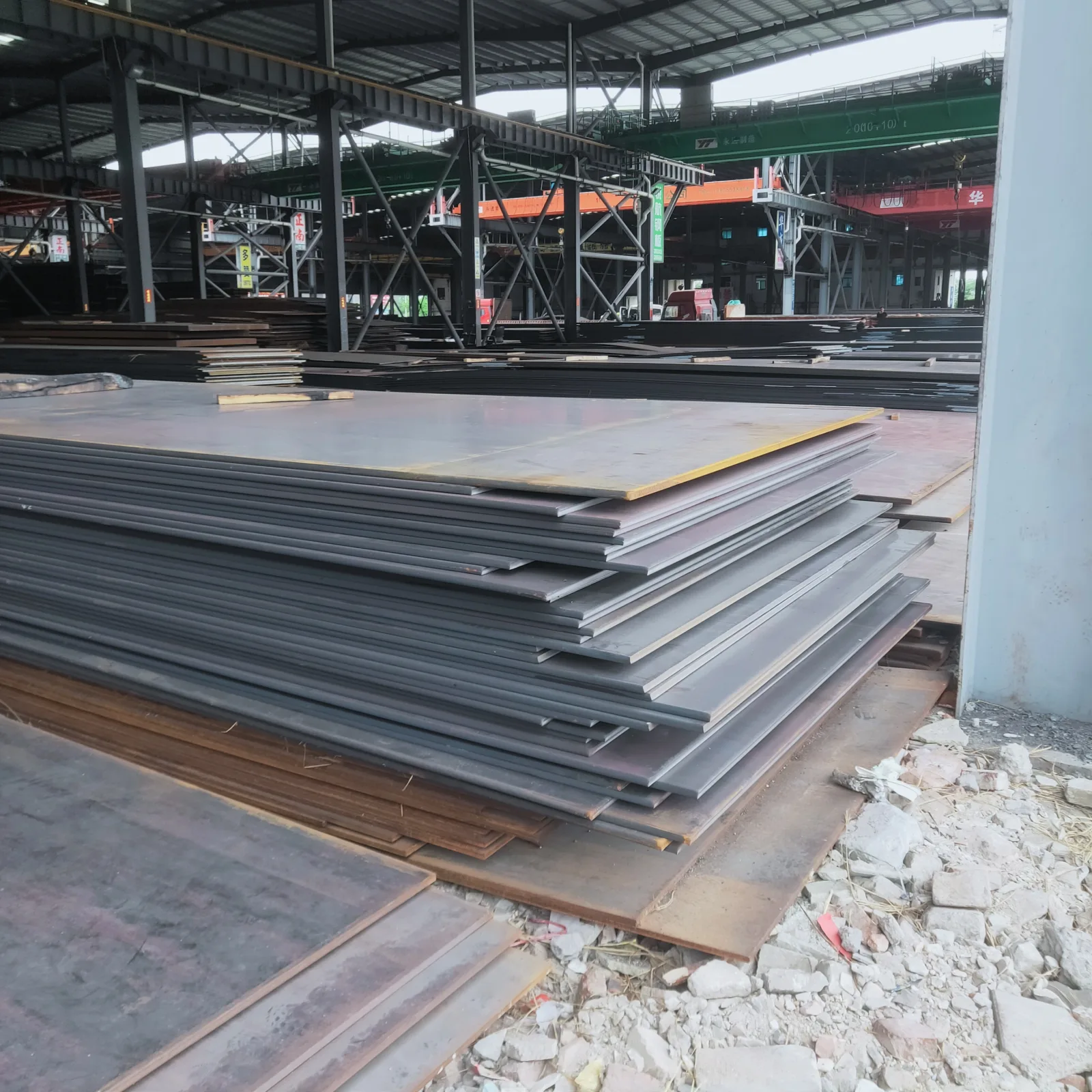
Factory-Direct Hot-Rolled Plates — every Q235 carbon steel plate shipped from XJY Plate carries an original mill test certificate traceable to heat number, with no trading-company markup in the price.
Technical Specifications
| Parameter | Value |
|---|---|
| Designation | Q235 Carbon Steel Plate |
| Product Type | Steel Plate |
| Steel Grade | Q235, Q345, SS400, A36, S235JR, S355JR, St37-2, Q195, Q460 |
| Standard | AISI, ASTM, BS, DIN, GB, JIS |
| Section Shape | Flat Plate |
| Size Range | Thickness 0.35-200mm, Width 1000-2500mm, Length 2000-12000mm |
| Technique | Hot Rolled |
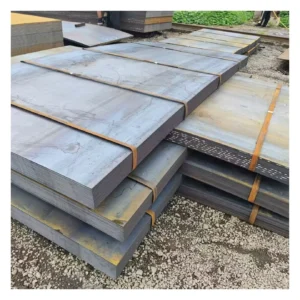
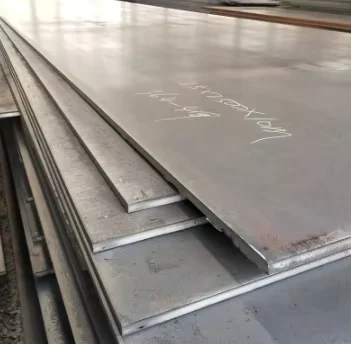
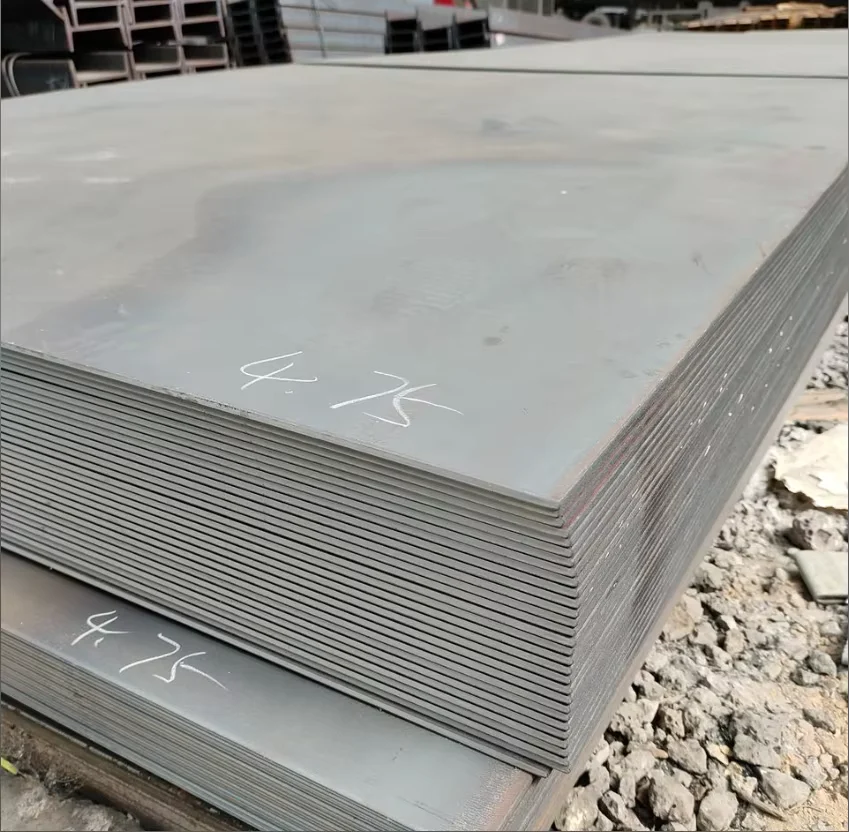
| Surface Treatment | Black (mill scale) |
| Tolerance | ±1% |
| Processing Service | Bending, Welding, Decoiling, Cutting, Punching |
| Material | Low Carbon Steel |
| Application | Construction, Shipbuilding, Bridge, Boiler, Pressure Vessel, Container, Structural Fabrication |
| MOQ | 1 Ton |
| Origin | China |
Application Suitability
| Industry | Typical Applications |
|---|---|
| Construction & Infrastructure | High-rise building frames, bridge gusset plates, foundation base plates |
| Shipbuilding & Offshore | Hull structural plates, deck plating, bulkhead stiffeners |
| Pressure Vessel & Boiler | Boiler drum shells, heat exchanger end plates, storage tank walls |
| Structural Fabrication | Conveyor frames, crane girders, equipment skids, welding assemblies |
What Negative Tolerance Really Costs on a 200-Ton Frame Order
A 0.8mm shortfall on a “10mm” plate is not a rounding error — it is a rejection event on site.
I watched an entire container of carbon plate get refused by a site supervisor in São Paulo because his ultrasonic gauge read 9.2mm on plates labelled 10mm. The mill certificate looked perfect; the actual steel did not match. That kind of negative-tolerance surprise does not just waste freight — it halts erection, forces re-procurement, and leaves the buyer arguing with two continents of suppliers. ASTM Q235 carbon steel plate supplier claims mean nothing without dimensional verification backed by heat-number traceability. [NEED_CITE: thickness tolerance standards for hot-rolled steel plate per ASTM A6]
How Q235 / A36 / S235JR Plates Match Structural and Fabrication Loads
Low-carbon hot-rolled plates in the Q235 family are the workhorse for general structural frames, base plates, and welded assemblies where formability matters more than extreme strength. The 0.35-200mm thickness range covers everything from light gauge bracing to heavy crane-runway girders, and the hot-rolled black surface accepts welding, painting, and galvanizing without additional pretreatment beyond standard descaling. When an ASTM Q235 carbon steel plate supplier delivers plates with verified chemistry and ±1% tolerance, fabricators can plan cutting and bending sequences without budgeting for surprise rework.
Engineering Compliance Across GB, EN, and ASTM Frameworks
Global projects rarely stay within a single standard system. A bridge contractor in Southeast Asia may specify GB/T 700 Q235B, while the same design reviewed by a European consultant will demand S235JR per EN 10025, and a North American owner will ask for ASTM A36. The carbon and manganese ranges of these grades overlap closely, but equivalence is not automatic — it must be documented on the mill test certificate with chemical composition and mechanical test results. [NEED_CITE: steel grade equivalence between GB Q235, EN S235JR, and ASTM A36] For pressure vessels and boilers, additional requirements such as impact testing at specified temperatures or ultrasonic examination per EN 10160 may apply, and the plate must be rolled and certified accordingly. Third-party inspection by SGS or BV can be arranged before shipment to satisfy both owner engineers and customs authorities.
Hot-Rolling, Grade Selection, and Why Thickness Tolerance Is Not Optional
Hot-rolled carbon plates are produced by reheating slabs above recrystallization temperature and passing them through rolling mills to final thickness. The process gives good ductility and weldability — essential for on-site fabrication — but it also introduces natural variation in thickness and flatness. A ±1% tolerance on a 20mm plate means the actual thickness can range from 19.8mm to 20.2mm; on a 6mm plate it means 5.94-6.06mm. Some suppliers exploit this by systematically rolling to the lower bound, selling “10mm” plates that are consistently 9.2-9.5mm and pocketing the weight difference. For structural members where section modulus depends on actual thickness, this practice reduces load capacity and can trigger rejection during inspection. Q235 and its international equivalents (A36, S235JR, SS400, St37-2) are chosen for their balance of strength and formability; stepping up to Q345, S355JR, or Q460 adds yield strength for heavier spans but reduces bendability and requires adjusted welding procedures.
The Hidden Cost of Buying Plates Without Verified Traceability
Plates arriving without a readable heat number, or with a mill test certificate that cannot be cross-checked against the physical marking, create three categories of loss: customs delays (many ports now require verifiable MTC for steel imports), fabrication rework (welding procedures qualified on one chemistry fail on another), and structural liability (engineers cannot sign off on members with unverified properties). [NEED_CITE: import documentation requirements for steel plate with mill test certificates] Choosing an ASTM Q235 carbon steel plate supplier who stamps heat numbers on every plate and provides original MTC before shipment eliminates all three risks at once.
Why Procurement Teams Source Carbon Plate from XJY Plate
XJY Plate operates as the dedicated flat-products division of Shandong Xin Jiyuan Special Steel Tube Co., Ltd, meaning plate and coil inquiries are handled by specialists rather than generalists rotating through product lines. Every ASTM Q235 carbon steel plate leaves the warehouse with an original mill test certificate showing heat number, chemical composition, and mechanical test results — not a reissued template. The facility holds ready stock across common thicknesses from 0.35mm to 200mm in widths up to 2500mm, so small-lot and cut-to-size orders do not carry the premium that mills typically charge below full-plate minimums. Custom processing — plasma and flame cutting, leveling, slitting, punching — is performed in-house with dimensional reports issued before dispatch. Loading is handled by a team experienced in heavy-cargo logistics: flatbed, open-top container, and break-bulk shipments are planned to avoid overweight penalties, edge damage, and port rejection. ISO 9001:2015 and CE certifications are maintained, and SGS or BV third-party inspection can be witnessed by the buyer or their representative.
Documentation & Compliance
- Mill test certificate documenting Q235 / A36 / S235JR chemical composition and mechanical properties per GB/T 700, ASTM A36, or EN 10025, with heat number traceable to the physical plate
- ISO 9001:2015 quality management certificate covering the plate and coil supply process
- CE certification for steel plates destined for European construction and structural applications
- SGS or BV third-party inspection report available for pre-shipment verification of dimensions, surface quality, and marking
- Material traceability sheet linking each plate to its heat number, rolling schedule, and test certificate
- Full customs documentation including packing list, bill of lading, and certificate of origin for import clearance
Packaging, Loading & Delivery
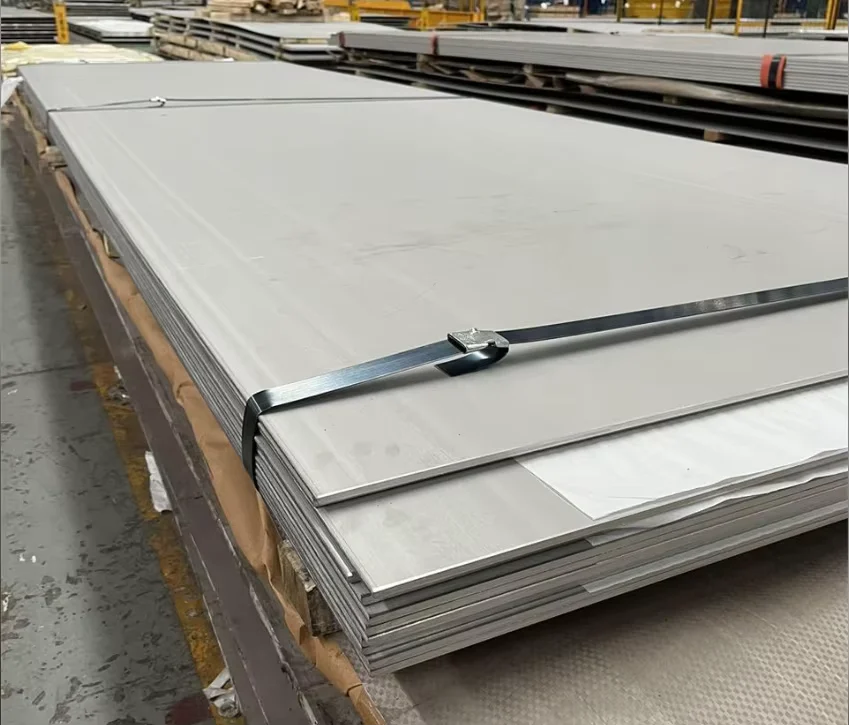
- Hot-rolled Q235 carbon steel plates bundled with steel strips and edge protectors to preserve the black mill-scale surface and prevent edge deformation during ocean transit
- Cut-to-size plates separated by wooden spacers and wrapped in waterproof paper to avoid contact scratching and moisture staining on the 1000-2500mm width range
- Container loading planned by a heavy-cargo team to maximize payload within legal weight limits for 6m and 12m lengths, avoiding overweight penalties at origin and destination ports
- Heat number, steel grade, and dimensional marking stencilled on every plate for on-site identification and traceability verification
- Flatbed, open-top container, and break-bulk shipping options available with FOB, CIF, or DDP terms depending on destination port and project requirements
- Typical production lead times apply for standard specifications; custom cutting and processing schedules confirmed at order confirmation
How to Request a Quote and Mill Test Certificate
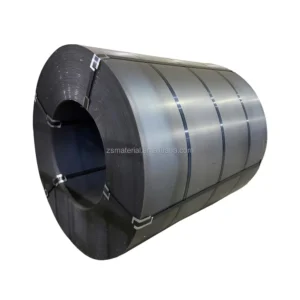
Send your specification — steel grade, thickness, width, length or coil weight, quantity, and destination port — and receive a detailed quotation with material cost, processing fees, and shipping terms within 12 hours. Original mill test certificates are provided for review before or with shipment, and third-party inspection can be arranged on request.
Start Your Q235 Carbon Steel Plate Inquiry
Submit your plate specification and destination to receive pricing, original MTC, and loading plan.
Mobile / WhatsApp / WeChat: +86 188 5315 7756
Email: admin@xjyplate.com
Website: www.xjyplate.com
Frequently Asked Questions
Q: How does Q235 compare to A36, S235JR, and SS400 in chemical composition and application?
A: Q235, ASTM A36, EN S235JR, and JIS SS400 are all low-carbon structural grades with overlapping carbon and manganese ranges, making them broadly interchangeable for general construction and fabrication. The exact equivalence depends on the specific sub-grade (e.g., Q235B vs Q235C for impact testing) and must be confirmed on the mill test certificate.
Q: Can you provide original mill test certificates with full traceability?
A: Yes. Every ASTM Q235 carbon steel plate is supplied with an original MTC showing heat number, chemical composition, and mechanical test results. The heat number is marked on the plate itself for cross-verification on site.
Q: What is the minimum order quantity for cut-to-size plates?
A: The MOQ is 1 Ton. Custom cutting, leveling, slitting, and punching are available for small-lot orders without the full-plate minimums that mills typically require.
Q: Do you practice negative tolerance, and how is the ±1% tolerance controlled?
A: XJY Plate does not systematically exploit negative tolerance. Thickness is controlled within ±1% of the ordered dimension, and actual measurements can be verified against the mill test certificate and on-site ultrasonic gauge readings.
Q: How are heavy plates loaded to avoid damage and overweight penalties?
A: Plates are loaded by a dedicated heavy-cargo team using flatbed, open-top container, or break-bulk methods. Loading plans account for legal weight limits per container type and destination country, and edge protectors and wooden spacers prevent surface and edge damage during transit.