





Description
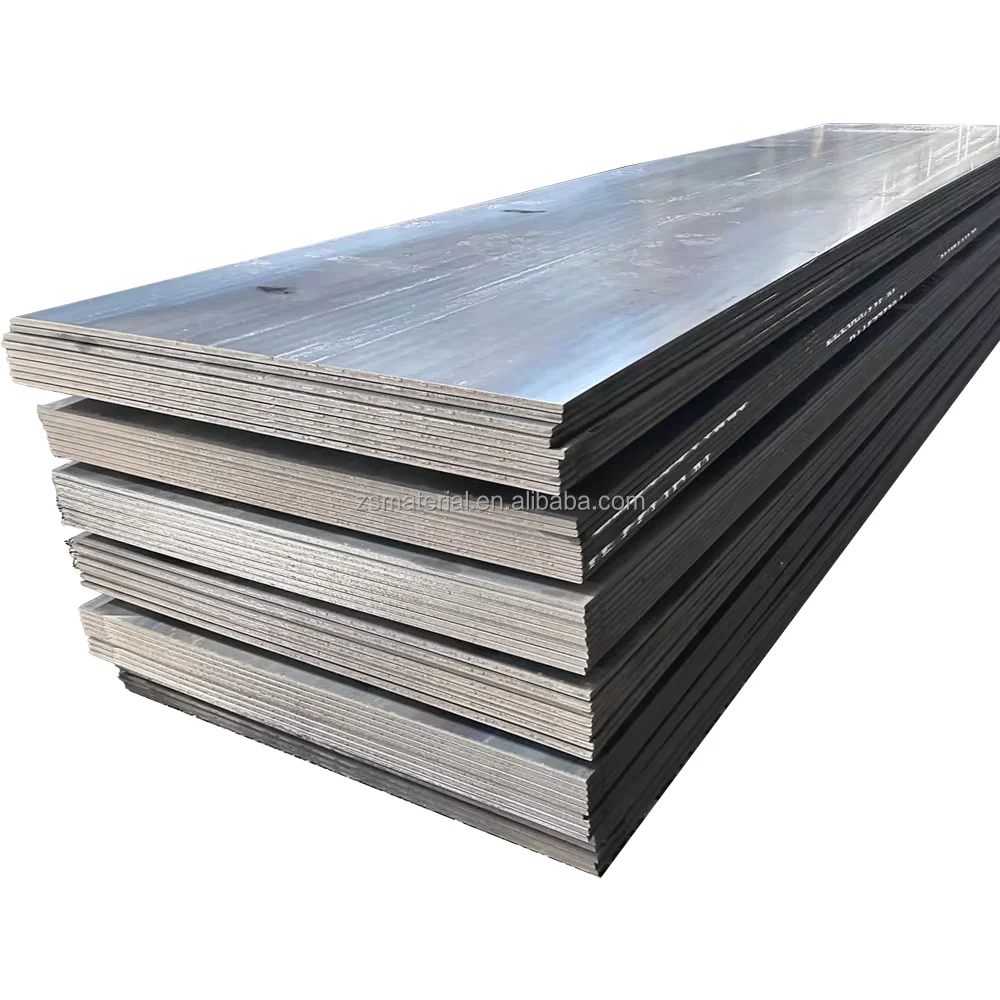
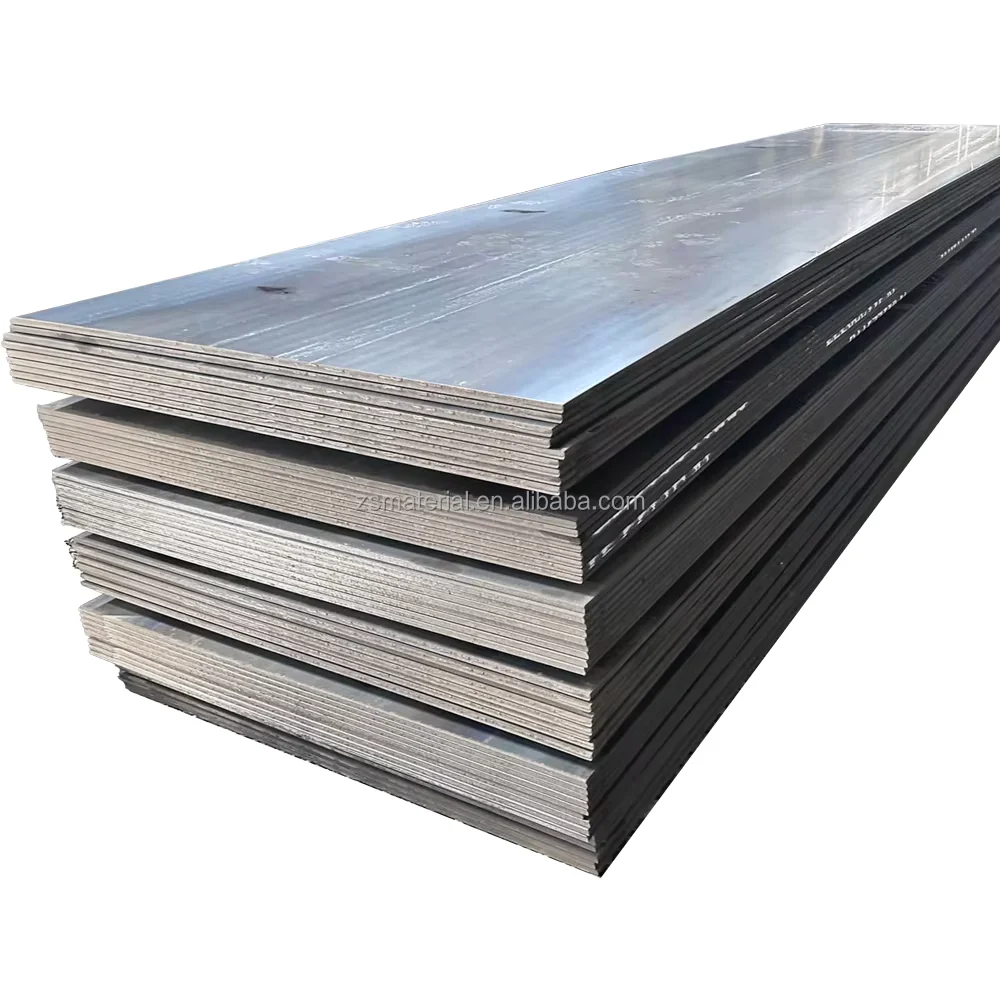
Direct Mill Supply for Q235B Q345B Plates — Every heat number traceable to original rolling schedule with full chemical and mechanical test reports.
Technical Specifications
| Parameter | Value |
|---|---|
| Designation | Q235B / Q345B Wear Resistant Hot Rolled Steel Plate |
| Product Type | Steel Plate |
| Steel Grade | Q235B, Q345B |
| Standard | ASTM, DIN, BS, JIS, AISI |
| Technique | Hot Rolled |
| Surface Treatment | Hot Rolled |
| Tolerance | ±1% |
| Processing | Cutting, Bending, Welding |
| Application | Construction, Petrochemical, Machinery, Shipbuilding |
Application Suitability
| Industry | Typical Applications |
|---|---|
| Construction | Structural base plates, column base connections, bridge gusset plates |
| Petrochemical | Pressure vessel shells, storage tank floor plates, pipe support brackets |
| Machinery | Wear liners for crushers, conveyor frame gussets, excavator bucket reinforcement |
| Shipbuilding | Deck stiffener plates, hull frame brackets, bulkhead connection plates |
What Thickness Deviation Costs on a Wear Plate Fabrication Order
A Q235B Q345B wear resistant hot rolled steel plate with ±1% tolerance eliminates fit-up rework and weld joint failures.
Buyers ordering wear plates for machinery liners or structural connections often discover that actual thickness falls below nominal — sometimes by 5% or more under so-called “commercial tolerance.” When a 20mm plate arrives at 18.6mm, CNC plasma cutting paths shift, bolt holes misalign, and weld prep bevels cut into the base metal unevenly. On a petrochemical tank floor, this means field re-cutting, delayed hydrostatic testing, and schedule slippage that costs far more than the original plate price difference. [NEED_CITE: thickness tolerance standards for hot rolled steel plates per ASTM A6]
How Q235B and Q345B Match Structural and Wear Applications
Q235B serves general structural framing where formability and weldability take priority over surface hardness — base plates, bracing gussets, and non-critical wear surfaces. Q345B steps up the yield strength for load-bearing connections and moderate-wear machinery components like crusher side liners and hopper skirts. Both grades accept plasma and flame cutting cleanly, with preheat requirements that remain manageable on plates under 40mm. The Q235B Q345B wear resistant hot rolled steel plate range covers these overlapping zones without forcing buyers into expensive imported alloy grades for applications where domestic chemistry suffices.
Engineering Compliance and Certification Requirements
Structural projects in the EU and Middle East require CE-marked material with EN 10219 or equivalent traceability, while North American petrochemical work calls for ASTM compliance with full heat-level documentation. Shipbuilding plates must carry classification society endorsement — Lloyd’s, DNV, or ABS — with impact test data at specified temperatures. Our hot rolled plates ship with original mill test certificates showing heat number, chemical composition, and mechanical test results. Third-party inspection through SGS or BV is available before loading, giving EPC contractors the documentation chain that customs authorities and project owners demand. [NEED_CITE: mill test certificate requirements for structural steel plate procurement]
Steel Grade Chemistry and Hot Rolling Effects
Q235B follows the Chinese GB/T 700 standard with carbon content around 0.14–0.22% and yield strength at the 235 MPa class — suitable for welded structures where high strength is not critical. Q345B (GB/T 1591) adds manganese and microalloying elements like vanadium or niobium, pushing yield strength to the 345 MPa class while maintaining good low-temperature toughness. The hot rolling process completes austenite recrystallization at high temperature, producing a normalized microstructure that balances formability with strength. Unlike cold-rolled sheet, hot rolled plate retains a mill scale surface that provides short-term corrosion resistance during storage and transit — removable by blast cleaning before painting or galvanizing.
Hidden Costs of Unverified Plate Procurement
Sourcing Q235B Q345B wear resistant hot rolled steel plate from traders without original mill certificates creates three failure modes: material substitution where lower-grade steel ships under higher-grade labels, negative tolerance abuse where actual thickness falls below specification, and missing impact test data that fails project acceptance at the inspection stage. On a bridge project in Southeast Asia, 120 tonnes of unverified “Q345B” plate failed ultrasonic testing because the internal laminations exceeded acceptable limits — the material had been rolled from continuous-cast slab without proper reduction ratio. Replacement costs and three-week delay exceeded the original savings by a factor of four. [NEED_CITE: structural steel plate rejection rates due to documentation gaps]
Why Source Q235B Q345B Plates From Our Plate Division
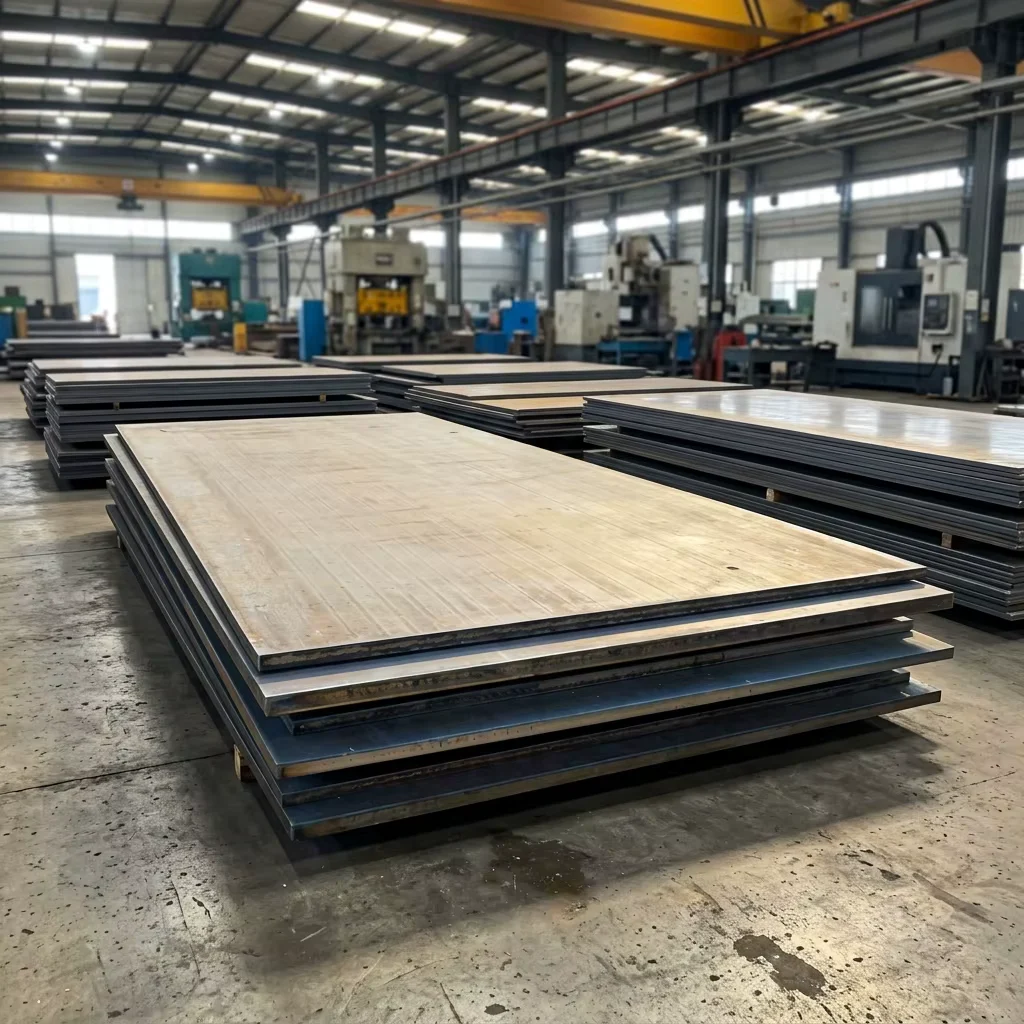
We operate a dedicated plate and coil supply line with direct access to rolling schedules at Shandong mills — no trading company markup, no material blending from unknown sources. Every plate carries its original mill test certificate with heat number traceable to the specific slab and rolling pass. Our inventory covers common thicknesses from 6mm to 100mm in Q235B and Q345B, with custom cutting to size using CNC plasma and flame equipment that holds ±1mm dimensional accuracy. Heavy plate loading uses our own flatbed fleet and open-top container expertise — we know how to distribute weight across 20-ton payloads without exceeding port crane limits or causing edge damage during ocean transit. ISO 9001:2015 and CE certification back every shipment, with SGS or BV inspection available at our yard before container sealing.
Documentation & Compliance
- Mill test certificate documenting Q235B and Q345B chemical composition, carbon equivalent, and tensile test results per GB/T 700 and GB/T 1591
- ISO 9001:2015 quality management certificate covering plate cutting, inspection, and packing processes
- CE certificate confirming conformity with European pressure equipment and structural steel directives where applicable
- SGS or BV third-party inspection report covering dimensional check, surface quality, and witness testing before shipment
- Full material traceability by heat number linking each plate to its original slab, rolling schedule, and test coupon
- Export customs documentation including packing list, ocean bill of lading, and certificate of origin for destination clearance
Packaging, Loading & Delivery
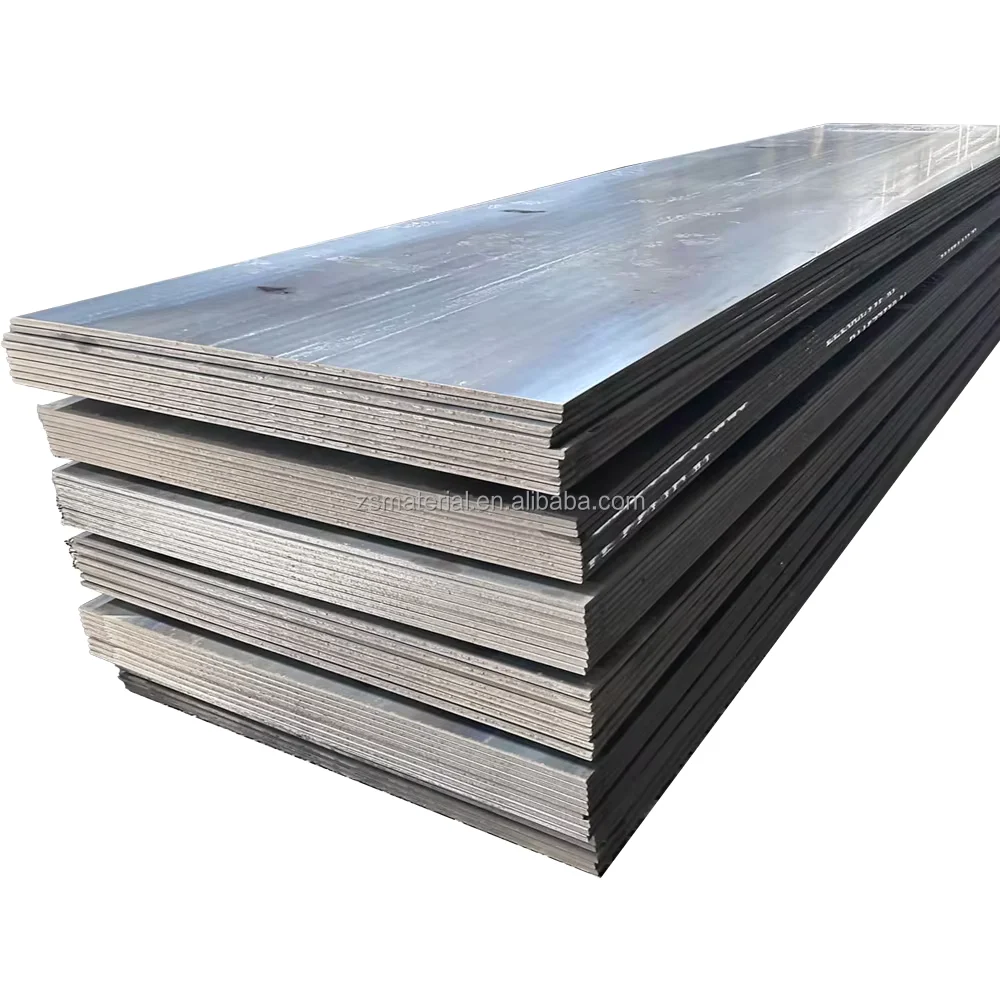
- Hot rolled Q235B and Q345B plates bundled with steel strip ties and edge protectors to prevent mill scale spalling and edge dents during handling
- Surface protection through anti-rust oil coating on bare hot rolled plates, preserving the mill scale finish during ocean transit up to 90 days
- Container loading optimized for heavy plate: 20-ton payload distribution across 20ft open-top containers with timber dunnage and lashing points rated for sea freight
- Custom cut-to-size plates packed separately with dimensional labels showing heat number, grade, thickness, and piece mark for site identification
- Heat number stenciled on each plate corner with weather-resistant paint, matching the mill test certificate for site verification
- FOB, CIF, and DDP shipping terms available with professional heavy cargo logistics covering flatbed, open-top, and break-bulk options
Getting Your Q235B Q345B Plate Quote Started
Submit your specification sheet with steel grade, thickness, width, length, quantity, and destination port — we respond within 12 hours with pricing, processing options, and shipping terms. For custom cut-to-size requirements, share your nesting drawing or cutting list and we confirm material utilization and lead time. Certification and inspection requirements are confirmed before contract signing so there are no surprises at customs or site acceptance.
Frequently Asked Questions
Q: Can you supply Q235B and Q345B plates with ASTM or EN grade equivalence?
A: Yes. We provide grade cross-reference documentation showing chemical and mechanical property equivalence between GB, ASTM, EN, and JIS standards. The mill test certificate includes both the original GB designation and the equivalent standard you specify for your project.
Q: What is the actual thickness tolerance on your hot rolled plates?
A: Our Q235B Q345B wear resistant hot rolled steel plate maintains ±1% thickness tolerance on nominal dimensions. We do not practice negative tolerance — what you order is what you receive, verified by dimensional inspection reports shipped with each order.
Q: Do you provide original mill test certificates or copies?
A: Every plate ships with the original mill test certificate showing heat number, chemical composition, and mechanical test results. The certificate is traceable to the producing mill and available for verification before shipment through our online document portal.
Q: Can you cut plates to size and what is the minimum order?
A: We offer CNC plasma cutting, flame cutting, and shearing services with ±1mm accuracy on cut dimensions. Minimum order for stock sizes is one piece; custom cut-to-size orders follow standard MOQ based on material utilization efficiency.
Q: How do you handle heavy plate shipping to avoid damage?
A: Plates are loaded on timber dunnage with edge protectors and steel strip bundling. Open-top containers and flatbed trailers are used for plates over 12mm thickness. Our logistics team plans weight distribution to stay within port crane limits and container payload restrictions.
Request Your Q235B Q345B Plate Specification and Mill Test Certificate
Send your grade, thickness, dimensions, and quantity to receive a detailed quotation with original mill test certificate preview and shipping options.
Contact: Shandong Xin Jiyuan Special Steel Tube Co., Ltd
Tel: +86 531 8573 6315
Mobile/WhatsApp/WeChat: +86 188 5315 7756
Email: admin@xjyplate.com