
EN-Standard Prepainted Steel Coil Wholesale Supplier for Roofing
The cheapest FOB quote often hides the most expensive port rejection.
Sourcing prepainted steel coils requires verifying coating integrity and certification compliance before shipment, not just comparing base metal prices. International distributors must prioritize substrate grade validation, zinc coating weight consistency, and complete mill test certificates to prevent customs delays and quality disputes at destination ports.
I still remember the silence in the warehouse office in Santos when the container doors opened. The client, a major distributor in São Paulo, didn’t yell. He just pointed at the edge of the coil where the paint had chipped during unloading, revealing rust that had started deep inside the stack. The issue wasn’t the color; it was a five-micron deviation in paint thickness that failed their internal EN standard verification. The demurrage fees alone cost more than the profit margin on the entire order. That moment shifted my perspective from chasing the lowest price to obsessing over parameter clarity and documentation accuracy. When you are dealing with an EN-Standard Prepainted Steel Coil Wholesale Supplier for Roofing, the real cost isn’t what you pay at the factory gate; it’s what you pay if the goods don’t meet the technical specs upon arrival.
This guide breaks down the critical parameters that separate a smooth transaction from a logistical nightmare, focusing on what actually matters for roofing durability and import compliance.
Why Do High-Quality Coils Get Rejected at Destination Ports?
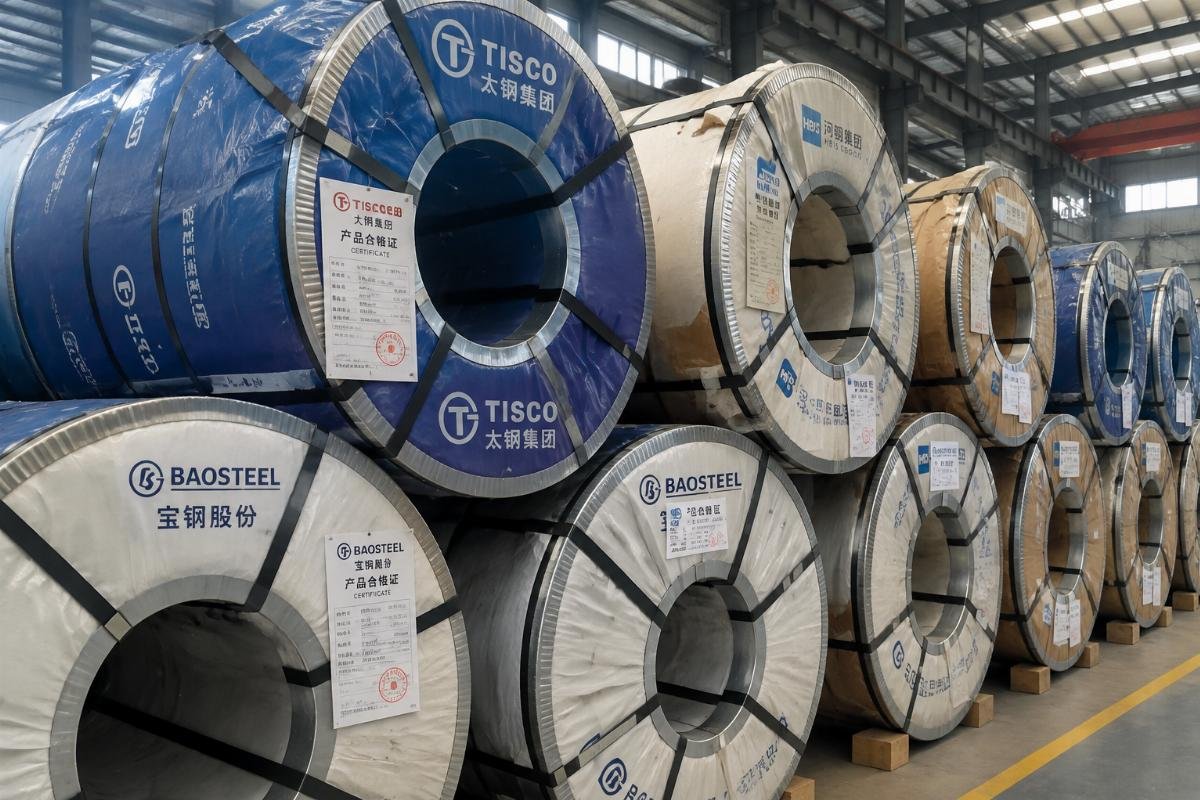
Documentation gaps and minor specification deviations are the primary causes of major logistical disruptions. Many buyers assume that if the steel looks right, it will clear customs and pass quality checks. This is a dangerous assumption. In public infrastructure projects and large-scale commercial roofing tenders, the absence of specific mill certificates can lead to immediate disqualification, regardless of the physical quality of the material.
A common scenario involves mixed-container consolidation errors. When different grades or coating types are packed together without clear separation and labeling, moisture trapped during sea freight can cause edge corrosion. This is especially prevalent in shipments heading to humid climates in Latin America or Southeast Asia. The damage often isn’t visible until the coils are unstacked weeks after arrival.
| Risk Factor | Standard Practice | Enhanced Verification Approach |
|---|---|---|
| Documentation | Basic Commercial Invoice | Full MTC, COO, and Packing List alignment |
| Inspection | Visual check at factory | Third-party pre-shipment inspection report |
| Packaging | Standard export wrapping | Reinforced seaworthy packaging with desiccants |
| Certification | Self-declared compliance | EN 10169 or ASTM A755 certified test results |
[NEED_CITE: frequency of bid rejections due to incomplete documentation in international construction tenders]
The key is to treat the paperwork as part of the product. If the Mill Test Certificate (MTC) does not match the heat number stamped on the coil, the cargo is effectively worthless for certified projects. Working with an EN-Standard Prepainted Steel Coil Wholesale Supplier for Roofing means ensuring that every document traces back to a specific production batch verified by an in-house laboratory or accredited third party.
Critical Parameters: What Actually Matters for Roofing Durability?
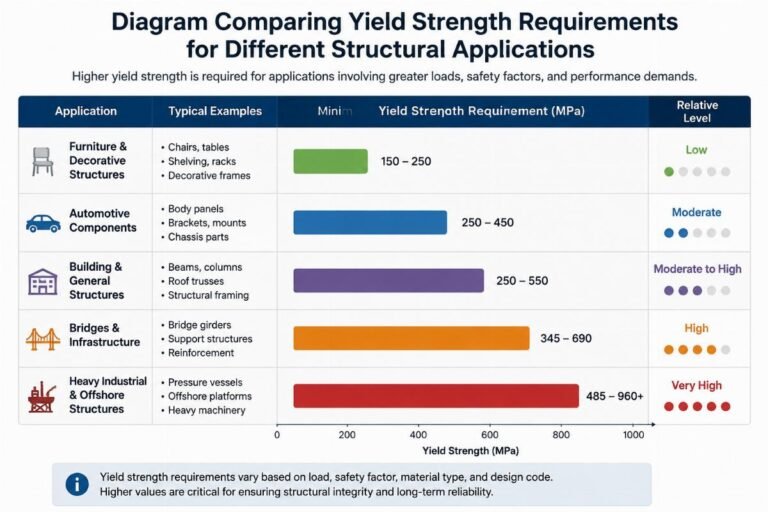
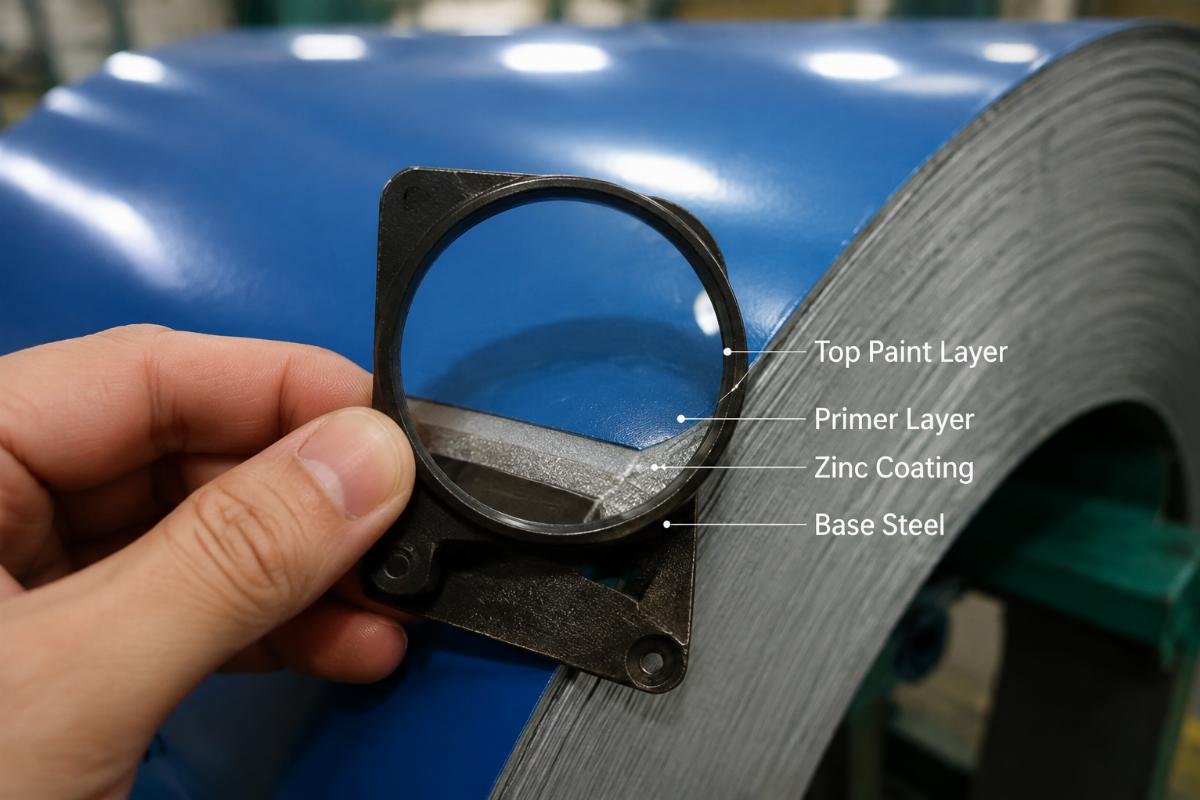
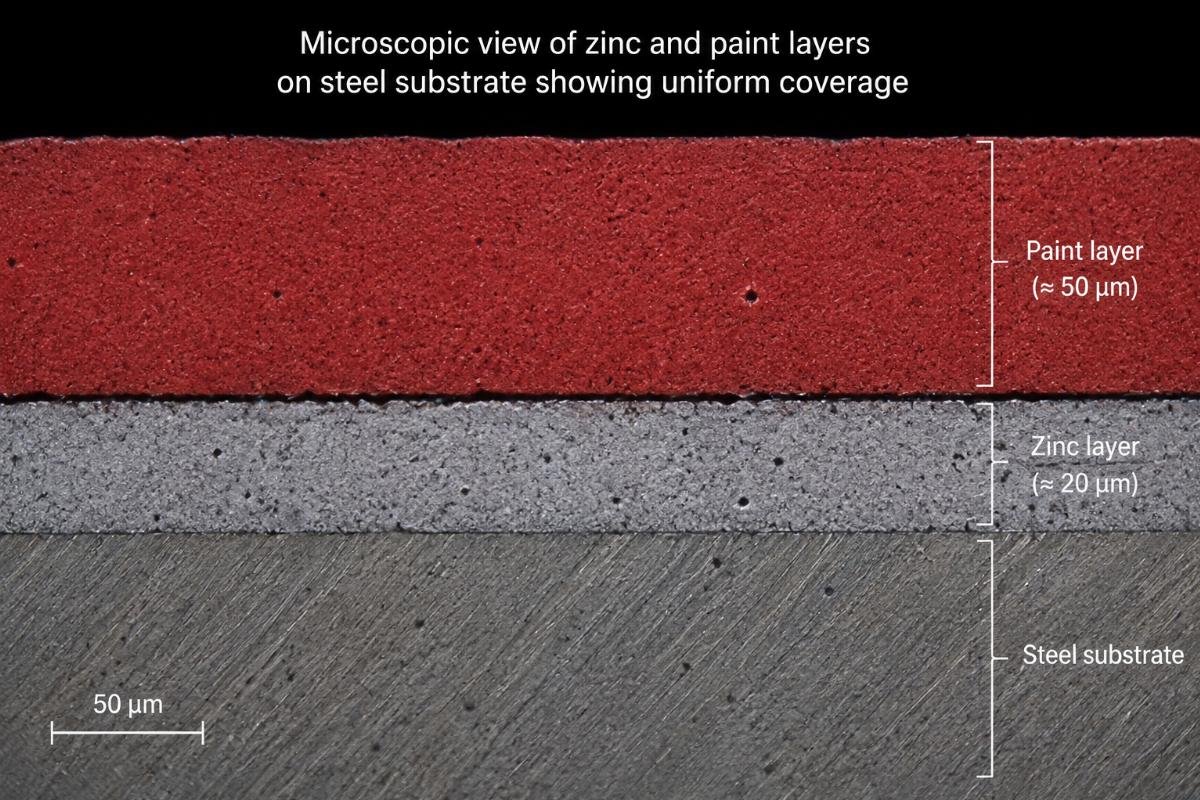
Focus on zinc layer weight and paint adhesion, not just aesthetic color. While the shade of the coil might sell the product initially, it is the substrate grade and coating mass that determine whether the roof lasts five years or fifty. Many buyers mistakenly believe that all “color coated” steels are equal. In reality, the structural longevity is dictated by the substrate grade, such as S355JR versus Q235B, and the integrity of the metallic coating beneath the paint.
Paint thickness is measured in microns, but zinc coating weight is measured in grams per square meter. A common mistake is specifying a high paint thickness while ignoring the zinc layer. If the zinc coating is insufficient, the steel will corrode from the edges inward, causing the paint to blister and peel, even if the paint itself is thick and durable.
| Parameter | Basic Grade | Premium Structural Grade |
|---|---|---|
| Substrate Yield Strength | Standard commercial grade | High strength low alloy (e.g., S355JR) |
| Zinc Coating Weight | Minimum standard coverage | Enhanced corrosion resistance level |
| Paint Adhesion | Standard cross-hatch test | Superior adhesion under stress testing |
| Salt Spray Resistance | Basic exposure tolerance | Extended endurance in harsh environments |
[NEED_CITE: correlation between zinc coating weight and service life in coastal environments]
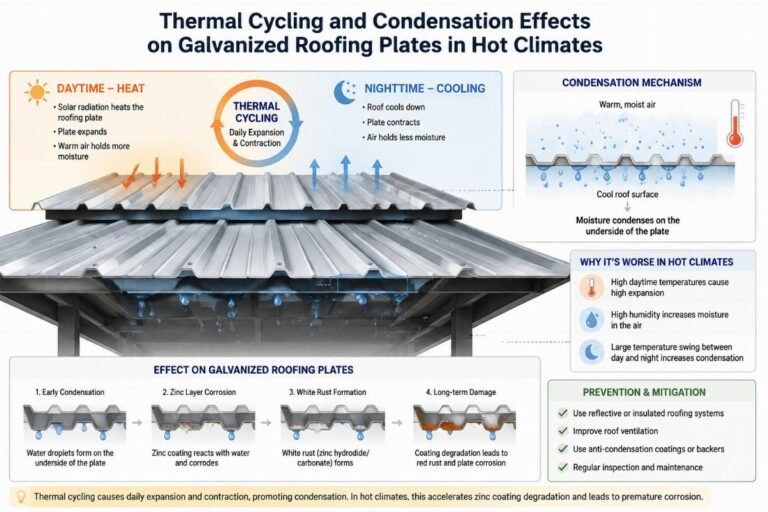
For roofing applications in aggressive environments, such as coastal areas or industrial zones, the substrate must withstand thermal expansion and contraction without cracking the coating. This is where the difference between a generic supplier and a specialized EN-Standard Prepainted Steel Coil Wholesale Supplier for Roofing becomes apparent. The latter will provide data on yield strength and elongation, ensuring the steel can be formed into roofing profiles without compromising the protective layers.
How to Verify Supplier Claims Before Shipment?
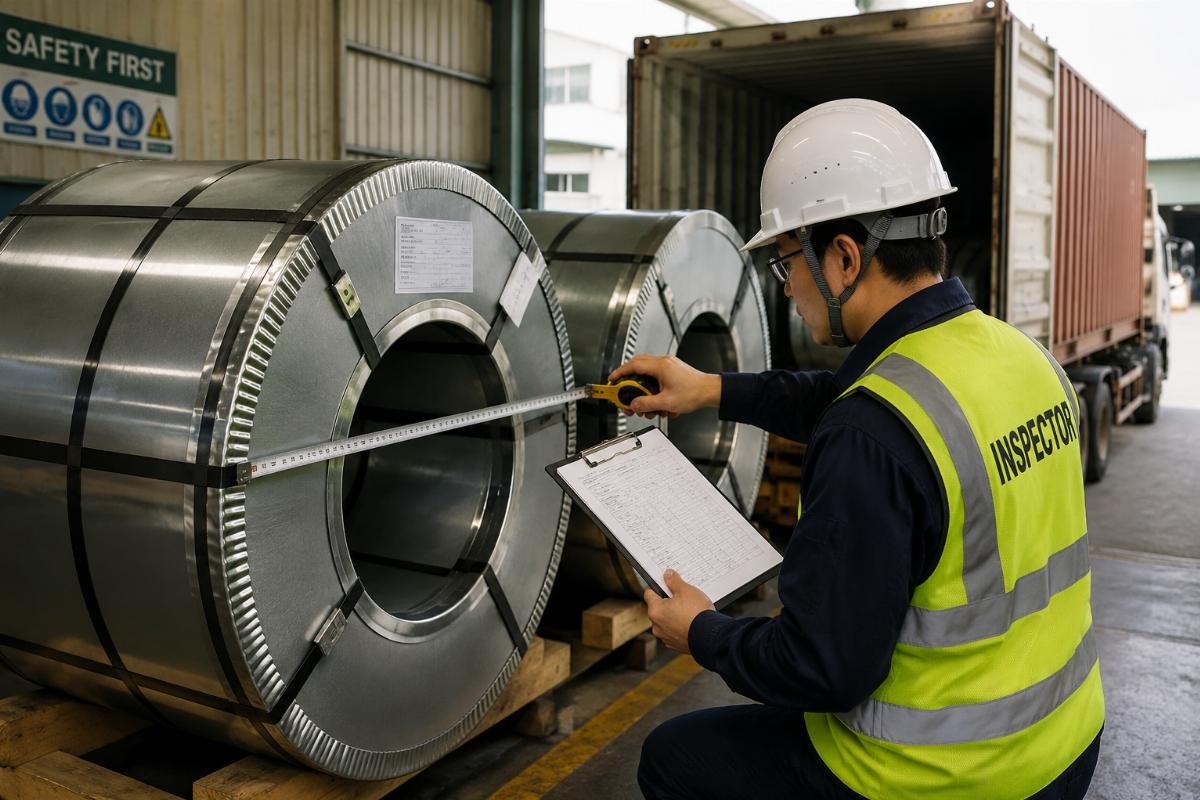
Request third-party inspection reports and specific mill test certificates. Trusting a supplier’s word is not a strategy; it is a gamble. Verification must happen before the container is sealed. This involves checking not just the final product, but the process controls that produced it. A reliable manufacturer will have an in-house laboratory capable of performing adhesion tests, salt spray tests, and thickness measurements according to international standards.
The verification process should include a review of the production line’s quality control logs. Look for consistency in batch testing. If a supplier only provides certificates for sample batches, there is a risk that the main production run differs in quality. For critical projects, engaging a third-party inspection agency to verify the loading process and take random samples for independent testing is a wise investment.
- Review Mill Test Certificates: Ensure the MTC includes chemical composition, mechanical properties, and coating weights for the specific batch.
- Check Certification Standards: Verify that the production process complies with EN 10169 or ASTM A755, depending on the target market requirements.
- Inspect Packaging Details: Confirm that the packing list matches the physical arrangement in the container to prevent movement and damage during transit.
- Validate Laboratory Capabilities: Ask for evidence of in-house testing equipment and recent calibration records.
[NEED_CITE: importance of third-party inspection in reducing quality disputes in steel imports]
In my experience, suppliers who are transparent about their testing protocols are usually confident in their product quality. For instance, Xin Jiyuan’s in-house laboratory capabilities and EN-standard certification process serve as a benchmark for this type of rigorous verification. They don’t just hand over a paper; they walk you through the data. Choosing an EN-Standard Prepainted Steel Coil Wholesale Supplier for Roofing who offers this level of transparency reduces the risk of receiving non-compliant goods.
Packaging & Logistics: Ensuring Arrival in Saleable Condition?
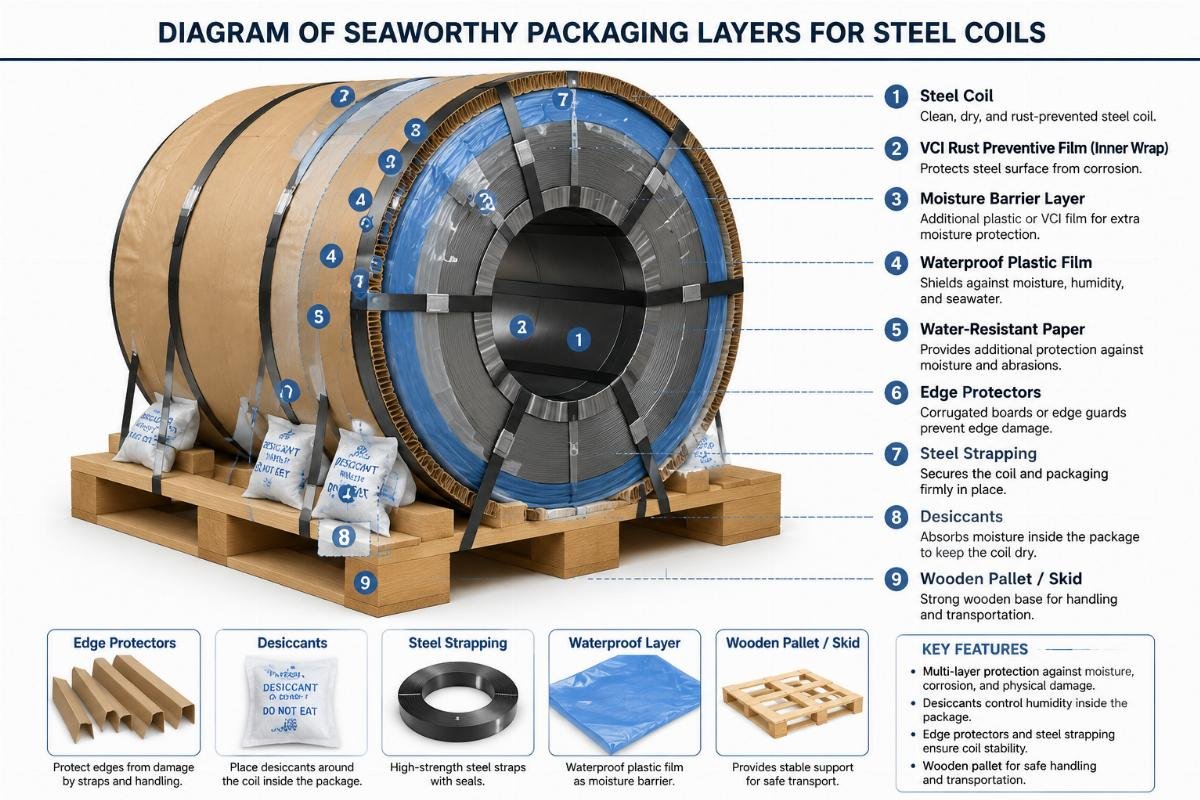
Seaworthy packing standards prevent edge corrosion during long-haul shipping. The journey from the factory in China to a port in Latin America or Africa can take several weeks, during which the cargo is exposed to varying temperatures and humidity levels. Standard packaging is often insufficient for these conditions. Reinforced seaworthy packaging, including waterproof paper, steel strapping, and desiccants, is essential to maintain the integrity of the coils.
Mixed-container consolidation can lead to errors if not managed carefully. Different sizes and weights of coils must be secured properly to prevent shifting. If heavier coils are placed on top of lighter ones without adequate dunnage, the bottom coils can deform, leading to difficulties in uncoiling at the customer’s facility. Additionally, any breach in the outer wrapping can allow moisture to reach the steel edges, starting the corrosion process before the goods even leave the port.
| Packaging Element | Standard Protection | Seaworthy Enhancement |
|---|---|---|
| Outer Wrap | Basic plastic film | Multi-layer waterproof paper and plastic |
| Edge Protection | Cardboard rings | Reinforced steel or heavy-duty plastic guards |
| Moisture Control | None or minimal | Desiccant bags placed within the stack |
| Securing | Basic strapping | Heavy-duty steel strapping with tensioners |
[NEED_CITE: impact of packaging quality on corrosion rates during ocean freight]
The cost of reinforced packaging is negligible compared to the cost of rejected goods. A few extra dollars per ton for proper packing can save thousands in claims and lost reputation. When evaluating an EN-Standard Prepainted Steel Coil Wholesale Supplier for Roofing, ask specifically about their packaging protocols for long-distance sea freight. Do they use desiccants? How do they secure the coils against movement? The answers to these questions reveal how much the supplier cares about the condition of the product upon arrival.
Conclusion
Quality verification is cheaper than port rejection.
Sourcing prepainted steel coils is not just about finding the lowest price; it is about ensuring that the product meets strict technical and documentation standards. By focusing on substrate grades, coating integrity, and robust packaging, distributors can avoid the hidden costs of logistics failures and quality disputes. Partnering with a supplier who prioritizes transparency and compliance ensures that every shipment arrives ready for sale.