
Galvanized Steel Plate Wholesale for Roofing Contractors
Thicker steel does not guarantee a longer-lasting roof; the zinc coating weight is the true determinant of corrosion resistance in harsh climates.
For roofing contractors sourcing Galvanized Steel Plate Wholesale, the critical specification is not merely the base metal thickness but the zinc coating mass class, specifically choosing Z275 over Z180 for hot and humid environments to prevent premature failure. This decision directly impacts project longevity and avoids costly rejections at destination ports due to non-compliance with international standards like EN 10346.
I still remember the humidity hitting my face as I stepped off the plane in Jeddah, a sensation that instantly reminded me of why standard specifications often fail in the Middle East. Years ago, I facilitated a shipment for a warehouse project in Riyadh where the contractor opted for a lower-cost option, assuming that “galvanized” was a universal standard. The cargo arrived with visible white rust spots before it even cleared customs. The local inspector used a magnetic gauge to check the coating thickness, and the entire container was rejected because the specified Z180 coating could not withstand the combination of high temperatures and coastal salt air. That incident was not just a logistical nightmare; it was a lesson in physics. The base steel provides structural integrity, but the zinc layer acts as the sacrificial anode. Without sufficient zinc mass, the steel underneath corrodes rapidly, regardless of how thick the plate itself is. [NEED_CITE: correlation between zinc coating mass and service life in corrosive atmospheres per ISO 14713]
Why Do Roofing Projects Fail in Hot Climates?
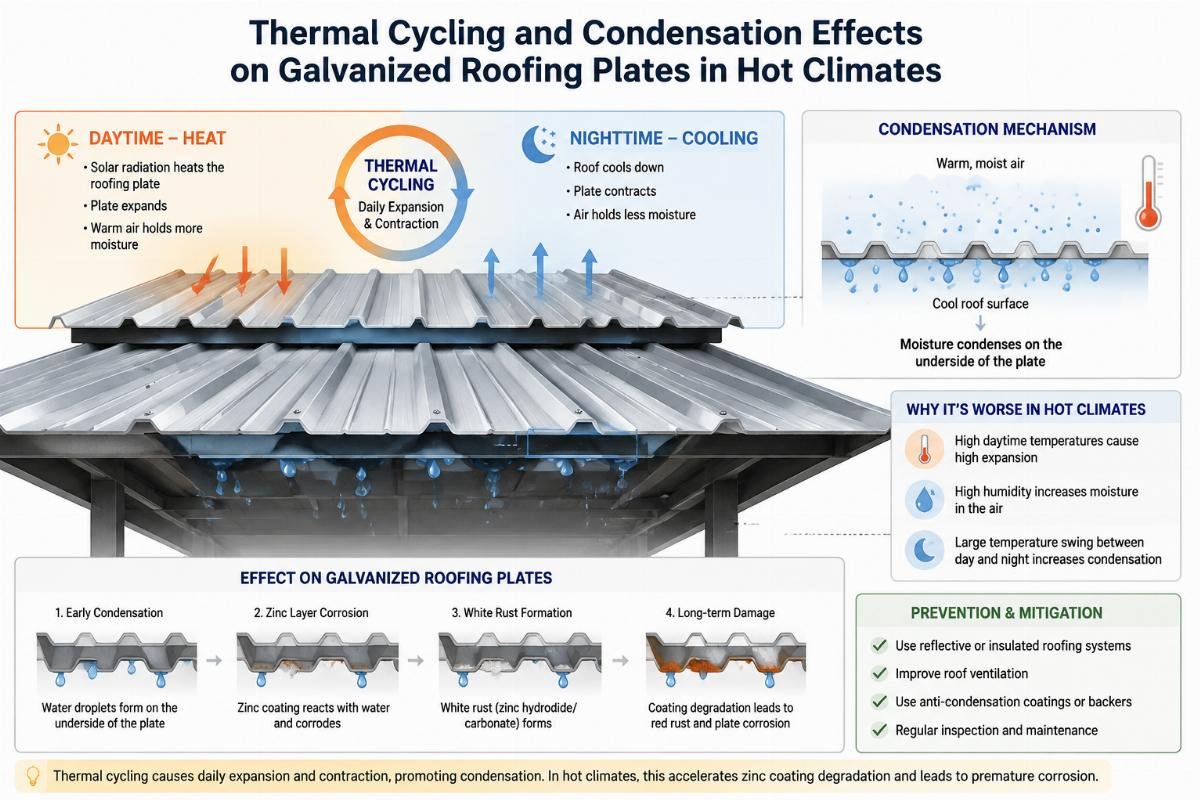
Corrosion in tropical and desert regions is accelerated by thermal cycling and condensation, not just ambient heat.
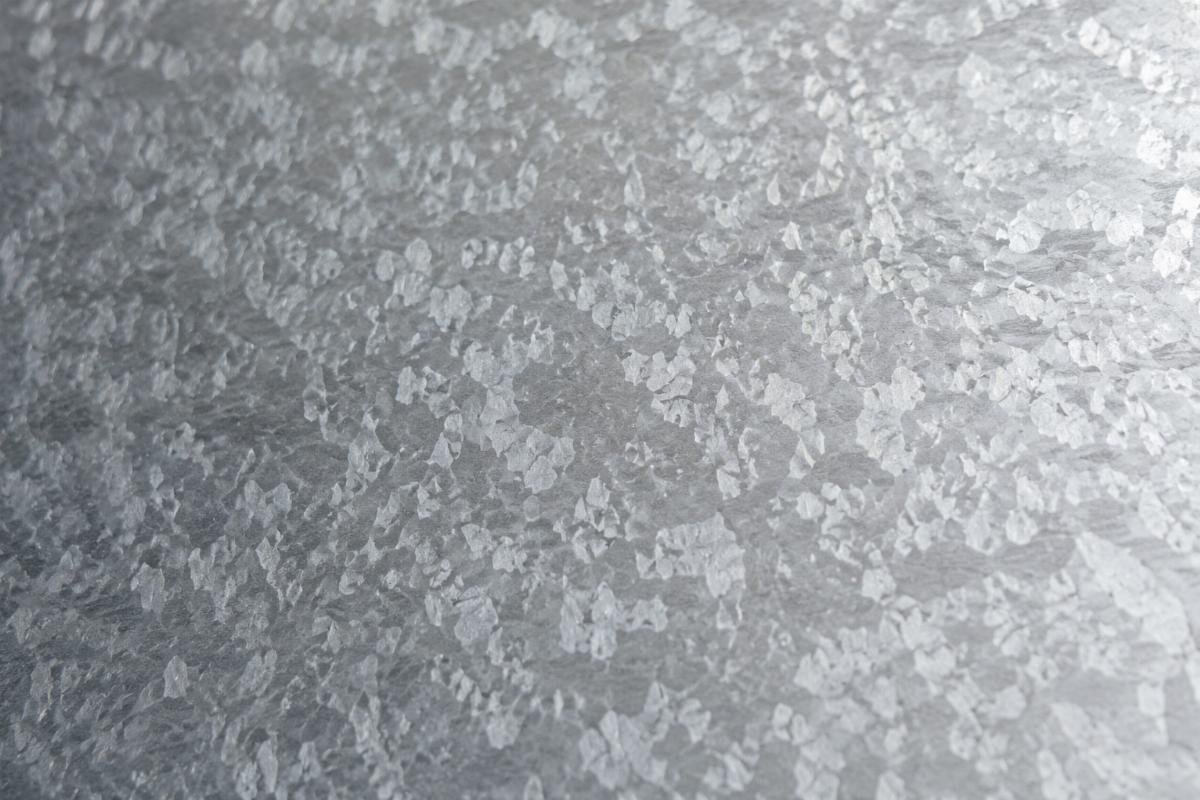
Many buyers assume that if a steel plate looks shiny upon arrival, it will perform well for decades. However, the failure mechanism in regions like Southeast Asia or the Gulf Cooperation Council countries is often driven by micro-climates within the building structure. During the day, roofs can reach extreme temperatures, causing the metal to expand. At night, rapid cooling leads to condensation on the underside of the plates. If the zinc coating is thin or uneven, this moisture penetrates microscopic pores, initiating red rust from the inside out.
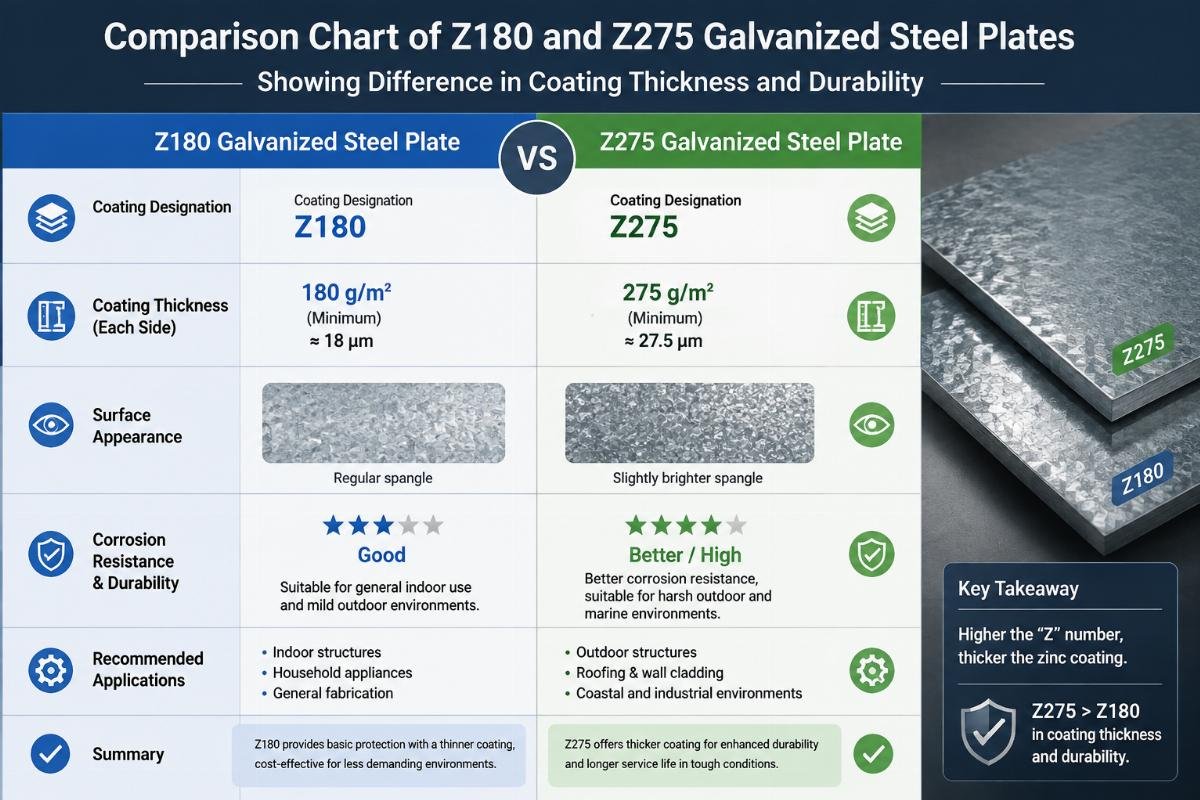
The primary culprit is often a mismatch between the environmental severity and the selected coating class. Standard commercial grades may suffice for indoor storage racks in temperate zones, but they are inadequate for external roofing in aggressive environments. The “Z180 Trap” refers to the common practice of specifying Z180 (180 g/m² total zinc mass) to save on initial procurement costs. While this meets basic requirements, it offers significantly less protection than Z275 (275 g/m²). In high-humidity zones, the difference in lifespan can be substantial, leading to maintenance costs that far exceed the initial savings. [NEED_CITE: comparative corrosion rates of Z180 vs Z275 in marine and industrial atmospheres]
Contractors must recognize that Galvanized Steel Plate Wholesale purchases are not just about tonnage price. They are an investment in risk mitigation. Specifying the correct coating weight ensures that the material can withstand the specific atmospheric conditions of the project site. This requires a deep understanding of local climate data and international standards rather than relying on generic supplier recommendations.
Z180 vs. Z275: Which Grade Fits Your Project?
Selecting the right coating class depends on environmental severity and expected service life, not just budget constraints.
To make an informed decision, contractors should compare the technical specifications of different zinc coating classes. The following table outlines the key differences between common coating masses used in structural roofing.
| Coating Class | Total Zinc Mass (g/m²) | Approximate Thickness (microns) | Environmental Suitability | Corrosion Resistance Level |
|---|---|---|---|---|
| Z100 | 100 | ~7-10 | Indoor, dry environments | Basic |
| Z180 | 180 | ~12-15 | Mild outdoor, temperate climates | Standard |
| Z275 | 275 | ~19-22 | Coastal, industrial, hot/humid | Robust |
| Z350 | 350 | ~25-28 | Extreme marine, chemical exposure | High |
Note: Thickness values are approximate and depend on the zinc-iron alloy layer formation. [NEED_CITE: typical zinc coating thickness conversion factors per ASTM A653]
A recent project in a coastal city in Southeast Asia highlighted the importance of this distinction. The initial tender specified Z180 to meet a tight budget. However, after reviewing the site’s proximity to the sea and the high annual rainfall, the engineering team upgraded the specification to Z275. This change required a slight increase in unit cost but eliminated the need for frequent repainting and maintenance. The contractor reported that the roof remained free of red rust after several years of exposure, whereas neighboring buildings with lower-grade coatings showed significant deterioration.
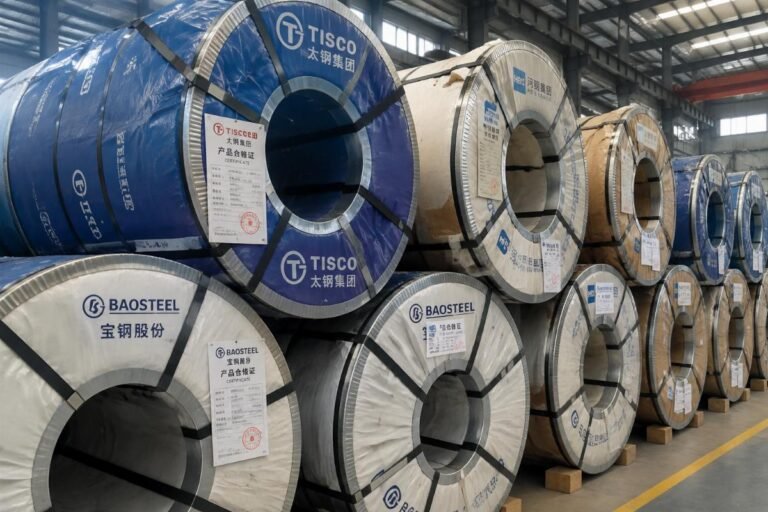
When sourcing Galvanized Steel Plate Wholesale, it is essential to verify that the supplier can consistently produce the specified coating class. Variations in the galvanizing bath temperature and line speed can affect the final zinc mass. Reputable manufacturers provide mill test certificates that detail the coating weight for each batch, ensuring compliance with the ordered specifications. [NEED_CITE: quality control parameters for continuous hot-dip galvanizing lines]
How to Verify Quality Before Shipment?
Documentation and third-party inspection are critical to preventing disputes and ensuring material compliance.
Receiving substandard material at the construction site is a costly error that delays projects and strains client relationships. To avoid this, buyers must implement a rigorous verification process before the goods leave the factory. The first step is to demand detailed Mill Test Certificates (MTCs) that align with the purchase order. These documents should include the heat number, chemical composition, mechanical properties, and coating mass results.
A common issue arises when the MTC does not match the invoice specifications. For instance, a buyer might order EN 10346 S350GD+Z275, but the certificate lists ASTM A653 CS Type B. While these grades may have similar mechanical properties, the coating standards differ. Customs officials in many countries strictly enforce consistency between documentation and physical goods. Discrepancies can lead to delayed clearance, storage fees, and even seizure of the cargo. [NEED_CITE: common customs rejection reasons for steel imports due to documentation errors]
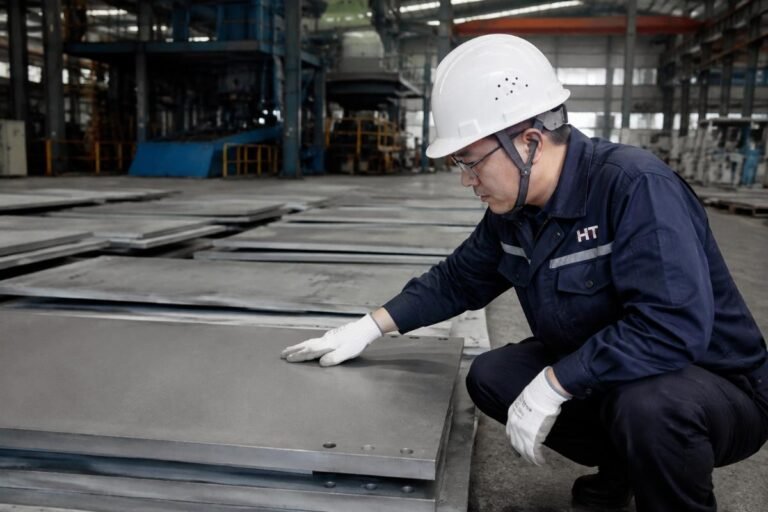
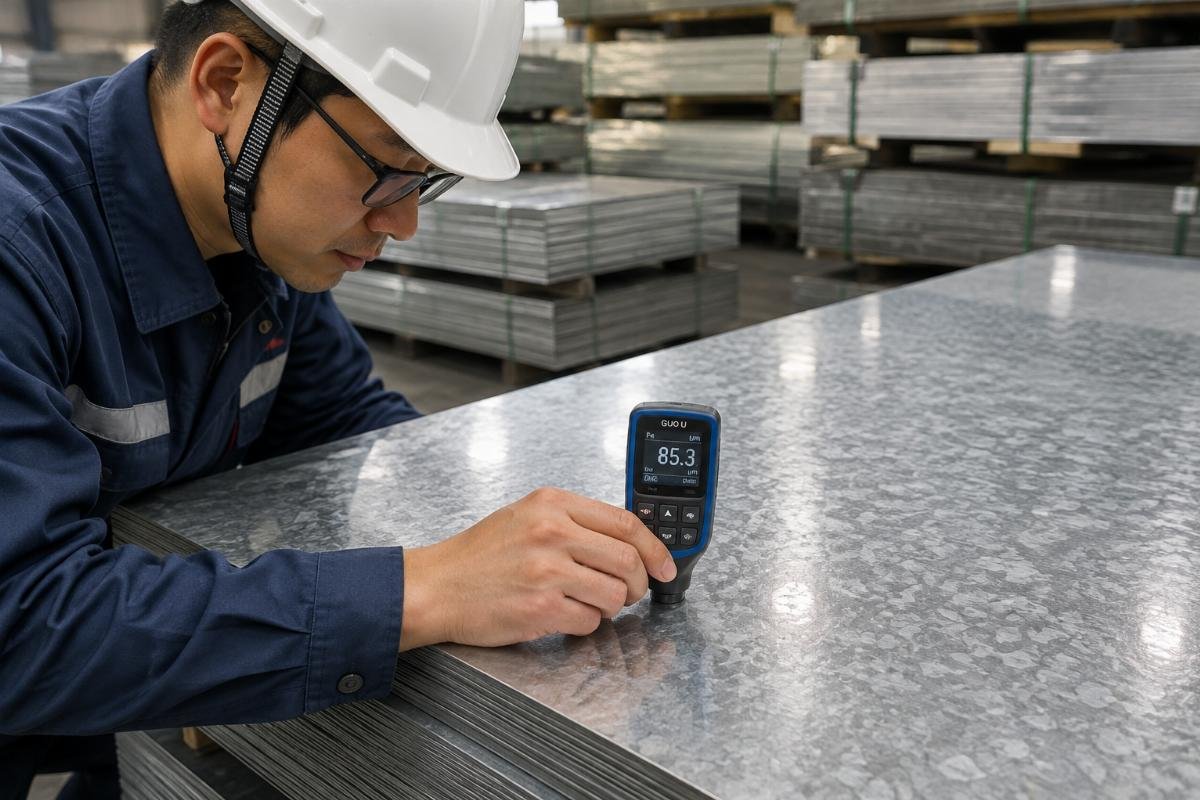
Visual inspection is also vital. Upon arrival, check for white rust (zinc oxide) and black spots. White rust indicates that the plates were exposed to moisture during transit or storage, which can compromise the coating’s integrity. Black spots may suggest incomplete cleaning before galvanizing. A simple water break test can help assess the surface cleanliness and adhesion. If possible, engage a third-party inspection agency to conduct random sampling and coating thickness measurements using a magnetic gauge. This provides an unbiased assessment of the material quality.
For those navigating Galvanized Steel Plate Wholesale markets, establishing a relationship with a supplier who prioritizes transparency is key. Suppliers who willingly provide pre-shipment photos, video inspections, and detailed packing lists demonstrate a commitment to quality. This level of diligence reduces the risk of receiving non-conforming goods and ensures that the material meets the project’s technical requirements.
Wholesale Procurement Checklist for Contractors
Clear contracts and proper packaging specifications are essential for successful bulk steel procurement.
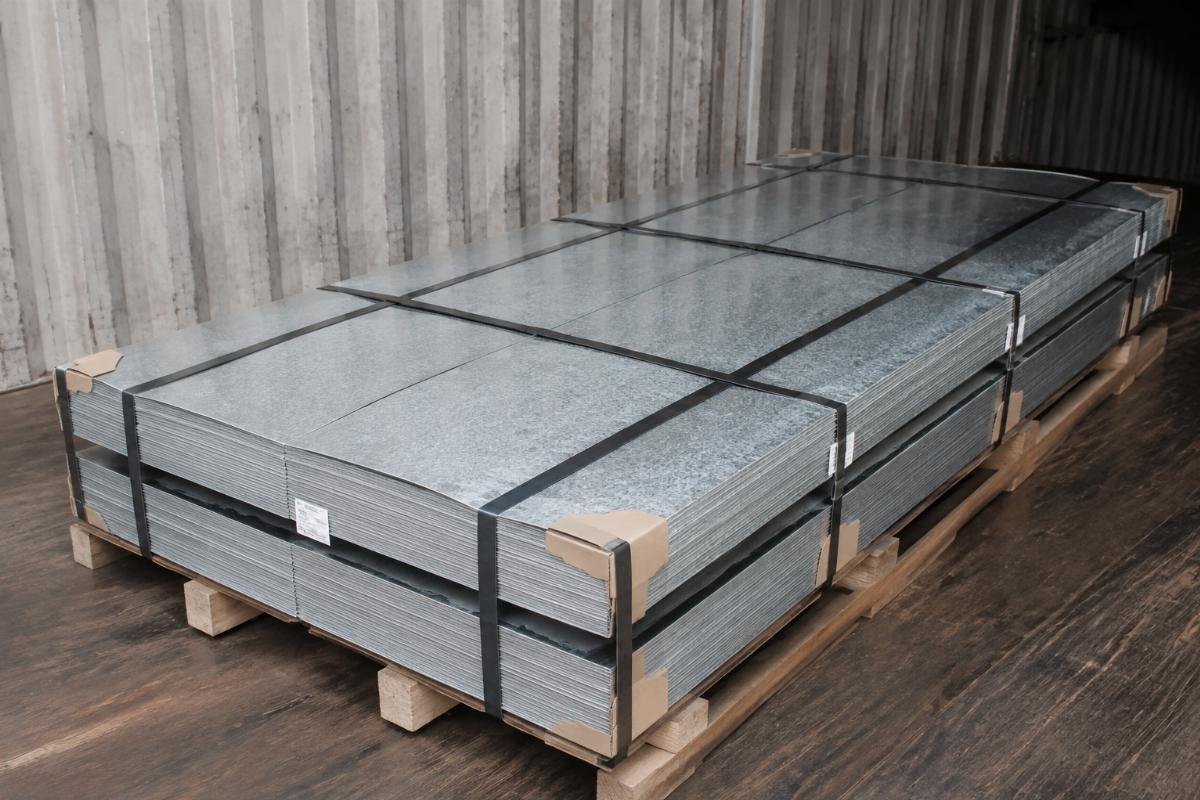
Procuring steel in bulk involves more than just agreeing on a price per ton. It requires careful attention to logistics, packaging, and contractual terms. One of the most overlooked aspects is packaging. Standard seaworthy packaging may not be sufficient for long voyages through humid regions like the Red Sea. Condensation inside containers can cause significant damage to unprotected steel surfaces.
Consider the case of a shipment destined for a port in East Africa. The plates were wrapped in standard plastic film, but due to temperature fluctuations during transit, condensation formed inside the wrapping. When the container was opened, nearly half of the plates showed signs of white rust. This resulted in a partial rejection and a dispute over liability. In contrast, vacuum-sealed packaging or the use of desiccants can significantly reduce moisture-related damage. [NEED_CITE: effectiveness of vapor barrier packaging in preventing transit corrosion for steel products]
Another critical element is the definition of tolerance limits. Steel plates are subject to dimensional tolerances for thickness, width, and length. If these are not clearly defined in the contract, suppliers may deliver materials at the lower end of the acceptable range, which can affect structural calculations. Specify whether tolerances follow EN, ASTM, or JIS standards, and ensure that the supplier acknowledges these requirements in writing.
| Procurement Item | Standard Practice | Recommended Best Practice |
|---|---|---|
| Packaging | Standard plastic wrap | Vacuum-sealed or with desiccants for humid routes |
| Documentation | Commercial Invoice & Packing List | Full MTC, COO, and Inspection Certificate |
| Tolerances | Supplier’s standard | Explicitly stated EN/ASTM tolerance class |
| Inspection | Final visual check | Pre-shipment third-party inspection |
When engaging with a Galvanized Steel Plate Wholesale provider, clarify these details upfront. Discuss Incoterms to understand who bears the risk during transit. Ensure that the supplier has the capacity to handle mixed-container consolidation if you need various sizes or grades. This flexibility can optimize shipping costs and reduce inventory holding times. [NEED_CITE: benefits of mixed-container consolidation for steel imports]
Conclusion
Successful roofing projects rely on precise material specifications and rigorous quality control, not just low initial costs.
Choosing the right galvanized steel involves balancing environmental demands with technical specifications. By prioritizing coating weight over base thickness and verifying quality through documentation and inspection, contractors can ensure durable and compliant roofing solutions. Sourcing Galvanized Steel Plate Wholesale requires a partner who understands these nuances and delivers consistent, certified products.