
Cold-Rolled Steel Plate Sourcing for Automotive OEM Buyers
The cheapest FOB price often hides the most expensive port delays.
Automotive OEMs must prioritize dimensional precision and certificate consistency over lowest price when sourcing cold-rolled steel plates. Correct alignment of physical specs with EN/ASTM documentation prevents costly port demurrage and production line stoppages.
I still remember the silence on the phone line from a procurement manager in Lagos. He wasn’t angry; he was exhausted. A shipment of Q345B medium plates had been sitting at the terminal for weeks. The cargo itself was fine, but the Mill Test Certificate listed an EN standard while the Bill of Lading referenced an ASTM grade. The customs broker couldn’t clear it. The demurrage fees were climbing higher than the value of the steel itself. That incident changed how I view every document that leaves the factory floor. It is not just about moving metal; it is about ensuring the paper trail matches the physical reality down to the last character. [NEED_CITE: common causes of customs clearance delays in steel imports]
This guide breaks down the specific technical and logistical pitfalls that turn a straightforward purchase into a supply chain nightmare. We will look at why general construction grades fail in automotive stamping, how to verify tolerances, and why your supplier’s laboratory capabilities matter more than their sales pitch.
Why Standard Cold-Rolled Plates Fail Automotive Requirements?
General construction grades lack the surface quality and tolerance precision needed for auto stamping.
Many buyers assume that “cold-rolled” is a universal category. They see a smooth surface and assume it will behave the same way in a high-speed stamping press as it does in a structural framework. This is a dangerous misconception. Construction-grade cold-rolled steel is designed for static loads and general fabrication. Automotive components, however, undergo extreme deformation. If the steel has inconsistent grain structure or minor surface imperfections invisible to the naked eye, it will crack during deep drawing.
The difference lies in the manufacturing control. Automotive-grade material requires strict batch consistency. A supplier might produce excellent sheets for months, but if they mix heats or do not maintain strict temperature controls during rolling, the mechanical properties can shift within a single coil. For an OEM, this means unpredictable spring-back rates and increased scrap levels. [NEED_CITE: impact of material inconsistency on automotive stamping efficiency]
Consider a case where a fabricator in Southeast Asia switched to a lower-cost supplier for bracket production. The tensile strength looked correct on paper. However, the surface roughness was slightly outside the optimal range for their lubrication system. The result was a noticeable increase in galling and tool wear. They ended up replacing their stamping dies months ahead of schedule. The savings on the raw material were wiped out by the maintenance costs.
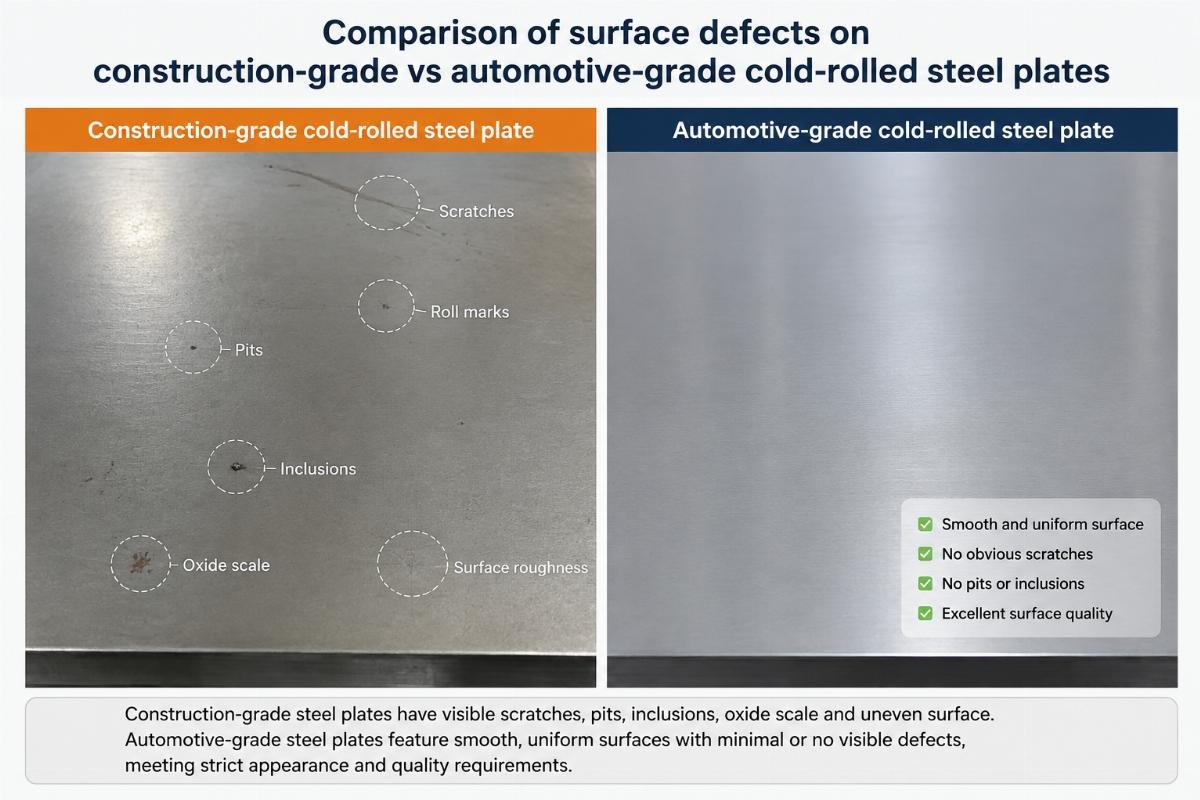
When evaluating Cold-Rolled Steel Plate for Automotive OEM projects, you are not just buying steel; you are buying predictability. The supplier must demonstrate control over the entire process, from slab selection to final coiling. Without this control, the risk of production line rejection remains unacceptably high.
Critical Specs: Tolerance, Surface Finish, and Mechanical Properties
Define exact parameters for Q235B/Q345B/S355JR equivalents in automotive contexts.
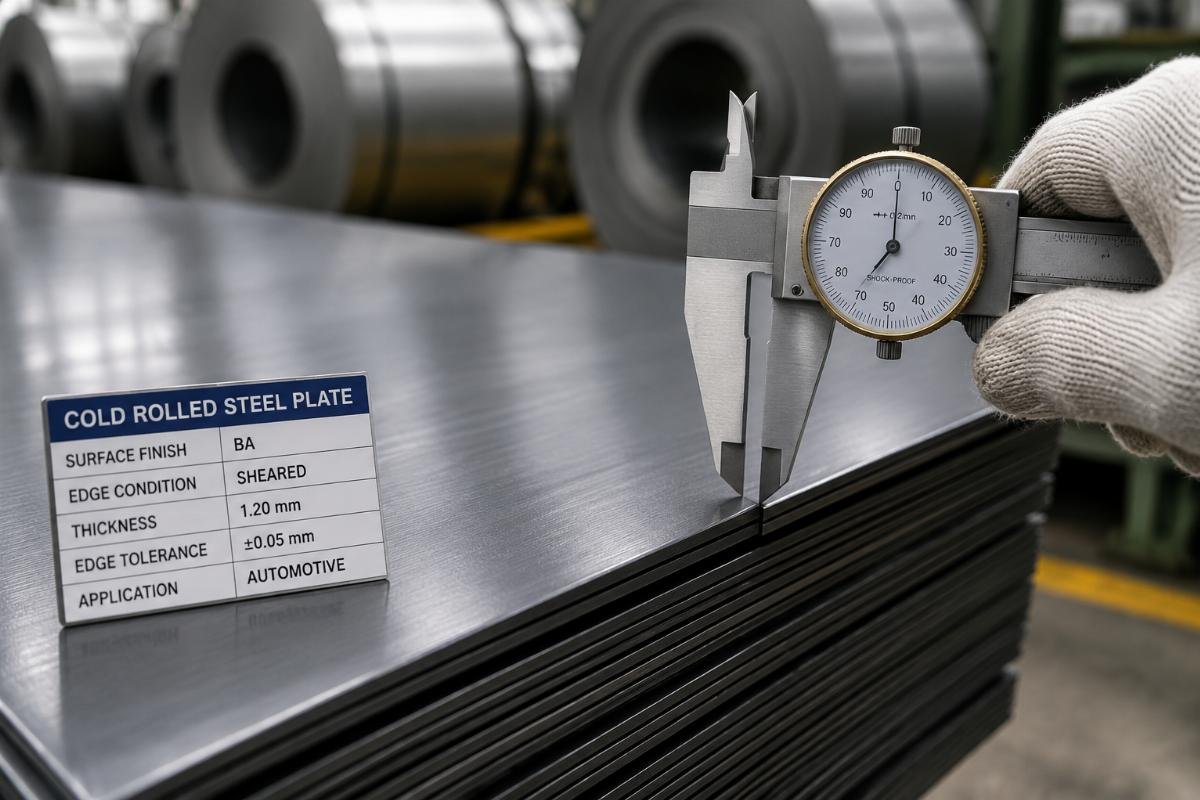
Specifications are the language of quality. In automotive manufacturing, vague terms like “good flatness” are useless. You need verifiable data against recognized standards. The most common issues arise when buyers do not specify the exact tolerance class required for their application. EN 10130 and EN 10131 provide the framework for these requirements, but they must be explicitly stated in the purchase order.
Thickness tolerance is critical. If a plate is too thick, it may not fit into the die. If it is too thin, it may wrinkle or tear. Width tolerance affects the nesting efficiency and material yield. Flatness is perhaps the most challenging parameter to maintain, especially for wider plates. Poor flatness leads to feeding issues in automated lines, causing jams and downtime.
| Parameter | General Construction Grade | Automotive Grade Requirement | Verification Method |
|---|---|---|---|
| Thickness Tolerance | Standard commercial tolerance | Tight or Extra Tight per EN 10131 | Laser gauge measurement at multiple points |
| Surface Finish | Minor scratches acceptable | Free from scale, pits, and roll marks | Visual inspection under controlled lighting |
| Flatness | Standard flatness | High flatness class for stamping | Straightedge check or optical flattening |
| Mechanical Consistency | Batch average compliance | Individual coil certification | Full MTC review per heat number |
[NEED_CITE: EN 10130 and EN 10131 tolerance classes for cold-rolled steel]
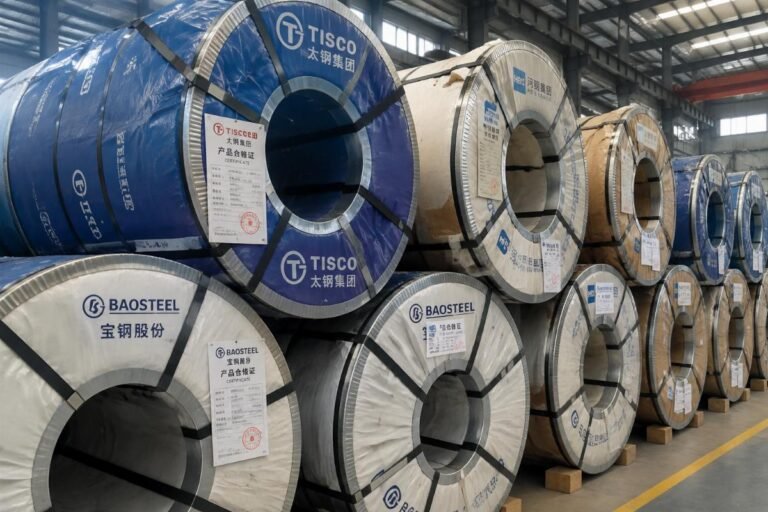
Surface treatment also plays a vital role during transit. Steel shipped from China to global destinations faces varying humidity levels. Without proper protection, even cold-rolled plates can develop surface rust. Shot blasting or specific oiling treatments are not optional extras; they are essential for maintaining surface integrity until the material reaches the production floor. A buyer once received a container where the outer layers were pristine, but the inner sheets had bonded due to moisture ingress and lack of proper separation oil. The entire batch was rejected.
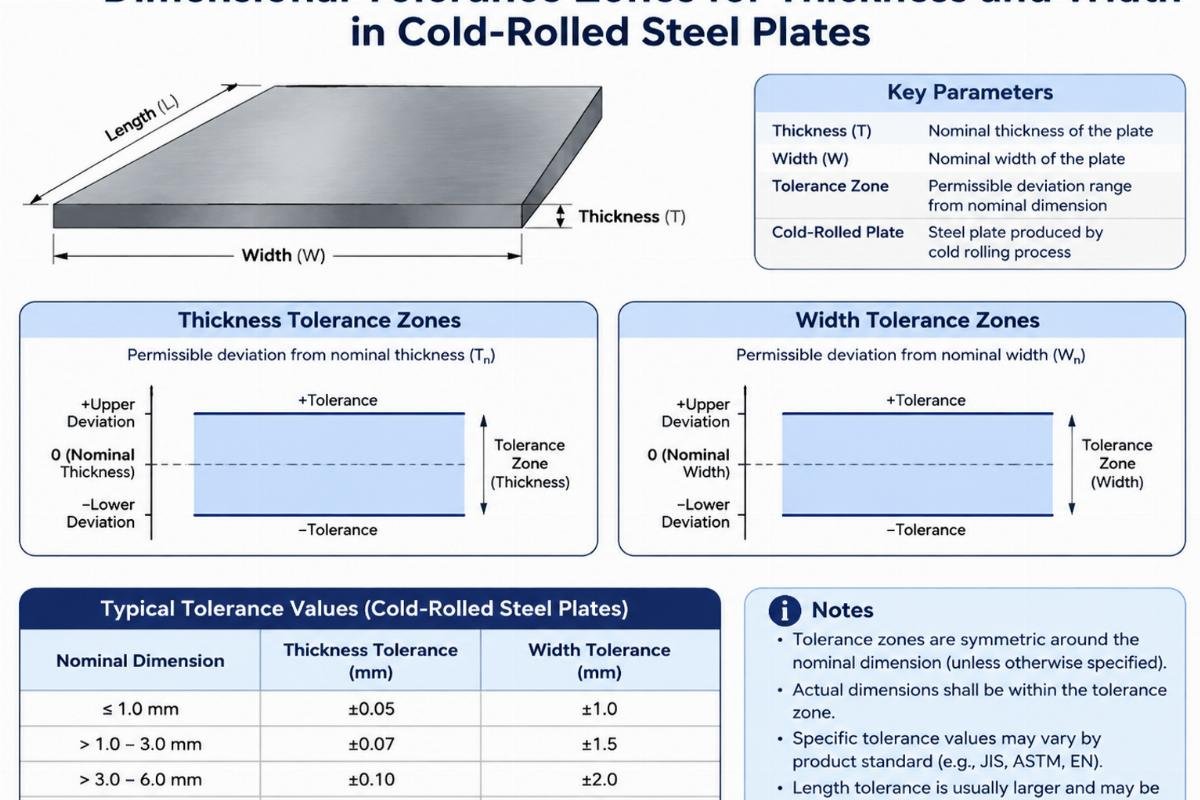
Ensuring that your Cold-Rolled Steel Plate for Automotive OEM meets these specs requires a supplier who understands the difference between meeting a standard and exceeding it for performance. Look for suppliers who provide detailed inspection reports, not just summary certificates.
The Documentation Trap: How to Avoid Customs Delays
Ensure every letter on the Bill of Lading matches the Mill Test Certificate.
Documentation errors are the silent killers of profit margins. As seen in the Lagos example, a mismatch between documents can halt a shipment entirely. Customs authorities are increasingly strict about verifying the origin and specification of imported steel. If the Harmonized System (HS) code, the grade description, or the standard reference does not align across the Commercial Invoice, Packing List, Bill of Lading, and Mill Test Certificate (MTC), the cargo will be flagged.
The most common error is mixing standards. A supplier might produce steel according to EN 10025 but list it as ASTM A36 on the shipping documents to match a buyer’s internal code. This discrepancy raises red flags. Another frequent issue is the description of the product. “Steel plates” is too vague. The description should include the grade, dimensions, and standard, matching exactly what is on the MTC.
A US buyer once faced a significant delay because the MTC listed the heat number, but the packing list did not. The customs officer could not verify which physical bundles corresponded to which test results. The shipment was held for manual inspection, adding days to the clearance process and incurring storage fees. [NEED_CITE: importance of document consistency in international steel trade]
To avoid this, implement a pre-shipment document review process. Request draft copies of all documents before the cargo leaves the factory. Check for:
- Consistent grade naming (e.g., S355JR vs. Q345B).
- Matching heat numbers on MTC and Packing List.
- Correct HS codes for cold-rolled products.
- Accurate weight and piece counts.
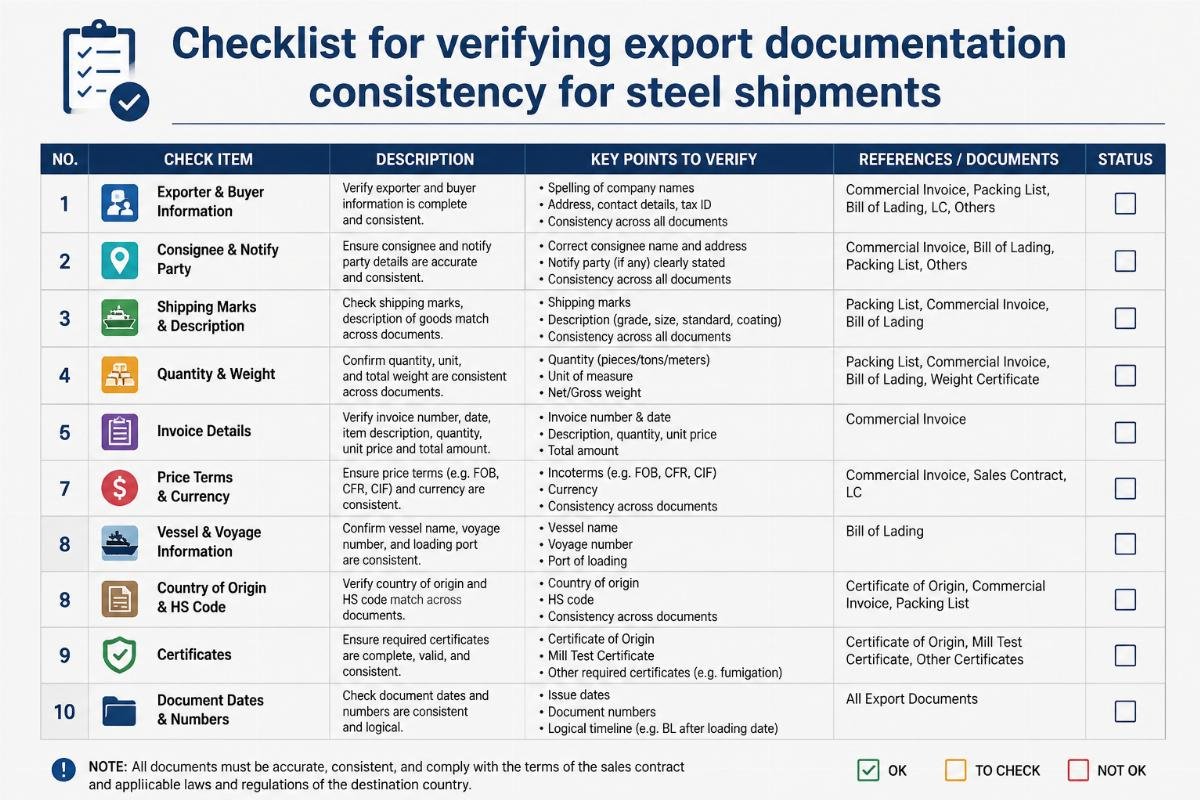
When sourcing Cold-Rolled Steel Plate for Automotive OEM, treat the documentation with the same rigor as the physical product. A perfect sheet of steel is worthless if it cannot clear customs efficiently.
Evaluating Suppliers: Factory Direct vs. Traders
Look for in-house labs and EN10219/EN10210 certification capabilities.
The market is filled with traders who claim to be manufacturers. While traders have their place in consolidating small orders, they lack the control necessary for high-specification automotive supplies. A true manufacturer has direct oversight over the rolling process, heat treatment, and quality testing. This vertical integration allows for faster problem-solving and more reliable lead times.
One key indicator of a serious manufacturer is the presence of an in-house laboratory. This facility should be capable of performing tensile tests, impact tests, and chemical analysis. When you request a custom size or a specific tolerance, a factory with its own lab can verify the material properties before cutting and shipping. A trader, on the other hand, must rely on third-party inspections or original mill certificates, which adds time and reduces flexibility.
Consider the advantage of factory-direct non-standard cutting capabilities. A buyer needed urgent prototypes for a new car model frame. A trader quoted a lead time of several weeks because they had to coordinate with a separate processing center. A manufacturer with in-house cutting lines reduced this to a fraction of that time. They could adjust the cutting parameters in real-time based on the material’s behavior. [NEED_CITE: benefits of vertical integration in steel supply chains]
Furthermore, certifications matter. Look for suppliers who hold EN10219 and EN10210 certifications. These standards indicate a commitment to European quality norms, which are often stricter than general domestic standards. A supplier with these certifications has likely undergone rigorous audits of their production processes and quality management systems.
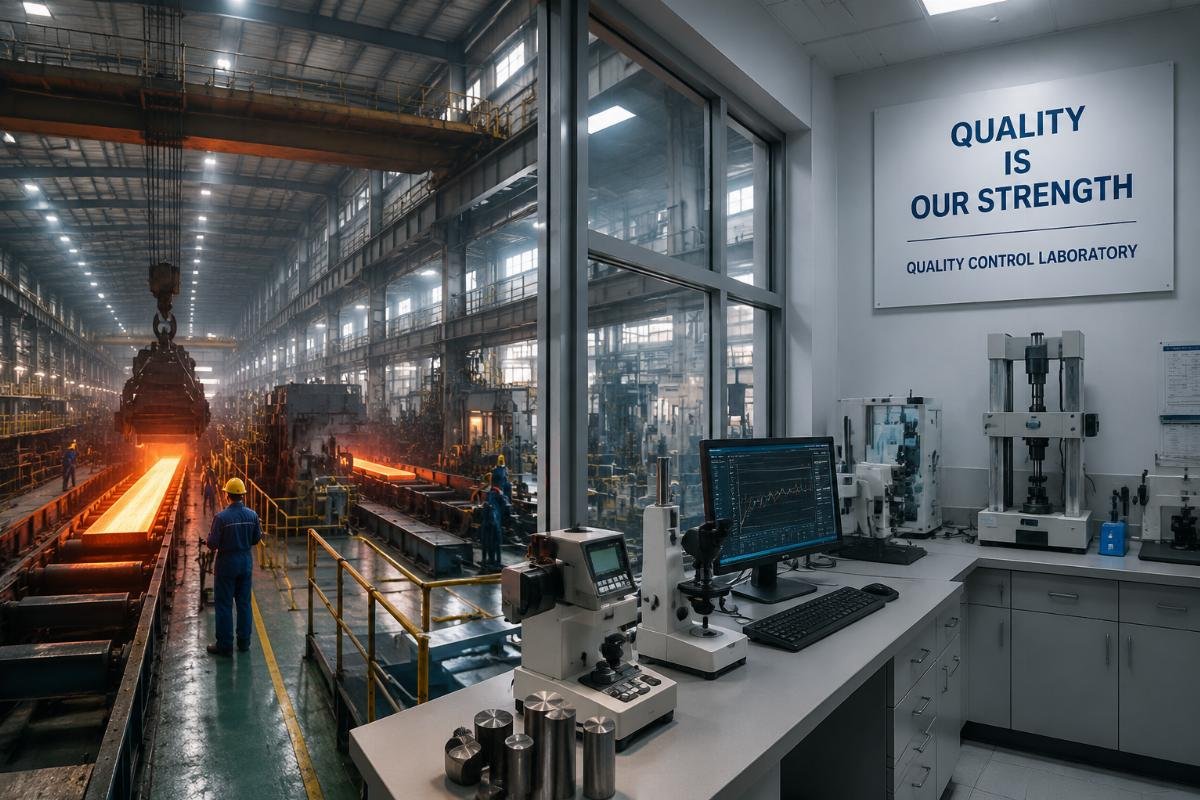
Xin Jiyuan, for instance, operates with over twenty production lines and an in-house laboratory. This setup allows them to verify custom-size Cold-Rolled Steel Plate for Automotive OEM orders and provide compliant EN-standard certificates directly. This level of control ensures that the physical specs align perfectly with the documentation, reducing the risk of errors.
Conclusion
Precision and paperwork are equally critical in automotive steel sourcing.
Sourcing Cold-Rolled Steel Plate for Automotive OEM requires a shift in mindset from price-focused to risk-focused. The hidden costs of demurrage, production stoppages, and material waste far outweigh the initial savings of a cheaper supplier. By prioritizing dimensional precision, verifying document consistency, and partnering with manufacturers who have in-house quality control, buyers can secure a reliable supply chain. Focus on suppliers who demonstrate transparency in their processes and hold relevant international certifications. This approach ensures that the steel arriving at your dock is ready for production, not for dispute resolution.