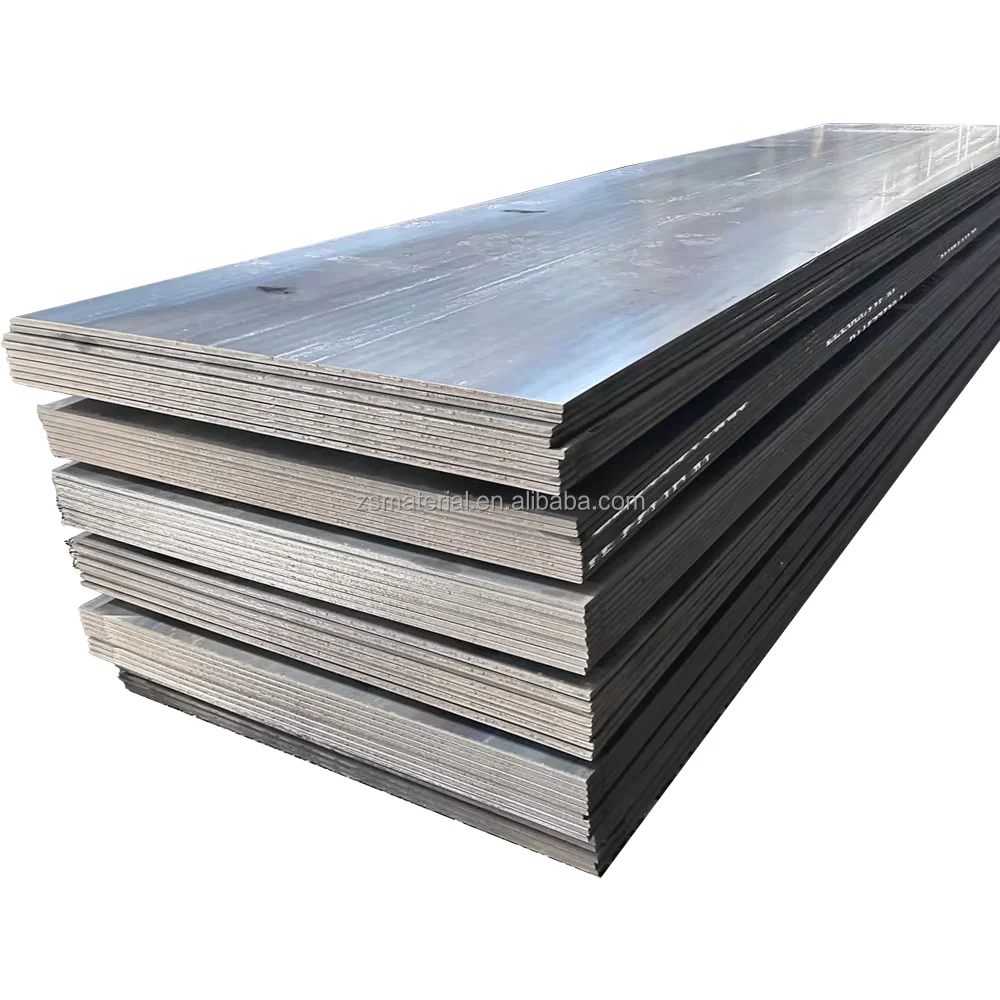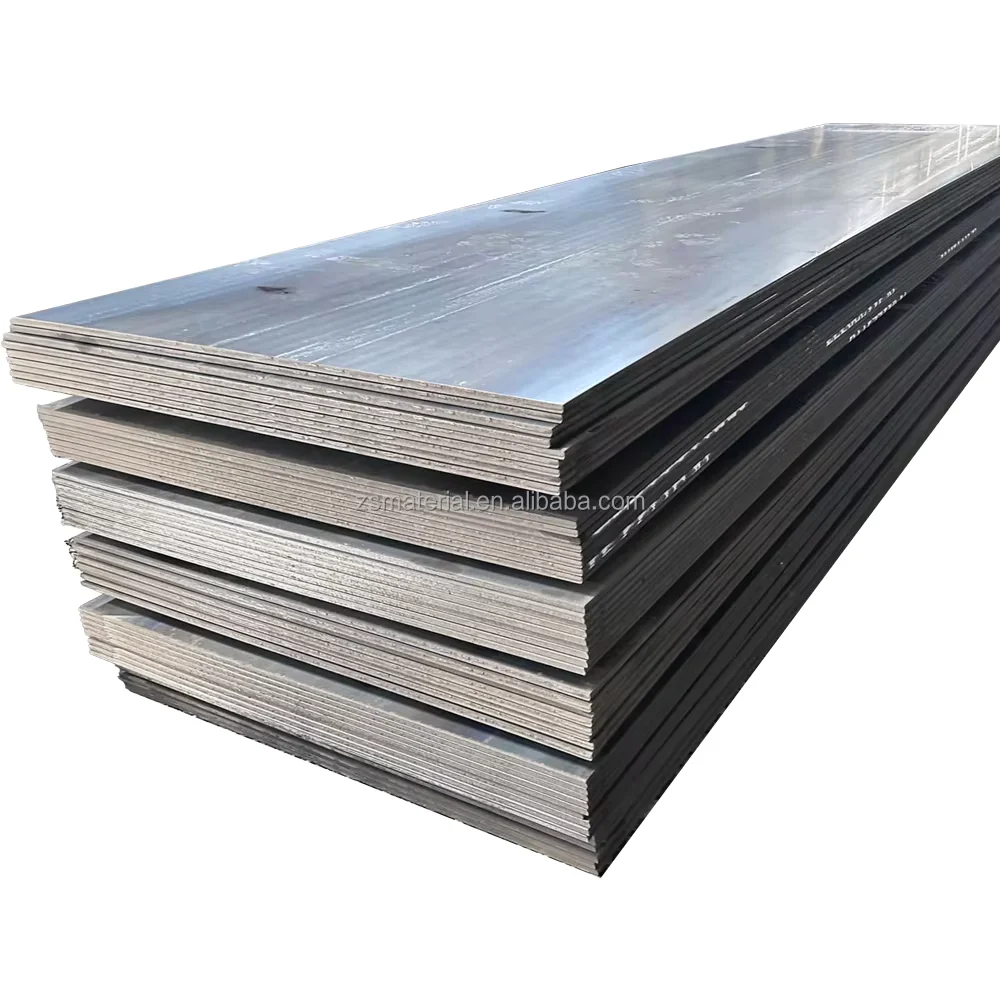


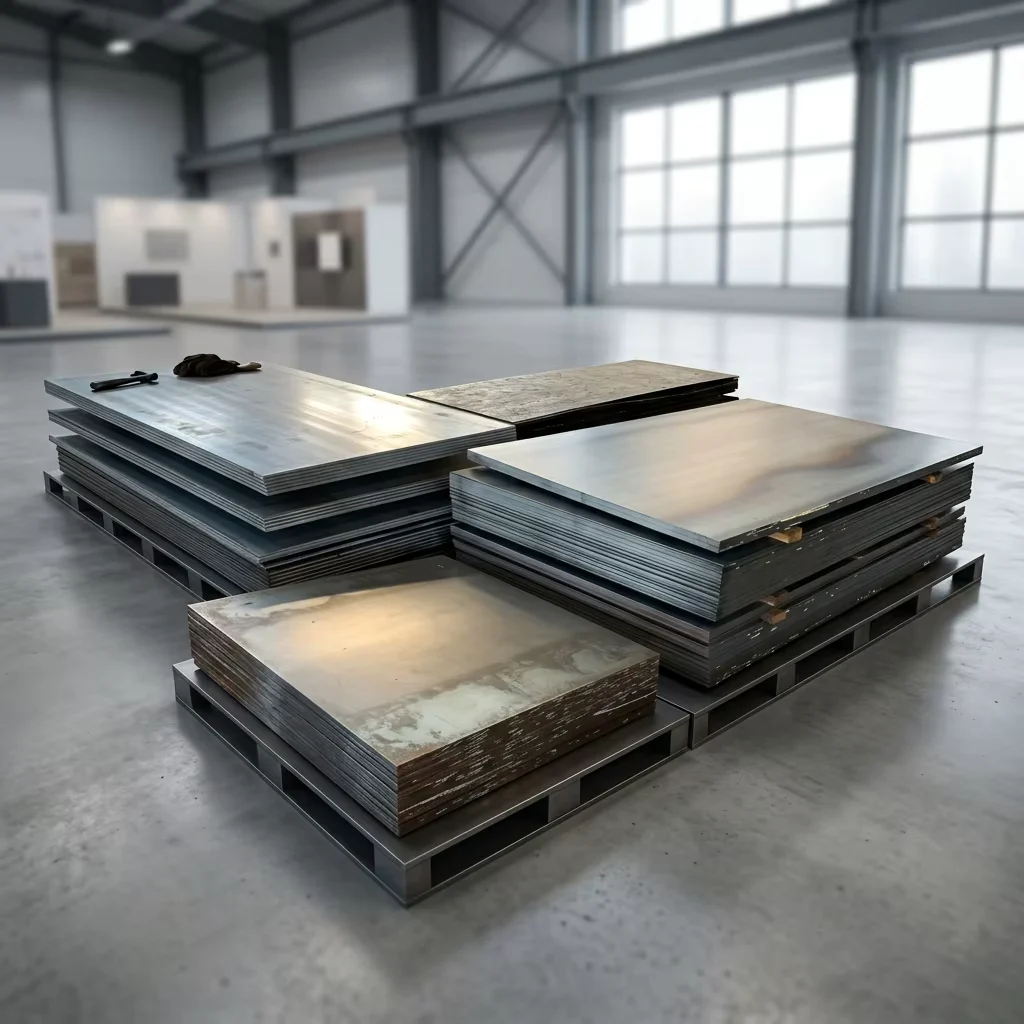





Description
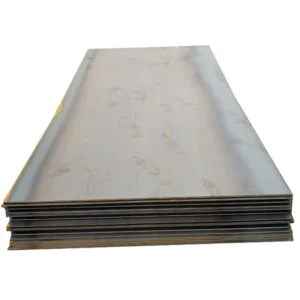
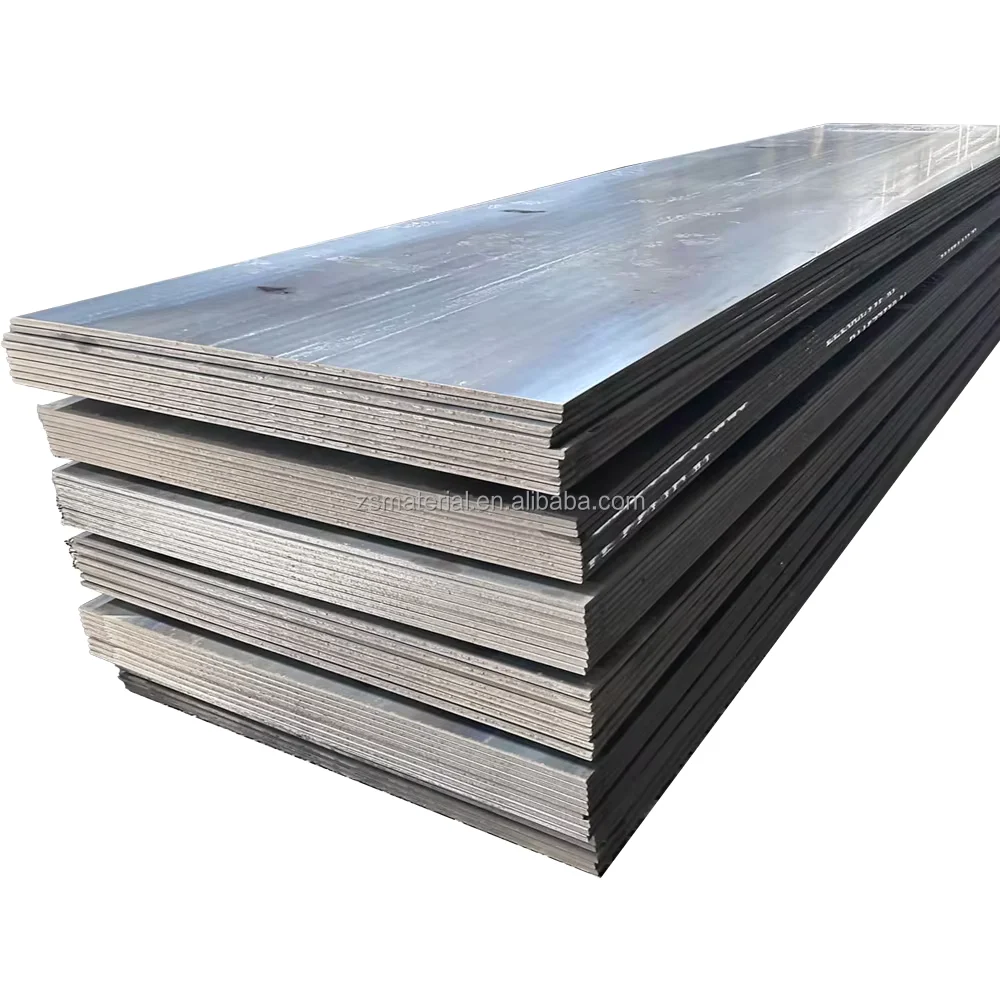
Direct Mill Supply with Full Traceability — Every ASTM A36, Q235B, and Q345B plate ships with original heat-number mill test certificates verified against rolling records.
Technical Specifications
| Parameter | Value |
|---|---|
| Designation | ASTM A36 / Q235B / Q345B Hot Rolled Carbon Steel Plate |
| Product Type | Steel Plate |
| Steel Grade | ASTM A36, Q235B, Q345B |
| Standard | ASTM A36, GB/T 700, GB/T 1591 |
| Section Shape | Flat Plate |
| Size Range | Thickness 1mm–20mm |
| Technique | Hot Rolled |
| Surface Treatment | Hot Rolled Finish |
| Processability | Cutting, Bending, Welding |
| Application | Shipbuilding, Construction, Structural Fabrication |
| Origin | China |
Application Suitability
| Industry | Typical Applications |
|---|---|
| Shipbuilding | Hull plating, deck structures, bulkhead frames |
| Construction | High-rise structural frames, bridge gusset plates, foundation base plates |
| Structural Fabrication | Equipment skids, machinery base frames, conveyor support structures |
| EPC Projects | Pressure vessel shells, storage tank bottoms, pipe rack columns |
When Thickness Tolerance Decides Whether Your Structure Passes Inspection
Actual gauge deviation on hot rolled plate is the single most common cause of fabrication rejection on African and Southeast Asian job sites.
Procurement teams ordering hot rolled carbon steel plate for structural frames frequently discover — only after the container reaches the destination port — that measured thickness falls below the specified minimum. Negative tolerance practices, where mills consistently roll to the lower boundary of permissible deviation, create a cascade of problems: welding joint preparation fails, bolt-hole alignment shifts, and third-party inspectors flag the entire batch. On EPC projects bound by international engineering codes, this means either costly re-procurement or structural re-engineering, neither of which fits a compressed construction schedule. The root cause is rarely the steel itself; it is the absence of verified dimensional data before shipment. [NEED_CITE: thickness tolerance standards for hot rolled steel plate per ASTM A6]
Matching Hot Rolled Plate to Structural and Marine Load Requirements
Hot rolled carbon steel plate in the 1mm to 20mm thickness range covers the majority of structural and light marine fabrication needs. ASTM A36 serves general construction where moderate strength and excellent weldability are primary concerns, while Q235B provides the Chinese standard equivalent for domestic engineering drawings. Q345B steps into higher-load applications — bridge components, heavy equipment frames, and pressure vessel end caps — where increased yield strength reduces section weight without sacrificing structural integrity. Each plate is supplied with hot rolled finish, providing a scale surface that accepts primer and coating systems directly after blast cleaning. Custom plasma or flame cutting to exact project dimensions eliminates on-site waste and reduces secondary machining costs.
Engineering Compliance and Certification Pathways
Structural steel plate used in load-bearing applications must conform to recognized engineering specifications. ASTM A36 meets AISC requirements for welded and bolted construction in North American projects, while Q235B and Q345B align with GB 50017 for Chinese-designed infrastructure. For projects requiring European or international certification, Lloyd’s CE marking confirms conformity with harmonized standards, and ISO 9001:2015 certification ensures systematic quality control from rolling through final inspection. Third-party verification through SGS or BV is available at the loading port, providing independent confirmation of chemical composition, mechanical properties, and dimensional accuracy before the cargo leaves the mill. [NEED_CITE: structural steel plate certification requirements for international construction projects]
Understanding the Three-Grade System: ASTM A36, Q235B, Q345B
These three grades represent distinct points on the carbon steel strength spectrum, each serving different structural roles. ASTM A36 and Q235B occupy similar yield strength territory, making them functionally interchangeable for general construction, bracing, and non-critical structural members. The hot rolling process produces a uniform grain structure that enhances weldability and formability — essential for plates that will undergo bending, drilling, or field welding. Q345B operates at a higher strength tier, corresponding roughly to ASTM A572 Grade 50, and is specified where reduced plate thickness must still carry significant loads. The hot rolled finish provides a consistent surface texture that improves coating adhesion and corrosion protection longevity. Thickness tolerance on hot rolled plate follows standard mill practice, but verified measurement at every stage ensures the delivered gauge matches the ordered specification.
The Hidden Cost of Unverified Plate Procurement
Ordering hot rolled carbon steel plate without confirmed mill test certificates and dimensional verification creates financial exposure that extends far beyond the purchase price. Plates arriving with forged or missing documentation fail customs clearance in regulated markets, triggering port storage fees and project delays. Thickness below specification forces fabricators to either reject the material entirely or seek engineering approval for reduced-section designs — both options compress already tight construction timelines. Chemical composition discrepancies, particularly in carbon equivalent values, can cause welding cracks in cold environments, creating structural safety liabilities that surface only after installation. [NEED_CITE: consequences of non-conforming steel plate in structural applications]
Why Engineering Teams Source Hot Rolled Plate from XJY Plate
Every plate in our inventory originates from verified rolling mills with full heat-number traceability back to the original slab. Our dedicated plate division maintains ready stock across the 1mm to 20mm thickness range in ASTM A36, Q235B, and Q345B, eliminating the minimum-order constraints that force buyers to purchase full coils for small projects. Custom cutting services — plasma, flame, and mechanical blanking — deliver plates sized to your exact fabrication drawings, reducing on-site waste and labor costs. Each shipment includes original mill test certificates documenting chemical composition and mechanical properties, with third-party inspection available at the loading port. Professional heavy-cargo logistics teams handle flatbed loading, open-top container stowage, and break-bulk shipping, ensuring plates arrive without edge damage or thickness deformation. ISO 9001:2015 and Lloyd’s CE certification provide the documentation framework that international projects require for customs clearance and engineering approval.
Documentation & Compliance
- Mill test certificate documenting ASTM A36, Q235B, or Q345B chemical composition and mechanical properties per applicable standard, with heat number traceability
- ISO 9001:2015 quality management certificate covering the entire plate supply and processing chain
- Lloyd’s CE certificate confirming conformity for projects requiring European market access
- SGS or BV third-party inspection report verifying thickness, flatness, and surface condition at the loading port
- Dimensional inspection report with measured thickness and tolerance data for each plate or batch
- Complete customs documentation including packing list, bill of lading, and certificate of origin
Packaging, Loading & Delivery
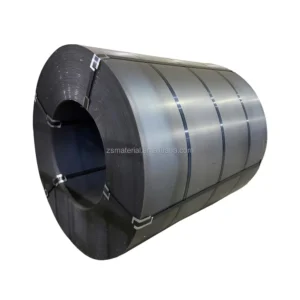
- Hot rolled carbon steel plates bundled with steel straps and edge protectors to prevent surface damage and edge deformation during ocean transit
- Plates stacked with interleaving separators to preserve hot rolled finish and prevent moisture trapping between surfaces
- Container loading optimized for 1mm–20mm thickness range, with weight distribution calculated to avoid overweight penalties and port delays
- Custom cut-to-size plates individually labeled with heat number, steel grade, and thickness for easy identification at the fabrication shop
- Professional flatbed and open-top container loading for plates exceeding standard container dimensions, with lashing and chocking to prevent shifting
- FOB, CIF, and DDP shipping terms available, with complete export documentation and tracking through final delivery
Start Your Plate Procurement with Verified Specifications
Submit your required steel grade, thickness, width, length, and quantity along with destination port to receive a detailed quotation including material cost, processing fees, and shipping terms. We provide original mill test certificates for your review before shipment and can arrange third-party inspection at the loading port. Custom cutting and processing services are available for projects requiring precise dimensions.
Request Your Hot Rolled Carbon Steel Plate Quotation
Send your specifications to receive pricing, mill test certificates, and delivery timeline within 12 hours.
Contact: Shandong Xin Jiyuan Special Steel Tube Co., Ltd
Website: www.xjyplate.com
Tel: +86 531 8573 6315
Mobile/WhatsApp/WeChat: +86 188 5315 7756
Email: admin@xjyplate.com
Address: No.11889, Jingshi West Road, Lulian Group, Jinan City, Shandong Province, China